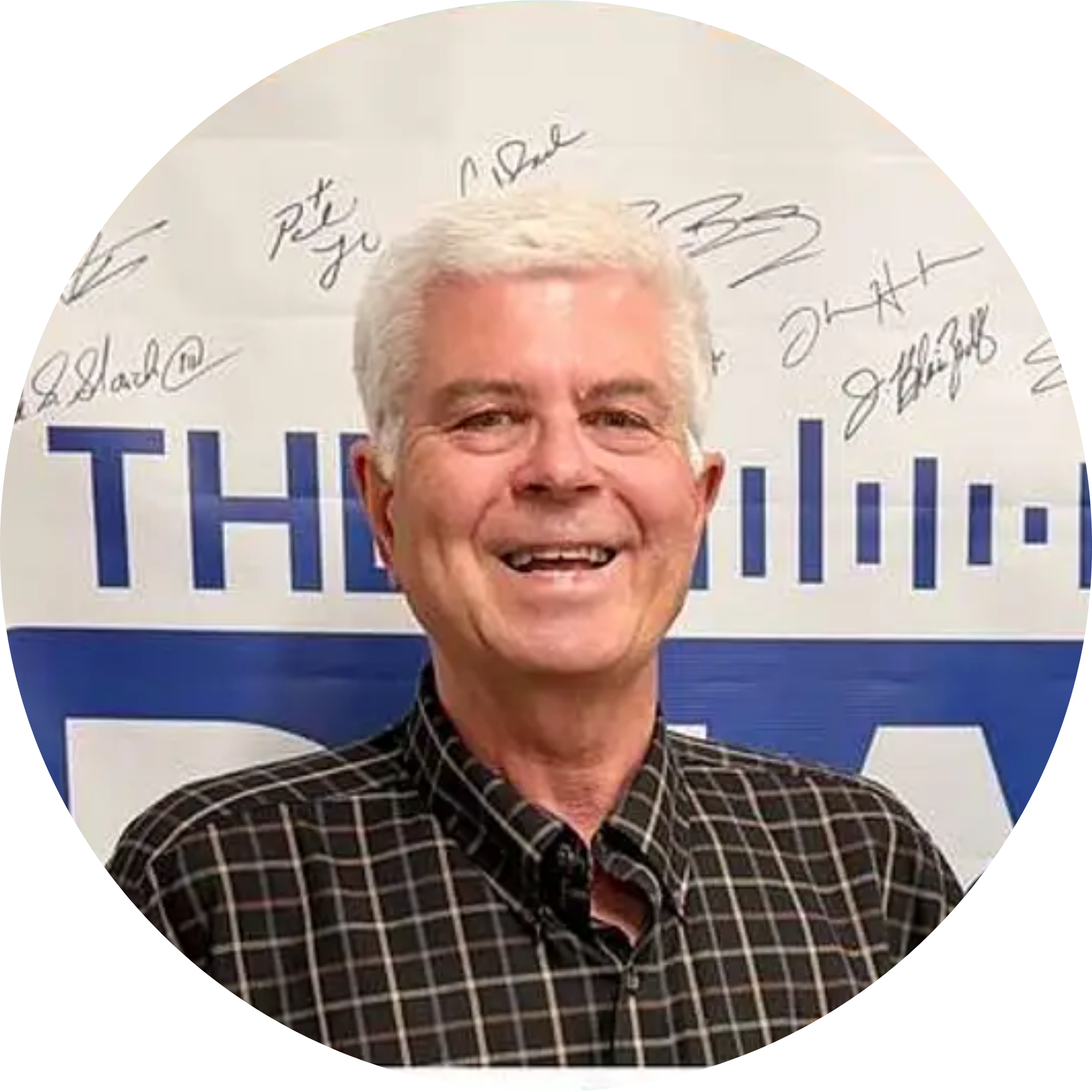
Why Bankers Are The Least Greedy Partner In A Deal


In this episode, we sit down with veteran banker and operator Brady Como for a masterclass on debt, risk, and long-term dealmaking.
With decades of experience spanning commercial banking, business liquidations, oilfield services, and real estate investing, Brady shares lessons most dealmakers only learn the hard way.
This conversation explores:
- Why banks are often the least greedy partner in a transaction
- The real difference between consumer debt and producer debt
- How underwriting teaches discipline in dealmaking
- Why experience collecting money matters more than lending it
- How purpose, patience, and people shape long-term success
- What separates producers from consumers in capital allocation
- Why retirement without purpose is a dangerous idea
This episode is a must-watch for entrepreneurs, operators, investors, and the next generation of dealmakers who want to understand how capital actually works in the real world.
Josh Wilson: Thank you for tuning into The Deal podcast. Uh, this is gonna be a fun conversation because you're gonna, you're gonna hear the voice of three people. If you're, you know, running around and, and listening into this deal making podcast, uh, you're gonna hear Mr. Brady, who's our guest and, and his longtime friend Jude, who they've known forever.
And, and Jude is the co-host of this show, the Visionary of the show. And. He just said this before the show, and I, I want to reiterate this. One of the, the mission and purpose of the show is to inspire the next generation of deal makers. So we're doing this 'cause yes, we love to do deals, we love helping co, you know, sell companies mid market, right?
But, but the next generation of deal makers is, uh, is who we want to inspire. So if that is you, man, we would love to hear from you. Head over the deal, podcast, fill out a quick form and let us know your thoughts on what's the future of deal making look like. But. Enough about this. Let's dive into this conversation today.
Mr. Brady. Welcome to the Deal Podcast.
Brady Como: Oh, thank you very much.
Josh Wilson: Yeah, man. So why don't we start with this. Who are you, Mr. Brady?
Brady Como: Well, I'm, uh, I'm a guy that grew up down in Morgan City, Patterson, Louisiana. Uh, got my start many years ago in banking and, uh, started out as most people in banking in a, uh, management training program.
Started out doing some consumer lending, and this was in the late seventies when things weren't really good in the oil field and ended up kind of, uh, running a collection business for the banks. Spent a lot of time liquidating businesses when the economy fell in the early eighties, and spent quite a bit of time at the bankruptcy court in Opelousas and, and really cut my teeth and, uh, finding out what was, uh, what was the good and the bad of businesses.
So that's kind of where I started.
Josh Wilson: Yeah. So before we go into where it ended up right, is, uh, being in commercial lending, especially in the seventies, you know, my dad experienced that in construction and then in the early eighties, um, walk us through like, what did that, why did you get into that industry?
And, you know, you, you went from lending to collections and that's a, that's a shift in mindset. It's a shift in duties. Charter? Kind of like, what, what was that like for you?
Brady Como: Yeah, I mean, uh, at that point, you know, in Morgan City when things weren't really good, you didn't have much choice. When lending slowed down, the, the, the emphasis was on collecting the money that we already had out.
And, uh, they put me in a situation where I was actually running businesses, I was managing businesses and liquidating businesses. I mean, that was a time that if you guys remember back, um. Things got to the point where people were turning the keys into the bank and they were walking away. So better part of, of, uh, one year I spent three and a half to four months in a furniture store actually running a furniture store and liquidating it.
And from the furniture store I went to a shipyard and liquidated that. And from that I went to a hardware store. And so nuts and bolts and rope soap and dope. And uh, so it really gave you a good background and it's one of the things I always say about lending. It's hard to lend money until you have the appreciation of collecting money.
You got to learn how to collect it and deal with the people to collect before you can sit there and take the risk across the table and learn how to lend it.
Josh Wilson: Yeah. 'cause when you're, when you're on the lending side, it's, man, I've got this unlimited source behind me, and boom, money's going out. But until you have to knock on someone's door and say, Hey, where's the, where's the payment?
You have a deeper respect for the due diligence process of lending. Right.
Brady Como: That's right, and, and you also need to learn the character of people. I mean, you know, when you're sitting there across the table to try to lend some money, you've got a very short period or time window where you've gotta make some determinations about their character, about their willingness to repay, the ability to repay and look at the stability of the individual you've sitting across the street.
And, uh, that's, that's the main things that drove me as a lender. And I think that's one of the things that made me successful. And when I got the time to move into commercial lending, I think that's what some of the attributes that really, uh, what I say made me successful.
Jude David: All the bankers I know have a few years on 'em, have some of those stories of like sitting in and running a furniture store or whatever it is.
And it really makes you understand why the underwriting is so hard on commercial loans. They're doing everything they can to not step in and run a furniture store.
Brady Como: Absolutely. I mean, you, you, uh, you really understand what drives business. Uh, and I say as bankers, uh, by, by. By aptitude, we typically are very conservative people because we watched what makes people successful and which makes people fail.
And you learn is what businesses, uh, people can exceed in and which businesses are prone to fail. One of the ones that I always come to mind with is, is the, uh, fabrication shipyard business. You know, I always say that, you know, those are fixed price contracts and they large amounts of money, and I typically say that.
One missed bid can be the, the difference between a business making it and a business failing.
Jude David: Yeah. Well, look, people complain about having to pay the bank and the interest charges and whatever else. Um, I always tell 'em, well, the bank is your next partner. You know, if you're a solopreneur, they're your second partner.
If, if they're, if you're two partners, they're the third partner except. They're the least greedy partner. They're the one that's taking the least upside in the transaction. So be thankful for those bankers that they're, uh, they're making deals possible.
Brady Como: Yeah. I mean, they, they, they have to evaluate the risk and, and, uh, they, they lend to multiple different industries and multiple, uh.
People across a, a big spectrum of our population. And, uh, the margins, like you say, are very thin and, uh, the risks sometimes are high and certain businesses are, are higher risk, which means the banks have tighter, uh, credit, uh, uh, criteria for those. Uh, one of 'em is, is, is, uh, one to talk about is the restaurant industry high failure rate, but the folks that are successful.
Really exceed and do well at it. And we have a number of 'em here in our Lafayette community that have done quite well at it.
Jude David: We've had a few of 'em on the podcast, a couple of 'em yesterday.
Josh Wilson: Yeah, we had great. We've been cranking, um, boys, I wanna, I wanna put something back on the table because I don't want it to sneak away from us.
This, this idea of banks being partners and Jude, you said something about banks being the least greedy of all the partners now. That's a different way to look at things. Could you guys bring that back up and let, let's talk about this idea of banks as partner, but also what do you mean by the. Least greedy of all.
Jude David: Well, you know, as an entrepreneur, you know, you tend to focus a lot more on the upside and a lot less on the downside. You know, all the, all the business owners I know who kind of cap out and never get their business further down the line, it's because they're really focused on the downside, how to mitigate risk.
Entrepreneurs who are always growing things and blowing up businesses are the ones who are focused on that upside. How do I chase that next deal and that next, whatever it is that's gonna make your business really successful? And they're willing to use a lot of debt to do that. And so, you know, you might put 20% down on an acquisition and take 80% debt to do that transaction.
That means I'm only taking 20% of the risk and the bank's taking 80%, but their upside is capped. They're only getting a fixed interest rate, whereas I've got all the upside if the deal goes well. And so they're bringing the most to the table, but taking the least at the end of the day.
Brady Como: And then the bank's got to sit there and evaluate that risk and decide, uh, you know, what's, what's that relationship long term?
I mean, you've got guys that develop businesses and you got a deposit base and you got a lending base and, and, uh. Uh, the banks rely on referral business as well. So if you treat a customer well and the customer sees you as that partner, 'cause things aren't always go well. I mean, the, the business owner will come in and sometimes they'll be torn with a decision that they're trying to make on, on capital.
You know, do I, do I risk more capital? Do I come into the bank, ask you to put more money in a deal? And a lot of times they're looking for that feedback from you as a banker to help me evaluate that risk. Keep me in bounds. Tell me where I'm not gonna over-leverage myself and get myself in trouble. And a bank's job is to do that and to, like ju says, to be a partner.
And it's not always being, uh, with the, with the idea of saying yes to everything. A lot of it is like, well, yes, maybe, but let's take a look at all of these factors and, and take a step back and look at it. And the third leg of that. Of that partnership is always a, a good accountant. And then you can put a good attorney in there too, because you always have, you know, you always have to have good numbers and the business owner has to understand his numbers and a lot of times it beside the banker and the CPA, uh, you, you need an attorney that can tell you what some of that risk is.
And you need a good CPA, uh, accountant that can, uh, evaluate that risk with you.
Jude David: Well, you know. It's funny because entrepreneurs need to be wound in, and bankers are good at winding 'em in a little bit, and CPAs and, and lawyers as well. But, uh, usually when I approach a bank because we want to buy a company and, uh, I'm asking if they're, they're willing to lend on it.
They say, well, how much do you wanna put down on the transaction? And my, my answer is always you're thinking of that backwards. You know, what's the least I have to put down in order to do this deal? And, uh, and if you'll let me borrow 110% of the acquisition cost, I'll do it. So, uh, you know, as an entrepreneur.
Debt's your friend. It's, it's the ability to increase the, the returns on whatever you're doing. But, you know, I, I think because there's so much consumer debt in the world, you can kind of, you can bundle people into consumers and producers, you know, people who take their paycheck and, and, you know, buy new trucks and, and new things that they can consume.
Those are, you know, your consumers of the world and your producers are the ones who are taking dollars and investing. Um, you know, most people. Get too much debt because it's consumer debt and they've got a car note and a house note and whatever else, and that debt's bad because all it does is take away from your ability to live.
Entrepreneurs are a total different animal because they're producers and they're using debt to produce. And so it, it's a tool
Brady Como: we've made. We've made debt a whole lot easier to obtain in the last 20 to 30 years. I mean, when we went through the period in the, in the eighties where Lafayette and our local area got really bit, uh, things got a lot tighter.
And, uh, I think in the last 20 years, especially in this new generation of, of borrowers, they haven't seen some of the big swings like we've seen in the economy. But, uh, yeah, I mean, as a banker, you always think conservative. You're typically more conservative than anybody else in the room when you, when you try to give the banks money out.
So it's, uh, it's always a, um, an interesting, uh, viewpoint as to, uh. How far do you let the borrower go versus what that return and what that risk is?
Jude David: Yeah, those were different days. I remember when I was in elementary school, all my friends were moving to Houston and, uh, there was a billboard on the highway that said, last one outta Lafayette, turn out the lights.
Wow. And, uh, it was, it was a big exodus outta here. And it's a different
Brady Como: world now. Absolutely. But, uh, luckily for our economy, I think we've seen a stabilization where we don't see those big swings anymore. We don't see the swings in oil and gas prices anymore. We haven't seen the big swings in real estate prices.
I mean, back in the eighties here in Lafayette, I mean, real estate could devalue 50%, uh, over a period of, of what happened to a price a barrel all over a six month period. So it got pretty volatile.
Josh Wilson: Man. So before we go into, what are you doing now, I think we need to stay in the, in this conversation just, just a little bit longer.
So bear with me guys. The, the idea of debt is your friend. This idea of, you know. If you look at what maybe Dave Ramsey's saying, and you know, debt's the, you know the enemy, you're a slave to the lender and stuff like that. Let's put this on the table. When it comes to an entrepreneur, we have consumer, we have producer.
How does debt play in this space? And maybe how could we look at debt as a friend, which I've never heard before. What are y'all's thoughts?
Brady Como: You gotta have, you gotta have debt to grow. And uh, you know, people look around and they say, well, how did he get started? Well, at some point he took some risk and he had somebody that believed in him to take that risk.
So, I mean, yeah, debt is a friend because, uh, look at all the, uh, the economists today, and especially the guys that have done well in business. I mean, even Elon Musk at some point, he had a certain amount of debt. And, uh, probably still does, but it takes debt to grow and it takes good ideas and it takes good people to put those packages together and make it happen.
Jude David: It's a whole lot easier to make a return on a $10 million investment than it is on a $1 million investment. And if you have $1 million to invest and you can get a loan for 90% of what you wanna buy, well, suddenly you've got the ability to have a big return on your investment. And so, you know, we always view it as a friend.
Now, uh, Dave Ramsey. Loved Dave Ramsey. You know, we, we actually adopted, uh, smart Dollar. For our entire company, all of all of our different divisions and our employees are actively involved in it to try to get outta consumer debt, but he's talking to a different audience. You know, whenever he's saying debt is bad, you gotta, you know, do the debt snowball and pay it all off and yada yada.
That's because he's talking to people who have racked up consumer debt. They wanted to live beyond their means, and in order to do that, they used debt to fund a consumable. Well, the, the thing about consumables is they get consumed and you have nothing left. Whenever you use debt to produce debt to invest, you're buying something that grows.
Uh, and so it's a way to amplify your returns.
Josh Wilson: Hmm. Wow. Cool. This is great. This is, uh, like a masterclass. I, I'm, I'm grateful to sit in between you guys to have this conversation. So, Brady, what, where do you put your energy and focus now? So you, you have,
Brady Como: well, just a little background. I spent the better part of 20 years in banking in, uh, the last part of it I spent here in Acadiana.
And, uh, like I say in a commercial role where. Uh, I was brought in to, uh, to an institution. It was a thrift that converted to a stock institution and made traditionally home loans for the last, uh, 80 or 90 years. And we started a commercial lending group and, uh, I was brought in and, uh, we started from scratch.
Went and learned the software down at the computer. Vendor and, uh, we started making commercial loans and uh, that was quite exciting. That was a good time for me and a couple of years down the road from that, I had an opportunity to, to go help run an all field service company. And I spent my last 24 years, uh, running an all field service company and travel in the world.
So. I retired a couple of years ago. I now spend some time with real estate investments. Uh, I've got a commercial, uh, residential storage business that I have, and we've got a commercial, uh, real estate portfolio that I manage. So do that and, and just kind of, uh, spend a little bit of time traveling and enjoying life and the fruits of my labor.
Jude David: Brady's a humble guy. He's, uh, he's been incredibly successful in everything he's done, uh, both personally and professionally. So it's, it's been an honor to watch him.
Brady Como: Yeah, it's been, been fun. Uh, Jude and I have worked together on a couple of, uh, deals. I had old bank customers that still contact me looking for help and guidance and, uh.
We recently put a deal together on, on, uh, a sales side for, uh, one of my customers. And that was a, that was a long process, but it was a, a successful process and it was one that, uh, I think by and seller were both pleased and happy. And it was nice to be able to, to work with Jude and his team at Fond Ascent and get that accomplished.
Josh Wilson: Hmm. So cool. You spent a good amount of time in banking. A good amount of time in the oil fields. And then you said you retired. That didn't sound like retirement. Now you manage your own, you know, you got a portfolio of real
Brady Como: estate. I just moved on to a different facet of my life and in, uh. You, you know, when you work for somebody for the better part of 45 years that I did, and now that I'm working for myself, uh, when you wake up in the morning, you realize that my time is my time and nobody's putting demands on my time.
Or I don't wake up in a hotel room in, in Brazil and figure out, try to figure out where I'm, where I am today.
Josh Wilson: Yeah.
Brady Como: So, uh, it's a different pace, but uh, it is been a very rewarding pace. I've been able to spend more time with family. And, uh, and watch them. I have a, I have two children, both, uh, professionals in their field.
I have one that's a petroleum engineer here in Lafayette, and I've got another one that's a veterinarian. So it's been, uh, it's been fun to watch them.
Josh Wilson: Yeah. So now you're your own boss. What's it like, uh, working for yourself compared to working for. Corporations or, or these kind of
Brady Como: organizations? Yeah, I mean it's, it's uh, you know, we are able to look at deals and, uh, evaluate, uh, real estate transactions and, uh, we just recently finished a 120 unit boat and RV complex out in the Brusard area.
And, uh, been very, very rewarding to watch that grow and develop and. And get, uh, occupied so that we, looking at a couple other building, uh, opportunities that we're gonna build. Uh, recently read that Lafayette's got a, a really a low vacancy rate on industrial commercial buildings. So it tells me that we need to, uh, probably put another building on the market, probably build another spec building on the market.
Yeah.
Josh Wilson: So one of the, as a the deal podcast, we like talking about deals. What's the perfect deal look like for you? So, you know, Jude and I are working on something and, you know, when should we knock on your door and say, Hey, Brady, let's, let's take a look at this together.
Brady Como: I mean, you look, you look, you want to get all the information you can from external forces in the market.
You know, look at the real estate trends, look at, uh, uh, various sources of what they tell you on vacancy rates and, and, uh. And that'll drive your decision to say, okay, let's, let's get the pad out and start scratching out some numbers. Uh, construction costs are, are really one of the things that are driving a lot of things now because, uh, new regulations are coming in for, for commercial space with, uh, architects and fire re regulation, safety regulations, and.
Once you get your numbers together, you look at a return, you look at your cost of money, and you put a return on it, on what you think is gonna be a fair amount for you. And you go out there and, uh, and decide you're gonna do a deal. And then of course, you know, we like triple net, uh, leases. Mm-hmm. Five year triple net leases where tenant pays repairs, insurance, and taxes, and then you make a decision and you move forward.
Josh Wilson: Mm. So as you're building out your portfolio, you've had a successful career. Why do you keep going and why are you building out this real estate portfolio in this, in this thing?
Brady Como: Well, you don't want to, you don't want to just, I've, I've gone from pretty fast pace my whole life. I, I can't go to stop and you shouldn't go to stop.
I mean, your health drives everything today, and you gotta keep yourself healthy. You gotta keep yourself mind challenged and, uh, you know, I like to read, I like to study. I like to, uh, keep abreast of what's going on in, in the market. Not only locally, but uh, nationally and internationally. So those are the things that kind of drive you to, uh, to want to do better.
And, uh, you wanna stay in the game and you wanna participate and, and that leads you into to, uh, watching your family grow. And hopefully one day I'll have some grandkids. I do have two weddings coming up this year, within 30 days. So I think this gonna be a challenging year for me.
Josh Wilson: Mm-hmm.
Jude David: That's fantastic.
And look, that's. Good foresight. I can't tell you how many times, both on the buy side with Ken Capital, but also on the investment banking side. When we've helped, uh, business owners to sell their companies, we've seen that they exit completely out of the company and within a year they have some kind of big health issue or, you know, the several of 'em have, have died within a couple years of selling their companies Now.
Part of that, you know, they, they tend to sell a little bit later in life. So, I mean, that is the, the season of life when you start to have health problems. But they managed to go a hundred percent until the day they sold their company. And then as soon as they let off the gas, that's whenever bad stuff started happening.
Brady Como: I think one of the big driving factors there is you need some place to go. I have an office, uh, facility that I go to every day. I leave the house nine o'clock in the morning and I don't come home till five o'clock, so I don't hang around the house trying to find something to do. I can schedule my day. I go to my shop.
I have an office there and, and, uh, I spend my day doing productive work there. And some of it is, uh, a little more relaxing than others. But, uh, the big thing is you gotta keep yourself active and you gotta keep yourself busy. You can't, I tell people you can't retire and just go sit in a chair.
Jude David: You gotta have purpose.
That's right. If there's not a, a purpose for getting up every day, then, then why get up?
Brady Como: That's right. That's right. And we enjoy a little bit of traveling. I mean, we spend some traveling and, and, uh, I find myself, when I do travel, I'm always looking at opportunities. Okay, what, what does this particular area have that's unique and what drives it?
And, uh, do I see any part for me to play in there? And then I quickly get back to reality and I realize I'm here on vacation. I'm here relaxing. I didn't come over here to work.
Josh Wilson: Yeah.
Jude David: Yeah. Not to go on too much of a tangent, but you read about all the AI stuff and robotics these days, you know, leading towards artificial general intelligence and all the, the smart people say there's gonna be such a productivity boom that you're gonna need universal basic income.
So people can stay home and not work anymore. I don't know what happens to the world if people don't have that purpose every single day to get up and do something.
Brady Como: Yeah. You, you've gotta have purpose and, and, and it is gotta be a, a life of balance between, you know, your family, your religion, your purpose, your, your, your career.
Uh, I do get to look back. I still participate, uh, a little bit on where I spent my last 24 years in the oil field where I can go back and, and, uh, still participate in some of those discussions. And, uh, they bounce some things off of me and, and at the end of the day when I'm done, I can go home and say, well, you know, the weight of the world on that situation is not on me anymore.
Yeah. So it's, it is kind of good in a way, but, uh, but, uh, I, I reflect back on my banking career and my off field service career and, um, it's been quite rewarding.
Josh Wilson: Where do you find your joy? Like what are, what are some of the things that you do in the, in the world of deal making, where do you find joy?
Brady Como: Well, first I, I find joy with my, my kids and my wife. I, I mean, we just spent a, a week together, uh, up in the mountains and, and, um, you know, as you, as your kids grow and, and they get to be adult kids and now they have significant others that they're gonna be marrying, you get time with them and, you know.
You spend all that time with 'em when they, when they're growing up and then when they get to be adult children, they go off and they do their own thing and you don't get to see 'em much. So that's a, that's a big part of my joy. And then I get some joy as well in, in visiting with my son who's, who's quite a little ENT entrepreneur himself.
And in trying to watch him look and evaluate deals and, um, I tell him all the time, he's got an MBA and a petroleum engineering degree. And, and he wants to sit there and he runs these spreadsheets and I'll pull out a piece of paper and I'll run a deal. And he looks at me and he, I said, we came up with the same answer.
I just did it in 10 minutes.
Josh Wilson: Yeah.
Jude David: Yeah. You need both though. Uh, you know, my business partner is the spreadsheet guy who can model it out to death, you know, 19 different sheets on the spreadsheet that are all linked together and getting down to the right answer. And, you know, I'm, I'm usually on the one, one little sheet of paper, scratching out the numbers.
Mine's plus or minus 10% of where it needs to be. So I, I can make a no, a go, no go decision on a deal, but, uh, it's good to have somebody with all those, uh, statistics as well.
Brady Como: Yeah. And that's the things that, that, that drive you in, in and beside just the numbers. You gotta look at the deal. You know, what, what does a business look like?
Is it something you want to do? Is it something you are interested in doing? Is it something you have a passion for? And I tell people all the time, you should follow your passion. And if your passion tells you that's what you want to do, then figure out a way to make it, make it work. And if it doesn't work on paper, then maybe it's not the time for that passion right now,
Josh Wilson: man.
All right. So let, let's talk to the future to inspire the next generation of deal makers, right? The mission of, uh, of the show. Let's talk about the future, right? What, what does it take? 'cause we talk about principles and principles, the Princip pals, the people doing it, the principles are the way they, they live their life.
So what are the things that you look for in future deal makers where you would invest in them?
Brady Como: Well, I mean, you look at what's going on, as Jude said, with ai, AI has really changed the world, and it's gonna change the world in the coming generations. And, uh. In the future, I think what you do is you look at things that, like you say, you have a passion for.
You look at things that there's a need for things that make sense. And uh, you look at our world today with our communications, there's so much information available. There's so much information on social media. You can find an idea. You can find something that's driving you, and if it drives you and it makes sense, then figure out how to go do it.
The worst thing you can do is do nothing.
Josh Wilson: The worst thing you could do is do nothing. Jude, what are your thoughts on this? Of passion, right? Follow your passion. This is what Mr. Brady said. Follow your passion. Um, how, how does that sit with your brain?
Jude David: Well. There's passion and then there's passion. So you got, uh, you know, industries that, that really excite you.
You know, I'd love to do something like a consumer product, you know, something hunting related or fishing related or whatever, um, which is really exciting. Opportunities to go make a lot of money There are pretty limited, you know, figuring out, you know, the right way to, to build a business. That's not to say that there aren't good opportunities.
It's very competitive in that space. Uh, but you can also figure out what am I passionate about in deal making and business and whatever else. You know, is it the people? Is it, you know, figuring out something that we can scale or, you know, ways to, to grow an idea or r and d development, you know, something along those lines.
And so, you know, I've gravitated more towards the, the back half of that. You know, we, we bought door and window companies. We bought millwork companies and now we're doing cranes and, you know. I really didn't know anything about any of these things before we got into 'em. Didn't have a, a deep seated passion for the industry, but I knew, I love manufacturing.
I love machines. I love growing things. I love developing people. And so, you know, we took an industry I didn't know a whole lot about, but put all those skills to work to follow that passion. But
Brady Como: the common thread that Jude's talking about is people. It takes people to make every business go. And Jude looks for people that are very competent in what they do.
He looks for people that have a passion in these companies. A lot of these companies are, are management is time out and he sees the opportunity to take these, these industries and consolidate 'em and let people follow their passion. And he's got lots of craftsmen in various, uh, business that he owned that needed somebody to guide them.
And needed somebody to bring out the best of them. And that, I think that's the most rewarding thing in business is especially when you're helping a, a business entrepreneur take, take his idea and take his business and grow it. And, uh, you can see really what drives folks is, uh, their passion for what they do and how they do it.
Whether they started a business, whether they acquired it through, through a family operation. But, uh, I think that's the most rewarding thing for me is watch people, uh, develop to their fullest, uh, potential.
Josh Wilson: Hmm, man, there's great joy in that. If we were doing a SWOT analysis on, on you, right, what, where do you think your greatest strengths are and where do you have some gaps in the world of deal making?
Right. You're, you're building some good things. Mine
Brady Como: is people, I understand people, I've been around people a long time. Uh, I was always good with people. I, I get told all the time, I'm good with people. Uh, I've got a very common sense approach. Uh, probably the weakness of mine is, uh, I've, I've got, I've got a couple of degrees from.
From Nichols State and Thibodaux. But, uh, I wouldn't call myself an accountant. I'm not an accountant. Mm-hmm. I married an accountant. Uh, I tell people all the time I can't misappropriate a penny at my house. But, uh, but, uh, I think the, the, the thing I, I would like to have, uh, learned more about was, uh, really, really being a, uh, assembler of the numbers.
I understand the numbers and I can work with 'em. I've just never been an accountant.
Josh Wilson: Let's say I have limited capacity for, um, energy to, to invest in myself to approve something, right? So I, let's just say I'm, I'm really good at, fill in the blank, maybe people, and then I have a weakness in accounting and maybe the, the details of things, right?
So where as a future deal maker, right? People listening in. A strength and we have a weakness. Where should we put the most amount of energy into improving ourselves?
Brady Como: Go find a good accountant. You go find a good accountant that can sit down with you and, and help you understand the numbers. And, uh, if you're the deal maker that you're putting the, the, uh, the process together and, and you're generating the revenue, you can always find good people that can help you sort out the numbers and tell you where you're doing right and tell you where you, where you need to improve yourself.
Jude David: Almost everybody gets that wrong. They see the things that they do well and the things they do poorly, and they dump all their energy into the things they do poorly because they want to get good at that. They say, oh, I'm, I'm bad at accounting. I'm gonna spend all my energy getting good at accounting. But the problem is there's really great accountants out there.
Just get one of them and let them be that strength there. Find what you're really good at and invest all your time in that. That's where you'll be successful
Josh Wilson: in, uh, Jim Kahn's book, good to Great. He, he talks about the hedgehog principle. Find out what you're passionate about. Find out what the world needs, where you could be kind of world class and, and people are willing to, to pay top dollar for it, right?
And you, you kind of create your own flywheel. But he calls that the groundhog principle. I think I'm so guilty of this where I have gaps in my life and I spend a, an exorbitant amount of time trying to fill out my, my weaknesses or my gaps. Organization, uh, process management. Project management, whereas if I do one deal, I can pay for someone for, you know, maybe a full year in that, in that role.
Why do you think we get stuck so much in investing in our weaknesses rather than investing in our strengths that God's given us?
Brady Como: Well, that's human nature. Everybody looks at their insecurities and they focus on the insecurities, and I think that's, that's just part of human nature. And you, when you're running a business, you try not to miss anything, but, uh.
C some of the folks I've worked with over my past career were, you know, they realize their strengths, they realize their weaknesses. One of the reason I was brought in because, uh, the, the owner of the business I was with realized that he wasn't good at certain things. Mm. So he, he put the right people in the right place and it's made him one, uh, successful entrepr.
Jude David: Well, most really successful entrepreneurs have a Jesus sports analogy. They have the mindset of a quarterback, you know, they think they can handle everything that's coming at 'em. They're the best thinker on the field, but they're also an assembler of people getting those people to, to, you know, play to their strengths and their roles.
But the quarterback never says, oh, let somebody else have the. He always says, give me the ball. I'm, I'm gonna go make the play.
Brady Como: But, you know, in my 45 years of, of working and experience between banking and, and running businesses and all field service, I, I've put that into two groups. I see people that, owners of businesses that, that are so focused on their business, they work themselves to death.
And I end up with a heart attack at their desk. I'll see 'em where they say, you know, I'm gonna let everybody else run the business and I'm gonna just play and hunt and fish and travel and don't pay any attention. You gotta find that one right in the middle that can do a little bit of all of it and balance that success between not working too much and not working at all.
Josh Wilson: You said, uh, you can't misappropriate a penny in the household. Um, this is a, a very. Important thing that we've heard, we've interviewed, you know, tons of spouses and partners and, and, and, you know, why is it important to have that kind of balance in a, in a, in a marriage?
Brady Como: I think, I think, you know, my wife, I look at as a partner in our business deals and in our marriage and in our raising.
Our family and how we interact with other family. And part of that, my wife was, my wife's got an a big eight accounting background and she produces for me, every month I get a balance sheet, I get an income statement, I get, uh, all of our investment statements and I'm able to look at that with her and, uh, and decide, you know, what, what's the next step for us?
Josh Wilson: Yeah. So her, I think
Brady Como: that's important.
Josh Wilson: Her love language is Excel spreadsheets, right?
Brady Como: Absolutely. Absolutely.
Josh Wilson: Wow.
Brady Como: She does a great job at it.
Josh Wilson: Yeah,
Brady Como: very. And she's raised our kids in a way that, uh, that, uh, was quite successful to make them, uh, uh, financially independent and, uh, very successful in their fields.
Josh Wilson: If you, there's a, there's a book, uh, how will you measure your Life? How do you measure life to know if you're being successful or not? Because if we look at the balance sheets that your wife, you know, reports in your report card, right? We, we'd be like, oh man, you're doing pretty good cash flow statement's, good.
All this stuff's good, but how do you measure your life in terms of success or not?
Brady Como: I think you look at it, you know, all along the way in which you've done, in which you've given back to the community and how you interact with the folks around you, whether it's family or. Business associates and, um, you know, I, I go back and I look and I say, you know, I wish there were a few things I'd have done different, but for the most part, um, I'm able to, to look back and say that, um.
I was successful and I helped folks along the way.
Josh Wilson: Mm-hmm.
Brady Como: And I had a lot of good people that helped me along the way. And I look back on those relationships and, uh, I was at a, a, a funeral the other day and I, I wrote a little comment about a mentor that, you know, how much he meant to me and what he did to, to help me and get started.
You always have to have people that believe in you, especially at an early age, but you have to give them a reason to believe in you. So, I mean, you need to be eager, uh, you need to be interested. You need to be, uh. Attention to detail and uh, those are the things that drive. And if you, if you put in the work early on, I think success will come your way.
You'll have a lot of rocky roads along the way. But when I was down and I got kicked down, I always had somebody there to pick me up. And I think that's what you look at to make, make you successful.
Jude David: It's interesting you bring up funerals because a lot of people measure it that way. You know how many people are gonna show up at my funeral and have good things to say about me at the end of life.
But, you know, there's so many people that. Do so much for others, you know, in, in small ways, uh, and in such a humble way that, you know, there's not a big show of it and, uh. You know, those people are remarkable as well. You know, whe whether it's the, the big showing at the funeral or the, the people that are just constantly there helping others, you know, their employees or touching other people in their lives.
Brady Como: One of my first banking jobs, I, I remember, you know, I'm sitting there in a training program and I'm trying not to get overwhelmed, but you know, it, you know, as a, as a 20-year-old, 21-year-old, I did get overwhelmed and he used to giving me a, a thought every day. He said, at the end of the day, he said, you take all of that stuff on your desk, you grab it.
You open your desk drawer and you pull it all in that desk drawer and you close it and you go home, and he said, you know what? He said it'll be there tomorrow. Hmm.
Jude David: Mm-hmm.
Josh Wilson: It'll be there tomorrow and it'll be messy.
Jude David: Yeah. And always remember, you know, there's no, uh, U-Haul behind the hearse.
Brady Como: That's
Jude David: right.
You can't take your stuff with you.
Brady Como: That's right. And you, and you look at, you look at family, and you look at your health and you do things to try to improve your health and, and keep your health help, uh, health good. And part of that's being active. And that's not only physically active, but mentally active.
And part of this, the, the, uh, the DEAL podcast is, you know, to understand and to help. Uh, that younger generation get to that next level. And, uh, anytime I'm willing to, to, uh, to lend anybody any advice or help, I'm, I'm happy to do it.
Josh Wilson: Okay, well, let's take you up on that offer right now. Um, when it comes to a few points of wisdom for the future generation, right?
People listening in from, uh, from very established deal makers here sitting at the table, right? Guys have done a lot of deals, big deals. You know, 1, 2, 3 pieces of advice that you think would be important for, for them. And I, I, I'd like that maybe from both of you guys. And then
Brady Como: I think the first thing is, is patience.
You know, as, as a younger generation doesn't have patience. And I think that comes with, with age. And with age comes wisdom and patience. You have to, uh, you have to do the right things. You have to be patient. Uh, that's hard to explain to a, to the younger generation today. It's, we live in a, a world today that they want everything instant gratification right now, and putting a business together doesn't come that way.
I mean, it, it, uh, it takes time and, uh, it takes planning and it takes persistence. And I think, uh, if you give any advice to the younger generation is, uh, do your homework and, uh, study hard, do the right things. And what's that saying? Uh, good things come to those that wait.
Hmm.
Jude David: Yeah. Um, so I actually have a lot of people that reach out wanting to sit down and plan out their life and how they become a deal maker and whatever else.
And a lot of friends will say, Hey, my son is, you know, in college and he needs somebody to talk 'em through it. So probably once a week I'll sit down with a, with a young person, maybe a college age person and, and talk about this. And I always do the same thing. I, I make 'em read a couple of books. I, I do like a quick assessment, but my two, my two go-tos are, uh, you know.
Uh, rediscover Jesus by Matthew Kelly 'cause faith is so important, uh, in life. But then Rich Dad, poor Dad, uh, Robert Kiyosaki. And, uh, I like that one so much because it makes you think differently about risk and also assets and liabilities. He has a definition for assets and liabilities that's different than anybody I've ever heard before.
And most people argue and say that's not assets and liabilities, but. He's got a real method to it. Uh, because, you know, most people think their car is an asset or their house is an asset. He says, no, those are liabilities. You know, you're, you're using the capital that you could be using to make money in this world and produce, and instead you're consuming with those.
Um, and I want young people to understand the difference. You know, am I able to produce or am I going to consume in life? Because that's the biggest distinction, uh, that you can make once you make that decision to produce. Then entrepreneurship is really easy because, oh, okay, well how much risk am I willing to take in order to produce
Brady Como: well?
And it, it comes down to, you know, the society we live in, a lot of it is a feel good society versus, versus, uh, you know, what can I sacrifice today to, to, to put money in an investment and do it. But, uh, you know, we, we live in a society today that wants instant gratification. And how do you tell a, a young person that, uh, you need to, you need to look at that earning asset instead of that consuming asset.
Jude David: Yeah.
Brady Como: That's always a, a tough challenge to make 'em understand.
Jude David: Yeah. Consumers tend to, uh, come to you after the company's well established and making a lot of money, and they say, Hey, how can I get equity in the company? You go, well, no, no, no. E equity happened whenever we were eating peanut butter and jelly sandwiches, putting all the money back into the company.
That's, that's when the equity happened Right now. This is when the cash flow happens and, uh, we use cash flow to hire really good people and that sort of thing. But, um, it, it's a different mentality. How much are you willing to invest to make something grow?
Brady Como: Hmm.
Josh Wilson: What do you think is your greatest asset?
Brady Como: I think o over time it's been the ability to, to learn people and to know people and, uh.
You know, PE-people are, are the greatest asset in this country and in this world. I mean, we all come from different walks of life, different faith backgrounds, and, uh, if you can, um, if you can understand people and work with people, you can get a lot accomplished.
Josh Wilson: Yeah. Mr. Brady, there's, um, there's a lot of things that, you know, if you study books and podcasts and all that stuff where they'll, they'll give like scenarios of how to maybe.
How to maybe discover something about someone, maybe through an interview question or, or a test, right? And people are, are constantly observing, right? So like, they'll go out to a restaurant with someone and they'll see how they treat the server, or they'll, they'll, they'll see how they handle or treat their kids, right?
Do you have something in your life where you put people to the test and you observe? So Jude, if someone's asking him for advice or spend time, he has the little hurdle. Go read this book. If they don't read the book, then he knows he's not gonna put in the work. What about you? Do you have any of those tests?
Brady Como: Well, I, I get accused a lot of times of, of judgment of people early. And I, as I explained to my wife, when you're sitting down as a banker and that person is across the table from you and they're telling you their life story and why they need this money and want this money, and you've gotta make some pretty good determinations early.
And I think as a banker. Helped me understand people, uh, immensely. And, uh, I think that's probably my biggest attribute because, uh, you know, when they're sitting there to, to apply for a loan, they're gonna tell you the life story and, uh, you'll find out different aspects, the good and the bad. And, uh, you make a, make a judgment on, uh, the character of that person.
And I think I put a lot of, a lot of emphasis on character because when you're dealing with, with. Business entrepreneurs, you want to know that you're dealing with somebody of, of reputable character and somebody that you would want to do business with. Because in banking, the easy part is giving the money.
It's not always, uh, the easy part when things get difficult.
Josh Wilson: Hmm. So as we round out this conversation, what's a question that Jude and I should probably ask you before, uh, saying goodbye.
Brady Como: Uh, I think we've covered just about everything. I mean, I, I, the only, the only thing I can tell you guys, and you're not quite at my age level or, or, uh, ready to retire, but, uh, you know, it's not always about the destination.
It's about the journey and enjoy the journey and, uh, there'll be good times and bad. There'll be healthy times and times where it's not that way, but, uh, just enjoy the journey and, uh. Uh, we have such a great opportunity in this world and in this country, and, uh, I, um, I'm happy that I'm retired now and I look back with fond memories on what I've been able to accomplish and, uh, hope my family and my kids can, can do as well as I did.
Jude David: Yeah.
Josh Wilson: What about you, Judah? Are there any questions I should ask you before we say goodbye today?
Jude David: Oh gosh. You put me on the spot, huh?
Josh Wilson: For sure. You knew it was coming. I just asked you.
Jude David: Um. No.
Josh Wilson: Alright, copy that. Well, let's do this guys. Ladies and gentlemen, future deal makers especially. Um, man, I just, I wanna hold on to this and, uh, this idea of future generations to inspire the future generations of deal makers.
What I'd like you to do is, uh, head up to the deal podcast.com, fill out a quick form and, uh, we'd love for you to ask what questions you have for our guests. And part of our tradition here at the Deal Podcast is when a guest comes on, we, we give them the questions that come from the audience and the previous guest.
So as we close out today, Mr. Brady, I have a question that came from a previous guest, and then you'll get to pass on some, some question. I, we have not read this, so it could be crazy obscene, who knows? This is from Mr. Gus, who we interviewed yesterday. Uh, he says, what gets you outta bed every morning?
That's from Mr. Gus.
Brady Como: I think it's a challenge of what's gonna be ahead for the day. I mean, you know, how do I plan my day, what I have going on today, what can I do that's gonna be productive? And, um, there's always something new that you're gonna learn during the day. It's never gonna be the same. And, uh, I think you look forward to that with, with, uh, energy and enthusiasm and, uh, that's what makes me get out of bed in the morning and, uh, keep going.
Jude David: You got a growth mindset. How do I grow today?
Brady Como: That's right.
Jude David: That's
Brady Como: right.
Josh Wilson: Hmm. Do, uh, I'd like you to explain that, that, uh, growth mindset, that, that, that's a question that, uh, we could end up with. What is a growth mindset and why is that so important for entrepreneurs and deal makers?
Jude David: Yeah, so it, it's a focus on, um, a lot of what we've been talking about here, how do we produce, but, um, you know.
Good entrepreneurs, good business folks tend to have a lifelong love of learning. And uh, you know, how do I learn something new? How do I become something bigger than what I am today? And, uh, and you can spot all the, you know, business owners who. Don't really invest in their people. And they're threatened by new ideas and threatened by other people coming up with something that, that they wish they came up with themselves.
And so they'll shut down new ideas and it, it kind of stops conversation from happening within a company because, well, if I didn't come up with the idea, it's not the right idea. Um. People with a growth mindset are one, trying to figure out how to grow their own minds and, and their own capabilities, but also how to invest in a team of, you know, all of us together surely can come up with something a lot smarter than, than just little old me.
And so if you can as assemble a team of really good people and encourage them to have really good ideas as a company, I mean, just imagine what you can accomplish.
Josh Wilson: Hmm. With that, ladies and gentlemen, uh, thanks for listening in today. As always, reach out to our guests. Their contact information will be in the show notes below.
Uh, we love you fellow deal makers, and if you're, uh, if you have a deal that you'd like to talk about here on the show or maybe a company that is going through the process or would like to go through the process of, of maybe selling, man, we'd love to have a conversation to explore and study the motivations and, and the ideas and the details behind that, and maybe even help you do that.
So the deal podcast dot com's quick. Place for you to fill out a quick form, connect with our team, and let's start having these conversations. Cheers everyone.