What Does It Really Take to Lead a Publicly Traded Bank?





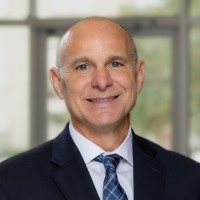
What happens when a CPA discovers his greatest strength isn’t crunching numbers? In this powerful interview, Catalyst Bank CEO Joe Zanco reveals how a mop, a moment of humility, and a mindset of ownership shaped his rise through the banking world to leading a NASDAQ-listed bank.
Joe shares hard-earned lessons from 10+ M&A deals, the real reason banks sell, how employee ownership changes culture, and what most people get wrong about public company leadership.
If you’re in dealmaking, banking, or leadership, this episode is for you.
Key topics:
- The “mutual-to-stock conversion” process explained
- Why giving away 8% of your company to employees might be the best thing you ever do
- How to go from employee mindset to ownership mindset
- Joe’s take on AI, crypto, and the future of community banks
- Why most private banks are acquired and what to look for in a seller
- The ONE thing all successful deals require (spoiler: it’s not the numbers)
Joe’s career arc proves one thing: when you give your best, no matter the task, someone is always watching.
Guest Info:
Joe Zanco: LinkedIn
Location: Lafayette, Louisiana
Connect with the Hosts & The Deal Podcast:
Joshua Wilson – LinkedIn
YouTube – https://www.youtube.com/@dealpodcast
Website – https://www.thedealpodcast.com
Joshua Wilson: Welcome to the Deal Podcast, where our mission is to educate the community as we learn ourselves on the world of deal making and the stories and journeys behind the deal. And ultimately, we also want to do deals with people. On today's show, we're gonna have a conversation with Joe, a friend of Scott's and Judes and Chases to talk about the world of banking and mergers and acquisitions with banking, and maybe even the path to public.
So Joe, welcome to the show.
Joe Zanco: Thanks so much for having me. I'm, I appreciate being here today.
Joshua Wilson: Yeah, absolutely. So what is it you do, Joe?
Joe Zanco: So, I am the president and CEO of Catalyst Bank. We are a publicly traded NASDAQ traded bank, uh, with a market cap of roughly $65 million. Uh, stock ticker symbol C-L-S-C-L-S-T.
Uh, we went public. We iPod in 2021 and we have, uh, focused our company on helping local businesses grow.
Joshua Wilson: Okay. Copy that. So, taking the company public, just in general, you know, what was, what was the path to, to go public and then from the banking perspective, which also has its own regulations, you know, how did that marry into the regulations that you see?
And we're, we're diving deep into the weeds, right? But like, kind of give us an idea of what that path was. 'cause this was not your first rodeo. Going public. It
Joe Zanco: wasn't. So the, the way we went public, we did something called a mutualist stock conversion. So our bank was a mutual, under the mutual form of ownership.
It's the same that the two previous banks that I'd gone public with were as well. So it's a very regulatory driven process and oftentimes, I'm not the biggest fan of regulatory driven process. This was actually a good one. Because the way that this process works is when you do a mutual stock conversion, you're allowed to carve out as much as 8% of the company for the employees in the form of an esop.
We did it, so did my former two institution. So 8%. Every one of your employees becomes an owner instantaneously, and it changes the mindset. So the so check mark one for a, a really good process. The second best part of the process is your customers get first dibs on buying the stock. So all of a sudden.
Our customers get to become part of our story and we were able to raise quite a bit of money, uh, to reinvest in the community as a result of having gone public. So, and then after those two constituencies order what they would like to order, then it goes to the general public. And we were blessed in the, in the three that I've been a part of with the community.
Our customers participated very heavily and our employees from Jump Street get to own 80% of the company.
Joshua Wilson: Yeah, interesting. There is a different mindset from customer to owner. What did you see as that shift? Because that a lot of people don't think that way, oh, I'm giving away 8% of my company. I'm, you know, 65 million market cap I'm giving away.
That's a good chunk of change, right?
Joe Zanco: That's right. You know, I love the fact that every one of our employee employees is an owner. I think back to my days and my, my first rodeo with the mutual stock conversion was with Iberia Bank and, uh, Iberia unfortunately, is, is, is not. Uh, around anymore it's been sold.
But one of the, the best moments I had at Iberia Bank was in, in, I'm gonna say it was roughly 2006, and I was late to the party. They went public in 1995, and there was a head teller who was there at, at, at the beginning. So she had been getting ESOP contributions for years and years and years, and, uh, she asked me one day, it was February after she got her ESOP statement, Mr.
Joe, what is this? I'm like, I'll call her Deborah. Deborah, that's your ESOP statement. She said, well, what's it mean? I'm like, it means you own a hundred thousand dollars of Iberia Bank stock. And a little tear went down her eye. She had no clue. And so when you do this right, your employees, their net worth gets the growth with the success of the company.
And when we saw that at Home Bank, and we're certainly looking to replicate that story with Catalyst as well.
Joshua Wilson: Yeah, that's fantastic. Was your background banking before you took that first company public? Like what was your background?
Joe Zanco: Yeah, so my background was, uh, I had become a, uh, I, I'd gotten into banking in 1998.
Uh, I, I actually had a state job and lo and behold, the state agency that I was a part of went bankrupt. Hm. And it was so unusual for that to happen. And I lived in New Orleans at the time that the news station in New Orleans showed up. And a guy I used to mop floors with in a grocery store saw me on the news that night, and unbeknownst to me, he had moved on and started working for the largest bank in Louisiana.
And he liked the way I mopped, and so he tracked me. And he gave me my first banking job. So that was with First Commerce Corporation in New Orleans. I was in the internal audit function and Arthur Anderson was our, our, our auditor and I became internal audits liaison, Arthur Anderson. And our bank ended up selling and Arthur Anderson hired me.
And that was my introduction to a lot of time in Lafayette, Louisiana. Had a lot of clients here, had traveled here a lot. Really enjoyed my time here, but I'm, again, I'm four nights in a hotel room. You don't. Y I'm just guessing that I'd like the community. So Arthur Anderson was the public accounting firm that ended up getting in trouble with the Enron deal.
And so our office in New Orleans was migrating over to ENY and that's when Iberia Bank, CEO, Darryl Bird, uh, chose to, uh, to grab me and say, Hey, why don't you come join our company? And so in 2002, I chose to move my family from New Orleans. My mom had just had her first grandchild, so she wasn't super excited about that.
Moved my family to, uh. To this area. And when I think of the blessing that it was, that, that was in 2002, that was three years prior to Katrina, if I had still been in New Orleans, I would've gotten wiped out like the rest of my family. So, uh, my career didn't start in banking, it started in state government.
And, uh, because of the fact that my state government, my state government agency went bankrupt, I ended up in banking.
Joshua Wilson: Hmm.
The, what I love about what you said, kind of tying this together is when you were mopping, someone observed the way you were mopping, and I don't know if you were just saying that in jest or they actually saw and were like, there's something about this guy that we want to invest in.
Joe Zanco: What I try to tell young people all the time is people are watching you. Are you going to offer them your best or you're not? I got my career started in banking because of the way I op floors, and so I tell my kids that today outwork the person beside you. That gives you the best chance to go as far in your career as you possibly could.
Hmm.
Joshua Wilson: So this, there's mindset things, golden nuggets that I'm picking up along the way. And, and Scott has prepared some questions too. So I I, I don't wanna uh, uh, go too far with this, but there's some mindset, golden nuggets that you've dropped. Employee mindset, ownership mindset. There's a, there's a difference.
And you saw that, and you invest in owners, right? The owner mindset, and then this, this mindset of outworking people, people are watching. Do your best, give your best, and you'll. Eventually get rewarded. Get the best. Gimme one more.
Joe Zanco: Well, let, let, let's talk about that subject for a second. Mm-hmm. So, when I started my career, it didn't take me long to notice that the people I was working around were not giving their best.
Let's say they were giving 60%. And I had a decision to make very, very early in my career, very early in my career, would I do what my mama taught me. Meaning outwork the other guy and bust your tail, or would I dial it down? And, and, and I'm sorry to say that in that first accounting job I had at a college, instead of doing the right thing and, uh, giving my best, I said, why should I work so hard if nobody else is working so hard?
It, it's so easy, easy to rationalize, not giving your best. They don't pay me enough around here. Uh, you know, my boss doesn't treat me with the respect I deserve. Nobody else is working hard. And so, unfortunately for me, I. I, I fell into the trap and, and, and so many do. And the blessing was that I got punished for it because the estate agency I was a part of went bankrupt.
And when, when revenues are down and, and cuts need to be made, guess who they get rid of? The guy giving 60%. Uh, it was at that point in my career that I decided I'd better go ba back to the way my mom told me to do things rather than what I saw around me.
Joshua Wilson: Hmm. Yeah, the uh. This work hard. Like, you know, I, I, I forget work hard.
Like no one's watching or live, like no one, I, I can't, I can't put that together. But this idea of, of giving your best is, is something that is, and it has to be intentional. It has to be focused. It has to be driven because it seems like a lot of other workers who aren't giving their best want to pull you down and you almost become an outcast from your peers if you are out working.
Them. How did, how did you, so you made that switch when the company went bankrupt, but you, how did you make that mindset shift to I'm gonna give my best no matter what, like mama told me. Right. Like, how'd you learn that?
Joe Zanco: Yeah. And so as I've grown in my faith life, okay. You know, reading the Bible has helped me incredibly, uh, before Mama was teaching me to give my best, uh, their scripture that says, Hey, work.
You're working for God, not for man.
Joshua Wilson: That's right.
Joe Zanco: And uh, that's been really, really important to me when I talk to young people as well. I, I, I don't give this example very well, but I think about growing up in St. Bernard Parish, we used to crab and, you know, you catch crabs and you put 'em in the hamper.
Well, the crabs have the ability to climb. If you keep an eye on them for a while, some of them will start getting close to the opportunity to actually climb out of the hamper. And what happens right before they get there? The guy below them grabs them and pulls them back down. And people, people around you can try to get you to conform to the norm of not giving your best.
And again, for me, at this point in my life, it's been mama in scripture. That have, that have kind of reinforced for me that I need to be doing it, giving my best and not doing what everyone else is doing. Yeah. And, and listen, it, it, it's a daily challenge. I can't look you in the face and tell you I give a hundred percent every day, but I'm my most effective when I do.
And, and the other thing I tell young people too is, you know, I'm not the most talented dude out there. I, I'm, I'm, I'm just not. But my hundred kicks your 60 in the pants every single day. Sure.
Scott Shea: Yeah, I think those go kind of hand in hand. The, uh, you know, people who are incentivized tend to work harder. I find, I'm curious if you've, having worked in, in, you know, two banks now where the employees have ownership.
Verse maybe working in environments where that's not the case. Like how much different is the culture? Because I know I've seen it on deals we work on where it's, it's night and day. I, I have been so
Joe Zanco: blessed throughout my career to be surrounded with really good people. The people that are my direct reports and folks have asked me over the time, you know, how, how do you motivate 'em?
And the answer I give is, I don't, I, I, I try to hire good people and get out of their way. Right. Um, I tend to find that people either come with an ownership mindset. Or an employee mindset. Mm-hmm. And go figure, the ones with the ownership mindset are more impactful. Uh, they get more done. And, and, and we can't pay those people enough.
Right. Right. And so, uh, I, I really, it's difficult to teach you, you hope it comes from the home mostly. And fortunately for me, I, again, I have mom who rode me hard. Uh, but I tend to find that I, I, I'm not a brilliant motivator, but I'm pretty doggone good at finding people who take ownership and, uh. I just try to get out their way and let 'em do their best work.
Scott Shea: Have you seen any situations where they switched from one to the other, where maybe they showed up with the, like is it something that can be learned you think?
Joe Zanco: Again, I had to get hit over the head by a two by four. Right? To get it straight, learn it yourself. I think it can be learned, but it probably involves having to experience pain, right?
What I have found in my career, when an employee is not doing a fantastic job and you'd light a fire under them, for example, you know, you give them some coaching that, hey, you're, you're not gonna make it here if you can't step up, right? Is oftentimes their ability to step up is very brief, right? Mm-hmm.
You light that fire and then there. They get strong for a month and then you gotta light the fire again. Uh, their passions aren't aligned with the position, right? And oftentimes I've found it's best for that person to go be happy somewhere else.
Joshua Wilson: I heard it say this way, we're gonna promote you to customer, right?
There's the door. We're not gonna fire you, but you're now a customer. Uh, passions aligned with, what was that? The position, passions and position?
Joe Zanco: Well, the way I would say it is each of us has been blessed with certain strengths, but none of us is the total package. I began to grow in my career when I finally started to realize what my strengths were and what they were not.
I think as a young person, when I think about myself in my early twenties, I wanted to be good at everything. Mm-hmm. I'm not. As a C, I'm a CPA and an accounting grad. Um, my ex skill, my Excel skills weren't as good as some of the best people in that space. Now, I could invest hours upon hours, and my improvement in that area was only gonna be incremental.
Uh, what I have found that it's way more beneficial to invest in your areas of strength than it is to incrementally move your areas of weakness. So for me, what that's had to mean in my career is. Having understood my strengths and my weaknesses now I think is I've aligned, aligned my career choices with my strengths and tried to avoid it as a CPA.
You would not wanna hire me to do tax returns. I'm not gonna be very good at that. Um, and what I encourage people all the time, the sooner you figure out in your career what your strengths are and what they are not, uh, focus on developing your strengths and, and you'll build your career a lot quicker than trying to overcome your many weaknesses.
Joshua Wilson: Yeah. For sure. So I guess, what, what did you discover your strengths were and what were they not?
Joe Zanco: Well, well, again, I'm a CPA, but I am not the most brilliant accounting technician there is out there. You know, I, I can, I I, I do accounting very well at the 20,000 or 30,000 foot view. Right? But, you know, in, in our business, the fas b, that's one of the organizations issues, gap, generally accepted accounting principles.
When GAP was released, I would read the statement. As an accounting grad, CPA, you would think, I can understand it. I would need another CPA to explain it to me, right? So my strengths weren't in that space as it relates to, again, I, I used to think I was really good at computers early in my career, but then you start to see people run circles around you.
That space. So I finally had to realize that is not your strength. So, so those are some of my weaknesses. As I look back to earlier in my career, when I, when I joined the bank, that's when things really started to take OO off for me. I was in an internal audit position and so we had to study process a lot and so I could, I could look at a process, a department was doing steps 1, 2, 3, 4, 5, and through asking questions, I would help the department manager.
Figure out that we don't really need steps 1, 2, 3, 4, 5 anymore with, with technology. We can do steps one, four, and five and we're done. And I would help them be part of that solution. So it wasn't just this auditor's idea. And, uh, and so people skills become very, very important. And, uh, I I, I didn't mind. Not getting credit.
And in that, in that instance, when you're an auditor, you know, you, you're, you don't want that gotcha mentality. Mm-hmm. You want the department leader that you're auditing who knows the business way better than you to come up with solutions and be okay with them getting the credit for it, because ultimately you made the company better.
So I'd say people and process are areas where, uh, I had some strengths that maybe a typical CPA doesn't have.
Joshua Wilson: That's good. You mentioned, you, you, you, you think, and you live by a belief system in your faith of that, that God gives different people weaknesses. And, and you know, on the flip side of that, some weakness or strengths and weaknesses, right?
How do you go about, you know, you talk to a lot of young people and mentor them, and how do you go about finding your, your strength in the workplace?
Joe Zanco: What's easy for you? The things like, I, I was fortunate enough to give a Kiwanis presentation today. There's certain people who public speaking is death for them.
Joshua Wilson: Sure.
Joe Zanco: It's easy for me. And so that's a place where I can be impactful and, and try to lift up others because it's easy for me. Uh, so if you're a person who's exceptional at AC Excel, Excel, and when, when somebody gives you a project to, you know. Make some conclusions based on all of this data, and you love doing that and time passes so quickly when you're doing it, you're probably operating in your strength at that point.
So that's, that's what I look to. If it's easy for you, that's probably a strength area. If it's really, really difficult for you, it's not. If you gave me a thousand rows of data and said, Joe, go through it and, you know, draw five conclusions from it, I'd struggle with that. Something that would, you know, it would take me 20 hours where I've got a, a younger CFO who's technically superior to me in that space.
He would do, he would take me 20 hours, he can do it an hour. He's very well, he's got a strength in a place that I don't have a strength. Mm-hmm. And it's easy for him.
Joshua Wilson: Mm-hmm. The book Good to Great. They talk about the groundhog principle, right? Your world class set, there's an economic driver and the the world needs what you have.
And that's kind of like your groundhog principle. Um, you started to realize as a accountant, student and practitioner and CPA, you went through this whole process. You're like, man, maybe I'm not that great at Excel and, and spreadsheets now. People would look at a CPA and say, no, you've gotta know the numbers, you've gotta be that.
So the world could judge you based on your weaknesses very easily. You took a big risk and saying, I'm gonna double down into my strengths. Like you, you took that risk to say, no, I'm gonna focus more on the the people side, the relationship side, the process side. Like take that, that was a big risk for you.
What did you have to lose and what would you have lost if you didn't do that? I
Joe Zanco: would've lost a lot of misery if I had tried to continue. Focusing on their traditional CPA path? Yeah, and being good at what most CPAs are good. I just would've been miserable. I would've sat at a desk doing tax returns for eight hours a day, and it would've seemed like 16, and my employer would've not been particularly pleased with me because other people would've cranked out more during the course of that time.
So I don't think anything's lost when you focus on, when you, when you focus on your strengths, uh. Sometimes what, what I think we as humans are disappointed in is we wish our strengths were something else.
Joshua Wilson: Sure.
Joe Zanco: You know, growing up as a young guy, I wanted to be Sam Mills, the, the former saint linebacker.
You guys are probably too young to remember him, but he was a short guy, but he was incredibly effective. Ended up being a hall of Famer. Uh, I didn't have Sam's talents and so even though he was short, like I was, so apparently there is a path to the NFL being my size. I just didn't have his skills and talent, so I could have beat my head against the wall, gotten just destroyed by a lot of dudes, bigger than me.
Or at some point you've gotta realize that's not where God has gifted me. I've gotta move on and be some, do something else where I could feed my family and and build a life.
Scott Shea: So that led into one of my questions actually. So you playing this Joe, Joe that worked perfect. Joe Joe's a diehard LSU football fan and we've uh, we, we've watched a handful of games together.
It's always a good time. But leading from the, the Saints slime backer to, to LSU football, I love sports analogies. How would you say football can be tied to deal making?
Joe Zanco: Wow. Uh. You know what? So, so growing up, I wa I was a good athlete, but for being a short dude, okay, so I, I, I had a limited level of success in football, baseball, basketball, things like that.
I think the teamwork principles you learn when you're on a field together are very, very important. And so, uh, when I think of the deals, so, so, so in my career I've been a part of 10 bank m and a deals, and the difference between success and failure. Always comes down to human connection and relationships.
Right. Uh, whenever you buy a company, the people you bought perceive you as corporate America. Mm-hmm. And you've just disrupted their wonderful family operation. Right. And that's the companies I've been a part of have never operated that way. And one of the most enjoyable experiences I've had is when the acquired employees finally realize that you're not faking.
You really are who you say you are. And a light bulb goes off and they realize, you know what? I think things are actually gonna get better. And so I think, you know, as I look to my background in Little League sports, just that needing to work together to accomplish a goal is incredibly important in deal making.
And you can get all the numbers right, you can have chosen the perfect investment banker, but if you miss on the people side, that's where all the value in the company you acquired is.
Scott Shea: Yeah, and I think that ties back into the whole full circle, the strengths and putting people, I know we see it in a deal process, you know, there's certain people and advisors who have certain roles, whether it's the legal side or the negotiating side, the finance side.
Um, and it takes all of those pieces. Um, no one person can close a deal on their own or very rarely, and you can also have one group that goes rogue on you. Also true. In my
Joe Zanco: past life, we would have, I'll call it a department that we would get together and say, remind ourselves, folks that we just acquired are looking for something to be offended by.
Let's bring our very best inter every interaction, and you'd always have the one group who would screw it up and, and, and that they would want to, you know, make sure that the acquired company understood that we were the new sheriffs in town and we were gonna do it our way. That's not the right approach.
And, and I've had Tovo invest more energy in lifting folks up that have been damaged in that way. If we would all just treat people with dignity and respect that those problems get avoided and we get to focus on growing the top line rather than dealing with, uh, stupid human stuff. Right.
Joshua Wilson: You've been a part of 10 m and a deals, why would banks wanna acquire another bank or another business?
Joe Zanco: Well, let's look at the way our business has changed over the course of time. So if, if, if we think back to the fundamentals of banking, so across our country in the 1980s. In many instances, you couldn't cross county or parish lines in banking. Okay? So if you lived in a community and you wanted to, you wanted to, uh, grow, grow the economy in the area, you had to create your own bank.
And so across our country, thousands upon thousands of co. Of, uh, banks were created. Well, over the course of time, we've loosened the rules and you, you can now cross parish and state lines and things like that. So you got a bunch of banks out there, and if we drive around our town even, you've got a bunch of banks out there.
I, I, I chose a highly, highly regulated, highly competitive business. I don't know why I did that, but I, I did. Uh, then you throw technology into the equation and technology over the course of the years is, is when's the last time you went in a bank branch? Our customers don't come see us as much as they used to.
'cause we've invested heavily in technology and you can do everything from your phone now. So there, there's some fundamentals that have shifted in our business such that we banks, uh, because of the fact that there's less, less branch traffic because the business has changed so much towards technology.
We need to continue finding ways to become more efficient. And you do that most effectively when you, when you do m and a in the space and partner together and you can make more money together and serve your clients better together when you come together.
Scott Shea: On the technology front, obviously AI is the, the talk of the world at the moment.
How is that impact? Banking and I guess kind of on the same line, crypto and, uh, yeah.
Joe Zanco: So let's talk about AI first. I, I'm, I'm excited about AI because fraud continues to be a massive in issue in our industry, uh, in our industry. Now we can use AI more effectively to identify check fraud. To identify anomalies in your transactions mm-hmm.
To help us reduce fraud. So I'm excited on that side as a company. We haven't deployed it to, uh, improve the customer experience. From the standpoint, if you call us, you're going to get a real human right. You're not gonna get some AI chat bot that's gonna try to direct you. So, and, and I want to keep it that way.
So I think AI offers a lot of things that in, in the presentation I gave today, I show a slide that shows data centers. By country and you know, a lot of folks are worried about ai. Mm-hmm. 'cause it's gonna mean some bad things too. When you look at what's needed for AI to be effective, you need computing power and you need electricity.
Mm-hmm. Guess which country has it? We do. The US is going to lead the world as it relates to the good things that come from ai. And I'm excited about that because, uh, American companies do more to improve the quality of life for humankind than any place else in the world. And AI is gonna be another space where, where they do that.
Uh, let's shift and talk about crypto for a second. 'cause that's, you know, I still, I struggle. I, I'm 55. I, I'm a change agent and I, I'm not, I'm not scared of crypto, but I, but I challenge myself to what is the functional reason for it? So in our industry, we have something called the Bank Secrecy Act, where our government requires banks, for instance, to submit, uh.
Cash transactions that you're doing that are above certain thresholds. Okay. 'cause our government wants to be able to identify if there's terrorism activity, if there's drug activity, things like that. Okay. So our government believes it's very important that they understand where money is flowing already and.
Crypto lies outside that realm, and so we've seen crypto used a lot for crime across the country, so I, I, I'm skeptical of it for that reason. I, I believe as of this moment, my greatest understanding of crypto is its functional purpose is to stay off the grid. Mm-hmm. Our country can't afford for it to stay off the grid.
And what you're seeing now with the passage of the Genius Act recently by Congress is we're attempting to take stable coins on the grid and to establish a regulatory framework to help us police it, if you will. 'cause, 'cause none of us want drug activity going unnoticed. Certainly we don't want terrorist activity going unnoticed, so it's gonna be an evolution.
And as a bank, we're gonna be keeping a close eye on it. We don't have a lot of demand for our customer base calling and saying, Hey, can you house crypto for us at this point? But that could change over the course of time.
Joshua Wilson: What does it take to be a leader of a publicly traded company versus a private company?
Joe Zanco: You, you've gotta have great people around you. And that's no different than in a private company, you know, being a public company, what our investors have to understand is that my actions and my words are going to match. Mm-hmm. And I think when I, when I think I've had some great mentors in that space at Iberian, at Home Bank is, uh, our words and interactions always matched.
And, uh, and that that's what we're doing at Catalyst as well. We've told our investors that, listen, we're seeking to grow. When you look at our community here in in, in Acadiana in Louisiana, we've unfortunately lost a lot of our larger banks to m and a and we've lost a lot of bank headquarters jobs as a result of that.
I wanna build that back up. Because those jobs are meaningful jobs. It means decisions happen here in our town so that we can invest and grow our economy here in our community. Hmm.
Joshua Wilson: So why would a, why would a bank want to sell
Joe Zanco: the, the, the primary reason is oftentimes board member and CEO succession. We are not viewed as a particularly sexy industry.
Our industry doesn't do as great a job of training the next generation as we used to 20 and 30 years ago. So a lot of banks, oftentimes their primary reason for selling is succession issues, which is probably no different than what you guys see. Mm-hmm. Uh, you know, I would expect that in your business you've got a great 10 to 15 year run coming because we see the baby boom generation, aging and retiring.
That's likely to happen in banking as well. So succession is oftentimes the most significant thing. Oftentimes there's also, it's a private company shareholder liquidity needs are there. You've got a shareholder who's a big shareholder who needs cash and, and just wants out for that reason. And then the last reason, and this is not the fund reason, is when a bank comes under the regulatory scrutiny.
So, uh, you know, it gets really unfun really quick when the bank regulators are coming down on you. So I had the opportunity was when I was with Home Bank to do an FDIC failure and, uh, man, that's tough. You basically show up in a McDonald's parking lot on a Friday afternoon. The FDIC rushes in. You rush in right after them and they hand you the keys and all these people are bewildered, they're crushed, and you gotta open on Monday morning.
Those are the primary reasons, succession, shareholder liquidity, or regulatory trouble.
Scott Shea: In the past when you've been on the acquisition side. Are you typically competing against other potential buyers for these Yes.
Joe Zanco: You typically are. Okay. And, and in our business, oftentimes when a bank decide to sell, they will reach out to an investment banker.
And there there's a handful who work our state. Right. And they will put together a package to market to selected number of individual mm-hmm. Of banks. Now they want to keep that group small because they don't want their employee base to know that they're on the market in the first place. So we're typically competing when you look at whether or not we're gonna win a deal.
Oftentimes, unless somebody's being illogical and just wanting to pay too much, oftentimes GE Geography has a lot to do with it, right? If you're, uh, you know, if they're in your market already, you probably have some branch consolidation opportunity that a bank from out of the area wouldn't have. Or vice versa.
Sometimes if we, if we're looking at a bank that's out of our area, then I'm just make, I'll make up a city. If we're looking at a bank in Baton Rouge, well, we don't have any branches in Baton Rouge. A Baton Rouge Bank is gonna compete with us more effectively in that space because they'll have some branch out, they'll have some cost savings opportunities that we have.
But yeah, so typically they put out a, put out a package and they invite selected banks to, that they believe might be good partners Right. To, to bid on them.
Joshua Wilson: We have a friend, uh, who just bought a bank. Right. A group that we work with. Uh, why would someone want to buy bank?
Joe Zanco: Again, efficiencies scale. Uh, you know, we are a $275 million bank right now.
I, I, I love our leadership team. We built a leadership team to be a billion and beyond, and so it helps you leverage the talents of your team. What I tell my folks all the time too, is what's really, really neat is when you're a bank and you're growing via m and a. There's some employees that are going to get some career opportunities that they didn't think they were gonna have.
Mm-hmm. Because of the fact that you're growing. When, when I think back to my days at Iberia Bank, you know, I, I joined the bank to be the internal audit director. Well, we were in the m and a space and, and a year later, uh, just I was getting my feet under me. The CEO approaches me and says, Hey, we need you in this space now.
And it wasn't something I was looking for. But it put my career on supercharge because we were growing. And so, uh, I, I love the fact that it helps people build careers and wealth. It also, it improves the customer experience. We have more resources. We would then have more branches when we buy other banks to, uh, to serve our customers.
Joshua Wilson: Yeah. So when going through the, the idea, Hey, let's grow through acquisition rather than let's run more marketing campaigns, get more depositors, get more accounts, right? So another. Growth channel for you was m and a. How do you, how do you approach that versus growth through campaign or advertising?
Joe Zanco: Listen, we need to grow organically. I don't control the timing of when these m and a m and A opportunities come to me. We took the bank public in 2021. I would've thought at this point in 2025, we would've done a couple of deals. Now. Bank m and a locked up interest rate environment heard it. The Biden administration was not a big fan, so if you would ask me what hasn't going gone according to my plan at this point is we haven't been able to do any deals at this point.
And so we've gotta get focused. We've got gotta always be focused on organic growth. And again, organic growth comes through hiring good people. Uh, in our, in our business. It's a trust. It's a trust business. Mm-hmm. You've gotta trust your banker. And I, I've surrounded myself with some folks who our clients know that they can trust, and that's how we grow.
Now, uh, as it relates to, lemme see, I'm, I'm losing my train of thought for a second. I, I, I was, I was wanting to go into a place that I'm, that I'm, uh, I'm forgetting. Maybe I'll get back to it. Hold on.
Joshua Wilson: Yeah. We were talking about m and a growth versus organic growth.
Joe Zanco: Oh, I, I wanted to marketing. Mm-hmm.
Marketing is very difficult, you know, 15 years ago if you wanted to get your message out. You put it on in this, in this market, Cox dominated. Mm-hmm. You'd put it on Cox and you'd get your message out. Right. Where do you go now? That's cable
Joshua Wilson: television for anybody listening, right? That's right. Yeah, because everybody was sitting at home Friday nights watching.
It was easy. Thank God it's Friday.
Joe Zanco: I can't say that we figured out the most effective way to do it. Now what? What I tell my folks is, is for all of our employees, we have 50 employees. You are a marketing plan. You getting out there in the community and building relationships and building trust, that is gonna get us more business because the traditional channels are very, very difficult to figure out these days.
For
Joshua Wilson: sure. So who's in charge of m and a at a group like yours? Right. So who you know one, you have a CMO. Focus in, or, you know, chief marketing officer focus in on the organic growth? Who leads up the m and a initiatives?
Joe Zanco: Well, we are a 50 employee company. Okay. I'm the m and a guy. Yeah. You wear a few different hats and I get a lot of support and, and, and I think back to when I was with Home Bank, I was the CFO there and because I had been through the process many times in my prior life, uh, my, my boss there, John Borland, the CEO of the company, let me play a pretty key role in the process as well.
Uh. I have a lot of partners. My CFO's gonna be a key part of the plan. I've got a friend who, uh, that that's joined us. He, he's, he's done the most, he, he, he's, he's done more bank conversions in this state than anybody, and he's part of our team now. Now, I just gotta give him an opportunity to actually use those skills again, by, by doing a deal.
And, and again, it comes back to patience. That's not one of my key virtues. And, uh, I gotta be patient to wait for the right, the right target to emerge.
Joshua Wilson: All right, so let's just say you we're, we're your new team, right? And we're gonna go out, knocking on some doors, mentor us, right? How do we go about finding a potential target?
And it could be with banking or just in general, how would you, how would we identify and how do we make that first touch?
Joe Zanco: Well, banking's very unique in that even private banks have to publish their financial results every single quarter. Through something called the call report. So we have a very good picture on what Louisiana banking looks like.
Joshua Wilson: Mm-hmm.
Joe Zanco: We know who's succeeding, who's struggling. We know who's has a strong capital position, who doesn't. So target identification isn't the problem in our state. You then start looking at, uh, branch geography. What would be a good fit, wouldn't be a good fit. I then try to build relationships with bank CEOs throughout the state so we can figure out together if we would be a good fit for one another.
Because again, culture, culture ultimately is gonna drive success or failure. So it's those things. It's, we can do a financial analysis because the data's readily available. You can then just look at the map. And see if it's gonna be a good fit. And then it's learning more about that company through getting to know their CEO and their people to figure out if they're gonna be the right fit with you.
Joshua Wilson: So, you know, Scott spends a lot of time in, um, seller motivations, right? When it comes to, you know, the sellers, we talk about liquidity, we talk about, um, you know, maybe someone needs cash out, maybe succession plan. They're getting old. Why would a CEO wanna, you know, touch gloves with you if they might maybe lose their job or if there's not advancement from there?
Joe Zanco: And that's why succession is a big part of the equation. Right. Uh, oftentimes it's a CEO that's ready to retire. And so the, the thought of losing their job is not a threat. Now, there are instances where that I've been involved in, where it's been a younger CEO that we acquired that through building relationship with that individual we knew was gonna be successful somewhere in our company.
And so the CEO doesn't always lose their job. Oftentimes, they can become a key member of the executive team, and the only way you can figure that out before, before you sign the papers. If you've gotten to know that person, they've gotten to know you before the deal goes down.
Joshua Wilson: Yeah. So in that courting relationship, that's where you're gonna get to know them.
That's where you're building the relationship and you're just kind of seeing how can we help each other and what would it look like if we were to one day work together?
Scott Shea: Precisely.
Joshua Wilson: Yeah. Very good. Scott.
Scott Shea: Yeah, I kinda wanna pivot a little bit on the, the same deal making. So how much does your bank deal with, uh, buyers of companies and.
Maybe what advice could you give to potential investors that are, um, looking to acquire? Regardless of size that, you know, needs some, some form of debt to, to get a deal completed. Yeah, so, so we have
Joe Zanco: been blessed to be part of a few deals where we've helped buyers acquire companies. So again, we're at the point where in the next 10 years especially, you've got the baby boom generation retiring out, they're gonna be, there's going to be a lot of deal, deal activity.
So we plan to be participants in that space. What I would say is from a banking perspective is we often time that we can be great coaches. To potential buyers in first, helping them understand how, how unprepared they are, they really should be reaching out to folks like you guys to get some counsel. Uh, I I, I, I mentioned before we went live, I had a friend of mine reach out to me this week.
He's looking to buy a company. He needs a line of credit, and he, uh, said how much. He didn't know the answer yet. Okay. So you're not ready to have this discussion yet. Uh, what we also look for is skin in the game. Mm-hmm. You've gotta have some capital at risk as well. And there are oftentimes folks who come to us who will want a hundred percent financing.
And there are banks that may do that. Uh, we tend to find out that our success rate of the business succeeding with the new owner and our success rate in getting paid back is when the person has skin in the game. So we often look for 80 20 where we're, we're providing 80% financing and the buyer is putting up 20% of their money, uh, to get the deal done.
Uh, having something at risk is a great motivator as well, and, and unfor in my business. What you find out is when people don't have money at risk, it's a lot easier to walk away. When they walk away, I have to book loan loss reserves and my W2 goes down and none of us wants that.
Scott Shea: Kinda like incentivized employees, huh?
It's all That's right. Absolutely all the same. Uh, so obviously, you know, collateral and, and, uh, borrower, uh, strength is important. Are there certain businesses or industries that you guys avoid for whatever reason?
Joe Zanco: I, I can't think of anything that comes to mind specifically as something we would avoid.
Uh, we, we, we were talking about a deal today. Uh, a potential customer was looking at a self-storage facility and we were looking at the deal math, and we were able to go back to 'em and say, this doesn't work for you. Hmm. And so just sometimes, again, having that trusted partner to tell you, you can't do this deal at this level.
You know, I don't get a loan out of that. But I do feel like we provided value to our customer by helping them understand, Hey, keep looking elsewhere. Right? This isn't the one for you.
Joshua Wilson: Hmm.
Yeah. So, Joe, as you're, as you're building this through organic, due to, you know, some things that happen in, in the political world or the, the financial landscape, right.
You, you think that there's gonna be a, a lot of activity and you guys wanna participate for that. What are you doing to prepare for future m and a activity?
Joe Zanco: We are, first of all, we've got a, you need to have capital do deals, right? And so as a result of the IPO and our company's a hundred years old, we so, so a little bit of history.
Our co our company was named St. Landry Homestead for the first a hundred years of its existence. We then went public and rebranded as Catalyst Banking folks. Why, why'd you, why'd you re rebrand? Well, our, our, our name now mission matches our mission. Our mission is to be catalyst for economic growth in our communities.
We do that most effectively by helping local businesses grow, because when they do, they add jobs and they give families a chance to build better lives. So, uh, what are we doing to prepare us? First of all, we've got the capital. You can wanna do deals all you want. If you don't have the capital, you're dead in the water.
So we have the capital. We study the Louisiana banking landscape quite a bit. Again, I'm blessed because in our industry, every bank has to publish its financials every quarter. So we try to keep a close eye on what our potential targets are up to and what they're doing and, and then it's building relationships, making sure you get to know people.
'cause there's gonna be situations where you seek to build a relationship And. You're not a good fit for one another. We've gotta understand those situations as well. And we certainly wanna understand the ones where we're a good match with folks. So it's, it's, it's understanding the numbers, having the capital available, and then getting to know people so that you know if you're gonna be a, a good fit together.
Joshua Wilson: Yeah. Now why would other banks, so some people have the, the competition mindset and some people have the more synergistic mindset. Uh, why would a, another competing CEO wanna get with you and, and talk about, you know. Open the kimono and kind of like, Hey, here's how we're doing it and why. Why would they want that?
Joe Zanco: What I find in our industry is, listen, we compete for deals every day, but outside of competing for specific deals, we tend to be relatively collegial with one another. If you are a community bank, CEO, in this, in this state, you understand and, and the fact of the matter is 60% of the deposits in our state are held by out outta state institutions.
Uh, that's what we're competing for. We, we've gotta have folks wake up and realize that when their money is with an out state institution, it's probably not all staying here. If we could get a shift in the mindset of people banking with community banks and listen, I, I realize that what I say right now is self-serving.
But if we could, but it's true. If we could have people move their deposits to locally based institutions, doesn't have to be mine. Locally based institutions, that that bank is gonna turn around and they're gonna loan that money in this community. And that's economic growth of this community. So we there, there's a kinship in knowing that we are trying to do what's best for our state, our state's economic activity.
By moving more businesses from the businesses, from the larger institution to our community banks and, and listen, if it were easy, it'd be happening in droves. Oftentimes, I'm not gonna ask you guys to pull out your debit cards 'cause it's probably gonna be with one of these larger institutions. That's just a, a fact of life.
And what I find is they typically have to irritate you five or six times before you'll finally gimme a call. And, and what folks find when they move their business to us is we have invested heavily in technology. We might have not have Cap one's coupons, but you weren't using those anyway. We've got all the tools that you need to do banking very conveniently.
From your phone,
Scott Shea: you mentioned the, was it 60% of deposits? Yeah. How has that number changed, if you know that answer? Over the last 10 years? Well, 10, 20 years I'm in Louisiana.
Joe Zanco: We have been a net loser from the standpoint we've had more out-of-state institutions come in and acquire and acquire our banks than we've had the opposite already.
Right? In Lafayette, I think the number, the number's north of 65 now. So, uh, when you think of the economic impact on our community, if you, one of the things I do when I, when I want to get depressed and motivated at the same time, you can drive by a few of the banks headquarters that used to be headquartered here, and those parking lot used to be full drive by now.
You'll get real motivated on why it's important that community banking in our area have a resurgence because the parking lots are empty. And that's jobs that left our community because of the fact that, uh, you know, we lost a company that was headquartered here.
Scott Shea: Almost a victim of your own success there.
Right. They, they were successful community banks that ultimately exited to,
Joe Zanco: so sometimes it was that, sometimes it was trouble.
Scott Shea: Some
Joe Zanco: of those banks got into trouble as well. Interesting. Yeah.
Joshua Wilson: Well, Joe, um, are there any questions that you wish we would've asked you that that is important for you? It could be business or.
Or, or even something else. You, you, you talked a lot about mindset. You talk a lot about, uh, future generations and talking to young people. So maybe it's some, a message to a, a young person out there.
Joe Zanco: The core of the message. So, so whether it's, I, I work with the prison ministry where I teach financial literacy in, in, in the prison space.
When, whenever I do public speaking in the community for different groups, I don't care if it's, it's it's teenagers or it's retirees. Uh, what I try to remind folks is that, listen. You and I having been in born in America, that is a, that's an advantage that none of us can understand. Okay? We are the wealthiest country in the history of the world.
And you were born here through no, no Act of Iran, okay? So we are very, very blessed. We find ourselves today in America in a quite hostile political environment, and it's easy not to get caught up in it. What I try to encourage folks all the time. Is, listen, there is one person you control and it ain't them, whoever them is for you.
So how about we be fo become focused on doing, uh, what you can do to make this place better. The fact of the matter is is I, I've not been blessed with the skills and talents to fix America, but you know what? I sure as hell can help help somebody in this community. And if, if I want to be frustrated on the things I can't do to fix, fix all the stuff that goes, goes on in dc.
I'm gonna blow all my energy in that space where if I redirect and, and look for individuals and how I can uplift my community, that's how the revival begins. And so, uh, we've gotta, we've gotta not get drawn into the Fox News, CNN stuff, that flood and the social media stuff that, that floods, that floods our lives every day.
We, we've gotta get back to simplicity and loving other people and doing the right thing when no one's watching.
Joshua Wilson: Hmm. Love
Joe Zanco: that.
Joshua Wilson: Such a good way to, uh, wrap this up. Joe, thanks for coming on the show. Fellow deal makers in the audience. As always, reach out to our guests. Their information will be in the show notes.
Uh, we're super thankful that you guys tuned in and we always want to hear your feedback, especially when it comes to deals. What kind of deals do you want to hear us talking about? What kind of, uh, activity do you wanna learn more about? You could head over to the deal podcast.com, fill out a quick form and heck maybe get you on the show next.
But until then, we'll talk to you all on the next episode. Cheers, everyone.