




From U.S. Marshal to Full-Time LP Investor with Philip Boggia




In this episode of The Deal Podcast, host Joshua Wilson sits down with Philip Boggia to unpack an unconventional investing journey that began in federal law enforcement and evolved into a full-time life as a limited partner investor.
Philip shares how a single conversation with a supervisor during a government shutdown led him to read Rich Dad Poor Dad, rethink assets and liabilities, and begin a decade-long transition away from a traditional W-2 career. What followed was not overnight success, but years of disciplined learning, lifestyle trade-offs, and hands-on experience in real estate before expanding into private equity and alternative investments.
This conversation covers what it really looks like to start investing without excess capital, including selling personal assets, scaling back lifestyle, and learning to ignore advice from people who are not living the life you want. Philip explains how podcasts, mentors, and investor communities helped him stay focused when peers discouraged him, and why mindset mattered more than tactics early on.
The discussion also explores Philip’s evolution as an investor, from small multifamily properties to LP positions in resort-based private equity, private credit, and equity funds. He shares how relationship-driven deal flow led to an unexpected opportunity to co-found a wine brand, Pazzo Wine, alongside a former witness he once escorted as a U.S. Marshal, leveraging an existing resort platform to bring the brand to life.
Listeners will hear a candid breakdown of what a full-time LP actually does day to day, how Philip thinks about diversification, risk, and sponsor alignment, and why freedom of time and family presence ultimately drove every decision. The episode closes with practical guidance for anyone still in a demanding job who wants to create future options without chasing hype or shortcuts.
This episode is for operators, investors, and professionals who want a grounded look at building wealth slowly, intentionally, and with clarity around lifestyle goals.
Josh Wilson': Good day everybody. Welcome to the Deal podcast. Uh, this is the longer form, uh, process. We went through some short form FAQs in the beginning with Philip. Now we get to dive into his story. So if you like the short clips, man, those are great. You can find those on our YouTube channel. You can find them on our LinkedIn.
But if you really want dive into the person's story, their journey, if you wanna hear that process, then you know that that is only found on our audio portion. So. Spotify Apple Podcasts. Those are the places where you could kind of dig in deeper and as always, reach out to our guests. Their contact information will be in the show notes below, so maybe there's a deal to be had or, or maybe there's some knowledge share, some wisdom that you guys could pass forward.
But now let's, let's, let's dive into this conversation. Uh, Philip, your background is unique, going from full-time law enforcement to full-time. LP investor, let's start with this. What is an LP investor?
Phil Boggia: Yeah, so, uh, an LP investor is a, uh, limited partner. Um, so it's, uh, an investor that provides, uh, capital to a sponsor or general partner and, um, you know, participates in a deal, whether it's private equity or uh, real estate.
Um, with no. Operational control of the deal. So, um, you know, it's commonly referred to as a silent partner.
Josh Wilson': Okay, so. Did you know that when you were going through the police academy or the law enforcement academy, did you even know what an LP investor was like? Was this a part of the plan? I'm gonna do law enforcement 10 years, get some type of momentum going?
Like, was that a part of the plan the whole time?
Phil Boggia: Not at all. So I, I didn't even understand real estate investing. I didn't even really understand like, how, you know, landlord made money. Honestly, I never even thought about it. I, um, I just, you know, thought I was gonna be in law enforcement for, you know, 25 years and retire and then.
Figure out another job after that. That was, uh, the only thing I was thinking. Um, it wasn't until, uh, a supervisor of mine at the time when I was working for the US Marshals, he, um, he was an investor and I knew he had some real estate. Um, but it wasn't until, um, a government shutdown in, I can't remember, 2010, 2011, there was a government shutdown and he had said something like.
It doesn't bother me. You know, I make more money from real estate than I do from the, my government job. And that resonated with me. And I, and I would ask him, I said, well, how, how do you, how does that work? And so he wouldn't talk to me about it, um, unless I read the book. Rich Dad Bored Out. He said, A lot of people ask him about it, but he doesn't think anybody's serious.
So, um, he said, read the book, rich Dad Poor, then I'll talk to you. So I. I got the book, I read it, it changed my life. And then, you know, he, he was a huge help in, in getting me started in, in, uh, in real estate and investing.
Josh Wilson': Man, that is such a wise thing for your supervisor to do one, you know, first of all, yeah, I'm happy to help you, but that little hurdle will weed out all the people that will waste his time.
Man, if I could go back and before jumping on a Zoom call or whatever, give someone just that little thing. Hey, read this book, take this assessment. There's rocket fuel assessment, there's working genius assessment. If, you know, take that and then let's talk about that. And then you're, I'm happy to hear your idea.
That would have saved me hundreds, maybe thousands of hours. Right? That was very wise,
Phil Boggia: right?
Josh Wilson': So you got to see, you know, being full-time law enforcement as a US Marshal. That's pretty cool job. I wanna hear more about that. But you saw your supervisor doing something different. There was a change in, uh, their, the work schedule.
They were on government shutdown, and he's like, Hey, no sweat. I'm here because I want to be here. I have time and freedom because I have money from other things in real estate. And that was like an eyeopener to you. Right?
Phil Boggia: Right, right. Yeah. I mean,
Josh Wilson': he's hard to,
Phil Boggia: he's right. Yeah, exactly.
Josh Wilson': So what, what made you go to ask him for help?
Like. Talk, walk me through that. Like did you have that kind of relationship with him or like where did that go?
Phil Boggia: Yeah, I mean, he, when he mentioned that I, right on the spot, I just said, what do you, what do you mean, how does that work? And he said, I, you know, I, I own rental properties. And, and um, you know, he had, I think he had 30 units at the time and.
I said, well, how does that work? Well, how do you do that? How do you do that? And he, he stopped me and he said, I, I've talked to so many people about this. And, um, he's like, nobody ever really does anything with it. So read the book, rich, that bored. A and like you said, he created that little hurdle for me.
Um, and that's really what, what sparked the conversation. So once I read it, uh, we had a lot to talk, you know, we had a lot to talk about. And, um, he was excited about it. I was excited about it. So that's what really got, you know, my interest going in the, in the whole investing world.
Josh Wilson': Wow. Cool. That little hurdle.
What if he just, instead of that hurdle, what if he just said, yeah, Philip, you know, uh, here's how I do it. I go get a, you know, I find a property, I put a bid on it, you know, I do a, an app. You know, like what would you have done differently in your opinion? What would you have done differently?
Phil Boggia: Right. That's a great question.
I don't think I would've done anything to be honest with you, because the book had such an impact on me and the process of reading the book and the way the story is told, it really got me. It changed my entire mindset on assets and liabilities and just, it really made me look at the world differently.
So I, I don't, I'm not sure that that message can really be conveyed in a, in a short conversation. You know, I think the, the process of reading the book and, um, that's what really, really changed my mindset.
Josh Wilson': So your mindset had to be adjusted before you can receive any information that he shared with you?
Phil Boggia: All right. That for me, absolutely.
Josh Wilson': Did you buy the hard copy? Did you get it on Audible? How did, what did you do right after that?
Phil Boggia: I bought, I, well, so it took me a few weeks, so I, he, he would walk by my desk and say, Hey, did you get the book yet? And I'd say, oh, no, not yet. Yeah. So he, it took, it took a few times for him to say, did you get the book yet?
And then he'd kind of shake his head, roll his eyes. So then I finally went on Amazon, got the hard copy. Read.
Josh Wilson': You're like, this is bull crap. I'm not gonna read this book. My supervisor doesn't know anything. Right.
Phil Boggia: I had to know. I had to know what this whole thing was about, and I'm glad I did.
Josh Wilson': Wow. So I love your supervisor.
Right off the bat, the, the approach that he or she took, I think it was a he, I think you mentioned that. Yeah. Mm-hmm. But that. I don't wanna make any assumptions, but he, he was like, yeah, I'm happy to talk with you, but you gotta read this because then we're closer on playing fields. Your mindset changes about what a asset or liability is.
You'll know about business like Robert Kiyosaki did a great job. Him and his family did a great job at educating the community on this, and then he came back every time a couple times, he's like, man, I really want you to get here. Philip, like, you had that interest, you had that curiosity. I really want to invest in you, but.
You gotta start with that book. Okay. So you get the book and you're reading through it. What, what were some of the light bulbs that hit in your brain that you're like, oh man, maybe I could fill in the blank.
Phil Boggia: Right. Um, you know, the, the concept of, you know, basically an asset is something you spend money on and it puts money in your pocket.
A liability is something you spend money on and it takes money out of your pocket.
Josh Wilson': Yeah.
Phil Boggia: And how everything can be broken down into that category, just. Blew my mind, you know? So everything I looked at all everywhere I was spending money, a car or a house I wanted to buy or this or that. Um, I was putting my money in the wrong places, and that is a, it's a simple concept, but you know, hard to really understand for me at least at that, at that time.
Josh Wilson': Yeah.
Phil Boggia: Um, so that, that was the, that was like a huge light bulb moment for me
Josh Wilson': when he, when he kind of walks through the four quadrants. Right. And you're looking and you're looking at your job as a W2, how did that make you look at the US Marshall job differently? You know, just from your vantage point while reading that book.
Phil Boggia: Sure. Yeah. I mean, you know, so I think it was a, it was a mixture of things. I, I, I, I didn't love law enforcement. I didn't really want to do it. Right. It wasn't something I had a passion for. You know, I, I just. You know, it, it, I knew it wasn't something I wanted to do, I just was something I had to do. Right.
So, um, it was a mixture of that. Um, and then discovering that I, I, I had a passion for investing. I had a passion for, um, you know, creating passive income and, um, being able to focus on, you know, my family and, you know, doing things with them and, you know, trying to be a present father. And, um, it's kind of been.
A discovery process as I go, you know, discovering what I like and um, you know, 'cause I thought I was gonna buy duplexes for the rest of my life, right? And then I eventually went to larger multifamily, then that went to net lease retail and now that's a full-time lp. So, um, it's always kind of, you know, I just keep moving forward and as I make progress, I discover what I like doing.
Josh Wilson': For sure. All right. Before I became a firefighter, so I, I was also in real estate and when the market crashed in, it started in oh 6, 0 7 for me, I had to go get a, you know, a job. So I was like looking around. I was like, man, I would love to be a firefighter. So I became firefighter medic. But before I became a firefighter, I watched as many firefighter movies and shows to see if that's the way it would really be.
I watched Backdraft and a few others. Did you watch US Marshals with Wesley Snipes and Tommy Lee Jones before becoming a Marshall? Or maybe after? Is it even accurate, like the movie? Yeah. Is that
what
Josh Wilson': you did?
Phil Boggia: So, so the movie for me was a Fugitive Tommy Lee Jones. Great
Josh Wilson': movie.
Phil Boggia: And, um, no, it is not like that.
Um, you know, there's aspects of the job that are like that. Uh. It's not like that. We'll put it, just leave it like that.
Josh Wilson': Got it. So as a US marshal, what was, what was your day to day? You know, what did that look like? Mm-hmm. Because now you, you know, you're, you're doing your work, you're working, doing whatever a US marshal does.
I don't even know. Because I only know what Tommy Lee Jones did. Uh, but then also you're reading this book, so talk to me about what your duties were as a US Marshal.
Phil Boggia: Sure. So, uh, at that time I was assigned to, uh, New York, the New York, uh, Southern District, New York. And, um, that's mostly court, so bringing prisoners from jail to court and, um.
You know, and, and Southern District New York has a high volume of prisoners, uh, all day that are either getting sentenced, they have trials, they have a status hearing, you know, they're taking a plea. So all day you're just taking these guys to court. Um, and that's, uh, uh, you know, for me, uh, you know, a lot.
That's basic, the basic operations of it. You know, there's other things you can eventually do, but it takes a long time to get there. But that's, uh, got
Josh Wilson': it. Take 'em to court, sit there in court while the thing's going, bring them back to court. So a very expensive Uber Drive is
Phil Boggia: exactly.
Josh Wilson': Is what you are, okay.
Yeah. So. You're reading this book and you're like, you know, wow, this would be cool. Mindset's a little different. Were you married or kids at the time? Like walk, walk me through like the conversations going on with your family, your friends.
Phil Boggia: Yeah, so I was engaged at the time, so that was 2015? Yeah. Or no, 2014.
About to get engaged and, um, yeah, I, I remember my, my then girlfriend, now wife, I'm telling her about this book and, you know, this and that and, and. She was just kind of like, oh, all right, that sounds good. You, she, she didn't really like, you know, think much of it. I don't think, um, you know, but I started to talk to, um, people.
I made the mistake of talking to people, other marshals around me about it, and, um, it was just, nah, that makes no sense. Oh, you, you know, it was just, they're not, they weren't in the right, they weren't looking for the same thing. Right. So, um, that. That can be a deterrent, you know, when you're talking to the wrong people who aren't doing what you wanna do, which was why my supervisor at the time, um, was such a mentor to me because we were so aligned, um, and had the same mindset.
Um, you know, I eventually just only spoke to him about it, you know?
Josh Wilson': Man, that's such good input because when you're doing something and you're talking to your peers that are at your level, they're gonna give you the same mindset that you already have most of the time. But it's that person that has one step above or one step advance, or maybe that has, you know, out outside of your sphere of influence that it's the person's gonna go, yeah, this is what it could look like.
The majority of us. Kind of our float in this bubble of people just like us. Same mindset, same problems, same socio, you know, economic focus, same backgrounds a lot of time. So getting that supervisor to go. It could be great out here. You just have to read this book. Then you just have to, what was the next step after he said, read the book.
You met with him and he said, I read the book. Here's my highlights. What was next?
Phil Boggia: Uh, so next was, he was like, you have to start looking at deals. You gotta start, you know, he, he was, uh, he was big into single family and kind of small multifamily. So, um, his suggestion was to duplex. And so that's what I did.
I hit, um, I just, literally, my drive in, I was listening to podcasts. I. Anytime I had, you know, time sitting at my desk, I'm, I'm, I'm listening to podcasts, and then I'm, I'm on Zillow. I was, I lived on BiggerPockets. I mean, just, just, you know, how to find a deal, how to collect rent, you know, how to underwrite, how much vacancy, how much.
I mean, that's just what I did. It consumed me, you know, I, I just, um, I had this laser focus on it and, um, yeah. You know, it just that that's, that was my focus. So, um, eventually I found a deal that penciled and, um, pulled the trigger on it.
Josh Wilson': Super cool. What I love about this is sometimes people are like, man, I could never, you know, make this jump.
You know, I've, whatever I'm, I'm, I'm barely making ends meet. How am I gonna make this jump? In a period of 10 years, you went from full-time law enforcement to full-time LP investor investing across three different categories. You have some really cool investment things that you've gotten involved in based on some passions around wine that we're gonna talk to in a minute.
But, you know, I think people go, they, they fully overestimate what they could do in a day, but underestimate what they could do in a decade. I don't remember who said that, but it's so true. You look back and you're like, wow, it's only been 10 years. Look how far we've come. When it, when it comes to that journey, you, you kind of have this kind of map out.
I like to have a map. I suck at directions. I like to have a map, read the book, start looking at deals, right? You, you, you're not even gonna understand what the deals mean. Just start looking at deals, then start learning about the deals that you're looking at. So, BiggerPockets was great for real estate. We have a mutual friend, rod Khali.
You, you, you know, you, you went on his podcast or you met with him and whatever that looked like, and, you know, great educator and you're, you're going through all this stuff. What, is there another step that I'm missing in there? I mean, you gotta do the deal, but.
Phil Boggia: No, I mean, I, yeah, so Rod Cleef, um, I mean, it was surreal beyond his podcast.
'cause I, I, I listen to his podcast every single day. I mean, religiously, um, you know, Rod's a great guy. And, um, so, um, you know, really, no, I mean, I think you just have to take those, you know, the thought of buying a property. Was, seemed impossible to me at the time, but you know, based on the advice from these podcasts and Rod and, you know, my supervisor and BiggerPockets, um, it was really just, just take that first little step, which was looking at deals, right?
Josh Wilson': Yeah.
Phil Boggia: Just that's the first step. And then, um, underwrite 'em, learn how to underwrite 'em, make an offer, right. Um, and just you, you slowly build up that confidence. And, and, and that's how, I think, that's how you do anything. That seems hard.
Josh Wilson': Yeah. So you got into real estate, you started making a path. Talk to us about the day where the, the first dollar came in.
So you started to get your first guess passive income checks. Like what did that look like? What did that feel like? Because it wasn't. My thought process, it probably wasn't like, Hey, I did this and money started rolling in and I quit my job, flipped the table, middle finger up, threw them the handcuffs, right?
I'm done. Probably wasn't like that,
Phil Boggia: right? I thought it would be like that. Uh, but no, it was not, and it definitely wasn't passive. So my, my first, you know, rent check, I had to drive there and, um, I think one of the tenants had like half the rent in cash. And that's when I was like, all right, this is, this is not gonna be, this is not gonna be easy.
But, um, you know. It again, I had to kinda lean on that network of like my supervisor, like, Hey, they didn't have the rent. And he, and he was just like, that's a, that's gonna happen. You know? It's, it's, you know, he just would walk me through it and because I, I literally thought I'd be, I'd be doing the backstroke in gold coins, you know, and, and, and it, it was not like that when you're, when you're a small landlord.
So, um, you know, uh, it was just sticking with it and, um, and. I had a, I had an ob, an obs, like an obsessive focus on building enough income to quit my job, and that's what got me through. Um. Difficult times 'cause it definitely wasn't easy. You know, I, I had, you know, all sorts of issues, non-paying tenants and vacancies, and it was an old property, electrical water.
I mean, you know, times I had to write a $15,000 check, which cleared out the whole bank account. And I'm, I'm thinking to myself, is this worth it? You know, I went through the, the whole thing. Um, but leaning on that net, that network of people, um, who have done it and, um, you know, were where I wanted to be was everything.
Josh Wilson': I think this happens in a lot of entrepreneurial's journey entrepreneurs' journeys where we're, we're starting to get traction, we're starting to get checks, even if it's just half a check, we got a check, right? Like, man, this is working. But there also comes a time where you're maybe working your job and you get the, uh.
You get the, the text message, Hey, the water broke, or the roof's leaking, or the fill in the blank, or the first $50,000 check that you have to write. And that discouragement comes and then all your peers are like, see, I told you you shouldn't be doing this. Right? 'cause you're working your butt off. Walk us through a time where maybe that happened in your thought and you're thinking, maybe I shouldn't be doing this.
Phil Boggia: Yeah, yeah. So it's that exact, um. It was that exact instance. So, um, you know, after I got through the first couple months, I would say the next six straight months I was just collecting rent with no maintenance issues. And at that point I thought, I'm living rich Dad, poor dad. This is it, you know? And, um, then of course.
When the vacancy, that's when the electrical, that's when the water, and, and exactly what you just said is exactly what happened. They said, yeah, see, you're not making that much money. It doesn't make any sense. And then everyone has a story. My uncle tried it and he said it doesn't work. And so then that's, I mean, there's a lot of, a lot of self doubt there.
You know, like, you know, maybe they're right. Maybe this doesn't work, you know, and so, um, you know, that's, that's the problem with people who, who just aren't, um, focused on what you're focused on.
Josh Wilson': Yeah. What kept you going? Because, you know, like us firefighters, we would sit on the blue chairs and uh, you know, the, the conversations we have to each other, we could beat our best allies.
One of my guys or gals dropping fire, I'm running and risking my life, dragging them out, right? Like there was this comradery that we loved each other, but we also busted balls like so hard and we would like. Anybody who did something different, you would kind of like get on them about, so like, what kept you going, you know, am among, amidst people like the crabs trying to pull you down, you know, like what, what kept you going?
Phil Boggia: Yeah. Honestly, um, I didn't have a whole lot of people like besides my supervisor, um. You know, I had a, a family friend named Richie who was a real estate investor, and then my uncle who had done some real estate deals besides them. Um, literally everybody else was telling me it was a bad idea. So, um, I, listening to these podcasts, um, was really, is what, you know, people had built a life that they really wanted.
By investing. So I knew it was possible. I had heard that they had gone through hard times, you know, they were going through exactly what I went through. Um, so it was really, um, you know, the benefit of technology and podcasts is, for me, it was like, like transformed me because that's, it felt like I was surrounded by people who, who, um.
You know, had been through what I'm going through, and that's, um, that was pivotal for me. You know, so really, I, I, I have to attribute that to, to podcasts.
Josh Wilson': Yeah. Now, if we, if we put a chart of all the people who were giving you inputs, right? The majority of people would say bad idea. So you can like make a logical decision like, Hey, the majority of people are telling me this is a bad idea.
Maybe I shouldn't do this. Right? This guy had an uncle who one time invested in something and it didn't work out. Like there's a lot of stories that could say why this is a bad idea. You went to other sources. You sought out other sources of inputs. Uncle uh, your supervisor, there was one other, a friend.
Rich, right. And then BiggerPockets. So a bunch of people who said, no, this is a good idea. So you changed the input to, to give a different voice When it comes to that, how do you know which voices to listen to?
Phil Boggia: Yeah, that's a good question. Um, I would say because the people that I was listening to, uh, had built the life that I wanted.
So when I look at. Someone who's giving me advice, I say, do I want what they have or are they where I want to be? And if they're not, I, I don't take their advice. And if they are, then, then I do. I mean, it's, it's, it's become that simple. Whereas, um, before it was, it was hard to know whose advice to take and why.
But now it's, it's very clear, um, that the only advice I seek are from people who are, are doing that thing.
Josh Wilson': Yeah, man. So good. So you read Rich Dad, poor Dad BiggerPockets, rod Kif, great resources when it comes to real estate, but you're not just invested in real estate. You have a few different categories, like we learned about that on your, uh, rapid fire q and a at the beginning.
Kind of walk us through the different categories that you invest in and, and kind of the, the path that that took from your first couple real estate deals to where you are now.
Phil Boggia: Sure. Um, so, you know, it started off obviously in, in, uh, basically real estate, so owning direct and then as an lp, uh, real estate.
Uh, but another podcast I listened to was, uh, called Capital Hacking with Josh McCallan, who was the CEO of um, uh, accountable Equity, and he was running resorts. Um, so. You know, that was a private equity investment and I had never really considered that. Um, so as I kind of was listening to him and listening to that podcast, I, I, I, um, connected with, um, one of his partners, um, that they were putting together a resort deal in Maryland.
And, um, I connected with him and I ended up investing in it. And I just saw it was a different way of investing, uh, in businesses, you know, private equity businesses. As opposed to just, um, you know, rent collections, uh, from tenants. So I just saw it as a way to diversify, um, and, uh, you know, it had a lot of upside and kind of how they were doing it.
So, um, uh, Josh puts on, uh, investor events called Learning Grows at the Different Resorts, and that's where I really got to know the team at Accountable Equity and learn about what they were doing. Um. So just through that networking is kind, kind of how I learned about, uh, different places to put money.
Josh Wilson': Okay. So different places to, but you had extra money at this point to go, where should we put our extra money? Mm-hmm. What about the people who don't have that extra money? Right? Yeah. Because as a, as a law enforcement. Uh, you know, a guy, I mean, when I was in, you know, government work, there wasn't a lot of extra money.
It wasn't like I was banking. I worked three jobs to pay for, you know, for my lifestyle, like Right. How did that work out?
Phil Boggia: Yeah, so, I mean, my first deal was 100% of my capital, which was $60,000. Right. And I took, from the time I read the book to the time I pulled the trigger on my deal, it was. About a year, maybe even a little more.
And I was laser focused on saving up enough capital for a down payment. So, um, I did whatever I had to do to make sure I had that money. Uh, I actually sold my car. I had a car, I had an Audi at the time, and I sold that. Um, so I could have more of a down payment for a duplex. So I would say if you don't have extra money.
Um, you gotta find it, whether it's scaling back your lifestyle, whether it's, um, you know, just really evaluate where you're putting your money and, um, and, you know, focus on that.
Josh Wilson': For sure, man. Yeah. Selling stuff off. And your friends will look at you and my internal dialogue, this might not be yours, but mine are like, you know, we had a big camper in our, in our driveway and, uh, you know, my cool truck and, and we sold those off to invest in some, some projects in, in, in where we were heading and, you know, go moving to a one car vehicle.
You know, one car, family people, you know, like in my mind I was like, man, people are gonna look at you like you're a failure. They're gonna, you know, think and they're seeing a car that's. How old's our car? Eight years old. It's paid off, which is awesome. Right. So, you know, but seeing that depreciating asset, you know, that's paid off is, is a good feeling.
Phil Boggia: Right.
Josh Wilson': But the, um, you know, that that kind of stuff hurts sometimes scaling back your lifestyle to get to that goal. I think a lot of people won't do that. I mean, we do that with our, our weight loss, our health plans. We also do that with our finances.
Phil Boggia: Sure.
Josh Wilson': What was your wife saying at the time? So fiance to now wife, but like you're, you're selling car, you're like scaling way back, you're saving, you're not going out to dinner as much.
What was she saying?
Phil Boggia: You know, so at this point I had moved back home, um, and. She was all for it honestly. She, I kind of just explained like the vision and she said, yeah, I mean that made, that makes a lot of sense. So, you know, and to your point, you know, the optics of, you know, moving from an apartment back to my mom's house, you know, you know, I, I, I honestly didn't care.
I was so laser focused on this, on this goal that the optics of me moving back home or the optics of me selling my car. Didn't even register with me, to be honest with you. I mean, that's like, it was like the, you know, um, you know, the, the burning desire, uh, from the book, um, which I'm blanking on. Was it Dale Carnegie's book?
I don't, I, I don't, yeah. Well, anyway, that, uh, that honestly didn't even register. The optics of it didn't even register.
Josh Wilson': Yeah. Got it. So you, you started listening to another podcast, uh, capital Hacking, which, you know, always shout out as, as people listen in and you know, books he's already recommended. Rich Dad, poor Dad, rod Kali's Show.
I forgot the name of his show, but it was really awesome. Uh, I've been on it, he's been on my stuff. Capital Hacking with Josh, right? Josh McCallen. Yep. Josh McCallan. So now you get exposed to the world of. Private equity and investing in businesses, but it's still attached to real estate through resorts, so you get exposed to a new asset category.
What was the process of jumping from one asset ca category to another?
Phil Boggia: Um, it was really, um, talking to, um, so specifically accountable equity. That's the only private equity that I'm actually invested in. So, um, at the time it was, uh, Scott ndis, who's the, um, uh. Who's a partner with Josh, uh, at Accountable Equity.
He's the head of operations now. And, um, you know, he was an investor. He was actually Josh's very first investor in his very first deal. And so, um, Scott is also, you know, invested in a lot of different syndications. So just hearing his perspective on it and why he liked it and, um. Talking to some other people that I knew that were invested in different, uh, private equity stuff.
Uh, it just, it made sense, uh, from a diversification standpoint, um, just to learn new asset classes to invest in besides real estate.
Josh Wilson': Yeah. So, man, one of the conversations we had, this is really cool. You're, you're involved in many different asset classes, but you have somewhat of a unique story. Back in the day, you, uh, you were a US marshal.
Uh, you had a, not necessarily a client, but someone that you were kinda working with that one day you, uh, became a co-investor with. Kinda walk us through that unique story.
Phil Boggia: Sure. So, um. So, um, I was assigned to a trial. Uh, it was a, a mafia trial. And, um, one of the witnesses, um, that was testifying against the, um, boss of the Genovese organized crime family.
His name is, uh, Artie Nigro. And, um, two of his underlings, which were Ty and Freddie Geus, Freddie Geus, would go on to murder Whitey Bulger in prison. As a side note, um. Anthony Otta, who was the head of the Genevieve organized crime family for Massachusetts, uh, was testifying against them. So he was this, uh, in the Witness protection program at the time.
So, uh, I would take him from the prison to the courthouse to testify. Um, you know, we'd sit there all day, so we'd, you know, he'd end up talking to him. It's just, you know, uh, so every day we'd go back and forth as he testified. Um, so fast forward to, you know, about a year and a half ago, um, we had reconnected on social media.
I had saw that he had done a, a podcast or something, so I just, I just shot him a message like, Hey, I don't know if you remember me, but I was the US Martialist assigned to your. To your trial. And he said, yeah, I remember you. And so we ended up talking. Um, and at that point I had been, uh, invested in one of the wineries with accountable equity.
So I had the idea, I said, you know what? If you had your own wine. And, uh, he liked that idea. So I, I called up Josh and, um, I said, I, this is, this is an insane story, but, uh, I think there's something here. And he liked it. And that was the birth of Paso wine.
Josh Wilson': Huh? So, okay. What if you had your own, you had this idea, what if you had your own wine?
Yeah. And then you guys, how do you even start? Okay. So he says, sure. How do you even go about, you know, launching a, you know, a brand and, and building that out? And talk to us about the, the relationship of like, how do you, because there's a lot of, if, if we went back to our peer group. Back in the, you know, blue chairs or in the, you know, the station.
They would, there, there could be a hundred reasons why you shouldn't do something. Oh my gosh. Look at the past publicity la look at the, the past, you know, crew that he used to run with. Look at this, it could go wrong. Look how many alcohol brands don't work. You saw something different. You saw that 1% that could work.
Walk us through, walk us through that man.
Phil Boggia: Yeah, so I, I'm, I'm very lucky because, um, the accountable equity, um. Has a resort called Bohemian Manor Farm, and Bohemian Manor Farm has a wine production facility. Um, so the partners at Bohemian Manor, you know, like this idea and so they really can, um. They can make it, they can bottle it, they help create the label.
Um, so we really leaned on their expertise in this, um, which made our job, you know, very easy. 'cause we are more on the, um, I'd say marketing side and then Bohemian Manor, you know, obviously is on the, on the production side. So it was like the, the perfect partnership.
Josh Wilson': So this is kind of like a, the platform.
So accountable equity has these different things and what you found, uh, is an opportunity to plug into an existing system that can fly. Man, that's so cool. 'cause if you went out on your own, you'd have to find your own to, you know, fill in the blank. You'd have to find that whole process to, to do that.
Right? But you bolted them into something that was existing.
Phil Boggia: Right.
Josh Wilson': Systems, processes already flow. All right. How did you come up with the name? What, what's that mean? And talk us through that.
Phil Boggia: So, so Anthony came up with the name. Um, he always kinda had the dream of having his own, uh, his own wine. So he, he, um, it's Paso or Paso and Italian, which means crazy.
So it was the perfect, the perfect name. As soon as we heard it, we all said, that's it, that's the name.
Josh Wilson': Nice. Okay, so you're, you're invested in multiple different categories. You're a full-time lp, uh, limited partner. So what does a, a full-time limited partner do on a daily basis?
Phil Boggia: Yeah. So, um, really, I, it's, right now my focus is on, I'd say my family, right?
So I have, every morning I get to drop my kids off at daycare every day we're late. We have very slow mornings, which is the way I like it. Um, and then when I get back here, um. I got involved with accountable equity, so, um, I'm on their acquisitions side and, uh, some investor development. So I get to source new deals, um, you know, talk to brokers, reach out to sellers just to see if they have a property that would be a good fit for us.
Um, I get to chance to talk to prospective investors about, um, you know, deals we're raising equity for. Um, and then before I know it, everyone's back home. It's chaos again, but it's, it's exactly where I want to be.
Josh Wilson': Yeah, super cool. In the, uh, rapid fire q and a, when we, we start out, so if people are listening in, they want to hear some of those.
You could go to the, you know, YouTube channel. They're easy to find. Also on the website, if you go to his specific guest profile, we'll list all of the episodes that you know, uh, Philip on. But one of the, the questions, uh, was around this, why was it so valuable and important to become an lp? And you said.
That it was so important to you because you, you know, as a W2 employee, it's clock in, clock out. You have to be there. You have to be, you know, follow that. And you wanted freedom to do what you want, when you wanted to do it, and that. Lifestyle was willing to take all that risk to get it. Now you are there or heading in that direction.
What's next for you as you're going through, you know, your own personal development? You're a young guy, you got young kids, you got a great future. What does that look like?
Phil Boggia: Yeah, I mean, that's a good question. I, um, I, I, I'm still scaling my LP income, um, you know, diversifying across. Different sponsors. Um, I'm really leaning into my work with Accountable Equity to help them grow their portfolio.
So we're trying to get to 25 resorts by 2035. Um, so, um, you know, that, that's a focus for me. I think, um, you know, in the next few years as my kids get older, I think I'll, I'll likely increase. My, uh, time and responsibility with accountable equity. I just think they're, they're a really great group. Um, you know, when I was really, when I was considering where to put my time, um, getting to know Josh and the whole team there, um, I, I knew that that's really where I wanted to be.
Just the way they, um, their commitment to service, not only, not only to the guests at the resorts, but the investors, um, just really aligned with, um, you know, what I wanted to be affiliated with.
Josh Wilson': Very cool. So talk to us, uh, so resorts, right? Talk to us about the people in the audience they're interested in.
What kind of deals you want to do. Talk to us about the, the, you know, if someone's working on a deal, what kind of deals should people reach out to you to maybe have a conversation around?
Phil Boggia: Sure. So, uh, right now we have, uh, three open funds. Um, so we have a private credit fund. Um. Which is, um, a debt fund. So it's, uh, I, you know, I'm, I'm personally invested in all these funds as well, so, um, that is just a steady income.
Uh, it's a tiered system between eight and 10%. So if somebody was looking for just straight interest, income, uh, debt fund is a great option. Uh, we have something called the Efficient Income Fund, uh, which is, um, an investment vehicle for bonus depreciation. So if an investor had a large tax liability from passive income, um.
It's a way for them to invest and get a, um, a 90 to a hundred percent bonus depreciation for 2025, and then you get paid back over 60 months with a preferred return. Uh, and then last we have, uh, uh, our equity fund. Um, right now, uh, Renault Winery still has a small, um, a, a little bit of equity remaining, uh, to raise.
Um, so that, that would be direct ownership in, in the resort and all that, all their income streams.
Josh Wilson': Cool. And as we're, you know, as we're sharing this, we always encourage people to have conversations, do your due diligence. Um, not nothing on the show is financial advice or what you should do with your money, but we always wanna have these kind of questions about like, what are you doing?
What are you involved in? And, and, you know, how does your brain work? So like, super grateful for you Philip, kind of sharing this out. Um. We'll, we'll put your contact information in the show notes so people can reach out and connect with you and, and, you know, have, have conversations. But if, if there's a, you know, maybe a, you 10 years ago working as a, as a cop, you know, uh, law enforcement, homeland security, federal agent, you know, like in your shoes 10 years ago, what's that one thing that you would encourage them to do to kind of create their own options?
Because they might wanna be like your supervisor. They're making a ton of money on the side, but they do that because they love that job. Or maybe it's more of, I wanted to get out of this job. What's that one, one first, first step you'd recommend for them?
Phil Boggia: I would say think about your ideal day, your ideal lifestyle, what you want to do, and what makes you happy.
What what gives you energy every single day, and then work backwards from there.
Josh Wilson': Cool. I like that. One of the things that we do on the show that I, I think is a lot of fun is, uh. A previous guest asked a question, and what we do is we pass that on to the next guest. Okay. And then you get to create a question for the next guest that, that comes on, our future guest.
And we do it virtually. And we have a studio in Ocala, uh, central Florida, one in Charlotte, and one in Lafayette, Louisiana. But one of the last guests, he, his question for you was, why did you say yes to this podcast to be on this podcast?
Phil Boggia: Wow. That's a great question. Um, so podcasts were, were so, um, helpful to me.
I mean, helpful is not even the word. I mean, it was pivotal for me. Um, just hearing people's stories. How they got started, how they look at things, um, what they're doing, how they're doing it. So, um, if I can add value to somebody who's looking to do this, um, then that's kind of me paying it forward. That's the way I look at it.
So. Cool. Um, yeah.
Josh Wilson': That's cool. What question? Give us a question for future guests that you'd like to throw at them.
Phil Boggia: Hmm. I would say. I like hearing. Um, what would you tell yourself 10 years ago knowing what you know today? I always like hearing people who are successful, what they would tell themselves 10 years ago.
Josh Wilson': Cool. Now I'm gonna have you a answer that question, but we'll also pass that question onto the next guy. Okay. Or G. Okay.
Phil Boggia: Yeah. So I would say, I mean, I think I, I, I may have touched on this already, but I would say. Don't listen to anybody who isn't doing what you wanna do. And, um, you know, you know what?
That, that would be it. That, that would be my biggest one. 'cause that, that I, I had some setbacks, so I would really say only take advice from people who are doing exactly what you wanna do,
Josh Wilson': man. So good. So good. Well, Philip, man, great conversation. We're gonna be in, uh, New Jersey soon, so maybe we'll grab a coffee or something like that, uh, and uh, hang out.
But. For, for the people in the audience. You know, we always wanna encourage them, connect with our guests. Their contact information will be in the show notes. We love talking about, you know, this, this podcast is powered by FA Mergers. The team over there is, you know, myself included, is so passionate about hearing the stories of buy scale.
Sell businesses and portfolios and, and, and different types of deals. So we want to hear your stories of how you're buying and selling stuff and what does it look like to be, you know, a portfolio builder and maybe why to sell things at certain times. So if you have those kind of stories, we'd love to chat with you.
Or heck, if you have a, a business to sell, you know, we'd love to take a look at it. Maybe it'd be a good fit for me or for, for some of the groups that we're working with or some of our guests. So. The deal, podcast.com is a great place to go. There's a contact button at the top. Reach out to us and uh, maybe one day even get you on the show.
But till then, we'll talk to you all on the next episode. Cheers guys.
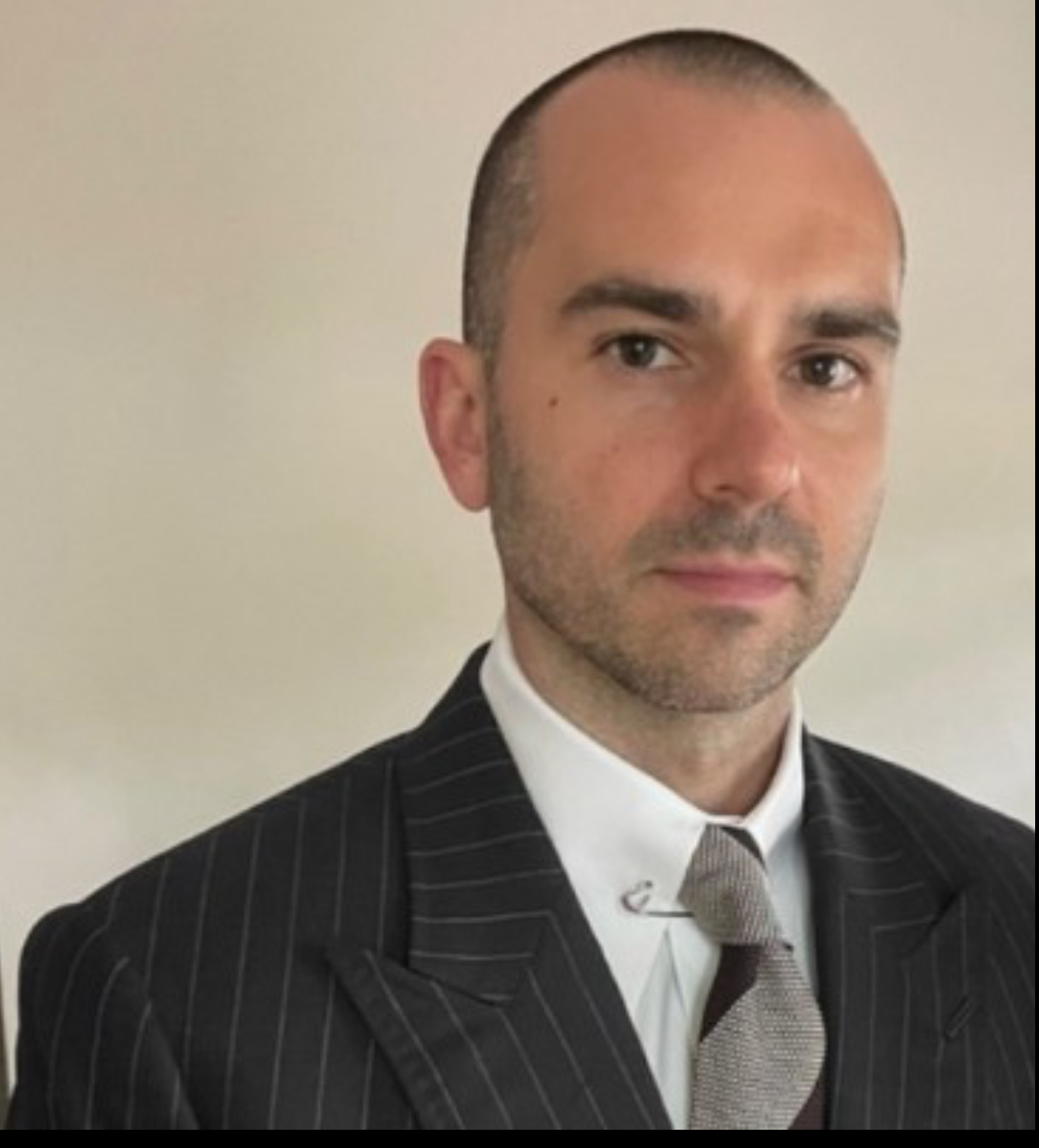
Full-time Investor / Acquisitions at Accountable Equity
Phil Boggia spent eight years as a Deputy U.S. Marshal and six years as a Special Agent with Homeland Security Investigations in New York City before transitioning into real estate investing. His journey began after reading Rich Dad, Poor Dad and immersing himself in real estate podcasts during his daily commute—resources that played a pivotal role in shaping his path to financial independence. Starting with a duplex in 2015, Phil quickly expanded into multifamily properties and diversified into private equity syndications. Today, he is a full-time LP investor and serves as Director of Acquisitions and Investor Development at Accountable Equity, where he focuses on sourcing new resort acquisitions and building strategic partnerships with accredited investors.