

 Amazon Music
 Apple Podcasts
 iHeartRadio
 Spotify
 YouTube
 RSS Feed
 Podcast Addict
 Podchaser
 Deezer
 Goodpods
 PlayerFM
 Castro
 Castbox
 The Hidden Asset Smart PE Firms Protect at All Costs with Jeffrey Koonce
What separates the PE firms that build lasting companies from the ones that destroy them? Jeff Koonce says it comes down to one asset that never shows up cleanly on a balance sheet.
Jeffrey Koonce is a Partner at Bernhard Capital Partners, a Baton Rouge-based services and infrastructure-focused private equity firm with more than $6 billion in AUM. A recovering CPA and former tax attorney at Phelps Dunbar, Jeff joined BCP as General Counsel and has been part of the firm's growth from its first fund close through its fifth. Co-host Scott Shea and special guest co-host Jeremy Beyt, CEO of ThreeSixtyEight, join Joshua Wilson for this conversation recorded live at ThreeSixtyEight's studio in Baton Rouge.
🎯 What We Cover:
- What private equity actually looks for beyond EBITDA and cash flow
- Why the highest offer rarely wins in a founder-owned deal
- How BCP uses a "blueprint" strategy before approaching any target
- Why safety records are a leading indicator of service company quality
- The role of culture in buy-and-build platform success
- Why founders who roll equity almost always outperform on the back end
- How BCP managed 23 portfolio companies through reporting and technology
- The difference between a PE firm and a family office
- Why brand and goodwill matter even in industrial M&A
- What Jeff asks every founder at the deal table
🤝 Connect with Jeffrey Koonce:
🌐 https://www.bernhardcapital.com
🤝 Connect with Co-Host Scott Shea:
💼 https://www.linkedin.com/in/escottshea/
🤝 Connect with Jeremy Beyt | ThreeSixtyEight:
🌐 https://www.threesixtyeight.com/
💼 https://www.linkedin.com/in/jeremy-beyt/
💼 Thinking About a Transaction? FA Mergers helps founders, investors, and business owners navigate the full M&A process — from valuation to close. If you're exploring a sale, acquisition, or capital raise, let's talk. 🔗 https://www.famergers.com/
🎙️ Follow The Deal Podcast:
🌐 https://www.thedealpodcast.com/
💼 https://www.linkedin.com/company/the-deal-podcast/
▶️ https://www.youtube.com/@dealpodcast
Curious what your business is worth? Request your free valuation at famergers.com
Disclaimer: Joshua Wilson is a licensed Florida real estate broker and holds FINRA Series 79 and Series 63 licensure. The Deal Podcast is presented by FA Mergers and is produced for informational and educational purposes only.
Nothing discussed constitutes investment advice, legal or tax advice, a solicitation, or a recommendation to buy or sell any security or to pursue or avoid any transaction. All views and opinions expressed by the hosts, co-hosts, and guests are their own and do not necessarily reflect the positions of FA Mergers, One Iron Network LLC, any regulatory agency, or any employer. Listeners should consult their own legal, financial, and tax professionals before making any business, financial, or transaction decision. This podcast does not constitute a solicitation or recommendation for any financial products or services.
Let's Connect on LinkedIn:
https://www.linkedin.com/in/joshuabrucewilson/
To Contact Us, Please Visit:
https://www.thedealpodcast.com/contact/
00:00 - Welcome & Setting the Scene at ThreeSixtyEight
01:47 - Who Is Jeff Koonce? PE Partner, Lawyer, and Musician
02:57 - Inside Bernhard Capital Partners: AUM, Focus, and Fund History
07:52 - The Bernhard Family Legacy and a Brick from the Past
09:39 - PE vs. Family Office: What's the Difference?
10:39 - How BCP Selects Companies: The Blueprint Strategy
14:18 - What Makes a Good Deal — And What PE Buyers Really Look For
16:38 - Why the Highest Offer Doesn't Always Win
19:42 - Culture Is the Hidden Asset: Why PE Firms Can't Afford to Destroy It
24:02 - Managing 23 Portfolio Companies: Reporting, Technology, and Trust
32:28 - What Jeff Asks Every Founder at the Deal Table
41:11 - Advice for the Next Generation of PE Professionals
. Joshua Wilson:
Good day, everybody. Welcome to the Deal Podcast. We are so blessed today because we're going on a roadshow. This is really fun because, uh, you know, home roots for us is in Lafayette, Louisiana. We built a studio there powered by FA Mergers. We sell middle market businesses, and we love that jam. But we decided to take the roadshow, Scott and I, on, on the road. We're here in Baton Rouge. We're being hosted by Jeremy at ThreeSixtyEight. So super, uh, big shout-out to that crew over there for opening up a studio and building this out for us. Super welcoming. We got to pin up, uh, the Deal Podcast, uh, on the wall, so that's pretty cool. And, uh, we're, we're in a room right now with a few different voices. So if you're just listening in, uh, I wanna introduce you to some of the voices. You've got myself. Hello. Uh, to my right, you have Scott Shea, our co-host.
Scott Shea:
Good morning.
Joshua Wilson:
Yeah.
Jeffrey Koonce:
Afternoon.
Joshua Wilson:
Across from me we have Jeremy.
Jeffrey Koonce:
Hello.
Joshua Wilson:
Yeah. And then our, our esteemed guest, Mr. Jeff. Jeff, welcome to the Deal Podcast.
Jeffrey Koonce:
Thank you for having me. Excited to be here.
Joshua Wilson:
Yeah. Uh, Jude sends his love. Yeah. And, uh, the team send their love from Lafayette.
Jeffrey Koonce:
Great guy.
Joshua Wilson:
Um, yeah. Thank you. So Jeff, who are you?
Jeffrey Koonce:
Uh, how much time does this podcast last? Uh- Right. As
Scott Shea:
much as you need.
Jeffrey Koonce:
Yeah. So I've… I've… I'm currently professionally a, uh, partner at a, uh, mid-market private equity fund. Uh, I'm, uh, married, have three children. About to be a, a grandfather this, uh, first time, uh, this November, my, uh, oldest daughter. I'm so excited. And, uh, grew up born and raised in New Orleans. Um, moved here a long time ago. Been here longer now, so I guess I'm a Baton Rougean, uh, through and through. And, um, yeah, excited to be here. It's been a fun, fun journey professionally.
Joshua Wilson:
Yeah. So when you say mid-market PE, for the… for people listening in, they're like,"Oh, that sounds great. What is that?"
Jeffrey Koonce:
Yeah. So we're, uh, we have about a l- little bit more than 6 billion in, in, uh, AUM, in assets under management. Um, we focus primarily on, uh, infrastructure services and infrastructure. We have two different themes. And so we take institutional money, and we invest in, uh, mid-market, uh, companies. So, you know, defining mid-market, you know, anywhere from, uh, you know, 10,$20 million of equity up to 200, 250 in equity or, or more with co-invest and of course leverage on top of that. So it just depends on the platform and… But that's roughly the size that we would, uh, we would look at.
Joshua Wilson:
Yeah. Super cool. And you're with Bernhard Capital. Talk to us about how you stepped into… What, what's your role there, and how did you step into that?
Jeffrey Koonce:
I'm kind of a partner. Well, I'm, I am a partner now, but the way I got here is kind of odd. It's, it's, uh, I s- I was a tax corporate lawyer for a very long time. I'm r- I'm a recovering, uh, CPA and tax guy. Uh, taught a very exciting federal income tax course at LSU's law school for a long time. Uh, Jim Bernhard was a friend of mine, and his, his wife was a couple years ahead of me in law school, knew them for a long time. Uh, he had a company called The Shaw Group, a Fortune 500 company based here in Baton Rouge. Um, I did a little bit of work for them. They sold in 2013 to a company, Chicago Bridge & Iron. A great exit for them, and, uh, they did not want the C-suite to stick around. And, uh, so they took their money and started this group. Uh, they asked me to join initially as, uh, general counsel, uh, which I was hap- well, uh, uh, I was a little bit, uh, unsure. And when they described what we were doing, kind of buying and selling and structuring deals, I was like, "Well, that's, you know, that's, that's my skill set," and I was excited. Jim's a persuasive guy as well. And so, uh, it, it's just been a fun journey. We started, uh, af- I started when our first closing on our first, uh, fund, and, uh, now we're on our fifth fund. And, um, it's, uh, been a f- a fun, uh, fun journey. Particularly in our space, it's been a hot area, as most people know, for the last couple years.
Joshua Wilson:
Mm-hmm. We had the, um, we had the pleasure of interviewing Ken on the, the podcast, who's one of the, the generations.
Jeffrey Koonce:
Yeah.
Joshua Wilson:
And, um, he came on, and he shared part of the legacy. Which, which brings us to a question that, that Jeremy has a, in specific to the family- Yeah … and, uh, that. He has a great story. Go ahead, Jeremy.
Jeremy Beyt:
Yeah. So, uh, so we're sitting here at 212 South 14th Street in Baton Rouge, which is our office, and, uh, we rent it from an investment group who kind of revitalized this area. But the story is, when we first moved in, we got a knock on the door, uh, one day, and it was this random guy in a sharp suit, young guy, and, um- I, I've, you know, opened the door,"Can I help you?" And he just walks on in and he's just looking around. Kind of like he was in an old house, you know? And I said, "Who are you?" You know, "What do you want here?" And he said, uh, "I'm a Bernhard," or, "I'm, I'm," I guess Jim's maybe grandson or I'm, I'm not sure who he was, or nephew or-
Joshua Wilson:
Yeah… Jeremy Beyt: somewhere in the family. Uh, I can't quite remember his name. It was very mysterious. But he said- … "Do you have a brick I can take?" He said, "This was my grandfather's office. He built this building when they won the state capital project, and he needed a project management headquarters near the, near the state capital." And he took, we gave him like a piece of a brick, he took it, and I never saw him again. And I, I'm like, "Was that… Was this guy just pulling my leg- … or was this true?" You know, like-
Jeffrey Koonce:
He, he needs some bricks for a project. Yeah. Uh, so first time I've heard that story. It does not surprise me. I'm assuming it's probably Patrick is his son. Yeah. Jim's son. Okay. And his, uh, grandfather, uh, who was, uh, y- you know, Jim as well, uh, you know, M- Mr. Bernhard- Yeah … uh, had, uh, Bernhard Mechanical that was started by his father, so it goes way, way, way back. Okay,
Jeremy Beyt:
okay.
Jeffrey Koonce:
And, uh, started in Lafayette, um, which I guess Ken told you so- some of that history. And, um, yeah, very proud of the legacy. So we… That was one of our first investments. It was kind of our, uh, warehoused investment and then the fund invested. We bought several other mechanical companies, MCC out of New Orleans, Bernhard Brothers here in Baton Rouge. Okay. Great part of the family, great guys. Uh, uh, an engineering company, uh, TME, Tinsley-Mullen, in, uh, Arkansas. And then, um, a, electrical company, um, i- i- here as well, and, uh, combined them in w- what we think was the first energy as a service company, uh, n- renamed it Bernhard LLC. It's now called Infra. We sold it to a company, DIF Capital. But that's, that's kind of the lineage that all goes back to his- Wow … uh, grandfather way back when, I guess, this building that we're sitting in, which is kinda-
Jeremy Beyt:
Yeah… Jeffrey Koonce: kinda neat. Yeah. That is, uh, that is the, the, the folklore around this building now. Yeah. And that's what we tell people-
Jeffrey Koonce:
Yeah, yeah… Jeremy Beyt: is we're, you know, we'd say The state capital was built from here. Yeah.
Jeremy Beyt:
So there's a lot of history right here in this room.
Jeffrey Koonce:
That's neat.
Jeremy Beyt:
Yeah. Yeah. Pretty cool. Yeah.
Jeffrey Koonce:
I, I had the pleasure of meeting the guy a couple of times. Just a very quick story, a bit off of the, the investment side of this, but he was, uh, uh, played football for LSU. He was the captain of LSU's, uh, football team. And the story is there's the Tiger Rag. I'm telling their family story here, but, uh- … and Tulane, quote-unquote, "lost the f- uh, Tiger Rag," and I guess they, uh, decided since they didn't have the rag, they took the captain of Tulane's, uh, team's, his, uh, pants off of him. So they- Uh, somewhere in Patrick's house he has Tulane pants, an LSU jersey, his grandfather's jersey- Yes … uh, and a, and a, a newspaper article that told the story. So he's a colorful, amazing family. Yes. Brilliant. Um, can run circles around national law firms, Big Four accounting firms. Uh, I think a lot of people underes- estimate their academic prowess. But it's just a, a really neat fam- I've just… I feel so blessed to have worked with the family for a long time.
Jeremy Beyt:
That's cool. Yeah.
Jeffrey Koonce:
Yeah. That's
Jeremy Beyt:
really cool.
Joshua Wilson:
Thanks for sharing that story, yeah. Yeah. Uh, Jeff, when it, when it comes to, you know, your role, y- you started as general counsel.
Jeffrey Koonce:
Yes.
Joshua Wilson:
So stepping into a family office- General counsel, what is the, the main role, responsibility? You know, general counsel obviously to, to take a look at the, the legal side of things. Yeah. But, like, kind of walk us through, like, what does it look like to step into a family office, you know, on a professional basis?
Jeffrey Koonce:
Yeah. So when I first came on, so we, we were never a family office per se. Okay. It's ins- institutional money, right? So, uh, and it's… We have general counsels at each of our portfolio companies as well. So the day-to-day litigation or, uh, internal corporate records, most of our companies, that- that's just handled by… And they do a great job. We have some amazingly talented folks that, that handle that, and Lucy Cantrow is our current general counsel. I, I held that role for a couple years when we first got started. Uh, there's a lot, and I always joke, you know, that, "Do you like your job?" And I, you know, I say, "Well, it doesn't matter 'cause if I don't like it, just wait an hour and I'm doing something different," you know? It's, uh, very, very diverse. Um, before I was much more narrowly focused and dove deep. A lot of SEC compliance. Um, there's a lot of, uh, of obviously deal structuring, and there's, uh, we, we frequently buy from founder-owned companies, so knowing what's important to the founders and, you know, how do you structure the deal. And then once you, uh, uh, you know, we partner with these folks, how do you work with them and, um, and, you know, build it to an even hopefully better company, and, uh, and then eventually at some point there would be some sort of exit. So there's the full life cycle of companies. You're dealing with all aspects of that.
Joshua Wilson:
Yeah. No, that's super helpful. And, and sometimes, uh, you know, I misspoke. I, I, I said family office. I meant private equity. Mm-hmm. So thank you for that clarification. Walk us through what is the difference between, for people listening in, the, the difference between a private equity versus a family office?
Jeffrey Koonce:
Sure. So family office is generally, uh, you know, an individual or group of individuals that have a lot of net worth in their own personal name, and they use their own funds, sometimes with leverage, uh, well, frequently with leverage, sometimes with other family offices. There's some groups that'll get together and invest together, but it's their own personal money, whereas in private equity, it's institutional money. We do invest, like most private equity, side by side personally with our institutional investors, but the bulk of the funds come from, uh, you know, a, a variety of, you know, qualified, uh, uh, pension funds. There's, uh, um, we do have some family offices that, uh, limited number that invest in us as well, but some, uh, uh, state-owned fund and some foreign funds and that sort of thing.
Joshua Wilson:
Yeah. So the, so the business model then is you, you, you work together with a group of people or institutions, and then your job is to go out, find a business, owner-operated, mid-market business, start knocking on doors, find a good operator, good business, and then… And kind of walk us through what that looks like.
Jeffrey Koonce:
Yeah. So we're … There, there's a lot of folks that have checks, you know? Yeah. There's, there's a lot of institutional money out there. Where we like to partner with folks is where we're more than a check. We're… We have some sort of relationship or some idea, um, where we can assist them along the way. We, uh, like to invest with companies where they already have a, you know, best of class, uh, executive team so that we don't need to… You know, they, they, they continue to operate. You know, we have a number of companies here locally, and they are amazing. They do a fantastic job. We wanna stay out of their way, but then provide assistance. You know, maybe we have more, uh, better relationships with, uh, financial institutions so we can get better, you know, uh, better, better, uh, relationships there. Or, uh, you know, maybe with some of the operations, just some things we can kinda help here or there. We sit on the board, let them operate. And so that's, uh, you know, that's how we partner with the folks, and we select them, and then we'll sit on the board as we go and, um, and then try to grow it. Uh, you know, sometimes we'll do buy and build strategies- Mm-hmm where we'll have, you know, one company that here in Louisiana is, is, uh, best of class, and then, you know, they, they do a decent job over time growing organically, but maybe there's another company that does something similar to what they do in Texas and in Florida and in the Carolinas and… Or maybe, you know, out west or whatever. And we, we always go into it with what we call a blueprint, so we don't do this haphazardly. We have a plan, and we know this is an area where we want to invest. It's not somebody shows up on a doorstep, and we decide then if it's a good deal. We proactively decide, here's an area where we, we think it's a great macrolev- ma- macroeconomic tailwind behind this industry, so we'll invest in that space. We decide who we'd like, we'd like to partner with, and we go talk with them, see if there's kind of a mutual alignment- Mm-hmm … where it's good for us and good for them, and at the end of the day, we'll both kinda win. And, um, that's who we try to partner with.
Joshua Wilson:
So you're, you're coming not just with, with capital, but relationships. Maybe you have, uh, a network. Maybe you have a business development arm that could kind of pump opportunity to this group. So them partnering with you, that's a part of the, the value proposition to the owner. Is that right?
Jeffrey Koonce:
Um, it is. Exactly. So at, at, at the management company level, and then also with the various portfolio companies. So we have 23 depending on how you count portfolio companies at the moment. And so they can help each other out. And so we're all part of the same family, and so we'll introduce them. We'll have all the CFOs of the various portfolio companies get together, maybe the general counsels. Once a year we have an annual meeting with our investors, and so we'll have all of our CEOs show up there, and there's a lot of things they can do to help each other out. So being part of the family frequently can be helpful as well.
Joshua Wilson:
Yeah. So, you know, sitting at this table, we have Scott Shea, who's with FA Mergers. We sell middle market businesses. Part of the business model of private equity is buy it, grow it, and then at some point there's an exit in the mind. Is that how it works?
Jeffrey Koonce:
It, it is. I mean, there, there's, it… There's alternatives if selling does not make sense. Uh, there's continuation vehicles. Uh, there's, there are some, you know, there's ways to, to hold onto some things longer than the initial term. But our blueprint, uh, is going to plan typically to have some sort of liquidity event when some defined, uh, milestones are met. And we talk about all that upfront. We do not buy and flip. We're not buy, wait six months, a year and flip it. We have some sort of plan to improve value, be it buy and build, where we include some other companies with the initial platform company or, you know, maybe s- uh, introduce some relationships, just whatever it is. And then once we achieve those milestones and we have a, an ongoing dialogue with the folks that we partnered with, and at some point we'll, when we reach that milestone, we'll jointly kind of agree, "Okay, this is a good time to look at potentially an exit." But that's o- over a long period of time, years.
Joshua Wilson:
For sure. So when it comes to selling a bit, so you're, part of your, I mean, the business model is, you know, you work with investors and you partner with them. You, you find something. So we could talk about how to find a good deal and what is a good deal.
Jeffrey Koonce:
Mm-hmm.
Joshua Wilson:
And then we talk about on the back end, there's, there's some type of exit or continuation vehicle.
Jeffrey Koonce:
Mm-hmm.
Joshua Wilson:
Let's talk about with that in mind, when you're buying something, how do you know what a good deal is? This is The Deal Podcast. So how do you know what a good deal is-
Jeffrey Koonce:
Right… Joshua Wilson: and what Right. Uh, there's a list of factors that we look at. In the services industry, just as an example, one of the, uh, factors that some folks may overlook is the safety record. There is no such thing as a successful services company, particularly in the industrial space, that's successful that, that has a poor safety record. You're just not gonna find it. So we always look at their safety record, for example. We look at, um, at w- we… You spend a lot of time with the people, make sure you know the people.'Cause with the services business, what you're buying, the assets you're buying are the people who walk in and out of the office every day. And so, uh, you wanna make sure that you're partnering with a world-class team, um, that is, uh, doesn't need supervision. You know, we're, we're, we're additive. We're not gonna go in and need to replace what they're doing. We're gonna be additive to them. They need to be a good fit, fit for our blueprint. There's some fantastic deals that we passed on because they just weren't what we're looking for. They'd be a great investment for somebody else, it's just we know what we're good at. We have our blueprints. We stick to that area. And if they're a good… They need to be a good fit. And, um- You, you know, there's the typical financial metrics. You know, you wanna look at their, uh, EBITDA margins, you wanna look at their cash flow, you wanna look at a- all of those things for sure. Um, but typically with, with great companies, the, the financial rewards kinda happen, right? If, if it's a well ru- well-run company, then the, the financial side of it's gonna almost take care of itself.
Joshua Wilson:
Yeah. Scott, I know you, you wrote some questions down. What questions do you have? How'd you know?'Cause I can read your mi- I can read your paper- … but I can also read your mind.
Scott Shea:
Yeah. So curious to get your, your take on… So we're primarily sell side. Mm-hmm. So our, our goal is to generate a competitive process.
Joshua Wilson:
Mm-hmm.
Scott Shea:
What is your view on competitive processes? Are you typically part of those? Are you guys more direct outreach to, to potential targets? Um, are you more competing against other PE groups for most of the deals you work on?
Jeffrey Koonce:
I mean, we'll, we'll do both. Uh, like, like I mentioned a few minutes ago, if, if, if someone is looking at us solely as a checkbook, we may not be the right fit for them, right? So i- if it's a pure competitive process where the sole thing they wanna do is maximize their dollars, cash their check, and go home, you know, that's not a good fit for us. But, you know, frequently we'll have the, the folks that we partner with roll some equity. They, sure- Mm-hmm … they take some money off the table, they're safe. They don't… No matter what, they're gonna be fine financially, but they, they have a little bit of skin in the game with this, so we're kinda side by side with them. And so, uh, you know, yes, we do work with investment bankers for sure, but, you know, it's, it's, we typically like to have that relationship with them, and there's been a number of times where we weren't the highest offer financially, but we were the best fit. They knew that we were gonna take care of their baby, and a lot of these folks get, uh, you know, emotional about their, their, their, their companies, and we're gonna take care of it. And not only that, we'll, uh, we have a proven track record where we can frequently create more value for that rolled equity than what they sold on the front end. And so there's a better chance to maximize that value for them longer term and help their employees. So yes, we do, um, but we're not, we're not, uh, purely gonna just, uh, hope that we're the highest bidder and that's the sole factor that we would look at. Right.
Scott Shea:
I think that's a great point, too, just to mention to audience, there's a myth, I think, where people always sell for the most money.
Jeffrey Koonce:
Yeah.
Scott Shea:
Um, I find that's not true. There's so many other variables, especially like you mentioned, emotions.
Jeffrey Koonce:
Mm-hmm.
Scott Shea:
Like what happens to employees, what happens to their role. Um, so nice to hear that you win deals without being the biggest check.'Cause that is very important to a lot of sellers
Jeffrey Koonce:
Yeah, and there's, there's some folks that they're just that stage of their life, they don't wanna sell. It doesn't matter the money. If, you know, Warren Buffett showed up with this, you know, a bunch of zeros behind a, a check, they, they just don't wanna sell. And, you know, we… Look, fair enough, we may maintain a good relationship with them, may have some other way to partner with them just from a business perspective, and there's been times where we had a 20-plus year relationship with them and, you know, they're in their 90s, and okay, it's time to retire, and, uh- and we ended up transacting with them, you know? So the world is round and, and that's fine, but yeah, y- you're right, it's, it's a personal thing, especially for the founder-owned companies. Very
Scott Shea:
much.
Jeffrey Koonce:
It's a very, very personal thing.
Scott Shea:
Are your best success stories where the, the owner stays on in some capacity?
Jeffrey Koonce:
Just about always.
Scott Shea:
Yeah.
Jeffrey Koonce:
There, there's, look, there's a few, uh, exceptions, but that, without a doubt, I mean, if you go through, you know, uh, Bernhard LLC, now, now Infra, you know, i- is, is one of our good success stories. Um, we have some other companies that we currently own that are just doing fantastic that are founder-owned, and it's, it's a cultural thing, which is important, which is why when you go in and buy a company, you don't just fire everybody and put your people in there. You… The, the thing that made them so successful is that culture, and you gotta maintain that culture. Benefits, you never go in and cut their benefits. The, the benefits you give them have to be as good or better, um, even though it may be a small fraction of the value you're giving to them. You gotta keep that whole culture going, and whatever makes that quirky culture tick and made them successful historically, you wanna keep that going and just be additive to that.
Joshua Wilson:
When it comes to business and business decisions, allocation decisions, investment decisions, I think sometimes You know, sometimes I look at a balance sheet or, you know, P&L and, and I'm looking at only the, the numbers. And you, you said one of the best decisions is, you know, keeping the people on, keeping them happy. They're the reason the business is so successful.
Jeffrey Koonce:
Mm-hmm.
Joshua Wilson:
Now let's have some fun here. You're a musician.
Jeffrey Koonce:
Yep.
Joshua Wilson:
Right? Uh, so what instrument are you, uh, famous for?
Jeffrey Koonce:
Well, I don't know if I'm fa- … in- more infamous than famous, but I started as a classical trombonist, and I play guitar and keyboards and sing a little bit. And if you drink a lot, I sound amazing.
Joshua Wilson:
Yeah. Yes. Karaoke night here at ThreeSixtyEight. That's it, yeah. Yeah. All right. So when it comes to, you know, looking at the financials, how do you… Is there a, uh, a similarity between reading music and reading, uh, financials for you? Like, does your brain kinda see it in that way or any similarities?
Jeffrey Koonce:
That's a great question.
Joshua Wilson:
Thank you.
Scott Shea:
Yeah.
Jeffrey Koonce:
Uh-
Joshua Wilson:
Unless he says,"No, you're dumb, Josh." Right.
Jeffrey Koonce:
That's, that's the worst question I've ever gotten. No, dude. Yeah. Uh, no, I, I think there are. I mean, there's obviously a number of, of academic studies where the mathematics side of things and the mus- music side of things, there's, there's correlation in your, you know, physiologically in your, in your brain. But I think beyond that, if you just get sheet music, in classical music for example, the conductor can interpret that music and in- you know, go a little bit faster, a little bit slower, do something with the dynamics. You can read it different ways, and it's more of an art than a science. And it's the same thing with financials. There are some basic levers that you need to pull, but when you look at things, it's gonna spur you on to ask questions, and it's an art behind it. And then, you know, uh, adjustments. You know, we talk about adjust- Okay, what, what… You know, are these real adjustments or bogus adjustments- I love it … and that sort of thing. And, and, you know, it, it really, it's a, it's a starting point for a conversation.
Joshua Wilson:
Yeah. All right. Mm-hmm. So let, let's, let's take one more step on that- Okay … that sheet music side of things. You're looking at a, you know, a P&L. You're looking at a company's financials. And it might not look good, and you're like, "Ah, but I still think there's something there."
Scott Shea:
Mm-hmm.
Joshua Wilson:
Like, what could that be, whereas a conductor could see music, slow it down, and it turns brilliant? Mm-hmm. Like, what is something that most PE firms miss that you think- You have a maybe a competitive advantage on
Jeffrey Koonce:
Well, my firm specifically- Yeah … the advantage that we have is we have a lot of operators. We have a lot of folks that were at Shaw. They're not simply worksheet warriors. You know, they actually know how to run a business, and they, they know what it takes and the, and the details. And so our secret sauce is that we come from an operations background. E- I, you know, being a former recovering tax lawyer and corporate lawyer, you know, um, I, I come from an operations background as well, but a lot of these folks come from the industrial side of things and the power side of things, worked at large publicly traded, uh, regulated utilities. So that's what really kind of makes us different. Um, there's a number of things that you could look at on the financials where they just look okay, but post-closing could dramatically change it. You know, uh, for example, if it's a part of or an entire public company, there's a lot of cost associated with being public where you can just take that out. Maybe you have an existing platform, and there might be some synergies with each other to where you can reduce costs when you, uh, you know, combine the two different, um, companies. So, you know, being, uh, creative and understanding, um, what you can do operationally and make it work, um, and, and improve the financials and, uh, in a better situation than, than they look now is generally where we, we try to get. Or there may be a relationship. You know, there may be a client that we know. Uh, you know, you do all your work in Texas, Louisiana, Mississippi, well, we have this relationship with, you know, Duke Energy on the East Coast or whatever, and we can introduce and maybe you can start doing work for them. And, you know, that's, that's the type of thing that we would bring to the table that others might not, might not have.
Joshua Wilson:
Yeah. Thank you for that, man. That's so cool. When it comes to being a conductor and in classical music, you know, you have many different instruments playing, you know, unless you're talking about jazz where everything's just a mess, but it sounds good still, right? But, you know, everybody's kind of playing to the same tune. When you have 23 portfolio companies- Mm-hmm … how do you make sure that everybody's playing to the same tune and maintaining profitability and kind of having that high level overview? I have a hard time managing m- myself and three… you know, wife and three kids, you know, like- Yeah … I can't imagine running 23 portfolio companies at a high level. How do you do it?
Jeffrey Koonce:
Well, so, uh, when we were small and we made our first investment, it was easy 'cause everybody on the team knew all about our couple investments. Well, now we have a lot of investments and some of, some of them quite large. And so- It's literally impossible for everybody on the team to know every detail about every company. But to your point, you need to make sure that we're all playing from the same playbook. And so what we do is we have teams that are assigned to each portfolio company, and it's kind of reported up, and we meet… In fact, this morning we were going through our second… We have to break it up now'cause we have so many companies. Everybody goes through at a high level each company. We have an opportunity to kinda drill down a little bit. And then, you know, of course, AI and technology has made this a lot easier, uh, to seamlessly take all the KPIs for each of the portfolio companies and kind of bring it up to where you have a, a, you know, kind of a desktop where you can see everything that's going on, uh, that, that really, really matters. Distill all the noise. Um, and you have to trust your team to get into the weeds and really drive the train. But, uh, y- you can, through reporting and technology, you can get what you need at, at the higher level. And then, look, when something goes wrong, uh, you need to step in. If it's some- if it's a major issue in one of the portfolio companies, we'll get the right, uh, people to step in. We're blessed to have, you know, a guy, Phil Price, who's an expert on, uh, finance up in our Nashville office. And so if it's something to do with the financing mechanism, then we can pull him in, or if it's legal, you know, we have different teams that we could bring in for the, for the right project, or operations folks. We have a lot of folks that used to work at Shaw or other companies that we were affiliated with, and we're blessed to have good relationships with them, and they'll come back. Maybe they're retired, but they wanna spend a little time on a project, so we can kinda put them on a, on a problem. So we'll kinda do things like that.
Joshua Wilson:
Yeah. Um, I'm gonna tee up Jeremy on this. So I'm sitting across from Jeremy, who's the, the, the founder of Three Sixty-Eight, uh, creative division, one of the most creative guys I know. Also a musician.
Jeffrey Koonce:
Mm-hmm.
Joshua Wilson:
Maybe we'll have a jam session later. I could play a mean, you know- Yes, please … harmonica or a tambourine.
Jeffrey Koonce:
Kazoo, yep.
Joshua Wilson:
Yeah. Yeah, that's right. Um, when it comes to, you know, creativity from founders and with portfolio companies and, you know… Talk to us about, like, the cohesive brand, or do they maintain individual, you know, identities? Kinda walk us through that, and I know Jeremy will have a follow-up question on that.
Jeffrey Koonce:
S- so branding from a portfolio company perspective?
Joshua Wilson:
Yeah.
Jeffrey Koonce:
Yeah. That's a great question. So, uh, if it's one company, it's pretty easy, or if it's a larger company that maybe at some point absorbs a, a smaller company, it's, it's a pretty self-evident thing to do. But when you have… You know, with one of our companies, uh, Grace, it's a architectural platform, you know, we had nine acquisitions underneath it, and they're all very proud, rightly, of their, of their brands. And so… But you need to, uh, have everybody singing from the same, uh, sheet of music, 'cause sticking with our analogy here. Yeah. And, and to, to do that, you need to have one brand, one system, you know, one team, and not just a bunch of small companies that just happen to share the same P&L. And so, uh, there's people a lot smarter than me that help us with that, but getting buy-in from the teams to have one unified front is typically the way to go. Sometimes you can do co-branding for a period of time, but we found that over time it really makes sense to be one team than have two teams that just share a, a P&L.
Jeremy Beyt:
Yeah. Jeremy? Did I put you on the spot? Million question. No, the million questions. Uh-
Scott Shea:
I've only got four… Jeremy Beyt: I think you may not be the thinking about, uh, an acquisition- Mm-hmm
Jeremy Beyt:
how do you value the brand of an organization? Like, how does that contribute to how you think about the value of the company? What… Like, are there metrics that you look at that are oriented around the brand's value or
Jeffrey Koonce:
curious? Um, yeah, so we're not, we're not retail, we're industrial, but even with industrial companies, brand is imperative because, you know, Brailsford & Dunlavey, a company that we partnered with, is… They're program managers. They're one of the best in the country at what they do. Well, you'd be silly to throw away that name, right? Right. So, um, it, it's, uh… We, we absolutely look at it. There's, there's some brands, like sometimes if it's a carve-out from a public company, for example, they're not gonna like it so much if we continue to use their name, so we have to come up with a new names. There's several of our platforms, we'll just come up with a new name. Uh, you know, we have, uh, we have a, a nuclear platform where we just created a new name and all of them mer- you know, ended up with an… It- it's a bit bespoke, very nuanced, and, and you have to have buy-in 'cause it's a cultural thing as well, going back to culture.
Jeremy Beyt:
Right.
Jeffrey Koonce:
You don't wanna jam a names, you know, name down somebody's throat. Right. It needs to be something that everybody's excited about, embraces, and there's a reason behind the name. Let's, let's go get it together. Um, but we definitely place a lot of value on, on brand
Joshua Wilson:
names.
Jeremy Beyt:
Yeah. Okay. Yeah. Uh, go ahead, Josh.
Joshua Wilson:
Yeah. No, thank you for that question. It… When it comes to the goodwill of a brand- Mm … the goodwill of a name, right, there, there is value. Mm. Now, you, you said, "But we're in industrial." Now, there is some goodwill, there is some brand. What's the difference between maybe a- Where would goodwill in a brand and a name be more valuable? Like, as you're analyzing companies to buy- Mm-hmm … where you're like, "Ooh, we gotta keep that. We gotta go for that. Ah, it's not that important. Nobody knows who makes the batteries in these headphones," whatever,
Jeffrey Koonce:
right? Right. Well, so I'll, I'll, uh, give you an example. Um, there's, uh, a company Brown & Root, pretty well-known in the industrial space. Uh, the company Kellogg merged with Brown & Root, and they formed a company, still publicly traded, KBR. And so when we partnered with KBR, um, we agreed to resurrect the Brown & Root name. Nobody was using it. And in the industrial space, they would wear gold hats on the, on the construction site. Now that me- that meant you were the foreman at Brown & Root, and if you were the, the dude wearing the, uh, the gold hat, you were the man. And everybody res- gave you immediate respect, and it was, you know, kind of tossed, tossed aside. Of course, KBR has their own fantastic, uh, brand, but, but Brown & Root… So we resurrected that name, you know, got all the intellectual property, and we've, uh, had a great run with them. We actually exited Brown & Root last fall after a long, about 10-year hold. Um, but that's a great example where in the industrial space, just anybody, the CEOs of these big companies know the name Brown & Root. Even people that aren't in the industrial space are generally at least familiar with that brand. Mm-hmm. And so that, that's a situation where it's just, uh, boy, you just can't put a value on it. It's really hard to do that.
Joshua Wilson:
Yeah. Scott?
Scott Shea:
Yeah, I wanna follow up on, on you've mentioned culture a lot and relationships.
Jeffrey Koonce:
Mm-hmm. Mm-hmm.
Scott Shea:
Obviously, South Louisiana, that's what we're known for. Mm-hmm. How much different is it when you acquire a company, say, Louisiana-based versus- Mm … elsewhere? Or is there a difference?
Jeffrey Koonce:
Yeah, good question. Um, you know, most of our companies are, are, are national footprint or at least regional footprint. Uh, very few of our companies, if any of them, are just… Well, we do have a couple of w- gas companies in, in, uh, regulated utilities, but most of our companies are, are more of a, a, a regional to national footprint, a little bit of international. So we definitely deal with folks around the country. Um, you know, honestly, I'd say that, that the… I mean, of course we, uh, crawfish and whatever. We- Our, our food and our music, whatever- Right … down here is unique, and, and, uh, think folks appreciate that. But folks that are in business, just the same drive, the same attention to detail, and the things that are gonna make a business, uh, you know, work down South are generally gonna make it in the industrial space, particularly around the world. Um, so while I think there's some, some, uh, some, some differences, um… In fact, I think in a lot of ways in the industrial space, we have some of the best workers on the planet here in, in Louisiana. You know, we have a fantastic, uh, pipe fabrication company, Epic Piping, um, who's based here in Louisiana. We have other facilities in the Middle East and in Texas, but, uh, but these… And, and they're all great, but I tell you, the, the workers in Louisiana are just something special. I mean, we have a lot of skilled, uh, trade, uh, craftsmen here that just are, are par none, uh, to anybody else in the world
Joshua Wilson:
You're a… That was a good question. That's, as a- Thank you, Josh. You're welcome. I love you, buddy. One of the… And that, that's, that's music to our ears- Yeah … as podcast hosts and co-hosts, and as we're producing this, when someone says, "Good question," it, um, it, it, it's meaningful to us, right? It's, it's that, that we're doing a good job and we're digging in.
Scott Shea:
Mm-hmm. Does it matter if I gave him $100
Joshua Wilson:
earlier to- No, that's even better. That, that was
Jeffrey Koonce:
under the table. Yeah, you can see
Joshua Wilson:
that one. That's a sponsored, sponsored response, man. We're used to that kind of stuff. Yeah. But when it comes to good questions- Mm-hmm … what's a question that you can ask at the buying table? So you're, you're going through and you're meeting with a, a founder, and you're like, "Something doesn't seem right here."
Jeffrey Koonce:
Mm-hmm." Joshua Wilson: Let me ask a good you've developed over the years that you like to pull out at the deal table? I, well, I love to always find out what motivates folks. You know, what, why, what's, what, what's your why? You know, why, why do you do what you do? And, you know, the folks that are frequently most successful are driven for things, again, going back to not financial. They, they've done very well financially, but they're driven by, you know, being the best at, at what they do and, and their customer satisfaction and making a difference when they leave this planet. They've, there's, there's something left of, of their work. Um, and I love to find out why they do what they do. Um, I like to ask who their competitors are. You know, like, "Who do you see as your competitors?" Um, ask them what their, uh, biggest risk are, like over the next five years."What do you see as your biggest risk? I mean, you, you've told me all your positives. What, what do you think are your, your biggest risk? What could trip you up over the next few years?" There, there's, we, there's a handful, but those are some of the questions that kinda come to mind.
Joshua Wilson:
You're not gonna believe this. This is really cool. So prior to you coming in, we had, um, Jeff Godin who… Or Godin, sorry. No. Uh, Godin?
Jeffrey Koonce:
It's the wrong name.
Joshua Wilson:
What? Oh, Scott Godin. Sorry. I, I, I, I have four pages- Pretty sure it's- … of notes in front of me. Pretty sure.
Jeffrey Koonce:
Too many people. Pretty sure it's Godin.
Joshua Wilson:
Godin.
Jeffrey Koonce:
Yeah. He's
Jeremy Beyt:
gonna cut this part out.
Joshua Wilson:
Yeah. Yeah. Edit it.
Jeffrey Koonce:
I know Scott, the banker. Yeah.
Joshua Wilson:
Yeah. Great
Jeffrey Koonce:
guy. We used to work out together. Yep.
Joshua Wilson:
So yeah, he, he gave you a shout-out. He said hello. Yeah. And one of our, our great joys of this program is passing, for in-studio guests only, when we're on the show, uh, road or even in studio, is passing, we connect guests by passing one question from one person to the next. Mm-hmm. And you'll, you'll have the, the option to, to leave that. Mm-hmm. But let, let's do this. Jeremy, who's, uh, our host here at ThreeSixtyEight, read the question from Scott. Sorry, Scott, for getting your name wrong, buddy. Don't- Okay.
Jeremy Beyt:
You ready?
Jeffrey Koonce:
I'm ready
Jeremy Beyt:
What is your why?
Joshua Wilson:
That's- No, you just said that.
Jeffrey Koonce:
That, that is hilarious. That's impossible. Yeah. That is hilarious, yeah.
Joshua Wilson:
He called you. He trapped you.
Jeffrey Koonce:
Uh, yeah, that's crazy. Wow. Uh, um, just asked the question. Now, now I gotta answer it myself. Yeah. Um, you know, actually for, for me it's pretty easy. I, I, I didn't, uh, I, I didn't grow up with a whole lot of money. We weren't poor. I thought, you know, look, maybe by some context maybe, but it's, it's, uh, you know, not wealthy. And, you know, financial reward is awesome, you know, but it's just not what motivates me. Um, kinda going back to what, the way that some people answer it, I mean, you live this life once. You know, Louisiana is my home state. Um, we could be located anywhere. I mean, frankly, there, there's advantages to being here, there's advantages elsewhere, but this is our home state. We are blessed to have brought some large company headquarters here. Um, and, you know, when I, ever I do retire, hopefully a long time from now, I wanna look back and say, "Man, we were able to help, help some folks." And, uh, and also, you know, a lot of our investors are, um, pension funds. Mm-hmm. You know, unions- Mm-hmm … uh, qualified retirement plans, um, uh, foundations for large, uh, universities. And, uh, if we do our job, you know, and we get a 20% IRR on their money, um, and there's some teacher that got a little bit more money in their bank account so when they retire they can have a bit more money, make their lives a little bit better, I mean, to have that impact, I mean, tens of thousands, probably hundreds of thousands of people indirectly that we touch is, uh, man, it's just pretty neat. You know, a bit, a bit in- inspiring when you think about it.
Joshua Wilson:
Yeah. Scott, I know Scott has some questions, but hold, hold that thought because let, let, let me, let me touch on this for a minute. We were… When I was talking earlier about just reading a financial, sometimes it's so easy to get caught in the financials of business, the- Yeah the sheet music. Yeah. But sometimes we forget to look at the, the people playing the instruments. Mm-hmm. Right? And sometimes we forget to look at the people in the audience that are benefiting from the music. Mm-hmm. So in your case, right, you have the, the investors.
Jeffrey Koonce:
Mm-hmm.
Joshua Wilson:
For sure important, right? The, the pension boards and… But when you look at, like, a layer deeper than that, firefighter, police, teachers-
Jeffrey Koonce:
Yeah… Joshua Wilson: right, city workers, for, you know, maybe potential better returns than if they were to go invest their money on their own. Mm-hmm. So that's, that's really cool. That's a good why. Um- Scott, dive in, man. I know you got some
Scott Shea:
questions. Okay. I, I've got one, like- Yes, finally … deal question.
Joshua Wilson:
Go for it.
Scott Shea:
And then two non-deal questions. Is that acceptable?
Joshua Wilson:
Yeah.
Scott Shea:
Okay.
Joshua Wilson:
We'll do one at a time. Go
Scott Shea:
for it. Okay. So the success stories that you guys have had- Mm-hmm … what's the biggest thing or most common thing that has prevented those companies from getting there without you guys prior? Or is there anything that kind of repeats?
Jeffrey Koonce:
Um, y- I, I think frequently the companies that we partnered with where we're successful, they probably would've been successful without us to some degree, but not as quickly and not the scale. So one thing that we do bring, we don't wanna just be a check, but we do bring a check, and so they don't have to take everything they own or maybe something beyond their means to go partner with some other groups and build up a company. You know, a company that's just based in a small town is, uh, even if they do a fantastic job, is not gonna be worth as much money and it's not gonna make as big of an impact. It's not gonna do as big of a project as a company that's all around a, a, a region or all around the country. And so, you know, we, um, uh, you know, that, that's one of the things that we, um, you know, we, we bring to the table. Yeah.
Scott Shea:
All right. Enough of that. it music. I asked Jeremy this when he was on the show too. If you were an instrument, what instrument would you be?
Jeffrey Koonce:
Ooh. Oh.
Scott Shea:
Interesting.
Jeffrey Koonce:
Wow.
Scott Shea:
Uh- Or what instrument best describes
Jeffrey Koonce:
you? Well, it might depe- someday I feel like a, a bass drummer where they're beating the hell out of me. Uh, or timpani or something, you
Joshua Wilson:
know? Uh, the standup
Jeffrey Koonce:
bass. Uh, yeah, yeah. I mean, I was a trombone guy. You know, I, I picked the trombone in fifth grade. I started playing piano when I was three, but I picked the trombone. It became my main instrument 'cause in The Sound of Music, you know… or not The Sound of Music, the, um, Music Man, they, the trombones lead the grand parade. Mm-hmm. Uh, you know, I was fifth grade, but- Right … uh, so I, I'd probably have to go with trombone. My son plays trombone as well, and I have a friend, uh, Mark Mullins, give him a shout-out, Bonerama. He still plays professionally. He plays with a bunch of world-class musicians, and, uh-
Scott Shea:
So you can't say a different instrument. They'd, they'd make fun of you.
Jeffrey Koonce:
Uh, probably so. You gotta go trombone. I think so. I gotta go trombone. It's a… and it's just a cool instrument. It is a cool instrument. At least tromboners think so. Yeah. You know? We might be the only ones, but we think it is.
Scott Shea:
All right, random question number two, the first one I wrote, what's your grandpa name gonna be?
Jeffrey Koonce:
That is a great question. I, I, am, we're thinking of that, about that right now. Uh, I have until November 27th or so. Uh, my son started calling me Pops years ago, so I'm thinking about going with Pops. Okay. Oh, great. Which is, yeah, so… And honestly, they can call me whatever they want if they just call me. Right. You know? I'm gonna be happy. I can't wait. Be a little boy. My son-in-law is Richard Dude III, so this, we think, be the fourth. We'll see. I'm not in charge of that- Oh, fun … that decision, but, um, yeah, we're excited. Awesome.
Joshua Wilson:
Jeff, you're so personable, and, um, would you consider yourself extroverted or introverted?
Jeffrey Koonce:
I'm fairly extroverted. Uh, however, uh, some people have said that, uh, oddly of me, I'm very outgoing. I'm a- Yeah … social person. Um, you know, I'll go, go, go, and then I'll just, "Okay, give me a couple hours to myself." Yeah. Uh, my friends joke, I say I have to go check on something, that means I'm gonna take a nap in the back, you know? I like that. But I'm, I'm pretty high, I'm very high energy. Uh, but I definitely need that, that little time to
Joshua Wilson:
recharge. We do have a, uh, a pod here if you need to go, go crash after this.
Jeffrey Koonce:
Yeah. I need that, yeah.
Joshua Wilson:
Um, Jeff, what do you do to recharge?
Jeffrey Koonce:
Mm-hmm. Uh, I love to exercise. Um, it's just, man, I… It's, it's… and there's the physical side of it where I'd like to be able to throw a baseball with my grandson one day. Yeah. But, but more than that, today it's, it's the mental side of it. Yeah. I mean, if, if you don't have a, a regular exercise regimen, you're just… I, my opinion, you're missing out mentally. Yeah. You're just so much sharper. And then of course music. You know, I have, I'm blessed to have a beautiful, uh, grand piano at the house, and I have a sound system with my guitars ready to go. Oh, so cool. So when I come home or if I'm stressed, just a few minutes playing some music, man, it's just nothing like it.
Joshua Wilson:
What song is your go-to? Right? So you, you had- Man … a stressful day. Spreadsheets all day long, right? Right. And, and you come home, and you're like, headphones on, you know, plug it in. What are you gonna jam out to?
Jeffrey Koonce:
Oh, gosh. Um- You know, uh, so when I had a cover band, um, we liked stuff from the '90s. Yes. And there's a band, Better Than Ezra. Love the band. A Louisiana band. And so our band was called Better Than Nobody. Uh, aptly named, and so, but I love Better Than Ezra's songs, so we would, uh… Probably a Better Than Ezra song. You know, I- That's cool I just love… It's, it's, uh, it's what, you know, kind of in my prime or so, uh, you know, I, I like to listen to the, the alternative type music, so it's just, it's kind of relaxing.
Joshua Wilson:
Yeah. Well, man, super glad you're here. Now, you've, you've been on a ton of podcast shows and you've, uh… And we're so grateful that you've come in and, and taken the time to do this. What question did I screw up and I should have asked you, and you're like,"Josh, I cannot believe you didn't ask this?" What question should I have asked
Jeffrey Koonce:
you? Uh, when you said, uh, "What do you think about Jeff Godin?" That might have been… I am sorry. That was a softball, you know? That was good. Yeah. Uh, no. Um, no, I… Look, I… Look, this is… It's a great show, by the way. I, I, uh, it's, um, it's, there's… This is a vibrant, uh, M&A market in Louisiana, particularly in the industrial space. I mean, like- Yeah … it's world-class. I mean, compare it to any other state in the country per capita, you're not gonna find as many world-class businesses as here. So I think what y'all are doing in talking to business owners is fantastic. What y'all are doing professionally is fantastic, you know, to help folks here that don't know how to… You know, they have one company, they don't know how to sell, to, you know, use you guys is, is just awesome. But, um, no, I, I think you did great.
Joshua Wilson:
Yeah, we're grateful for that. I
Jeffrey Koonce:
appreciate y'all having me.
Joshua Wilson:
Well, let's do this. For people who are interested in getting into private equity-
Jeffrey Koonce:
Mm-hmm… Joshua Wilson: right? Uh, we, we spend a lot of time with, like, the LSU finance department and, and, uh, future CIOs and future- Mm-hmm … you know, investment and finance people. Mm-hmm.
Joshua Wilson:
You know, what advice do you have for them with the changing of AI and the changing of the, the, the economies and… What advice do you have for future PE folk?
Jeffrey Koonce:
Well, uh, step one, I think, is to understand what is PE and what does it really look like to work in a private equity general partner group. Mm-hmm. Um, 'cause it's a lot different than what most folks think, and they don't even know the difference between private equity and venture capital or f- you know, different things. So, uh, understand what it is. If you wanna get into it, uh, I mean, the traditional path is get a degree in finance, um, go work in an, uh, at, at a big bank in New York for a couple years or at a, you know, big shop, uh, go get your MBA, and then intern at a private equity fund, and then start your private equity career. That's the traditional path, and that's the way that most folks get into private equity globally. Um, you know, we're a little unique in that we certainly have a lot of folks that are very talented that followed that path in our shop. But we have a lot of folks that come from industry. And so I would say regardless- Mm if you get into private equity, get some sort of industry experience where you're gonna invest. You cannot understand a business by looking at a spreadsheet. You gotta go to the factory, go to the facility, see what they're doing, meet the people, meet the lower level people, ask them questions like, "How does this work? How does that work? What…" You know, and, and that's, that's, that's gonna be imperative to be good at what you're doing. You can't just look at the, the spreadsheet and understand how to run a LBO model and that's it.
Joshua Wilson:
Right. LBO, that's a great term to look out. The first person who tells me what LBO… I know what it is. I had to study for this crap. But, like, the first person who responds back with what an LBO is, send me a message on LinkedIn, I'll give you a special prize. We got some swag here, and we'd love to give it away. Uh, you guys have been listening into the Deal podcast. I hope you've enjoyed this. I wanted you to give a special, uh, thanks to our guest. Their contact information will be in the show notes. We'll give you their cell phone. I'm just kidding. We're not gonna do that. No, you have to go to the- Social Security number. Yeah. Yeah. You have to go through the proper channel. But, uh, we do encourage you to reach out, follow them on LinkedIn and, and, and say thank you for, for sending, you know, spending their time to, to share with you. Also thank you for Jeremy and the crew here, ThreeSixtyEight. Thank you for letting us set up our podcast here. Scott, thanks for being one of the best co-hosts- … named Scott I've ever had in my life.
Jeremy Beyt:
Appreciate
Joshua Wilson:
it. Yeah. Guys, thanks for listening in, as always. Um, we love doing deals. We love talking, you know, selling businesses, lower middle market, like, that's our jam. We'd love to do a deal with you guys. But also we'd love to… You know, the, the mission and purpose of this, our why as a media, uh, program, is to inspire future entrepreneurs. So we wanna talk to you. If you're looking to get into PE, if you're looking to get into the world of deal making, like, reach out to us, thedealpodcast.com. Till then, see you all on the next episode. Cheers, guys.

M&A Advisor
Scott has entrepreneurial grit running through his DNA. After graduating in business from Texas Christian University in 2005, he joined his family’s four-generation company. Scott’s exceptional leadership skills and operational mindset were instrumental in driving his family’s legacy business to unprecedented performance, eventually leading to a 9-figure exit. Scott experienced firsthand the day-to-day grind and mixed emotions a family and enterprise go through during an acquisition.
In 2011, Scott’s love of numbers, relationships, and entrepreneurship organically led him to start his own private wealth practice, focusing on advising and consulting business owners. His entrepreneurial background and reputation as a champion advisor to his business owner clients created a perfect fit when he joined Final Ascent's deal team in 2022.
After accumulating his own dealmaking experience, Scott eventually acquired a welding company that was once part of his family’s legacy business.
Scott and his wife, Amanda, reside in South Louisiana with their three sons. Scott is also our firm’s scratch golfer. When he needs to quiet his mind, he finds solace on the fairway.
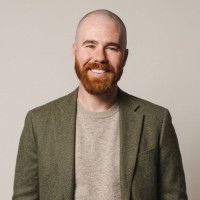
Chief Executive Officer / Co-founder
I work each day to advance the cause of our clients, and our team, by creating uncommon interactive brand experiences that stand as sought-after destinations in a market cluttered with distractions.
I spend my time helping organizations create plans and pathways to their ideal future. Sometimes, this means leading the production of digital platforms or experiences, other times it means redeveloping a brand strategy or campaign plan. My years serving at ThreeSixtyEight have allowed me to develop a wide set of skills that I apply to our clients' daily challenges. We are a team that believes in technical excellence, but we don't depend on it. We understand that technical mastery only matters when it serves to put forward a big idea. And that's why we call ourselves the Challenger Agency - because we believe that the next big idea can change the future, so we challenge ourselves and our clients every day to reach for it.

Partner
Prior to his current role, Jeff served as a Managing Director and as General Counsel at BCP. Before joining BCP, he was a partner at Phelps Dunbar, LLP where he focused on federal and state taxation, business formations and business transactions. Jeff has been recognized by Chambers USA: America’s Leading Lawyers for Business and Louisiana Super Lawyers and was recognized as “Lawyer of the Year” in tax law by The Best Lawyers in America. He is the Past-President of the Baton Rouge Chapter of the Society of Louisiana CPAs, a Past-Board Member of the Louisiana Society of Certified Public Accountants, and Past-Chairman of the Louisiana State Bar Association Tax Law Advisory Commission. Jeff served as an adjunct professor at the Louisiana State University Paul M. Hebert Law Center from 2004-2017, where he taught federal income taxation, and he has previously served as an adjunct professor at the Louisiana State University E. J. Ourso College of Business. He was also the author of West’s Louisiana Civil Law Treatise on Limited Liability Companies and Partnerships: A Guide to Business and Tax Planning. Jeff is involved in his community as Past-Chairman of the Baton Rouge Area Foundation, Board member of the Great Baton Rouge Economic Partnership, Past-Chairman of the Louisiana Association of Nonprofit Organizations, Past-Chairman of the Board of Trustees for the Louisiana Arts and Science Museum, Past-President of Capital City Kiwanis, Board Member of Franciscan University and a graduate of Leadership Baton Rouge and a graduate of Leadership Louisiana.
Jeff received h… Read More