Amazon Music
 Apple Podcasts
 iHeartRadio
 Spotify
 YouTube
 RSS Feed
 Podcast Addict
 Podchaser
 Deezer
 Goodpods
 PlayerFM
 Castro
 Castbox
 The Deal Behind Sports Betting, NIL, Revenue Sharing, and the Portal with Charles Hanagriff

A 33-year Baton Rouge broadcaster explains how sports betting, NIL, revenue sharing, and the transfer portal turned college athletics into a deal-making business that private equity now wants in on.
Key Takeaways
- Sports betting, NIL, revenue sharing, and the transfer portal have reshaped college athletics into a deal-making machine.
- The transfer portal works like a free-agency bidding war for 18-year-olds.
- Charles Hanagriff says schools already blow past the $20.5M revenue-sharing cap.
- For most players, staying in college now pays more than going pro.
- Private equity is moving toward college conferences and programs.
33 years behind the microphone in Baton Rouge — and a master class on how college sports quietly became one of the biggest deal-making machines in America.
In this episode of The Deal Podcast, hosts Joshua Wilson and Scott Shea sit down with Charles Hanagriff — veteran sports broadcaster, co-host of "Live at Lunch" on 104.5 ESPN, and the voice of Eagle 98.1 Gameday for over two decades — recorded on the Baton Rouge Podcast Tour. Charles unpacks how sports betting, NIL, revenue sharing, and the transfer portal reshaped college athletics, and why private equity is now circling conferences and programs. From a $125,000 wager that cost a coach his job to the $50M football roster, he ties the business of sports to the deal-making world business owners know.
🎯 What We Cover:
- How sports betting changed what fans watch — and how leagues track every wager
- The transfer portal as a free-agency bidding war for 18-year-olds
- NIL, revenue sharing, and the $20.5M cap schools already blow past
- Why staying in college now pays more than going pro for most players
- Private equity's move into conferences — and the control that follows
- Building audience trust over 33 years — and why honesty wins
- Storytelling lessons from Omaha, Katrina, and Hurricane Andrew
🤝 Connect with Charles Hanagriff:
🌐 https://www.louisianasports.net/personnel/charles-hanagriff/
🏢 https://www.guarantymedia.com/
🤝 Connect with Co-Host Scott Shea:
💼 https://www.thedealpodcast.com/guests/scott-shea/
🙏 Special thanks to Co-Host Jeremy Beyt, CEO of ThreeSixtyEight, for hosting The Deal Podcast's Baton Rouge Podcast Tour.
🌐 https://www.threesixtyeight.com/
💼 https://www.linkedin.com/in/jeremy-beyt/
💼 Thinking About a Transaction?
FA Mergers helps founders, investors, and business owners navigate the full M&A process — from valuation to close. If you're exploring a sale, acquisition, or capital raise, let's talk.
🔗 https://www.famergers.com/
🎙️ Follow The Deal Podcast:
🌐 https://www.thedealpodcast.com/
💼 https://www.linkedin.com/in/joshuabrucewilson/
▶️ https://www.youtube.com/@dealpodcast
Curious what your business is worth? Request your free valuation at famergers.com
Disclaimer: Joshua Wilson is a licensed Florida real estate broker and holds FINRA Series 79 and Series 63 licensure. The Deal Podcast is presented by FA Mergers and is produced for informational and educational purposes only.
Nothing discussed constitutes investment advice, legal or tax advice, a solicitation, or a recommendation to buy or sell any security or to pursue or avoid any transaction. All views and opinions expressed by the hosts, co-hosts, and guests are their own and do not necessarily reflect the positions of FA Mergers, One Iron Network LLC, any regulatory agency, or any employer. Listeners should consult their own legal, financial, and tax professionals before making any business, financial, or transaction decision. This podcast does not constitute a solicitation or recommendation for any financial products or services.
Let's Connect on LinkedIn:
https://www.linkedin.com/in/joshuabrucewilson/
To Contact Us, Please Visit:
https://www.thedealpodcast.com/contact/
Disclaimer: Joshua Wilson is a licensed Florida real estate broker and holds FINRA Series 79 and Series 63 licensure. The Deal Podcast is presented by FA Mergers and is produced for informational and educational purposes only. Nothing discussed constitutes investment advice, legal or tax advice, a solicitation, or a recommendation to buy or sell any security or to pursue or avoid any transaction. All views and opinions expressed by the hosts, co-hosts, and guests are their own and do not necessarily reflect the positions of FA Mergers, One Iron Network LLC, any regulatory agency, or any employer. Listeners should consult their own legal, financial, and tax professionals before making any business, financial, or transaction decision. This podcast does not constitute a solicitation or recommendation for any financial products or services.
Frequently Asked Questions
Why is private equity interested in college sports?
Charles Hanagriff explains that sports betting, NIL, revenue sharing, and the transfer portal have turned college athletics into a deal-making machine, and that private equity is now circling conferences and programs.
How has the transfer portal changed college athletics?
Hanagriff describes the transfer portal as a free-agency bidding war for 18-year-olds, driven by NIL and revenue sharing.
What do NIL and revenue sharing mean for college programs?
He discusses NIL and revenue sharing, including a $20.5M cap that he says schools already blow past, and why staying in college now pays more than going pro for most players.
Who is Charles Hanagriff?
Charles Hanagriff is a veteran Baton Rouge sports broadcaster with 33 years behind the microphone, co-host of 'Live at Lunch' on 104.5 ESPN, and the voice of Eagle 98.1 Gameday for over two decades.
00:00 - On the Road in Baton Rouge — The Podcast Tour
02:04 - Meet Charles Hanagriff: 33 Years in Sports Media
05:00 - How Legal Sports Betting Changed Everything
10:22 - Point Shaving, Regulation, and the $125K Bet That Sank a Coach
14:54 - Players, Betting Bans, and Lifetime Eligibility Risk
18:30 - Recruiting, NIL, and the End of the Old Rules
23:49 - Revenue Sharing and the $50M Roster
29:56 - Private Equity Comes for College Sports
40:27 - Brand Loyalty vs. the Betting App
46:36 - Building Audience Trust Over 33 Years
55:47 - Greatest Coaches, Best Deals, and Roger Staubach
01:11:05 - Closing Thoughts
Joshua Wilson:
Good day, everybody. Welcome to The Deal podcast. We are on the road. We're here in Baton Rouge visiting our friend Jeremy with ThreeSixtyEight here in Baton Rouge. Um, the, the podcast was birthed out of Lafayette, Louisiana, powered by FA Mergers. And, uh, Scott and I, we've interviewed maybe 50 or 60 people throughout, um, our stays in, in Lafayette. So we took the, the show on the road and, um, we're, we're interviewing a bunch of people in, in Baton Rouge, and I think, uh, New Orleans is next. New Orleans, you guys say it in a unique way here. I'm from Florida, so, like, I'm learning the language. But, um, it's a, it's a great conversation and we're, we're bringing in deal makers and covering the topics of ranging from private equity, institutional investing. Um, we had a, a community bank on earlier today. So we hope you're enjoying these conversations to inspire the future generation of deal makers and, um, we'd love hearing your thoughts and your questions, so head over to thedealpodcast.com. Fill out a quick form. What questions do you wanna know more about? What kind of deals do you wanna cover? Um, one of the things that have popped up recently in some conversations is around the investing in sports, the investing in, um, what's going on in the world of athletics. And so we, we reached out to Scott's network, and I'll let Scott kind of kick off an introduction to our guest today.
Scott Shea:
Thank you, Josh. Uh, it's like a family event here, so Jeremy is my cousin, and our guest today is Mr. Charles Hanagriff, who is a brother-in-law, in-law- Brother-in-law … something. My brother's brother-in-law. Yeah. Um, so th- this will be a fun one. You're probably wondering what's Charlie gonna talk about with deal making. Um, but I think we've got some good topics to cover. Um, he's been a staple of LSU and Baton Rouge sports for 33 years he said now. Um, so yeah, welcome to the show.
Charles Hanagriff:
This is, uh, gonna be fun. I'm looking forward to it.
Scott Shea:
Awesome. Well, uh, start us off. I already know the story, but for the listeners, tell us who you are and what you do.
Charles Hanagriff:
Uh, well, I, uh, I'm… came to, uh, Baton Rouge to go to college at LSU and decided to stay. I've been in radio since I was a teenager and, uh, it's taken me across various platforms. Uh, started out in terrestrial radio and did, uh, a little bit of TV, a lot of play-by-play. Uh, got into podcasting of course, and at this point we're still doing, uh, our daily show every day. Uh, we cover LSU sports. We cover professional sports. We have a heavy… The, the show has taken, uh, in the last, uh, four years, a very heavy sports gambling, uh, lean since that's all legal now. Um- I've done the, uh, the post game for LSU football for the last 25 years, so I'm right there in the front lines when people are coming out of the stadium. They're yelling at their radio. I'm the guy they're yelling at. Um, I've done a lot of Saints stuff. I worked at Southern University for a while. Uh, worked, uh, briefly, uh, for the Baton Rouge Advocate. So I've seen pretty much every, uh, every layer of media and what that's, what that's become since the, uh, since the early '90s. Were you drawn first to sports or to media? Sports. Um, I was… Uh, I went to a very small high school and found out really quickly that, uh, a future as a player was not gonna happen. Uh, but I loved the, uh… I, I just loved the whole concept. I loved team building. I loved, uh, being a part of a team when I was in high school, and I really got to watch, uh, pretty much everything. My uncle took me to a Saints game when I was seven years old, seven or eight years old, and I was hooked, uh, immediately. And that graduated into when I, when I got to school here. Uh, LSU is a very, very heavy sports-oriented school, and so having grown up watching that from-- I grew up about two hours away from Baton Rouge. Uh, it seemed like so very far away. It seemed like the big time. You know, I get to go there. And then, you know, being able to make a career out of it has been, been fantastic. It's something I really enjoy.
Scott Shea:
So let's d- you already preloaded one of my questions. Uh, sports betting, which went from highly illegal to everybody does it. How- Took the fun out of it. Right? How has that changed just the entire landscape of sports?
Charles Hanagriff:
Oof. Um, it's changed everything. It's changed how we watch sports. It's changed what sports we watch. I'll give you a couple of examples. Um, I would have never thought in this market, we're in the Deep South- Mm-hmm we, i- it's, the, the number one sport is football, the number two sport is spring football. Right. And then, you know, baseball. Um, you would never have, outside of the players, uh, people with this deep of an interest in golf or hockey or MMA, um, or IndyCar racing, uh, not NASCAR. NASCAR is very popular, but IndyCar racing. The number of sporting event, tennis, that we are now covering because of the sports gambling issue, uh, angle of it. The second part is that the nuance of the gambling is so much deeper than it was when, you said it took the fun out of it, okay? Mm-hmm. The neighborhood bookie, you know- Yeah … everything on the table. On the booty. Okay, so that, that was do you want the Cowboys or the Steelers? Right. Well, now on your phone, uh, it's which player is gonna get how many yards and how many touchdowns or how many points, and it's right there at your fingertips, which is dangerous, okay? Uh, for a lot of people. But it's opened up so many different markets.
Scott Shea:
You can bet on every play,
Charles Hanagriff:
essentially. You can. You can, which I don't think, I don't think that part of it is a good thing. Right. And I, I do think that some, some guardrails are, more guardrails than they have now are probably necessary, especially at the college level. Mm-hmm. But the, the, the markets that it's opened up, the, uh, amount of people that are watching sports that they never watched before, the amount of… Major League Baseball, uh, is a good example here. It's not a very, it's not a very big spectator sport in Baton Rouge. The nearest team is in Houston. It's five hours away. But now you can bet on these games, okay? It's 162 of them per team, so you have more people watching baseball. It's changed how you're watching. It's changed what you're watching. I can't thi- it's why we've taken our daily show in that direction because we, my, my broadcast partner and I, we like all sports pretty much. We, we're not really into the racing part of it, but everything else, we, we like. We're now able to cover all these sports because there's an interest in it. 10 years ago, if we tried to do a show about golf or hockey or Major League Baseball, uh, it's an automatic turn-off. Now it's, "What do you know that we don't know? Tell us something because tonight there's a Major League Baseball game on we, we might wanna bet on." Everybody's looking for that edge, huh? That inside info.
Joshua Wilson:
Yeah. Do you ever watch The Ocho where you watch, like, dodgeball- … and bet on dodgeball?
Charles Hanagriff:
Well, COVID was the real challenge, uh, for, for that because the only thing that you could really bet on was, uh, besides horse racing, was, uh, Korean baseball. Korean baseball was still live. And of course, it's the same game, but we don't know any of the players, we don't know any of the teams, we don't know any of the managers. But if you wanted to, and in COVID, we, everybody got kinda desperate, a little stir crazy no matter what line of work you were in, uh, when the world kinda shut down.
You know, you find yourself up at 5:
00 in the morning watching the last three innings of a Korean baseball game and you're going- … "What, what, how did I co- how did I come to this?" You know, so yes. If, if you could've, uh, that, that was the low point. Uh, that and, and Russian table tennis- … I think was offered, but I, I didn't go that far. But I gotta admit, uh, at the, the darkest hours of COVID in the shutdown, I did find myself watching a little… I didn't bet on it, but I did find myself watching a little bit of Korean baseball. It's just, do you ever see that movie, um, uh, I Am Legend- Great … with Will Smith? Okay. So the, the part that I identified with during COVID was, uh, right at the beginning of the movie, uh, Will Smith, and of course, uh, if you don't know what the movie's about, it's about, uh, zombies taking over the end of the world. The coronavirus. Yes. Yes, it is. Okay. So Will Smith thinks he's the last man on earth, it's him and his dog, and he's watching the Today Show. But of course, he's watching a, a, a recording of the Today Show from before this plague wiped out the entire population, and he's doing it just to feel normal. Um, that's what it was for me during COVID. It's like you guys took away everything we did all day every day for our entire lives. I mean, this, this was my job, this was my, uh, my hobby, this was every- It's like hang on, for three months, it's, we, we don't ha- I just wanna watch a baseball game. It could've been aliens from Neptune. Mm. I just wanna watch a baseball game. Yeah. And we, and, and I, I, I thought that's how the Smith character played into the thing. It's just like, "You know what? I just wanna watch the dog on Today Show and have breakfast with my, my dog." That's how we got to be during that.
Scott Shea:
Yeah. I would imagine- There's a lot of sports bettors, mostly the losers, who think it's all rigged, right? I would think Russian table tennis would be like a top candidate- Russian table tennis was rigged, okay? Russian table tennis was- I don't know about NFL games, but Russian table tennis seems like a prime candidate A lot of money going into the, the Russian
Jeremy Beyt:
table tennis market.
Charles Hanagriff:
So w- like with a lot of, uh, conspiracy theories, the, the exact opposite is true. Um, point shaving, rigging games- Mm-hmm… there's always been that undercurrent. Boston College you see the movie Goodfellas, another great film, okay? Great movie. Part of that was the Boston College point shaving scandal in 1979. Uh, Tulane, down in New Orleans, you guys are going down to New Orleans, they had their program shut down in the mid-'80s because of a point shaving scandal. Those are just the ones we knew about. Mm-hmm. Okay? Nobody was really tracking it outside of maybe the deepest intel. The, the government stumbled upon the Boston College point shaving scandal quite by accident. They were investigating the mobsters. They never figured that they would stumble onto something like that. Hmm. Now, every sport is regulated. Every play is scrutinized. Every single wager, uh, that, that goes in there is logged. You know, if you go down to, you know, Dave the bookie, well, nobody knows what you're betting or what he's, what kind of odds he's giving you. Now everything is, is cataloged, and probably the biggest example originated right here in Baton Rouge three years ago, when Paul Skenes, who's now probably the best pitcher on the planet, was pitching for LSU, and LSU was playing Alabama, and there was a, a three-game series, and Paul Skenes was gonna pitch in the Friday game. They were pitching against Al- uh, playing against Alabama, and there was a wager of $125,000 was made in Cincinnati, Ohio, at the home of the Cincinnati Reds. There's a casino in the ballpark, a sports book. Turns out that the coach from Alabama had found out that his starting pitcher that day, who ironically would later end up at LSU- uh, was not gonna be able to pitch 'cause he was hurt. This is several hours before the game. This is proprietary information. Nobody else knows this. I cover the team every day. We had no idea. A guy gets a, a shoulder, an elbow, something gets hurt, there's no way for anybody outside the locker room to know that. He, of course, the coach knew that. Called a friend of his, said,"Go bet against us today." Ooh. Which he did. Went and wasn't very subtle about it. You go to a, a, a sports book and you put down a six-figure bet, it's gonna get somebody's attention. This is not like putting$300 on, you know, red 23. Right. So what happened was the bet got flagged. The game went down. Of course, the, the, the team that was supposed to win, LSU's game won, and the bet would have won, but they flagged it. And not only did they flag it, but they were able to zoom in on the guy in Cincinnati on his phone. Zoom in on the number that was coming in, trace that back to the coach at Alabama- Wow and said, "This is where he got this pro- proprietary information from. This is why he's betting this." So not only did he not be, not cash the bet, but the coach at Alabama lost his job. So that's the kind of thing that if that happens 20 years ago, well, if you put down a $125,000 bet with whoever would take that kind of action, it would probably never have been found out.
Scott Shea:
Yeah. Mm-hmm. Man, that's deal-making going terribly wrong, huh?
Joshua Wilson:
Yeah. Let's do a quote from, uh, Goodfellas. My favorite i- I think he, he's talking about collecting. Yeah. And he's like Sally is sick, F you, pay me. Bob is in the hospital, F you. And th- there was this collector. So when it comes to, like, the deal-making world of sports betting, right, if we're using a Goodfella thing, it's been regulated, it's been monitored, and it's been access to everybody on their hands. So the deal of, I guess, of the industry, how have you seen it impact… You've seen it impact attendance, but what about, like, the players? How, from your per- perspective, how is it im- impacting the players, their m- their money, uh, other, other things that I might n- not be looking at?
Charles Hanagriff:
So there's very strict rules against players betting on sports. And when I say players betting on sports, I'm not just talking about players betting on their own team or against their own team. Mm-hmm. This goes back to, we can talk about Pete Rose if you want to. But, um- I met that guy … those are … I had, I did too. Um, if you are found to be gambling on sports, whether you are a professional or a major college athlete, you're risking lifetime ban. Yeah. And this has already happened a few times. The, the most recent one is a quarterback named Brendan Sorsby, who was at the University of Cincinnati last year, and he was one of the best quarterbacks in the country. Well, he got into the transfer portal, and there was a great bidding war for his services. LSU was one of the bidders for him. He ended up going to Texas Tech for what is rumored to be about a $5 million deal for the upcoming season. But there was an investigation that went into him. He was, he's on his third school; he started at Indiana, that he had bet on his team when he, when he's a freshman, he wasn't playing. He's, like, keeping himself entertained, you know, he's betting on his team, and he was betting on other sports. Well, the NCAA has declared Sorsby ineligible for the 2026 season, which means he's not gonna get his $5 million. Now, this is in court right now. He's obviously gonna sue for his right to, uh, to play. But the rules are very clear, and he's just a high-profile example. There were about, uh, a dozen or so athletes at Iowa State right when gambling was legalized. They were all found to be betting, and they weren't betting on their own teams or against their own teams. They were betting on NBA games. They were betting on NFL games. And for the most part, they weren't betting all that much money, but it's against the rules NFL teams. If you bet on an NFL game, that's it. You're, you're done. Uh, there's multiple players in NBA that are under investigation right now for gambling. And th- it's almost always a fringe player. You know? It, it's not like Patrick Mahomes is gonna bet- Right on the Kansas City Chiefs. He makes enough money. But the guy on the end of the bench for the Brooklyn Nets might think it's worth his while. And they've caught most of them. 10 years ago, they don't catch them. It took them forever to catch Pete Rose. Okay? Pete Rose was betting on his team, you know, for years before they finally, before they finally got him. And even after that, it took, I don't know, 10, 12, 15 years before he finally admitted it. Mm-hmm. And he's still b- he's passed away, now he's still banned from baseball. So when you talk about the ramifications of betting, if you are a professional, especially a college athlete. Like I say, Patrick Mahomes would never risk what he's got. Okay? But if you are a, I'll give you just a random school. You are a player at Tarleton State, okay? You can bet on your game tomorrow if you want. Now you're risking your eligibility. But what does, what does a, what does a shortstop at Tarleton State, what's he, what's he getting? He's getting probably some scholarship money and, you know, some other things. But not big money. So if he says, "Hey, look, we're gonna lose tomorrow. Bet against us." Well, it's f- if you get caught, that's it for, for the rest of your athletic career
Scott Shea:
Let's talk about Deal making in regards to players in recruiting, 'cause that's changed obviously a ton. So recruiting used to be, I'm assuming, like you could get a scholarship. How does deal-making work with players now, and how does LSU specifically, since you follow them s- how do they compete?
Charles Hanagriff:
Okay.
Scott Shea:
That's a long topic probably. Yeah. And you can roll NIL into that as well, 'cause that's a big piece of it. So up
Charles Hanagriff:
until, um, 2014, you got a s- you can recruit any player you want. You can give them a scholarship. You can give them room and board. Um, you can give them insurance. You can give them food. And then after that, you had to stop, and nobody did. Right. Every… There were countless numbers of recruiting violations, players being paid, uh, outright cash payments, uh, houses and cars for themselves or their parents or their siblings, um, payment for ridiculous jobs that they never did. My favorite one was, this is back in the- … Southwest Conference in the '70s. Um, a player went to a school and they, they said, "We're gonna give you this amount of money, and we're gonna give you a job." And so he got to cam- he signed the scholarship papers, and he got to campus, and he s- he says, "Well, what's my job?" And they brought him into the quad where there are these concrete benches that weigh approximately 2,000 pounds a piece, okay? And h- they said, "Your job is to make sure nobody steals that." Okay? Don't… You know? So these ridiculous jobs. In 2014- In 2015… Yeah, you get 500 bucks a month, shows up in a envelope in your mailbox with no return address. Don't ask too many questions, right? Right. Um, another one of my favorite stories was a, a guy went i- into one of the recruiting offices, this is again back in the '70s, and they offered him a certain amount of money. And he said, uh, he knew it was against the rules, so he's, he left. He, you know what? And he went home. He goes to the next school, and they start offering him money, and he's like,"I, I can't do that. It's against the rules." And he gets up, and he, he's walking out, and the coach is chasing him literally out of the building. And he's like, "Wait, we can offer you more. We can offer you more. We can offer you more." He says, "By the time I got to my car, the offer had tripled." Okay? And there was all these other perks. He says, "So I started telling guys, 'Park as far away from the office as you can and walk slow on your way out the door.'"
Joshua Wilson:
I'm leaving.
Charles Hanagriff:
I'm really leaving this time. So in 2014, a few things changed. Uh, I think I got the date right on, it's 2014. Yeah. UConn won the national championship in basketball, and one of their star players said, "You know, uh, this is wonderful," but they closed the
cafeteria at 6:
00 every night, and we don't finish practice until- 8 sometimes, and I go to bed hungry. Well, the NCAA, which moves, uh, at a glacial pace for everything said,"Wait a minute, we have hungry kids? We just put this kid on national television on a billion-dollar contract for all these schools, and he went to bed hungry? We gotta finish this." So they did a couple things. First of all, they made food available around the clock, and the second thing they did was they instituted what they call the full cost of college attendance. Because players are not allowed to have jobs. It's against the rules, or was. And they didn't have time even if they would've been legal. So they started giving out stipends. They did this back in the '60s and '70s too. They used to call it laundry money. They would give you $20 a month in laundry money, but you didn't spend it all on laundry. You know, you'd go get a, you know, something to eat or go buy some clothes or go to the movies, whatever. So they instituted the full cost of college attendance, and they started paying these players money, r- cash money every month. Okay. Well, that escalated into NIL, and NIL was instituted… Well, the beginning of NIL was when a guy named Ed O'Bannon, who was a basketball player at UCLA in the mid-'90s, was on a national championship team, and years later found himself on a video game that he had no idea was being produced and certainly didn't make any money off of. And he said, "My name, image, and likeness are on this video game, and you guys aren't compensating me for it. I'm gonna sue." And the NCAA was like, "Eh, whatever." You know? We, we… They had been running ra- you know, over the players for so long, they didn't worry about it. Well, it took the case some 25 years, but it finally got to the Supreme Court and Ed O'Bannon won, and that changed everything. Because now you can go out and you can sell your name, image, and likeness. And people selling their name, image, and likeness almost instantly morphed into Not just the big-time players, the guys that won the Heisman Trophy or the Player of the Year award. It morphed into, "I'm gonna pay some no-name offensive lineman who nobody knows his name, nobody knows where he's from, we just know he blocks for the star quarterback. Well, we're gonna pay him for his name, image, and likeness, but what we're really paying him for is to play football."
Joshua Wilson:
Mm-hmm.
Charles Hanagriff:
Well, that's still going on. So name, image, and likeness exploded. Now you for- fast-forward to 2022 and revenue sharing. Revenue sharing is just what it sounds like. Every school is now paying players out of the revenue that they generate in the athletic department. They put a cap on it at $20.5 million for an entire athletic department at a place like LSU. So LSU sponsors 21 varsity sports with $20.5 million to spread out. As you might imagine, it is not spread out equally, okay? The football players get about 75% of that. The men's basketball team, which is a revenue producer, gets about 15% of that, and the women's basketball team probably about 5%, and the rest of the sports divvy up the rest. So now if you're a player, okay, instead of what you got in 2013 before the total cost of college, you're getting that, you're getting name, image, and likeness money, and now you're getting a portion of the revenue share and room and board and tuition and books and insurance, et cetera. It's gotten to the point now where for, I would say 80% of the college players, it's probably a better deal to stay in college financially than it is to go pro. Mm-hmm. Now, not if you're the number one pick in the draft or not if you're a first round pick probably, but I know that the quarterback at Notre Dame two years ago made more money his senior year at Notre Dame than he made his rookie year in the NFL because he wasn't a high pick. Well, that got everybody's attention. Wait a minute, the guy made more money in college. Well, now everybody. Brendan Sorsby would not be a first-round pick, I don't think. And even if he was, he wouldn't make $5 million in his rookie year. Now, the number one pick in the draft would, but he wouldn't. So he's saying, "Hang on, you guys got to let me go to college because I'm never gonna get this $5 million again." Yeah. Um, the, the Ole Miss quarterback, Trinity Chambliss, same thing. I have to, I have to get this money now because if I don't, my professional prospects, I'm not worth nearly as much to the Dallas Cowboys as I am to the Ole Miss Rebels. And so you're sit- If you watch the NFL draft, uh, in April, one of the biggest phrases you hear was he's an older prospect because most of these prospects used to go pro as fast as they could. Mm-hmm. They'd go after their junior year. They were 20 years old, 21 years old. Now these prospects are 23, 24 years old because it's more
Joshua Wilson:
lucrative to stay in college. What's, what's the movie with Mark Wahlberg where he, he, he goes to play with the Jets or the, the Eagles? Is that the one with
Scott Shea:
the teddy bear?
Joshua Wilson:
No, that's Ted. Oh, the invincible guy. Invincible. Invincible, yeah. So invincible. So I think we, us four, should go do a walk-on, make 5 million bucks at LSU football. I think we got what it- Oh, if I could, believe me. I don't know what position you'd play. Bench. Water boy. I like that movie too. A lot of movie references in today's episode. And if that's
Charles Hanagriff:
not, if that's not complicated enough, LSU's, uh, new basketball coach, who's their old basketball coach, is now recruiting a roster made up primarily of European professionals because that, for the moment, is still an unclosed loophole. If you… There's no college basketball in Europe. Right. Okay? So if you are a prodigy, if you are a 15 or 16-year-old player who in the United States would be considered a McDonald's All-American or something like that, in Europe, you're already recruited to play professional basketball. Well, when those players come over, uh, to play in the United States, they've already been compensated. Well, Alabama, the University of Alabama in February found a, a player named Charles Bediako, and he had signed a contract to play professional basketball in the United States, but he never made the NBA. He just played in the minor leagues. So he says, "Wait a minute, I've still got eligibility left. I can go back to college." And we're like, "Well, no, you can't. You've already played professional." This is, this has been a rule forever. And he actually got an injunction. He played five games before they ruled him ineligible. And the question was, and this question's still pending, what's the difference between Charles Bediako playing professional basketball in the United States, not at the NBA level, but at the G League level, and a player from Israel or France playing professionally when they are a teenager there and then coming to school here? And that question is still very much in play. Either they're all eligible or none of them are. And LSU right now is betting that at least for one more year, they're all gonna be eligible. So you're gonna see LSU field a team that is gonna be very heavily European-based and a lot older than your garden variety
Scott Shea:
college basketball team. That was, that, that blueprint's kinda out there too. Was it Illinois this year? Illinois. Made it to the Final Four. Final Four, yeah.
Charles Hanagriff:
But you see, tho- those were a little bit older. We're not talking about players that are 24, 25 years old. Right. My question would be, and I say this knowing it would, you know, maybe hurt LSU here, if you're a 25-year-old European player and you've been playing professional basketball since you were in your mid-teens and you're now 25 years old, my question is when's the last time you went to school anywhere? I mean, there's still academic requirements- Right … to get into colleges. So the professional aspect aside, it is still a school. So if y- to get into a school, there are entrance requirements. Those are still in place, but nobody really wants to talk about that all that much. Yeah.
Scott Shea:
It's all about the money at the end of the day, right? Yeah, the deal. Yeah. So, so let's, let's- dive into,'cause you mentioned this earlier, um, private equity's interest in owning sports teams and conferences. Yeah. That's how you know, to me, that's like the number one indicator that it's all about the money if private equity's looking that, that direction. Yeah.
Charles Hanagriff:
Uh, so what, what's happening now is the $20.5 million, uh, in revenue share is gonna go up 4% every year, which couldn't possibly matter less because they're already exceeding the cap. They're finding every loophole you can to go around the cap. Nobody knows exactly what the number is, but most people believe that LSU You just turn revenue sharing, you just add it to NIL. Most estimates have LSU's football roster, just the football roster, at $50 million this year. Okay? And they're not alone. Ohio State's in that boat, Texas. There are other schools. There are … And LSU's entire athletic budget for the last fiscal year was $225 million. You wanna take a guess at what their profit was on a $225 million budget? No clue.$225 million in revenue gained. They spent, this was before revenue sharing, $224 million. Program turned a million dollar profit, and that puts them in the top 5% of all athletic programs, most of which lose money. So you can imagine now that you've added this expense, which they've never had before revenue sharing took, uh, started last year, um You're adding a little under 10% to your expenditures. Well, you were almost in the red already. And I had a meeting with somebody in the know about a week ago, and they said, "You think this year's budget is bad? Next year's budget is gonna be close to double this." It's like, well, hang on a second now. You were already in the black by an inch before. If you're gonna double these expenditures, where is the money coming from? So they have maxed out as much as they can raise ticket prices. They have, in large part, maxed out their television contracts. They're trying to expand the college football playoff because they feel like that's a revenue source. They're now allowing things that they would have never allowed before, like logos on the jerseys and logos on the field. Um, there's a little bit of room maybe in men's basketball to expand, uh, arenas and ticket prices a little bit. But for the most part, they have maxed out on revenue sources. And this is where your private equity comes in because they are p- they are just ready to pounce. If you can't sell tickets for anymore, and you can't sell advertising for anymore, and you can't sell broadcast rights for anymore, where's your next dollar? It's gonna be somebody-- You're gonna bring in a partner. You bring in a private equity firm. Problem is that once they're in, then they own part of you. And they need a return. Not only do they want a return, but they want control And so the Southeastern Conference, who just finished up their league meetings in, in Destin today, are having these discussions, but they do not-- they know where this is going to go. It, it's, it's going to be the Southeastern Conference presented by Nabisco, okay? Or Forstmann Little or whoever it is, and they're gonna own that. And once they own that, they'll never give it back. The Big 12 has, uh, sold ten percent of their private equity. They'll never get it back. And once you get to a certain threshold, you will have relinquished control. And at that point, what are you-- And th-these, these private equity firms are just waiting for this because they can't really get into the NFL. They can't really get into professional sports. A little bit, but they-- The, the NFL would never allow a private equity firm to be the majority owner of a team. It's gotta be a person, and they've gotta be of a certain liquidity. So the last team that was sold, or the, the team that's up for sale right now is Seattle, which happens to have won the Super Bowl. Their asking price is somewhere around ten billion dollars. So you gotta h- You, you have a very small pool of people that can afford to spend ten billion dollars on a pr- that want to spend on a professional team. So they're not gonna let private equity into the NFL or the NBA or Major League Baseball. I'm not gonna say never, but at least for the moment. But if they could go buy, uh LSU football or they got, here's, here's one for you, Duke basketball. Mm-hmm. Believe your sister went to Duke. Mm-hmm. Okay. Duke basketball is probably the number one brand in college basketball. All right? They have-- They're in the Atlantic Coast Conference, which has a deal to broadcast all of their conference games, okay, with ESPN. They're paid. The A-ACC has paid a certain amount of money. They divvy that up to the schools. Okay? Well, then you have non-conference games that are not under this umbrella. So Duke, this massive brand, went to Amazon and said, "You know what? We'll play three games next year non-conference, and we'll play Michigan and Gonzaga." I'm forgetting the third team, but it's, it was, it was, it's a major brand."We'll put those exclusively on Amazon Prime, and you'll pay us…" Nobody knows what it is yet, but it's a lot. Okay? So one of two things is gonna happen here. This is one of the things they were talking about at the league meetings this week is, are you gonna be in a situation where all of the conferences are gonna pool everything? And there was a bill put out by, uh, Senator Ted Cruz that is suggesting that it should be all leagues, the Big Ten, the SEC, the ACC, the Big 12, all pool it all. Put all your media rights together. Okay? Sell it as one, and you'll make more money, and everybody will be under the same umbrella. And These are conference commissioners who can't agree that today is Thursday. So having them come under one financial umbrella to me seems optimistic, okay? But they're gonna have to do something because why wouldn't Duke wanna go out and sell their basketball games? They're worth more than North Carolina State. They're worth more than Wake Forest. They just happen to be in the same league. What's worth more, Ohio State football or Arizona State football? It's pretty easy, right? Where's the, where's the money coming from? Uh, where, where's the money going to? Well, the, the Southeastern Conference shares their money of their 16 league members equally. So if you're Alabama football who's won six national championships in the last 15 years, or Vanderbilt who's had two winning seasons in the last 15, you get the same amount of money. Doesn't work that way in the ACC. The ACC has a sliding scale. You are paid more based on your success level, your television ratings, your tournament wins, your bowl, uh, money, et cetera. Well, how long before they say, "You know what? We don't really need the smaller schools. We'll just-- We'll take the top 30, 40, 50, pick a number. We'll branch off on our own. We'll make our own deals." Does that involve private equity? I don't know. If you're in the, if you're in the Big 12 right now, let's take, uh, a, a big brand, Kansas, okay? Kansas basketball, big, big brand. Um, they say, "We wanna go out and sell our games like Duke did because we're Kansas. We won national championships. We're-- Basketball was in-- Naismith was here, okay?" Well, the league already sold 10% of your private equity, so you only own 90% of your inventory now The, the figures are astronomical. Uh, and I, I'd love to be able to tell you exactly where it's gonna go, but, uh, but I don't know. I, I do know this, that everybody's solution is to make… Not everybody's solution, but a lot of people's solution is to make the players employees. Have them unionized, then you collective bargain. Well, my question is why would the players do that?
Joshua Wilson:
Why would
Charles Hanagriff:
they? They, they, they have no incen- They're getting everything they want right now. Mm-hmm. Imagine you're 18 years old right now, and you are graduating from high school here in May of 2026, and you are a highly sought after football player. All right. Well, there's a bidding war for your services. Let's say you're one of the top five players in the country. So Ohio State and Alabama and Texas and LSU all want you. So they pay, you go to school there. After the first year, you put yourself in a transfer portal. There's no penalty. You can do it as many times as you want. You have the same bidding war over again, and then you do it a third time, you do it a fourth time, and next year they're gonna, uh, they're, they're gonna legalize five for five, which means you're gonna be able to play five years in college regardless of whether you're red shirt or not. The red shirt will essentially be abolished.
Joshua Wilson:
Well,
Charles Hanagriff:
I'm gonna be a, a free agent five times. Mm-hmm. Let's, let's talk again about Patrick Mahomes for a second. Patrick Mahomes is the best quarterback in the NFL. Well, what if after they win the Super Bowl, he's immediately a free agent? The Chiefs no longer own his rights.
Scott Shea:
Gives you all the leverage
Charles Hanagriff:
as the player. All of it. And, and the next year- It's a deal maker dream … you go win the Super Bowl again, and then everybody… And how long before a player comes in and says,"You know what? We're playing for the national championship this week. I need some more money or I'm not gonna play." Well, what are your repercussions? Say, "Well, we're not gonna pay you any more money.""Well, then I'm not gonna play. You're not gonna win the national championship. And you know what? Then I'm gonna put myself back in the transfer portal. I'm gonna go back through this, this whole process again, and I'm gonna make more money." So what incentive do they have to enter into collective bargaining? There's no restrictions. I don't know. Somebody smarter than me has got to figure that one out.
Scott Shea:
Jeremy, you've been too quiet. He just said brand like four times referring to sports teams.
Jeremy Beyt:
I don't even know how to think about this, the, this whole market 'cause it's so new and in flux. But like the, the thing, if I think about private equity coming in and, and starting to… What they do is they wanna buy shares in a company, make it more profitable or more efficient, and then sell it again. How do you do that with sports? What does
Charles Hanagriff:
that look like? Selling it, I don't know what selling it again looks like. But I certainly know what the other part looks like, and that's the scary thing because everybody wants to win.
Joshua Wilson:
Right.
Charles Hanagriff:
Well, if you are a private equity firm and you buy stock in, we'll talk about LSU just 'cause we're here. By the way, the Southeastern Conference is fighting this, kicking and screaming. They, they, they will be- Yeah … they will be unable to borrow another dollar from anybody else- … and be on the verge of bankruptcy before they ever agree to this. But maybe that day comes, I, I don't know. Um, you're gonna come in, you're a private equity firm, and you're like, "Listen- I don't really give a damn if they win or not, okay? I just wanna make money. Right. Mm-hmm. Okay? Well, then you've cut the golden goose open, because the second the fans figure out that you're not trying to win, they quit going. Yeah. They, they quit. And the private equity firm's like,"We don't really care about that." You, you have this happening in professional sports where there is no salary floor. In Major League Baseball, the Los Angeles Dodgers payroll is north of, I believe, 400 million this year. The Pittsburgh Pirates is under f- under 50 or 60. I, I don't have the exact number, but it's almost eight times what that is. Guess what? The Dodgers outro the Pirates, you know? And so if, if y- once your, your fans figure out that you don't have a chance because you're not gonna spend, well, they quit going, and then th- that's, that's the end of your, your, your business model. So you gotta have them agree to spend a certain amount of money- Mm … to promote the product. Mm-hmm. But there's an owner in Pittsburgh, there's another one, uh, in Baltimore there, th- th- that are like, "We wanna make money with this team. You know, we'd like to win, you know, but we're, we're not going to go into red to, to do it." New Orleans Pelicans, NBA team down the road, one of only two teams in the N- NBA that has never paid what's called a luxury tax, and the luxury tax is what you g- just what it sounds like. It's what you get taxed for going over the hard cap. It's available to you, but you are taxed incrementally on what you spend over that. Well, the ownership there says, "We're not going over that cap. We're not paying a luxury tax." Well, guess what? The Lakers do. And the Knicks do, and, you know, the teams that are winning do. And so what do you have? You have one of the most uh, dormant franchises in, in the NBA. Mm-hmm. And so if you come in and you buy Kansas basketball, right? And you say, "You know what? All the tradition of Kansas basketball and all the winning and all that stuff, that doesn't mean anything to us. We're gonna raise ticket prices. We're gonna cut spending." That- that's what, that's what you do. You raise revenues and you cut spending. And then all of a sudden your brand, if- if it's in sports, this w- this works fine if you own a tractor company. But- … if you're in sports, it's just, this is, this is the great fear of, of, of the, the university presidents and, and athletic directors is somebody will come in and tell us how to do this, and we don't want that.
Jeremy Beyt:
Well, what's interesting, man, I'm learn- I feel like I'm taking a master class on sports right now. But, uh- I'm ready to go to the- Charlie knows a thing or two. The convergence of sports betting with, like, the monetization of s- sports is an interesting kind of paradigm to look at because the, the premise of a sports brand, especially in college football or college sports in general, is, like, identity. People cheer for the team 'cause it's their team Uh, but I've watched LSU games the last few years where everyone around me is betting against us on their app. And so the f- the, the loyalty to the brand seems to be diminished-
Joshua Wilson:
Mm… Jeremy Beyt: through, And at the same time, you got private equity coming in saying,"We don't care about the brand. We just wanna monetize." So are we gonna see a future sports, uh, sports marketplace where people aren't team loyal, they're scenario loyal, you know, or, or player loyal? Like, does that make sense? Yeah.
Charles Hanagriff:
And, and it's already happened, uh, to, to a certain extent. We have to realize that not everybody bets, okay? Probably if there's 100,000 people in g- in a, in the stadium for an LSU game, probably less than 10% of them are betting on the game. Right. And, and an even smaller number are betting against LSU. Um, I'll give you a quick story. I was, uh, probably 13 or 14 years old. My aunt and uncle took me to an LSU game. They were playing Alabama. We're sitting next to this guy, and he is decked out in LSU gear. Yeah. Okay? I'm a teenager. I'm just s- happy to be here. And, um, course Alabama's beating LSU. And we get to about the end of the third quarter, and it's pretty obvious that Alabama's gonna win the game, and so I'm in a pretty bad mood. And I look next to this guy, and he's sitting there with purple and gold from head to toe. He's got a smile on his face. And my uncle says, "What you so happy about?" And he says, "Well, my heart's with the Tigers, but my money's with the Tide." Oh, no. And I think you get a lot of that. Like, uh- It's a win-win scenario
Scott Shea:
he put himself in, right? Yeah, yeah. He,
Charles Hanagriff:
he, he
Scott Shea:
hedged. You would be surprised how,
Charles Hanagriff:
you would be surprised how many times that happened. It's like, "I'm gonna bet against my team, and if my team wins, well, I'm happy that my team won. But if my team loses, I'll make money." But I don't think it'll ever destroy team loyalty. Uh, at least I hope it doesn't.
Jeremy Beyt:
Yeah. Same.
Scott Shea:
All right. Let's, let's go a little different direction. Um, so our, our firm, we sell companies. A huge component of that is telling the right story. I want both of your opinions, 'cause Jeremy's like the master story and branding guy, and you've built an audience that has trusted you for- 33 years that long. What makes a good, compelling story or storyteller, and how do you build trust with an audience?
Charles Hanagriff:
Tell the truth. That's the first thing. Uh, if, if you're gonna build audience loyalty, um, they can s- they can sniff out BS in, you know, a heartbeat. So you better be genuine, and you better be truthful. And then I think you've gotta be creative. Um, I'll give you an example. Uh, about three weeks ago, LSU celebrated the 30th anniversary of Warren Morris' home run. This was the home run that won the College World Series on the last at bat, okay? That was 30 years ago? 30 years ago. Wow. Um, they, they celebrated during the regular season. It- June 8th is the day officially, but they brought the team back, and I went to Omaha in 1996. I covered the entire World Series, okay? I was… A- and this is before internet. This… The internet was prevalent. Certainly no social media and all that. We… The, the newspapers were there. They were writing one article a day. The TV stations were there. They're doing two or three minutes. We were doing five hours a day in Omaha. We were there for 12 days. Well, I had a few stories to tell, so they, they asked me to write a column about it, and I sat down on Sunday morning, and ordinarily I w- I knock out a column for a website that I write for, and it's usually about 700, 800 words, um, because that's the attention span mostly.
And I started about 11:
00 o'clock in the morning, and at 11:00 o'clock at night, my wife looked at me, she goes,"Are you going to bed anytime soon?" I was like, "I can't stop because I'm telling my story of what happened," because it's very personal to me. I'd never been to the College World Series before. LSU won the national champion. My team, the team that I worked for, the team that I… They won the national championship on the last at bat of the last game for the 50th anniversary of the College World Series. This is the greatest play ever. But I had about eight or 10 stories that weren't necessarily, uh, mainstream, okay? I had a story about one of the players who forgot his shoes. I had a player, uh, story about how LSU got to bat last in the game. I had a story about how the gold jerseys, which have become a tradition over the last 30 years, but in 1996 were brand new, how they came to be, and four or five other stories. They had missed our flight, the whole deal. And it, it added some context. It added some color, and there was just- Mm-hmm … I'm not creative enough to make this stuff up, okay? Mm-hmm. And I got more feedback on that than anything I've written in the last, I don't know, 10 years. They were like, "This is great. These, these are the stories that we didn't hear. One of the players was playing the game on a broken leg. We didn't know that." You know? I think if you can add some context, if you can add, and, and do it with a little bit of creativity, a little bit of charisma, and you're telling the truth. 'Cause if I make up all these stories, somebody's gonna say, "Well, that's not right. You missed, messed up this fact." Or, and it's- Especially nowadays that is the absolute favorite thing is if you post anything and you are wrong, the, there are people that sit around all day just waiting. I, I wonder what they do for a living because they're just waiting to pounce on- "No, no, no, no. You made this, this mistake," you know? Well, if you're telling the truth and if you have a creative angle to it, then you're gonna be a- a- accepted. But they've gotta trust you. You know, if they're gonna listen to you every day, they've, they've gotta trust you. And it, and it, it, it builds a, a bond. I, I love the story, Andy Rooney, who was the, uh, the commentator for 60 Minutes for years, okay, wrote a book. And he, uh, he said, "Every morning I get up and I have this routine." He says, "I get in the shower at 6:00 o'clock in the morning and I have my radio on the counter, and I turn it on and it tells me what the price of gold is." He goes, he says, "I've never invested in gold. I don't own any gold. I don't really care." He says, "But when I hear them tell the price of gold every day, it's a little reassurance to me that the world is how I left it when I went to bed." And that, that resonated with me because, like, when you turn my radio show on every day, okay, and you hear me and we're talking about it, it's like, okay, we're still watching. Mm. We're still doing… That's why COVID was such a punch in the gut. Yeah. It was like everything we do, all of our routines, you know, been like taking the, the price of gold away from Andy Rooney. It's like everything you knew, it's all gone. It's all different. And that, that is just startling. Um, if I got a second, I'll tell another story about what happened when Hurricane Katrina hit. Mm. Um, Hurricane Katrina, uh, New Orl- if you're watching this podcast, you don't know where we are. Baton Rouge is about 70 miles from New Orleans, okay? We got hit, but we didn't get hit anywhere near as hard as New Orleans did, okay? And About a week after Katrina hit, the, the population of Baton Rouge, which inside the city limits is a little over 200,000 people, had basically tripled, and we just did not have the infrastructure for it. I was living here at the time. I've lived here for 37 years. And you couldn't get in a grocery store. The traffic was crazy. People were trying to… This all happened in August. Mm. People were trying to find out where they were gonna live, where were they were gonna put their kids in school. It was traumatic. It was scary as hell. And there was-- I, I've never done this before, but there was a, a gentleman who was on a competing radio station, and he, he was on the air, and he's saying, you know, he says, "Whatever, whatever you knew about Baton Rouge, it's gone. It's gone." He says, "You know, where your kids used to-- That's gone. Your home value, that's gone. Your, your ability to, to go i- you know, from place to place without a ca-" He goes, "That's all gone." He goes, "That world doesn't exist anymore." I called him. I said, "You need to shut up, man. Are you kidding me?" I said,"People aren't scared enough. You're trying to be the voice of some kinda… Y-you're supposed to give out information. You're s- you're not sup- you're not supposed to drive a panic. Are you kidding me?" And I had a little bit of experience with this because in 1992, Hurricane Andrew went through my hometown of Franklin. And Dan Rather, famous- Mm. Yep … uh, broadcaster- Yep … went down to Franklin. Franklin got hit, hit… Hurricane Andrew was a Category 5 storm. It was a three, a high 3 or a low 4 when it hit Franklin, and it did a massive amount of damage. And Dan Rather walked with our chief of police, Henry Louviere, down Main Street, looking at the devastation. He goes, "This will take generations to come back from." He goes, "There may never be a Franklin again." And Henry Louviere, who I loved dearly, looked at him, he goes Ain't no way. He says, "We know how to fix this." He says, "You see that jeweler over there?" He says, "That's Mr. Oscar Popkins. His business started in 1901." He goes, "Mr. Popkins is going to rebuild his business." He goes, "We're gonna rebuild all of these businesses here." He says,"We're gonna come back." He says,"What, you think this is the end of us? This is not the end of us. We're gonna fix this. We're down, but we're gonna do it." And I thought, I thought about that conversation when this guy on the radio, I was so mad at him. I said, "You are scaring the hell out of people, and you don't need to be scaring the hell out of people. You need to be telling people how they can rebuild, how this is… Look, we're in a, we're in a bind, okay? This is one of the worst things that could ever happen to us. We're gonna rebuild it. We're gonna do it." And sure enough, we did. And so I, I went way too long with that answer, but it- Right on cue, that was a
Scott Shea:
great
Charles Hanagriff:
story.
Scott Shea:
I went- When asked about
Charles Hanagriff:
what makes a good story. Well, what, what makes it is the trust you have with your audience. I don't wanna shock my audience unless it's something truly shocking. I don't want, I, I don't wanna hyperbole. I don't wanna scare them. Mm. You know? There's a trust that comes up there, and if, if I gotta go in there, uh, I hate the term shock jock, okay?'Cause you can only do that so many time. You can only cry wolf so many times. Right. Right. So I don't know. I probably either, either I didn't answer your question, or I answered that question four more. No, I think you nailed it.
Jeremy Beyt:
Gave a great example of a great story.
Scott Shea:
Yeah. What do you think, Jeremy? I, I mean- H- honesty, being genuine, is that the same core values of branding that you see?
Jeremy Beyt:
I think the, the quote that came to mind was, "Truth is stranger than fiction." Yeah. You don't have to make stuff up. Right. The, the, the real world has plenty going on. Um, but yeah, I mean, from, from a, you know, communications perspective, a great story has adversity. You know, like it's- Mm … you have somebody who wants something. There's something in the way. They overcome adversity, and if you can incorporate, like you said, a little charisma, a little surprise in there, you know- Mm a big moment, that makes it all the better. But the formula is pretty simple.
Scott Shea:
I love that. You know,
Jeremy Beyt:
people like an underdog story.
Scott Shea:
All right. I've got, as we kind of wrap up, Charlie, some, uh, rapid fire-ish, kind of random questions for you. Um- So in the business world, CEOs run businesses. Obviously foot- sports, it's coaches. Lotta similarities. Who's the greatest you've seen do it? I, I think I know who you're gonna say, but you may surprise me. And why? What, what traits made them
Charles Hanagriff:
great? The best I've seen is Skip Bertman. Uh, he is, uh… He was a championship level coach. He was a championship level motivator. He was a great tactician, and then he had… You were probably expecting me to say Nick Saban, right? No doubt. Okay. Saban's got everything. Uh, B- Bertman and Saban are the same person with one big exception. Bertman has a, a very charismatic, funny, soft side that he'll let you see, and did, even when he was coaching. Um, Saban's doing a little of that now that he's out of the game, but- Right s- Skip could tell a joke. Skip could tell a story. S- Nick could never unplug himself that way. Uh, I would say that their coaching acumen was equal, but what set Bertman apart was his ability to connect with people and
Joshua Wilson:
w-
Charles Hanagriff:
kind of love 'em up, warm it up, tell a joke, you know? Reagan was a great president, right? And, you know, th- there've been other great presidents, but Reagan could tell a joke, right? Um, if you, you think Reagan was a great president, and you say Eisenhower was a great president. Eisenhower couldn't tell a joke, okay? Eisenhower was a general, okay? He was a, he was a soldier, okay? Reagan was an actor, okay? They're both great presidents, or, well, I don't know what people think about the politics, but, you know, they're considered great presidents, but Reagan could tell a joke. Bertman could tell a joke. S- Nick, Nick couldn't tell a joke.
Scott Shea:
Greatest non-LSU coach
Charles Hanagriff:
Oh, wow, that's, um… I stumped the Schwab. Uh, I would probably say Phil Jackson. Oh, I love that one. Um, and I, I say Phil Jackson because everybody said, "Well, he had the best players." Well, it's part of it. No, no coach is willing that. Uh, he was a terrific tactician, but he dealt with some of the biggest egos in the- Mm-hmm … history of sports, and he did it at two different places, and he did it in two major markets, and you never saw the guy lose his cool. Uh, dealing with Michael Jordan and Shaquille O'Neal and Kobe Bryant and Dennis Rodman, uh, probably Phil Jackson. Uh, the basketball part, he was really, really good at. Right. I mean, as good as it got with the triangle offense. Right. But the psychology of it, I don't know that anybody's dealt with bigger personalities than Phil. Yeah. I think that's the cool thing about Saban also, is they proved it at multiple places. I don't mean to disparage Saban. I think he's great. I covered him for five years. Yeah, no. I, I saw him every day for f- during football season for five years. I have tremendous respect for him, so I'm not trying to steer around him. Yeah,
Scott Shea:
no doubt. My, my point was if, same with business owners, if you can do it more than once, it's probably not a fluke. Yeah. Um- It's a skill. It's a skill. All right, moving on. What is the closest thing… And I had AI help me with some of these. Josh, you're looking at me like you knew that. What's the closest thing in sports to a business deal that fans don't comprehend or understand or don't see, like everyone sees the NIL and the ticket sales and…?
Charles Hanagriff:
That fans don't comprehend. Um, that's tough. Uh, I, I think the, um- The things that you don't see. I think that people understand that you have to work very hard to be a good athlete. You have to physically, mentally, you have to deal with, uh, all of the, um, you have to deal with all the business side of it. I don't know that they truly understand the personal side of it, the amount of time that these people spend on the road away from their families. Um, you know, we, we talk about, uh… And I've, I've done a fair amount of traveling for my job. Nothing near what these guys are. You know, when I, when I was, uh, on the LSU broadcast team, we would spend, I would spend probably 30 days a year on the road, and that was in a big year, okay? Professional broadcasters spend three times that, four times that. And I think for the athletes, that's what it is too. I, I just, you know, the, the, the common response to that is, "They make millions of dollars, deal with it." And they make millions of dollars and they deal with it, but it doesn't mean you don't miss your kids. It doesn't mean you don't miss your spouse. You know, it doesn't mean that you don't wanna sleep in your own bed. I, I mean, no matter how much money you make. I don't think… I, I've seen that firsthand where it's really taken a toll. Um- Mm. And no… If you turn on an NFL game and you're watching Patrick Mahomes make, you know, $40 million this year, and you want the Chiefs to win either because you're a fan or because you bet on them, right? Uh, you don't care that Patrick Mahomes misses his wife and kids. Mm-hmm. You really don't. And I, I understand the fans' perspective of that, but that's probably the part that they don't… Well, they've got all this money. Yeah, but they still miss, they still miss a lot. You know, when your, when your wife calls you and says your little girl's going to her dance recital or piano recital and, you know, you get to watch the video, but you don't get to be there. I don't… That's hard to comprehend for people that haven't seen it firsthand. Yeah, I
Scott Shea:
think that's awesome. And we see that with business owners too. Like, so many people see the success of business owners- Mm … and they don't see, like, the grind and the, the- Yeah … the hard times. Um- Mm. All right, so we just touched on, like, fans' misconceptions. This is a fun one. What's your most memorable post-game fan call? Y- yeah, that's probably a four-day conversation No, no, no. I, I, I know what it
Charles Hanagriff:
is Oh, good I, I, I, I know what it is Good to know Exactly. Um, I've done post-game shows for 25 years. Uh, I've done them after national championship games. I've done them after some of the most devastating losses you've ever seen in your life. But this one stuck with me. After LSU won the national championship in 2007, um, we had a guy call the post-game show. Says, "I'm a big LSU fan. S- I been an LSU fan my entire life." He s- And I said, "You don't sound very excited." He goes, "Man," he goes, "We won, I guess." He goes,"But now we're stuck with Les Miles." Goes, "Whoa." He goes, "This is the worst thing that could possibly happen to us, is we won because now we can't fire him." I said, "Hang on. The whole idea is to win a championship. You just won a champ- "Yeah, but now we're stuck with him." And 10 years later, when LSU fired him, the guy called me back on a regular show, a daily show. And he said, "You remember me?" I said, "Yes. Most of the time when people say, 'Do you remember me from a show 10 years ago?' I don't, but you I remember." And he said, "I told you." I said,"Well, they won a bunch of…" He goes, "I told you." That's the one I
Scott Shea:
remember. Oh, that's great. All right, few more. What's the best deal LSU's ever
Charles Hanagriff:
made? When they hired Nick Saban. Now, now I'll come back to a Saban. Yep. Uh, when they hired Nick Saban, it changed not only the football program, it changed the entire athletic department. It, it was a, a sign that they were going to be competitive. There was, there's a, an old story that rolls around that the previous athletic director really wanted to finish fourth every, in everything. And why did he wanna fi- There was a 10-team league back then. Why do you wanna finish fourth? He goes, "Well, if we win, we have to pay the coaches more. We have to pay more for everything." He goes, "And if we lose, we have to fire them, and then we have to pay more." Says, "We finish fourth, we're fine. You know, we don't have to spend any more money. We don't h- we don't lose any money." He says, "And everybody'll still come if we finish fourth." Now, he didn't mean it exactly like that, but it was a commitment to mediocrity, and you really had to overcome that. Saban burst through that ceiling. It was like, "No, if I'm coming here, we're gonna win." And everybody, everybody picked up, and it boosted the entire campus. And if you go back and look at the staff that Nick Saban had in 2000 at LSU, Mark Emmert was the chan- was the, the chancellor at the time, okay? Well, later became president of the NCAA. Kirby Smart was a graduate assistant on that team, won national championship. Jimbo Fisher was his offensive coordinator, won a national championship at Florida State. And there was about four or five other coaches on that staff who went on to become head coaches or the… He raised everything. The f- He did, what I thought was the most impressive thing, was he He made the fan base think about things differently. I didn't think that was possible. But whenever they say,"Hey, this was really…" He goes, "No, no." He, it like,"You're happy we won that game. That game's over. We gotta win the next game, then the game after that, and the game after that." And it was like, you're n- part of it I used to say, "Are you ever allowed to be happy?" He's like, "No." I saw the guy get aggravated in a post game after they won the national championship at Alabama because he was not… He was behind on recruiting. He was behind on the next thing. And he, he said, he put it this way. He says, "You know, people are… They make an A in a class. They're happy, right? So what happens? They immediately let back." He goes,"So you make a D on the next one. Okay? So then you're what? A C+." He says, "I don't wanna make a D." He goes, he says, "It takes a real commitment to make an A, and then wanna go out and make another A, and another A, and never, never let up." And he raised the entire concept of what LSU was doing at the time. They had just built a, a big addition to the stadium that they were using for a meeting room and a weight facility and all that stuff, and they spent a lot of money, and everybody says,"Oh, we gotta spend all this money." He got there, and he went,"This is unacceptable. This is not good." I said, "Why is this not good?" He says, "Where do the players dress?" "Well, they dress in the locker room." "And where do they practice?""Well, they practice across the street." He goes, "Where do they hang out?" What do you mean where do they hang out? Where do they spend time together? Where do they bond? Where, where's the lounge? Where's the, you know, wh- wh- where's the, the training room? He goes, "You guys are spread out all over the campus. How do you expect this team to become a team? You got them in five different places. They study over here, they train over here, they dress over here, they practice over here. You gotta build a whole new facility all in one." Wait a minute, we just spent all this money on this thing. Well, that's no good. You gotta sp- the shock waves that that sent on the campus. You need to go spend another $100 million because what you just built, what you just spent $40 million building is crap. Okay? You use that for something else. You use that for storage. They, they ended up using it for other things, but the point wa- And five years later, they built it right about the time he left for the Dolphins. Yeah. But yeah. Um, so Sab- Saban lifted an entire- Mm-hmm … campus.
Scott Shea:
Yeah, it's always ama- We talked about this some other episodes, how his coaching tree- Oh has all gone. To me, that's a testament to how good he is. Um,
Charles Hanagriff:
it's amazing. And almost none of them ever beat him. It's like Secretariat of, uh, of horse racing. Yeah. They, they, they all, they all use the same techniques, but, and the same philosophies, but none of them as good as him. Yeah. He was one of one.
Scott Shea:
Incredible. All right, Charlie, tell people how they can, uh, if they don't know already, where and how they can listen to you.
Charles Hanagriff:
We do a show from 11:00 to 1:00 every day, uh, on location on the 104.5 and 104.9 in Baton Rouge, uh, 1045espn.com, louisianasports.net. You can stream it. Uh, we're on 98.1 HD2. Uh, I do a podcast called The Hannicast, uh, on LSU baseball. Uh, I do a podcast for BetRivers, uh, on, uh, sports gambling during baseball season. I write a column for a, a site called tigerbait.com. Um, I do pre and post-game after LSU, uh, sports, and I think that's it.
Scott Shea:
You sure? You guys have anything else? Oh, oh. We- Joe, just the, the magic question. Yeah, so we have a, a tradition where a previous guest has a, uh, question for the next guest. I'll let Jeremy read that one. Oh,
Jeremy Beyt:
you want me to read it off? Yeah. Yeah, who is it from, and, uh, read the question. Okay, this question is from Rip Reeves. Okay. You know, you know Rip? I do not. Okay. So he says What sports public person do you most admire and why?
Charles Hanagriff:
Roger Staubach Roger Staubach, to me, is the most admirable person I've ever seen, and I've never met him. I wish that I had. He's in his 80s now. I'd love to meet him. Roger Staubach had the accomplishments of five lifetimes in one. Roger Staubach was a Navy officer, which would be a great career in any, in any case. He went to the Naval Academy. He went to Vietnam. Roger Staubach won the Heisman Trophy. That would be a lifetime accomplishment for anybody by itself. Roger Staubach was the MVP of the Super Bowl, which if you do that, that's- Wow … unbelievable. Roger Staubach is in the NFL Hall of Fame, which very… The, the top half of 1%, okay? And when he was finished playing, Roger Staubach made more money in private business, in commercial real estate, than any ex-athlete ever had to that point. He sold his company for three quarters of a billion dollars. Ooh. This was in 1990 whatever it was that he did. In addition, Roger Staubach was married to the same woman for 50 years and had five kids who all went to college, got their degrees, had families of their own, and, you know, had… Were tremendously productive. In other words, if I could be one-fifth-… one-tenth of Roger Staubach, okay, I would have lived a great life. Roger Staubach, I believe, could have run for president. He could have run for governor of Texas. He could have run for the Senate. He, he could have done anything. Um, and when Roger Staubach was 22 years old and just won the Heisman Trophy and could have been the number one pick in the NFL draft and could have found a loophole or whatever, he says, "No, I'm gonna do what I signed up for." He went to Vietnam. He served his duty. He didn't go… He wasn't a rookie in the NFL till he was 26 years old, not because of NIL, because he was, uh, I think a second lieutenant or, I forgot what his rank was, but, uh, in the Vietnam War. That's the best ever.
Jeremy Beyt:
Yeah. That's unbelievable.
Scott Shea:
Awesome. All right, I'm gonna let Josh close us out. First, shout-out, 'cause I know he's gonna listen, to, to brother-in-law Sam, Charlie's brother. He's gonna love it. Hey, Sam. Close us out, Josh.
Joshua Wilson:
Yeah, man. Thanks, guys, for tuning in. Um, as always, we, we're grateful for your, um, your support, grateful for your questions. Um, reach out to our guest. Their contact information will be in the show notes, so I'll have to get all of those, uh, 50 links that you, you just mentioned. Holy moly. That's… I mean, distribution-wise, great job. Uh, just also, let me honor you, dude. You've been in the game for 33 years behind a microphone, 20,000-something interviews and, and publications and, and episodes. Like, you're a titan of industry, and man, we're, we're grateful to Sit here at the table with you and share a microphone with you, so thank you.
Charles Hanagriff:
Well, you're welcome, and I, I really enjoyed it. Thank you guys for having me.
Joshua Wilson:
Yeah. All right, fellow deal makers out there, say thanks to our guest, and if you have a mid-market business that you'd like us to take a look at, man, head over to thedealpodcast.com. We like to sell businesses. Till then, cheers guys.
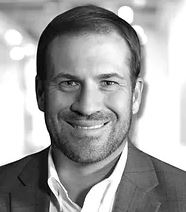
M&A Advisor
Scott has entrepreneurial grit running through his DNA. After graduating in business from Texas Christian University in 2005, he joined his family’s four-generation company. Scott’s exceptional leadership skills and operational mindset were instrumental in driving his family’s legacy business to unprecedented performance, eventually leading to a 9-figure exit. Scott experienced firsthand the day-to-day grind and mixed emotions a family and enterprise go through during an acquisition.
In 2011, Scott’s love of numbers, relationships, and entrepreneurship organically led him to start his own private wealth practice, focusing on advising and consulting business owners. His entrepreneurial background and reputation as a champion advisor to his business owner clients created a perfect fit when he joined Final Ascent's deal team in 2022.
After accumulating his own dealmaking experience, Scott eventually acquired a welding company that was once part of his family’s legacy business.
Scott and his wife, Amanda, reside in South Louisiana with their three sons. Scott is also our firm’s scratch golfer. When he needs to quiet his mind, he finds solace on the fairway.

Chief Executive Officer / Co-founder
I work each day to advance the cause of our clients, and our team, by creating uncommon interactive brand experiences that stand as sought-after destinations in a market cluttered with distractions.
I spend my time helping organizations create plans and pathways to their ideal future. Sometimes, this means leading the production of digital platforms or experiences, other times it means redeveloping a brand strategy or campaign plan. My years serving at ThreeSixtyEight have allowed me to develop a wide set of skills that I apply to our clients' daily challenges. We are a team that believes in technical excellence, but we don't depend on it. We understand that technical mastery only matters when it serves to put forward a big idea. And that's why we call ourselves the Challenger Agency - because we believe that the next big idea can change the future, so we challenge ourselves and our clients every day to reach for it.
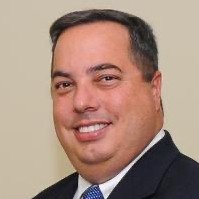
On-Air Personality
Charles Hanagriff has been a fixture in Baton Rouge sports radio since 1993, with a career that began in high school in 1987 at KFMV in Franklin, Louisiana. He hosted at WIBR (1300 AM) from 1993 to 2001, serving as Program Director from 1996 to 2001, before joining Guaranty Broadcasting in 2001 as Sports Director — later becoming Program Director when 104.5 ESPN launched in 2010.
Hanagriff has anchored Eagle 98.1 Gameday since the 2001 SEC Championship Game and was part of the LSU Sports Radio Network broadcast team for baseball from 2002 to 2015. He has called play-by-play for Southern University and numerous high school events across the Baton Rouge area. Today he co-hosts "Live at Lunch" with Jimmy Ott on weekdays from 11 a.m. to 1 p.m., bringing decades of market experience to a show with a strong emphasis on sports gaming.