Amazon Music
 Apple Podcasts
 iHeartRadio
 Spotify
 YouTube
 RSS Feed
 Podcast Addict
 Podchaser
 Deezer
 Goodpods
 PlayerFM
 Castro
 Castbox
 Where Allocators and Dealmakers Actually Meet with Rip Reeves
Institutional Investor CEO Rip Reeves explains how global capital really moves, why insurers, endowments, and family offices invest so differently, and whose door GPs should knock on.
Key Takeaways
- Insurance companies, endowments, and family offices allocate capital very differently, so private equity GPs need to know whose door they are knocking on.
- The Yale endowment model blends equities, fixed income, and alternatives.
- Public, private, and wealth markets are converging.
- Rip Reeves heard no about 2,000 times, cold-calling off a borrowed phone book, before Wall Street said yes.
- Grit and mentorship carried a 40-year career that ended up leading the company whose magazine first taught him the business.
He got told no 2,000 times before Wall Street said yes. Rip Reeves cold-called his way off a borrowed New York City phone book — and four decades later runs the company whose magazine first taught him the business.
In this episode of The Deal Podcast, recorded on the Baton Rouge Podcast Tour, host Joshua Wilson and co-host Scott Shea sit down with Rip Reeves, CEO of Institutional Investor and former CIO of AEGIS Insurance Services. Rip walks through how global capital actually moves — the allocator-manager ecosystem, why insurance companies, endowments, and family offices invest so differently, and the convergence of public, private, and wealth markets. A candid masterclass for anyone on the GP side of private equity asking whose door to knock on for capital — plus the grit and mentorship behind a 40-year career.
🎯 What We Cover:
- The borrowed phone book and 2,000 cold-call origin story
- How allocators decide where capital flows
- Why insurance, endowments, and family offices invest differently
- The Yale endowment model: equities, fixed income, alternatives
- Fee compression and the shift toward private markets
- Why single family offices now move like institutions
- The convergence of public, private, and wealth markets
- Knowing what you are — and what you're not
🤝 Connect with Rip Reeves:
🌐 https://www.institutionalinvestor.com/
💼 https://www.linkedin.com/in/rip-reeves-1b725717/
🤝 Connect with Co-Host Scott Shea:
💼 https://www.linkedin.com/in/escottshea/
🙏 Special thanks to Co-Host Jeremy Beyt, CEO of ThreeSixtyEight, for hosting The Deal Podcast's Baton Rouge Podcast Tour.
🌐 https://www.threesixtyeight.com/
💼 https://www.linkedin.com/in/jeremy-beyt/
💼 Thinking About a Transaction? FA Mergers helps founders, investors, and business owners navigate the full M&A process — from valuation to close. If you're exploring a sale, acquisition, or capital raise, let's talk. 🔗 https://www.famergers.com/
🎙️ Follow The Deal Podcast:
🌐 https://www.thedealpodcast.com/
💼 https://www.linkedin.com/company/the-deal-podcast/
▶️ https://www.youtube.com/@dealpodcast
Curious what your business is worth? Request your free valuation at famergers.com
Disclaimer: Joshua Wilson is a licensed Florida real estate broker and holds FINRA Series 79 and Series 63 licensure. The Deal Podcast is presented by FA Mergers and is produced for informational and educational purposes only.
Nothing discussed constitutes investment advice, legal or tax advice, a solicitation, or a recommendation to buy or sell any security or to pursue or avoid any transaction. All views and opinions expressed by the hosts, co-hosts, and guests are their own and do not necessarily reflect the positions of FA Mergers, One Iron Network LLC, any regulatory agency, or any employer. Listeners should consult their own legal, financial, and tax professionals before making any business, financial, or transaction decision. This podcast does not constitute a solicitation or recommendation for any financial products or services.
Let's Connect on LinkedIn:
https://www.linkedin.com/in/joshuabrucewilson/
To Contact Us, Please Visit:
https://www.thedealpodcast.com/contact/
Disclaimer: Joshua Wilson is a licensed Florida real estate broker and holds FINRA Series 79 and Series 63 licensure. The Deal Podcast is presented by FA Mergers and is produced for informational and educational purposes only. Nothing discussed constitutes investment advice, legal or tax advice, a solicitation, or a recommendation to buy or sell any security or to pursue or avoid any transaction. All views and opinions expressed by the hosts, co-hosts, and guests are their own and do not necessarily reflect the positions of FA Mergers, One Iron Network LLC, any regulatory agency, or any employer. Listeners should consult their own legal, financial, and tax professionals before making any business, financial, or transaction decision. This podcast does not constitute a solicitation or recommendation for any financial products or services.
Frequently Asked Questions
How do allocators choose which managers get capital?
Rip Reeves, CEO of Institutional Investor, walks through the allocator-manager ecosystem and explains that insurance companies, endowments, and family offices invest very differently, so GPs need to know whose door they are knocking on.
Why do insurance companies, endowments, and family offices invest differently?
Reeves contrasts how insurance companies, endowments, and family offices allocate, including the Yale endowment model's mix of equities, fixed income, and alternatives.
Who is Rip Reeves?
Rip Reeves is CEO of Institutional Investor and former CIO of AEGIS Insurance Services. He cold-called his way into Wall Street off a borrowed New York City phone book after being told no about 2,000 times.
00:00 - Welcome from the Baton Rouge Podcast Tour
01:15 - Who Is Rip Reeves
02:47 - What Is Institutional Investor
07:52 - The Borrowed Phone Book and the Cold Calls
10:27 - People Express, the YMCA, and Breaking Into New York
14:20 - What 90% Rejection Teaches You
17:11 - Where Drive and Grit Actually Come From
22:43 - Summer Camp, Faith, and a Changed Life
33:41 - How Allocators Choose Where Capital Goes
36:14 - Four Trends Reshaping the Markets
41:09 - Why the Convergence Matters for Dealmakers
47:30 - The Network You Can't Put a Price Tag On
52:28 - Know What You Are, Know What You're Not
Joshua Wilson:
Good day, everybody. Welcome to The Deal Podcast. I'm so thrilled to, uh, be on this podcast road show. We're based out of Lafayette, Louisiana, powered by FA Mergers. We sell middle market businesses. Um, but we built a studio there, and we interviewed a ton of people in Lafayette and, and virtual, and Scott and I, who you'll hear his voice in a minute, took the show to the road. We're here visiting our friend Jeremy with ThreeSixtyEight, a creative division, great at marketing, and we set up a studio here, and we're, we're taking the podcast to our friends in Baton Rouge. So you're gonna hear a few different voices on this episode. Scott to my right. Scott, say hello.
Scott Shea:
Good afternoon. Hello.
Joshua Wilson:
Yeah. Jeremy across from me.
Jeremy Beyt:
Hello.
Joshua Wilson:
And our esteemed guest, Mr. Rip Reeves, one of my friends. Rip, welcome to the show. Thank you. Yeah. All right, Rip, let's start out with this. Who are you, and what
Rip Reeves:
do you do? Uh, my name's Rip Reeves. Uh, that is not my birth name. Uh, it is an adopted name. Uh, very Cajun. Emil Meer was the, uh, is the adopted one. But, uh, I grew up in South Louisiana. My mom's from the Lafitte area. My dad's from Eunice and Church Point area. Uh, first generation to go to college. Uh, put myself through, uh, undergraduate school at LSU, as well as graduate school at LSU. Um, went in 1978 my first semester. Uh, given that I was paying for it, the$125 tuition per semester was right in my wheelhouse of what I could afford. Uh, and then I spent the next 40 years in New York, London, Boston, New Jersey, uh, working on Wall Street, uh, managing money, as well as being a chief investment officer, and now I'm back, uh, teaching at LSU. Uh, I'm the investment chair for LSU's endowment, uh, and I'm also CEO of Institutional Investor. Um, and my wife is from Houma, who I met at the Huey P. Long Pool when I was a lifeguard at the, uh, at the pool. Uh, and I fell madly in love with her the minute I saw her. It was not reciprocated. But we have three daughters who were born in Connecticut, raised outside of Boston, and all three of them are graduates of LSU as well. Yeah.
Joshua Wilson:
So super glad you're here. We met on a podcast and then we became friends. I think we are at least. And, um, we've traveled around and we've, we've gone to events with Institutional Investor together, the ACA, the Alpha Edge. Kind of give an idea and an overview of what is institutionalinvestor.com. Sure.
Rip Reeves:
Uh, it started as, uh, as an, as a magazine back in the days before we had technology. And so I actually started reading II magazine when I took my first investments course the fall semester of my senior year, and that was a big aha moment for me, uh, that, that when I first realized that my love of math and numbers, uh, jived very well with the investment world. At that point, my instructor said,"You ought to start reading the Wall Street Journal, start reading the New York Times, start reading Institutional Investor magazine, Economist magazine." Uh, and so I would go to the CEBA at the time it was this, the, uh, Center for, um, uh, Engineering and Business Administration, and I would go to that… the, their library and I would generally read the Wall Street Journal every day. Uh, it was usually a day old. Um, and I had ordered a New York City phone book that sat by, on my nightstand, and every name I read in the, in the Wall Street Journal and in these magazines, I would write down And I would go and look up, look them up in the New York City phone book that I had, which was really, really thick. Um, and I figured if they weren't in the New York City phone book, then they weren't worthy of me. So for two and a half years, all through the la- my last semester of undergraduate school, my two semesters of my MBA program here at LSU, I networked and called every person I could possibly get on the phone. And it all s- really started, I would say, with The Wall Street Journal and Institutional Investor magazine. So, uh, I grew up in the industry reading the magazine. It was one of the must-reads every month, uh, until technology kind of took over. Uh, what I will also offer is that as a portfolio manager, uh, started when I was at, uh, Standish, Ayer & Wood, uh, which was a private company in, uh, Boston that is now part of BNY Mellon Asset Management. And as the fixed income portfolio manager and asset allocation specialist, I would go to various events, conferences, so to speak, where you had a group of chief investment officers, a group of consultants, a group of competitors, other asset managers, and I would give speeches on the latest and greatest tools that we had in the asset allocation process. Then as I became-- when I transitioned to a chief investment officer, I started going as an allocator. And so these were events usually anywhere from a hundred to maybe two hundred people that I would have for a day and a half, two days, maybe two and a half days, where I'd be at a really nice hotel, and I had an opportunity to literally rub elbows and network and learn from some of the best names in the business, industry leaders across the board, not only on the asset management side, but also on the consulting side, as well as other allocators who were doing the exact same thing that I was doing. Over a twenty-year period, going to one or two of these events a year, my network of people in the industry that I can now call friends, uh, like you, uh, the amount of, of efficient learning that I did at these events, I cannot put a price tag on what it's meant to my career. And so when my retirement from the industry was announced in, uh, December of '22, or when I did retire, I got a call from Institutional Investor, and they said, "Would you like to come and be a consultant?" I said, "Oh my gosh, are you kidding? To be able to give back to a company that's given me so much?" Uh, I said yes. And then five months later they said, "We have a better role for you. We'd like you to be CEO." And I went, "No, I'm retired." Uh, and then three days later I said yes. Uh, and so that's where we are today, and I also have had the good fortune of being able to teach an asset allocation class at, uh, LSU for the finance department. Um, it is a two-semester course where, uh, the kids actually manage a sleeve of the endowment, uh, for LSU. So it's really, really been an incredible opportunity that has happened over the course, uh, and all- all from, you know, just going to institutional investor events, uh, learning from the various people. And so this network that I now have across our… We have a platform in Asia that is managed out of our Hong Kong office. We have a platform in the Middle East that's managed out of London and Dubai. We have a platform for Europe that's managed out of our London office, and the Americas is managed out of our New York office. We probably put on 80 to 90, uh, very private conferences a year across the globe. So the amount of- of the- the communities that I'm now a part of is way beyond anything that I ever experienced as a portfolio manager at JP Morgan or BNY Mellon. Uh, so it's just been an incredible opportunity to come and kind of be the quarterback of this pretty incredible team and a pretty incredible company. Yeah.
Joshua Wilson:
Yeah, thanks for sharing that. It- it's really, uh, cool to hear kind of the how- Yeah … how life takes you on a journey, right? And a part of your- your story is, uh, let's go back to the, you know, the dorm room- … where you're sitting there with the- the phone book and, uh, you know, New York phone book. Where'd you get that, by the way? And then let- let's go do a- a cold call where Rip opens the book and- and finds- … a number and calls them. I found your name in Wall Street. What- what did you say to these people when you cold called them? Wait, are y'all gonna
Jeremy Beyt:
role play this?
Joshua Wilson:
Yeah. Oh, yeah. Let's role play. All right. I'll be- I'll be the company. You call me. That's a good idea, Jeremy.
Rip Reeves:
Well, the first answer to your question is, uh, uh, and I know the younger folks will not appreciate, so if you're- if you're, say, under the age of 35 or 40, go ask your parents this question, but ask them what a phone book is like. Yeah. Uh, you had white pages and yellow pages- Mm and it was basically you lived for it. You- you had the phone book. So, uh, there was not a- a New York City phone book anywhere that I could find in the city of Baton Rouge, so I actually ordered it. I went to the… How I figured this out, I don't know. I went to the public library in Baton Rouge, and I ordered a New York City phone book. I think it cost me 6.99 to get it shipped to me. Nice. It was a massive book. I mean, it was bigger than anything I'd ever seen. Certainly bigger than the New Orleans phone book. Um, and literally I would- I would write down, I'd say four out of the five days a week, I'd write down every name that I hadn't seen before. I'd go look it up- And this is also at a time in the early '80s when answering machines didn't exist. So if no one was at the phone to answer it, it just rang and rang and rang and rang and rang. Uh, and what I quickly realized is that the best way that I could get to the per- you know, someone who, who I really could, could give me some answers to some questions, which was, "Hey, can you help me get a job in New York? I wanna work on Wall Street." Yeah. That was the question.
Uh, uh, I had to call before 9:
00 and after 5:00 because the gatekeeper, the secretary would be- Was there … there answering the phone, and they would never pitch me through. But you could literally hear the,"Oh, crap," in the voice of the person- … when I go, "Hey, this is Rip. I've been trying to call you," and they pick up the phone. So I, I routinely would take, you know, like an hour or so, uh, prior
to 9:00 AM and usually after 5:
00 PM to make the c- whatever calls that I was trying to make I was told no over a two and a half year period, probably a thousand or 2,000 times. Never had an internship, was never successful in getting any kind of part-time real work. Uh, and then there was a week- we used to get a week off for Mardi Gras. So in February of 1985, uh, the, uh, I… At the time, the, the discount airline was called People Express. Y'all aren't old enough to remember People Express. See, that's what happens when you're the old guy in the room. Yeah. Uh, it's, it's, it's the '80s version of Breeze Airways. Um, and so for People Express, I think my round trip ticket from New Orleans, uh, to Newark was$69, uh, in 1985, uh, the spring. And I went up and I didn't have enough money to stay at a hotel, and so I ended up renting a room at the YMCA on the Upper West Side of Manhattan, where I saw things I never knew existed. Uh, and when I would go and speak to, you know, Goldman Sachs, uh, Salomon Brothers, Bear Stearns, Lehman Brothers, Merrill Lynch, E.F. Hutton, these trading floors, they would immediately ask me questions like, "Oh, how'd you… Who do you know here?" And I'd go, "Nobody." You know, "Where'd you go to college?" "LSU." Uh, you know, "Where are you staying?""Oh, the YMCA." "How'd you find that out?" "It's the only place I can afford." I mean, I'm literally just very in the, in the initial stages, just answering their questions, being just completely honest with them. What I quickly found out was that my level of creativity and basically, you know, nerve to do everything that I was doing completely on my own was resonating with these people. And that level of creativity, that level of elbow grease, grit, whatever you wanna call it, uh, totally resonated with the sales and trading crew. It completely didn't resonate with the commercial banks. So by the time I got home, I had rejection letters waiting in the mailbox from every commercial bank that I interviewed with because I didn't fit in their nice, simple little box of how that they ran their business. Whereas every sales and trading firm said, "You're the kind of person we want, you know. Come back up and interview." And within a month, I found myself choosing at the… The final three were s- First Boston, Goldman, and Salomon, who were, like, the big three back then. And I ended up picking Salomon just because it was the closest thing to, uh, it was the closest thing To to the, uh, locker room, the team locker room that I, that I found. I mean, it was, uh, so people like me who were kind of from the wrong side of the tracks, so to speak- Yeah … not particularly, uh, evolved, uh, or well-traveled, this, this was a good place for me. It was a good choice.
Joshua Wilson:
Yeah. No, I love this story. W- all right, let's g- let's go back to 1985. I was four, by the way. Right?
Scott Shea:
You skipped the cold call.
Joshua Wilson:
Yeah. We're gonna… Okay, so the cold call is… All right. Go the cold call and then we're gonna go over- Or was it
Scott Shea:
just pure desperation? Like
Rip Reeves:
hiring. Oh, no. I, like, like- I'd call them up, they'd answer the phone, and literally you could hear them mutter something that I can't say on- Yeah uh, on, it's not G-rated. And but they would… I'd go, "Hey, I just wanna talk to you a little bit. You know, how do I get in? You know, can you introduce me to your recruiters?" I mean, pretty quickly you figure out the terms you need to use, what the buzzwords are to get to the next step. The other strange thing was that for whatever reason, most of the people that I got on the phone were on the investment banking side, and I didn't wanna do that. I wanted to be in sales and trading. And so not only am I trying to worm my way into Goldman Sachs and Salomon Brothers, but I then get the guy in investment banking that is on the phone, and I'm going, "I really don't wanna work in investment banking. Can you introduce me to somebody on the other side of the fence?'Cause I don't wanna do what you do." I don't wanna talk to you. Yeah. I don't wanna talk to you. You, I don't wanna do what you do. So, I mean, it was… I mean, I look back and I just go s- you know, the big guy was looking out, looking out for me, because it was incredible how quickly, once I, once I really got there in person, how quickly everything kinda gelled. And just, uh, you know, if you think f- and it, it, these thinking, thinking fast on your feet with information coming at you at multiple sides, not that I necessarily always made the right decision, but being able to process all this information coming from all different sides, I, I… It was one of those life lessons that you learned about what you, what you, what you're, what you are and what you're not. Um, and it served me very well on the trading floor, uh, to be able to think on your feet and, uh, just process information very quickly. Yeah.
Scott Shea:
So Rip, what percentage of the calls did you make ended in a hang up? A pure straight up no verse like actually went somewhere. Mm. And, and elaborating on that, like rejection's a huge part of- Yep sales and deal making. Yep. Yep. Like most deals you're gonna get told no. I would say 90- What did you learn from that?… Rip Reeves: 90, 95% were a hang up, Very few of them were polite. Uh- That's New York, right? And you just learn to have a thick skin. Um, I do believe that some of the values that I learned from my family as owners of their own business, having shrimp boats, tugboats, oilfield crew service boats, these are people that were, are all self-made. Um, you know, nothing was given to them. And I think- One of the, one of the benefits of where, of being raised in a, in a family environment like that was, you know, uh, my life was gonna be what I made of it. Uh, so if someone told me no, I learned pretty quickly that it wasn't personal, or at least I told myself it wasn't personal. Mm-hmm. I'm sure in some cases it has been. Yeah. Uh, and you just kept moving on. And I mean, I was bound and determined. The other thing that happened, um, over that, over the, the two years of graduate school, I, I definitely found that my skin got thicker. And because I had worked as a cook at Ralph and Kaku's Restaurant- Hmm because I sold clothes… I know. They, they, they closed at COVID. Yeah. Um, because I sold clothes for O'Donoghue's, which also closed. It was right next to Chimes. Uh, because I was a lifeguard at the LSU pool. I mean, a- all of these part-time jobs that I had, uh, I was convinced, I go, "You know what? I've got my bartender's license. I can cook. Uh, if I don't get a job right off the bat, I'm just moving to New York. I'm gonna make it happen, and I can, I can, I can, I can fund myself until I get, you know, that, that opportunity." Uh, so I was, I was game, I was game to going up there no matter what. Uh, where that came from, you know, I'm gonna, I'm gonna look to my teachers who are my parents. Mm-hmm. Uh, you know, they, they instilled that in me
Jeremy Beyt:
Yeah.
Joshua Wilson:
Where do you think… Uh, Jeremy, I know you have a question. Let me ask this real quick, and then, uh, we'll dive into your- So you're really upset about the Roman Cacooze bit, are you? Yeah. I'm still just- You're processing that?… processing that.
Rip Reeves:
Yeah. Where- I was called, I was called Mule because I- they would send me to get the 50-pound sacks of cornmeal.
Joshua Wilson:
Where do you think drive comes from, and how do you know if someone has it or doesn't have it?'Cause what you just expressed was drive, ambition, grit you used. Now you're a professor, adjunct professor, prof- actually, you're a professor. You're the real deal. Yeah, yeah, yeah. Uh, but how do you know if someone has grit, has drive, has ambition, and how do you know if someone doesn't?
Rip Reeves:
The ambition part is, is a little easier to see because I think all the kids, and I call them my kids, and my, my wife always… My real biological children roll their eyes. They go… I go, "They're mine for a year. They're my kids." I think of them as my kids, so I mean that in the most, uh, loving way possible. But the, the drive part, a lot of them have the drive and the aspirations. The grit part, I'll give you an example. Um, one of, you know, pretty much anything, any, any personality trait, any decision you… Every decision you make, it's gonna have pluses and minuses. One of the things that I think is so beneficial about the amount of technology that is at the fingertips of today's gen- young generation is the amount of information they have at their fingertips. I also think it's almost a curse that they have so much information at their fingertips. I think they almost have so much information that, um, it kinda reminds me when, uh, we used to… Most of the meat that we ate when I was much younger, we would k- you know, we'd kill. So we had obviously a lot of, excuse me, a lot of fresh seafood from the shrimp boats and fishing boats. But we would get a few deer, duck, dove, even squirrel, which was usually the season right before deer season. And we used to train our Labradors, uh, you know, were our hunting dogs. Well, you would have what was called a dummy that you would use, and you'd throw to the lab, uh, into the water. Like in my case it was usually the Mississippi River or Bayou Barataria in Lafitte. And if you really wanted to mess with the dog, you would take like three dummies or four dummies at the same time and throw them all out there, and the dog would sit there and it wouldn't know which way to go. Mm. And that's what I feel like these kids are every now and then. You go, "What do you wanna do?" And they go, "I don't know," because they have so much information telling them what they're supposed to do. And I, I beg them at the, the first day of class I go, "Here's one circle, and this circle is what you, what you're good at, what you think you're good at. In my case, math. Uh, in this other circle, here's what you like. I like talking to people. I like just being… using a spreadsheet. And you wanna look at the intersection of that, and that is usually a very good place to start." And I beg them to leave their phones, their, you know, podca- you know, not podcasts, but not yours- Not this one, of course … but, you know, the music. Leave everything at home and go someplace, go for a walk on the levee, go for a swim, go for a bike ride, somewhere where you can hear yourself think so you can kinda get some ideas of what you're good at and what you like. And then we start talking about that. Um, and then I just, I, I just listen and ask a gazillion questions. And then one of the benefits of having kids, having the kids in my class for an entire year is I really get to know them. I say, "Look, I'll, I'll, I'll take anybody to Louie's for breakfast who wants to go. I'll take anybody to Burger Smith for lunch who wants to go. You know, Highland Coffee, CiCi's, you know, Magpie. You know, let me know and we'll go." And I listen to them, uh, on what they wanna do. But a good example of someone who doesn't have a lot of grit, and I see this in a lot of the students, and I think it's because, my personal opinion is they have grown up with having just about anything they want at the f- touch of a button on their phone. For example, I'll say, uh, "Josh, you said you want to go into private wealth. Here are three people in the area where you wanna go work. Go call them up. I'll make the warm introduction. You follow up with an email And two weeks will go by, I'll see these kids, you know, over the course of two weeks in class, won't hear anything from them, and then I'll go, "Josh, what's happened? Have you heard from Mr. So-and-So, Miss So-and-So, and Mr. So-and-So?" He's like, "No, nobody's emailed me back. I don't know what I should do." And I go , "You literally have to tell them. You need to call them. You need to be the most polite pest you can possibly be. You wanna be poking them on the shoulder every f- every few days if you don't hear from them. Come up with a, with a creative way that is polite, uh, that is letting them know that you're not gonna go away. You want… You need to be, again, the most pol- This is war trying to get a job." I said, "That's how competitive it is, and you're not coming from a target school. So the Ha- you're, you're not the Harvards coming in. You don't… I mean, my kids, uh, in Boston and in Greenwich, Connecticut, every kid, almost every kid in the graduating class has someone in their family, if not both parents, that have worked on Wall Street. They have connections out the wazoo. They have done internships in high school, all through college. They have completely, you know, their path has been… And that's what you're, that's what you're competing against if you wanna go work at a BlackRock, at a PIMCO, at a JP, at a, at a Goldman. Um, it's just very competitive, and this lack of, this bit of lack of grit, perseverance, uh, I'd say probably half the kids, they have not been taught how to, how to just put some
Joshua Wilson:
elbow grease in it I love this, and we're gonna dig in. I know Jeremy has some questions. Do you need a, a water? I'm good. Okay. Jeremy, you're, uh, you're writing some questions. Let's, let's dig into it. Now,
Jeremy Beyt:
I mean, you, you… The one from a minute ago, you asked the same question I had, but, uh, I think the question I would like to know about you is what would… Take me to, like, a summer when you were, like, 12 years old. How did you spend your summer? What were you doing? Uh, who were you back then?
Rip Reeves:
Uh, I, I- It's the same person
Scott Shea:
Jeremy was. I, I can tell already from what he said earlier.
Joshua Wilson:
Yeah, you guys are kindred spirits. I can tell. That's
Scott Shea:
why you asked the question. I'm just- Just squirrel hunting got you.
Jeremy Beyt:
See what I would've done, how I would've done in the financial industry.
Rip Reeves:
As a, uh, as an adopted kid who is also an only child, uh, my… I was, I was pretty quiet. Uh, and so my parents were very worried that I was not developing social skills. I don't know, you… Josh is laughing his butt off right now 'cause I have o- I have… I'm com- I'm overcompensating for, uh, those early years. So to a- the specific answer to your question is starting at the age of nine, because my parents were so concerned about how antisocial I was, uh, they started sending me to a… It was a Christian outdoor camp in Quebec, Tennessee, which is if you put a dot in the middle of the state, that's where this place was. Okay. And I fell in love with it and ended up basically being a counselor and, and helping to run this camp, uh, with Roland, Lee, and Sam, my best friends. We were all in each other's weddings. Uh, and to this day, we are all part of each other's lives. They all, they all live in, uh, in, in Tennessee. Uh, absolutely love that state. Um, but that's what I was doing for all of those… I mean, I was going to summer camp, and I went from being, you know, kind of a quiet only child to living in a room that had screen doors on, you know, screens on it. No, no… It was not a fancy camp at all. It was in the middle of nowhere. Uh, and I learned how to rock rappel, climb. Yes. You know, I was already, already water skiing and stuff and fishing. So, I mean, it was just a lovely place for me to be one of 100 kids running around, you know, with, with no shirt on for the whole- Yeah for two months in the summer, and it really, really put a big change in my life. And then part of that journey at camp, because of the Christian nature, is I, I became a Christian. And so all of those things started to really, really impact my life and started to change my attitude that regardless of whatever roadblocks were put on or obstacles in, in what my life was like at the moment with multiple parents and stuff, uh, my, my life was gonna be just that. It was gonna be mine and I can make it what I want it. Um, so I mean, all, I mean, uh, you know, look, uh, if, if I could go back to that person and go, "Just have a little faith, be open. Things, you know, if you're a good person, good things are likely gonna happen to you, or you will create those opportunities to have good things happen, uh, in your life." Um, you know, and I've, uh, I have three sets of parents. Um, I'm the only child for all three sets. Uh, my kids have four sets of grandparents who love them. Uh, and I am, you know, my, my upbringing, I have, I have… There are 10 marriages, eight divorces, multiple other stuff going on, and I've been married happily to the same person for 38 years. Wow. And we've been together for 42. Wow. Uh, so again, I am, I will pound the table that your life is ac- is absolutely that. It's your life. Yeah. And, uh, you know, I, I… The opportunity to share those kind of things and pay it forward to the kids, uh, to let them know what my journey has been, which is not the typical journey when you talk to someone at a JP Morgan or a Goldman Sachs, one of the motherships of our industry. Right. Um, I'm totally out of left field. Uh- But fortunately, given some of the influence that I am having, which is a blessing, is that these kids are now doing the same thing that I'm, that I did. And it's pretty cool.
Scott Shea:
Such a cooler route and path to take the- It's different. It's different … the school, MBA, interns, that's- I had, um- That was exciting
Rip Reeves:
before. I, I was, uh, I still… Yeah, again, I look, you look back at some of the things that I did and I go, "Oh my gosh, I cannot believe that they did this." So my undergraduate degree was actually marketing, and it wasn't until my senior year- Are y'all the s-
Jeremy Beyt:
Mine was economics… are y'all the same person? And now I'm in marketing. You
Scott Shea:
guys are- I couldn't grow this.
Rip Reeves:
I'm dead. Um- We're the inverse. Y'all must
Scott Shea:
be related to-
Rip Reeves:
But it was my senior year when I found investments, and I went,"Oh my God." And at the time, I was working for Dr. Don Woodland, who was the dean of the College of Business. That was one of my other part-time jobs. And I had a handful of job offers out of undergraduate school, and the the one that I remember the most, uh, was International Playtex. I don't know if I'm gonna get the numbers all right, but I wanna say it was $16,500 a year salary. Now, this is after I spent four years putting my ass through college. And I'm working my tail off, uh, going, working basically full time with all these various jobs. And I was gonna sell Jhirmack Shampoo, Playtex Living Gloves, and tampons in Metairie, Louisiana for 16,500 a year. There you go. And I thought, "Oh my God, this is what I've been killing myself… This is the pot of gold at the end of rainbow? You've got to be effing kidding me." And so Dr. Woodland and Dr. Hare at the time, Joe Hare, wonderful, wonderful people in my life. Uh, I remember being in their office and they're like, "Oh my gosh, Rip, tell us about y- you know, what are you gonna pick?" And I started to cry. And here I am in the dean of the College of Business office, and I'm literally, tears are coming down my cheek. And I go, "I can't believe I've got a job. This is the job that I've been offered. I'm so miserable, you know, that I got a degree in your business school, in your major." This is your fault. Yeah. It's all your fault. This is all your degree's worth. And to their credit, they both, they put their arm around me- Wow … and they said, "Here's what we're gonna do. You're gonna be a TA for Dr. Hare." So, I mean, here I am, a TA for the chairman of the marketing department at LSU, and I'm, I'm sharing an office with the guy, and I'm working for the dean of the College of Business. And he goes, "They paid me to get my MBA." And what that did was it gave me two years to grow up. It gave me two years to make myself, in finance, a bit more competitive on paper. And these people put their arm around me and said… And that, and it's interesting because that really resonated with me because when, when I got, when I, when I joined Salomon Brothers, uh, so the, the, the training program that I was in is what's detailed by Michael Lewis, who's still a- A, a, a fairly good friend of mine, we were emailing the other day, we were in the same training program, and he detailed it in Liar's Poker, his first book. Um, and so I'll tell another funny story, which I know you've heard. Um, but there, the This, the training program was six, basically a semester of school. And so I was hired by the New York office, and so I was gonna work in the New York office. Michael, for example, was hired by the London office, but ev- we all did our training, and so he was gonna go back to the London office. And so it was sort of like an NFL draft at the end of the training program where you, what, what floor, what position on the trading floor you were gonna end up in. And so the, you know, you went a- and, and so all of m- I mean, I was surrounded by some of the smartest people I'd ever met, Harvard, MIT, Wharton, you know, you name it, Stanford, Oxford, London, you know, you name it. These people went to all the schools that you were supposed to go to, and here I was, you know, big dumb Rip from LSU. And everybody was approaching getting a job as, as a case study, and I just thought that was the wrong way to go about it. And I thought back to Dr. Woodland and Dr. Hare, and I thought, "I wanna find someone that's gonna put their arm around me and commit to me," because what's hot right now is not gonna be hot in three years. Mm-hmm. What's not hot right now might be hot in three years. So if I go pick high yield, for example, or interest rate swaps, which were like the, the cool-ass jobs at the moment, I mean, those became un-hot, so to speak, you know, three or four years down the road. But I picked three, four people in the mortgage department who put their arm around me. I ended up sitting two seats away from Lewis Ranieri, who is the father of the mortgage-backed securities market as we know it. Um, I was surrounded by, uh, uh, John Meriwether, Nate Kornfeld, I mean, people who went off to, to form Long-Term Capital Management. I mean, these are the people that, that I was sitting next to, and it was an incredible learning opportunity, uh, you know, to be there at the beginning of it. But I approached all of that as a, I wanna find people who are gonna be committed to me. Uh, and if they are, then it's gonna put me in a much better spot to weather whatever waves come my way and whatever storm comes my way. But the story I was gonna share was the first semester that I was teaching this class, I was putting the, the syllabus together, you know, mapping out how many classes we actually had in the fall, and, and it's a Monday night class, so that I can leave on Tuesday morning with Institutional Investor for wherever I need to go. And I was killing myself thinking, "God, what can I do? I wanna be, I wanna do something really cool for the kids." You know, I go, "Oh." So I emailed Michael, and I go, "Michael, I have 30 kids in this first class." They'd never had an asset allocation class before. I said, "I'm gonna buy 30 of your books. I'm gonna mail them to you. You sign them, send them back to me." And he goes, "Done." So I walk into my first class thinking I'm the coolest, I'm the hippest, coolest fricking professor on the planet, 'cause I'm gonna give these kids an autographed, by Michael Lewis, book of Liar's Poker as first class- You know how when you start to tell a story or a joke, you can tell it's not landing? Yeah. That's what… That was- And you're uncommitted. You're like, "Oh, no." And so I, you know, I was… I'm going,"Son of a gun, I am gonna sell this. I'm gonna, I'm gonna shove this…" I mean, you can tell that they are looking at me like I have three heads. They don't know who the hell Michael Lewis is. Yeah. And so then I start saying, "Well, he did Blind Side, Moneyball, Big Short." And then they go, "Oh, yeah, yeah, yeah." And I said, "Well, his first book is Liar's Poker. It's all about our training program at Salomon Brothers." No clue what Salomon Brothers was.'Cause it'd been swallowed by Citicorp several, you know, a decade or so before. The f- what was probably two or three minutes, a hand goes up. It seemed like a fricking hour. And the question was, "Excuse me, professor. Is this required reading?"
Jeremy Beyt:
Oh.
Rip Reeves:
And I thought, "Ugh, that was 350 bucks pissed down the drain." So I did… I didn't do it again. And I told the second class, and they were… I've had half the class came up, "Oh my God, I'd kill to have one of those books." And I go, "Too bad. Tell all these guys from the first class." That's funny.
Joshua Wilson:
Go hunt them down and kill them
Jeremy Beyt:
and get the book. There's a marketing lesson in scarcity there, you know? Like- Yeah … it was, it was… You gave it to them for free, so they didn't value it. Oh.
Rip Reeves:
I was… It was, it was pretty funny. It was pretty funny.
Jeremy Beyt:
That's very
Joshua Wilson:
funny. Scott, when it comes to, you know, working in, in mergers, acquisitions, deal-making, and then on the other side of the table we have allocators, managers, um, there's a lot of overlap in private equity or, or hedge funds, venture capital. Like, what, what questions do you have for Rip in the… in that kind of vein for, for deal-makers, money ma- money managers, allocators?
Scott Shea:
Man, he put me right on the spot, huh? Yeah. I saw you writing stuff. No warm up. Is that… Is that? I didn't write any of that, though. All right. Well, what
Joshua Wilson:
question do you
Scott Shea:
have for Rip, Scott? Uh, no, that is a… That's a good topic though. Um- I, I would think it's different for every private equity firm, what they're looking to allocate to and what their internal policies and, uh, limits may be. But yeah, anything you could add to that would be fr- from your experience with the- Sure … big firms.
Rip Reeves:
Um, well, when as an out- I'll do it from an allocator standpoint. Sure. Since I've ev- I've, I've the… As a portfolio manager, I was a bond manager. Uh, and then the only reason that I got as involved in some of the other asset classes like private equity, hedge funds, equities as well, traditional equities, uh, is 'cause I was the asset allocation specialist. But as an allocator who managed two global portfolios in multiple, uh, currencies, even though in both cases we were a US dollar, uh, reporter, um, it really kind of depends on the type of money you're looking at. For example, uh, at an insurance company, you're gonna find very few insurance companies actually investing in private equity. Uh, the whole, the whole alternative space, which I would generically say is hedge funds, private equity, private credit, private mortgages, infrastructure, private asset backs, basically anything that's not publicly traded or exchange traded, like core equities, S&P 500, uh, Dow Jones, uh, the high grade and below investment grade public fixed income market, um, all of those areas, it's really gonna kind of depend on, uh, the type of investor. Insurance companies likely won't be big into those types of alternative investments. Private credit is probably the one that makes, is the easiest first step within the non-public market. When you start to look at endowments and foundations, all you gotta do is look at the Yale model or the endowment model, which is 40% exchange traded equities, 30%, uh, public fixed income, and 30% alternatives, and that's, that's generally what we're looking at for the LSU's endowment, uh, for the larger, for the more, uh, flexible pool. Um, and that's where you'll find, uh, the various flavors of investments within the alternative sector of which private equity is that big one, um, where you'll find a lot of, uh, more of those investors. A couple of the industry trends that we're dealing with, uh, that we're cognizant of in institutional investor, which will continue to have an effect on how we organize, uh, the communities that we put together for capital raising for the asset management side, for, uh, education transfer for the allocator side Is you're seeing that, uh, the global-- there, there's three or four of them I'll say. One is the globalization of, of the market. You know, 20 years ago if I were, you know, managing a global portfolio, I needed to have one of the big boys like a Goldman Sachs, like a PIMCO, like a BlackRock, like a J.P. Morgan in my stable of managers because I needed to be able to call them and say, "Hey, I've got this, you know,$500 million portfolio in Japanese yen. Can you help me with blah, blah, blah, blah?" They would have an office there that I could use. Um, I, you know, I need the same thing for my Aussie dollar portion of my portfolio, uh, you know, for the Swiss franc portion of my portfolio, the EU part of my portfolio. Well, what we're finding now is there are a lot of our members at Institutional Investor, no disrespect to 20 or $25 billion, but relative to BlackRock it-- I don't know, I'm looking at you as I say this. BlackRock's what, 13, 14 trillion? Trillion, yeah. I mean most of your big boys are all in the trillions of dollars. We've got, we've got some members of Institutional Investor that you and I would likely consider small, medium-sized managers that have AUM all over the planet. That's relatively new in the past decade. A second one is from, from the alternative side where, where private equity is, is the, the, the, the, the collusion of what I would say is the, uh, exchange traded equity market, the publicly traded bond market, and the private market. You know, you would normally, uh, only find managers for core fixed income at a fixed income, like a refine-- redefining fixed income type event that we would put on. Uh, you would only find, uh, equity traders at an equity trader forum event. Uh, you'd only find PE people at a PE event or a private credit event for private credit. These are, you know, the allocators starting to look at all of this as one big pool of assets, potential assets they can choose from. And so I suspect that you're gonna start to see more and more of the community be, uh, a broader menu of op- of allocation options than what we've experienced in the past. Adding to that is the observation that the asset management community can likely no longer fund their existence- From some of the core aspects because the fees are so low. Um, I mean, I'll, I'll, I'll share that, uh, when I was at the firm that I retired from, Aegis, I wanna say this is easily a decade ago, we funded out 10% of an alternative investment, it was private credit infrastructure, to a very large money manager. They gave me a price tag of five to six basis points on 50% of our portfolio that was in investment grade and below investment grade fixed income. I suspect if I went to them now and said, "You can have 25% of our alternative," it would not surprise me if they would throw in the high grade fixed income for free or nearly free. So you can't make a living on it anymore like you could because the fee compression. So it, by necessity, the asset management community as well as those allocators that have, like a lot of your, a lot of your public funds, they might have a state legislated mandate of a nine and a half percent return. You're not gonna be able to get that day in and day out, uh, in just, in not, not utilizing the alternative market. Um, so that's changing in the market as well. Last but not least I'll offer is, uh, your single family office, multifamily office and RIA group, which has always been the private wealth, they're starting… We have some single family offices that are way bigger than some of our institutional accounts, and they're starting to think just as creatively, if not more creatively because they don't have regulatory oversight like a lot of your institutional investors. Uh, so you're starting to see the private wealth and the institutional market where it used to be very disparate also all coming together. So I, I just think more and more you're gonna see it be one big, one big menu of potential allocations. Uh, and some of the delineation is gonna be a little more challenging to find, uh, just because everybody's kinda trying to do a little bit of everything.
Joshua Wilson:
I think this is a masterclass on, on allocation or, or from the… Let's just say we're from the, the GP side of private equity is, you know, where to go for, for capital. So if you're a GP out there, a private equity grouper, or if you're an aspiring private equity, uh, person, knowing where to find strategic partners and capital is knowing whose door to knock on I think- Mm-hmm is a, is a good lesson here. So learn that, learn that well.
Rip Reeves:
Um- And that's, and that's one of the, that's one of the… That's the secret sauce I will say of institutional investor, and I certainly, I certainly benefited from that for 20 years as an allocator, is I would go to an institutional investor event And if there were 200 people at the conference for two days, it was, it's a, all of our events are Chatham House Rules. So there's no press, nothing is recorded. It's a completely private, uh, situation to nurture, uh, open dialogue between people. So if there were 200 of us at the event, 125 of us, 130 would be other allocators doing the exact same thing that I'm doing. And then the rest of them would be asset managers. So there's definitely, uh, more of a, uh higher percentage of allocators there, which is great for the asset management community who wants- Right access to these people. Uh, the other thing that, uh, II is very strong at as the allocator community are generally the decision-makers, the CIO. Where we are working very hard at II is to nurture the number two, the number three, the number four person, uh, because those are gonna be the, the CIO of the future. Um, and so by that, you know, we, we can start to increase our network of allocators. So from the asset management community, they can go spend… You know, your CMO can, or, or, you know, one of your distribution heads can go and spend a day and a half or two days at an event and be surrounded, um, you know, by more, you know, by allocators who are decision-makers, and it's a very efficient way, uh, to, to make warm, to get warm introductions. There are all types of, of, uh, experiential type, uh, uh, uh, pieces to the agenda that require you to kind of relate to someone in difference. I'll give you a couple of examples. Uh, my wife and I'll be going to single family office event in Lausanne, Switzerland on Lake Geneva. Um, and so there'll be a bunch of single family offices there. You know, my guess is there'll be 130, 140 people total, with about 80 of them being single family offices. And what we, what we did two years ago was we hired a, a company, uh, and we took a bus. This is everybody, everybody, everybody at the, at the event took a bus to a beach about five miles down the road from the downtown Lausanne, and we broke up into teams of about eight, and we had to, in a two-hour period, we had to… They, they had a, a, a kit of rope, boards, and stuff. We had to make a raft, and then we had a raft race with our team. And- That's cool … I mean, it was three hours where you're working with people who, you know, "Hey, my name's Rip." You know, you're meeting people- Mm-hmm … and you're now teammates with these people. It was so damn funny, and we had this huge agenda of what we were gonna talk about at the dinner afterwards, and we scrapped the whole thing because there was so much bantering going on between, "Yeah, we kicked your butt, you know, and you sucked." And I mean, it was so much fun. I mean, that's the kind of community building that you cannot put a price tag on at these types of events. I mean, and that's why these business people become your friends because, yeah, I might see them once a year, once every other year, but then when I have a really dumb question that I want an answer to, because I still have them, I can call these people up and go, "Josh, do you remember we were talking about blah, blah, blah? How did you go about doing this? Who did you call?" And I mean, it's just an incredible resource. I used to go… I remember when, when, um- When I first got to, uh, Argo Group, uh, my first CIO job, uh, you know, here I am the CIO of Argo Group. I am a team of one, and they said,"Oh, would you, would you take over the, the retirement plan?" And I said, "Sure. I can, I can pick, I can pick, I can pick allocations. Piece of cake. I can do this in my sleep, eeny, meeny, miney. I mean, a piece of cake." Well, the second and third meeting, you know, all of a sudden my bravura of how easy this was to manage went down the tubes very quickly, and I put my tail between my legs because they started asking me questions like, um, "Should we have automatic enrollment? If so, should we do a target date fund?" Well, I didn't even know what the hell a target date fund was. Yeah. Yeah. This is probably 20 years ago. Or, you know, they weren't, you know, they weren't common knowledge like they are now. Uh, "Should we allow loans? If so, how many, and what percentage of the remaining balance?" And so they're asking me all these administrative-type questions that I had absolutely no news of. I literally called… I remember calling Kat, uh, Stouffer, who still works for II at this stage, and I said, "Kat, I need to go to one of your corporate pension plan CIO events." Yeah. And I'm in insurance. I'm an insurance CIO. She goes, "Rip, there's, there's gonna be no insurance people there." And I go, "I don't care. I need to go around a bunch of corporate people so I can ask them every stupid question I have on this laundry list that I need to learn." And I mean, it was… I spent a day and a half asking anybody who would sit down with me, you know, questions, sort of like when I went to New York. Anybody who would, who would listen to me on the phone- Yeah … I would just pepper them with questions. And it was such an efficient use of my time. I learned so much, and these are people that I could call up. Yeah. You know, three or four of these people I- are still good friends of mine, uh, to this day. Uh, Walter Kress, you know, at E&Y. I mean, I met him. I mean, I, I can call Walter at the drop of a hat, and he would answer anything. You know, do anything for me, and vice versa. So I mean, you just can't… Again, I cannot put a price tag on the education, the capital raising opportunities, the networking. Uh, just an unbelievable, efficient community that I am now a part of and have had the pleasure and the blessing of being, you know, the quarterback for the past three years. For sure, and
Joshua Wilson:
definitely shout out to
Rip Reeves:
Katerina
Joshua Wilson:
and team- Yeah … for, uh, running these awesome events, man. It's super cool. Oh, no, no, it's all me. It's all me. Rip, you're so awesome. Um, one of our joys is, uh, connecting guests to guests. You, you met Jeff. Uh, he was right before you with, uh, Bernhard Capital. Um, Scott, will you read the, the question to Rip? Uh-oh. From him? Absolutely. Yeah, from him. Yeah, yeah,
Rip Reeves:
yeah. Uh-oh. Dum, dum, dum. Oh, this is- And then you get to read the question… Scott Shea: so appropriate. If you could start over and select a different career, what would it be? Ooh. Well, what I really wanted to be, back to your question about what I did when I was 12, is I wanted to own the camp and run it. Uh, 'cause it was a combination of all the things I love. I love being outdoors. I'm a man of faith, and it was the ultimate combination of everything that I thought, uh, we could do for especially young kids. Um, because what's a little challenging when you get an 18, 19, 20-year-old is Those kids are kind of cooked. You know, they're, they're already kind of done. Uh, s- when you get someone at the age of eight or nine, you can really have an unbelievable impact on these kids. Uh, and just, just like it happened to me at the age of nine. Uh, the challenge is that I saw from the two owners that I worked for at the camp that they could barely had two cents to rub together. Mm-hmm. And so, uh, what I then shifted to, I said, "Okay, why don't I go off, I can make my own money, and then I can start to use that to give back, you know, at a later stage, uh, at least financially." Um, so the, the long answer to your question is I wouldn't change a thing, uh, because I, I think I was pretty thoughtful in how I went about that. And now I'm in a stage where I can give back to a company that has meant so much to me. I can give back to the school. Uh, I can, I can help generations of kids who need financial help, uh, need financial, some, some financial assistance, sorry, through the endowment. I mean, so, you know, what a blessing to… I mean, I didn't, I didn't know this was gonna happen when I came back'cause I'd been gone for 40 years. I didn't, I didn't know what I was gonna find. And so to have these people, uh, the community just open their arms was unbelievable. So you're retired, sort of. Sort of. I failed at retirement right away. But you s- you
Scott Shea:
seem to be involved in, like, a lot of things. So as an allocator, how do you allocate your time? Ooh. Uh, I'm very disciplined.
Rip Reeves:
I am very d- So we, uh, uh, adding on to that, uh, my wife and I, for probably the first 30 years of our, uh, uh, of the 40 some odd years, 42 years, 43 years we've been together, um, first 30 years we traveled the world racing in triathlons. Uh, our children, I just did an Ironman two years ago with, with our daughters in Cozumel. I'm gonna leave now. Um, I've done a relay with my daughters of the, the swim, the English Channel. Uh, we've done the Mount Everest, hiked to Mount Everest base camp and ran as a family the Mount Everest Marathon at almost 18,000 feet. So that's the kind of stuff that we do. Uh, and it takes an incredible amount of discipline and time management to be able to put all this stuff together. Um, you know, and we, we do it as a unit. Uh, you know, so we're a team. Uh, these are the types of bonding experiences that I think are, uh, just an incredible amount of glue, uh, for our little family of five, that's now seven, um, 'cause I have two incredible son-in-laws That's awesome… Joshua Wilson: and shout Luca, my first grandchild.
Joshua Wilson:
Yeah. So cool.
Rip Reeves:
They didn't wanna name him Rip. I don't get it. Yeah. There's only room for one of those. Yeah. Yeah.
Joshua Wilson:
Yeah. This world's- Let her have- … big enough for one Rip Reeves, for sure. So special. Uh, as we, as we wrap up, Scott, I'd like you to kind of put a pin and bow on this and, uh, give a shout out to the community. He did it again.
Scott Shea:
Just putting me on the spot. Uh, no, awesome, uh, Rip, thanks for coming on. Thanks for- No, thank you … sharing your story and your history. And, um, I had, I had j- jotted down one question earlier that I think we should end with- Cool … um, especially from a professor. So I had a professor, and I probably didn't… My dad would at least agree I didn't focus on school as much as I should've. But I had one comment I'll always remember from a professor, and it kinda reminded me of you. It said, "You don't have to do anything unique or come up with an idea. You just have to find something that works and do it better than everyone else." Um- Fair. Fair point … what are your thoughts on that? And, and that, your story just reminded me of that, y- the, the, the not giving up and the persistence
Rip Reeves:
Becoming self-aware of what I am and what I'm not has probably been one of the … And I don't know where it came from, but it's just been something that I remember from a relatively early age, uh, observing other families and going, "God, I really like that. I wanna mimic that. That's what I w- that's what I want in my life." Um, but knowing what I am and what I'm not, what I need to work on, uh, what comes naturally, what are some of the things that just are kind of part of, again, come, kind of comes naturally, that's been, that's been so helpful in guiding my next choice. And every next choice is a more educated choice because of the experiences you had before. Um, and I, I kind of, I kind of look at the opportunities that I've had and just go, "Okay." I mean, each, each, each experience, even if it's been a bad one, and I've been fired. I've been, I've been told,"You're fired," before. That stinks. Um, but I learned something from, from, from those, from those, those experiences. Um, and I am, I am not the best, I was not the best student, like you alluded to. Um, I don't wanna brag, but I had a 3.0 by the skin of my teeth in graduate school, which you had to maintain. Yeah. So I mean, on paper, I was not, I was not the best looking candidate at all. And, and, and in those early years, the, the, the job opportunities that I had, or the jobs that I had on my resume: cook at a restaurant, clothing salesperson- Lifeguard lifeguard. Uh, you know, th- these are not the things that, you know, impresses Goldman Sachs, you know, recruiting people. Um, what impressed them was my story, how I, how I got there, what I did to get there. Um, those types, you, you can't teach that to someone. You just gotta realize it. I learned very quickly. I mean, I thought, I thought I was really, really good at math when I first went to New York. I thought, "Man, I am the, I'm the cat's meow when it comes to math," you know?"Just, just come talk to me." I ended up being in rooms with people who can think on levels- Yeah … that I am not capable of, and so I quickly realized that I wasn't so good at math.
Jeremy Beyt:
Yeah.
Rip Reeves:
What I did realize was that the people who were great at math couldn't communicate or explain what it is that we were creating. The first time that we had an asset-backed security that didn't have a Japanese bank LOC because they got downgraded from AAA to AA in the, in the '80s, and we had to go to self-subordination. It was the first time we were d- They were the ones that dreamed it up I was good enough to hang with them to learn it, but then what I realized was I was the one that could go out and trade it, sell it, explain it, and that was, that was worth a lot. Uh, you know, and I, again, not the smartest guy in this room with the four of us, I am confident of that, but nobody's gonna out-hustle me. No one will out-hustle me. And that is, that is just one of the things that it's, it's one of, one of the things that make, that, that make up my character. And, you know, you gotta, you gotta figure what those things are and use them. Don't abuse them. There's a big difference. Use them. But no, I… Great, great advice from the teacher. I love that.
Joshua Wilson:
Super
Rip Reeves:
special.
Joshua Wilson:
You did great, Scott. Thank you, Josh. Uh, what I love about this conversation, Rip, and you and I have had so many of these, these kind of conversations, is know what you are, know what you're not, and show up well, right? Work hard, and then surround yourself with people that are going to lift you up, and I think that's what, uh, your community does so well, and I wanna honor that, man. For the people in the audience who are listening in, as always, reach out to our guests, say thanks. Um, they, they've invested their time, energy, and effort to scale mentorship in terms of sharing their story, recorded so that you can listen to it, and then that you could follow a path, that you could resonate with certain guests and then, and then connect with them. Their information will be in the show notes. But also, uh, thank you to Jeremy and team here at ThreeSixtyEight for letting us cows here the, the podcast. This is, uh, the Deal podcast, like version number two, like in this studio, man. Super cool. And just for all the loyal listeners and the people who, um, are, are becoming, you know, loyal followers, loyal participants, loyal fans, loyal family, thank you guys. We're grateful for that. Keep sending us good questions. Keep sending us introductions. And, uh, we wanna thank the team at FA Mergers for, for powering this. Um, we're grateful for that. Guys, I hope you all are having a great day, and we'll all talk to you in the next episode. Cheers, guys.
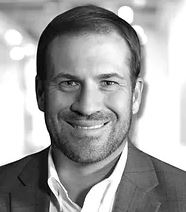
M&A Advisor
Scott has entrepreneurial grit running through his DNA. After graduating in business from Texas Christian University in 2005, he joined his family’s four-generation company. Scott’s exceptional leadership skills and operational mindset were instrumental in driving his family’s legacy business to unprecedented performance, eventually leading to a 9-figure exit. Scott experienced firsthand the day-to-day grind and mixed emotions a family and enterprise go through during an acquisition.
In 2011, Scott’s love of numbers, relationships, and entrepreneurship organically led him to start his own private wealth practice, focusing on advising and consulting business owners. His entrepreneurial background and reputation as a champion advisor to his business owner clients created a perfect fit when he joined Final Ascent's deal team in 2022.
After accumulating his own dealmaking experience, Scott eventually acquired a welding company that was once part of his family’s legacy business.
Scott and his wife, Amanda, reside in South Louisiana with their three sons. Scott is also our firm’s scratch golfer. When he needs to quiet his mind, he finds solace on the fairway.
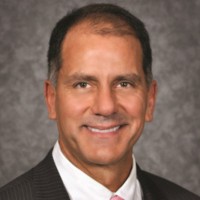
CEO
Rip Reeves is CEO of Institutional Investor, with oversight of its global events platform, journalism, thought leadership and fintech businesses. In 2022, he retired as Chief Investment Officer and Treasurer of AEGIS Insurance Services after 11 years of service. In the preceding 26+ years, Rip’s professional experience encompassed portfolio management, global asset allocation, treasury, investment banking, sales/trading, and large team management.
Rip is a professor in the finance department at Louisiana State University, and also serves as the Investment Committee Chair for The LSU Foundation overseeing the University's Endowment. He has been a Board of Directors member for Preferred Mutual Insurance Company for more than 10 years, and has also served on the Board of Advisors for Northern Trust Asset Management. Rip holds a bachelor’s degree in marketing and an MBA, both from Louisiana State University.
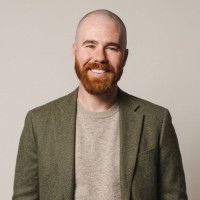
Chief Executive Officer / Co-founder
I work each day to advance the cause of our clients, and our team, by creating uncommon interactive brand experiences that stand as sought-after destinations in a market cluttered with distractions.
I spend my time helping organizations create plans and pathways to their ideal future. Sometimes, this means leading the production of digital platforms or experiences, other times it means redeveloping a brand strategy or campaign plan. My years serving at ThreeSixtyEight have allowed me to develop a wide set of skills that I apply to our clients' daily challenges. We are a team that believes in technical excellence, but we don't depend on it. We understand that technical mastery only matters when it serves to put forward a big idea. And that's why we call ourselves the Challenger Agency - because we believe that the next big idea can change the future, so we challenge ourselves and our clients every day to reach for it.