

 Amazon Music
 Apple Podcasts
 iHeartRadio
 Spotify
 YouTube
 RSS Feed
 Podcast Addict
 Podchaser
 Deezer
 Goodpods
 PlayerFM
 Castro
 Castbox
 We're Not a Construction Company, We're a People Company — Lenny Lemoine
He built a national construction firm out of a town of fewer than 1,000 people — then sold it without feeling like he sold out.
In this episode, Joshua Wilson and co-host Scott Shea sit down with Lenny Lemoine, founder of LEMOINE, the Louisiana services company he and his brother Tim grew from a family lumberyard into a 1,500-person leader in building, infrastructure, and disaster response. Lenny walks through decades of building enterprise value: the early hard-bid years, the choice to drop hard-bid work to protect culture, the Bernhard Capital Partners deal that let him scale through M&A, and a succession where the organization chose his successor. A candid talk on relationships, grit, and building people over buildings — for any lower middle market owner weighing an exit.
🎯 What We Cover:
- Starting a commercial construction company where none existed
- Why bonding and liquidity are the lifeblood of the business
- Walking away from hard-bid work to build a relationship-driven model
- The Bernhard Capital Partners deal and scaling through acquisition
- "Selling without selling out" and protecting company culture
- The weight of leading thousands of employees and their families
- Running a year-long, employee-driven succession process
- Why relationships are the real engine behind every deal
🙏 Special thanks to Jeremy Beyt, CEO of ThreeSixtyEight, for hosting The Deal Podcast's Baton Rouge Podcast Tour.
🌐 https://www.threesixtyeight.com/
💼 https://www.linkedin.com/in/jeremy-beyt/
🤝 Connect with Lenny Lemoine:
🌐 https://1lemoine.com/
💼 https://www.linkedin.com/in/leonard-lemoine-66465054/
🤝 Connect with Co-Host Scott Shea:
💼 https://www.linkedin.com/in/escottshea/
💼 Thinking About a Transaction?
FA Mergers helps founders, investors, and business owners navigate the full M&A process — from valuation to close. If you're exploring a sale, acquisition, or capital raise, let's talk.
🔗 https://www.famergers.com/
🎙️ Follow The Deal Podcast:
🌐 https://www.thedealpodcast.com/
💼 https://www.linkedin.com/in/joshuabrucewilson/
▶️ https://www.youtube.com/@dealpodcast
Curious what your business is worth? Request your free valuation at famergers.com
Disclaimer: Joshua Wilson is a licensed Florida real estate broker and holds FINRA Series 79 and Series 63 licensure. The Deal Podcast is presented by FA Mergers and is produced for informational and educational purposes only.
Nothing discussed constitutes investment advice, legal or tax advice, a solicitation, or a recommendation to buy or sell any security or to pursue or avoid any transaction. All views and opinions expressed by the hosts, co-hosts, and guests are their own and do not necessarily reflect the positions of FA Mergers, One Iron Network LLC, any regulatory agency, or any employer. Listeners should consult their own legal, financial, and tax professionals before making any business, financial, or transaction decision. This podcast does not constitute a solicitation or recommendation for any financial products or services.
Let's Connect on LinkedIn:
https://www.linkedin.com/in/joshuabrucewilson/
To Contact Us, Please Visit:
https://www.thedealpodcast.com/contact/
00:00 - Welcome and why this show exists
02:13 - Who is Lenny Lemoine
03:57 - Vertical vs. horizontal construction
06:34 - Getting divisions to work as one
08:05 - From Cottonport lumberyard to commercial construction
10:08 - Starting out as the oil market crashed
12:35 - Bonding, liquidity, and the fundamentals
21:50 - When exit entered the picture: the Bernhard Capital deal
26:27 - The weight of leading thousands of employees
31:39 - Selling without selling out: protecting culture
40:53 - Building people over buildings
46:31 - Changing the model: walking away from hard-bid work
55:51 - An employee-led succession process
01:03:15 - Relationships, grit, and the hedgehog principle
Joshua Wilson:
Good day, everybody. Welcome to The Deal podcast. I am so grateful that you're lending us your ears and your attention for a minute. And, uh, I just wanna say thank you for, to a few people that have made this possible for you. Uh, first of all, for our host here at ThreeSixtyEight, uh, Jeremy has opened up his office, his home, that he spends a lot of time at, creating things for people and building things for people, and he opened up his office for us to do a podcast tour. So Jeremy and team, thank you. Also for FA Mergers, um, the group over there, Jude, Scott, Chase, they focus on selling businesses, middle-market businesses, and they're incredible at what they do. They had this vision of this podcast, and they invested a, a, a good amount of money in, in building this out because they have a vision. Jude has a vision of inspiring the next generation of deal makers. So they wanted to share the stories of their friends, and they've invested their time, energy, and effort to, to do that. So this, this media program is not just about, you know, being TikTok famous or, or letting our voices be heard, but sharing the, the wisdom and knowledge that's passed down through the deal makers that sit at these tables. So grateful for you guys for making this happen. Uh, you're gonna hear a few different voices. My voice, I'm Josh. I'm your host. Next to me we have Scott Shea. Scott, say hello.
Scott Shea:
Hello. Good afternoon.
Joshua Wilson:
And our esteemed guest, Mr. Lenny. Say hello. Hello. All right. Thank you. And then also in the live audience, we have a, a friend of Lenny's, Mr. Steven. Steven, hello over there. Hello. All right. Sounds good. So guys, we're gonna dive into today's topic. Uh, Lenny, let's start with this, man. Who are you?
Lenny Lemoine:
Well, you know, you said it. My name is Lenny, Lenny Lemoine, and, um, I'm the founder of Lemoine Company. Um, father of two wonderful children and grandfather to three more, and husband of a great lady, Christine Lemoine.
Joshua Wilson:
Yeah. What is better, having kids or grandkids? Grandkids, man. Whole different level. Yeah, that's what I hear. So man, this is, this is very cool. So Lenny, what is it that you do?
Lenny Lemoine:
Well, you know, I, um, I would say more than anything, I'm kind of a relationship director these days, you know? I, um, myself and a team of really talented people have built a multi-disciplined, um, construction-related business. First started out in the commercial construction business and a number of years ago, um, launched off and went into the disaster business, which we call, you know, response and resiliency today, and that's a big business. And, you know, while we originally were in the vertical construction business, we migrated into the horizontal infrastructure business, and that business now has probably outsized the original business. And then, you know, in the last four or five years, we started an advisory, uh, program management, uh, owner representation business that has grown nicely. So, um- You know, it's, it's got a lot of moving pieces, but it's got lots of great people in it, and that's what makes it run right.
Joshua Wilson:
Yeah. Man, I'm glad you're here. You talked about vertical and horizontal. Kind of explain what do you mean by those.
Lenny Lemoine:
Yeah. So, you know, and all of this is commercial, you know, um, not, not any residential businesses in single family homes. But so the vertical business is, you know, a structure that is above ground, right? And so in our case, um, the largest, um, sector of vertical construction would be healthcare. So we do lots of healthcare renovations, complex renovations, which takes a whole different, uh, level of expertise and, and, you know, execution skills. And then, you know, certainly do, um, a fair amount of ground up construction. Um, in today's world for us, that's lots of, um, university projects. You know, like LSU would be a big customer. We do everything from student housing to, um, academic, um, facilities to sports facilities in, in, in, in, you know, that, that part of, of our world. And then certainly lots of private development work for, um, people doing any and everything from, you know, condominium projects to office buildings to light manufacturing to, you know, migrating now into the mission critical space data center and data center kind of support facilities.
Joshua Wilson:
Yeah. So, you know, horizontal that, uh, that absolutely makes sense or vertical, that makes sense. You know, when… Give us some ideas of like the horizontal plays and some of the- Yeah. So
Lenny Lemoine:
horizontal, you know, most people refer to as infrastructure, right? Mm-hmm. And that, that can take on so many different meanings. For us, it's pretty much so everything but highway construction. You know, so you won't see us doing bridges or overpasses or, um, you know, interstates, but everything from environmental type of infrastructure, whether it be wastewater, um, you know, fresh water treatment facilities, pumping stations, um, all the way through actually subgrade utilities. The largest project we've done to date is an infrastructure, um, utility project up at the Meta Data Center, right? Mm-hmm. So wet utilities, we would call that. Mm-hmm. And, and then, um, you know, horizontal earthwork and utilities for large building projects. So that company does work for Lemoine, but it does work for other contractors as well, um, on, you know, mainly large site developments. Yeah. Um, so that's kind of the way we've- We've built that market
Joshua Wilson:
So you got vertical, you got horizontal. How do you get them all to kind of communicate and work together?'Cause that seems like a, an art.
Lenny Lemoine:
Well, brother, you put your finger on it. Early on, it was a real challenge to get our vertical construction people to work with our own civil construction company. I mean, and, and it's not unique to Lemoine. We, we see it even with some of the people we work with, you know, on other projects. Um, you know, but, you know, you just gotta get the culture to seed all the way through the ranks to where one plus one can equal three, right? Yeah. If we work together, and, and get people to, to, you know, figure out that if we plan together, and if we share resources together, we can make everybody's lives better, and we can make the execution of the project better because we are partners legally. Right. But, you know, it's, it's to get it to really, you know, get the offense to work with the defense. I mean, you know, you, you, you hear it in sports. I mean, the, the offensive coordinator never wants to be in the same room as the defensive coordinator. Yeah. Well, you, you, you get some of that to happen in, in this as well.
Joshua Wilson:
Yeah. And
Lenny Lemoine:
so it's a, um, it's an art.
Joshua Wilson:
Getting everybody to play nicely is an art- Right … for sure. Right. Scott, so, uh, ladies and gentlemen, you're also gonna hear Scott Shea, who's a famous co-host. Traveled the world, and, uh, he's got some questions to bring to the table. Scott, okay, take it away, man.
Scott Shea:
Yeah, so everybody knows the Lemoine company of today. Yeah. I grew up in a family business. I love history of companies. Kind of walk us back to, you said Cottonport Limo. Right. Yeah. And young Lenny, and kind of the quick overview of how you got to this point.
Lenny Lemoine:
Yeah. Well, um, thank you for that question'cause your family is a company that actually, as we came along, we certainly studied and looked at and, you know, thought a lot about as we tried to scale. But, you know, um- What a terrible thesis that you would start a commercial construction company in a town of less than 1,000 people. I mean, God, if you'd have handed that to an MBA, um, professor, he'd have given you an F- Yeah … before he even got past the cover. But our father owned a small, um, lumberyard and retail hardware store. My brother Tim, who was a much better student than me, a really disciplined guy, graduated from LSU, gone, you know, moved back home, tried to help him, um, scale that business and change it and, um, was not successful and was actually thinking about leaving and going to work for, you know, a large construction company. I stumbled out of LSU barely, and I went back home, and he would always say, "Lenny, you're the business guy, man." You know, he had six boys, but he would say that to me, and so I was very optimistic that I could get him to change. And then he laid his two rules on me that, yeah, you can change it, you can't spend any money, and you can't fire anybody. But so we figured out, you know, after six or nine months, that was in 19, I think, '74. No, no, I was there at'70… I got there in '78. We went to the other kids and said, "You know, we're not gonna change this thing," so we sold it. We sold the whole business for $250,000, split it seven ways- … paid taxes, and my brother and I launched off into the commercial construction business in a town with no commercial construction. Yeah. Zero.
Joshua Wilson:
Wow. Yeah. And so if we're talking… That was a great question, Scott. Now, time-wise, '78, that was right before all the savings and loans- Mm … uh, escapades happened. Mm-hmm. So as you're buil- starting out in construction, in commercial, where it's dependent on people getting financing through banks, you're starting an industry with a total addressable market of 1,000 with access to capital almost, like, disappearing. Nonexistent. Nonexistent. Yeah. Talk to us about those startup days.
Lenny Lemoine:
Well, you're two people in a one-room office. It didn't take much to run it. Yeah. So that was the good news. It didn't take much capital. But, you know, we were, we were both tough, hardworking guys and, and there was nothing else to do but work there. And, um, the good news is you could competitively bid public work. So if a project was publicly bid two hours away or 2,000 miles away, if you had a bond and you beat the best contract in the world by $1, the project got awarded to you. Now, you had to have the grit to go execute it and to be able to manage cost in a way that you could be profitable. But so, you know, from that standpoint, it gave us access to work the public market where we got access to work that, you know, didn't otherwise exist in our community and that's really how we got started. And then, you know, at some point we decided to move the company to Lafayette, Louisiana to, you know, his stomping grounds and just as we get there oil drops from- I don't know, man, $60 a barrel to, like, 10 and there were signs all over town saying, "The last person to leave, turn the lights off." Yeah. It was a crash like you can't believe. And so, you know, but, but, you know, at about that time, I don't know, it was right before the crash, uh, maybe Jimmy Carter was in office as I recall. There was a fair amount of federal money floating around so little communities were building parks and things and, you know, um- People who had been living off of negotiated easy work struggled. I mean, w- Louisiana lost about… Out of the top 10 contractors in Louisiana, I think seven went bankrupt in an 18-month period of time. So we were able to attract resources from some of those companies that we otherwise would never have been able to get from a people standpoint.
Joshua Wilson:
For sure.
Lenny Lemoine:
So it actually turned into a good time for us. It was a, yeah.
Joshua Wilson:
Yeah. Um, you mentioned a few things that I definitely wanna make sure that we, we harp on, which is great. But before we do that, I think for a lot of contractors who maybe haven't paid attention to the public work, uh, this idea of, "Man, I could work f- I could, you know, work for the city. I can, I could do a project out there." Like, how does that even get started? You know, I need to get bonded, I need to get all these things. Kind of walk us through just a little bit of, of that kind of like advice to maybe- Sure … some contractors out there.
Lenny Lemoine:
Sure. I mean, you know, you, you, you touched on. I mean, when you look at this business, this industry You know, it's the highest rate of failure in the history of the American economy- That's tough or it will fight year in and year out with restaurants as to which- Really … who fails the most. Yeah, because people think I got a pickup truck and a couple of shovels and- Chuck and truck … I know how to- Yeah … I know how to hammer, right? Well, they miss your point. They miss the risk management side of it and the capital that it takes to be bonded and the liquidity that you have to have. So they make money, go out and buy a boat. There goes the liquidity, there goes the bonding, no more company, right? Mm-hmm. And we were fortunate, you know. Tim, in particular, was very conservative. Uh, we, we had a guy in the surety business who liked us and kind of shepherded us. And then, you know, we went out and visited companies from all over the South and was smart enough to seek their advice and, uh, to, to, to learn that, you know, it, it, it doesn't matter what the market makes available to you. Whether it's good times or bad times, you've got to have the fundamentals covered. You know, you've got to have the liquidity to have the, the bonding capabilities to make the capital markets comfortable with you or the government who requires that every project be 100% bonded. Yeah. And so it really is, to your point, it is your lifeblood. Yeah. I mean, no bonding, no future in public construction. And when the private markets dry up and all there is is public construction, it's even more important- Yeah … that you've got, you know, excess bonding capacity because the sureties begin to really tighten up when things get tough. Yeah. And so, you know, you've gotta have the capital, but you've gotta have the relationships with them. They've gotta have confidence in you. They've gotta know that you're serious about managing cost. They've gotta know that you're serious about systems and process and, you know, they've gotta, they gotta know that you live, eat, sleep, and breathe this business.
Joshua Wilson:
Yeah.
Lenny Lemoine:
It's not, it's, it's not a business for casual people. You know, it, it's, it's, it's a business of execution. It's a business of blocking and tackling and, you know, systems and process are absolutely critical, you know, to, to your ability to survive the tough times, you know. And so, um, I, I think for people who wanna be in it, it's a very gratifying business. When you build a project-
Joshua Wilson:
Mm-hmm
Lenny Lemoine:
it's a great feeling. And so many young people, you know, LSU now is the number two construction school in the nation. Yeah. And, and we're so fortunate to have the feedstock. We bring these young people in as interns. You know, we put them through something that we call Lemoine Engineering Advancement Program, LEAP, and we expose them to field supervision, project management, and then pre-construction services. We can decide if they fit us, they can decide if the company fits them. But more importantly We, we show them those fundamentals early on. They understand the risk of the business. They understand that financial management and cash management. You know, it's-- you can go out and make money on a project, but where's the cash when it's all said and done? Is it tied up in receivables? Is it tied up in equipment? You know, so it's, it's a complex business as you scale it-
Joshua Wilson:
Yeah… Lenny Lemoine: in terms of your ability sure you have not only what you need for today, but for that growth out two years from now, three years from now, and, you know, be able to tackle the opportunities that the market presents to you. Yeah, man. Yeah, that's, that's great explanation. Scott, go for it
Scott Shea:
When you set out starting this Cottonport Commercial Construction Company, did you have a vision of what it could be? And if not, when did you realize, like, man, Lemoine could actually be, like, something incredible? Or did it just happen?
Lenny Lemoine:
No, no. S- s- that's a good question, Scott. I vividly remember when we, um, were trying to figure out, you know, where to go with the business, what might it be. My brother and I went to Thibodaux, Louisiana, and met with a guy named Bob Blair, and he was a descendant of the Algernon Blair family from, um, Birmingham. Was a… Built a national construction company. They actually, I think, maybe built the Cajun Dome in Lafayette- Oh, cool … as I recall, or something like that. And Bob had a company and he was doing $12 million a year, a million dollars a month. I remember driving home saying to my brother, "Man, well, that's what we need to go do." We… Tim's like, "Man, don't even say that." "I mean, it's too much pressure. I mean, a million dollars a month? No, don't." You know, but so I remember of my vision being, well, if that guy's doing $12 million in Thibodaux and we move the company to Lafayette or Houston or whatever, you know, you, you exponentially, we, we can get it up there. But we did move to, we did move to Lafayette, and the year we moved, some publication came out and it ranked the top 25 contractors in Lafayette by revenue. And I, I, I don't wa- I wanna say we were 23rd. All right? And the largest contract in the market was doing $75 million. And I'll never forget, I cut the article out and I pinned it to my closet at my house, and I circled that $75 million number, and I said, "Okay," to myself, "that's where we're going. We're going after that guy." And, and, and, and so it created the first financial goal, which in itself can be a reckless thought-
Joshua Wilson:
Mm-hmm… Lenny Lemoine: when you don't have a have the organizational development to go with it, and when you've not thought through your point, Josh, about what else do you have to have to do that and do it under control. Mm-hmm. And so, you know, we knew what we didn't know. Tim was a very scientific person on the riskiest part of the business in terms of pre-construction and estimating. I mean, you hand Tim the drawings on an aircraft carrier and he could tell you how many screws were in it, you know? And so that's where you control the majority of your risk. You gotta start with the right estimate and the right detail and the right format that you can then hand to an operations team that they can go build the right execution plan from, which was the side of the business that I was involved in But so, you know, we, we-- as we began, and me more than Tim, because I was more of a street guy and a relationship guy, you know, first went to New Orleans in the crisis of the late '80s when all the big companies were failing and, you know, looked at companies like J. Jones, who back then were multi-billion dollar a year companies, and said,"Why did these companies fail? What went wrong?" Well, they, they weren't ready for a downturn, right? So, you know, we learned and we would talk, the sureties would, you know, love to give you information. We, we studied how these companies failed, and it came as mu- And, and so, you know, that was key to our early learning. And then, you know, ran into people like Steve Sampson along the way who had been part of, you know, YPO and other organizations and, and, and studied, you know, strategy and, and, you know, we were, we were learners. I mean, I read every book I could get, and we really got focused on strategic planning at a point and, and, and through that planning, you know, building the right initiatives and framing the organization in a way that it could execute a strategy and then getting the strategy simplified literally to one page. I got a copy of it. I'll leave it with you before, you know. But we, we, we spent an inordinate amount of time on strategic planning and still do as an organization. I mean, down to every quarter, every employee in the company, every salaried employee sees all the numbers and sees an, sees an updated strategic plan every 90 days. Yeah. Lenny, if, if you and I were… Let's just say you were mentoring me and, uh, you said,"Josh, here's the one book," right? All the other books don't, you know, make it to the table and you're like,"Josh, this is one of your required reading." What, what would that book be? God, one book Yeah, just one book, sir. That's all I know how to read. Good to Great, for me, was a great book.
Scott Shea:
That comes up a lot, and so a lot of our guests are EOS practitioners of- Right … uh, which a lot of what you said is exactly what they, they preach. Um, so I think you just made 50 years, is that correct?
Lenny Lemoine:
Company, yes. So con- 50 years congrats. Thank you. Thank you.
Scott Shea:
Um, you only look 50 too, so it could have been… Um, so you had a plan to grow. When, when did you have a vision of potentially making a- an exit and, uh, how did that play out for you?
Lenny Lemoine:
You know, that was never part of the plan. It was never part of the vision. Um, I, um… When we, in 2016, when we, um, started getting serious about the, what we then called the disaster business, that we now call the R&R business response and resiliency, um, Jim Bernhard had recently founded Bernhard Capital Partners. And, um, I didn't know Jim really well. I knew his family. They were our largest subcontractor, Bernhard Mechanical.
Joshua Wilson:
Mm-hmm.
Lenny Lemoine:
And I dealt with his family. And Jim actually bought that company, and then Jim bought friends of yours, Ernest P. Breaux Electrical in New Iberia- Mm-hmm … and he bought several other mechanical contractors. And I woke up one morning and went,"Now, who's got the chips here? We're the customer, but he owns all of our trade contractors. And, you know, we, we, we better figure out…" And so Jim actually called me a couple of days later and said, "Hey, let's go to lunch." And, you know, we, we spent time together talking about what he could do with those companies. He would make suggestions to me about, you know, just, "Hey, have you thought about this? Have you thought about that?" And- Long answer to your question, but he called me one day and said, "Hey, um, you know, at Shaw, we did very well in the disaster business." And he said, "I'm gonna go back into that business." And he said, "I want you to come run that business for us." I was like, "What?" I said, "You know, I think I have a job." And, uh, he said,"You know, why don't you let us sell Lemoine and, um, you come do this?" And he laid out the strategy for me. And I said, "Look, not interested. Not leaving this team, but, you know, we are trying to really scale the disaster business." And so over the course of a few months, we met several more times and said, "You know, maybe Lemoine should become the port co to scale a disaster business." And he said, "Yeah." You know, and so he came back to us and said, "Look, here's… Why don't you, why don't you let us Do a deal with you- Mm-hmm … and we'll provide the, the backup to go do ac- do some M&A because we certainly had no experience at that. I was always interested in how that business worked- Mm-hmm whether it was private equity or whether it was a family office. But I was always interested in the concept of bringing someone else's organization into our organization, and how do we create a culture where we can make it operate one plus one equals four, you know? Mm-hmm. And so as we did that with Jim, and as, you know, we learned more about how this could work if we did a deal with him, Hank Parrett and others, Hank was on our board at the time, um, I, I never, never had a strategy to, to do any, any form of exit like that. And, and just looked at it more as this is the next step to scale it in areas that we would not have had the capital or the confidence to go do it. That we, we would've never done M&A were it not for them approaching us. And so, um, we just, we got caught up in, man, this could be cool. And, um, you know, it, it, it that… So that, that transaction I think happened in 2019, if I remember. And, um, it was a big decision, and you certainly were first and foremost worried about the culture that we'd worked so hard to build, and that in no way were we gonna let that be affected by this, and it wasn't. How,
Joshua Wilson:
how many employees do you think you've had over, over the years? Oh.
Lenny Lemoine:
Man, man, what a question 10,000 10,000 employees. 10,000. All right. We have, we have 1,500, uh, or so right now, so.
Joshua Wilson:
So heavy, heavy wears the crown on that. Talk to us about the, the responsibility and the, um, some of the things that go on emotionally, spiritually, conversations with wife, behind the scenes with managing 7 or 10,000 employees, but they're families- Yeah the heartbeats that are attached to that. Talk to us about the weight of that.
Lenny Lemoine:
Well You know, when you, the weight is always there. And, and if you grow up in a small town and where family's everything, you know, um We only laid off a handful of people in our first 35 years. I could bet I could count them on less than I bet, less than I bet 25 people. Um, we just, we just saw it as a responsibility to find a way to make it work. You know, if we brought somebody onto the team, we felt like they were family, and we wanted them to feel like they were family, and, you know, we'd, we'd find a way to keep it going and, uh, and, uh, help them achieve their potential. But, you know, as you scale it, it, it, it becomes more difficult. But, um, you know, if you would look at our strategy, I mean, the brand promise is the right people, and that's it. That's what this company's all about, is finding the right people, providing the right opportunities for the right people, and, um, you know, the organization finding the business opportunities to continue to support those people. But at a point, we had our first fatality, and I'm gonna tell you something. Tell us something.
Scott Shea:
It's tough
Lenny Lemoine:
I'll never forget It's weird. I had vertigo, just been hit by it out of nowhere. And when I got out of my car Outside of Houma, Louisiana, the day of the funeral I could hear the mother from outside of the church And, you know You, you, you walk down to greet that family The weight is hard to describe The father got up and hugged me
Scott Shea:
It's heartbreaking
Lenny Lemoine:
and said, "You'll never know what you did for my son."
Scott Shea:
Wow
Lenny Lemoine:
You, you created a future for him and he loved the company. And I mean, I was just blown away. And, um, you know, we created something, something shortly thereafter called LIFE, Lemoine Injury-Free Environment. And we got really serious about safety, not that we weren't, but- Yeah … I mean, you know, so y- it's, um, it's not only, you know, continuing to provide, you know, the income stream for these families so that they can raise their children and their grandchildren the way that they want to and have the quality of life that they want to, but it's, you know, it's keeping them injury-free. I mean, and it's, it's, it's, it's an awesome responsibility. Now, it's a wonderful thing to experience when it's going right, you know? I mean, it's, it's, it's… The, the joy of business to me is the people, is your team. I mean, that's where the satisfaction comes from. We, we d- we had a 50th anniversary celebration. I'll, I'll shoot you the video. I mean, it was just a screaming time, man. I mean, you could, you know, you c- it w- it was like going to a family reunion, you know? And, and when, when the culture is that way, you know, yeah, it is, it is a, to your point, the weight is always there, but it's because you're doing it for them. I mean, and if you go at it with everything you're doing is to create a better world for the people at Lemoine, then it, it, it doesn't feel as heavy, you know?
Joshua Wilson:
Mm-hmm.
Scott Shea:
Yeah. Thank you for sharing that story, first of all. That's, uh- Yeah … that's, that's amazing. Um, keeping on the emotional theme, so selling a business is probably the biggest emotional decision that you may have to go through, at least business-wise. Right. How did you manage that process? And just we see it a lot where, you know, business owners identify through their business, um, which yours is named after you, so it's probably hard to get away from. How did all that factor into, uh, you know- Yeah … you're clearly passionate about what you did for so long. Sure.
Lenny Lemoine:
Sure. Well, we… Somebody gave me a book that said… I don't know what the name of it was. Like, Selling Without Selling Out, right? And I read it and absolutely believed in it. You know, and Jim said, "Listen, I don't know how to run a business." He said,"I don't wanna touch your business. I wanna help you with access to capital." And, and they, um, that is their philosophy, man. I mean, it's… I never met with Jim Bernhard one time about financials. He never came to a board meeting. We never had a single… When I, when I wanted to… There was one acquisition we did, which was a big acquisition, and Jim and I met before the investment committee meeting, and, you know, we're sitting in his office talking about the next LSU football coach and the governor, and I'm thinking he's getting ready to drop it. And then we walked into investment committee. I mean, so we were fortunate that we knew these guys so well. We was… It was almost like you're going to see a bank for a loan. It w- they just didn't… There was no involvement in the business, and so we never felt like we were selling it. And, and, um, I mean, it's, you know, but at the same time, it does… And you know this. I mean, you're, you're, you're, you've, you've gotta focus more on scaling the business. You've gotta then go find acquisitions to do. But those were things that were inspiring to us to see if we could do it. And so it is a, it is a huge decision Unless you're confident that there will be no impact on the culture, and we were absolutely confident. I mean, we, we, we… And, and they wanted to know if anybody left the company. That was the one thing Jim said."There's only one number I wanna know, is how many people have left."'Cause he wanted to know if it would've had anything to do with them, and, and, and we had none of that. So, um, it's a huge decision, but we just committed that we were gonna do whatever we had to do to make sure it had no impact on the culture. And, you know, we're… Right now, the big, hairy, audacious goal is to be recognized as a, you know, Fortune top 100 places to work in the country, and we're on this five-year process. We've been certified and we're working getting this feedback every quarter, and we've got their consulting team, you know, going through the feedback with us, and we're just guarding that culture and making sure we understand how people feel about the organization this quarter as compared to last quarter, as compared to last year, as compared to the year before. Right. And is it getting better or not? And so, um, you know, we're, we're, our g- our team is, our leadership team is so focused on culture that we just weren't gonna let anything affect
Scott Shea:
it. Were you approached to be acquired prior to that- We were … by other companies? What was different about this one?
Lenny Lemoine:
We knew 'em. We always said, you know- Relationships. We… Uh, i-i- absolutely. You, you know, and that is, at the end of the day, relationships is what it's all about. I mean, so much of what we do, all of us in business, the oil, the lubrication comes from relationships. When they're right, it's unbelievable, the, the, the 10X you get from relationships.
Joshua Wilson:
Mm-hmm.
Lenny Lemoine:
But when you're not focused on 'em, it's unbelievable how much grit gets caught in the gears, right? Yeah.
Joshua Wilson:
Lenny, you like live music. I do. Talk to us about a, uh, an experience you had with live music that speaks to you.
Lenny Lemoine:
God, there's so many. Um, in fact, I just last Friday was in the Rock & Roll Hall of Fame in Cleveland. Oh, wow. Yeah. Yeah. But, you know, I would say that, um, both of our children, um, love live music, and so it's, it's… I've had some great times with them. But my daughter Caroline had me over to Austin a few years ago, um, uh, when The Stones did the outdoor concert at the racetrack. So cool. And had taken off two weeks to prep for that, and we got on a hippie bus with a bunch of our Austin friends. And I was the only person on it that, you know, was above the age of 35. And rode out to the track, and I mean, it was, it was just, it was phenomenal, you know? And, and so, um, and then, you know- I, I, I went, I went to hear Bruce Springsteen. I was having dinner in Cleveland Friday night, and while we were having dinner somebody said, "Hey, Bruce Springsteen's playing five blocks away." Heck, got online, bought some tickets, and went over and heard his show I,
Joshua Wilson:
I tell you, there's something about being in a live theater or a live auditorium or whatever, and there's so many people moving to the same music, the same sound, the same beat. Yeah. There's something so powerful in that. To business, when… How do you know when everyone's moving to that same rhythm or when you know that something's off? How can you feel that as a leader of 10,000? How do you know when something's off?
Lenny Lemoine:
Well- You know, when, when the majority of our people are out on job sites, right, remotely, we're not in a factory, we're not all in a 25-story office building. Mm-hmm. You know, um, it's, um, it's a little more difficult, but You can walk on a job site Get out of your vehicle and look at how clean the job site is and tell whether you've got a cultural issue or not. That's
Joshua Wilson:
so true.
Lenny Lemoine:
And, and, you know, everybody knows what the expectations are. I mean, we make it abundantly clear. We go out of our way to, you know, from onboarding through all of the training we do, you know, the standards are pretty clear. Yeah. And so when you've done that and, you know, so if you go to the work, and so we talk about this all the time, if we as leaders go to the work, it becomes very obvious as to whether the culture, you know, whether it's all in sync or not, right? Mm-hmm. Whether the band is all playing from the same sheet of music. And I've gotta, I have to tell you, you know, we as an organization have spent an inordinate amount of time and money on leadership development. I mean, our leadership pipeline for the size firm we are is way oversized. I mean, way oversized. We've almost at times have had too much depth.
Joshua Wilson:
Mm-hmm.
Lenny Lemoine:
But thankfully, it's, you know, we've, we've grown 4X in, I don't know, seven years. Uh, top line, bottom line has grown 10X. But, but it's because we had that leadership pipeline in place, man. We had them stacked too deep, and, and when you do, y- you, you have more guardians of the culture, and they can s- Yeah you got more people spending more time with the people that they're leading. Yeah. And, and, and, and, you know, working with them and, and, um, it's, so it, you don't see it on, you don't see it in the numbers. I used to be a numbers guy. The numbers are the numbers. I mean, they don't tell you anything. They don't tell you whether you're executing well. Some of it's luck. Some of it you got a job with a lot of fee in it. Some of the job was easier than you thought. So, you know, weather was better than, you know, you counted on. It's, it's, it's from what you're talking about. Is, is the band on the same sheet of music? Is everybody loving what they do? Is everybody looking forward to getting on stage tonight? Is everybody smiling when they're playing? I mean, you know, those are the, that's what really tells you if this thing's where you want it to be. I, somebody sent me videos from the superintendent's fishing rodeo two weeks ago. I was off with a customer, but the smiles on their faces at Grand Isle, Louisiana, the superintendents, man, I'm like-
Joshua Wilson:
Got it.
Lenny Lemoine:
Yeah … got it. You know? This is…
Joshua Wilson:
Yeah. That's good. I gotta ask you a favor. Um, so my dad's passed now, but he was in construction, right? So I grew up on, uh, on the business end of a shovel, right? And dug ditches, floated trusses. Wow. Yeah. You know, my, I grew up in the construction industry, and one of the things my dad- I would always have us do at the end of the day, the, uh, from five years old, is we would sweep the job site at the end of the day. Mm. But, you know, I'm like, "Dad, there's nobody gonna be here. What's it matter if it's…" And he goes, "No, it matters." Cleaning up, picking up the nails- Mm … the sawdust. I can still smell sawdust. So the, the, uh, the thing that my dad struggled with as a contractor is hanging up the hammer and stepping into leadership role and developing other- Yeah future leaders. Yeah. And then, like, letting go of the hammer.'Cause to build a business, you have to be able to let go of the hammer. Yeah. And my dad struggled with that. My, my mission in life was to get my dad off the roof. Yeah. Okay? So advice to other contractors out there about building people, about leadership- Sure about, about that. You know where I'm heading.
Lenny Lemoine:
Yeah. Well, your dad was right. I mean, to survive- Yeah … you've gotta be technically competent. You first have to be able to build.
Joshua Wilson:
Mm-hmm.
Lenny Lemoine:
And at a point, some book, some leadership conference you go to, some experience. I mean, I, I, you know, I remember the, the, the Iberia Bank board, sitting around talking to some of those guys who had scaled businesses, you know? Your family, Bill Finchem, others. I mean, you know, you, you, you go out and talk to people who have grown businesses, and you figure out that… And, you know, they share with you having to go from building projects to building people, and that you have to become a builder of people, and that's what we talk about at Lemoine all the time. I mean, you know, we are not a construction company, we're a people company. And, and, you know, when you can wrap your brain around that, and, and it does feel insecure when you do it, 'cause you still wanna go control that work. You know, that's where your confidence comes from. But to let the, to give those reins away and to focus on, you know, attracting the right people, developing the right people, you know, having the, both the, the, the technical training system, but more importantly, the soft skills training systems that allow people to handle pressure better and to, you know, be able to achieve their potential, um, is, is, is, is… It's a big decision in a, in a, in a business as risky as ours. Yeah. And there have been lots of people who have put too much emphasis on it, who jumped out blindly and lost your dad's focus on, on, on, on, on building the project. But I think your dad was really right about one thing You don't have a clean project, you have no discipline. And, and you know, if it's not clean, it can't be safe. And if it can't be safe, it can't be cost-effective. And so, you know, that project leadership is im- has to be there for you to exist. To scale requires a different set of, you know, focus and skills, right? Sure. And Vern Harnish, who's a friend of mine, a friend of Steve's, um, who we've spent quite a bit of time with, um, you know, is a guy that has, has certainly helped us along the way in terms of, you know, making that transition to a scaling organization.
Joshua Wilson:
I know Scott has a question, but I gotta throw in one more because you- I have a bunch of questions. I know. You're so good at this, Scott. Stop. Uh, you mentioned insecurity. You've grown a huge business, sir. You've done very well for yourself. Um, what was one of the biggest insecurities that you had to overcome?
Lenny Lemoine:
Realizing that we were good and, you know, in fact that we were probably on our way to being great. I always under- um, undervalued, um, as we were getting better where we really were along that path. I was always thinking we were on a 10-yard line when maybe we're at the 30 or 40. And certainly when we crossed the 50 and got to the 70, you know, I just almost I was just kind of insecure about it and I felt like if, if, if, if, if I start saying to myself that we're good, that we're gonna, we're gonna have a letdown. Right. Right? And so, um- I think I was, I, I was probably, yeah, most insecure about, um Just, just admitting that it was working Yeah. I mean- Where do you think
Joshua Wilson:
that comes from?
Lenny Lemoine:
I don't know, being five foot five inches tall Yeah. Oh, sure, guys.
Joshua Wilson:
Yeah, we really have to, we have to work hard, don't we?
Lenny Lemoine:
But, uh, yeah, it's a good question. Um- You know, I've got some friends that are immensely successful in, in various things, everything from sports to just building amazing companies, and you just always think you're not as good as they are, you know? And you, you, you tend to give other people more credit than-
Joshua Wilson:
Yeah. I have a friend… I mean, I, I struggle deeply when I… I have a friend, air quote, right? Talking about me. But, uh, you know, one of, some of my main drivers are fear and insecurity. Yeah. Fear of the future and- Fear of
Lenny Lemoine:
failure, man
Joshua Wilson:
Oh my gosh. But it's a great
Lenny Lemoine:
motivator. I'm j- fear of failure for me, um, was, it was outsized for a long time. And when, when my brother left the business in 2000, you know, really was there before me and just, you know, he, he didn't wanna move the business in the direction of, of more people-focused, relationship-focused business. We went from being a hard bid company to saying, "No more hard bid work." I mean, we almost put it in the ditch the first year when I bought him out. We lost money, and I mean, it was a huge step back in, like, 2000 or 2001. And 'cause I said, you know, I traveled around the country, saw some of the big guys, saw that all of their work was negotiated in repeat. You know, it was, um… And I said,"You know, I think we can do this." And, um, we did it at a bad time. There was a market correction in play, and I mean, um, it was, it was a big decision, but we, we, we stayed, we stayed true to the com- you know, we, we stayed with it and, um, it, it worked. So, um, you know, it taught us that, you know, you just gotta really be committed to something. You gotta decide what you wanna be. And at some point in the life of an organization, if the business model does not allow you to create the culture that you need, then you gotta have the courage to change the model. And a hard bid construction company is not conducive to creating a great culture. I mean, it's a winner-take-all business, you know? And, and it's a win-lose business model. And whereas the negotiated relationship-driven procurement model, I mean, we've got hospital clients where we've been inside their campus for 15 years. We've never left. They need a door changed, we there to change a door. They need a $200 million vertical expansion done, we're there to do that. But it's a relationship. It's a partnership. And so, um, the hard bid construction industry's a good way to make a living, but it's a bad way to live.
Joshua Wilson:
Scott.
Scott Shea:
Yes.
Joshua Wilson:
Give him another one, man.
Scott Shea:
All right, so I've kind of got just a, a random smorgasbord of questions. Hopefully you've never been asked some of these. Um, so let's go, let's go back to Cottonport first. When you were young, what did you imagine success was like, and how has that compared to-
Lenny Lemoine:
What's young, Scott?
Scott Shea:
Old enough to remember, I guess. Yeah- Like as, as a kid maybe, as a child growing up, what did you think success looked like?
Lenny Lemoine:
That's a good question. You know, it's, it… That's mainly a farming community, much like- Mm-hmm … where you grew up, right? So land and farming. I actually majored in ag business. I didn't f- I didn't major in construction. Really? I thought I wanted to go home and be a farmer. Figured out my family didn't own any land. But no, we, we did have a little farmland. But I thought… I, I had an uncle who had built a wholesale, uh, drug company- Mm-hmm … dry goods company, and owned a number of, um, you know, community kind of drugstores. And, and I saw him and kind of the way he lived, and, you know, I, I, I thought that's what success looked like. I, I, I saw that he had grown businesses outside of the footprint of our little town.
Joshua Wilson:
Mm-hmm.
Lenny Lemoine:
And, um, saw that. I s- you know, my father had… My father was a kind of a jack of all trades. Wasn't a really hardworking guy, but he was always in three or four little businesses at one time. And I'm s- I don't know how Pops does that. He really doesn't work, you know, but he's on the golf course all the time. But, but when we went in, Tim and I went into business, we didn't g- we didn't have any free time. We worked all the time. And we were in a place where there wasn't much to do socially, so- Somebody along the way, and I can't tell you who it was, growing up, I, I saw do that, work quite a bit to build a business in a place where a business should not have been able to grow to the size it was- Mm-hmm … in such a small community. And so I was pretty sure that success was gonna take a great deal of work. I was a terrible student. I mean, uh, LSU at some point just said, "Leave." "Here, here's your award. Get out of here with your freaking degree. Promise-" Now they want you
Scott Shea:
to build stadiums."… Lenny Lemoine: promise not You know There were, there were, there were three or four families in that parish who had just achieved outsized results. And, you know, most… Two of them were big farm families. Mm-hmm. And I thought they were just really hardworking people. I said, "That's what…" I said,"You know, I, I would like to be successful, but I'm just gonna have to commit, since I wasn't a really smart person, I'm just gonna have to commit to outworking everybody." And I really, that was my mindset. So what have you learned or what advice do you give? Like, there's concep- there's conceptions of what success is, right? Typically associated to money. Once you've been successful, how does that change what you once thought It's obviously money, money is only an object at some point
Lenny Lemoine:
Yeah. Success is not happiness, by the way, right? Arthur Brooks just… I just got through reading one of his new books, and it kind of, you know, reaffirms it. But I think, I think that success is Achieving goals, um, that are for the benefit of all of the stakeholders related to whatever it is you're doing. Mm-hmm. Right? It can't just be you're going to make money. But it's, it's, it's, it, it, it's, it's, it's, it's achieving goals, again, you know, it may sound corny but that, you know, that, that make everybody better for you having been there. I say all the time, you know, anybody can build a building, and eventually anybody can build a complex building But when you get through building it and everybody goes, "Wow, that was different. Man, that really felt different," you know? And, and I'm talking about the backhoe operator out there says it, the laborer says it, the, the, the, the user says it, the architect says it, you know, all of the stakeholders. So I think success is doing things in a way, whether it's building an organization or whether it's building a project or whether it's building a non-for-profit Moncus Park. 800,000 people went through that park last year in Lafayette, Louisiana. I mean, I, in, in, in my career, there's nothing I've done that I'm more proud of, right? Because of what it did for others. And I think you, you kinda gotta look at success through that lens.
Scott Shea:
More selfless.
Lenny Lemoine:
Yes. Yes.
Scott Shea:
I love that. You led right into my next question. Um, back to the building. So you've obviously built some very impactful facilities, whether it's hospitals or… How do you, uh, view those types of projects, and what does it feel like when you've completed a two, three-year project and walk in it and say, "Hey, my team built this, and it's gonna impact the lives of so many people"?
Lenny Lemoine:
Yeah. You know, I, I, I just visited Wisdom Church-
Scott Shea:
Mm-hmm… Lenny Lemoine: that we're doing Mm-hmm. That's not a huge project. But, uh, it's funny, Christine and I were standing there late the other evening looking at that church, and I was thinking, "Man, this is gonna impact people at such an important time in their lives." I mean, you know, whenever I kinda was losing it at LSU, you know, I'd always go back to church, right? You know, always kinda recenter me. Um, and, um, but those projects, you know, that, that affect generations, a hospital where people are born, and then they go back and have a child there, and, you know, maybe their child has a child there, or the church you built where somebody was baptized there, and then they, you know, their daughter got married there, and then they had a grand- You know what I mean? It's just those, those facilities that impact society for generations, you know, I mean, it just, it's, it's such a great feeling, particularly if you built them right. Right. Yeah
Joshua Wilson:
When… So we, we've got… We're, we're nearing on time, and I wanna make sure that we respect your time, and we're so grateful that you came here, you and Steven. Thank you, guys. Uh, we have a question from the audience, or, uh, from a previous guest, so Scott's gonna pull that up. And why he's pulling that up, this is from Eric, um, and, and he'll, he'll pull that up and, and read that. But, uh, kind of the next thing, um, I think that it's important to, as, as I promised I would talk to you about it, I wanna bring that back up. Grit. You mentioned a few times that grit is important. Is grit something that you can develop in someone, or is it something that they have to have internally?
Lenny Lemoine:
You know, we, we became fascinated with grit at some point. We even developed our own grit test. We do a lot of tests- It's sandpaper, right? Yeah. We, we never could really s- get it right, but in our business, um, people are under stress a fair amount of the time, and we do a fair amount of, you know, personality testing. We do, we do, we do, you know, we- three or four different models that we use that tell us what happens to people when they're under stress, right? And, um, you know, some people move 180, man. They say all the right things. They're great when the project's starting. They're great when the schedule's going well and the weather's right, but flip out. And, um, but people with grit just have a gut confidence and a gut commitment to getting the right things done the right way at the right time. And really, in our business, that's what it's all about. I mean, you do the right things the right way, but if you don't do them at the right time You know, you, you know, you- You don't get paid. Yeah. Yeah. You're not digging the footing the day you need to dig the footing. It doesn't matter how well you dig the footing, right? You know? Yeah. Plumbing doesn't go in after the pour. Right. That's right. So the sequence of things is so important. So grit is really discipline, right? Yeah. But to me, it's, it's, it's discipline with the highest commitment, and that you're not gonna let the team down, you're not gonna let the project down, you're not gonna let the organization down, you're not gonna let yourself down. It's just in you. Yeah. And I, I, I… You know, it- we haven't figured out a way to, to train it or teach it. We, we… Some of the models do tell us that likely a person doesn't have it. Yeah. That they're very smart, they're very capable, they got great technical aptitude and… But those superintendents in the field, I mean, you drive by LSU right now, there are two tower cranes up on a very difficult student. If that guy doesn't have grit that's in charge of that site, you got a problem.
Joshua Wilson:
Yeah. Man. All right. So, uh, a previous guest, uh, we interviewed, me and Jude interviewed Eric, uh, with Kin Capital, and he has a question for
Scott Shea:
you. All right. So there's a preference to the question, so I'll read that first. It says, "Your thoughts on long-term succession and leadership of the Lemoine company has gone through several iterations, um, including maybe some non-public iterations that lived only in your head. Um, you've had family in the business." They said to give a shout-out to Will and Seth. I think that's your nephews. Yep. Um, Ryan and Caroline are in related but different fields. Um, Eric says he was around for parts of the, uh, equity transition discussions. Um, now you're obviously part of Bernhard,
Scott Shea: so the questions are:
how did your thoughts on leadership transition and succession change over time? Uh, were there paths you initially thought were good or bad that changed over time? Um, and then how did family involvement throughout the, the history of the business, uh, impact those thoughts and leadership transition plans?
Lenny Lemoine:
I know which Eric that is. Yep. Well, great question. Um- I think that I always knew that there were leaders that could do it better than I could do it. And, and that's great when you get to that point, you know? And you kinda look forward to that. So, um, once, once I got there mentally, um, I don't remember what book I read or what I came back from. But I distinctly remember getting back to my office one Monday and going, "It's simple. I don't even need to worry about it. I need to let the employees of Lemoine decide who the next leader is."
Joshua Wilson:
Hmm.
Lenny Lemoine:
Not me. They, they, they gonna figure it out. It'll be obvious. And ultimately, you know, we, we did run a real process. We spent a year on it. We had, um, an external, um, firm work with us. We had several board members on the selection committee, along with myself and one other person at Lemoine, and we, we had four internal candidates, and we narrowed it down to four external candidates. And, you know, we told all the internal guys, "Put your name in the hat, but you gotta be willing to say, 'I'm staying no matter what, and I'm all in.'" And they did. And, um, you know, Seth Lemoine, who we selected, was a guy that I just have incredible respect for. You know, his father died as a young man. He started, like you did, on a shovel with us at 16 years old, 17 years old. He's done everything. Built the disaster business, built the infrastructure business. But, but still, when, when we got down to eight candidates, the selection committee, before we got to the final point, ranked everybody, and I think Seth was ranked midway. But by the time we got through with the process, it was clear that he was the right choice. So, you know, to Eric's point, I, I, I think early on, I, I worried about it a little bit, you know. I was a little bit insecure about, man, you know, who's the next guy gonna be, and, you know, what… But, but at some point I relaxed and said, "The organization's gonna tell us who the next guy is." And, and I, I didn't really… I don't really didn't sweat it. I delayed it a little bit, which frustrated some people. Right."Hey, man, you're approaching 70. Let's get this done." But, but I was having so much fun, I just didn't wanna stop.
Joshua Wilson:
Yeah, man.
Scott Shea:
It's got- Great question by Eric. Yeah, good job, Eric. You know-
Lenny Lemoine:
Shout out to Eric. Shout out to Jude. Yeah. Absolutely. By the way, a guy that, you know, you know what, an A player's a guy that when you lose him, you go, "Shit." Yeah. Eric, we knew Eric had it. I mean, I, I knew Eric could be the next CFO at Lemoine. That's not what he wanted to do, and it couldn't happen fast enough for him, but…
Scott Shea:
We'll edit that part out so he doesn't have to get a compliment.
Joshua Wilson:
Shout out, Eric. Um- Good job, man… Scott Shea: just a couple Uh, you've mentioned relationships so many times. Um, and I know you're friends with, with Nick Saban, who's- Yep … maybe the answer to this question, but, uh, who inspires you?
Lenny Lemoine:
Well, certainly, um, Nick would be at the top of that list. I mean, when I met Nick, you know, he… I didn't meet him through football. I mean, I was… It's a long story. Right. But we spent two weeks on vacation with him the first year they were at LSU. I never s- been on vacation with a- another couple. And, and we spent two weeks on a lake with him, and today we own a home on that lake, and have been going back there for 26 years. Um, and so, you know, he's a learner. And, you know, we'd talk early in the morning, two or three days a week. You know, when he went down to Miami and he was kinda not happy with that, you know, and we'd, we'd, we'd trade books. And, you know, Nick was just always a guy that could kinda see inside of you. It was strange. And so, you know, what inspired me about Nick so much was just his commitment, man. He was the, he's the hardest working person and the most accountable person I've ever met in my life. He'd win a national championship, literally we'd go back to his room,
1:
30 in the morning, be eating cold pizza, and he'd be sitting there and his foot would be going up and down. And, "Hey, let's go to the party. Let's go here, let's go there." No, man, he was grinding on what coach he might lose, what recruit he needed to go see. And six o'clock the next morning, he's back on it. Back at it. And so, you know, I, I, he just inspired me so much for the way he worked for the organizations that entrusted him with the future of their programs, man, you know?
Scott Shea:
All right, la- last one. This one's, this is my go-to for golfers. If you were a golf club, which one would you be? And I, I hope nobody's ever asked you that one. That's
Lenny Lemoine:
a freaking great question. No, nobody's ever asked me that.
Scott Shea:
Yeah
Lenny Lemoine:
I know what I'd want to be. I would say, um, I'd probably be a sand wedge. I'd like to be a putter, but- Yeah … um, probably a sand wedge. Um, 15 years ago, I'd have said driver, but- Yeah. Yeah. I'd like to be on the finishing end of the hole.
Scott Shea:
Ah, so it's more of a, a time, uh- Yeah,
Lenny Lemoine:
yeah. Yeah.
Scott Shea:
Interesting.
Lenny Lemoine:
I like that. I'd like to be a better golfer, by the way.
Joshua Wilson:
Don't we all. Did you know Scott's a scratch golfer?
Lenny Lemoine:
I did not.
Scott Shea:
Yeah. Gets harder with children. Yeah. Did you
Lenny Lemoine:
play college golf? I did
Scott Shea:
not. I did not. Yeah. Would've loved to, but didn't. Did not.
Joshua Wilson:
Yeah, Scott's talented. He's, uh… He was a professional poker player, scratch golfer, and an incredible dancer, if you would believe it. No, I made that last part up. The last part's not true. I made that part up. Uh, Lenny, um, good to… Great, great book. Yeah. I think every business, uh, school- Yeah … requires it. Uh, in it, they talk about the hedgehog, hedgehog principle. Things you're naturally good at, right? Uh, things that there's an economic driver, but there's a- Yeah last part, things that you actually, like, find passion and joy in. Mm-hmm. Right. And, and then in the center of that is the, what they call the hedgehog principle- Yeah … right? What would you find… What would you say your hedgehog principle is, for you specifically? Like, what are you the best at, and what, what, what do you really find the best joy in?
Lenny Lemoine:
Relationships. I think it's what I'm best at. I think it's what I find the most joy in, and I think it's, you know, had a great impact on the organization.
Joshua Wilson:
Amen. Well, Lenny, super grateful for your time. Thank you. Thank you, Steven, for coming on out. Um, this has been a great joy. For our listeners who are plugging in and, and getting to experience the, the shared wisdom, the shared conversations, the successes, the failures, the teary eyes from your guests, my request and my favor that I'm gonna ask you is that you always reach out to the guests and say thanks. We'll include, you know, contact information and a way to follow their, their work. But don't take this lightly, that people are devoting their time, energy, effort, and resources into sharing these things so that you may have some of the… What do they… Wisdom is shared experience and wisdom without the wounds. Right. Right? So please take that to heart. If you have something that you'd like to share with the community or, uh, you know, maybe even have a deal that you'd like to talk about, we sell middle market businesses. Head over to thedealpodcast.com, fill out a quick form, maybe get, uh, get you on the show next. Till then, talk to you all on the next episode. Cheers, guys.

M&A Advisor
Scott has entrepreneurial grit running through his DNA. After graduating in business from Texas Christian University in 2005, he joined his family’s four-generation company. Scott’s exceptional leadership skills and operational mindset were instrumental in driving his family’s legacy business to unprecedented performance, eventually leading to a 9-figure exit. Scott experienced firsthand the day-to-day grind and mixed emotions a family and enterprise go through during an acquisition.
In 2011, Scott’s love of numbers, relationships, and entrepreneurship organically led him to start his own private wealth practice, focusing on advising and consulting business owners. His entrepreneurial background and reputation as a champion advisor to his business owner clients created a perfect fit when he joined Final Ascent's deal team in 2022.
After accumulating his own dealmaking experience, Scott eventually acquired a welding company that was once part of his family’s legacy business.
Scott and his wife, Amanda, reside in South Louisiana with their three sons. Scott is also our firm’s scratch golfer. When he needs to quiet his mind, he finds solace on the fairway.
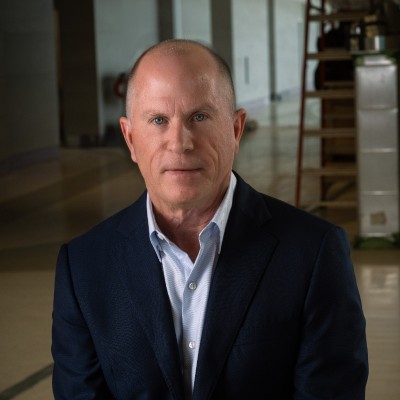
President CEO
Leonard K. "Lenny" Lemoine is the CEO of LEMOINE, a multi-professional services company delivering excellence since 1975 across building and infrastructure, disaster response and resiliency, and advisory services. Over more than four decades as an executive and principal in construction management and contracting, Lenny has guided LEMOINE into a market leader serving clients in more than 20 states and Puerto Rico.
A graduate of Louisiana State University (B.S., Agriculture Business, 1979), Lenny began his career at his family's retail lumber business in Cottonport. When he and his brother Tim transitioned the company into a general contracting and construction management firm and relocated to Lafayette, Lenny developed the operational systems that carried the business through the oilfield collapse of the 1980s. He became CEO in 1999 and has since led the firm to national recognition, top safety honors, and an 80% repeat-customer base — built on his belief that "building better people" results in "building better buildings."
Lenny's honors include ABiz Magazine's Entrepreneur of the Year (2013) and EY's Gulf Coast Entrepreneur of the Year (2018). He serves as Chairman of Lafayette Central Park Inc., driving the creation of Moncus Park.
CONNECT
🌐 Website: https://1lemoine.com/
💼 LinkedIn: https://www.linkedin.com/in/leonard-lemoine-66465054/