Amazon Music
 Apple Podcasts
 iHeartRadio
 Spotify
 YouTube
 RSS Feed
 Podcast Addict
 Podchaser
 Deezer
 Goodpods
 PlayerFM
 Castro
 Castbox
 From Folding Towels for Nick Saban to Owning a Bank with Scott Gaudin
Currency Bank CEO Scott Gaudin left a secure job mid-pandemic, raised $30M from 143 shareholders to buy a bank charter, and quadrupled it in five years. Here's the math behind it.
Key Takeaways
- Scott Gaudin left a guaranteed paycheck during COVID to raise $30M and buy a bank.
- Acquiring an existing charter can beat starting a bank from scratch.
- More than 200 Zoom meetings built a 143-shareholder base.
- He bought a $62M bank at 15x earnings and grew it into a $260M concierge business bank, roughly quadrupling it in five years.
- Mentorship and 'the process' from his years under Nick Saban at LSU shaped how he builds.
He cashed out everything during the pandemic — left a guaranteed paycheck to raise $30M and buy a bank that didn't exist yet. Five years later, it's quadrupled.
In this episode, recorded live in Baton Rouge on our Louisiana Podcast Tour, host Joshua Wilson and co-host Scott Shea sit down with Scott Gaudin, President & CEO of Currency Bank. Scott traces his path from folding towels and parking cars under Nick Saban at LSU to acquiring a community bank charter and building it into a $260M concierge business bank owned by 143 shareholders. It's a story about mentorship, "the process," and the math of buying, growing, and selling banks in the lower middle market — for founders, family operators, and the advisors who guide them.
🎯 What We Cover:
- Why he left a secure role to raise $30M and buy a bank during COVID
- The "acquire a charter" strategy vs. starting a bank from scratch
- How 200+ Zoom meetings built a 143-shareholder base
- The economics of buying a $62M bank at 15x earnings
- Choosing your own boss — and getting a "PhD" in banking
- Buying and selling branches: the b1BANK and Commercial Capital deals
- Why he treats employees as the asset in every acquisition
- Acquisition lending for advisors and insurance books of business
- Lessons on mentorship, confidence, and serving your community
🤝 Connect with Scott Gaudin:
🌐 https://www.currency.bank
💼 https://www.linkedin.com/in/scott-gaudin-56606760
🤝 Connect with Co-Host Scott Shea:
💼 https://www.linkedin.com/in/escottshea/
🙏 Special thanks to Co-Host Jeremy Beyt, CEO of ThreeSixtyEight, for hosting The Deal Podcast's Baton Rouge Podcast Tour.
🌐 https://www.threesixtyeight.com/
💼 https://www.linkedin.com/in/jeremy-beyt/
💼 Thinking About a Transaction?
FA Mergers helps founders, investors, and business owners navigate the full M&A process — from valuation to close. If you're exploring a sale, acquisition, or capital raise, let's talk.
🔗 https://www.famergers.com/
🎙️ Follow The Deal Podcast:
🌐 https://www.thedealpodcast.com/
💼 https://www.linkedin.com/company/the-deal-podcast/
▶️ https://www.youtube.com/@dealpodcast
Curious what your business is worth? Request your free valuation at famergers.com
Disclaimer: Joshua Wilson is a licensed Florida real estate broker and holds FINRA Series 79 and Series 63 licensure. The Deal Podcast is presented by FA Mergers and is produced for informational and educational purposes only.
Nothing discussed constitutes investment advice, legal or tax advice, a solicitation, or a recommendation to buy or sell any security or to pursue or avoid any transaction. All views and opinions expressed by the hosts, co-hosts, and guests are their own and do not necessarily reflect the positions of FA Mergers, One Iron Network LLC, any regulatory agency, or any employer. Listeners should consult their own legal, financial, and tax professionals before making any business, financial, or transaction decision. This podcast does not constitute a solicitation or recommendation for any financial products or services.
Let's Connect on LinkedIn:
https://www.linkedin.com/in/joshuabrucewilson/
To Contact Us, Please Visit:
https://www.thedealpodcast.com/contact/
Disclaimer: Joshua Wilson is a licensed Florida real estate broker and holds FINRA Series 79 and Series 63 licensure. The Deal Podcast is presented by FA Mergers and is produced for informational and educational purposes only. Nothing discussed constitutes investment advice, legal or tax advice, a solicitation, or a recommendation to buy or sell any security or to pursue or avoid any transaction. All views and opinions expressed by the hosts, co-hosts, and guests are their own and do not necessarily reflect the positions of FA Mergers, One Iron Network LLC, any regulatory agency, or any employer. Listeners should consult their own legal, financial, and tax professionals before making any business, financial, or transaction decision. This podcast does not constitute a solicitation or recommendation for any financial products or services.
Frequently Asked Questions
How do you buy a community bank?
Scott Gaudin of Currency Bank chose to acquire an existing community bank charter rather than start a bank from scratch. He raised $30M during COVID to buy a $62M bank at 15x earnings.
How did Scott Gaudin raise capital to buy a bank?
Gaudin built a base of 143 shareholders through more than 200 Zoom meetings.
Who is Scott Gaudin?
Scott Gaudin is President & CEO of Currency Bank, a concierge business bank that has grown to about $260M. He started out folding towels and parking cars under Nick Saban at LSU.
00:00 - On the Road: Baton Rouge Podcast Tour at ThreeSixtyEight
01:24 - Powered by FA Mergers — Meet Scott Gaudin
01:45 - Hammond Roots and a Childhood in the Shadow of LSU
03:09 - Folding Towels for Nick Saban: Learning "The Process"
04:30 - Killer's Question: From Equipment Room to Internship
06:48 - The Banker Who Said "You'd Be Good at This"
08:16 - His Father's Story: Service Woven Into DNA
15:38 - The Saban–Belichick Coaching Tree on Building Teams
19:09 - The Deal: How He Raised $30M to Buy a Bank
25:43 - Why He Left a Steady Paycheck to Own a Bank
30:22 - Choosing His Own Boss: A "PhD" in Banking
31:34 - Currency Bank: The Bank for Business Owners
33:19 - Self-Doubt, Confidence, and Training People Well
36:38 - Acquisitions, Branch Deals, and Working Well With Others
Joshua Wilson:
Good day, everybody. Welcome to The Deal podcast. Man, we are on the road. We took the podcast on the road. We're doing a road show. Scott and I are driving around Louisiana. Today we're in Baton Rouge, and, uh, we're, we're here at ThreeSixtyEight with Jeremy Beyt. He's going to, uh, welcome us into his studio, so if you're listening in, special thanks to their group for opening their home for us. And, uh, we're, we're going around in this community and talking to some of the, the community members, the business leaders, the thought leaders in this area to kinda discover what's going on in Baton Rouge. So with that, Scott Welcome to the podcast.
Scott Gaudin:
Thanks for having me. I've been, uh, enjoying your work from a distance for a while. Yeah, man.
Joshua Wilson:
Well, we're glad to have you. If you're listening in, you're gonna have two Scotts here. Mm-hmm. We have to my right, Scott Shea. Scott, say hello to everyone.
Scott Shea:
Hello, everyone. Yeah.
Joshua Wilson:
And, uh, this, this episode and this, this production is powered by FA Mergers. We sell middle market businesses. That's what we do, and we love doing it. So for, for the team back home in Lafayette, we love you guys, and, uh, we'll be back soon. So let's dive in today. Uh, Scott to my left, tell us a little bit about who you are and what do you do?
Scott Gaudin:
Well, I, uh… My name's Scott Gaudin. I'm a career banker. Um, I'm 44 years old. Um, I grew up in Hammond, uh, America, as they call it. Um, really great place to, to grow up. Um, got there by way of my, my dad, um, graduating, uh, from LSU Med School and opening up a, um, a internal medicine practice in Hammond in 1980. And, uh, Hammond, uh, when I was growing up, was a small cow town. Um, I, I literally crossed a, a, a pasture every day to go to school for 12 years. And, uh, post-Katrina, it's not a small cow town anymore. Um, Southeastern has been a vibrant part of that community and, and the growth. And, um, it also, uh… This sounds kinda, um, you know, anecdotal, but you got I-12 and 55, so you can go north, south, east, west, any direction. That's helpful for a lot of logistics and, and trucking and shipping and, and things of that nature, and it was just a, a great place to grow up. Um, I grew up in the shadows of Tiger Stadium, so, um, I, I really had no other, uh, desire to go anywhere else in the world but LSU. Um, I, I blame my dad for that. Um, so went over to LSU and, um, you know, I, I played, uh, ball all my life, uh, and in high school I was a, um, all-district linebacker, uh, and team captain at St. Thomas Aquinas, uh, in Hammond. And, uh, my, my dad, uh, was visiting with me towards the end of my senior year and said, "Hey, do you wanna go try and play anywhere else after high school?" I said, "No, you know, I'm, I'm not athletic enough to do that, um, anywhere of consequence." Um, I left it all on the field, and I was okay with that. Um, he said, "But d- do you still wanna be involved with the game and athletics?" And I said, "I think so." But, you know, no offense to the, to the guy who's a, a, a doctor and, and, and started, uh, got Southeastern its, uh, Louisiana's first nationally accredited, uh, training program. I said, "I don't wanna be a trainer." Uh, no offense. Um, my dad taught pathophysiology through Southeastern's program over there, and, uh, I just don't have a science brain. Not interested in it, um, but I like the game. And he said, "Well, LSU has a unique program of equipment managers run by a guy named Jeff Boss. Why don't you go over there and meet him?" Okay. So I went over there and met him at, at 17 and a half years old, and that guy changed my life. Um, I thought I knew how to work hard. I did not.
Um, 5:
00 AM morning works as a freshman in college was early, folding towels and laundry. But, um, you know, uh, towards the end of my freshman year, we, we hired this coach by the name of Nick Saban. Um- Heard of him. Yeah, we'd, we had heard of him, uh, guys that were football junkies. Um, we knew he was the defensive coordinator for the Browns under Belichick, and we knew he was at Michigan State. But, uh, who in the world in, in the, in the spring of 2000 was this guy we hired, we were paying almost a million dollars a year, which was unheard of. Um, and he was, you know, pretty militant and, and, and demanding. Um, but, uh, it, it was a great experience. Uh, they talk about Coach Saban talks about the process a lot. If you ever have heard about that discipline, the process, I got to see the process in its- Mm-hmm … infant stages. It was pretty neat. Um, I didn't realize at the time what it was or, or what it would mean to me. Um, but it was pretty, pretty handy and pretty useful. So, um, got to be a senior in that program and, um, uh, Jeff Boss, the guy that's a principal man who the locker room is now named after, um, he unfortunately was diagnosed with stage four brain cancer. Very unexpected. And, uh, the guy would whistle while he worked still, um, called me his, uh, second day into chemo and, uh, could not drive, and at 5:00 AM and asked me to come pick him up'cause he wanted to go to work.
Joshua Wilson:
Hmm.
Scott Gaudin:
And I went over there and did, of course, and, uh, he, uh, called me in his office in the middle of all that and, um, just here he is dying and asked me, "What do you wanna do with your life?" I said, "Well, you know, Killer," his nickname was Killer. Said, "You know, it's not- Yeah … it's not this. Um, I wanna use this, this business degree I've been wor- working hard to get. Um, you know, I don't really know what that means, but I just wanna use my degree maybe that I've been studying hard for." When we're flying home from Kentucky after the, the, the Bluegrass Miracle, Hail Mary pass, and y'all are high-fiving, I'm studying for an economics test. I wanna use this degree. And he said, "Well, you need an internship, uh, to help your resume out." And I said, "I don't, I don't know what an internship is." Um- Yeah.
Joshua Wilson:
That sounds great. What is it? Yeah, what is that? Exactly.
Scott Gaudin:
And he said, "Well, it's, it's a job that's more in line with your degree and your path." And I said, "You know, Tiger Athletic Foundation has a, a, uh, opening for game day parking coordinator. You'd be in charge of game day parking for LSU football games, and, uh, some guys that kinda came through this program have done that, uh, before you. They were older." And I said,"Well, I don't… I'm 22 years old. I don't have any business being in charge of game day parking for LSU football with just, like, the, you know, largest city in Louisiana during game day." Um, he said, "No, if you can handle Coach Saban, uh, yelling at you, um, you can, you can handle parking cars." Fair point. And so I did, and I met a, I met a, a banker there, prince of a man named John L. Daniel, who I was, uh, busting tables. He was with JPMorgan Chase, and, um, I was, I was busting tables at the, uh, basketball VIP suite for some pocket change before I graduated, and he kinda came up to me and said, "Hey, I, I got to know you through your internship. I think you'd be a good banker." And I said, "I don't know what a banker is." I said, "Like an accountant?" Said,"No." And so he told me, and he got me an entry-level job in uptown New Orleans, and that's where I started.
Joshua Wilson:
Yeah. So. Well, for people listening, and this is, this is a lot of fun, you're gonna hear a few different voices. Like, this is Josh, and you're gonna hear Scott Shea speaking in, and you just heard kinda, like, the intro to Scott's life. One of the things that I wanna point out to, um, the start of this conversation is he mentioned three or four people right off the bat of people who've changed his life through mentorship, through internship, through taking people under, you know, taking him under their wings. And I just wanna encourage you all out there, one is if you've made it further along, the reason we started the show is to inspire the future generation of entrepreneurs, to provide that kind of virtual mentorship. Listen to these stories of these titans of industry to learn with and through them. But if you've made it further along, we want to share your story on the show, The Deal Podcast. This is just, like, a, a mid-interview just kinda plug, but I think this is an appropriate time. We'd like to get you on the show to share your experience for that next generation, 'cause you might be able to change someone's life. So back to you, Scott. Um, when it comes to these guys who have changed your life, Killer- Mm-hmm and, and these people in there, um, as you look at that, how has that impacted the work and service that you do?'Cause right now you're, you know, in, in the world of banking. You're, you're a banker, but, you know, you, you work in- the professional world, but also the service world. Mm. Kind of like how did that change your trajectory?
Scott Gaudin:
You know, it's kind of funny. Um, I've thought about that a few times. Uh, you know, Steve Jobs had a good quote talking about, you know, you can never connect the dots, um, uh, looking ahead. You can only connect them looking backwards. And, and, and I, and I kinda connect all those dots with the people I was exposed to, 'cause I really did not understand exactly how they were, you know, forming me at that time, but, but they did, and they all were very committed to the community. Um, not only were they accomplished professionals and respected professionals, but they always were, uh… had the community on their heart. Um, whether it was my, my dad, um, who, um… So my dad is an interesting, um, story himself. He was actually born without legs in 1952 here in Baton Rouge, and, uh, the condition called femur fibula ulna syndrome, which is- Your dad? Mm-hmm. And all it means is, uh, pretty much you have no legs. Um, uh, he looked a lot like Lieutenant Dan in Forrest Gump. Mm. Um, and he was born like that, and, uh, after several, uh, failed experimental surgeries, uh, before he was five years old, uh, they put him in a body cast where he was age of five. Um, he would wore out a body cast or two from just not being still. Um, he got the chicken pox one time, and he had to- Oh, that'd be terrible … he had to stay in a coat hanger out and scratch. Um, but, um, you know, doctors told my grandparents, uh, my, my fa- my grandfather worked at Exxon all his career, um, told him, you know, um,"Sometimes nature makes mistakes. Um, take the ball and run with it." And, uh, my grandparents didn't quite see it as a mistake. Um, they told my dad, "You got a good hear- head and a good heart, and we love you, and, you know, we're gonna support you your whole life. And, uh, you know, you're never gonna… never to let your physical handicap keep you from achieving anything." And, uh, my grandmother, uh, held my dad's, uh, stumps down so he could get his core stronger to have prosthetics, 'cause back in the'50s, prosthetics were heavy and bulky. And, uh, he was 12 or 13 when he got his first set of prosthetic legs he could wear with crutches. Um, and he, uh, when he was, uh, 17 years old, he was, uh, l- lifting weights in a, in a local Baton Rouge gym here with a guy named Alvin Roy, who was… That was before strength training was a really mainstream thing for athletes. Dad, Dad was doing, you know, OT and PT before it was a discipline really. Um, you know, he could, he could bench press 450 pounds and- Holy moly … walk across the football field on his hands. Um, he was asking the LSU offensive lineman who lifts in the same gym to spot him. Um, and he met, uh, some guys there, and they said, "Hey, you know, you should get involved in, in, in, you know, strength training or f- or athletic training." Um, some kind of way found his way to the, to the, the Kansas City Chiefs summer camp in 1969. Um, and, um, he, uh- Went over there and he, he, he worked with the trainer and, um, he roomed with a guy named Mike Garrett who was the Heisman Trophy winning running back from USC who was later the athletic director. Dad said it was pretty surreal that, you know, th- that Garrett got drafted and went right to Kansas City to, to work, and, uh, he won the Heisman Trophy. So Dad said every day during the summer when you go in the dorm, you know, the Heisman Trophy would be right when you walked in the door. Him and Garrett, he said,"I can't make this up." Um, so Dad went out there and he, um, caught footballs for, for Len Dawson, um, a famous quarterback, Hall of Fame quarterback, uh, 'cause Dad without his legs, went to practice without his legs, was, um, shorter and, uh, Len Dawson liked to throw his out routes down and away, and it was perfect height for my dad. And so he would catch and have bruises on his arms, and then he would go to the other, uh, field and hold the football for Jan Stenerud, who was a famous placekicker who, who taught Morten Andersen a lot, uh, from the Saints. And, um, Dad got to be pretty clutch with, uh, close with Coach Hank Stram, who's a legendary coach, and he told, uh, Coach Stram, "Coach, y'all are great this year. Um, I think you're gonna be in the Super Bowl. It's in New Orleans. Um, I'd love to come hang out if you make it." Coach Stram said, "David, if we make it to the Super Bowl, you'll be there." And so a whole season goes by. If you've ever been involved in athletics, a, a, a season is a lifetime. Mm-hmm. A lot happens. Ups, downs, in betweens. Um, well, they, they go to the Super Bowl, uh, win the AFC championship.
The next morning at 7:
00 AM, uh, Dad's phone rings. It was Coach Stram. He said, "I talked to your principal. I got you out of school for the week. Come on down to New Orleans." So Dad was on the, uh, the sideline for the Super Bowl in New Orleans, Super Bowl III, I believe. Uh, was, uh, on the winning sideline and, and, and got to hand out the, the, the bonus checks after the win. And, uh, it's been-- So, and so my, uh, that summer, uh, put in his head,"I know you, you're here as a trainer and a manager and anything else you wanna help the program with. Have you ever thought about medical school?" And he said, "No, not really." And he said, "Well, you should." And so dad, um, interviewed, uh, for, uh, med school his senior year at LSU, uh, with LSU and Tulane. Um, Tulane, uh, turned him down. They told him he- they didn't think he could get a- around well enough 'cause he was handicapped. Those were before the days of ADA and such. Wow. Um, LSU took a chance on him. Um, so, uh, he always rooted extra hard when LSU played Tulane. Um, we were up 40 or 50 points- Thank you … he wanted to score again. Um, but um, you know, he was the first physically handicapped LSU med school graduate in 1978. So, um, I say all of that to say that's kinda where a lot of who I am came from. Um, I was never able to say I can't do something. Um- Mm-hmm … you can do anything you want, you just have to maybe sacrifice and, and have less sleep or, or try harder. Um, so that's where that comes from. But, and, and, and here's a man who, my dad, in the middle of his medical practice, who, who eventually built up to five or six partners and 25,000 patients, um, he saw a need in the Hammond community when we were growing up- Mm-hmm where, uh, some kids got injured, uh, playing football, and one, uh, pretty bad with a, with a broken neck. And there was no training, um, or medical services, uh, readily available on scene. When, when somebody has a neck break, that's a serious deal. Mm-hmm. And were, unfortunately, folks were moving the kid around, and mm-mm don't do all that. So my dad and a guy named Doc Goodwin were responsible for now every, uh, every game there in the Hammond area, Tangipahoa Parish area, uh, there's a, a full-time EMS staff there, and that was, uh, my dad's, uh, doing. Um, he said that, you know, "This is a thing we need to invest in the kids, make sure nobody gets hurt or killed."
Joshua Wilson:
Yeah. So. So service is, is woven into your DNA. It is. For a guy who wasn't born with feet- Mm-hmm … it's hard to fill shoes of someone who became that, that large of a titan. Growing up with that kind of person to look up to- Mm-hmm … um, was that extra pressure in terms of becoming something yourself and stepping into your own, your own shoes?
Scott Gaudin:
No. Um, he was always very supportive in whatever we wanted to do. Um, whether it was play ball or build something or, um, church, be involved in church or, or otherwise. He- there, there was never pressure. Um, he, he always was very good about his, uh, point of view of, um, be the best version of yourself. You know, he, he never probably verbalized it like that, but he always said, you know, "You've got certain tools and talents, you know, my expectation and God's expectation of you is to use your tools and talents. Um, you know, whatever that looks like, I'm, I'm okay with." Um, so he always was extremely supportive. It was ra- really no, no pressure. Uh, well, there was, there was pressure to work hard around the house and to pitch in. Um- Yeah … we, we grew up, uh, on, on four or five acres with a, with a pond and, and a pool, so, you know, me and my, my siblings were the… We didn't have yard folk, we were the yard folk. Um, so, you know, that was the expectation, was to take care of the, the, the house we and the property we, we grew up on, so that's kind of where it started.
Joshua Wilson:
That's special. Scott, I know you've got some questions for him, man. I see you righting away. Mm-hmm. Kind of dig in there, man.
Scott Shea:
So I wanna go back to the, the, the Nick Saban comment you made. Sure. Um, you've talked a lot about mentors. I've always been fascinated by the fact that you could go back to Belichick essentially, right? Mm-hmm. Saban was a Belichick disciple and he-
Scott Gaudin:
And do you know how Coach Saban and Belichick originally were acquainted? They're both Croatian family immigrants.
Scott Shea:
Did not know that.
Scott Gaudin:
Uh, I believe Saban's family is third generation and Belichick's is only second removed or something like that. Mm-hmm.
Scott Shea:
Interesting. Yeah. Um, but yeah, to, to me it's been amazing how many of his assistants have gone on to do great things, and I don't think it's 'cause they know football so much as they know the system,
Scott Gaudin:
um- The coaching tree is robust.
Scott Shea:
It's incredible. Yeah. Uh, how have you used those lessons in building your own teams or building, owning a bank and-
Scott Gaudin:
You know, that kinda taught me, um, maybe indirectly, I didn't realize again what was happening at the time, i- if you surround yourself with, with excellent people who care about excellence and, and being the best version of themselves, that, you know, typically their skill sets are interchangeable. Um, and that's what happened with us. Um, you know, when I got to LSU, uh, and, and Coach Saban was hired, um, I got assigned… Every, uh, manager's assigned to a coach. Well, I got assigned to a 29-year-old wily Will Muschamp- … um, Coach Boom, um, who, uh, went on to be a head coach himself in a couple chapters, and, uh, my, my college roommate actually, uh, is also from Hammond, a guy named Josh Brooks, who's… His birthday today. Happy birthday, Josh. Happy birthday, Josh. Um, uh, he is actually athletic director at Georgia right now, um, and does a wonderful job for that program. Uh, so yeah, it's just, I, I, I think that, um, the excellence, the expectation of excellence was, was abundant, whether it be Jeff Boss, the guy we call Killer, or, or Coach Saban or Coach Muschamp or Josh or… You know, the, the, the expectation was to, to give 1,000% of yourself and, and, and don't sell yourself short of what your best effort is. Um, sometimes you gotta wake up at 5:00 AM. You know, sometimes you gotta drive a, like, a large U-Haul, uh, Ryder truck to, uh, Tennessee or Kentucky Thursday evening and all through the night to Friday morning to- Mm-hmm to, to, to move the locker room and, and set up the locker room and team gets there on Friday for the walkthrough and make sure it looks just like the locker room they left, um, even with the wind bar to tap. Um, so just attention to detail and, and things like that. Um, it was neat, and we were 19, 20 years old.
Joshua Wilson:
When, when you're doing the… This is, uh, this is an encouragement for the audience, man. I, I like to do like Ryan Reynolds. I'm not as cool as him, but break that third wall where you start talking to the audience in, in the, in the middle of a conversation. But for, for you younger folk out there who are in a internship or a job that doesn't feel very significant to you, and you have aspirations for something bigger, the way you show up to those jobs, as you listen to Scott's story, he was, you know, cleaning locker rooms. He was doing, you know, he was doing internships. He was bussing tables, picking up people's dirty dishes, right? And people noticed how he was working, and they elevated him up. There's something about doing your job really, really well, whatever that is, and God will find a way to elevate you in due time Hope that's encouraging. Scott, um, as you're, um, now in, you know, owning a bank and, and building out that business, how did that originate? Talk to us about that deal. This is The Deal podcast, so talk to us about- Yeah … how you got into that. So
Scott Gaudin:
that was not something I was looking for per se. Um, at the time, you know, I was in the middle of PPP loans. Um, you know, that's a, that was a tough time for, for bankers. Yeah. Um, you know, a lot, lot of moving parts. Um, you know, we had to figure things out for not just the bank, but for our clients who needed help. And so I often joke that I have, uh, PTSD from getting a PhD in PPP. Um- And you're done with OPP. Yeah. All the, all the things. Yeah. And so, um, I, uh… remember where I was, I was, I was turning into the Trader Joe's parking lot and, um, I got a call from a friend of mine named Jeff Fair, who owns a company called American Planning Corporation. Um, Jeff, uh, is the guy in your finance class that finished his test for everybody else did. Um, he, uh, is the outsource, uh, community bank service for about 50 or so community banks in the Gulf South. Um, believe it or not, um, uh, not every community bank has a full-time CFO on staff. They may have a, a calendar or controller. Mm-hmm. Jeff is a CFO, his, him and his staff, uh, for about 50 or so banks. Um, and, uh, Jeff called me up and said, "Hey, you ever thought about getting in the banking business like your in-laws were for 85 years?" My in-laws owned Iberville Bank for 85 years. And I said, "I have, but I hadn't done much more than daydream about it, especially right now when I'm neck-deep in PPP loans. Why?" He said, "Well, the way people are starting their own bank these days is not from scratch, uh, de novo really. Um, it's very difficult to do. It's very expensive. Regulators, um, ki- kind of made it, um, not easy. Uh, the way people are backing into that is they're acquiring a small healthy community bank and gr- as a charter and growing that. Um, hard part about that is finding a small healthy community bank willing to sell to you for a rational price." And I said, "I bet you know somebody." He said, "I do." He said,"The, uh, third smallest community bank in the state of Louisiana. There are 108 community banks, so the 105th, uh, smallest, um, up in West Carroll Parish, um, way up in the northeast corner there where Arkansas touches Mississippi almost. Um, you can be in three states up there in about 30 minutes. Um, so, uh, they have, uh, 62 million in assets, which is pretty small. Um, they have two main owners, a farmer and an attorney. The attorney is the chairman of their board, naturally. And, um, he, unfortunately, his cancer's come back with a vengeance and he is doing some family estate planning, and he needs to sell the bank. Um, it's for sale for 15 times earnings or $11 million. What do you think?" I said, "I'm glad you think I have $11 million." Yes. I don't have $11 million. I only have $1 million. Yeah. He said, "Yeah, but you, you know people. Why don't you, like, think about it?" And so the first phone call I made was to our chairman, Robert Daigrepont, of our board. Robert is a, a CPA, uh, by na- by trade, and, uh, uh, runs a, runs a family office now and, and, and is, um, a serial investor himself. And, uh, I said, "You got time for a drink?" He said, "Sure." And so I kinda told him… And we're close personal friends. And the way this happens in Louisiana, especially south Louisiana, you do business with people for 20 years, you end up being close personal friends, and that's what happened to me with my book of business, was we all became social- Friends acquaintances and friends. And then not just banker and client- Mm-hmm … but we were friends and went to football games together. Our kids know each other and go to school with each other. We go to swimming parties, that kind of thing, vacations. Uh, that's just the way it is there. We're a tight-knit, uh, community. And, um, I asked, uh, Robert to meet me for a, a drink and, and I said,"You know, we always joked about doing a bank together one day, but it was really kind of a half joke. Um, I didn't think it'd be now. I thought it'd be five or 10 years down the road, if ever. But here we are. What do you think?" He said, "I'm interested." He said, "But let me kind of throw a f- couple of initial thoughts out." I said, "Sure." He said, "You know, where the bank f- where it's at right now, there are 1,700 people in this town and there are six banks. You know, we need to align ourselves with people in our networks, in our, in our circles here, where there is also other opportunities to grow the bank 'cause obviously it, it's a tough to grow bank in a town of 1,700 people and six other banks." Um, Baton Rouge had 32 at the time, 31 at the time. Now, uh, when we started we were 32nd, now we have 35. Uh, but you know, there are also 220,000 people in the city, there are 450 or so thousand in the parish, there are 750,000 in the MSA that, that, and our networks are here, so we need to align ourself with shareholders not only here in our circles, but sh- we need to be intentional and deliberate about the shareholders we, uh, go after who will use the bank they own stock in. I said, "Agreed." Right. So, uh, you know, it's COVID, guys, and um, you can't do this. Um, so w- we had over 200 meetings. Uh, most of them were on Zoom. Um, and we, uh, and I had to make a very tough personal and financial choice. I was market president for a publicly traded bank at the time. Um, it was a very uncertain time in the world and the economy. Um, and I had to leave a, uh, g- for sure paycheck to go raise money for a bank that did not exist for not a for sure paycheck.
Joshua Wilson:
Yeah.
Scott Gaudin:
And my wife at the time was also a small business owner. She owned a, uh, limousine company. And, uh, people weren't exactly riding limos at the time either. Right. And so, um, I did. I left in September of 2020 and took a leap of faith and trusted the process, and, uh, uh, was relentless in the process, and we raised $30 million in nine months. Um, no one owns more than 10% of the bank. Um, so 143 shareholders. Um, we opened in May of '21 with, um, $62 million in assets. Um, we finished '21 with 100 million in assets. Uh, we finished '22 with 133 million in assets. We finished '23 with 185 million in assets. Uh, and today, uh, we are $260 million in assets in about, uh, about five years. So we've quadrupled the size of the bank. We started with 13 employees. We have 38 employees, wonderful people, um, who I am very thankful to, um, leaving well-established institutions in good, middle of good careers, sometimes at institutions that are literally 100 plus years old, um, to come take a chance on the new bank and, and because of my personal relationship with them a lot of times.
Joshua Wilson:
Yeah.
Scott Shea:
Mm-hmm. We hear that a lot from entrepreneurs who take the gamble Um, what factored into your decision to ultimately say, "I'm doing this"? And what's been the biggest difference of owning a bank versus working for a
Scott Gaudin:
bank? So, um, I'll go back to my dad. Um, my, my dad was entrepreneurial from the start. Um, a lot of the docs, um, work for a hospital or a large healthcare group. My dad owned a private practice. That was not common, and is not common even today. And so my, my dad always took entrepreneurial risks to, to work for himself. All the risk is on yourself to make payroll and, and make enough money to feed your family and things like that, but I always saw that side of the business ownership. Um, that was normal to me. Um, that, that was what you do, uh, if you truly wanna, in our house, be the best version of yourself. Um, so I always saw that. In addition to that- My dad was not a typical doc in some regards. You know, he was always doing real estate investing. He owned a, um, a, a video, movie video, audio video store at some point with somebody else. He invested in a sports buying clinic in Sandestin. Um, he was always entrepreneurial in nature, and I- that was just normal to me. Um, and so I just saw, just saw that side of it. Um, so, and, and also I was fortunate, it was somewhat providential that my wife's family owned Iberville Bank for 85 years, and I spent a few years with them, uh, managing their bond portfolio and helping them out in some other areas. So I saw th- that side of owning your own bank as well with the family. Um, so the difference is, um, it's robust, and then the hardest part about the difference between working for a bank and owning part of a bank, um, is, you know, everything's on you. Um, you know, at first especially, there is no HR department. Um, you are the HR department essentially. Um, you know, everybody kind of thinks that the first thing you do when you buy a bank is to, like, order this fancy ornate desk and furniture, right? It's not what I did. I borrowed cleaning supplies from my wife, and I scrubbed, uh, toilets in a building that had been, uh, vacant for four years, because we had a board meeting later that week, and I had to make it presentable. I had to pick up the, uh, the dead r- r- rats and roaches that were in the building that were empty for four years and, and make it presentable and, and clean up the place. Um, had, uh, thirdhand furniture,'cause we couldn't afford secondhand furniture- … um, from a client, and we eventually, uh, moved up to secondhand furniture, uh, when we were cash flow positive in about six months. Um, we found a deal on a building that had been empty for a while, so we got it for a good price. Um, and then, um, you know, that's just, that's the difference is, you know, a lot, a lot of, a lot of folks, um… Also, the, the, the challenging part for me was you don't know what you don't know. You don't know what you don't know. For sure. And, um, but to help me with that, I'm very fortunate that, um, I, um, have a friend and an also a mentor of mine in banking, uh, named Charles Chiasson, who, uh, was in banking for 40-plus years, had done everything under the sun in banking from operations to lending to IT to cybersecurity to everything. Uh, he started a South Louisiana business bank and, uh, which eventually sold to Investar. But, uh, he and I got to be good friends when I worked at Investar, and I would
get to, uh, Investar at 7:
00 AM to have coffee with him and his brother, who was in charge of collections. And I would learn more from coffee from 7:00 AM to 8:00 AM before everybody got there for the day than I ever learned anywhere else. And so Charles retired, uh, from banking. Uh, he retired for the second or third time. Um- It's hard to retire. You know, especially for somebody like him, who's just so good at it. Yeah. It was his life. Uh, he retired in February of 2020. Yeah. And COVID started, and he had all these plans to travel- Oh, man … and that got curbed, and he had to cancel a trip to Europe that he always wanted to do. And, um, so I, I, I, uh, was, uh… When this got serious, um, I sat with him, uh, having coffee at CC's. I remember where I was, CC's Coffee on the corner of, uh, Air Lawn and, and Blue Bonnet. And, um, I said, "So, how's retirement going?" He said, "It sucks." Um, I said, "So here's what we're doing. You know, you always encouraged me to try to do this one day like you did, and, and you told me I had what it takes." I didn't see that at the time. Um, still don't know if I do. Um, but, um, "Here's this opportunity. What do you think?" And he said, "I think it sounds like a great setup. I, I think that obviously it's a pivotal time. It's, it's a volatile time, but, but when, when is it not a volatile time?" Um, and I said, "Great, so when are you gonna start with us?" He said, "Do, do what?" I said,"No, you're retired, you're bored. I need your help." And he said, "Well, I didn't say I was gonna do it with you." I said, "No, that's what I heard."
Joshua Wilson:
That's what I heard. You're in. And
Scott Gaudin:
so I said, "Charles, I'm not doing this without you. I'm just not. I can't." And so he agreed to come on, and, um, I, I essentially chose my boss. That's cool. Charles was the president and CEO of the bank the first three or four years. Um, and I was the, the chief lending officer and executive vice president under him. And I basically, we joked, uh, I got a, a PhD level course in banking because we bought a bank in North Louisiana that we had to go back and forth to, uh, about two to three times a month. So there were seven hours of car ride for about four years- Wow … and, and real-world application of, of different situations, scenarios. Some of you couldn't even make up. Um, but I got a PhD level, um, course. And then it's kind of funny because, uh, he, he agreed to do this for about three years, but towards the end of that third year, he reminded me that- My time's up this is the end of the third year. Uh, training wheels are about to come off. Um, but he, uh… I'm, I'm appreciative of that 'cause we… You know, the Currency Bank would not have been what it was without Charles's, uh, experience.
Joshua Wilson:
Yeah. Let's, let's do this. Give a shout-out to your bank so people listening in, they're like, "Man, this is a great story. I'd like to know more- Yeah … about the bank." What's your- So
Scott Gaudin:
Currency Bank is the bank of the… name of the bank. Um, we are a concierge business bank. Um, we are owned by 143 shareholders, uh, who also are business owners, so it was easy to trademark the phrase the bank for business owners. Made a lot of sense. Um, we add the most value to small to medium-sized businesses and their owners. Folks with two to 50 employees, um, typically have annual revenues of a few hundred thousand to maybe 20, 25 million. Um, we have some folks that are, that are larger than that, but that's typically our sweet spot, is small to medium-sized businesses and their owners. Um, the way we looked at it, uh, that was our 143 shareholder base, is that what I described to you. Um, there may be some people that are north of that size. Uh, but in the way we saw it, um, there is only so many, um, you know, large hospitals or chemical plants to call on. Uh- Yeah … 85 or so percent of Baton Rouge, USA is the small to medium-sized businesses I described, so that's… was our target audience. We felt like, um, we, uh… There was a gap in the market here, uh, for folks doing small to medium-sized business loans, commercial loans, averaging maybe 500,000 to maybe 2 million. That was our sweet spot. Um, that's about our sweet spot now is anywhere from maybe half a million to two or three million. Um, we have 186 million in loans this morning, 187 million in loans this morning. We started off with 30. Wow. Um, and about 185 and a half is commercial. Uh, so that, that tends to be where we're, we add value. Not to say we don't do consumer lending, we're not allowed to not do consumer lending. We do, we're just not great at it. Yeah. Um, and I joke with people that you, you probably wouldn't enjoy the experience with us and neither will I. Um, but you know, we tend to add the most value with small to medium businesses. Stick to what you're good at. Yeah, it's what we're good at.
Joshua Wilson:
Man. As we kinda come to the conclusion, the end of at least this, this one, Scott, I'm, I'm really grateful for you driving in and, and meeting us here today. Sure. And it's, it's a lot of fun. I love your story. It's inspirational, your family's story. Um, you mentioned something, and I, I wanna hit on this because I think a lot of entrepreneurs, a lot of deal makers, um, struggle with this internally, whether they admit it or not. Uh, you said, you know, someone said,"I think you have what it takes," and you go, "Man, I don't know if I do." And this, uh, I was having a conversation with a team member earlier, and, um, you know, the, the self-doubt, the self, um, we beat up ourselves, you know, pretty hard. What can you say to, you know, encourage the community and the audience out there for, you know, knowing God's expectation of you, which is the only thing that really matters, but then also how do you have a healthy, sober assessment of self and, and be able to know your strengths?
Scott Gaudin:
You know, that's difficult, and I think it comes with maturity and the right, uh, you know, guides, right mentors. Um, you know, I think self-doubt is a, is a normal thing. I think a big part, people who were mentoring me, and I didn't realize it at the time, was building my confidence, and that's what those folks did a- as well as anything they did for me, whether it be Robert Daigrepont or Charles or whoever. Um, they build your confidence. And so they see something in you that you don't even see in yourself a lot of times. And, uh, and that may… You know, you may have potential, but if you think back to whether it's athletic, uh, you know, prospects or bankers, potential or a prospect is one thing. You have to grow into that potential, and those folks see that, that for you. So I think the biggest, uh, missing chapter in a lot of, uh, businesses these days, and I guess banks I could say, is we have folks that are talented and have a great skill set, but we have to develop that talent. Um, one of the, the, the biggest disservices, um, drop of the ball, I guess you could say, in banking in the last 20 years is, you know, we've done a terrible job training people, a really terrible job. Because, uh, we would train people and spend money and time on them, and they would leave. Mm. And so we said, "Well, I'm not doing that anymore, um, 'cause they're gonna leave." Well, if everybody commits to training, the ecosystem works out for itself, and everybody's trained along the way. And there are gonna be people that leave. I've had people that leave, and I'll have other people that leave us for better and greener pastures and opportunities I can't provide, and God bless them. I'm not mad at you. Um, I just want you to be the best version of yourself, right? Uh, so you know, uh, um, this reminds me of, you've probably seen this meme where, you know, the, the CFO says, you know, you know, "What if we, what if we train people and they leave?" And the CEO says, "What if we don't and they stay?" Right? Like, we don't, we don't, we don't want untrained people over here. Yeah. So that was, that was a, a, a big part of, of my mentorship and, and my PhD level course from Charles in banking was building the confidence, um, that you do have it. And I, and I see it now. I mean, there are, there are times of self-doubt, but, um- You know, now I've, I've been thankfully have the right folks that encouraged that and built the confidence. Now it can't be irrational confidence. Like, you can't, you can't say something like, "I'm gonna expand all across the state of Texas next week." Well, slow down, cowboy. That's, that's, you know, that's a, that's a mouthful. Um, you know, that's, that takes time, energy, effort, and steps, and then baby steps for you, for you, before you do that, so. Yeah.
Scott Shea:
Scott Shea
Joshua Wilson:
Yes, Josh Throw, throw, uh, one final question now
Scott Shea:
Yeah, I was gonna go back just 'cause it's the Deal podcast. Um, on the lending side, how much are you guys doing with acquisitions, if any?
Scott Gaudin:
So we've bought and sold actually. Um, so we acquired… Our first acquisition was the acquisition originally in May of '21. Um, we did that one, and then we, um, we try our best to work and play well with others. Um, you know, there are 4,300 banks in the country. Um, there were 10,000 10 years ago. Now they're 4,355 last time I saw. So we, we do our best to play and work, work and play well with others. Well, um, one of the banks that's been very supportive of us is b1BANK. Um, b1BANK, uh, Jude Melville and their-- his team did a really great job. They've been a great friend to us. Um, give you an example. Um, you know, uh, you-- when you do something like we did, raise capital to buy a bank, you find out who your friends are and who they're not. Well, um, the first text I got 15 minutes after our news was public on the Baton Rouge Business Report was from Jude, um, CEO of b1BANK. He said, "Hey, congrats. What can I do to help you?" I said,"Well, I don't own a bank yet. I need an escrow account for this capital raise. Would you mind?" And he said, "Well, sure." I said, "Well, thanks." And so we got the deal done and approved. He texts me, "Hey, congrats. What can we do to help you?" He's, uh-- I said, "Well, we bought a bank with 50% loan to deposit ratio. I need more loans to make money." And he said, "Well, we just started a correspondent banking division where we'll be a bank for other banks. Um, we have some loans we make and sell you. A guy named Andre Fruge is gonna call you." And so we bought some loans early on, which really helped us be profitable in six months, which would not have happened otherwise. So I say that to say, um, uh, we, uh, stay in touch. We try to work and play well with others, including other banks, and, uh, we, uh, acquired a branch from b1BANK in April of '25. Uh, they had a, a branch in Kaplan, Louisiana-
Joshua Wilson:
Mm-hmm… Scott Gaudin: um, that was, uh, part they did, um, that, uh, as they have grown, uh, tremendously the last… Well, they've been around 20 years, but, um, they, they, they've grown tremendously in, in Texas and other larger metro markets the last five or so years. Um, Kaplan didn't necessarily fit their footprint anymore. Um, and so, uh, it had, uh, a lot of deposits and not a lot of loans at the time, and I needed deposits and liquidity to loan out. And so, um, we acquired a single branch plus the deposits and, um, the employees. And I learned a great lesson from that too, from Jude, just how you treat people. Um, Jude, we, we of course, we, we have our set of attorneys working on acquisition deals. Everybody does with M&A. Uh, Jude called me personally one time and said, "I need to talk to you about something outside the attorney conversation." I said, "What?" He said, "Look, it's really important to me that this is a small town, and, uh, the job at the bank is a really good job. It's important. I need you to promise me that you're gonna keep all these people, that they're still gonna have a job.'Cause the first thing they're gonna be worried about is am I getting laid off 'cause a new bank's gonna own us?" And so I said, "You've, you've got my word. We're gonna keep all the employees. Well, actually, we need the employees,'cause they're the face for the customers." And so, um, that helped me kind of deliver my message to them, um, when I drove down there was, "Hey, first before we talk about anything else, you've just been told the bank's getting sold. You still have a job, so don't stress out of that." So that was just a good, good lesson to, to learn there. So yeah, we've-- And we're actually, uh, tomorrow, um, uh, finishing. We're selling a, uh, a branch in Eudora, Arkansas that, that came with the original acquisition in, in May of '21 to, uh, Commercial Capital Bank out of Delhi, who, uh, Shannon Lockhart and his team have been a great partner. Um, so we-- again, we try to work and play well with others. Um, it, it made, uh, sense to sell that branch to them because it's, uh, just 30 or so minutes away from their HQ, and it's four hours away from us, and they can dedicate more time, energy, and resources. And, uh, and I kind of approached it a similar way when, when Shannon and I had a, a handful of conversations about it over the last year or so. I, he assured me the same way I assured Jude that he would keep all the employees employed, 'cause in a town of 700 people, which- 800 people, which Eudora is with only two banks, the bank job is a really good job. And so once Shannon promised me that he'd keep all the employees, they still have their job, that was kind of the last step I needed to, to feel good about the sale, and that's going to occur tomorrow. So- That's cool. Yeah. Always working on something.
Scott Shea:
How about acquisition lending as for customers who are buying- Yeah, we've
Scott Gaudin:
done some of that. We've done some of that for financial advisors buying other books of business, brokerage, uh, financial advisors. We've done it for insurance folks, uh, either buying other books of business from insurance salesmen or, uh, buying into other insurance firms.
Joshua Wilson:
Mm-hmm.
Scott Gaudin:
Um, it's kind of a JV. Um, so yeah, we- it's no surprise probably that we're entrepreneurial in nature and we look at deals like that. Um, we understand them. We tend to understand them,'cause some banks, um, you know, if you fit in the box, yes. If not, get out. Um, we tend to be a little more entrepreneurial and try to make it, make it work and make it make sense. And sometimes things because 143 shareholders and the board or business owners maybe understand deals better like that. Mm-hmm. You know? So we're definitely niche as it comes, in my opinion. We're, we're a concierge business bank. That's pretty niche. You know? Um, we try to give white glove over-the-top service in people's experience and try to emulate the, uh, the best experiences they may have had at their favorite hotels or restaurants in a bank, and so we try to go over the top with, with service. Um, uh, I think that if people lead with product, uh, if somebody's trying to tell you their widget is better, they're lying. Um, we, we all sublease money at the end of the day. That's all we're doing is renting money. Um, so you gotta do things that separate you, and I think the things that separate us is our ownership, being very unique with other business owners, our over-the-top, uh, concierge service, and, and our, and our senior management team who, you know, combined between myself, our CFO, our COO, and our chief lending officer, has 100 years of experience. So I think that's very valuable to our, our customers as well. Cool.
Joshua Wilson:
Well, guys, I hope you've enjoyed this conversation. As always, reach out to our guests. Their contact information's gonna be in the show notes. Reach out to them, say, "Thanks for being on the show." Um, if you are out there and you are, uh, further ahead in your career and this idea of mentorship is, "Man, I'd really like to, you know, teach or, or share this wisdom, but there's nobody to listen to," I'll tell you we got an audience, and we would love to hear your story. So head over to thedealpodcast.com, fill out a quick form, maybe get you on the show next. Till then, we'll talk to you all on the next episode. Cheers, everyone
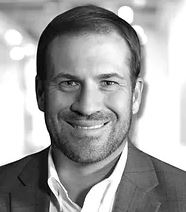
M&A Advisor
Scott has entrepreneurial grit running through his DNA. After graduating in business from Texas Christian University in 2005, he joined his family’s four-generation company. Scott’s exceptional leadership skills and operational mindset were instrumental in driving his family’s legacy business to unprecedented performance, eventually leading to a 9-figure exit. Scott experienced firsthand the day-to-day grind and mixed emotions a family and enterprise go through during an acquisition.
In 2011, Scott’s love of numbers, relationships, and entrepreneurship organically led him to start his own private wealth practice, focusing on advising and consulting business owners. His entrepreneurial background and reputation as a champion advisor to his business owner clients created a perfect fit when he joined Final Ascent's deal team in 2022.
After accumulating his own dealmaking experience, Scott eventually acquired a welding company that was once part of his family’s legacy business.
Scott and his wife, Amanda, reside in South Louisiana with their three sons. Scott is also our firm’s scratch golfer. When he needs to quiet his mind, he finds solace on the fairway.
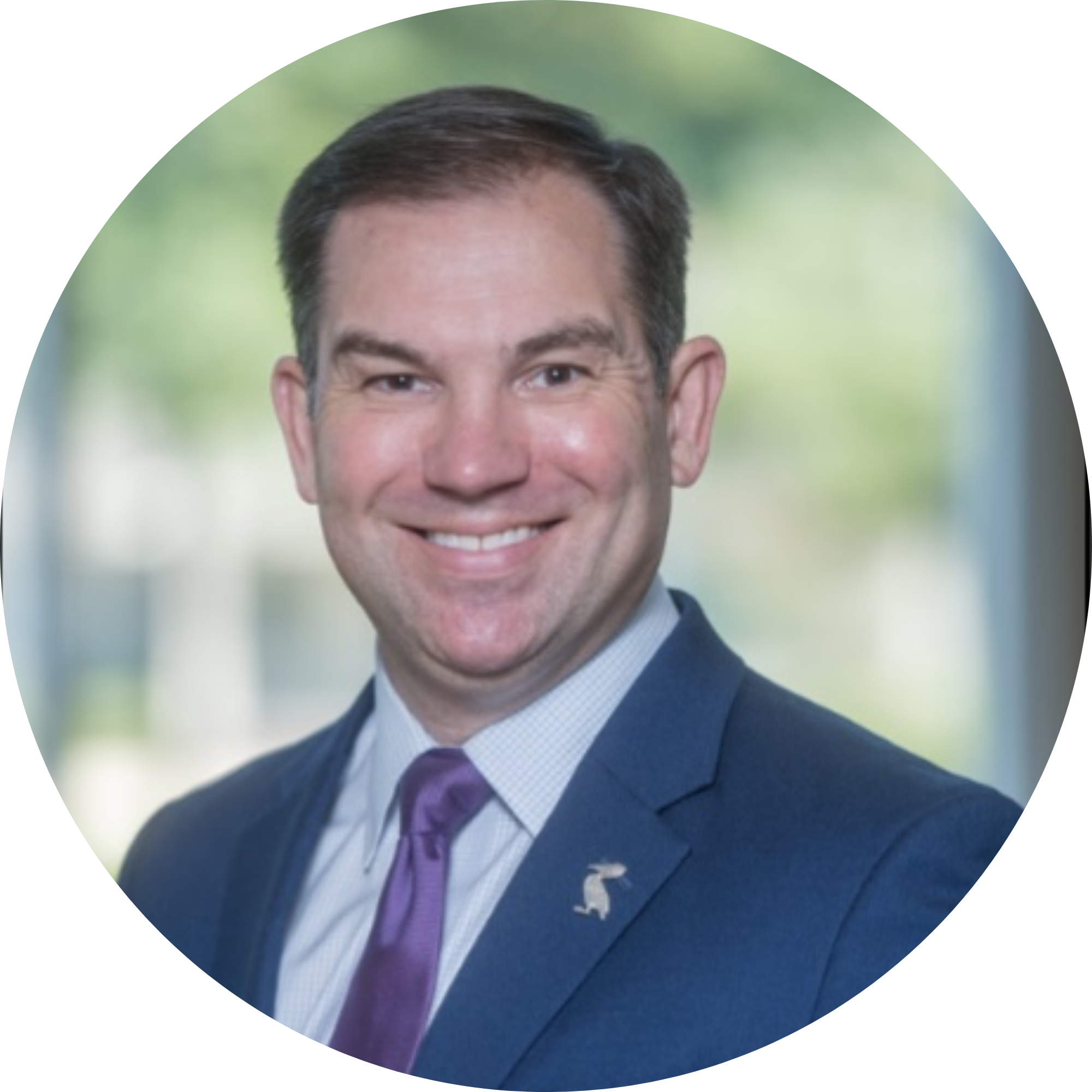
President & CEO, Currency Bank
Scott Gaudin is President and CEO of Currency Bank, a Louisiana based community bank headquartered in Baton Rouge.
After helping acquire and transform the institution during the COVID era, Scott became CEO and has led the bank through a period of strategic growth, expansion, and value creation. Today, he oversees the bank’s long term strategy, lending operations, acquisitions, and shareholder initiatives.
Under Scott’s leadership, Currency Bank has been recognized among the nation’s top performing community banks by S&P Global Market Intelligence and has earned recognition through the Inc. 5000 and LSU 100 programs.
Scott was also named Young Businessperson of the Year by the Baton Rouge Business Report and received the Young Banker Impact Award from the Louisiana Bankers Association in recognition of his leadership and contributions to the banking industry.
A passionate advocate for entrepreneurship and community banking, Scott frequently speaks on leadership, growth strategy, acquisitions, and the role locally owned financial institutions play in supporting businesses and strengthening communities.
Beyond the bank, Scott serves as Chairman of the Louisiana Art & Science Museum, Chairman of Thrive Academy, and Chairman of the Finance Committee at Sacred Heart of Jesus Catholic School.
Scott lives in Baton Rouge with his wife, Kay, and their son, Wills.