

 Amazon Music
 Apple Podcasts
 iHeartRadio
 Spotify
 YouTube
 RSS Feed
 Podcast Addict
 Podchaser
 Deezer
 Goodpods
 PlayerFM
 Castro
 Castbox
 The Public-Private Partnership Playbook with Mike Tarantino
Mike Tarantino, President and CEO of the Iberia Industrial Development Foundation, on how to land a major manufacturing deal — the playbook behind Iberia Parish winning First Solar's $1.4B, 2.3M sq ft advanced manufacturing facility over 15+ competing communities, plus the site selector ecosystem, public-private partnerships, and the business retention work that makes a community a magnet for capital.
What does it actually take to land a $1.4 billion manufacturing deal in a parish of 70,000 people? Mike Tarantino has the playbook — and he's running it in real time.
In this episode, Joshua Wilson and co-host Scott Shea sit down with Mike Tarantino, President and CEO of the Iberia Industrial Development Foundation, to break down the mechanics of modern economic development dealmaking. Mike walks through how Iberia Parish, Louisiana beat out 15+ competing communities to land First Solar's 2.3 million square foot facility — now employing over 825 people and anchoring an entirely new advanced manufacturing ecosystem in Cajun country. From building the public-private partnerships that move at the speed of business, to courting site selectors, to retaining the legacy businesses that quietly built the local economy, Mike shares the relationship-driven, numbers-first approach that turns a community into a magnet for capital.
🎯 What We Cover:
- Why incentives sweeten deals but never make a bad deal good
- How Iberia Parish landed First Solar's $1.4B advanced manufacturing facility
- The site selector ecosystem and how to get on their radar
- Building public-private partnerships that move at the speed of business
- What drives location decisions in a remote-work, AI-enabled economy
- Why business retention is the unsung hero of economic development
- The role of generational and family businesses in regional growth
- Building supplier ecosystems around anchor tenants (tier 1, 2, and 3)
- How Marine Corps discipline translates into dealmaking focus
- Diversifying a legacy oil and gas economy without abandoning it
🤝 Connect with Mike Tarantino:
💼 https://www.linkedin.com/in/mike-tarantino-cecd-21693017/
🎙️ The Mike Drop with Mike Tarantino: https://open.spotify.com/show/7KaiEyDlxpUmGyzzjSUynL
🤝 Connect with Co-Host Scott Shea:
💼 https://www.linkedin.com/in/escottshea/
💼 Thinking About a Transaction? FA Mergers helps founders, investors, and business owners navigate the full M&A process — from valuation to close. If you're exploring a sale, acquisition, or capital raise, let's talk. 🔗 https://www.famergers.com/
🎙️ Follow The Deal Podcast:
🌐 https://www.thedealpodcast.com/
💼 https://www.linkedin.com/in/joshuabrucewilson/
▶️ https://www.youtube.com/@dealpodcast
DISCLAIMER The Deal Podcast is for informational and educational purposes only. Nothing discussed constitutes investment advice, a solicitation, or a recommendation to buy or sell any security. Always consult a licensed professional before making financial or investment decisions.
00:00 - Welcome and Guest Introduction
02:09 - Mike's Path from Banking to Economic Development
04:31 - The Mike Drop Podcast Shoutout
05:51 - What Drives Business Location Decisions
09:03 - The Truth About Incentives in Deal Making
11:43 - Iberia Parish as a Multimodal Asset
12:23 - Selling Assets, Workforce, and Pro-Business Attitude
15:09 - Competing Against 20 Communities for Every Deal
17:38 - Inside the First Solar $1.4B Deal
23:01 - The Public-Private Partnership Playbook
26:05 - Small Business and Generational Wealth Transfer
29:04 - Hunting for New Business and Site Selectors
35:03 - Business Retention as the Unsung Hero
37:17 - Marine Corps Mindset in Deal Making
44:36 - Favorite Deals and Building a Legacy Community
Joshua Wilson:
Good day, everybody. Welcome to The Deal podcast. Good morning or good afternoon, whatever time you're listening in. Uh, it's about nine o'clock central time here in Lafayette, Louisiana. I'm sitting here with co-host Scott. Scott, say hello.
Mike Tarantino:
Good morning.
Joshua Wilson:
Good morning, and with Mike Tarantino. Mike, welcome to the show.
Mike Tarantino:
Good morning. Thanks for having me.
Joshua Wilson:
Yeah. So we're gonna have a, a conversation about deals and about what's going on in the world. And, and you have might, you might have listened to some of these podcasts in the past about, um, where people bring their faith in or they bring, they talk about family, that they talk about their struggles, they talk about successes and failures. And the, the reason we do this show, it's not just to talk about the mechanics of deals, 'cause you could probably search that on ai. Now it's, it's more about the. The people behind the deals and how deals are structured and, and how people think about business and life and how to bring it all together. And we want you to learn from the guests that we have on. They're smart man. They've built and sold companies and, and they've built things and they failed. And they're, they're sharing these things with you, our audience, because they care about you. So thank them. Their contact information will be in the show notes. Thank them. Let them know you appreciate. Uh, their time. And if you have a deal, we love selling mid-market businesses, head over to the deal podcast.com. If you have one of those business you want us to give us, give you an opinion of value and maybe help you sell that, let's go do that. Let's have some deals. Scott, why don't you, uh, introduce Mike here.
Scott Shea:
Absolutely. Um. We have Mike Tarantino, president and CEO at Iberia Industrial Development Foundation, um, from my hometown of New Iberia. And I joked earlier he saw me in diapers. So that was
Mike Tarantino:
last week.
Scott Shea:
Last week. I've known Mike A. Long time. That's a big deal. We, uh, I grew up right, right down the street from him. Um. Yeah, so that's Mike. He sees deal making from a totally different side that we do. We primarily sell companies. Um, Mike is on the side of attracting businesses to an area. Um, but at the end of the day, it's still deal making. So welcome to the show. Um, why don't you tell us a little bit about. Your journey to where you are and a little bit about the, uh, foundation.
Mike Tarantino:
Thanks guys. Well, thank y'all so much for having me. It's certainly my pleasure to be here with you today. Mike Tarantino, president and CEO of the Iberia Industrial Development Foundation. We're a public private partnership. We, uh, we're the primary facilitator of economic and community development in Iberia Parish, Louisiana. Uh, which we, you know, counties. Most places we like to be a little unique in Louisiana, so Iberia Parish. And so, uh, in addition to. Doing all the recruiting of businesses, uh, business attraction. We also do a lot of, uh, business retention and expansion activities, uh, keeping businesses, local businesses growing, uh, helping them to create, uh, more jobs and make deals amongst themselves and to continue to grow and prosper. We also serve as the marketing arm for the Port of Iberia. The Acadiana Regional Airport and for all the municipalities around Iberia Parish, we've got a lot of dynamic communities, um, that are, uh, primed for growth. We've got a lot of great assets, as you know, uh, Scott, we're located right between New Orleans and Houston, right along the Gulf of Mexico. Uh, centrally located great market, uh, which we'll talk about more, I'm sure. And, uh, so we've got a lot of great assets to, uh, to, uh, to show the world. And that's my job. And so, uh, we make deals, we bring folks into the area and hopefully, uh, create those good quality jobs that moves the, uh, the community forward.
Scott Shea:
Awesome. So, back up a little bit. How did you get into this role? Right? What led you.
Mike Tarantino:
Absolutely. So as an economic developer, I wear a lot of hats, but my career originally started in, uh, finance. I was a corporate banker here in this area for many years. Uh, I guess, uh, learned the, learned the, uh, motions and all of the things from, uh, financial deals, corporate deals, had multimillion dollar authority and, uh, was able to, uh, to move and to meet businesses, network with businesses, dabble a little bit on the political side, uh, which was all very helpful. When coming over to the, uh, public economic development side, so started in banking, started in finance, um, helped a lot of businesses that way. Um, worked on a lot of deals with financing and things like that. Uh, learned, learned about the ins and outs there, and then transitioned over to economic development where I can do all of the other, those other activities.
Joshua Wilson:
Mike, I just heard about this and I'm, I'm so pumped to talk with you today. You also are a podcaster and you, you do have a great voice for this. Uh, kind of give a shout out to your podcast in your, in your audience.
Mike Tarantino:
Thanks so much for that opportunity. Yeah. We, uh, we do a, a, a community podcast called the Mic Drop. And it's, uh, with Mike Tarantino and it's, uh, on this network and others. And, um, we bring in, uh, community guests, uh, an opportunity to learn about our community. All aspects, the fun stuff, the challenging stuff, the things that helps us grow, the, the, the things that make us unique. Um, we, uh, my, my, uh, co-host and I, pat Bonia, uh, you know. Do our best, and I think we've got a pretty good show with a pretty good lineup. We encourage folks to give us a listen and, uh, learn more about Iberia Parish and the Acadiana region and all the ways that it's really special in so many ways.
Joshua Wilson:
Yeah. So the mic drop. All right. I'm sure you have like this, the way you say it, right? Especially with the Louisiana like language, right? I, I'm from Florida and I come over here, I'm like, man, you guys talk. Very cool. All right. So give, give us your, your, uh. I guess your bumper.
Mike Tarantino:
Well, you mean for the, for the,
Joshua Wilson:
uh, yeah. How do you introduce it? Hey, this is the mic drop with Mike Tarantino.
Mike Tarantino:
Welcome to the Mic Drop with Mike Tarantino. Thanks for having me today.
Joshua Wilson:
Yeah, that's exactly how I envisioned it. All right. So I know Scott loves, um, loves doing this. And he's such a great, uh, host and I know he has some questions. So, Scott, why don't you kick us off with, uh, first question.
Scott Shea:
Yeah. I pay him well to make this compliment.
Mike Tarantino:
Appreciate it. Yeah.
Scott Shea:
Yeah. So my first question is just at, at its core, what drives investment decisions for businesses looking to. Relocate,
Mike Tarantino:
you know, when it, when it all boils down to it, it's, it's all about the numbers as we, as we know, you know, it's gotta make sense, it's gotta, uh, you know, uh, people who make emotional decisions in these deals typically don't make good deals. And so this is all about the numbers. It's all about the passion for wanting to grow a business or to sell a business for, you know, obvious personal reasons. Um, but it's really all about the numbers. And, you know, businesses can really locate anywhere. Uh, in today's, uh, economy, in today's commerce, they can be located anywhere and actually everywhere at the same time. And so you really, your community really needs to, uh, to, to set itself apart from a, from a numbers and profit, uh, opportunity. You gotta have a good workforce. You, uh, cost of doing business has to be right, low taxes. Uh, great opportunities for infrastructure, the right, the right mix of, of, of skill sets. And so, uh, in today's economy, you've gotta have the right. The right, you gotta be the right fit and the numbers definitely have to work. And so we do a lot of, uh, pre-planning and a lot of upfront work, uh, in working through those numbers and making sure, uh, that we're interacting with businesses that are a good fit on a whole, uh, a whole host of different levels.
Scott Shea:
How much has that changed in, say, the last decade with like technology and work from home?
Mike Tarantino:
Great question. It's a, it's, it's changed tremendously. Um, you know, not so long ago. Uh, it was about, um, your workforce all being at one, one on one site and being efficient and, and keeping those costs low be by having all of those folks on one site. I can remember not so long ago. The idea of a super campus was, was, was really popular. And now having, having all of your divisions on the same, at the same physical location so that you could get to them and work through those teams. Now it's just so different. Uh, you know, with, with the advent of remote work and AI and all of the technology tools that are out there now, your, your team can be located anywhere in the world and can, you can still have that same sort of connection, that same sort of teamwork. And so, um, you know. Putting out a, a having your community stand out as a place that not only embraces having everyone on site with good qual, a good quality of life and a, a great place to work and you know, the right numbers to make your, the business work, but also the right technology where you can have that fast connection with, with your teams in other areas and you can bring 'em together and really work at the speed of business. And we'll talk a bit a bit about that in a second. As a public private partnership, we have, uh, our, our. Team is, our board actually is made up of, uh, representatives from the public sector, local elected officials, and also, uh, those from the private sector as well. And having, uh, government and private business work at the same speed is something that's very important. Businesses are looking for communities where government can work at the speed of business, and sometimes those are two totally different things. But in our area, we're seeing we're we're, we're making it work.
Scott Shea:
How much of a role do incentives play and maybe touch on the different types of incentives? Sure. I'm sure there's some myths that surround those incentives as well.
Mike Tarantino:
Right, right. Well, I'll just, I'll, I'll start by saying this, um, incentives, don't make a deal. Incentives make a good deal better. And, and I think that, I think that incentives are very important. It's really the name of the game in many respects, in, in economic development, but. Incentives don't make a bad deal good. Right? It's, um, it, it has to work for the community. It has to work for the business, of course. Uh, and at the same time, those incentives, uh, come and kind of seal the deal, I guess, uh, is the best way to, to put that together. So many states and so many communities have incentives now, uh, Louisiana, uh, under, uh, governor Jeff Andrews administration has really changed the way for the much for the better that Louisiana looks at its incentives, uh, that it, um. It brings its incentives in the, you know, brings it to the right place and in the right way. And, uh, so we've been very blessed with a gr a great toolbox of incentives that have helped these good deals become better for our state. Um, Louisiana economic development, who we, who is the state's Department of Economic Development that we work very closely with, has a whole new toolbox of, of incentives that, uh, have come to. Um, have come to the fore, uh, that have really helped us close some really good deals, especially here lately, uh, that have really put Louisiana on the map. And, and, you know, I, I, I think folks ought to watch it because, because Louisiana is really growing in big ways and it, a lot of that has to do with the incentives, the right people, the right workforce, the right mix, all coming together for a good deal.
Scott Shea:
So you, you mentioned the workforce shifts with like remote. Has that been a positive for Iberia prior, specifically with the, some of the major assets like the port that you've mentioned, the geography more important now than it was say, 10 years ago?
Mike Tarantino:
Well, I think geography continues to be a major factor as well. Uh, from a shipping perspective, a logistics perspective, you know, uh, time to market. We market Iberia Parish as a multimodal parish, so you can bring in, uh, raw materials, those. Raw materials can be finished and then shipped out to the worldwide market all in one place. So whether your goods are coming in, out, in and out by road or rail or air, or even by data these days, uh, we've got all of those interm modalities that, uh, that connect, uh, local business to. To commerce. And so when you factor in foreign trade zones that we have in our parish and big assets like our port and our airport, it really comes together, uh, to, to, uh, to make it happen. So location, very important, um, from a, from a logistics perspective. Uh, but when you talk about remote and so, you know. Historically, everybody on site, those manufacturers, those workers, those folks that are operating the equipment that are making the goods are very important. But also remotely, uh, folks can connect in, sales teams can connect in, uh, marketing and communications teams can connect in through high speed, uh, connectivity, which we have now in our parish, which has been really been beneficial.
Joshua Wilson:
Yeah. So economic development. Yeah. Right. I, if I am, let, let's give people some context of the deal that's at hand. Right? Right. So if I'm making these cups, the deal podcast cups, which are pretty cool, very nice. Actually depends. We don't sell 'em. You give 'em away, actually. But if I made those cups and I'm trying to sell 'em, that's my product. Right. This cup is my product. Right. Right. So I'm trying to sell you Mr. Mike. Mm-hmm. This cup for. 10 bucks.
Mike Tarantino:
Mm-hmm.
Joshua Wilson:
Right? Mm-hmm. That's the deal on hand, right? Mm-hmm. This thing gives you good hot coffee,
Mike Tarantino:
right?
Joshua Wilson:
Right. It's a good container,
Mike Tarantino:
right?
Joshua Wilson:
The incentive is this pen,
Mike Tarantino:
right?
Joshua Wilson:
Hey, I'll throw in this pen,
Mike Tarantino:
right?
Joshua Wilson:
I'm not selling you the pen. That's that pen sweetens the deal. That's the incentive. Absolutely. So in your example of the, um, the incentives are not the deal. They sweeten the deal, right? But the deal, what is, as an economic developer, what, what are you selling? What is the value proposition? Is it Iberia? Is it the parish? Is it the, the ecosystem, right? What do you sell?
Mike Tarantino:
We sell our assets. I sell our assets. So our assets can be physical, our assets can be, uh, our workforce, our assets can be the, the number pro, the value proposition we bring as it bring, as it, uh, pertains to numbers, right? So I'll give you an example of that. So first you have to have. Uh, a great location. So this location has to be located near, uh, major highways and within close proximity to infrastructure. I mean, these businesses want to get up and running quickly. If they locate there, if they expand there. Time is money. We're not, you know, we, we can't take 10 months, 12 months, 13 months building a new facility. We've gotta get up and running. Do you have that asset? And so we, we've, we, uh, we promote that, that as a physical asset, you know, and, and all of the utilities that go along with that. If I, I may, I may need a lot of natural gas. I may need a lot of electric load. I may need redundant power. The, the list goes on and on and on, uh, uh, special, uh, water. Requirements and those kind of things are all those assets available. So that, that physical asset is very, very important. Secondly, is the person, the workforce, that workforce asset, do I have that I'm selling that asset, right? Do we have the, the skill sets that can either immediately start, um, and to work for me or can be immediately cross-trained or, you know, can those skills be upgraded a little bit? Uh, to, to, to get that workforce up and running as quickly as possible. Because again, time is money and you know how quickly I can get folks making those, those cups and, and moving those things forward, uh, are important as well. And lastly, I would say our asset is, uh, our pro business attitude. Um, are we open to growth, um, and our community, you know, is our community open to growth? Are we open to those new deals? Are we open to doing something new and different? That we hadn't, that we maybe hadn't thought of before. So from a community marketing perspective and putting that deal together, it's about bringing all of those assets together, putting the numbers down on paper, working back and forth, and understanding what's important to that business, and then getting it done in a timely manner.
Scott Shea:
So in our world of selling a company. Uh, we're trying to run a process that creates competition. Multiple buyers looking to acquire that company. You're essentially the buyer in this case, right? Right. So you're competing, I'm assuming, with other regions to acquire or convince a company to relocate? What is kind of just talk us through like the competitive environment of economic development.
Mike Tarantino:
Incredibly competitive and continues to be more so. Um, you know, we've got communities all over the country. I can tell you for any individ, for any given deal, I'm typically competing with. 10, 15, maybe 20 different communities around the country, all putting their best foot forward, all offering their best incentive, all trying to put, you know, roll out that welcome mat and get folks to, to say, Hey, how about me over here? Um, so you've gotta have a great team in advance. Uh, we work very closely with our state and regional partners. Uh, our regional partner here in Acadiana is a, an organization called One Acadiana. They do a great job regionally here, uh, and at the state level with Louisiana economic development. The governor's office has been, you know, a tremendous partner, uh, in that as well. It takes a full team to come together because while I'm out there selling, I've gotta be able to back it up. And so, uh, you know, I think businesses appreciate, uh, honesty and direct. Uh, directness, um, and that you deliver what you say you can deliver. And so, so when we market ourselves, when we've got a, when we've got a deal that we think will work, it's all hands on deck. And, uh, we bring the, all of our partners together and make it happen. And I think that in many respects, you know, we talked about our physical geographic location, our world class workforce, the things that we can bring to the table, the low costs that we offer here in the state. Here locally, but at the same time, it's about a pro-business attitude and a can-do spirit about regarding our can-do spirit. I can say this, we, and Scott knows this as well, you know, for many years we're historically an oil and gas, uh, uh, economy. And, uh, that spirit comes from that wildcatter spirit. You know, in the oil and gas business, uh, you take a chance. Sometimes you produce big, big, big time, and sometimes it's a dry hole. And you, you just take that risk and you take that chance, but it's always a calculated risk. Mm-hmm. And so having that analysis done, uh, by professionals who can analyze that deal and work with you to make sure it makes sense is very important. So while you're taking that risk and moving forward and being bold, uh, your local economic developers are being bold right along with you. And, uh, we put it all together and make it work.
Scott Shea:
Let's dive in if we could, to the extent you can at least discuss certain details, of course, to the, the first solar, uh, kind of like the landmark deal for Iberia Parish. Uh. Maybe ever, um, maybe just kind of walk through the deal dynamics of how that played out. What, what ultimately made them pick,
Mike Tarantino:
right.
Scott Shea:
Yeah. You know, I carry over,
Joshua Wilson:
what is it and why did they choose here?
Mike Tarantino:
Right, right, right, right. Well, well, lemme just, I'll, I'll start by saying First Solar is, uh, the major. Uh, is the primary manufacturer of photovoltaic solar panels, uh, in North America, um, and, uh, traded on the stock exchange. Um, great company internet with international reach based in America. Uh, all of their, uh, products are a hundred percent American made with a hundred percent American parts, but they have an international reach and so they're one of the major American producers, the major American producer of solar panels in, in, in the world. And so, uh, they were looking to expand. Um, there's a lot of opportunities worldwide, uh, for their product and so they were looking to expand and, uh, we were just blessed to be able to work with their team, build a relationship with their team, work with their team, bring our very important, uh, partners together, like University of Louisiana at Lafayette. Uh, who produces, uh, a great photovoltaic engineering, uh, um, cohort, um, and a great workforce to our area. We were able to, uh, to work through. It was a long process, but we were able to work through, uh, all the intricacies of that deal. Um, we were able to put together the right package, uh, and now, um, they've just cut the ribbon recently on a. 2.3 million, uh, square foot facility and a five and an additional 500,000 square foot, uh, warehouse distribution facility. Um, they're at about 825 employees now headed toward a thousand. Um, they produce state-of-the-art. Solar panels for the world. Um, their, their facility is completely automated and AI enhanced. Uh, and so, uh, you know, folks and technology working together to promote great Amer and produce great American products. Uh, and it's really been a game changer for Iber Parish. Now, uh, we're bringing in the suppliers and vendors that that. Build out that ecosystem. Mm-hmm. Uh, whether it's tier one, tier two, or tier three suppliers, meaning it's not always just the folks that supply for solar. It's the folks that supply the folks that supply for solar and supply the folks who supply the folks. It's a chain. And so we're building that ecosystem now. Uh, and it's really, uh, it's really helping us, uh, to diversify our local economy. As I mentioned before, oil and gas is king. It will always be king in our area. Uh, but we've been working while we continue to invest in oil and gas and energy in our area. Um, we wanted to continue to diversify our economy, smooth out those bumps, um, broaden our energy portfolio, uh, and really make Iberia Parish something, um, that, that, you know, people could be proud of. And we're certainly moving in that direction. So First Solar has been a, a great, uh, cat, cat, um, catalyst for, uh, for additional business and advanced manufacturing, and it's opening up. Um, opportunities, uh, for many other advanced manufacturing opportunities, which we can certainly get into as well.
Scott Shea:
If you have not our listeners seen this facility that's worth the drive,
Mike Tarantino:
I say it's got its own area code,
Scott Shea:
it, it is massive. Uh, kind of talk about the economic impact of up to the grand opening. Essentially like the jobs provided construction, um. Like, how much impact does that have?
Mike Tarantino:
Oh, millions and millions of dollars and thousands and thousands of jobs, uh, that, that all came together, uh, to produce this wonderful facility, uh, for Solar's investment, um, in our area, as you know. We're very grateful for, uh, they pulled out all the stops and built a state-of-the-art facility. Mm-hmm. Um, techni, highly qualified technicians in specialized construction. And, um, you know, a lot of different things that had never happened in our area before have now happened. Uh, those skill sets are now online and people are enjoying those quality jobs. Uh, it's really getting attention. On a national level. Uh, we were one of the deals of the year last year and, um, you know, on a lot of radars now that we had never been on before. And so people are learning more and more about opportunities in Acadiana in South Louisiana and in Iberia Parish. And you're seeing that, uh, in many other ways as well. The state has announced a lot of, uh, the state of Louisiana has a lot of, has announced a lot of great deals across the state here recently. Uh, you know about the. The meta project in North Louisiana, the big data centers that have been, uh, that are going online there. Uh, Hyundai is, uh, is uh, producing a, a state-of-the-art steel facility, uh, in our state as well. Woodside Energy has just in invested billions of dollars in a new LNG facility in our Lake Charles region. So while it certainly has been huge for Iber Parish and continues to be, um, the momentum has continued to go forward with great, great deals here in, uh, in, uh, in Louisiana. When it comes to
Joshua Wilson:
economic development, it's not public, it's not private, it's this public, private relationship. I see this kind of being a kind of a hub. I don't know if the government could ever do this well. The private space, I don't know if they have the, the reach or the experience working with governments to make it happen. So I, I, I love these economic development drivers that kind of bridge the gap, go out and help attract these big companies to come here. But then, you know, like I, I see on the private sector, you know, commercial real estate brokers, industrial brokers, um. People like us, mergers and acquisition guys trying to help bring people in. Um, I, I, landowners, I see these people would love to have someone out there doing their job for them. Right. Like especially an industrial broker who can make a good commission bringing in a a big company to a vacant building. And that landowner, I'm sure would love to bring in that cash flow. How do you see this as, how do you see this hub and then how do you get people doing deals together? Because that's one of the hardest thing is getting people to come to the table. How do you do it so well?
Mike Tarantino:
Well, I tell you, um. The first solar process was a, a really good example of how important it was to bring all the partners to the table and to get everyone working and singing from the same sheet of music, right? Mm-hmm. Uh, everyone has their own missions, their own agendas, their own processes, but getting everyone. On the same page, all pulling that rope together. Uh, so very important to make that deal happen. And so I think business and, you know, those businesses that are interested in your area can immediately tell, um, you know, whether or not everybody's on the same page. They don't want any confusion. They don't want any, uh, you know, they, they. Time is money. And there's another community right down the road who'd love to have this deal if you can, if, if, if you can't put it together. And so, uh, you know, making sure that you put your best foot forward, that your partners are aligned and all pulling on that same rope. So very important, bringing those folks together. Uh. Requires a lot of networking, requires a lot of race. Relationship building really requires a deep understanding of what each partner can actually bring to the table. And then getting those folks, uh, you know, getting everybody on the same page as far as what it'll take to make that deal happen. You know, as an economic developer, I work on deals like this on a regular basis, but the other partners that come to the table aren't. Always in that economic development lane, they have their own missions and the only, the their own, their own things that they're doing. Um, this, you know, getting them to think like a business and getting them to move in that direction, uh, was, was really a, a wonderful experience in Iberia Parish. We had a lot of great partners and I think it really showed, and so we. Literally wrote the playbook on, you know, our own local playbook on how to make these local deals. These big local deals happen. And, uh, we've created a, you know, a, a much stronger alliance as a result of it. We've been very successful with other business development as well, but this was a big deal. This was a, a 1.4, $1.5 billion investment, uh, in our area. And, uh, and it really, you know, it was really a Super Bowl. Uh, of, of deals in our area. And, uh, it was just really heartwarming to see all of our partners come together and make that happen. And that's really what the, what it took.
Scott Shea:
So that's the first solar, right? That's, that's the behemoth.
Mike Tarantino:
Right.
Scott Shea:
I I'm sure you spent a lot of time with smaller businesses.
Mike Tarantino:
Absolutely.
Scott Shea:
Um, my question is, do you compete the same way for those, and from our view, do, how, how often are these people thinking about an exit? Or being acquired at some point? Like does that impact your decision?
Mike Tarantino:
Yeah. Great. Great question. So small business is really the backbone of the American economy. I can tell you that, you know, while we, while we all celebrate the big deals and they're all worth, certainly worth celebrating, 95% of our local businesses are qualified as small businesses by the SSBA, uh, definition. And so small to medium sized business really is the backbone of America. It's really where people roll up their sleeves, really take that risk. Get out there and, and make things happen. And so we do a lot of work in the expansion space, uh, where we, you know, we, we, we work with a lot of startups who want to take it to that next level. Maybe some young businesses who are in the, the, the gazelle part, I guess of mm-hmm. Of their business, of their, uh, business development, want to take it to that next level. They want to go from a fleet of a hundred vehicles to. A fleet of 400 vehicles. They wanna, they want to, uh, move their market cap up. They wanna expand their marketplace, those kind of things. We work with them on a regular basis. We do that through business planning and, and, you know, advisories, uh, we bring a lot of financing, uh, folks to the table. We have, uh, finance networks that work together, partners that work together to bring capital. To, to, to our area, which is so very important. The state has an angel investor network that works very closely, uh, with, uh, with businesses as well to, to bring that needed capital to the area. So small businesses, those existing businesses who have, you know, those, uh, what I'll call legacy businesses that have been, um, producing the tax dollars and hiring the folks and playing, paying the bills, and creating the wealth. Um, in our area, so very important as well. Um, when you live in a, in a, a, a, a community that has deep, uh, business roots, there's also a very interesting component about what I'll call generational business. You know, you have, you have businesses who've built themselves up over time through a lot of sweat, a lot of hard work, um, a lot of, uh, daily grind, a lot of, uh, ups and downs, but are making it work and are doing it in a big way. A lot of family businesses, a lot of generational businesses, and now. Those older, uh, those older gener, older generations are looking to either pass that business on or, or to sell that asset and to, you know, for their family. And so there's a lot of that generational, uh, a lot of that generational movement happening in small, rural, uh, areas and in parishes like ours. And it's important. Uh, that those businesses, uh, position themselves and build themselves, right, so that they can have the right numbers so that they can be attractive to, uh, folks who acquire, uh, business and, uh, merge business and things like that. And I know that's the way y'all come in. And so it's a very important connection, um, not just, not just so you can sell your business, but so that you can leave a legacy and you can continue to move that business forward and create more value for those around you.
Joshua Wilson:
Let's talk about hunting.
Mike Tarantino:
Let's do it.
Joshua Wilson:
Yeah. When it comes to the business, right, there's, there's the aspect of you have to go acquire a new customer. Then there's the, if you look at pirate metrics, there's the acquisition of a client, right? That's, you know, how do you find new businesses to come to this area? That's your acquisition. How do we find them? How do we go after them? How do we start that conversation? How do we build that? And then once we have them here. A lot of times we forget those customers that we already serve on a daily basis. So then we have to retain them. These are two metrics that we measure in, uh, sales and marketing. So let, let's talk about, we'll, we'll go over retention. How do you keep, you know, there, there's a saying it's cheaper to keep her, right? Right? Because losing a customer, losing a relationship, that that costs you so much to develop. You lose the reoccurring revenue, the lifetime value of the customer, the impact that you have there. So, retention, we'll hit that in a minute. Let's talk about acquisition. How do you go after? Attract, go find net new business to bring into the area.
Mike Tarantino:
Well, I know we started this, uh, uh, particular segment by talking about hunting, but I, I think of it enough in a little bit more of a fishing analogy, actually. You know? Whoa, nice. You know, I, I'd, I'd say, uh. You know, here in south Louisiana, we're all about the fishing and, and the more, the more hooks you put in the water, the better chance you have to catch a fish, right? And so this is, this is about long lasting bus. And then, you know, hooks in economic development and, uh, is all about business networking, building relationships, building long lasting relationships, um, being known to the decision makers that are necessary to be known by we, that we do that a couple of different ways in our, in our profession. There's a, there's a whole, uh, uh, piece of it called site selection. And, uh, these site selectors are consultants, uh, uh, some from large firms, some firms small, uh, but those are the folks that are hired by folks who are looking to expand on a national basis, uh, to help them decide where they should expand next. And so, uh, they evaluate those markets that are growing, those markets that might be a good fit. Uh, and so our, our goal is to get in front of these site selectors and let them know exactly what we've, what we have to offer. And so, uh, building relationships with site selectors, uh, uh, very important and we spend a lot of time doing that. So we're all over the country, uh, meeting with them where they are. Um, and, you know, telling the story about what makes us special and unique. And so there are trade shows. There are site selector, uh, events. There's a national organization called the Site Selectors Guild, which is made up of about a hundred to 125 of the top site selectors in the country. Uh, it's my business for, uh, to know them and for them to know me. And so we spend a lot of time doing that. Um, and great. We've built great friendships and relationships over time. Uh, they, we've built. Trusting relationships. Uh, they know me, I know them, and, uh, so it's just a matter of continuing to keep in touch and, and let them know what we have to offer.
Joshua Wilson:
I live in Ocala, Florida, north of Orlando, about an hour and a half. One of the things we're known for is where the horse capital of the world. Right. So like, um, we at the World Equestrian Center, which is a multi-billion dollar facility, which is like Disney World for horse people, and then just south of us we have the Villages, which is like Margaritaville on, on crack for, you know, the older generation. And so like we're, each area kind of has what. Known for. What would you say Iberia is known for?
Mike Tarantino:
Well, you know, we're, we're proud of our, we're proud of our community. It's got, uh, and our parish and our region, it's, we're in the middle of Cajun country. This is the home of Tabasco world famous pepper sauce. Uh, we've got, you know, oil and gas assets. There are, there are, um, things all over the world that are made right in Iberia Parish that people don't even realize. We are very dynamic in that respect and we're very proud of our culture. Uh, we're. I would call us a Spanish enclave right in the middle of French Cajun country. Um, ob obviously with the, with the term Iberia Iberia Parish. But we're very proud of ourselves locally, right? And our culture and our way of life. And the, the fact that multi-generations could live anywhere, but they wanna live locally. Uh, you know, many have multi-generations who stay here because they love living here. That's wonderful and we celebrate that and that's kind of the icing on the cake. But when it comes to site selection and business decisions, uh, it's really about does that place make sense for my business? Does being located there, do the numbers work? Does the workforce right? Is it a good fit? Um, and then of course, when it's a good fit. After you determine it's a good fit for the business, then you think, okay, well is the right place. Is this a place where my employees will wanna live? And I can tell you beyond a shadow of a doubt, this is a wonderful place to live. Um, uh, people have a lot of fun here. We call that chi. Here in, uh, south Louisiana. And, uh, so it, there's a lot of great reasons to live here, but there's also a lot of great reasons and a lot of great reasons that make sense from a financial perspective to locate and expand your business here. So it all comes together in a mix, in a gumbo, if you will, uh, to, uh, you know, to make it the right decision for that business.
Joshua Wilson:
Yeah, man, that's special. All right, so we, we went over fishing, right? Hooks in the water. Uh, you know, we look at site selection, site selectors as strategic partners. Their job, just like the CRE, people's job is to go sell a building. The site selectors is to, you know, a company will hire them and say, we want expand nationally. Where should we go? So you having that strategic relationship with them is enabling them to do their job right. Now let's talk about the retention. Okay. We got for solar here. We've got a, a bunch of these, you know, Tabasco man, love Tabasco. They, we should have them on the show. They should bring us some Tabasco. I love Tabasco.
Scott Shea:
They're on my 30th generation.
Joshua Wilson:
Yeah, that, that's, that's amazing. But anyway, sorry. Back to I, I squirrel less sometimes, but you know, when it comes to retention, how do you, how do you view keeping businesses here so they don't. Move off to another state, another location. How do you do that?
Mike Tarantino:
You know, it's a, it's a great, it's a great question. And so, you know, the big wins for new businesses, uh, can, you know, we call that the sexy side of the business, right? You're bringing in something new. You got the big announcement, and it's certainly very important. Um, and, and we're very grateful for those kinds of wins. But, uh. More, the more we say in economic development, most of the wins you'll get in your career are those retention, are those local businesses that you retain and help expand. And so, um, because why, because they're already sold on being in your area now, you just need to make sure that, um, that you can keep 'em. And so, um. That, that is a long-term relationship and you want it to be, um, that's a long-term relationship. And so, um, things come up over time. Um, you wanna solve those problems. You wanna make sure that you, uh, are continuously visiting with them and taking their temperature and surveying them to determine, hey, you know. How are we doing? How are our schools doing? How's our law enforcement situation? Is the, is the, is the garbage being picked up on time? What's the, you know, what, what's your experience living here? Um, what kind of, um, as you expand your workforce, are our schools and our community colleges and our trade schools, are we providing the right skill sets so that you can continue to grow your workforce here? In other words, you wanna reduce any possible reason. That someone else may come into the c your community and encourage them to move away. And so, uh, business retention is a daily, it's, it's daily. It's, it's, it's visiting with businesses. It's understanding what makes them tick, what uh, what means, what's important to them, and continuing to take that seriously. Continuing to advocate so that they know that they have a champion locally, um, that will help them in whatever, uh, challenges, uh, come along. And so retention is kind of the unsung hero of economic development, but it's so very important. I'd say equally, if not more so than, than new recruitment
Joshua Wilson:
for sure. One of our great joys, thank you for sharing that. Absolutely. You are a great, uh, orator speaker. Thanks. Thank you.
Scott Shea:
You make up a lot of words.
Joshua Wilson:
Yeah, I just made that up, but. One of our great joys of, of the show is connecting the guest. And the way we do that is they leave behind a question. This we only do this for in studio, so sorry for all you virtual, um, audience and, and guest members. But, uh, this question came from Destin. Um. Scott, why don't you read it?
Scott Shea:
Yeah. And then I've got some rapid fire form after Josh if you let me.
Joshua Wilson:
Oh, thank you're permission granted.
Scott Shea:
So this is actually a good one and a good, uh, connection.'cause Destin Tigo with the opportunity machine.
Joshua Wilson:
Yeah. Destin knowing, well, they
Scott Shea:
do a great job. Involved in a lot of the, kind of the, the same Absolutely. Mission. Oh, I knew this was coming. How are you using AI in your daily life?
Mike Tarantino:
Well, maybe I need to ask ai. No, stand by. Lemme ask. Ai. Um, AI is, uh, really cutting edge. It's really the newest thing and, um, um, being well versed in it and understanding how to use it as a tool, how it can benefit your business, uh, what it is, and in many ways, what it isn't. Is really the question of the age right now. What's the right AI tool? How can you apply it properly? And so. We use AI in many, many different ways from our office management in many respects, you know, aspects of our office management. What I mean by that is in addition to doing the recruiting and the retention and the expansion, we're also the keeper of the statistics here locally, right? So, so when people ask us about economic forecasting, we're forecasting, uh, you know, where we see certain, uh, industry growing. Uh, what we see, uh, is maturing business and new business and dying business, and, you know, where do we see that price of oil per barrel going and what's the unemployment rate look like next year? All of those things, uh, AI comes together to help us, uh, to better forecast where we need to be and where we need to go. And so we use ai, uh, in a, in a big way there. We also use AI in a big way as far as, um. Uh, recruiting and um, um, planning for recruiting. What are those emerging industries that we need to be aware of and how can we position the community, uh, to be best to match, to match that, that industry? AI helps us, uh, with gathering the intel. That's needed to be able to be forward thinking. And especially when you're a small shop like we are, um, you know, we don't, we don't have a research department, right. Um, you know, AI tools can really, uh, help us make up that difference and really close that gap in, in many ways. And so, uh, if you're not, uh, if you're not accepting and and adapting to ai, you're behind. And so this is, you know, uh, getting, getting in early and understanding how AI can be used as a tool, um, is so very important. We're integrating it more and more every day. All right. Let's go some rapid fire. Okay.
Scott Shea:
Alright. And I may add some more as we go. Uh, first one, 'cause your job to me is extremely unique. Like not many people do it. Right,
Mike Tarantino:
right, right.
Scott Shea:
When your kids were young, what did they think you did?
Mike Tarantino:
When my kids were young, what did they think I did?
Scott Shea:
Yeah. Like what was Dad's job if
Mike Tarantino:
they're friends when they
Scott Shea:
were 10, said,
Mike Tarantino:
what did dad do? Yeah. You know, he, he's the guy that brought local McDonald's that got me more McDonald's, right. No, this is, you know, he, he dad gets to travel a lot. Dad gets to go places and how come we can't come to Uhhuh?
Scott Shea:
Have you ever lived away from Iberia Parish?
Mike Tarantino:
I have, I have. I spent, uh, spent a lot of time, of course, in college. I was a, uh, uh, I'm a former Marine. I was in the, uh, u uh. Honored to serve in the US Marine Corps for eight years. Spent a lot of time there, uh, served my country there and, uh, had a lot of time, uh, outside of the, outside of, outside of Louisiana, outside, you know, across the world for, uh, quite some time. And, uh, through throughout. So throughout that service and throughout college, he had an opportunity to live in many different places. My dad is a, is a US Army veteran. We grew up in many, uh, army bases around the country, uh, in my young, much younger years. And so had a, had a little bit of opportunity, but continued to come back, married a local girl and continue to come back to Iberia Parish.
Joshua Wilson:
Let's, let's hold on one second. Uh, I've learned this from my buddy who's a Marine. It's once a Marine, always a marine.
Mike Tarantino:
Absolutely. I You notice I said former. A marine.
Joshua Wilson:
Yeah. Uh, grateful for your service. Thank you so much. Appreciate that. All you veterans out there, uh, and first responders. Love you. Thank you.
Mike Tarantino:
Absolutely.
Joshua Wilson:
Dive back in, Scott.
Scott Shea:
Yes, and I'm with Switch'cause he gave me a new question. So I've always, I'm fascinated with Marines and like your mindset. I would, I couldn't have made it probably like 10 minutes maybe. What did it teach you that you use in just deal making and recruiting and discipline or wherever you want to take
Mike Tarantino:
it? You know, I think, I think, um, that's a great question and that's a whole other episode for another podcast, but I'll break it down. Yeah. But I'll break it down. I'll break it down here. I think, uh, discipline and focus on the mission are the two, uh, biggest things that I could, that I. You know, pull out and, and, and, uh, apply, apply to business. You know, um, there are a lot of challenges that come up in business. Everyone who's in business knows that and the discipline to charge through, uh, those challenges, uh, and to. Meet that goal through dedication to your mission. Um, never surrendering, uh, staying focused on your principles and focused on achieving your goals, I think is the biggest, uh, the biggest translation for military service and Marine and the Marine Corps, uh, to, to business today. And I apply those skills, uh, every day in business. And I'm so grateful for that time because it taught me so much. And, um. Just really, again, I, you know, I echo, uh, your sentiments in, in thanking, um, all of those service members out there who, who've, uh, who've really been dedicated to the mission of moving our country forward. And so we apply those principles every day. Thank you for that question.
Scott Shea:
Another marine question.
Mike Tarantino:
Yeah. Two
Scott Shea:
more, more person, more personal question. I'm getting shut off.
Mike Tarantino:
Just two more.
Scott Shea:
Like the Grammys.
Mike Tarantino:
Yeah, that's right. Bring out the hook, right.
Scott Shea:
The mindset that it take. I'm a big mindset. Like the brain fascinates me. Was that just birthed with that learned? Can it be taught?
Mike Tarantino:
I, it can be. Well, the Marines have a special way of teaching you those things.
Scott Shea:
Right. Was that natural to you?
Mike Tarantino:
Uh, I, you know, I, I've always been, um. I've always had that had had a bit of a military bearing. But, um, but I, but it is something that can be taught, but you have to have the basic foundations of it. You gotta want to have that kind of discipline. You've gotta want to open your mind to that kind of, of, uh, of goal oriented, uh, type of thing. Um, so yeah, you gotta have, you gotta have the basics of it and you gotta have it, really have the want to learn it. And then the Marine Corps, again, has a special way of making sure that you remember it. So, uh, so, and it stays with you. It stays with you. And it was really such a positive experience for me. I'd encourage anyone who's thinking about doing something like that to highly to, because there's a lot of translation through what you learn in the service, what you learn in the Marine Corps, and how you can bring that into your larger life.
Scott Shea:
Alright, last one. I'm gonna hack the system. I'm a loop like three questions into one.
Mike Tarantino:
Yeah. Here we go.
Scott Shea:
Back, back to deal making. Um, what is your favorite type of deal to work on? What's been your most rewarding deal? And do you ever have any that don't work out? I.
Mike Tarantino:
Well, I'll start with the, I'll start with the last one first. There are, there are many deals that don't work. We don't, you know, we, and not because they weren't, they're not always supposed to work. Mm-hmm. You know, when you, when you, uh, when you, uh, explore a deal, when you try to put a deal together, sometimes it just doesn't work out. It's just not, and that's, you know, that's just the way it goes. But, you know, you work hard, you put together, and those deals that make sense, uh, and are, that are right on a whole host of different levels are the ones that are really gonna work and, and, uh, are really gonna, uh, happen and are really gonna be long lasting. Profitable for all, for all those, uh, involved. Let me back up, uh, to the earlier part of your question and, and say it like this. When I got, when I was moving from the banking world into economic development, one of the main passions that I had in mo in making that career change was, you know, I wanted, uh, we all want our kids to, uh, stay close as they grow, uh, as they build their families. Um, and, you know, I wanted to. Do what I could to build, to work toward building a community that my kids could. Could flourish in if they chose to stay close. And so my passion has been about, um, building a, building a community along with all of my partners and friends and colleagues that we can be proud of, that we can grow. Where, you know, if my, if my kids wanted to stay close, if they wanted to move away. That's the way things go. But if they wanted to stay close, they had those opportunities. And so the biggest deals that I've made have been those things that continue to build the community, uh, that continue to diversify the community, that continue to offer opportunities for, for, uh, for young people to wanna move back and to, and to. To grow and to grow their families and to be profitable so that we can pass on our community to the next generation and we can continue to grow together. Those are the kind of deals that have made, that have meant the most to me over that Tom, and continue to this day.
Scott Shea:
Fantastic. Well, Mike, thanks for coming on. Uh, all of our listeners, go listen to the mic drop with Mike. Um, and I'd like to just close out with some thank yous. I thank you again for your service. Um.
Mike Tarantino:
Thank you, Scott. Didn't
Scott Shea:
thank that enough. Uh, and having been a fourth generation family member at a business at the port, um, that was a long time ago. But thanks for everything you've done for our hometown. It's, uh,
Mike Tarantino:
thank you man.
Scott Shea:
It's awesome to see it thriving that way and be part of it. Absolutely. Thanks for coming on. And Josh, take it away.
Joshua Wilson:
Yeah, Mike, thanks for coming on. Um. Fellow deal makers in the audience. As always, reach out to the guests. Um, if you have a deal that you'd like to talk about, maybe sell side, um, the deal podcast dot com's a great place to go. Maybe you've had a recent success, we'd love to hear about it on the show. Even better, we'd like to hear and share some wisdom from maybe some, some booboos that you've experienced along the way of deal making the deal. podcast.com fill out a quick form. Let's chat. Mike, why don't you actually give us one last. Shout out to your podcasts and encourage people to listen in, and then we'll close out.
Mike Tarantino:
Well, th thanks again for having me, guys. This has been, uh, certainly my pleasure. Um, you guys do a wonderful job of really getting to the, to the, to the gist of what needs to be, uh, discussed when we, when we talk about business deals, uh, what you do for our community and what you do in your profession is so very important. So again, thanks for having me. And again, thank you for giving me the opportunity to give, give a little plug to the mic drop with Mike Tarantino. It's a, a, a community oriented. Podcast, we delve into community topics, events, all the fun stuff, but we also talk about some business concepts as well that hopefully help you grow your business over time. Maybe we can have you guys on our, on our podcast sometime soon. Uh, we certainly look forward to that. So you can find us on Spotify and Podbean. It's the mike. Drop with Mike Tarantino. We have a great time. There's some lightning rounds in there where we really get to know you with some personal questions and uh, we certainly, we certainly enjoy doing it. And, um, look, I just encourage folks to check us out. You can find us on Facebook at Iberia Industrial Development Foundation. Uh, our website is iberia biz.org where you can learn more about us. You can always reach out. I'm happy to spend time with you and to share, to share our knowledge and to share the story of the good things going on in Iberia Parish, Louisiana. Thanks for having me.
Joshua Wilson:
All right guys. You heard it. Go listen in to the mic drop with Mike Tarantino and we'll see guys on the next episode.
Mike Tarantino:
Cheers. All
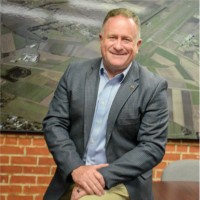
President & CEO
Results driven professional with over 20 years of executive level experience in economic development, business development and investor recruitment, organizational management, governmental relations, marketing and branding, team building, and corporate finance. Focused on driving success through creativity, innovation, and strategic relationships.