Amazon Music
 Apple Podcasts
 iHeartRadio
 Spotify
 YouTube
 RSS Feed
 Podcast Addict
 Podchaser
 Deezer
 Goodpods
 PlayerFM
 Castro
 Castbox
 The Lone Survivor of a Plane Crash — and the Lessons That Followed with Wade Berzas

Wade Berzas on surviving a plane crash and rebuilding around EOS — the four pillars he now teaches entrepreneurs: Faith, Perseverance, Surrender, and Love.
Key Takeaways
- Wade Berzas was the lone survivor of a 2019 plane crash that killed five people.
- He rebuilt his life around four pillars: Faith, Perseverance, Surrender, and Love.
- EOS transformed the $40M IT company where he was VP of Sales.
- He now helps leadership teams of 10–250-employee companies scale without burning out and build companies that run without them.
He was the only survivor of a plane crash that killed five people — burned on 80% of his body, pulled from a coma, and given little chance of a full recovery. What Wade Berzas discovered in that hospital room became the foundation for everything he now teaches entrepreneurs.
Wade Berzas is an EOS Implementer, business coach, and speaker who works with privately held entrepreneurial companies of 10 to 250 employees. After a decade as VP of Sales at Global Data Systems — a $40M IT company — and surviving a catastrophic 2019 plane crash that took the lives of his closest colleagues, Wade rebuilt his life around four pillars: Faith, Perseverance, Surrender, and Love. Today he helps leadership teams scale without burning out, build companies that run without them, and create the kind of culture that survives anything. In this episode, Wade shares raw, unfiltered lessons from the crash, the coma, and the comeback — and how those experiences directly shaped his approach to EOS, sales, leadership, and life.
🎯 What We Cover:
- How Wade's entrepreneur father shaped his work ethic from age 5
- Selling at 15 — and falling in love with the art and science of connection
- What EOS is and how it transformed a $40M IT company
- The 2019 plane crash — and what happened to the company while Wade was in a coma
- The four pillars of a life fully alive: Faith, Perseverance, Surrender, and Love
- Why vision boards matter — and the Superman story that stopped him cold
- How ego and fear are the #1 inhibitors holding business owners back
- The sales mindset shift that changes everything: stop selling, start connecting
- Why entrepreneurs must surrender control to actually grow
- What Wade tells the companies he coaches: 10 to 250 employees, call him
Topics: EOS implementer for entrepreneurs, Entrepreneurial Operating System for SMBs, building a business that runs without you, scaling leadership without burning out, faith-driven business coaching, sales mindset for owners, selling your business podcast
🤝 Connect with Wade Berzas: 🌐 https://www.linkedin.com/in/wade-berzas/
💼 Thinking About a Transaction? FA Mergers helps founders, investors, and business owners navigate the full M&A process — from valuation to close. If you're exploring a sale, acquisition, or capital raise, let's talk. 🔗 https://www.famergers.com/
🎙️ Follow The Deal Podcast: 🌐 https://www.thedealpodcast.com/
💼 Josh: https://www.linkedin.com/in/joshuabrucewilson/
💼 Scott: https://www.linkedin.com/in/escottshea/
▶️ https://www.youtube.com/@dealpodcast
DISCLAIMER The Deal Podcast is for informational and educational purposes only. Nothing discussed constitutes investment advice, a solicitation, or a recommendation to buy or sell any security. Always consult a licensed professional before making financial or investment decisions.
Disclaimer: Joshua Wilson is a licensed Florida real estate broker and holds FINRA Series 79 and Series 63 licensure. The Deal Podcast is presented by FA Mergers and is produced for informational and educational purposes only. Nothing discussed constitutes investment advice, legal or tax advice, a solicitation, or a recommendation to buy or sell any security or to pursue or avoid any transaction. All views and opinions expressed by the hosts, co-hosts, and guests are their own and do not necessarily reflect the positions of FA Mergers, One Iron Network LLC, any regulatory agency, or any employer. Listeners should consult their own legal, financial, and tax professionals before making any business, financial, or transaction decision. This podcast does not constitute a solicitation or recommendation for any financial products or services.
Frequently Asked Questions
What happened to Wade Berzas?
Wade Berzas was the only survivor of a 2019 plane crash that killed five people, including his closest colleagues. He was burned on 80% of his body and pulled from a coma, and he rebuilt his life around four pillars: Faith, Perseverance, Surrender, and Love.
What is EOS and how does it help companies scale?
EOS (the Entrepreneurial Operating System) is the framework Berzas saw transform a $40M IT company, Global Data Systems, and that he now implements with privately held companies of 10 to 250 employees.
Who is Wade Berzas?
Wade Berzas is an EOS Implementer, business coach, and speaker, and the former VP of Sales at Global Data Systems.
00:00 - Ch 1 — Welcome & Introducing Wade Berzas
01:00 - Ch 2 — Growing Up Entrepreneurial in Rural Louisiana
03:01 - Ch 3 — Selling at 15 & Falling in Love With Sales
04:09 - Ch 4 — Global Data Systems & Discovering EOS
08:04 - Ch 5 — The Four Foundations: Starting With Faith
09:51 - Ch 6 — Faith Untested Can't Be Trusted
13:02 - Ch 7 — Sales Is Just Dating: The Connection Mindset
16:31 - Ch 8 — The 2019 Plane Crash — The Only Survivor
19:00 - Ch 9 — Waking From a Coma & the Road Back
27:26 - Ch 10 — EOS: Vision, Traction & Healthy
28:41 - Ch 11 — The Four Pillars: Perseverance, Surrender & Love
43:14 - Ch 12 — What Wade Does & Who He Works With
Ch 1 — Welcome & Introducing Wade Berzas
SPEAKER_02
Good day, everybody. Welcome to the Deal Podcast. The mission and purpose of this show is to inspire future entrepreneurs and future deal makers. Right? That's why we do it. We love doing this. We love having conversations with other deal makers. And at the end of the day, we want to help people sell businesses. So, heck, if you've got a middle market business that you want to sell, hit us up. Let's chat. Now let's dive into today's podcast, the deal podcast, miss Mr. Wade. Wade, welcome to the show, man. Hey, how you doing, guys? Good to be here. Yeah, freaking awesome. So if you're just listening in, you're gonna hear three voices. I'm Josh. Across from me is Wade. And to my right is Scott. Scott, say hello to everyone. Hello, everyone. Yeah. Great voice, Scott. You've got a voice for radio.
SPEAKER_03
Face for it too.
SPEAKER_02
Face for radio. Well, cool. Well, Wade, who the heck are you, man? Who are you? What do you do?
Ch 2 — Growing Up Entrepreneurial in Rural Louisiana
SPEAKER_03
That's a great question. I'm 43 years old. I think I'm still trying to answer that one on a daily basis. Um, I guess I'll I'll tell you a little bit of my backstory uh where I come from. I think I think where we come from really establishes uh who we are anyway. So um I like to tell people, first of all, I'm nobody special. My story is like everybody's story, right? Grew up in a very small town in Louisiana. Um, mom and dad uh who loved the heck out of me. Um divorced young though, right? So had a little bit of a challenge growing up there. But the greatest privilege that I ever had is I had a had a dad who really cared about me, right? He's a super flawed uh human being like we all are, right? He's he had his challenges. Um, but he truly believed in hard work and he truly loved his kids. Like, and and so he would go out of his way to make sure that that we felt the love that he had, and also that we knew that like can't in the dictionary, like you're gonna get after it, right? So he was super tough, uh super hard. But he was also an entrepreneur, and so in a small town of Mammu, Louisiana, it's about 3,000 people. And if your dad has a farm or a business, you already have your first job because you're baked in. So at five years old, I got my first job. I was picking up trash on a construction site for a dollar an hour.
SPEAKER_02
Nice.
Ch 3 — Selling at 15 & Falling in Love With Sales
Ch 4 — Global Data Systems & Discovering EOS
SPEAKER_03
And I still remember the the first time that I got a hundred dollars. Like I just worked all summer and I saved up a hundred dollars between birthdays, Christmas, and a dollar an hour. And I went to a sporting goods store and I got an LSU baseball uniform custom made with my name on it for like 60 bucks. Like I thought I was on top of it. That's a that's an aside though. Um, but anyway, that was my first job. Um by the time I was 13, I was uh running an installation crew for my dad. And I thought that was really cool. But you also really learn how to manage people at 13 whenever the people that you're managing are your ride home because I couldn't I couldn't drive them home. And so you got you gotta learn the delicate art of holding somebody accountable without without going too far. Um, but Josh, my whole career and life really kind of started to take shape. Um silly as it sounds at 15. My dad walked in one day and he says, Hey, um, I got three sales appointments I can't make today. Congratulations. You're in sales. And the training didn't last much longer than that. And uh he sends me out and I go on these three sales appointments, and I close the first one, and I'll never forget that feeling. Like I walk out of these people's house, and it was just like a carport. They were gonna park their cars under it. But for me, it was like something that they truly desired, something they really wanted, and I'll never forget the rush that I felt. Like I beat competitors who were trying to get their work. I gained these people's trust and it helped them get something that they wanted, and I absolutely fell in love with that feeling. Now, obviously, I was 15, you know, I had to go finish school and I went off to college and stuff. And then, but eventually I just I fell in love with the art and science of sales, like with helping to understand people. It wasn't that I wanted to make a deal necessarily, it was that I wanted to understand people and help them get where they wanted to go. And so that propelled into my career, and I went and I worked for like some big Fortune 100 companies. Uh, and and I I'm not a corporate America guy. Like it sometimes it just doesn't have to make sense there. I like stuff that makes sense, black and white. And so I was blessed. I got a chance to come back to Lafayette, Louisiana, and work for a company called Global Data Systems. They were about a$40 million IT company. Um, became their VP of sales uh and started to help to turn that company around. We got there, it was a great company, it was doing well. Um, but while I was there, uh I got we started to experience what we call hitting the ceiling today, but like it was a grind. Like we would everything that we did felt like it was the first time we ever did it. About 150 employees, it felt like 15 of us did all the work. It wasn't we were doing all the work, it's just we knew where all the answers were, right? And so all the stuff kept coming back through us. And so then we got introduced to EOS uh and turned that company around in three years and and and shifted it. So that's kind of how my my life and career began. You know, my my personal life is uh really the most important thing for me. Um, is I'm a husband and a father to six amazing kids. I got you know the oldest is 23 and the youngest is 12, three boys, three girls. You know, it's the Brady Bunch all over. But uh man, we we love life. Uh the super passionate about coaching. I coach every chance I get. Like I coach baseball, I coach football, and I coach businesses every day. Uh and so that's that's my backstory. Yeah, man.
SPEAKER_02
Um, as you're going through, you've got this gosh, I wish I remembered how to say it. It was a uh French word. It's like the joy of life, viol de la vie. Joie de vie. I wasn't even freaking close. That's what I get for trying to be smart on the fly. Just totally bomb that one. You seem to have that.
SPEAKER_03
Why? Oh, that's a that's a good, that's a deep question. I'm gonna give you the the short uh and sharpest answer. Cool, right? Um I and it wasn't always this way. I've been through a lot of challenges in life. Um, but through challenge, I don't think anything's wasted in the kingdom of God. Um, through those challenges, it prepared me to understand who I really am, right? And so my identity is tied to a son of God. And and I know that a man died on a cross for me and saved my life. Um and so because of that, that has infused uh an eternal joy that I have. It's not permanent, it's not every day, right? Like I go through ups and downs just like everybody else. But at its root, it's easy to be happy whenever when you know that that's your identity is already taken care of, right? And all the roles don't affect that. Now, to take that a step further, like I'm from from a from Mambu, Louisiana, dude. We know how to have a good time. Like joy, joy is is a is a daily part of life. We can figure out how to have a good time in anything we do. And and look, like as a reflect on it, I think you know, going through being in a divorced childhood, uh, having a dad who was tough spending a lot of time at home while he's off working, like I just figured out how to have a good time wherever I was. Like, I just don't think life is worth being miserable over. There's just it's not worth it. There's a lot of great things that we have around us every day that's worth having a good time doing.
SPEAKER_02
Yeah, man. Our identity is already taken care of. That's confidence. You have confidence in in that. I think we're just gonna, you know, go down this path of talking about the kingdom. Nothing's wasted in the kingdom. This is your belief systems. I believe that our belief systems dictate how we think, right? And our mindset, and our mindsets dictate our actions, and our actions create results. So if you're having bad results, you could kind of go back to belief systems. You have a belief system that's rooted in that and you truly believe it, right? Was that always the case for you? Or was there a moment in time where that has become cemented for you?
Ch 5 — The Four Foundations: Starting With Faith
SPEAKER_03
Oh, absolutely not. And it's it's it's interesting that you bring this up because when I go out and I give talks, I often talk about the the four foundations of of a life truly alive, being being truly on fire. And and the first foundation is faith, right? And I'm gonna talk to you about what I mean by faith. It's not just the faith uh in God, which I do have, um, and and I want, and I encourage anybody, like I want everybody to feel it too. You don't have to. It's not the only thing I'm talking about. What I've observed over time in my life is that the power of the mind, the power of belief, is one of the greatest superpowers that we have as human beings. Um, whether it's Skip Bertman talking about, you know, when he was the coach at LSU, if you ardently believe in something and you truly desire it and you put it in the work, it's it's inevitable to come true. Um, those types of things. What I've seen is that the the teams, the individuals, the businesses who have something that they truly believe in are more likely to get it to get it done because their actions support those beliefs, right? And so um often tell people, you know, to what degree should we believe in the things that we say we believe in? It's to the same degree that we believe we should wear pants in public.
SPEAKER_02
Scott, take note of that, please.
SPEAKER_03
Yes, please. Please.
SPEAKER_02
Thank you.
Ch 6 — Faith Untested Can't Be Trusted
SPEAKER_03
But I know that everybody except Scott believes that you should wear pants in public because nobody walks around their underwear, right? Our actions support our belief that we should wear pants in public. And so for me in my life, it is gone through hardships, you know. I got married young and divorced young. Um, I lost, I lost a son, what would have been my first ever son, 16 weeks uh into my wife's pregnancy. And I didn't I didn't have that foundation of belief. I went into a very dark place for a very long time. Um and cost me, cost me my my my my marriage, put me in financially in a bind, um, and also just made me a not very happy person, right? Um and so when those beliefs get tested, that's whenever they get solidified, though, right? So I recently heard somebody say the word faith untested can't be trusted. And it struck me to my core, right? So when I look back at my life, um parents divorce at a young age, lose the child, lose the marriage, go to go go into a dark place, um, have get remarried, have a kid who gets sick, like all these things that happened in life so that I would be prepared for some of the hardest things that you could ever imagine in life, right? My faith was tested, so now it can be trusted. And so to answer your question, no, I I wasn't always that joyful, and I wasn't always that confident in my belief, but it was through the trials of life and persevering through those that that belief became solidified.
SPEAKER_02
Faith that can't faith untested can't be trusted by who? By whom my mentor would correct me. Right?
SPEAKER_03
Tested by whom or trusted by whom?
SPEAKER_02
Either or.
SPEAKER_03
So everything's gonna test you every day. So think about it this way when we're learning a skill, right? We're learning a new skill, we get out there, and if it's something we've never done before, we have hope. We hope we can be good at it. But do we truly know that we're gonna be good at it? No. No, we're just hoping at that point. But it's not until until we go out, we test this skill and we fail at it, and then we do it again. Think about shooting a bow and arrow, right? Yeah, you gotta miss, like when you start shooting a bow, you're literally gonna miss the entire, not you're missing the bullseye, you're missing the entire target. Right? And and because you're hoping to hit it. But a master archer is gonna draw that bow back knowing that he's gonna hit the bullseye because he has been tested enough. He has been tested in different conditions under different scenarios, different distances to know that he's gonna hit that target. And so when I say that faith untested can't be trusted, it just ties back into that whether when we're talking about the things that we believe in in life or in business, until we go out there and we try different stuff and we fail at them, and then we figure out how to overcome those failures, you can't really trust yourself. And if you can't trust yourself, if you don't have confidence in yourself to get it done, nobody else is gonna have confidence in you either.
SPEAKER_02
So that's a great point when it comes to let's talk about sales. You like talking about sales, you're passionate about talking about sales, and then we're gonna go over the other three foundations. I know people are like they started writing their notes and they're like, wait a second, you know, that's one of them, and Josh, you're doing a bad job. We'll get back to you guys on the other three foundational points, okay? But when it comes to trusting in yourself and that confidence, how big of a part does that play in sales, in persuasion, and you know, in in helping people make a decision?
SPEAKER_03
So uh one of the greatest ways that we can get people to trust us is to trust them, right? And to trust ourselves. And so oftentimes whenever people struggle in sales, for example, one of the reasons they're struggling is because they're caught up with this idea that it's it's this this thing that they have to go do. Right? And what is uh what has been baked into our our society as a belief of sales, it's this negative thing.
SPEAKER_02
Usually our salesmen always be closing, all that stuff, right?
SPEAKER_03
But let me ask you something. Who hates dating? We all like dating. Dating is just sales, right? If nobody dated, then we would cease to exist as a society, right? But what's different about dating and courtship than sales from a mentality perspective is we view dating and courtship as just building a relationship, getting to know someone, making connections. And out of those connections, sometimes you're gonna make friends, sometimes you're gonna find people that you don't want to have anything to do with, but one time, right, you're gonna find your soulmate, a person that you just everything clicks with and it all aligns perfectly, and that you can go out and and you know spend the rest of your life with. Sales is the same way, it's just building connections and networking and and and generating these connections with other human beings who may or may not need you, who you may or may not be able to help, who may or may not have the money for it, right? But you don't know until you go generate those connections. So to get back to the to the root of the point, we lose confidence as salespeople whenever we believe that the other person doesn't need us, we believe that there's a pressure that we have to get something done beyond creating a connection in the conversation. But when we the really good ones, when we really spend time just building connection, that's that's where you find the best sales relationships. That's when you find the best salespeople because all you're doing is talking to people.
SPEAKER_02
That's cool. When we we uh lose the faith that they need us, that they have a problem that we could solve, or that I am the one to do it. That that's the value exchange there.
SPEAKER_03
Yeah, and here's look, there's another part to that, right? Um one of my best friends, uh uh his name was Von Crisp. He was a a friend, a mentor, a coach to me, and unfortunately I lost him uh in an accident that we were in together. Um he used to always say, I love for my salespeople to have heavy mortgages.
unknown
Right?
Ch 8 — The 2019 Plane Crash — The Only Survivor
SPEAKER_03
They're hungry. They're hungry, right? They gotta go out and get it. Um, I never wanted my salespeople to have have mortgages, right? I'm I'm a big financial freedom guy. But nobody could work for me unless they could prove to me that they were working for something bigger than themselves. And so in the interview process, I would have anybody who wanted to come work for me create a vision board with pictures or a contract for themselves, right? But they had to have goals, they had to have something that they were working towards that was bigger than I want to make six figures this year or whatever, right? Um, it needed to be something that they were truly working towards that I could truly help them to get to. Because confidence comes from that too. Whenever you have something that you believe in so deeply that you can actually see it in your mind and you're already working towards it, that's gonna drive your behavior. You're you're you're not willing to step back from it. Like I'm gonna tell you a quick story, a quick side note. Um, one of the significant turning points in my life happened in December of 2019. And it's really where those four pillars came from, um, is in the reflection of that. So in December of 2019, uh I was on a on an airplane going watch an LSU football game that crashed in Lafayette, Louisiana, and I was the only survivor of that plane crash. Um, and so from that, I was I came out of that in a coma. I was burned on 80% of my body. They didn't think I was gonna live. Then they didn't think I was gonna make a full recovery, and they, you know, look, the the person the the the outlook was was slim. It didn't look good. Um and miraculously I survived it, right? But in in reflecting back, you know, I mentioned earlier, nothing is wasted in the kingdom of God. Nobody spent, sat me down at not one second, and said, wait, let me tell you something. I'm gonna prepare you to fall from the sky at 200 miles an hour from over a thousand feet and catch on fire. Like nobody ever said that. But I had great football coaches who taught me the power of belief. I had a guy like Vaughn who taught me the power of being able to connect with people. I had another great mentor of my name, Carl Scheibel, who's past, who taught me how to how to visualize where we wanted to go. Right? So in that moment where the Grim Reaper's literally breathing down my neck, and I'm strapped to a seat in the middle of a field on fire. I had a vision of my vision board. I saw my family on that vision board, and I knew what I was fighting for. I knew why I was getting out of that seat. I didn't have to second guess it. Because if you wait until the grim reaper's breathing down your neck to figure out what you're working for, what you're living for, it's too late. And so that's why it was so important to me for my salespeople. I didn't know it at the time. But I wanted my salespeople to know when that call hesitancy hit them, when that resistance pushed back on them. They knew why they were gonna keep going. And it was because of those things that they wrote on the board, not because of the paycheck that they were gonna get at the end of the month.
Ch 9 — Waking From a Coma & the Road Back
SPEAKER_00
So you went through an experience that obviously you can never prepare for. Um and to me, it's kind of like I don't want to take a disease like cancer. Nobody ever thinks they'll get cancer, right? Until they get it. But you also live through it. How does how does that totally change your perspectives on everything? And how did that lead you to what you're doing now with the EOS?
SPEAKER_03
Yeah, so first, like, no who's truly prepared for life? Think about it. Like we're ripped from the comfort of our mother's womb into a bright white LED-lit, you know, delivery room and a doctor's on top of it's like it's chaos. Who's prepared for that? You know, we can we can try to teach our children and prepare ourselves in all of the ways that we can, but we can't actually truly be prepared for anything. Um and so that's where it it just really boils down to, you know, nothing is wasted in the kingdom of God. Everything that we do is preparation as we go through. Um, and so for me, all those other people prepared me to go through that tragedy. And then through that tragedy, well, where we lost on that that single plane, um, three-fifths of our leadership team vanished overnight. Um, so I was in a coma. Our operations leader passed away, his name that was Vaughn. And then our visionary lost his wife and only son on the plane, and so he was obviously not fully engaged in the business for a minute there, too. Um, rightfully so. And so I saw that company thrive through that. Um, and they the team came together and everybody knew what needed to be done, they knew where everything was, and they knocked out quarter after quarter, and then this is 2019, early 2020. So COVID hits, and they knocked out quarter after quarter after quarter. Um, and then there was another regulatory thing. The point being, you asked how did it kind of guide and shape what I did. First of all, being blessed to be able to be a part of that company and see what we what we built pre-19 and what we were preparing for in 2020 is a blessing that I'll I'll I'll never like that's invaluable wisdom and experience I gained there, and the people were were amazing. And then going through that and then seeing how that company recovered was really what what kind of turned me to become an EOS implementer today, right? Um and it was actually my wife, she's the one that kept telling me, Hey, you should you ever thought about going to do EOS? I was like, Oh, that would never work. But one day I'm sitting there and I'm I'm reflecting on things, and it was I felt like you know, I'd been in that company for 10 years, and I felt like it was time for a change. And I reflected on what we built. And what we built was a company that was um at that time bomb proof, essentially, right? We went through a tragedy that most companies would have would would have tanked most companies. And they didn't just survive it, they thrived through it. And I wanted to show other people how to do that. Um And if you if you tie that in with my passion for coaching, and and you know, my my core focus, my mission in life is to help other people become their best, right? And so it's the thing that gives me energy every day. I love coaching people. And so if I can combine the wisdom and experience with a great system like a US and my passion for coaching and go help help other companies figure out, hopefully they never go through what we did. Like I don't want anybody to ever go through what we did. But everybody's gonna have stuff, right? Everybody's gonna have challenges. Um, everybody's gonna have tragedies in their in their business and their personal lives. There's gonna be there are gonna be booms and recessions. And so if I could help more companies go figure out how to run great businesses that are that are uh resistance proof, then then that just kind of fuels my passion. And I think the more that I've been in it, I I think it's the thing that I've been being prepared for my entire life, right?
SPEAKER_00
You've mentioned a lot about mindset and belief. So obviously there's a moment where you in a coma, you wake up and like tragedy has struck you. Yeah, you see that a lot in life, obviously not not that extreme, but people go down maybe a dark path where it never comes out, but then you see a lot where like they use it as fuel and inspiration to go do great things. Like, was there a pivotal moment? Is that just in your nature to bounce back? Like, how did that play out?
SPEAKER_03
Yeah, um, a couple things. First, I think I'm I'm a I'm a I'm a fighter by nature. Um I I don't like to do anything easily. Uh I prefer the the hard road in general. I'm also um I'm also super competitive, um, and almost look like it at it like a competition. And these are all the the minor reasons, right? Right. Um, the big reason was that picture that I told you about for my vision board. I I wanted to recover, and I wanted to recover well for my family. Like I wanted my kids to know that not only did dad live, but dad lived and and he fought his butt off um to show us that man, we could do anything. Um when it comes from a mindset standpoint, though, this is gonna sound silly. It because it this is such an insignificant moment in a man's life. But it really goes back to my high school football days, right? Like we were terrible for three years in high school. Um and then my senior year at a school that wasn't traditionally good, we got really good and we went undefeated that year. And I'll never forget there was this moment where I realized, it was probably about halfway through the season, um, that I realized that the difference between our junior year and our senior year is that we never believed we were gonna lose a game my senior year. It was just there was no score that was that was insurmountable. And and I saw what that belief did for our team, right? And always believed that there was this moment in sports, because I'd seen it happen to us so much, where the team that's supposed to win, when something bad happens to the team that's not supposed to win, you know, the underdog says, Oh, here they come. We all knew this moment was gonna happen. Now we're done. And but the the you know, the top dog looks at it and says, Ha, we got them now, right? And I and I'd seen that play out so many times. So that was kind of like the foundational level of this understanding that man, mindset's gonna make a huge difference. And like throughout my life, there have been reminders and great mentors and coaches, and I mentioned them all already, who've just reinforced that. Um, and so in that hospital room, once I woke up, I couldn't tell you like when the moment happened. I just I just knew that there were a few things that I needed to make sure of. I needed to make sure that every doctor and nurse knew that I was not giving up. Um, and I wanted them to enjoy coming into that room every day, right? So I was gonna try to be the hap, hap, happiest daggum burned victim they'd ever seen in their life. Uh funny enough, I didn't let them call me a victim. Um I was a burned survivor. They were not allowed to say I was a victim. Um, I was gonna smile to whatever degree I could. Uh I was gonna work as hard as I could for them. I wasn't gonna complain as much as I could. Um, and I also wanted to make sure that like as I started to get more aware of what was going on, like I wanted to beat the reps, like whatever they gave me, I wanted to beat it, right? It became a competition. But I also knew this, and and I'll you know this is a long answer, but I'll make it short. I knew that I had to protect my mentality, my mindset. Um, and so I did things like I didn't look in mirrors. Um, I didn't want to see myself because I was afraid that I was gonna be um I wasn't gonna like what I saw, and it was gonna kill my my psyche. Now, one day I accidentally saw myself in a mirror. I was like, hey man, that's not so bad. Like I was uglier before.
SPEAKER_00
A lot of similarities that's drawed to EOS though, like building habits and what you tell yourself and setting goals and yeah, and it's you know foreshadowing.
Ch 10 — EOS: Vision, Traction & Healthy
Ch 11 — The Four Pillars: Perseverance, Surrender & Love
SPEAKER_03
Oh, it is. Uh I had this moment listening to Geno Wickman talk about EOS. And man, if you ever get a chance to see or hear Geno Wickman, he may not be a name that you like resonate with that resonates with you, but you watch that dude talk about anything he's passionate about, and and and I dare you to walk out of there not passionate about it. But anyway, he was talking about EOS one day. I'm sorry, and and he mentioned how uh you know EOS focuses on vision, traction, and healthy. Those are the three things that we deliver to every business that we work with. All right, vision is getting the leadership team on the same page and aligned with where they're going and how they're gonna get there. And traction is the accountability and discipline to do the little things on a day-to-day basis that move you closer to where you want to go. And healthy is just this fun-loving team, open, honest, and vulnerable together. And as he's having, as he's giving this talk, like I broke down in tears at this conference because I realized at the time there were three pillars that I had zeroed in on. Um, and they were perfectly aligned, right? So, faith, as I described, faith is the belief 100% in things that aren't there, right? Faith is this belief in where you're going and how you're gonna get there. Faith and vision are the same thing, right? And so in our lives, personal lives and in our businesses, to the degree that we can get ourselves and those people around us to believe in the things that we believe, and we can get our actions to support that, we're gonna get where we're gonna. You're just more likely to get there. People will not let you fail when they see what you see and they want to help you get there. And that's what we do with our our clients. We help those owners, those entrepreneurs get their vision and their plan out of their head into their people's heads. So it's shared. From there, you get to traction, accountability, and discipline. And that's the second pillar in living a life fully alive. And I call it perseverance. See, most people think perseverance is this big dramatic thing, you know, explosions and fireworks, and you know, they think the lone survivor movie. That's absolutely perseverance, don't get me wrong. Um, but most of the time, perseverance happens around us all day, every day, and it's invisible to the naked eye. Because all perseverance really is, is taking that next small step towards where you need to go. Even when there's resistance, even when everything's pushing against you, it's just one more step towards where you want to go. And you could think of countless examples in our personal lives. The problem is in our personal lives and in our business lives, what happens when we face adversity? We give up. You know, more than half of our marriages fail in this country because we give up. You know, more than I think 70% of small businesses fail. Whether they give up or not, I don't know. But it might just be because they don't know what the next small step is or how to take it. So when we build that accountability and discipline into ourselves and into our organizations, we're constantly just taking the next small step, weekly, daily, quarterly, that gets us where we want to go. And then the real revelation was when I started thinking about healthy, right? So my third pillar is you have to have the ability to surrender. And what is surrender? Surrender is fully letting go. Because you can do everything right and you don't control any of the results. Right? You might do everything right and it still doesn't work. And so you got to be able to surrender to the results. But furthermore, think about this from a from a team standpoint, a business standpoint, our marriages, we've got to be able to surrender to the other person. We've got to surrender to our teams, and that requires vulnerability, that requires really deep trust. And when you're willing to truly trust somebody else with your livelihood, with your life, with your business, that builds a bond that you're willing to go through things that normal people aren't willing to go through together. And so, you know, in my life, you asked about the joy earlier. There's there's nothing the world hates more than a man who's not afraid to die. Right? Because how you gonna get me? If I'm not afraid to die, it's the worst possible thing to happen to me on earth, I guess. Maybe losing a child would be worse. Been there though, right? So if a man's not afraid to die, what can you hold over my head? That's where the true joy comes from. I've surrendered my life already. Like I already know, like I will die. It's 100% guaranteed I will die. And so I trust fully in God. And when you see really good teams, they trust fully in one another. And in the best teams that I work with, that vulnerability and that trust is so deep. I mean, they they duke it out, they grind it out, but the best ideas come to the forefront because they're willing to do that. And and so that's when that happened, when I realized that faith, perseverance, and surrender, and vision, traction, and healthy were essentially the same things. That's whenever it really hit hits my core. I was like, oh, no, no, no. This is this is what I was hardwired to do. Um, and then and that was probably like a year and a half in too. I was like, oh no, this is this is the good stuff.
SPEAKER_02
We got one more, man. You gave me three pillars, or did I miss one?
SPEAKER_03
I just gave you three.
SPEAKER_02
Okay, cool. Man, I was like, oh my gosh, am I am I even a good note taker? So what's the fourth one?
SPEAKER_03
All right, so the fourth pillar, and I'm gonna tell there's a backstory to this one. Um I gave that talk, and I don't give that talk anymore. Um, it's gotten to the point where um it's just a little bit too difficult. Uh I gave I gave that talk for years, and every time I gave the talk, it felt incomplete. And the interesting thing was that my life felt incomplete as well. Um, because I had faith, and and I was I was persevering, I was doing all the work. Um, I had surrendered my life. I wasn't afraid to die. I I knew that I wasn't in control. I was leaning on on uh attitude and effort and not and on the process and not on what the results were. I truly surrendered it. I was still miserable. And so my wife and I are sitting in a hotel pool at a hotel pool in Houston, and I'm getting ready to give a talk to a group of men. It's a men's retreat. Um, and so you've got people from all walks of life, you've got business leaders, entrepreneurs, and these are the guys who lead the retreat, right? These are the leaders of men, literally. I'm getting ready to give a talk, and I'm I'm just going through my my preparation routine, and all of a sudden it hits me like a ton of bricks, and I tell my wife, we gotta get up and go. She's like, What? I said, I need a notebook. And I take off running to the front of the hotel, and I grab a little notebook, and we go back to the hotel room and like dig through all the drawers, and and I start taking notes. I grab a Bible and I'm like just looking stuff up randomly. And it was in this moment that I realized, and what I was doing is I went through my favorite Bible verses first, and then I started thinking through everything that had ever happened, and I started to discover that most of my favorite verses and most of the stories that I like to tell were tied to perseverance, right? It's this warrior mentality, this toughness, this the battle of life. And oftentimes when we get stuck just living with within the battle of life, um we miss the purpose of life. And so the fourth pillar, I think, is really the root, it really ties it all together, and it's love. And what I realized in that moment was that faith, perseverance, and surrender are no good if not for love. Right? And and so, you know, to tie back to EOS, you know what man always talks about, you gotta put the love in it, right? And and so when we think about life, if we truly believe in these things and we truly work towards them and we're we're grinding it out and we're doing it all, but we don't remember that we were created by, for, with, and in love, like for the sole purpose of being loved and for loving other people, like what's it worth, right? So if we're out there, let's just like I'm gonna take the step back for maybe there's somebody who doesn't share my belief system, right? Like, what if we're going through life and we're achieving all of these things and we're we're stacking all of this wealth and we've built this great business and we're closing all these deals, but we don't take any time to number one, acknowledge the fact that we are actually loved and that we are worth it and that we are worthy, right? How miserable is that? We just and you see that everywhere in business. Like I got a lot of people who think the only way that they can validate themselves and justify themselves is how many zeros they put in their bank account, right? And they they lose the fact that they've already won. They're already worth it. And then furthermore, if we do all this stuff and we don't do it for the love of other people, if we're not helping other people along the way, right? And I'm not suggesting that we should we should give away all of our money, like, no, there that's not true. Like, don't mishear me there. Like God created society in such a way that there has to be people who generate wealth so that we can have an economy and so that everybody else can can move up. Like that has to happen. Not everybody was was designed to be in poverty. That's the medieval ages, it's the dark ages, right? That's not what we want. So we are called to it's okay to generate wealth for ourselves, but if we're doing it at the expense of others, without love, without the benefit of others, that's just not a very fulfilling way to live a life. And so it's really those two things, right? When you realize that number one, I was created to to spread love, to be the visible, the visible representation of the invisible hand of God. And number two, that we are already good enough. We are already worthy. Nothing's gonna happen in business and life or anything else that we can do that could possibly justify our existence. Right? It's already enough, right? And when you do that, it's freeing. You can just go to work and do awesome, cool stuff every day.
SPEAKER_02
Man, I'm gonna take a big risk here. I'm thinking in my head, should I do it? I'm doing it. Um Man, Wade, powerful story. Um, and I'm so nervous about doing this, but I think I gotta do this. All right, so nothing's wasted in the kingdom of God. You had this vision, you fought, you fought for life, fought for family, fought for those things. I get it. I share similar uh beliefs and and drive. Um, but also on that plane, there were four or so people who didn't make it, right? And we, you know, what about the tragedies of them and their family, like who maybe believed just as much. Yeah. And, you know, that kind of message going out to the world of like, how does God allow pain to happen? You made it, they didn't.
SPEAKER_03
Yeah. So there were five. Um, and there were five amazing, amazing, beautiful souls. And I want to make sure that everybody is crystal clear on this. I didn't make it because I'm better than them. Like, not at all. Um, I spent a lot of time trying to understand it and justify it. Uh, and it is a risky question, I'm glad you asked it. Um, because I sat there in my uh in my office for months trying to understand why. And I felt this huge burden. Like if I lived here, then that must mean that I have to go do something amazing to justify leaving me here. Um I've grown to look at death differently over time, right? Um, I can't wait. I can't wait to go. Um, and it's not like I'm I'm not suicidal like nobody. Don't send an ambulance, there's no health checks needed. I believe that I was the sixth greatest miracle that day. Um, and my miracle was huge. Um, and there are people who look at me being here and and they can't imagine any other way than the hand of God to keep me here. But my beliefs are that five people had uh the opportunity, and I pray and I'm I'm sad every day for the loss of them and for what their families had to go through, but there are five people that had the opportunity to look at the face of God that day. Um and I'm prayerful that they all got the chance to do that, and so it's funny. My buddy Vaughn had this really unique way of making me feel like I won, and then later I would realize, oh, you got one over on me. And so he was the vice president of sales before I was. And so when we started running on EOS, you know, he and I talked. He's like, Yeah, I'm gonna go take over operations. You run the sales team. Like six months later, I was like, dang it, that dude got me. Like, he's he's got the better job. And I had that same revelation about six months after the crash. I'm sitting there and I'm like, dang it, I've been sad for this dude all this time. And I'm still stuck here, right? He got me again. And so do I wish they were all here? Yeah, like no doubt. I miss them, miss him dearly. So I don't want anybody to miss here. That I'm not I'm not downplaying the grief that comes with losing someone you love, um, because it is terrible for us. But for the people who go, if we believe what we truly believe, um, it's an amazing opportunity to fulfill what they were created for. And so that's the way that I I deal with it on a day-to-day basis. Um, and I you know, I guess I'm a gambling man. I hope I'm right. Um, but that's a gamble I'm willing to take.
SPEAKER_00
What would you be doing today if that event never happened to me?
SPEAKER_03
Oh, who knows? Who knows? I hope I would be doing this. Um because I I think I was hardwired to do it. Uh, but nobody knows.
SPEAKER_02
Yeah. So uh as we're as we're going through this conversation, um I love the story, the backstory of deal makers, because it shapes us and how we do deals and how we show up. And I think a lot of people, you know, might see show up with this, say the French word again. Joie de vie. You got it. You know, show up with that kind of you know, spirit, and they're going, man, cool, that's how you operate, that's great. But if they don't have the context to what you've gone through, or maybe the the newfound purpose in changing the health of other people so that they too can live out their purpose and their mission, business as mission, but do it in a way that's healthy. Do it in a way that's full of love. And maybe, maybe they don't have to grind over the years and you know, suffer and suffer and suffer. Maybe there's some better times and bringing in the right people. Um, so super grateful for hearing the backstory. For for people listening in, you know, this is a show a lot about deals, deal makers, and their stories that got them there. So talk to us moving forward. What kind of things do you do for businesses? What kind of businesses do you work with? You know, what's your what's your jam?
SPEAKER_03
Yeah, so you mentioned the word you used really resonated with me that we grind it out in business.
SPEAKER_01
Yeah.
SPEAKER_03
And so I think back to my dad. Do you remember those like ink dot ink dot printers, and the like the tear paper on the side? Matrix printers. Yeah, exactly. Exactly. The matrix printers. Yeah. Those were the uh those were my alarm clock as a kid. Right. Because dad would be running those things about 3 34 in the morning. And you know, often I learned how to cook when I was about 12 years old because dad wouldn't be home in time for supper. Um, and he he was the personification of grind it out. And what I realized um when I became familiar with EOS is that it doesn't have to be that way. Like there are you can grow a great entrepreneurial company. That doesn't control you. And so the companies that I work with, man, they're they're you know privately held entrepreneurial companies, 10 to 250 people. Right? So that real sweet smot, sweet spot. And I really like working with people who are driven to become better. They're growth-oriented. They really want to be their best. And so when I get with those people, I like to work with them. You mentioned like how do you show up? You show up with the joie de vie. I show up as a coach day one. Like I just want to work with people and figure out what makes them tick, what are they trying to get to, and try to point out where what's holding them back. And so sometimes it's that maybe it's a structure thing. Sometimes maybe it's a plan thing. They haven't really laid out their plan. Maybe it's a sales and marketing thing. Maybe they haven't figured out their numbers and how to how to do that the right way. And there's and no matter what the business is, we all deal with the same issues. I always love because I hear people say, oh, but in our industry, in our business, and I know I'm about to hear something that everybody else says.
SPEAKER_02
Yeah, we sell things. Yeah, yeah. Our industry we have to sell.
SPEAKER_03
You don't understand that in our industry, we sell stuff. Oh, or in our business, we have to manage people. And it's hard to find people you don't say. Yeah. Um, and so I just like to work with those people and really at the end of the day, it's it's find out where they want to go, find out what's holding them back, and then help them by teaching them the tools that are gonna help them get there. But at the end of the day, it's making sure to coach them and hold them accountable to doing the things that they said they want to get done.
SPEAKER_02
Grateful for you. What we'll do is we'll include your information in the show notes. So people listening in, they go, hey man, that's me. I've been grinding for 20 years. I grew so I grew up on a construction site, digging ditches, swinging hammers, floating trusses. So I know grind, my dad grind to the day he dropped, right? So I I I get it. And I would have loved for him to have met you, yeah. You know, 10 years before he did uh pass as we, you know, one of our our favorite things about the show is that our guests get to connect with you. So we'll include your sh, you know, information, we'll tag you on LinkedIn, and uh, but another like joy that we have is we we have our guest write a question only in studio guests. So if you've been on the just the virtual, sorry, for our in-studio guests, we just had Nathan and George from Pelican Rufin, and they wrote a question for you. Scott. Oh, I'm scared. Yeah, I'm scared.
SPEAKER_00
Good one. If you could go back to year one and give yourself one piece of advice, what would it be?
SPEAKER_03
I'm gonna give myself two pieces of advice. Um, the first piece of advice that I give myself if I can go back to day one would be to enjoy where I was, um, to make sure that I'm taking the time to enjoy it. Because I don't know that I've ever had as much fun as I did when I first started out. Like it was so enjoyable, and all I wanted to do was get out, right? Just wanted to move on to the next thing. Um, but more practically, um, and this is a super practical thing, it's not day one. Uh, but one of the things that I did not do as a sales leader for myself or for my people that I would go back and do today is I would make sure that every one of us had an assistant, somebody that can handle all the day-to-day administrative stuff. And so we get caught up a lot of times with this belief that you know it's sometimes it's self-lim self-gen uh self-generated. Sometimes somebody else says something, but we start to believe that if we don't do everything, people are gonna start to look down on us and disrespect us and think that uh we're we're using other people. When the truth is, is that it is our duty as entrepreneurs and as leaders to do the things that are most beneficial to the company. And so oftentimes when I work with leadership teams, they're still checking every email, they're still booking every calendar appointment, uh, they're still like doing all the administrative stuff. When really what's the most beneficial thing from a value perspective for the company is them to do what they're great at. So it's okay to let go of all those menial tasks that you're not the best at, that you don't love to do, that somebody else in your company was uniquely designed to do. There is somebody in every company or or at the service available who was uniquely designed to answer emails and manage your calendars and all that other stuff. And maybe you're not. And they love it, and they love it, like it brings them energy. There's somebody who's designed to balance a checkbook. It is not me. Like, I cannot balance a checkbook. Don't don't ask me to do it.
SPEAKER_02
Yeah. Uh man, pillar number three, the surrender. I think that this is a when when we hear the word surrender, we're like, I give up. And this is not the intent of this. What I hear in this surrender is a lot when it comes to release control, delegate. It means that surrender that job, that task that you are holding on to, that you suck at, that doesn't bring you joy, and it doesn't move the needle forward. The groundhog principle from you know, Jim Collins' books is things that you're world class in, things that you know drive an economic thing, things that you actually enjoy. That's what you teach people is to focus in on that, but they have to release and surrender other things off their calendar and their emails and certain things so that they could live that.
SPEAKER_03
Could you expand on that? Absolutely. Like because you hit the nail on the head. It's exactly what I'm talking about. It's not a give up, it's not a failure. What we're actually surrendering is we're surrendering fear and ego. Because the two things that hold people back the most, and I've seen this from working with world-class athletes and college athletic teams to working with you know some of the best coaches in the world to working with leadership teams. The things that hold people back the most are ego and fear, and they get tied together, right? If if we fear what's gonna happen when we let it go, that it won't get done the right way, that'll hold us back. But oftentimes it's I have always done this. I have to be seen as Superman, I have to be seen as the person who gets it done. And that's it, that's an inhibitor every time, right? So, quick story. Talk about vision board. I'll make this one quick. I probably won't, by the way.
SPEAKER_02
Yeah, liar.
SPEAKER_03
So this is this is actually funny. So we talked about vision boards, and on my vision board, for as long as I could remember, at the center of my vision board, I had a picture of Superman.
SPEAKER_02
Nice.
SPEAKER_03
Because I wanted my wife and my kids to see me as Superman. I wanted my daughters to see me and think, man, dad could do anything. I want I want to I want somebody like like Superman, right? And I realized like 2017, 2018, 18, something like that, how toxic that is. Like a Superman can do everything. Superman's in full control of everything. Superman can see everything, he could hear everything, he could leap tall buildings in a single bound. I can't do any of that. Like I'm just a human. It was toxic to want to be the person in control of everything that happened and felt like I had to do everything that can happen. I didn't lean on anybody else. So I replaced that picture. For me, it was a picture of what I thought the gates of heaven were going to be when I died. Fast forward, post-plane crash, wake up from a coma. This is one of the earliest memories that I have post-coma. Uh a nurse walks in, and the first thing she says to me is, Oh, look, it's Superman. Now I'm laying in a hospital bed, and I'm covered from the top of my head to the bottom of my knees in bandages. I can't speak, I can barely open my eyes, I can't see anything when I open them. My hands are in both in splints. I can't use my hands, I can't move my arms, I can't pick up my feet, I can't sit up, can't turn my head, I can't do anything. I'm the exact opposite of the embodiment of what Superman was, right? Physically I could do nothing. And it was just like a little nod. Now that you've completely let go, we can go to work. Right? And so I don't want anybody to be in that state. But just remember that it's not until we start to let go of that fear and that ego and that that need to control everything, when we let go of that, that's whenever we start to truly grow. And that's when our businesses start to grow.
SPEAKER_00
That's crazy. Yeah, it was you actually life flashes before your eyes, which wasn't on your vision board, and then you turn into Superman and survive it. Yeah. Which was on the vision board at one point.
SPEAKER_03
The crazy thing is my wife. The crazy thing is my wife heard it too, and she was kind of like, oh, isn't that ironic?
SPEAKER_02
Yeah, it's so good. Wade, um, I've done this once, other, once before, but I'd like you to uh maybe say a blessing over the people listening in that um might be going through hard times, business owners or or just whatever. Why don't you say uh say a blessing and then I'll close this out, man?
SPEAKER_03
Oh, wow. Okay. And Father, Son, Holy Spirit. Amen. Lord, we come to you humbly today asking for your grace. Uh we ask that you bless all the entrepreneurs, all of the families out there who are working so hard to do the things that they need to do to support their families and their communities. I ask them, Lord, that you send them the peace of your spirit. Bless all of these businesses so that they can grow, that they can support the families that they're working to support, and most of all, so that the people running them and the employees of those businesses can experience true peace. I ask that you bless everyone on here in the name of the Father and the Son, Holy Spirit. Amen.
SPEAKER_02
Amen. Fellow deal makers, as always, reach out to our guests, say thanks for being on the show. Their contact information will be in the notes below. Um, now, two things. One, like I said, reach out to our guests. If you've got a company and you're just grinding away, my encouragement, you know, reach out to Wade and just say, hey man, could you maybe talk to me? Maybe you can help me, especially if you're in that fit of the 10 to 250 employees. Is that right?
SPEAKER_03
Call me, period. If you if if you think I can help you, call me. If I can't help you, I'll put you in the right direction.
SPEAKER_02
There you go. Uh, I think the hardest word for entrepreneurs to ever get is the word help. Uh, so that was the offer. All you have to do is call them up. Uh, if you've got a business that you're looking to sell or maybe even share a story here on the the deal podcast, head over to thedealpodcast.com, fill out a quick form at the top. We love hearing from you and uh love the comments on on LinkedIn, keep those coming, and we'll see you all on the next episode. Cheers, guys.
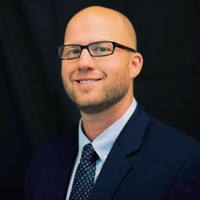
Certified EOS Implementer | Coach
Wade Berzas is a Professional EOS Implementer, speaker, coach, and entrepreneur who is passionate about helping entrepreneurs and leadership teams get better at three things:
• Vision—getting everyone in the organization 100% on the same page with where they’re going, and how they plan to get there
• Traction®—instilling focus, discipline, and accountability throughout the company so that everyone executes on that vision— every day
• Healthy—helping leaders become a more cohesive, functional, healthy leadership team
He uses the Entrepreneurial Operating System® process and tools to help business leaders learn to strengthen the Six Key Components™ of their businesses.