Amazon Music
 Apple Podcasts
 iHeartRadio
 Spotify
 YouTube
 RSS Feed
 Podcast Addict
 Podchaser
 Deezer
 Goodpods
 PlayerFM
 Castro
 Castbox
 The Opportunity Machine: Powering Louisiana's Startup Boom — Destin Ortego
Opportunity Machine's Destin Ortego on helping Louisiana founders raise $116M, what actually makes a startup fundable, and why customer discovery beats vision every time.
What happens when a former musician with degrees in graphic design and public relations becomes the executive director of one of Louisiana's most important startup engines? You get Destin Ortego — and a playbook that's helped founders raise $116M in venture capital and drive over $2 billion in economic impact since 2018.
In this episode of The Deal Podcast, host Joshua Wilson and co-host Scott Shea sit down with Destin Ortego, Executive Director of Opportunity Machine, the Lafayette-based nonprofit turning aspiring entrepreneurs into fundable, scalable founders. Destin shares how Opportunity Machine evolved from an LITE-backed initiative in 2009 into a membership-based nonprofit supporting roughly 50 active startup teams across idea, early, and growth stages. The conversation digs into what makes a company actually fundable, why customer discovery kills more bad ideas than any pitch deck, and why curiosity and "humble swag" are the two traits that separate successful founders from everyone else. Destin also unpacks the AI moment, why SaaS-only startups are losing their moat, and why marketplaces and network-effect businesses are built to win the next cycle.
🎯 What We Cover:
- How Opportunity Machine supports founders from idea stage through growth stage
- The real definition of "fundable" — and why traction beats vision every time
- Why customer discovery is the single most important skill for early founders
- The difference between leading and lagging indicators (and why vanity metrics lie)
- Bootstrapping, equity, and non-dilutive funding pathways like SBIR and STTR
- Why the average successful founder takes 3.5 tries to get it right
- How AI is reshaping defensibility — and why SaaS alone is no longer a moat
- The marketplace comeback: why network effects are the new investor magnet
- The mindset shift founders must make to avoid the "permanent underclass"
- Why buying a business may be more viable than starting one from scratch
🤝 Connect with Destin Ortego:
🌐 https://opportunitymachine.org/
💼 https://www.linkedin.com/in/destin-ortego/
🤝 Connect with Co-Host Scott Shea:
💼 https://www.linkedin.com/in/escottshea/
💼 Thinking About a Transaction? FA Mergers helps founders, investors, and business owners navigate the full M&A process — from valuation to close. If you're exploring a sale, acquisition, or capital raise, let's talk. 🔗 https://www.famergers.com/
🎙️ Follow The Deal Podcast: 🌐 https://www.thedealpodcast.com/
💼 https://www.linkedin.com/in/joshuabrucewilson/
▶️ https://www.youtube.com/@dealpodcast
DISCLAIMER The Deal Podcast is for informational and educational purposes only. Nothing discussed constitutes investment advice, a solicitation, or a recommendation to buy or sell any security. Always consult a licensed professional before making financial or investment decisions.
00:00 - Welcome and Lafayette Introductions
01:07 - Meet Destin Ortego and Opportunity Machine
04:07 - Opportunity Machine: Origin, Mission, and Focus
06:41 - Idea Stage to Growth Stage: The Founder Funnel
08:33 - What Makes a Startup Fundable
12:51 - Do Founders Think About the Exit?
14:55 - The Numbers: $116M Raised, $2B Economic Impact
18:00 - Role Play: Killing the "Billion Dollar Idea"
21:06 - Customer Discovery Done Right
28:11 - Vanity Metrics vs Leading and Lagging Indicators
32:04 - Buy and Build vs Starting from Scratch
42:34 - Curiosity and Humble Swag: Founder Traits That Win
49:45 - Inspiring the Next Generation of Entrepreneurs
53:00 - Shark Tank, AI, and the Future of Startups
01:02:00 - Roadshow Tease and Closing Thoughts
Welcome and Lafayette Introductions
SPEAKER_02
Good day, everybody. Welcome back to the Deal Podcast. On today's show, um, well, before I get into who's on the show, because you local Lafayan how do you how do you say Lafay Lafayette? Laffite Laffites.
SPEAKER_00
I've heard somebody say Laffites. Laffites.
SPEAKER_02
I like that. If you're in the world of entrepreneurship, you you might have seen uh Destin Round. But uh the the mission and purpose of this show is to really inspire that group that we're you know that Destin works with every day is the entrepreneurs and the people who are building things and the visionaries and the creatives of this world. Uh so that's the mission and purpose of this podcast show. So if you are um if you're building something and you want to kind of dig in, we'd love to hear from you. What what kind of things are you running into? What questions do you have about AI or building businesses or scaling businesses or heck, selling businesses? That's what we love to do, selling middle market businesses. So head over to thedealpodcast.com, fill out a quick form, and uh we'll start out that conversation. But uh, you're gonna hear three voices mind. I'm Josh. You're gonna hear our co-host, Scott, and then our guest. But uh Scott, why don't you introduce our guest
Meet Destin Ortego and Opportunity Machine
SPEAKER_02
today?
SPEAKER_03
Yeah, absolutely. Um honored to have uh Dustin Artigo on the show today. He is the executive director of the opportunity machine, uh, which is a powerful force here in Lafayette behind entrepreneurship, startups, and whatever else he'll share with us shortly. Um this will be fun because we here at our firm we're primarily focused on selling companies. Dustin's on the opposite uh extreme of that um kind of action. Uh and I've had several run-ins with Dustin's over the years in different endeavors, and uh super creative guys, super helpful in the community, and some success stories too that hopefully we'll get into. Um so yeah, without further ado, welcome to the show. Thank you for having me. Appreciate you coming. Well, we started off with just give us kind of an intro of who you are and then maybe an overview of Opportunity Machine and the goals of that entity.
SPEAKER_00
Sure. Um let's see. Some people like to know where I'm from, Parks, Louisiana. If you know where Parks, Louisiana is in between Burbridge and St. Martinville. There's like one stoplight, I think. It used to be a stop sign, I think they upgraded it to stoplight now. Um, but uh I spent uh most of my life in Lafayette. Um, you know, went to spent a lot of time at UL. Both of my degrees are for UL. Um and I just, you know, right around 2013, you know, we can we can go back further than that, but right around 2013 is when I started working with tech startups, and uh I fell in love with it for a number of reasons. Um one because I thought it was a really great way to diversify the economy in terms of job opportunities, you know. Um, I was one of those people that had to make a decision do I stay here or do I do I leave to go find an opportunity that fits me, fits what I'm passionate about and what I want to go do, or do I want to stay here and create my own opportunity? And I now I wasn't around when opportunity machine was named opportunity machine, but I do think that it the name serves us well in the sense of I like to tell people you know, we're in the business of helping people make opportunities for themselves, and then organically they will inherently create opportunities for others. And so um I have two young daughters, three and an eight-year-old. When they get to that place in life, if they want to leave, dad's not gonna tell you you can't, but I don't want them to feel like they have to. And I think that's uh so that's that's uh a lot about, you know, while I'm fell in love with it. I love working with creatives, and entrepreneurs are very creative. Um, I was a former musician, so I'm used to dealing with people that don't follow direction very well and are kind of scatterbraining all over the place, but do amazing, create amazing things. And so um used to hurting cats at a hurricane. So I think I fit in really well with working with entrepreneurs.
Opportunity Machine: Origin, Mission, and Focus
SPEAKER_03
So give us the kind of overview of Opportunity Machine in a high level.
SPEAKER_00
Uh so Opportunity Machine is a membership-based nonprofit. Uh it was created by Lita back in about I think 2009 as a division of Lita. Tom Cox, who's the chairman of our board, he's the founder of golfballs.com. He was the chairman of Lita's board at the time. And he kind of ran into that issue of like, hey, the, you know, the the company that I created is a little bit different than the traditional stuff you see around here, oil and gas, healthcare, those kind of things, right? And uh, and the resources I needed, the type of capital I needed to pursue, where was that? He's like, not saying it's not here, but where, where is it? I don't know. You know, I have to have to find those things. And he's like, it would have been nice to have somebody, an organization, resources that are dedicated to helping the type of business that I was creating. And so him and a number of other um people that were involved, Greg Gotru, who was the CEO leader at the time, and uh and Bob Miller, who's on our board as well, you know, uh and a number of other people got involved in creating and spinning up Opportunity Machine. And then in 2017, we turned it into uh its own nonprofit. Um, 2022, we moved into the building that we're in now, which is downtown. It's the old Karma building. Uh and um, and so we've really kind of gone through a number of things. We've already been always been focused on tech companies, but we did go a little broad at one point in time where we started the tagline was LaFit Center for Entrepreneurship. Um, and you really you can't be everything to everyone, right? And so while entrepreneurs might seem like a targeted customer segment, it's not at all. And so it depends completely on the type of businesses that you're creating the business model. So in 2022, when we moved into the new space, um, we used that as a way for us to realign, refocus on what really what we were trying to do, which is be a resource for tech, tech-enabled, research-driven startups that are probably going to be high risk but potentially very high reward, um, and are creating something that for the most part typically doesn't exist. Um, so anything related to software development, um, AI, you know, now, um, anything that is that you're, you know, RD heavy, even if it's not digital, that you you're creating something new. Maybe the science isn't it doesn't even exist yet, really. Um, that's what we're here to support. No.
Idea Stage to Growth Stage: The Founder Funnel
SPEAKER_03
Fantastic. Uh just curious, how many businesses are you typically working with at any given time?
SPEAKER_00
So right now, so we work with businesses from idea stage to growth stage. Now, we can kind of go back and forth on what really defines growth stage, but uh that basically just means that it seems like they've create they've figured out a business model that's scalable, repeatable. Um, they have traction, they're growing. You know, they might not be profitable yet, but they are they're growing and capturing, you know, more and more of the that market share. And so we work with startups from idea stage to to grow stage, and typically right around there is when they graduate or become alumni that has some level of success. Like Fly Guys is one that became alumni, I think, two years ago now. Um, and they've been doing very well. And so um yeah, right now, currently, we are working with about 50 startup teams between idea stage to grow stage. Now it's the funnel starts big and it starts to trim down, right? But that's also part of what we're here to do, is a lot of our founders that we work with have significant others, a house, mortgage, kids, all these, uh a day job that probably pays decently. And uh they have a new idea and it's hard for them to take that risk. And so we're in the business of helping them de-risk that, hit milestones, validate it quickly so that way they're not wasting their time on something that's just ultimately not going to pan out. I've had as many people thank me for saying, Hey, you prevented me from spending $100,000 on developing this software that there was going to be no customer segment for, as we've had people that have said, hey, like you helped me see my vision through.
SPEAKER_03
So fabulous. So the the obvious next question would have to do with AI,
What Makes a Startup Fundable
SPEAKER_03
but we'll hold we'll hold off on that one. Uh you you mentioned the whole you know, capital raising and most of what we do is focusing on companies that are for sale. They're sellable. We know what makes a company sellable. What makes a company in your mind fundable uh early on?
SPEAKER_00
Yeah. Well, nowadays uh it's really, really hard to get well for the types of startups that we're working with, it's really hard to get investment or capital without some sort of traction. Right. So we and we can go into the there's different funding pathways that we specialize in. So bootstrapping being one where you just scrape it all together yourself. Hopefully you can start getting customers before you ever need investment or dollars from outside. Um, and then there's equity. Um, and so those are typically, you know, angel investors that we're working with or actual uh venture capital. And then there's non-dilutive funding opportunities like SBIRs, STTRs. This is all stuff from federal government, but they're funding specific topics, and those topics have to align with your startup. It's not like, oh, you're starting a startup, you can apply to get this funding, we'll give you money, right? No, it's for instance, one of the startups we're working with is they're developing new trace arounds for Department of Defense. Department of Defense put out, specifically through um through the um Marines, put out a call. They wanted a new type of trace around for the 40 millimeter grenade launcher. The guy that started this already had the IP to make these things glow. Okay. And so he was already in the space. So he applied, right? Show that he had the research and the knowledge and the capabilities and was able to get awarded uh a phase one. And now he's at a phase two, 1.5 million uh phase two that he just got. And so so it's a lot, a lot of people come in and say, like, all right, what's the grants for my business? You know, like there are none. There were maybe a few during the pandemic, but now there's not. Like you really have to make sure it aligns. They're basically looking for someone to produce something that they want. Does that align with what your business does or not? And that's something else that we help out with is as well. Um, so going back to what you know makes a business fundable is you well, A, a lot of it early on depends on the founder themselves. Most very experienced, which it's hard to find a very experienced angel investor because I think 90% of them only ever do one deal. Um but most experienced angel investors or investors in this space at an early stage, they're betting on the founder. They're basically saying you have enough of a vision, you have enough traction, you have understanding about the customer segment that you're going after and the job to be done that that customer is trying to accomplish, the progress they're trying to accomplish, and the context around what makes a good solution for that. And so I'm betting that you will figure this out and make me money before you run out of my money. Right. And so there's a lot of things that go into that, but it's that's another thing that we try to do is help founders be more legible with that information. Because they might have all the information, but if they're not communicating that the right way or they don't have it structured the right way, um, then investors are not going to see it. And investors are just churning through deals. Like they almost want to tell you no because they see so much coming through. So if you're not able to communicate in a very brief elevator pitch, or if your pitch deck takes longer than four minutes to skim through uh in the application, then you're probably dead on arrival. And so uh you really have to kind of like sell those things at first. Now, what makes a company fundable at later stages, that really gets into can I see that you have uh that your lifetime value is you know 3x, what your customer acquisition cost is, and all those kind of things get into it. But we're primarily for the most part deal a lot with pre-seed to seed stage, which is idea to I have an actual product and I have some customers, I'm starting to see a repeatable model here.
Do Founders Think About the Exit?
SPEAKER_03
So early on, how often are you the founders that you meet with thinking about a potential exit down the road? If ever.
SPEAKER_00
Yeah, uh, I you know, some of them do. And I I think that's always a good sign for me. That's one of the things where when people come in and they say, um, you know, I have this idea, here's my customer segment, but ultimately the goal is to get acquired by this other. Because to me, I always tell them that's your that's your other customer segment. You know, you you you're you're servicing this initial customer segment now, creating value, and which will ultimately then create a product, which is your business, that you will then sell to another customer, right? So, for instance, one of our startups that we have now is called Keepers. Um, Carlena Andrepont, she automates housekeeping services for short-term rental properties. Um, and eventually we'll do the entire back-end, basically taking Airbnb full circle. Like you go, you book everything on Airbnb, you research, you book, but all the other back-end stuff will be handled by keepers. You know, that's that's the goal, right? And so her customers are property managers and then people that want to take housekeeping jobs, you know, like kind of on their own schedule, kind of like Uber, right? But um ultimately the goal would be for it to be acquired by an Airbnb, a VRBO, um, one of those types of companies. And so she's creating everything with a focus on doing that. But that's not the norm. No. Uh a lot of people just come in and they think they have a billion dollar idea, but they don't know where that billion dollars is gonna come from. Right?
SPEAKER_03
I think I've presented a few of those to you.
SPEAKER_02
Well, actually, this is this is uh this is fun. Um Destin, I'm I'm glad you're you're in here talking to this. So you spent a lot of time. Just give us an idea, maybe how many startups you've worked with over the years, maybe how much funding or revenue that you've seen the groups go through, and then I've got a a fun game for
The Numbers: $116M Raised, $2B Economic Impact
SPEAKER_02
you.
SPEAKER_00
Okay. Uh let's see. So, well, since 2022, um since 2022, we've run our which is our flagship program, Builder 1.0. It's a it's kind of our idea stage accelerator or a pre-accelerator, you know, not to get into all the weeds. That's a whole nother conversation we could have. But um, but basically it takes people with an idea for these types of potential very scalable business models, and it runs them through the process of understanding how to do customer discovery. And so um we average about 10 startups per cohort. We run that cohort three times a year. So for the most part, over the last few years, we've seen about at minimum 30. And I'm saying at minimum because we have way more than that that kind of come through other channels. Um, but uh at minimum, we see about we work with about 30 new startup idea stage companies every year. So it's it's it's accumulated to be a good bit. Um uh, you know, if I had to, if I had to go through and give you an actual number on how many startups has been, it's definitely you know a couple hundred. Um, and in what institutes a startup, you know, are we classifying that before or after they actually, you know, uh create the C Corp. And so um, but uh yeah, I mean in terms of founders though, um and entrepreneurs or potential entrepreneurs, aspiring entrepreneurs, I mean, we probably deal with anywhere between three to four hundred a year um just through other programming outside of Builder 1.0 take a guess in terms of how much funding or maybe some revenue that some milestones that the that this community has helped generate, you know, just yes, top ahead. So um since 2018, and I need to update this number because uh I didn't I didn't pull Q4 and Q1 into this yet, but since 2018, OM members and alumni have raised 116 million in venture capital, which is honestly it's probably more than that because historically Acadiana and Louisiana as a whole has been underrepresented. Our our founders don't necessarily do the best job of um going and putting into databases like Crunch Base and things like that, uh like the capital that they're raising. And so a lot of it kind of just goes under the radar. They don't even report. If they get that money, man, they don't go back and report. I'm not reporting anybody except our investors. So uh and so so but I I do have that number for sure out of startups that we've directly worked with. Um, it's at least that much since 2018. And the impact, the economic impact that OM members and alumni have had since 2018 to the Lafayette Parish has been over $2 billion.
SPEAKER_02
Cool. All right. Now let's role play. Okay. This is the fun part. I mean, that was fun. Yeah. Two billion and more
Role Play: Killing the "Billion Dollar Idea"
SPEAKER_02
fun. Raised 116 million since uh NBC since 2018. Now, you founders who did get funding, let me just inspire you, encourage you to go back and share what you've learned. A lot of times in the funding journey, it's like once the person has crossed that chasm, they're like, peace out, y'all. I'm in VC land. And they never go back and be like, hey, here's what I learned. I got 300 no's, but the one yes, this is what I did, and they gave me some good feedback. I want to share that with the community. That is so valuable. Come back and share. Like, I know you guys are in VC land. Come back and share some of the things you've learned because um there's people out there who could really use some capital and and get uh an infusion of oxygen into their business. All right, back to that uh the role play. This is fun. You hear this all the time. I've worked in startup communities, I've got this billion-dollar idea. All right, so I want you and as a founder, it's so hard to get some feedback about my baby that I've been building.
SPEAKER_00
Oh, I'm so glad you said that. I cashed out my best thing for you. All right, cool.
SPEAKER_02
Just to give you some context, I was that guy. I cashed out my government pension, went all in on a on an idea, and uh it didn't work. I went bankrupt and I had to like really reset my life. So this is why I love these these conversations. All right, here it is. Ready? All right, I've got this billion-dollar idea. There's, I think the world estimate there's seven billion people in the world, and they all drink water. If I can get 1%, all I have to do is capture 1% of the market share. The total addressable market is, you know, 7 billion people. All we need is you know, 1% of them to switch over to our water brand. And we've got it packaged, it looks cool, and we've got these influencers that are gonna be excited about this. And we're in conversations right now with some VCs who are interested. You know, like what do you think?
SPEAKER_00
My job's not to tell you your baby's ugly. It's my job to help you figure that out for yourself. If I'm not your customer, it does not matter what I think. Um, and so that's where we're gonna start. We're gonna start to make sure that you understand who your customer is and you need to provide proof to us, not just the gut feeling, but you need to provide fruit proof to us through the process of customer discovery that we will walk you through that there is an actual problem that you're solving. There is a need for a solution, and that you understand what a potential solution that would 10x with the existing alternatives are is. So that's like where we start. And then I'll see what their response is. Typically they're like, uh, no, if you're not gonna introduce me to investors and I'm out, you know. Um, but we're like, it's a process we're gonna go through.
SPEAKER_02
Yeah, that that's that discovery of I'm you've got to discover this for yourself because nobody could have told young Josh that, you know, like this is gonna be hard. You have to figure this out, you're gonna get a lot more news. Like, this is a great idea I had, right? Great idea, brilliant idea. There's a lot of brilliant ideas that don't make it. Helping them figure that out for themselves.
Customer Discovery Done Right
SPEAKER_02
What is a hurdle that you might encourage like to put in front of someone that that actually is good for them to help them maybe figure that before they quit their job and cash out their pension?
SPEAKER_00
Yeah. Uh well I'll go through the customer discovery process, right? So, and it's uh there's a lot to it, but let's break out a major component of it, which we push them to do is customer discovery interviews. Okay. Well, first of all, if you can't find, like once we kind of do a hypothetical, this is what we believe our customer segment is, who we think the early adopters might be, can we find those people? Can we convince them to talk to us, not to sell them anything, but just to talk to us to allow us to interview them and learn about their experiences when trying to accomplish X, Y, Z? And if we can't even do that, if we can't find them, then you have a channel problem, right? Uh how how How is it going to be sustainable for you to find customers if you can't even find people to talk about the specific subject? You know? Um, if there is, if you go through the customer discovery process and they'll bring up the problem, but they have to be prompted and they're like kind of laissez-faire about it or whatever. You know, we have a scoring system that basically, as we go through the transcripts of the interviews and scores them, no, that response is like a 0.5, this response is a one, this response was a two, you know. And then we get at a score after you do a certain amount of customer discovery interviews to say, is this a problem worth pursuing? Because ultimately it's just understanding what the customer's reality is. If you don't understand the context of why they struggle, what they're struggling with, what what are all the other things? Because pen and paper's killed more tech startups than anything, because people are just perfectly fine with sticking with Microsoft Excel, you know, to do their spreadsheets or to do their reporting or, you know, just writing things on a notebook, right? And so um, if you don't understand that even if you think you have another competitor, or there's no direct competitor out there, because there's no other app that does this yet, well, if it's worth doing, they're doing it a certain way now. And you need to figure out what that is because that's your competition. Yeah, for sure.
SPEAKER_02
And your competition is also the human behavior, getting people to change their behavior to do something else. So, like bad behaviors is your competition. Yeah. Like energy and effort to get someone to do something, they're not, that's your competition. Right?
SPEAKER_00
Yeah, and that's why a lot of like um, you know, health apps failed, you know, because in order to get the outcome, yeah, if they went through your entire process to get they they would get the outcome that they achieve they wanted to achieve, but it required them, in order to do that, it required a massive behavioral change that they were not willing to take. So there's trade-offs involved in that. Um that's what we call an example of an adoption obstacle. This is a reason that you need to understand and take in mind that you will need to validate or invalidate, you know, that there is a specific trade-off that they're not willing to make. And how do you overcome that trade-off in order to get them to adopt your product?
SPEAKER_02
Yeah, you're so good at at being nice and in and telling me my ideas like total crap. Like I just like, oh man, your your idea is terrible.
SPEAKER_00
I'm just trying, I just try to go through and ultimately have them make sure that they're asking all the questions that they should be asking. Here's all the whole, here's all the blanks in your plan. Uh, these all need to be filled in, whether it's answers that you like or not, in order for you to make the best educated decision to move forward. And if you go through that process and you realize that's a lot of blanks, then just be honest with yourself. Is that something you really want to pursue or not? And if it's not, then good. Be done with it. Move on to the next thing, go be an awesome employee for somebody else or move on to the next idea. Um, because honestly, it'll probably take you three and a half tries to get to something that's actually good anyway.
SPEAKER_03
This is fun, Josh. Good job. Yeah, all right.
SPEAKER_02
So it's your turn to role play. We like role-playing in here.
SPEAKER_03
I've got a question because I've actually been here before, I think. All right, they come to you with an idea. Okay, you tell them, let's do customer discovery. The results come back and there's no customers. Yeah. How often do they ignore that and still think, no, there is a customer? Yeah. And especially if there's been blood, sweat, and tears poured into say they're not a startup. They're a because I've been here and you've been indirectly involved in some of these in the past with me. It's hard to throw in the towel and accept, like, man, this business maybe isn't what I thought it would be. How often do you encounter that? And like, what's your advice to those people?
SPEAKER_00
Yeah, uh we that's one of the reasons why I really love to work with people at idea stage before they've built anything. They haven't really committed we like say like they haven't committed code yet. Right. And um, but nowadays, I mean, especially with AI, i if you're building software or you're anything digital, uh like the product is not the moat. It never really was the moat, but it can't, it can't be the moat, you know. So that the idea should just be you should be passionate about the problem and the customer segment that you're trying to help. Um and if you're passionate about that first and foremost, a lot of it is just getting them to change the mindset. If I see somebody come in and they are really committed to a solution that they've already built because they've invested so much time, money, and energy into it. Uh I try to be honest with them and say, like, are you going to, no matter what comes from this data, take a an objective look at what the customers are saying? And then we we train them on how to do these interviews. So it all it for the most part removes as much of biased feedback as possible, no mat no leading questions. Don't ask them to make their own assumptions or opinions, focus on past uh experiences, right? Because there's factual self versus true self. Uh if you ask somebody how often would you like do you prefer to eat healthy, and they say five times a week, and you're developing a health app, like, okay, great. They would probably use this five times a week to maybe find recipes or whatever. But then you ask the same people, tell me what you ate over the last two weeks, and all of a sudden it's nachos, tacos, cake, you know, whatever.
SPEAKER_02
They're all super healthy.
SPEAKER_00
Yeah. You didn't try to eat healthy once, right? Now it's not to mean that that invalidates your idea. You just got to dig now, dig deeper, go into the five whys. Well, tell me why. You know, if you if you want to eat healthy, tell me why do you think that is? And then sometimes asking why gets defensive. So you got to ask how or tell me what, you know, came to that conclusion. So we have a whole framework of helping them get unbiased data that will hopefully help them really understand what a customer would actually do, what behaviors they would actually make. It's it's not going to compl replace everything. You still have to do run other tests to see the actions people will take, but at least it gets the idea out of your head and gets you closer to what the actual truth
Vanity Metrics vs Leading and Lagging Indicators
SPEAKER_00
is.
SPEAKER_02
What are some you mentioned, could I go, Scott? You looked at me like you want to dive in. I was ready, but go for it. Rock, paper, scissors? No. I'm going for it. All right. So um when we talk about, you know, KPIs, uh things that we measure to see if we're getting traction or not. Like how what are we, what are we actually measuring? I I found that over the past, I can't give a number. 15 years of you know, being in the startup land, I think a lot of people measure things that don't matter, right? Vanity metrics. Vanity metrics. Let's talk about vanity metrics. And is it like, can you are are vanity metrics investable?
SPEAKER_00
Go for it. So I like to break up metrics into two different kinds. You have your lead leading and your lagging indicators. Lagging indicators are the only true signs of actual growth. And, you know, in case uh anybody listening doesn't know this, once you hit revenue, that is the main one. You know, revenue growth is the main lagging indicator. That's the only true sign of growth in the company, right? But when you measure that, it allows you to see, are you growing? But it it doesn't really tell you, oh, it's not going the direction I want to go in. What can I do about it? And so what you want to develop is uh a set of leading indicators that lead up to a lagging indicator that you can measure. And let's say at the beginning of the month, the first weekend, you're like, oh, I'm not on track for my revenue goals. Well, what are your leading indicators that you can push and pull on, like levers that you can control, like how many calls you make, you know, to customers, um, how much you're spending into a specific channel, like how much content you're pushing out there, whatever. I mean, there's a number of things, right? And um and so you can push and pull on those, and then you can kind of go down basically a daisy chain to say, okay, well, this leads to this, and then I can affect this, I can affect this, and then that all should lead towards revenue growth. If you know that you can make 10 sales calls and close five of them, okay, well, then if you want to increase that, then you need to make 20 sales calls to close 10. The other thing is, well, you need to get better at closing sales calls, right? So there's only two things to kind of focus on there. And so once you identify what your leading indicators are, some of those on their own are vanity metrics. If you're just saying, like, oh, well, the company is growing because we've got a thousand users a day, are they paying? Are they all completely free? Or are they getting on and deleting the app immediately afterwards? You know? Um, but if that thousand users a day shows that, okay, well, like let's say you have a company that has network effects, like a marketplace. Well, the more people that are using it, the more value it creates for everybody else. So daily active users is a strong indicator of customer retention, you know, customer retention is the really the main form of growth, you know, because you can get new customers all day, but if you're bleeding them, um, then it's not going to last very long. And so it's it's things like that that we try to help people on understand about what to measure and what's your lagging indicators that actually show your growth, and what's the leading indicators that or levers basically that you can push and pull on uh as you're tracking them to say, oh, okay, I need it, I need to focus on, I need to do something about this because it's I'm not getting the lagging indicators that I'm I'm trying to get.
SPEAKER_02
Scott, your your pen is on fire, bro. I see you writing. Go ahead, I mean fire off.
SPEAKER_03
Um,
Buy and Build vs Starting from Scratch
SPEAKER_03
back to the biases of business owners. So we sell companies. That's a massively emotional process for most people. There we are. How do you manage those emotions? Or do you even see those emotions in founders where like again they won't accept that there's no customers or they won't accept their ideas in good.
SPEAKER_00
Yeah. Um I mean, ultimately we try to do the best that we can on changing their mindset from that. Sometimes we're able to do it, sometimes we're just we're not able to do it. Uh and I think uh fortunately, we haven't run into too many situations where somebody is, you know, blasted us or, you know, anybody else or any of our mentors, anything like that, because they didn't get the support they needed. They just like, oh, you know, you can't help me, somebody else will. Well, fine, go to the accelerator over here, go to the accelerator over here, go to this incubator over here, go to this resource over here. And you'll see basically these startup founders who hop around a lot to different things looking for that silver bullet when there's no silver bullet, right? It's just understanding that you should have called it quits and moved on to the next thing, or you should have pivoted, or you should have done something that for whatever reason you weren't willing to do because you were so committed to the solution, not to the actual customer segment that you were serving. Yeah. Sunk costs, man.
SPEAKER_02
Um we we throw dollars at after pennies a lot of times. Um being a founder, I I I was pot in, fully committed. And you know, I think that the idea of I could just push it through, and and I'm looking at these things that really don't matter. If I get this one thing or this video or this website or this software or whatever, and I you know, like I just I created all these false things that if I went after and I achieved these things, then it would be a success for my business. Al also a lot of false faith. Oh, you know, this is what I'm supposed to do, it's gonna work out. It didn't. Uh, and that's I think a harsh reality for a lot of founders who poured themselves into a business. It is hard being a startup. Absolutely. For you startups out there, you entrepreneurs, you founders who have gone at it or about to go at it, man. I just really want to inspire you, encourage you, listen to these podcast episodes of people sharing their wisdom and their experiences, their screw-ups. So maybe you don't have to. And if you have some screw-ups that you'd like to talk about, we would love to talk about them here on the podcast, the deal podcast. Uh, post-mortem, like especially after you've had a a business failure, like let's open up that casket and talk about what what you learned in your in your business failure. And then heck, once you guys go over to the VC land or you had a big exit, come talk about it too. Um as we as we progress through this, you know, we we've talked a lot about startups. Now let's talk about to the like they start gaining traction. Talk to us what what the heck does traction mean? Why did you use that terminology? And then talk about some books.
SPEAKER_00
Uh sure. So um so traction is basically just it's validation that the company is growing. You know, traction looks different depending on what stage you are, but once again, you know, um it's no secret. Once you start making revenue, generating revenue, that's what matters. Right. It's like I don't care if I have a million customers that are paying me $10 a month, or if I have uh 10 customers that are paying me a million dollars a month. Like, you know, like I mean, it's it's it's the money that's the part of it, not how many customers you have, what's the value that you're creating there? Um, but for instance, like pre-revenue, that's another thing that kind of helps us get founders into the mindset of making progress and kind of validating themselves, is that pre-revenue traction looks like a number of things like, all right, well, starting off with how many uh customer discovery interviews that you did, and that's a leading, once again, a leading indicator. It's not a lagging indicator, but did you learn anything new, right? Per every single uh customer discovery. And so that's that's a good way of kind of helping our founders understand that they're making progress and we're defining traction that way. And the next step would be well, can you get letters of intent? I don't have a product yet, you know, but can you get letters of intent from these potential customers? You showed them a prototype or something like that, you know. Like it's whatever you need, if this is really just if you're pursuing funding, right? But if you need to have traction for an investor, which you do, but if the if the investor is like, hey, I need you to have traction, I think I think a lot of founders who are dealing with angels and VCs, miss is they don't ask, well, what exactly? What how much traction? And like, what exactly are you looking for? Are you looking for how many customers, how many users, uh, how much revenue, like what are you looking at a certain amount of LOIs, like what will what type of traction will it take for me to get that investment that I'm looking for from you? Um, because you know, at the end of the day, most of the time I think an investor will stick to their word, you know, depending on uh if it is. If you go back and you get that traction that they said, well, if you get a hundred customers, I'll do it. Okay, great. Go get a hundred customers. Like you can't depend on the funding in order to do that. Um, but uh going into going into growth real quick, I mean, traction, I mean, it's really just what are the metrics that are showing that you're leading to revenue growth, right? And then you're just gaining traction in terms of, I guess, I don't know who would define it that way, but in in my mind, I see it as it's traction towards success. You know, um, you've had some success, like Chris Mo likes to say this a lot, uh the founder of Waiter. And uh he's like, we've had some success, but we're not yet successful, right? So we're always trying to gain traction towards success.
SPEAKER_03
All right, let's leave startup world for a second. Oh, okay. Um you mentioned like the you know funding, fundraising is difficult, having an idea is difficult, or having a good idea is difficult, but having a bad one's probably pretty easy. Yeah. Oh, AI will create a whole bunch for you real fast. We all know the trends and the stats about you know, baby boomers retiring and the whole like buy and build uh strategy that seems to be really trendy. What are your thoughts on that method of buying you know a successful operating company and then applying your skill sets to grow a diverse short-up world where you live every day?
SPEAKER_00
I think it's an extremely, extremely viable. I I think too many people probably and you know, maybe I'm a little bit at fault for this just because those are the types of entrepreneurs that I'm supporting. So of course I want to talk them up as much as possible. But uh, you know, glorifying high growth startups or glorifying being the CEO of one or the founder of one, you know, glorifying fundraising. Like that that doesn't matter. Like, what are your goals personally? And and this is also something that we go through people with in Builder 1.0, because I think a lot of times they come in with a mindset of I want to create something scalable. And then when we show them what it's gonna actually take, like the revenue numbers you have to hit or potentially could hit in order to get venture capital, they say, Oh, I'm I'm I'm good with this lower amount, right? And like, okay, that's great. That's a perfectly viable business. You could set yourself up and do extremely well. Um, it's not for everybody to go and do these. I mean, trust me, I have founders I'm working with right now that I think will will, when it's all said and done, say it was worth it. But right now, I have multiple conversations with them. We're like, uh, I don't know. This tomorrow might be my last day on this, right? Yeah. It's hard. Even when you have success, even when you're you're gaining traction, you're getting growth. Um, you know, it's it's tough. I a lot of times I tell people I'm a cheerleader for startup founders that are doing well, and I'm a therapist for startup founders that are doing poorly, right? A lot of times it's just them calling me up. I don't really give them the great advice. It's just them calling me up, knowing that I'll understand the situation they're going through, and they just need somebody to talk to that's not their employee or their investor, right? And uh to kind of see their way. But I think any other business, buying a successful business that's already established and then coming in and improving it with your own um skill sets is a perfectly viable way of doing that. You don't have to go and create something from scratch.
SPEAKER_03
Yeah, and for for those listening, the the the popularity of the trend is based around you can own 100% of a successful business that's already been proven, not be diluted in the process, which is what happens to most startups, not all. Um but it's still not easy. Yeah. Actually, I've had several people that we've bought sold businesses to um you know that were owner operators buying a business who come to me six months later and jokingly ask if they can get a refund. Yeah, yeah. It's hard. Yeah. It's uh people see the success stories in the the highs, but they don't see the grinds.
SPEAKER_00
I think it's a different skill set too. Just because you have the title of CEO doesn't mean that you are the best CEO to launch a company or the best CEO to grow a company and sustain a company. I think that, and that's we see a lot of CEOs, once there's some level of success with the business, whether it it goes, you know, IPOs or gets acquired, whatever, they change out the CEO because the CEO, the skill set to get a company, a startup is not a small enterprise, right? I mean there's a lot of unknowns, you're testing things like crazy. It takes a specific type of person to love that work. On the flip side, it takes a specific type of person to come in and look at a well-oiled machine and say, how can we improve this even more and squeeze every single potential revenue out of it as possible? And you just need different skill sets and
Curiosity and Humble Swag: Founder Traits That Win
SPEAKER_00
mindsets for that.
SPEAKER_03
I think that's awesome advice. And we've had some conversations with uh EOS implementers on the show.
SPEAKER_00
Yes, speaking of traction. Yeah, attraction.
SPEAKER_03
There's the visionary, which I'm assuming most founders probably fall in that visionary role. And then there's the integrator who's more the executor. Um what's the most important say two traits for founders that are successful?
SPEAKER_00
Curiosity. Number one. Um, because you'll get you you'll get passed up real fast if you're not consistently curious about what's new going on. You'll get bored really fast, honestly. If if if you're going and I have to interview 10, 20, 30, uh uh one of our founders that was in the Department of Defense related startup, um, they went through the National Science Foundation iCorps program at the national level. They had to do a hundred customer discovery interviews in six weeks. That was a full-time job of just interviewing people and they interviewing like three-star generals and you know people in the military. And it was grueling, it was tough. But the guys who did it were so curious and just like so passionate about what they were doing. They were always learning something new. They were always having great conversations. Like it was tough, but they really enjoyed it. If that's not the type of person you are, right, if you're not constantly spending at least a certain amount of hours every day trying to learn something new, then it's probably that's probably a skill set you gotta develop if if it's even. Possible to develop it. The other trait I would say is humble confidence. You have to have a certain level of disproportionate belief that this will work compared to everybody else, or else the world would drag you down. Right. But not so much to where you can't take advice or you can't, you know, um work and collaborate with other people. I love that.
SPEAKER_02
My my friend Tim, uh, shout out to Timmy Kay. Uh he calls it humble swag. Yeah, right. Yep. Um being coachable is such a an attractive trait in entrepreneurs when working in the world of, you know, investments and mergers, acquisitions, and uh VC, when you see someone across from you, if they're arrogant, prideful, not willing to, you know, take advice or feedback, what that does in their mind is it goes, there's no way I'm gonna give them my money. The only exception I see to that is if the the world's on fire and they have the only fire extinguisher. Yeah. Right. If they have, you know, and then everybody's getting on that train, it's a whatever train it is. Like that's the only exception. And to be honest, nobody listening into that is is that person. And that is so rare. That happens once in a hundred thousand years, anyways. Anyways, um, I'm gonna give a little hack here for you know, um, for the entrepreneur out there, the one, you know, the person who wants to be an entrepreneur, and they have a bucket list. They they wrote a bucket list when they were a kid and they promised themselves that one day they're gonna be a CEO, and that's the only reason they're gonna go for it. Cool. Go set up an LLC or something like that. Give yourself the title of it for second and fifty bucks, check it off, create a business card that says, I'm now a CEO, and I just saved you a hundred grand of like of because I think a lot of times the Scott, you mentioned this, people get into this because it looks sexy to to be a startup founder or to raise capital or or whatever. And I'll tell you that it to thine own self be true, like do a really like go spend some time with some founders. They're the only people in the world who will work five in the morning till nine at night to avoid a nine to five job. Yeah, and if you don't have that passion, that curiosity, that that drive, that insatiable curiosity, then maybe this isn't for you. And maybe maybe God designed you to be an uh an employee, and that's beautiful, man.
SPEAKER_01
I wish I was an employee so many times in my life. Can I expand on that? Scott, I would love you for to do that. I'm going to do it.
SPEAKER_03
All right. So I've had this conversation with friends in the past that you see incredibly successful people that how do I say this politely, that maybe don't seem like the most intelligent person.
SPEAKER_00
How? How did they go there?
SPEAKER_03
So we've we've kind of come to an unc official conclusion that like highly, highly intelligent people may be too smart and see all of the risk.
SPEAKER_00
Get their own way.
SPEAKER_03
Whereas a lot of people who are wildly successful took a ridiculous risk and didn't know they were taking it.
SPEAKER_00
Yep.
SPEAKER_03
Do you see that a lot?
SPEAKER_00
Yeah. Uh yeah. Well I want to make sure I'm not none of the founders that we've worked with are thinking that I'm remotely calling you dumb. Clearly. Uh but um no, I have seen that. Uh you know, we've worked with um some very, very intelligent, like technical people who are often the bottleneck in what they do. And I try, I I try to make sure that when I'm sitting there poking those holes and making blanks, and I'm I'm saying, like, look, just because you walk out of here feeling defeated does not mean that that's the end of the roll road. That's just an opportunity to go and validate all these things and say, oh, now I can paint a clearer picture. And it might not be the thing that I originally planned, but maybe I learned something, I get some specific insight that no one else has through this process that allows me to say, oh, I just got to pivot in this direction, this direction, this is gonna work, you know? Um I think it's kind of I thought about this earlier when we were talking, but I think that we need to not glorify the the fundraising and everything, but glorify how many times did you get up to bat and try, right? Because on average, it's gonna take you three and a half times. This is just statistically, it takes you three and a half times to get to a successful startup. Um, the average age of the most successful entrepreneurs, I think, is 42 right now, right? Um and and it's not to say that college students shouldn't try this right out the gate. No, it's basically saying, hey, you have from 20 to 40, right, to get three and a half at bats in. If you can't do that, then maybe you know, you don't have what it takes to be an entrepreneur. Like you have the most risk tolerance that you'll ever have at that point in time in your life. Um, just go do it, just try it. Because you need to get your reps in, just like anything else. If if you want to be a very successful startup founder, if you want to be a successful CEO, you want to be successful at anything you do, you have to get your reps in, you got to practice. And so it takes tries, right? I'm I'm gonna try and vet through this idea. Well, you're gonna get better and more efficient at it after you do the first one and then move on to the next one, right? And so just like selling to anybody, just like coding, just like doing any skill. And so we try to encourage our people like, don't be afraid of failure, right? Just learn as long as you learn from it, you got that feedback loop. And then let's move on to the next one because you're gonna have to get through it. One of our uh I love you, man.
SPEAKER_02
This is fun.
Inspiring the Next Generation of Entrepreneurs
SPEAKER_02
You're taking over. I'm taking over.
SPEAKER_03
I have so many more questions.
SPEAKER_02
Uh this question, I I I promise you, this question trumps your question. This is from Madam Mayor President of Lafayette. She uh was our previous guest. And I'm sure you have great questions, Scott. That was mean. I'm sorry. Yeah. We'll get to your question in a minute. But one of our great joys of this podcast is connecting the guests from one guest to the next, and the way we do it is we leave behind a question. So we just interviewed the mayor president of Lafayette. And uh Scott, will you read this to Mr. Destin?
SPEAKER_03
I will. All right, Destin. How do you inspire those younger than you? How do you teach them?
SPEAKER_00
Okay. Let's see. So currently, um the I I'm very, very uh involved in I believe teaching students entrepreneurship and the skill set of what it takes to go through and solve problems and identify potential solutions is uh is extremely critical. The earlier they can understand that and start to apply it to their daily life, um, the better chance they'll have of jumping maybe straight into it or being able to create those opportunities for themselves from day one as soon as they graduate. So I'm on the board for junior achievement of Acadiana. Um we we used to do something called the Drew Brees Trusted Crazy Idea Challenge. Um, and thankfully that Acadiana uh or our region was uh state champs multiple years in a row uh for that. We don't do that program anymore, but I still like to work with students. I I teach uh I help teach two classes at the university right now on computer science and uh and engineering. And um a lot of what I'm just trying to do is say, I don't care if you're gonna be an entrepreneur. I just want you to learn these skill sets because no matter what, AI is not gonna take this away from you. Like this is a skill set you need to have. This helps you understand people, it helps you communicate with people, it helps you solve problems for people, which then inherently makes you more valuable to people. So whether you're doing that as your own business or you learn how to do that to go and do that for some other company, um, or you do it from a community standpoint. It's not necessarily in the process of or in the you know aspirations of making money, it's just making a better impact. Um, people are experts in their own problems, not experts in their own solutions. Uh, and so we need more people to have the skill sets that allow them to become experts in solutions. And so connectivity, connections, and all that. I I so I it it's kind of a roundabout way to say it's a lot of things that I do to try and inspire the younger generation that I work with, but it all stems around just educating them on how to be a strong entrepreneur. I get to talk now, Josh.
SPEAKER_02
It's your turn, brother.
SPEAKER_03
All right, I gotta just some
Shark Tank, AI, and the Future of Startups
SPEAKER_03
some rapid fire questions for you. First, um how much has Shark Tank changed the game since you've been in it? I feel like everyone wants to be a startup now.
SPEAKER_00
Yeah, uh well, the the funny thing is that most of the startups you see on Shark Tank are not the types of startups we work with. Right. Um and and I love Mr. Wonderful. Mr. Wonderful, if you're listening, I just I want to let you know I really appreciate you investing into one of our startups, Fly Guys. Uh it's phenomenal. Really appreciate that. Yeah. Um and but um yeah, I mean it's it's it's different. And I I do think it's like uh or one of our board members, Bob Miller, he likes to play this game where, and we've done this for students in the past, this is always fun, where he basically brings in some Shark Tank recorded clips and then he gamifies it, right? So he'll play a little bit, give them some information, and then he'll stop there and then he'll ask questions like, okay, what do you think this evaluation is gonna be? Like, how much do you think this company is worth? Like, you know, what do you think that is gonna be the outcome of this? And so it kind of quizzes people, and then we can see what the results of it are. Um and so that's always really fun. And I do think it inspires people, like, oh, oh, okay, I could do that. It's just the problem is it doesn't necessarily inspire the types of ideas that we always that we specifically work with, but it I'm do I am glad that it does inspire people to think more creatively and try to say, like, oh, I could be an entrepreneur if I just tried, you know.
SPEAKER_03
All right, next one. How do you personally avoid the temptation to go have your own startup?
SPEAKER_00
Uh yeah. Uh my I would say that it's really just the the risk tolerance thing. I kind of getting in your own way. Um, I haven't found an idea that I would be that passionate about to take the level of risk that would be involved. Um but uh I just I I I think that I'm just passionate about doing what I'm doing now. And I it would be really hard for something else to come along that would be something I'd be more passionate about than not saying you're dumb.
SPEAKER_03
Yeah, yeah. But you may know too much about startups to ever take the ignorant game.
SPEAKER_00
Anytime I have an idea, I probably shoot it down in the weekend easily. And then now with AI, I ha I have my own like workflow and uh I get through it pretty quickly. I'm like, yeah, that's not that's not it, you know. Um so yeah, but uh, you know, I'm I'm within Opportunity Machine, you know, we we are trying to grow Opportunity Machine into uh something that's even you know bigger than what it is and make sure it stays relevant. So I kind of treat Opportunity Machine as you know my startup. I'm making our own products for it, you know, all the programming, everything. Um I look at our customer segments, you know, we have um very well-defined customer segments in terms of the types of entrepreneurs we work with, and I'm always making sure that we're providing something that's actually valuable to them. So I get a little bit of that feeling out of it.
SPEAKER_03
Now the obvious question what is the impact of AI on startups? And two, what are gonna be the best startups over the next five years? Okay. Totally guess, probably.
SPEAKER_00
Yeah. Um, so the impact, I mean, that that could be a whole conversation right there because there's there's good and bad, right? Um, and I think a lot of it just has to do with how you kind of classify things, like what what bucket of people are you in, right? Um there was uh a podcast I was listening to, a startup podcast, I think it's the Startup Idea podcast, where I heard the term um permanent underclass. And so it's like basically there's a term going around that's defining people. If you are not the type of person who's going to take the time to understand how to use AI properly now and build agents and things like that, then you will eventually become part of the permanent underclass. And I'm like, permanent's pretty harsh. You know, yeah. But um, but it it but I do think for to a certain extent, it's not all, it's not all I'm I'm definitely not a doom and gloom person. Like I definitely think I'm far more optimistic about AI than I think I some people I know for sure. Um however, I think that if you're like I had some students in computer science and in and informatics come up to me after the first class that we taught for the the semester, and they're like, Am I wasting my time? And I said, No, unless you graduate with only the skill of coding. If all you can do once you graduate is code, that's the only skill you have. You have no leadership, you don't have presentation, no communication skills, you don't know how to prompt, you don't know how to build your own agents and execute and architect, basically a team of your own agents, then yeah, you might be wasting your time. But I think that's been historically true for a long time. If you graduate from college and the only skill you have is the very specific skill and the thing that you graduated in and you didn't learn anything else from that, or you can't show that you can, then you're probably wasting your time. Um but uh I I think it's very I mean, look, both of my degrees have nothing to do with what I'm doing now. But they do, right? What are they? Uh my undergrad degree is in graphic design and my master's is in public relations. But communication, like it graphic design taught me taste and judgment, right? Um, public relations taught me understanding people, how to get qualitative research done, understanding pulling information out of people, and then being able to communicate that in a way that resonates with people. So all those things helped me with what I'm doing now. I just figured out how to apply it. And um, and so, you know, I I think that's uh that's one thing about AI is that as long as you are being curious, I mean, this is the this is the best time to be uncontrollably curious because you will leaps and bounds past people up that are just sitting on the side rails waiting for everything to settle down and for the the models to stop changing every other week and things like that. Excuse me.
SPEAKER_02
So did I interrupt you on that?
SPEAKER_00
Oh no, I I mean uh there's I I I just want to make sure I stop there because there's so much more we could go into and the impact of AI. Um from a company standpoint to answer that, I think the most successful ones, um, something that we're seeing now is not that long ago. So most of our most successful startups are marketplace models, um, being that they are pairing a buyer with a seller for something and facilitating a transaction. Now, the moat around the one of the biggest motes around those types of business models is that um network effects, right? In order to, like I like to use the example of a dating app. If you downloaded a dating app and you got on the dating app and there was only two people and you were not interested in either one of them, you're like, you get off the dating app. The next week you open it back up, same two people, get off of it. You open it up the next day, there's one less person. Like you're probably if you haven't deleted it by now, you're probably gonna delete it, right? But that's a cold start problem is well, how do you launch a product like that? If the value is in the network of people that you have and how many people that you have in there, how do you launch a product uh product like that from day one to where it has that value? And so it's really difficult to do that, but once you do that and create that network effect, then it's a strong moat. Well, what was starting to happen was um just SaaS is far more profitable or was far more profitable. And so, and re it's more consistent revenue and things like that. And so investors were preferring um SaaS models. Well, marketplaces started then integrating SaaS models as a component to balance that out, right? But now what we're seeing with AI and agentic AI and things like that, SaaS is far less defensible and not really so unless you have that network of people already who are just gonna use your product because there's value in the network that it also brings to the table, um, then you're gonna probably struggle. So if if you're so I don't know. I mean, like the I I'm sure there's plenty of investors who would probably yell at me right now, but uh I would I would not look at SaaS-only startups going forward. They'd have to have some other model that makes human connection like a strong value
Roadshow Tease and Closing Thoughts
SPEAKER_00
and not just the software of it.
SPEAKER_03
Aaron Powell That's interesting because AI is essentially to a lot of people threatening humans. Yes. But you're saying it's gonna actually depend on that network to make it succeed.
SPEAKER_00
That's it's there's a lot of reasons why jobs, like especially tech jobs or or like people who are doing massive layoffs. Uh I mean, there's a lot of it's not just AI. AI has a part of it. I think a lot of people are blaming AI as a way to kind of a scapegoat out of it being they just want more money in their pockets, right? But um, I do think that I'm hopeful that it will play out to where it just allows us as humans to do so much more that new opportunities for things that weren't really a valid thing to go after, especially in space, right? Um, that it it allows more capabilities, therefore more opportunities, and then new jobs are created through that process. But it'll probably take some time.
SPEAKER_02
Yeah. Super cool. I have an idea. I have no more questions, Jeff.
unknown
Thank you.
SPEAKER_02
I have an idea that uh Scott and I are next month are running a little road show. And I what I think would be very cool if you're open to it. And I'm not trying to pitch you on the show. I mean, that is an advantage of mine, right? But man, we would love to um lift up some of your community members, right? So maybe put them on the show or something like that, or maybe do an event maybe at your place one day, maybe next month or in the just in the future. We'd love to give them an opportunity to tap into our audience and uh lift up their their business. But um, yeah, that just came to mind. And I I think that that that would be fun to, you know, help support. You know, we work with middle market companies and selling, you know, larger firms, but man, we love coming back to the the smaller group kind of because that builds our own funnel, right? Because we would love to help sell their business if they if they build it. But man, we'd love to do that.
SPEAKER_03
Is that a good idea, Destin? You look at ideas all day. Is that a good idea?
SPEAKER_00
I think that's a good idea. Okay, good. Yeah, as as but that's because I know the customer segment that you're targeting there, and I think that they would love that. So yeah, I appreciate that. Lucky on that one.
SPEAKER_02
Yeah, I I pull a broken clock is right twice a day. A blind squirrel. All right. So, anyways, talk about squirrels. I'm back on track. Uh Destin, thank you so much for coming on the the deal podcast. Um, ladies and gentlemen listening in, fellow entrepreneurs, as always, reach out to our guests, say thanks for being on the show. We're gonna put all of his contact information, which means I'll I'll need to get that from you. I'll send you a link afterwards. But reach out to our guests and say thanks for being on the show. Find a way to connect with them, um, maybe add some value to them, or if you have questions, ask them. Um, if you have a middle market business that you'd like to sell, we would love to take a look at it. Head over to thedealpodcast.com, fill out a quick form, and someone from our team will connect with you. Uh, guys, we love you, and we'll see you all on the next episode. Cheers all.
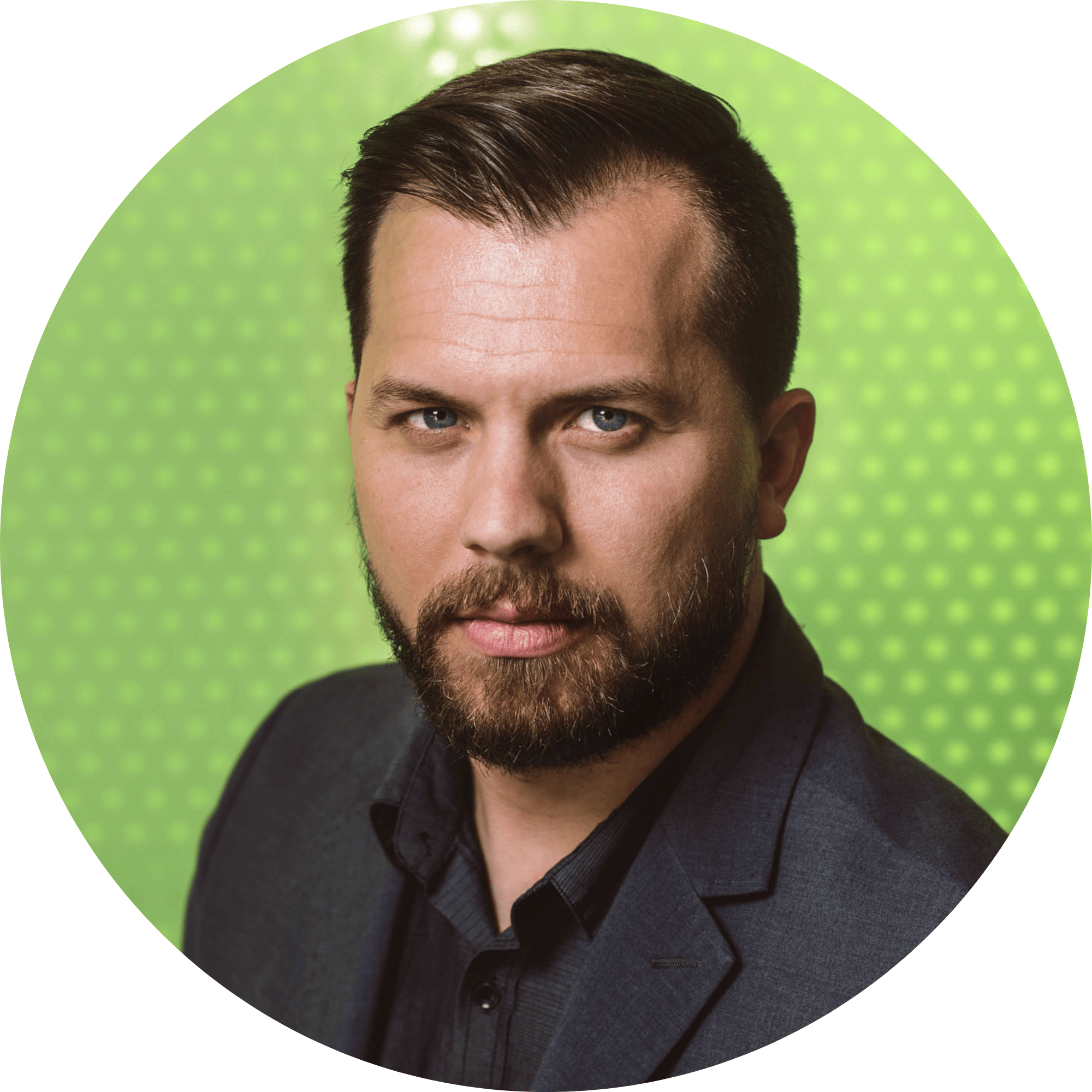
Executive Director
Destin Ortego champions entrepreneurship and innovation as Executive Director of Opportunity Machine, driving tech startup growth in Louisiana's Acadiana region. Under his leadership, OM has launched transformative programs including Innovate South, Tech Tank, Launch Academy, Emerging Tech Internships, and Builder Programs that connect founders with mentors, investors, and strategic resources, positioning Acadiana as an emerging technology hub. Companies supported by OM have collectively generated over $2 billion in economic impact for the Lafayette region through jobs created, capital raised, and new industry development.
His work expanding access to capital, talent, and market opportunities for tech startups has earned recognition including The Daily Advertiser's Top 20 Under 40, Silicon Bayou's 100 most influential figures in Louisiana's startup ecosystem, and Junior Achievement's Richard Baudoin Jr. "Friend of Business" honor.
Destin serves on the boards of Junior Achievement of Acadiana and the Lafayette Regional Technology Council. He holds both bachelor's and master's degrees from the University of Louisiana at Lafayette.