

 Amazon Music
 Apple Podcasts
 iHeartRadio
 Spotify
 YouTube
 RSS Feed
 Podcast Addict
 Podchaser
 Deezer
 Goodpods
 PlayerFM
 Castro
 Castbox
 Building Toward an Acquisition From Day One with Kelly Hebert
She built her app with one end in mind from day one: get acquired. And she did it while owning 100% of the company and raising two kids under two.
In this episode of The Deal Podcast, host Joshua Wilson and co-hosts Scott Shea and Jeremy Beyt sit down with Kelly Hebert, VP of Design & Media at Robert Hebert Media and co-founder of Project Dryve, a navigation app built to solve the messy, real-world problem of finding food and stops along a route. Recorded at ThreeSixtyEight in Baton Rouge, Kelly walks through the five-year journey of bootstrapping a tech startup: validating the idea through customer discovery, resisting feature creep, surviving three full rebuilds, and keeping a clear exit goal in view the entire time. It's a candid look at founder resilience, staying true to a core value proposition, and building a company designed to be acquired.
🎯 What We Cover:
- Why an acquisition was the goal from the very first build
- How customer discovery validated the idea before a line of code
- Resisting feature creep to protect the core value proposition
- Bootstrapping while keeping 100% ownership
- Surviving three rebuilds and a $4,000 forced restart
- Balancing motherhood and the founder grind
- The TestFlight-to-App-Store approval gauntlet
🤝 Connect with Kelly Hebert:
🌐 https://www.roberthebertmedia.com/about-us
💼 https://www.linkedin.com/in/kellyehebert/
🤝 Connect with Co-Host Scott Shea:
💼 https://www.linkedin.com/in/escottshea/
🙏 Special thanks to our Co-Host Jeremy Beyt, CEO of ThreeSixtyEight, for hosting The Deal Podcast's Baton Rouge Podcast Tour.
🌐 https://www.threesixtyeight.com/
💼 https://www.linkedin.com/in/jeremy-beyt/
💼 Thinking About a Transaction?
FA Mergers helps founders, investors, and business owners navigate the full M&A process — from valuation to close. If you're exploring a sale, acquisition, or capital raise, let's talk.
🔗 https://www.famergers.com/
🎙️ Follow The Deal Podcast:
🌐 https://www.thedealpodcast.com/
💼 https://www.linkedin.com/in/joshuabrucewilson/
▶️ https://www.youtube.com/@dealpodcast
Curious what your business is worth? Request your free valuation at famergers.com
Disclaimer: Joshua Wilson is a licensed Florida real estate broker and holds FINRA Series 79 and Series 63 licensure. The Deal Podcast is presented by FA Mergers and is produced for informational and educational purposes only.
Nothing discussed constitutes investment advice, legal or tax advice, a solicitation, or a recommendation to buy or sell any security or to pursue or avoid any transaction. All views and opinions expressed by the hosts, co-hosts, and guests are their own and do not necessarily reflect the positions of FA Mergers, One Iron Network LLC, any regulatory agency, or any employer. Listeners should consult their own legal, financial, and tax professionals before making any business, financial, or transaction decision. This podcast does not constitute a solicitation or recommendation for any financial products or services.
Let's Connect on LinkedIn:
https://www.linkedin.com/in/joshuabrucewilson/
To Contact Us, Please Visit:
https://www.thedealpodcast.com/contact/
00:00 - On the Road in Baton Rouge at ThreeSixtyEight
02:19 - Meet Kelly Hebert and Project Dryve
05:18 - The Roadtrip That Sparked the Idea
10:00 - Finding the Core: Killing the Bells and Whistles
18:05 - The Business Model and Premium Features
20:56 - Quieting Doubt and Founder Patience
27:30 - Building Through Two Pregnancies and Three Rebuilds
32:53 - From '90s Rock Band to Marketing to Tech
44:19 - The End Goal: Building Toward an Acquisition
46:29 - Why They Stayed Bootstrapped at 100% Ownership
54:16 - The Guest Question: Using AI Responsibly
57:38 - Where to Find Kelly and Project Dryve
Joshua Wilson:
Good day, everybody. Welcome to The Deal Podcast. My name's Josh. Yeah. I'm your host of this, and we are on the road here in Baton Rouge. Did I say it right? No. How do you say it? You're good. It's Baton Rouge. Yeah, I said it right, Scott. You said it right. Mm-hmm. Listen, I'm from Florida, and they've been correcting me on how to speak Louisianian, like, the whole time I've been here. Lafayette. Mm. And then our, our guest is Kelly Aber. Bere? Aber. Oh, I- That's good. You're good … I've been practicing- You're getting there. You're really close So close. So I've been practicing for, like, two weeks. But, uh, yeah, we're on the, we're on the road, and, uh, The Deal Podcast wants to thank, um, our host. As we go on the road and we go into, uh, work with economic development councils and different businesses in different regions, starting in Louisiana, is, uh, we, we partner with local business owners. And today we're at ThreeSixtyEight, um, led by Jeremy, and he welcomed us his home, his, his office, to record these conversations, because we wanna talk about deals. We wanna have conversations with deal makers. And we wanna, uh, inspire a future generation of, um, deal makers to, to learn about entrepreneurship and maybe take that leap. So last conversation that we just had was with, uh, Justin, who, here's his question, and we talked about AI. And today we're gonna have Kelly come in, and this was a referral from our friend Destin, so Destin, thank you so much for referring, uh, other great guests to the platform. If you have a deal that you'd like to talk about, first of all, let's, let's say that this is powered by FA Mergers. We sell middle market businesses, so if you have a middle market business- that you're looking at selling one day, or you'd like to know, hey, is this thing worth something, or what is it worth? We would love to have a conversation with you. Thedealpodcast.com, fill out, fill out a quick form, and we'll start off that conversation. Man, enough of me talking. Kelly, welcome to the show.
Kelly Hebert:
Thank you.
Joshua Wilson:
Kelly Hebert.
Kelly Hebert:
That's it. You got it. We got it. You got it. But it's,
Joshua Wilson:
it's, it's spelt H-E-B-E-R-T. That's
Kelly Hebert:
it.
Joshua Wilson:
And from Florida, I go,"Oh, Kelly Hebert." And I got corrected. Uh, Kelly, who are you, and what do you do?
Kelly Hebert:
Yeah, so my name is Kelly Hebert. Nice. Yeah. So it's like a top 10 name here, I think. Um, you'll get the hang of it. Yeah. Thank you. So, uh, I am from Zachary, Louisiana, and, uh, my husband and I are now here in Baton Rouge, and we have, uh, two small children, uh, two years old and two months old. Oh, wow. So we just had one. Very fresh. Wow. Um, yeah, very exciting. So lots of fun stuff going on in the household. Um, my background is in marketing. I graduated from LSU several years ago. Um, and, uh, you know, this, uh, what we're gonna be talking about today, Dryve, is something that, uh, kind of started a few years back, and we're, we're still with it, we're still building it, and, um, we're very excited, or I'm very excited to be here talking about it.
Joshua Wilson:
Yeah. Well, we're really glad you're here. Thanks. Thank you for making the drive. How far of a drive was it to come into the office today? Not
Kelly Hebert:
far, 15 minutes. Okay. Yeah. Not
Joshua Wilson:
bad. Not bad. Uh, so what is Dryve? Tell us about your- Yeah … uh, wonderful platform there.
Kelly Hebert:
Right. So Dryve on the surface, it's, it's a navigation app, okay? Um, but what it does better than the navigation apps that, uh, are currently available, um, you know, those do a great job of getting you from point A to point B, but it's the, the stuff in between that happens, right? It's, um, it's the whole process of getting from point A to point B. So what Dryve is, is it allows you to make safer and smarter decisions along your trip.
Joshua Wilson:
Okay. Like, what would a non-safe decision- Yeah … be?'Cause I drove here from Florida.
Kelly Hebert:
Okay, good. Good. We can use this. And I'm driving home- All right … I'm
Joshua Wilson:
driving home tonight.
Kelly Hebert:
Okay.
Joshua Wilson:
With the app. With the app. Maybe.
Kelly Hebert:
Yes, yes, you will be. So, um, so actually, so it's, it's Project Dryve, D-R-Y-V-E. Okay. Uh, we just recently got into the App Store. That's, you know, quite the process if you've ever launched an app, um, and got it approved. Uh, yeah, so we're recently in the App Store, and, uh, it's very exciting because it's taken us a long time to get here, and this is something- Mm … that I can finally touch and be proud of. Uh, so Dryve. Okay. So I- I'll ask you this, Josh. So whenever you're driving from Florida, do you drive straight here and, and make any stops, or…?
Joshua Wilson:
Uh, I have to go to the bathroom every once in a while. Okay. Do you eat or…? Oh, yeah. You eat. Okay.
Kelly Hebert:
Yep. So what's your process for finding food along your route?
Joshua Wilson:
Uh, as I'm driving and the fuel tank gets low and my belly gets either full- Mm-hmm or I, I get hungry, I start, you know, Google Maps. Right. And I go, find along cert, you know, or along route- Okay … restaurant. Something with meats or sweets. Okay. That's my jam.
Kelly Hebert:
All right. And so, so you're on a navigation app, right? Mm-hmm. Yeah. Um, and, and how's the process for finding that? I mean, are you-
Joshua Wilson:
Very safe.
I keep my hands at 10:00 and 2:
00. Okay. And I never text and drive. But n- not, it's messy. Yeah.
Scott Shea:
I would think most people, if I can interrupt, don't even do that. Like, I know personally, I'm just looking at the next exit signs and seeing- Yeah. Okay … what's my options.
Jeremy Beyt:
What about you, Jeremy? What do you do? Yeah, how does Find Food work? I, I do like you. I, I find a long route, um- Yeah … 'cause I want an efficient stop and I wanna know my options, like, the next 30 minutes ahead. Uh, my wife does not do that. She's not a tech- She's an exit sign
Scott Shea:
reader like me? Yeah,
Jeremy Beyt:
and that's where me and her, like, she… I always bother her 'cause I'm like, "Why aren't you finding a long route?" You know, like- … w- optimize. Yeah. Optimize. Yeah. So it's, it's not a perfect process at all, and I've always wondered why this feature wasn't better.
Kelly Hebert:
Yeah.
Joshua Wilson:
So Kelly, can you save marriages? Because- I think so. I think so Um,
Kelly Hebert:
m- maybe even my own now, uh- Yeah … because this app exists, right? Yeah. Um, so, so that is exactly why this app does exist. It's not a perfect process. It's a super clunky process. Uh, when we were doing customer discovery, we, we realized, well, actually, this is a startling number, 100% of the people that we talked to have this weird clunky process for finding places along their route to stop and eat, right? So you said you can search along your route, but it's not always, like, the nearest one, right? No. Okay. It's like
Joshua Wilson:
400 miles off path, but they, they got food. Exactly, because you're driving. Yeah. Right. Right.
Kelly Hebert:
And you're like, "But I, I need something now." Yeah."I need something now. I need for it to not be 400 miles in front of me. I need for it to be really close along my route, and certainly not behind me," right? Right. So, um, the whole idea of Dryve started, uh, probably five years ago. My husband and I are on a trip to Tennessee, okay? And I think I was driving at this point, and I'm hungry. You know, like, your hanger meter starts here. Yeah. And then it's like, I mean, it snatches up, but… And you, you try to, like, give enough advance notice, like, "I'm getting hungry. I'm getting hungry," right? And so the process for me for, you know, figuring out what was close was, like, me talking to my passenger, which is my husband, and saying, "I'm hungry. I need food now. I need something." Yeah. Okay? And so, you know, our navigation system, you know, we were on that, and we, you know, have our directions and whatnot. So he is… Now he's on, you know, he's internet searchin- the internet searching. We're looking at interstate signs. We are, um… You know, we've got it turned on, you know, location services on his phone because, you know, he needs to find the nearest whatever it, it was we're trying to find. Um, nothing's in order, okay? So, like, we're trying to plug in stuff on my app, and we're trying to figure out, like, what's next. Like, how can, how, how can we find somewhere to stop that's, like, now, right? And, like, my hanger meter is, like, here now, so, like, there's just all this chaos going on in the vehicle. And, uh, you know, I said,"Why doesn't this exist?" Like, why can't… You know, this is, like, such a simple process. This is such a simple, easy thing to solve. Why doesn't this exist? And that was the genesis of Dryve. And I probably talked to him for- the rest of the trip for eight hours about this- Oh, wow … on how we were gonna build this. Yeah. So this was a big conversation. It was the first one, and, uh, that was kind of the start of this.
Joshua Wilson:
Okay. So man, this is great. So what happens when you get hangry?
Kelly Hebert:
So what happens when you get hangry? Oh my gosh, yeah. It's nasty. Yeah. I mean, it's, it's a ugly thing. So, um, well, uh, you know, I think, I think a lot of it happens on big trips, you know? Yeah. It happens when, like, you're looking for that next thing, you know? Yeah. You may- maybe ate before you left the house, but like you maybe have to go to the restroom, but it's like you need something now, okay? Yeah. And, uh, when that happens, when it hits, it's like I just need to find something now. Okay, I just need to- Yeah know what's right ahead. It may not be like my favorite thing, but I need to know what's ahead in order from nearest to farthest, not 200 miles this way, not 200 miles in front of me, but the now, right? Yeah. It's like I need a way to figure out how to quickly, safely do this right now.
Joshua Wilson:
Do you wanna hear something gross? Maybe, yeah. Okay. Well, too bad. Here we go. So my wife, uh, uh, carries beef jerky, right? In the, uh, like in the sleeve, so the, I… Like, there's some really, like, fancy brands that have no preservatives, and it's like really nice. You… Actually, Scott used to own a beef jerky company, so- Yeah … this might make him sad that they're prepackaged now. But, uh- … we carry a bunch, like, in her purse, and we call it purse meat. So like- Okay. I think that sounds pretty gross. Gross. So when we get hangry, we pop a purse meat.
Kelly Hebert:
All right.
Joshua Wilson:
Yeah. Anyways, I derailed that. That's a good band name. Yeah. Yeah. It is a good band name. Like a
Kelly Hebert:
heavy metal band name. Yeah. Like grunge.
Joshua Wilson:
Yeah. Grungy punk, kinda. Yeah. Viking grunge. Yeah.
Jeremy Beyt:
Purse meat.
Joshua Wilson:
Yeah. Cool. Purse meat. So, uh, yeah, so Kelly, what I, what I love about this is what happens… And the, and the reason I, I ask that is what happens when we are hangry or when, uh, that, those kinda… We compromise on what we want- Mm-hmm … to what the urgent becomes. Yeah. And that means that we're eating crap food- Mm-hmm … and then we're gonna feel gross, or it means that we're gonna eat a bag of Oreos- Mm-hmm … or whatever the case may be. Yeah. So when it could've been a great experience driving somewhere- Mm-hmm… and eating somewhere nice- Yeah … we, we wind up going, "Oh, that was gross." Right."Let's never do that again." We swear we'll never do, and then we do it again. Right. Yeah. So how did you solve that problem?
Kelly Hebert:
So, you know, the primary, uh, function and problem that this app solves is it's not necessarily like let me go to this restaurant because it's nicer versus like this is faster. Um, it solves the problem of what can I get to now, because there is a big amount of friction in the car. Um, you know, when we were doing our customer research, we found the group that was most affected by this, it was parent drivers. Mm-hmm. They have the most people in the car. Mm. They have the most frustration. They've got the most stuff going on at any given point, right? A
Scott Shea:
lot of
Kelly Hebert:
opinions. A lot of things happening. Mm-hmm. And so, um, what we found- Yeah … was there, there was no good way to, to figure out, okay, so, you know, you have a lot of preferences, a lot of needs, a lot of different ideas of, of what needs to happen. But we need something now. And it doesn't necessarily matter, you know, if it's nice or if it's fast, but we just need something now. Because maybe you're in the middle of nowhere and there's not a nice restaurant. So this, this app doesn't necessarily solve the issue of let me get to this place versus this place. It's I need something now, what are my options, and how can I quickly and safely, um, add this to my trip without losing my map, without going on a search engine, without looking at the, you know, the, uh, the interstate signs, without waking up my husband, without waking up my children? Um, you know, what can I do to make this a better process? Um, I have my directions. I know how to get from Florida to Louisiana, but I need to do this right now.
Joshua Wilson:
Yeah.
Kelly Hebert:
How can I do this?
Joshua Wilson:
So five years ago you had that conversation. You talked, you spoke with your husband for eight hours about the kind of build-out of that. Yeah. And you're like, "This is easy. It should be easy." It's easy, right. So how easy was it building an app, getting
Kelly Hebert:
it in the App Store? It wasn't easy. It wasn't easy. It was so hard. Um- Yeah.… and, you know, we're still, uh, going through some of the… And I'm not a developer, okay? Yeah. So I have the idea, right? I have the big, the big idea, the big vision, and, uh, it's not easy. It wasn't easy. Um, I understand why some things don't exist and aren't made. Um, but the process for, I don't wanna say getting it right, you know, we're still learning, we're still making sure that we've gotten some things right, but it wasn't an easy process because of all the, I don't wanna say bells and whistles. We really tried to, to break this, um, you know, drive down, uh, to really stay focused on, like, its, its core function, which was finding food fast, ma- you know, making that decision- Mm-hmm… making process smarter and safer. Um, so the, the hardest part about it was, um, finding all the pieces to put together- Mm and making those things work together. So when anytime you build an app, uh, with, with different systems, different… You know, we don't have satellites, right? So we needed to use other companies' data, um, but they didn't have, like, all the right pieces that we needed. You know, uh, we used some of this company's data, some of this… You know, we put them all together to make what, what Dryve is, but we also… there's so much customization that came into it because, again, this doesn't really truly exist, not in a, uh, not in an easily accessible way for, you know, for the, for example, parent driver that has a car full of kids that's trying to get somewhere, um, quickly and now. Uh, so yeah, I would say, you know, putting, putting all the pieces together and making it work, um, was extremely difficult and, uh, you know, I can… I- you know, it wasn't impossible, but, but it wasn't something that- fell together Yeah So, yeah I, I hear you.
Joshua Wilson:
And, and Destin has, he's worked with hundreds of startups. Mm-hmm. Destin has such a great way of telling you, "Hey, this is not a good idea- Mm-hmm… or this is a good idea, and maybe this is what you scale it down." I think as a founder who's built some stuff, um, I get in, I get caught up with the, the bells and whistles- Mm-hmm, yeah … all of the things that this thing should do. Yep. And the, and s- it's hard to find the core value proposition of something. Yeah. Talk to us about your journey as a, as a tech founder, finding the core value proposition of Dryve- Mm-hmm … and how do you stay true to that focus and vision?
Kelly Hebert:
Yeah, so I could sing Destin's praises all day. All right? Um, we have been working with Destin, the Opportunity Machine, since 2022. Mm-hmm. And I believe we were in one of the first, um, builder program cohorts- Mm-hmm … if not the first. Cool. And I learned so much from that. Um, again, I mean, Opportunity Machine, Destin, his entire staff has just been… I mean, Dryve doesn't exist without them. Um, they have helped us immensely, um, with just opportunities and resources. Um, and, you know, it's, Opportunity Machine is just incredible. I'll probably talk about them several times- Cool … throughout this, this podcast. Uh, so the question, how do we… how did we find out what we were gonna do, and, and how do we stay true to that? Yeah. So customer discovery, and I'll talk about that. So customer discovery, we went out and interviewed a lot of people, okay? And I listened to the podcast that you did with Destin, and you're right. Yeah, Destin, um, you know, does a really good job of breaking down what you're doing and maybe telling you if it's a good idea or it's a bad idea. Uh, what did he say? He said, um, "Not gonna tell you your baby's ugly." Mm-hmm. But we can fi- You know, he can put all the pieces together enough for you to decide if your, your baby's ugly.
Joshua Wilson:
Yeah.
Kelly Hebert:
But, um, I don't think this baby was ugly, so, so we kept going, right? And, uh, you know, from the beginning, the, the big thing was always we can't find things when we're driving. Like, this is a terrible experience. You know, we have all these great navigation apps that are getting us from point A to point B, but all the stuff that happens in between is just a really… you know, it's a really, it's a broken system. Mm-hmm. It's really broken. And, you know, there are a lot of pieces that people use in order to, to make these things happen. So I think that was question one. Um, and so we, we, we've stayed true to that. We, you know… And, and, you know, we found out through customer discovery that was actually what people were missing, what they needed. Uh, it was really hard to not ask leading questions. Um, you know, he says, you know, ask really, like, unbiased questions, so that was really hard. It was not like, "Hey, if we had a navigation app, what features would you like to see? Would this be good, or would that be good?" It was more along the lines of, "Tell me your process for stopping for food when you're on a trip, when you're driving." Mm-hmm. And again, 100% of people had this, like, whole patchwork system of what they do, right? Yeah. It w- none of, none of it was straightforward. And so that was really exciting to hear for me 'cause I was like,"Ooh, this is, this is good," right? Like, "This is, this is a good thing. This is a good idea that we have." And, um, you know, there was a lot of feedback, um, a lot of positive feedback for this. But when we were talking to people, there were a lot of bells and whistles that they wanted, that they… They were like, "Ooh, you're building an app. Oh, that… Wow, that's really cool. Here's what you need to do. Here's what needs to happen," all this stuff. Yeah. So I don't, I don't know. I don't think it took me very long to kind of, you know, not get caught up in the minutia of all that. Uh, I said, "Okay, well, I can't do all this stuff," but you know, it's like I can't exactly, you know, tell you where the construction is or if there's, you know, just been this or this has happened, or this is actually a bad route. Or, you know, there were a lot of things like y- you know, you need to be able to fix this. I have problems with this. You know, this- Mm-hmm, mm-hmm … route wasn't the fastest. It's like, well, I can't control that, right, 'cause I don't have the satellite, and that's just like way, like, uh, you know, out of the scope of, of what we're trying to do. And so, um, again, you know, back, back to, to square one, where it's like this is actually the core of what we wanna do. We want to help drivers quickly and safely find things that are in order, be able to make that decision, be able to route there, um, without losing their directions, you know, while keeping their eyes on the road. And we really wanna be able to make this a very manageable process for them. Once we can achieve that, once we know how to build that, once we know, um, that people are gonna use it, and people like it, and they need it, and they love it, then from there we can kind of expand on maybe these other top two or three requests, um- Mm-hmm things that, that people had while we were interviewing. And, and we've done a little bit of that, and we can talk about that, but, um, but really doing that main thing first, um- You know, has, has allowed us to kind of break into, like, some of these other things just slowly. Yeah. Slowly. So it's, it's really hard to not wanna put all the bells and whistles in there, but it was- Sure it was the right thing to do.
Joshua Wilson:
Yeah. That's cool.
Scott Shea:
Scott, go for it, man. What am I going for? You looked at
Joshua Wilson:
me.
Scott Shea:
That's the key word. See, he did it again. He loves to do that. You…
Joshua Wilson:
That's the key word. When you look at me, I, y- … I gotta tee it up real quick. No, I do have a question,
Scott Shea:
though. Yeah. So the app is live. It is. What is the… Obviously, you're in this to make money, I'm assuming. What's the, the financial model of- The
Kelly Hebert:
plan? Yeah. So it's changed a little bit, right? Um, and that, that is one thing that has shifted since we have started this app, and it's not something, you… I, I think the door is always wide open for opportunities and, um, things like that with monetization. So the big thing now is some of the more premium features- Mm … that we're gonna offer. So, uh, the one that, that we've started with, that we've built out is the weather. That was something that a lot of people… That was probably, like, the second thing that people had issues with. I really need to see what's happening along my route. Um, we had a lot of friends and, uh, people that we spoke with that, you know, drive around all day, or maybe they have outside jobs, or maybe they're traveling. I mean, there's, there are a number of reasons that you would need to know what the weather looks like, um, right now, and then a little bit ahead of time along your route. Um, so maybe you, you, you know what's coming, uh, you, along your trip or just kind of throughout your day. So the, the way that we are monetizing this currently is- Mm … going to be through that premium feature within the app.
Joshua Wilson:
Cool.
Kelly Hebert:
Yeah. Um, it, you know, again, it, it's, uh, there have been a few other opportunities, a few other things, angles that we're looking at. Um, we could get into, like, the topic of advertising, and I think that is something down the road that we will pursue and want to pursue. But logistically, there's just so much in the, on the back end that needed to kind of be done- Yeah … that we, we had to, you know, go back to the drawing board. Okay, what's a little bit easier that we can do right now to get this thing rolling and make, make money?
Joshua Wilson:
Yeah. Absolutely. Jeremy, you wrote something down. Let's read your diary.
Jeremy Beyt:
Oh. What are you thinking? I just write random words down sometimes. But, uh- … my, my question for you is, to people who are, are thinking about pursuing, like, a startup or- Mm-hmm … especially, like, an app, how did you manage and quiet the doubt in your mind around something like this?
Joshua Wilson:
Did I? She,
Jeremy Beyt:
she's still doubting it. Yeah. Yeah. But you did it anyway. I think- So what, how did you do that?
Kelly Hebert:
So, uh, you know, again, like the idea of Dryve started in, you know, early 2022 or probably 2021. We connected with Destin and Opportunity Machine in 2022. Um, well that, I mean, that's five years ago, right? So like nothing moves really fast- Yeah … with, uh, with a startup. And typically, I mean, it goes slow. It's not in a straight line. There's all kind of pivots that you make. Mm-hmm. Um, I'm not a patient person. Like I don't, I don't know, like, are any of us, like we want things and we want them now. I mean, that's the whole premise of the app is like, I need something right now, right? I can't wait.
Joshua Wilson:
Yeah. Mm-hmm.
Kelly Hebert:
But I think patience i- is something that you have to have and, you know- quieting the doubt. Um, I mean, that, that's not, that's not a perfect, there's no, nothing perfect about that. And you're always gonna say, you know, "Can I do this? Should I do this?" Like, a- and this is, I mean, this is a navigation app. It's not a sexy idea, right? Yeah. Like, all the startups that are happening and, and being founded right now, they're, they're… This isn't it, okay? Yeah. So, uh, you know, something, but it's, but it's a problem. It's a big problem that I have. It's a big problem that, you know, millions, millions of drivers have, and it hasn't been solved. And so I think that's what kinda keeps me going, is like, this is a problem. This is a huge problem. I've talked to people. I, I understand the problem deeply. I know more about how people travel and their behavior of what they do and how they search for things than I ever thought I would. But, um, you know, just, just kind of understanding that like, hey, this, you're, you're doing something good. You're solving a major problem that hasn't been solved, and I'm not sure if it'll be solved because it's just not, um, it's, it's, it's, it's not a sexy idea.
Joshua Wilson:
Well, I'll tell you, you might be saving marriages, because-… there's so many times when I'm driving, the kids are yelling in the backseat, the wife starts getting hangry- Yeah so maybe you could give me some marriage counseling and some advice on like how to- Right … communicate to someone who's hang- hangry. Mm-hmm. We have three kids, so like, what's even crazier is when she's preggo- Mm-hmm … and, you know, dealing with- Yeah … you know, hangriness. Yeah,
Kelly Hebert:
no, that's very serious. It's a serious thing. It is.
Joshua Wilson:
Many men have died because of that.
Kelly Hebert:
Probably. I, I, I couldn't find any statistics on it, but I, I think you're right. Yeah. Probably. So
Joshua Wilson:
I, what, what I love about this is, um, customer discovery is, you know, De- Destin did a great job when he goes, "My opinion doesn't matter." Mm-hmm. Right? He goes, "What does a customer-" Mm-hmm which means a customer is- Yeah… someone who opens their wallet and gives you money, what do they think? Mm-hmm. And I think a lot of times as founders we hear, "Hey, I'm building this," and someone, everyone who doesn't have any investment into your product idea, who will never give you money, they go, "Oh, that's so awesome. I have an idea. You should do this." Yeah. And then you get shoulded on all day long by people. Mm-hmm. What was some of the worst shouldeds you should've done, like, people have told you?
Kelly Hebert:
Ooh. Well, so again, this app just became live in the App Store. Okay. So I think we're at a point to where we are about to see, uh, you know, we know this problem exists. We know how people interact with their technology when they're driving.
Joshua Wilson:
Yeah.
Kelly Hebert:
But are people gonna use it? Are they gonna use it? It's a great- Oh, man … idea. Are they gonna use it? How are they gonna use it? Are the pieces that we have built and, you know, made available, are they going to, um, be what people need in that moment? And, um, you know, again, are they, are they gonna use it like we think they are?
Joshua Wilson:
Right.
Kelly Hebert:
Because we really, really think that we have that part figured out. But we could be wrong, and we're, we're in that stage of finding out. But of course, you know, all the feedback is welcome, the good and the bad. Um, so we're not quite at the should've done this. I mean, I mean, there've been- Yeah … a lot of things throughout testing, but right now it, it's, it's just now live, so we're-
Scott Shea:
How exciting … sort
Kelly Hebert:
of waiting for that. Yeah, it is. Thank you.
Scott Shea:
I think that's a great point, though, that you're aware that, like, maybe you're wrong. Mm-hmm. I think so many business owners and founders-
Kelly Hebert:
Yeah
Scott Shea:
ignore the possibility that, like, "Hey, maybe there's a better way."
Kelly Hebert:
Mm-hmm.
Scott Shea:
Um, I think that gives you such a great chance of success, though, is b- being able to, to recognize that, um- Yeah. What is the user experience? So like Josh is gonna be driving back to Florida tonight.
Kelly Hebert:
Yeah.
Scott Shea:
Yeah. So- He's getting hangry. All right. What's he do?
Kelly Hebert:
Well, I would love for you to download the app first, right? He's gonna. So, um, you know, again, uh, the, the point of Dryve is really not to replace your navigation app. We're not trying to do that better or fancier. Um, what we wanna do is solve the problem that people have during that trip- Mm that no other, um, no other navigation system is doing. So, uh, so what Josh is gonna do- Mm … whenever he's driving back home, he's going to, um, maybe start his navigation on Dryve, okay? I would like for you to, but if you don't, that's okay, because you have Dryve on your phone, and what you're gonna do is you're gonna pop open that app, and, and what I'm hoping for… I don't wanna spoil it, right? Because you haven't opened it. But, but what I- Yeah … what I'm hoping is that you open the app and it's obvious of, for your next steps of what to do, okay?
Joshua Wilson:
Yeah.
Kelly Hebert:
Mm-hmm. Um, it, it would be obvious. If, if you have a route plugged in- Yeah… you're, you're, you're, you know, you have a end destination, you know your address. Yeah. Um, I hope it would be obvious if, if you open this app, you know what to do, how to navigate it, and, and you know how to, how to find that nearest thing.
Joshua Wilson:
Yeah. Well, we can do like Conan O'Brien does, which is one of Jeremy's heroes, right? Really? We could just jump in the car right now and- Oh, yeah.… y'all drive with me to Florida, but we'll, we'll test this out. I'm in. Yeah. Um, man, this is so cool, and I, and I love that. And I, and I wanna encourage people if they're listening to this while driving, please drive safely. Yes. But maybe check out, and w- what the… it's called Dryve, D-R-Y-V-E.
Kelly Hebert:
Yeah. So if you type in Project Dryve- Uh-huh. Yeah … um, just for a few, I guess, copyright issues, you know- Yeah it's Project Dryve. Cool.'Cause it a, it is a project for now. And, and so, um- Cool … you know, it, but it's Project Dryve, D-R-Y-V-E, in the App Store.
Joshua Wilson:
Yeah. Uh, Jeremy, uh, touched on this, and you, your reaction was awesome. So for people who are just listening, and what, what I saw was this. I, I try to observe like our guests. He mentioned like, "How do you move past self-doubt?" Your response was, "Have I?" And then we, we touched on, you know, the, the next question at hand. Yeah. Let's, let's talk about self-doubt, fear, insecurity, anxieties when building stuff as a founder.
Kelly Hebert:
Uh, well, I think, um, you know, it's, it's the pa- It's one of the parts of that is the patience part. You know, like how long is this gonna take? Like what's next? Um, you know, I'm, I'm obsessed with leaving a meeting or a conversation with an actionable next step. I feel completely, um, I guess like a failure if I don't know like something next. Mm-hmm. You know, I'm always thinking a million steps, and this… You know, my husband kinda keeps me on track, like next step, baby steps. A- And so I have gotten better with that. Um, it, but, but I really am looking forward to taking like the next actionable step to move- Yeah … this thing forward. Um, how do I, uh, you know… The question. Yeah. How do I move past-
Joshua Wilson:
How do you move past self-doubt- Yeah and fear, anxiety?'Cause building something, you're- Mm-hmm … you're gonna face rejection. Yeah. You're gonna face, you know, like, uh, hardships and milestones. Mm-hmm. Like five years ago, you were like,"Oh, this should be easy." Yeah. Five years later- Yeah … you know, like it's, it is tough. Yeah. And you discover things about yourself that you would've never. Yeah, and now you have two kids. You- Right. Well, I was just… Actually,
Kelly Hebert:
that was gonna be what I started with. So, um- Sorry … our first child was born in 2024, and we just had one again two months ago. So they're exactly two years apart, and um, I would say that was Not a hurdle in the sense of- Yeah … you know, as like I, I am extremely excited to be a mom and, um, it's been one of the greatest things. But, uh, this obviously had to take a pause, a backseat. But one of the things that we, um, we never kept moving forward. Yeah. I mean, like ba- baby steps, right? Like so, you know, things might have temporarily been paused, but we were always working on like making connections- Mm-hmm … looking for opportunities. Um, obviously the actual development of the app and, you know, what it looked like, who it was gonna be for, how the heck we were gonna build this thing. Because we have started, uh, the build of this over several times. Mm-hmm. Um, you know, and, and that has brought a lot of doubt as like, oh, my God, like we gotta start all the way over a- and that's kind of on the, you know, that's on the development side. But the, the idea for Dryve, I mean, it stayed the same, luckily, right? So that never really changed, but it was like, oh, my God, we, we had to buy like a new $4,000 computer because, um, we were just like one update away from the code not being able to work, okay? Yeah. And we, we've kinda found this out like right after, you know, having our first child, and we're like, "Oh, my God," but we bought the computer. And we started over and, you know, then we started over again. And anyway, so, uh, we are, we're in the App Store now. So, so that was a lot of, uh, I mean, that was, uh, you know, brought a lot of doubt as like are we ever going to get this thing done? There's just, there's so much that goes into getting an app live and, you know, getting it developed the right way. Um, I mean, we had to start over several times and, you know, that's obviously like very stressful, and you can kinda get depressed and s- Mm … you know, kinda sidetracked. And, you know, having the two kids on top of that- Yeah … to keep you busy, um, yeah, it's not been a quick process. And, and that's, that's stressful for, you know, people like us that are, you know, want things now.
Joshua Wilson:
For sure. Yeah. When it comes to, um, being a mom- with two young kids at home, and you're sitting there on that brand new computer. Congratulations. It's so cool to get a new computer.
Kelly Hebert:
Well, it's not mine because- … I'm not the developer.
Joshua Wilson:
Ah, yeah. And so,
Kelly Hebert:
um, but that, that's okay. Yeah. That's okay.
Joshua Wilson:
Yeah. I understand. But, but being a, being a mom and, uh, you know, what's it like being a mom, being a, a tech founder- Mm-hmm … and, you know, kind of managing life, duty, identity, your own personal, you know, self? What, what's that like? How do you balance that?
Kelly Hebert:
Well Yeah. I'm not sure if I do that well- … most of the time.
Jeremy Beyt:
How do you introduce yourself?
Kelly Hebert:
How do I introduce myself? Like, if
Jeremy Beyt:
someone's like, "What do you do?"
Kelly Hebert:
Yeah. Yeah. So, um, my husband and I own a marketing company. Um, that's how we make money'cause- Yeah … you know, this is obviously, uh, a new thing. And, you know, like most founders, you do not make money- Right … um, when you first start this for-
Joshua Wilson:
Yeah
Kelly Hebert:
a little while. So, uh, we own a marketing company and, uh, you know, we obviously work. Um, and, you know, being a mom, it's like that is, like, absolutely, like, my greatest achievement, you know? Uh, just completely, like, beyond everything else. And so, so, so that comes first. Um, but I think, like, you can kinda get into the groove of I can do this at this point, I can do this during nap time. I can do this here. I can do that here. I can do stuff before they wake up. I can do stuff before… after they go to sleep. So now you're just, like, in a situation of time management and- Yeah … how, you know, how we can, you know, how I can be a great mom at this time, but then also, like, I need to make these phone calls. I need to send these emails. I, um, need to get on the schedule with Scott, you know? Uh, and it's, it's like it- you just figure it out. It's a time management thing and, you know, it's not always perfect or, or good. You know, sometimes things get more attention here or there, but, you know, that's, that's something that we've had to work out.
Joshua Wilson:
Yeah. What, uh, what kind of songs do you like to sing? You're a singer.
Kelly Hebert:
Yeah. Well, uh, so, so we haven't, you know, my band and I, we, we have not played in quite a while. Jeremy and I are talking like, well, once the band thing ends, like what we do? The natural pivot is marketing, right? Like, we're creative, but we need to make some money now. So, uh- Exactly … my band, what we, we really leaned into like the '90s rock. Oh, yes. And, you know, some of like the Garbage, Alanis, uh- Yeah. Oh, love it … Cranberries. So, so a lot of like the chick rock, but, uh, you know, just kinda '90s. I mean, we, um, you know, we s- we were a band so long ago, so there was like some Katy Perry, some Rihanna, and like all that was new at the time. Yeah. So we, we did a lot of that. It was fun. It's really fun. Yeah. Yeah. So
Joshua Wilson:
if we go to karaoke on our way home to Florida, 'cause we're all going to use Project Dryve together- Oh, that's right. Yes, right … and we hit a karaoke bar tonight- Okay … what song are you gonna sing? Ooh. Karaoke song. Well, it
Kelly Hebert:
depends on what kind of mood I'm in. Oh.
Joshua Wilson:
We're at a dive bar. I mean, I mean- We're tired. We're hangry.
Scott Shea:
Are we having- How much have you around the children? Are we
Kelly Hebert:
having cocktails? Are the kids there? You know, I don't know. No kids. No. Okay, no kids. We're, we're out. Okay. Uh, go-to karaoke song. I don't know. Last time I, I did this, um, it was, it was Misery Business by Paramore-
Joshua Wilson:
Mm
Kelly Hebert:
which is not an easy song to sing. I did sing that song with my band, but it wasn't like the first song that I opened with. That's a tough song to sing. It was like, "Hey, I'm warmed up. I'm ready to go." Yeah. So, um, I don't know if that would be my go-to now, but that's, I think, the last song that I sang.
Jeremy Beyt:
Yeah. Nice. Yeah. Jeremy, what's your go-to? Uh, Butterfly by Crazy Town. Oh. Oh, wow. That's good. Every time- I wouldn't expect that … I've got it memorized. Do you? Yeah.
Scott Shea:
You sing it or you just drum it? He dances it. I ra- He does an interpretive dance … I rap it. Oh, you rap it. Ooh, okay. You don't strike me as a-
Jeremy Beyt:
Uh, no rapper … it's, it's a running gag I've done since high school. Oh, okay. That's the only karaoke song I do. That's his go-to. Yeah. And then retire. That's good. That's good. Scott- Yeah… Joshua Wilson: uh, you gave me Go for it. Yeah, I always
Scott Shea:
ask this question to our music people. Okay. What instrument best describes you?
Kelly Hebert:
So I, I, I'm a vocalist, um, but I, you know, I can play guitar and piano. What instrument best describes- Yeah,
Scott Shea:
like what instrument are you? It's like kind
Kelly Hebert:
of deep, right? Um- Yeah, very … I don't think anybody's ever asked me that question. You should. It's like what, what's your spirit animal? Right. What's your spirit instrument?
Joshua Wilson:
Oh, that's how you could end every vlog. I
Jeremy Beyt:
think I asked Jeremy. What's your spirit instrument? Jeremy was a drum. Mine was obvious. Yeah. Yeah. Yeah. Okay. Very not creative for a creative person, right? Maybe, maybe piano.
Kelly Hebert:
Maybe piano. That's what I, I first, um, first learned, and, uh, I like it because the keys, the notes are in order. Okay? Mm-hmm. So guitar was a little different- Mm-hmm, mm-hmm … and it's like- Yeah … a little bit, uh, a little bit of a learning curve, you know, because you, you know… I guess my brain just wants to understand the theory. I wanna understand, like, why this sounds good, you know? So and some people, you, you can read sheet music, but a lot of musicians are just, you know, by ear, and they just naturally understand what goes where. But I like, I guess, I guess the keyboard, the piano, because I can see things in order and, um, you know, it's, it's very different from guitar. Yeah.
Joshua Wilson:
I, I love that. Great question. You have to ask it- Thank you … what is your spirit instrument
Scott Shea:
from now on. I was gonna… What has music taught you, if anything, about business?
Kelly Hebert:
Hmm. Well, uh, so I have been the band leader in my bands, and then I've not been the band leader in my band. Um, so the first lineup that we had, uh, I wasn't, um, the band leader, which was fine because I was, like, 18 and I didn't know anything. Um, I was really fortunate to be, uh, to be, um, connected with, like, some guys that were a little bit older that had some business experience. You know, they were, like, actually business professionals, their, you know, with, for their real jobs. And so I learned a lot from them on negotiating. Uh, you know, we, we did really well, I think, financially for a band, um, compared to maybe what some, some bands do. And, uh, you know, I would attribute that to kinda learning from them a- and learning how to negotiate and not sell yourself short and really, like, becoming a premium, um, offering for, like, you know, venues and- Mm-hmm whether they were private or whether they were, um, you know, a public at a, at a bar or casino or something like that. And so, uh, besides the negotiating factors, just, like, you know- And how, how do we, like, maintain order during a gig? Mm-hmm.'Cause there's, there's a lot of fun that can be had, right? Um, but yeah, I, I think the business side of that was, um, you know, when I was not a band leader, it was really, like, figuring out how to negotiate and say yes and say no, and you know, really take the, um, the better paying gigs when,
Scott Shea:
you know, m-
Kelly Hebert:
uh, actually all the time. How
Scott Shea:
about marketing background? How did you- Mm-hmm … integrate marketing with music and- Yeah … and the audience is your customer, right?
Kelly Hebert:
Yeah. I mean, just a lot of social media, and it's funny because I think about it now, like social media's been around for a while and, you know, we'd create events and, and market, promote it that way. Um, but it's so different now. I mean, there's, there's… I sound old. There's TikTok. Right. There's, like, so many, you know, different ways and things that people put, you know, shorts of themselves, you know, singing and playing and stuff like that, and I never really did any of that. Like, it would be like a full-length video of, like, a song. You know, there, there weren't too many snippets. But, um, you know, as far as marketing, uh, I mean, just the, the social media route has always been tried and true, and so I think that was probably the main thing, and then, you know, of course the venues promoting it.
Joshua Wilson:
Yeah. So if you could take the stage with, like, maybe Alanis or, uh- Ooh Florence and the Machine, you know, uh- Mm-hmm … or- Ooh … um, I'm thinking of Janis Joplin. Okay. Or, like, if you look at all the female vocalists and, you know, who really own the stage- Mm-hmm … who would you say you would love to do a duet with or, like, take the stage with?
Kelly Hebert:
Okay. Uh, so I think this is, like, such a cliche answer probably for, like, today, but I love Taylor Swift.
Joshua Wilson:
Yeah.
Kelly Hebert:
Okay? So I saw, for, for her Eras Tour, um, my husband got me tickets to the very first show. Cool. Okay? In, um, where was it? Not Phoenix. Um, it, you know, uh, it was in Arizona. Oh, that's- Um, actually- She looked at Jeremy like Jeremy would know. The theater was- Like Flagstaff. I love that. Not Flagstaff. No. Anyway, so, uh- … anyway, it was in Arizona. It was the very first show, and that was in 2023. And I mean, she is just, like, beyond any artist that's out there now, and, and it's just this, it's the songwriting. It's not, you know, it may not be something that you like or gravitate towards immediately. Um, I think, you know, she had some super fans from the beginning, but for me it was, like, something, it was, like, my love for her kind of developed- Cool um, over time, you know, just kind of, uh, like, really, like, seeing the whole picture of who she was. So I, I don't know. I think that I, I think that would just be- Yeah … incredible.
Joshua Wilson:
Yeah. Lauren gave a shout-out to Taylor and said if, that if Taylor was listening in, which she listens to the podcast, I'm sure, but that, uh, Lauren with, uh, what was- Something Borrowed Something Borrowed. Yeah. Yeah, she said, uh, she would, uh, love to have her on the marketing. And then so you would sing, so- Yeah… here's what we could connect the dots. You'll sing with Taylor- Okay … and then Lauren will do flowers.
Kelly Hebert:
Well, maybe we could have a tr- we could do a trio and- I like that … I think that would be great. Yeah. Yeah.
Joshua Wilson:
Well, Jeremy's a musician, so you could drum. He could join
Kelly Hebert:
us, for sure.
Joshua Wilson:
Yeah. Scott's a professional dancer, so Scott could dance. I'm a meager drummer.
Kelly Hebert:
Will you be on stage with us? Oh, of course. Okay, good.
Joshua Wilson:
Yeah. I'm also a dancer. Uh, so when, when it comes to, you know, building an app, getting it o- the day you hit publish, you sit there and you wait, and you're like,"Oh my God, I hope it's accepted." I- Mm-hmm. And then you got, you get a email from Apple, and it says, "Your app is denied," or, or, or, "Your app is approved"- Yeah … right? Talk to us about that day.
Kelly Hebert:
How did you know?
Joshua Wilson:
I've tried so many things in my life. Oh. I've lived the life of a hundred men.
Kelly Hebert:
So, okay. So, um, yes, yes, rejected, okay, but- Uh, and I don't even know how this happened. Yeah. But, um, we are, our developer, our lead developer for our, our own marketing company, um, this, uh, the latest, um, situation we had was actually working with, with him as our lead developer- Mm-hmm … and then a couple of students from the University of Louisiana at Lafayette.
Joshua Wilson:
Oh, cool.
Kelly Hebert:
And Destin- Yeah… Opportunity Machine connected us with them, and it was such a great experience. And again, Dryve probably doesn't exist without them because they really were extremely, um, fundamental in getting this, uh, built and then into the App Store. But yes, rejected. So we were really fortunate enough to have most of the pieces together and really have our ducks in order because, um, fortunately, y- we own a marketing company. We've launched apps before. We kinda know, like, some of the reason that things get rejected. Mm-hmm. And so I think we had already overcome a lot of those, uh, obstacles. So it was more like, "Hey, this doesn't work." And, and it was like,"Well, it does work, and we actually just need to message them, and we need to, um, send screenshots." Okay? Mm-hmm. It wasn't anything too serious. It was like, "Well, you need a privacy policy." Well, we have that. We just need to put the link for it. So it was a few small minor things like that. It wasn't really anything that was like, "Oh, my God, I can't believe we forgot to put that in there." Uh, but it was a little bit of back and forth. Yeah. And, um, and now we're to the point where it's published, it's live, and that's incredible. Uh, but now we, we can make updates. We can make updates- Mm. And that process is- So much faster … a little bit faster. Yeah. We've already been validated and, and proven, like, this is a safe app. It's okay. It's legit. It works. Now we can do updates.
Scott Shea:
Who was the first download?
Kelly Hebert:
First download, uh, besides myself and my husband, um, my best friend. So again, we, we just launched this. So before, if, if you're familiar with the App Store and, and launching apps, uh, there's a thing called TestFlight. Mm-hmm. Okay? And so I had everybody put that on their phone first. All right. And I mean, this is, this was, you know, the we- I think the TestFlight version, the last one that we… It was, like, version, like, 70 or 80 or something. Yeah. I mean, we had pu- we had updated this thing so many times. But anyway, that's a really quick way to test things, okay? Mm-hmm. And so that's the, the step you do before you get into the App Store. You wanna make sure most of the things are working properly and whatnot. So my best friend was the test user. Mm-hmm. And, you know, because I'm comfortable saying, "I need you to do this. I need you to update it. I need you to, like… I need you to do this now. Can you please screen share? Can you please record?" Um, and yeah, I mean, it just didn't work, you know, for, for a lot of the time. She's like, it… And it's like, well, is it a service issue? Does it crash? Like, are you just not seeing stuff that you want? Like, is, is this not displaying in a fashion that makes sense to you? Mm. Is it non-intuitive? So she was really the guinea pig for that. And, um, you know, again, it's brand new. We just got accepted a couple of days ago. So- Awesome … we're, right, we're now just kinda soft launching. I think you guys are gonna be some of the first, um- Cool … test drivers, if you will- Perfect … for this app. Perfect. Yeah. And I, I, and I do hope Josh uses this on his way home from Florida and is able to give me some good- Some good feedback some good feedback.
Joshua Wilson:
Yeah. Cool. Yeah. So before I depart on my trip, I will download the app, but you'll have to, uh, give me your contact info so I can give you some updates and- Yeah … and, uh, we'll, we'll sing together while I drive. Okay. We'll, we'll do some karaoke. Jeremy, I know you had a question. You're leaning in.
Jeremy Beyt:
Oh, man. Yeah. I, well, I'm curious about going back to, like, thinking of this as a business opportunity. Like, did you have a, a strategy for how this ends? Like, did you have an end in mind? Yeah. Are we gonna sell this? Are we gonna monetize this? Do we have a certain amount of users we need to acquire to hit a certain monthly recurring revenue?
Joshua Wilson:
Yeah.
Jeremy Beyt:
And, um, so that's one question, is did you have an actual vision for the end in mind? And two- Why or why didn't you pursue, uh, funding and investment to build the app? And boot- why did you choose to bootstrap it?
Kelly Hebert:
Okay. So good questions. I might forget the second one. Let me answer- … the first. Okay. Um, so exiting. So yeah, so I think my, my goal has always been pretty consistent from the beginning is, you know, we, we would really like to get acquired. Um, we would really, uh, you know, I really want to… I know this is a problem. I know this problem exists, but my goal is to have users, right? To, to be able to see those numbers. And we, um, you know, what we did simultaneously through the build of this app is we built a whole metric system, uh, that we're able to really measure this, like integrate detail into the most important, um, pieces of, of what we wanna be able to show, what we wanna have, our goals, things like that. So that is the end goal, and I think that the, um, the customer for that is someone who wants people, uh, s- we'll say parent drivers, they want them to arrive at their destinations happy. Okay? So, uh, it's someone that, uh, you know, understands that these drivers are having like serious pain points when they're driving. They're having a lot of, um, you know, chaotic moments and, and, uh, frustrating, uh, conversations and, you know, breakups and- Mm … and just a lot of different, um, feelings and emotions in the vehicle while they're driving. And so I think, uh, I think the, the end game for this is, you know, somebody understanding and, and seeing the proof that this is a problem that exists and, you know, hey, we have a solution for this and, um, we'd really like to have this for our customers because it's important to us that they, they are happy and that we, we are removing the friction in finding places. Your second question.
Jeremy Beyt:
Why or why didn't you pursue funding?
Kelly Hebert:
Yeah. So, um, well, that's a good question. So like we just never… We were always kind of right on the brink of it. Um, and because life happens, it just kinda coincidentally coincided with like mom- you know, milestone, l- milestones in personal life. So, uh, for example, um, you know, we were at one point to where it's like- You know, investors always wanna see a product or something- Mm-hmm right? But you can't really have a product… It's hard to have a product without investors. Mm-hmm. It was like, "Well, how the heck- Yeah … are we gonna do this?" Okay, so that was one of the biggest, I, I think, frustrating moments is like, you know, they wanna see a product, they want users. Well, you know, it's like we don't have a n- we can't, I can't spit out a number of how many people are on this thing. We don't even have a thing yet, but how are we gonna build this thing? So again, uh, you know, some personal milestones happened, but then, you know, just staying connected, staying, like, looped in into the, you know, the community, the startup community. Um, you know, there were some opportunities that came about that, uh, h- you know, people, uh, students that were able to, to help us build this app. And, uh, you know, we, we passed up some, I don't wanna say opportunities. We, we passed up some situations to where we were actually gonna pay to have this built, you know, lots of money, lots of money- Yeah … to have this built. And kind of at the same time, it happened where, um, the, the developer that we were gonna have was we, we searched for, you know, somebody who was an expert at navigation apps, this small group of people. Not a lot of people. It's a very small, uh, group of people. And, um, so we were gonna use this guy. We were gonna pay him to, to build the app, and he kind of backed out at the last minute and was like, "I just don't think that, like, I can, you know, fulfill this, you know, make this product for you." And right about that time, and this was a few years ago, so this was, like, one of the first builds of Dryve. A few years, uh, you know, or right after that, you know, we, we, we got pregnant, and we… Well, we also had some students, um, come in, uh, through Opportunity Machine and say, "Hey, we would like to- Simple … help build this app." And that was a few years ago. We, uh, had the baby, had another baby, and, uh, you know, and then, you know, connected with some more students, and they were able to get Dryve to where it is now. So it's not that we, you know, aren't open to getting funding. It just hasn't, um, you know, we, we haven't needed it yet, which is really exciting because, um, when you still own 100% of your company, y- it's a motivating, it's a, it's a, it's a big motivation to kind of keep going with that as long- Mm-hmm … as you can. And, um, you know, that's been, uh, something that we've been really fortunate to, to be able to do. Mm-hmm. Really exciting.
Joshua Wilson:
Man, what is one… Great question, by the way, Jeremy. Yeah. Jeremy, you're good at this. Uh- Stop it. Oh, stop it. All right. What is… Kelly. Back to you, Kelly. Yeah. Hey, bear. Uh, what is one book that you think every entrepreneur should read, and why?
Kelly Hebert:
Ah, okay. Um- Traction?
Joshua Wilson:
Ooh. Yeah. Look at this. Wait, where's your cup? Ah, it's in the sink. He has a, he has a EOS cup. Yeah, we're all EOS fans. Why, why is traction so important for a founder?
Kelly Hebert:
Uh, 'cause you need it. Yeah. You need it. Uh, you need it for yourself. You need it to validate your idea or invalidate it. Um, you also, uh, you know, need it to be successful, um, you know, for, for your users, for your, your customer, uh, and then also for investors if you are seeking funding.
Joshua Wilson:
Yeah. Yeah, super cool. All right. We're gonna play a game, and it's gonna be lightning round. Gonna mix it up a little bit for you guys. Yes. All right? This is fun. So, uh, I'm gonna point to you, and you get to choose what question you ask and to anybody at the table. All right? Yes. So put your thinking caps on. Here it comes. Jeremy, you can ask a question to anybody at the table. Go.
Jeremy Beyt:
I'm asking you. Okay. Kelly, what is, uh, what is your walkout song? Ooh, good one. Ooh. That's a good one.
Kelly Hebert:
Um, okay. So h- I don't know. Uh, that is a good one. Um, I'm trying to think. Uh, you know, I was kinda like listening to some music, like, to get pumped up before I came here. Mm-hmm. Yeah. Trying to think of, uh- Ooh, what was that? Yeah … um, uh, New York Groove. Okay? T- are you familiar? No. Um, "Back, back in the New York Groove." Okay. So this was Kiss. Cool. Or the singer Ace from Kiss. Yeah. And it's like, it's real punchy, and it's just like- Okay … it's like, "I'm back." And I think that was off of the show Californication. Mm-hmm. I don't know. This is just in my head. So good. Uh, recen- Thanks … recently I was listening to, uh, so, so I was like- I like it kinda getting pumped up- All right … a little bit from that. Yeah. Now
Joshua Wilson:
it's your turn, Kelly. You could ask a question to anybody at the table.
Kelly Hebert:
Okay. Um… That's so hard.
Joshua Wilson:
It is. It's scary.
Kelly Hebert:
Yeah. So okay, we're gonna, we're gonna stick with the same theme. Okay. All right? Yep. Um, you didn't tell us what your karaoke song was.
Joshua Wilson:
Oh, karaoke. So, um, Louis Armstrong's What a Wonderful World. Uh-huh. And I try to do it s- sounding a little bit- You do … like Kermit the Frog kinda style."I see trees, so green." You know, I, I try to pull that off. I can only do about one chorus before I have to go. He loves singing- Yeah … on the podcast. Okay I, I do. I'm not a good singer, though. Right. Well- I'm not good … I mean, that- I don't believe you … it's okay. But- I'm much better at- No, that sounded really good … giving an answer. Thank you. Uh, so all right, so now it's my turn. Thank you for that. I appreciate that. Very few people ask me questions, so I feel very welcomed here in my own s- seat here. All right, Scott, you're the, the last one. Uh, oh, I get to ask you a question, then you could ask. Okay. So I was wrong. All right. So Scott, uh, what is your favorite thing about you? Wow. Good question. Yeah,
Scott Shea:
that's too hard. That's not fair. What's your favorite thing about you? Favorite thing about me. Yeah. Probably stuff like this. I just love meeting people and hearing stories. Yeah. You're so good at it. It's, uh, it's fun.
Joshua Wilson:
All right, Scott, it's your turn. Pass. You get to ask anybody at the table any question you want. All right. Scary, isn't it? It is.
Scott Shea:
Like a- So much pressure. I know Jeremy, if you had to build an app, what would it be?
Jeremy Beyt:
Oh my God Thanks for the easy question. Just passing it along
Scott Shea:
Probably would have built it already if you knew
Joshua Wilson:
We have actually music playing in the background- Okay… Kelly Hebert: so it's, like, really cool. Is it the fun app or is it, is it for the masses? I have, I have an i- I
Jeremy Beyt:
have a s- I have an app.
Kelly Hebert:
Okay.
Jeremy Beyt:
Um, it is a spec- it's a niche problem that has not been solved that I have visibility to. Got it. So I play drums, and I've played in tons of churches. Like, that's all around town. Every church has the same problem. They are short-staffed on musicians. They have logistical issues scheduling the band every week. It's, it's chaos, and there is no network through which to collect musicians and apply them to churches. Like- Hmm … so they, if there was an app that solved for that, where it's like this app is the whole community of musicians who are, like, they could have reviews or profiles, whatever, and you could, as a church, like, hire them in to your band.
Kelly Hebert:
I like that.
Jeremy Beyt:
Very specific- That's very cool … but I've always wondered why no one's solved that problem.
Joshua Wilson:
Boom. It's gonna be done before we leave today. All right. Thank you, guys, so much for participating in the rapid fire round table. Um, Kelly, uh, one of our great joys is connecting from one guest to another through a question. We only do this for our in-studio guest. Um, Scott?
Scott Shea:
All right. This question is from Mr. Justin Abney, who is a, like, AI guru.
Joshua Wilson:
Okay.
Scott Shea:
All right. So starts with a statement. It says, "AI is a tool for influence. How do we use that responsibly when our goal is purely to influence people.
Joshua Wilson:
Right?
Scott Shea:
Did I read that right?
Joshua Wilson:
Sometimes our handwriting isn't the greatest- Yes. Yes … as, as entrepreneurs. So how do
Scott Shea:
we use AI responsibly when our goal is purely to influence people?
Joshua Wilson:
Ooh, how do we put the rails on AI, and how do we make sure that we're doing things responsibly? How? That is a-
Kelly Hebert:
Okay… Scott Shea: deep freaking question. Tough question. Uh- This, this last, like, 10 minutes has been- Ooh, really … turning
Scott Shea:
to work. It's deep, man. Yeah. It went from fun to, like, deep. Horror.
Joshua Wilson:
That's what happens. That's called thinking, Scott.
Kelly Hebert:
Well-
Joshua Wilson:
I knew I smelled smoke.
Kelly Hebert:
See, that's the question I should've had beforehand. Yeah. Right? Um, okay. So, so yeah, I mean, there aren't that many guardrails on AI right now. Um, and, you know, I- I- the influence I get when our, our job is to influence people. Um, so one of the things that I've been reading about lately is, um, you know, AI's really expensive, right? That's what, like, all these companies are finding out. Like, "Hmm, maybe we should pump the brakes. Maybe we kinda got into this a little too fast, a little, uh, a little quick." Um, you know, we've blown through our budget, uh- Mm-hmm … for, for the year in a few months, you know, using AI. So I think that, um, you know, things are moving so fast with that right now that, uh, we're going to have to, uh… I think there's gonna be a lot more human interaction- Yeah … than we originally thought, which is good for us, right? Um, because we will still have, like, have the ability and the control to be able to positively influence people- Mm-hmm… and not everything, every, like, single thought, you know, that comes into your mind or comes into AI's mind is gonna be, like, presented maybe in the way that we kinda thought things were gonna go. So again, I mean, uh, there are gonna have to be guardrails. There aren't that many right now. It's kinda like the Wild West, but I think that people and companies are realizing, like, we kinda did this too fast, I think, and, uh, we're gonna have to pump the brakes, and I think there's gonna have to be, um, a big reckoning with, uh, with AI in the coming years, and I, I don't think that people are gonna lose their influence like maybe they thought they would with, with this whole setup. So I hope that answers the question. That was
Joshua Wilson:
great. Yeah, I really hope that, we've discussed this with, with Justin, so if people are listening in, you know, uh, I really hope the human interaction piece will… We- I hope we don't have to go through a, a stage of isolation 'cause we already went through that in 2020. Mm-hmm. I hope we don't, like, depend on AI so much that we lose human interaction. Yeah. And then we will need to get to that dependency on human interaction. I hope we just- Mm-hmm … are wise enough to go, "We need people." Yeah. AI's a tool. Yeah. Um, Kelly, this has been a, uh, a blast hanging out with you. Thank you for making the- Thank you 15-minute drive to come in- Thanks for having me … and hang out with us. Uh, where can people go to find out more about you, Kelly?
Kelly Hebert:
To find out more about me, um, I'm on LinkedIn- Mm-hmm … uh, as Kelly Hebert. Mm-hmm. Okay. Uh, and then, uh, again, please download the app. It's Project Dryve on the App Store, D-Y-R… Get our spell. D-R-Y-V-E. Yes. And, uh, you know, I love to hear, to hear everyone's thoughts on, uh, you know, how they're using it, what they think. Um, is this something that's, that's useful and that, that could be a, a good thing, uh, for their life- Mm … and their, their marriage maybe. Yeah. Um, so, so yeah, that's, uh, I'm in the App Store and then LinkedIn. I'm on social media.
Joshua Wilson:
Cool. All right. Final question to everybody here. I want you to do a rough estimate. Now, I'm sitting around with a bunch of creatives, marketing companies, visionaries. How many domain names do you own, Kelly?
Kelly Hebert:
Three.
Joshua Wilson:
Oh, wow. Nine. Whoa. How many?
Scott Shea:
Don't know if I own any, Josh.
Joshua Wilson:
You don't own any domain names?
Scott Shea:
I have some businesses that own 'em, but I'm not like a domain- Oh, geez … buyer. I,
Joshua Wilson:
I totally got that wrong. There's guys who own thousands.
Scott Shea:
I have
Joshua Wilson:
hundreds. Oh, okay. Well, that, I missed the mark on that one. Yeah. Hey, if there's anyone out there who, um, loves, like, creating things and loves building apps and has these ideas for different problems to solve, man, we would love to chat with you about that, and we would love to hear your journey on… Especially if you've built something and launched it, and it's gotten approved, and you have lots of users, we'd love to know, like, what, what has been the experience for you. So if you're a, uh, if you've an app creator, and you've, you've gone through that process, man, we'd love to chat with you, and I know Kelly would love to chat with you, too. Yeah. Uh, all of our contact information will be in the show notes. Head over to thedealpodcast.com, and, uh, so grateful that you guys listening in. And once again, super grateful for Jeremy for housing us at a ThreeSixtyEight office in Baton Rouge. Uh, thank you for the team at FA Mergers. Uh, they sell middle market businesses. And for Scott for being such a great co-host. Thank you. We love you guys, and we'll see you all on the next episode. Cheers, guys. Thanks.

M&A Advisor
Scott has entrepreneurial grit running through his DNA. After graduating in business from Texas Christian University in 2005, he joined his family’s four-generation company. Scott’s exceptional leadership skills and operational mindset were instrumental in driving his family’s legacy business to unprecedented performance, eventually leading to a 9-figure exit. Scott experienced firsthand the day-to-day grind and mixed emotions a family and enterprise go through during an acquisition.
In 2011, Scott’s love of numbers, relationships, and entrepreneurship organically led him to start his own private wealth practice, focusing on advising and consulting business owners. His entrepreneurial background and reputation as a champion advisor to his business owner clients created a perfect fit when he joined Final Ascent's deal team in 2022.
After accumulating his own dealmaking experience, Scott eventually acquired a welding company that was once part of his family’s legacy business.
Scott and his wife, Amanda, reside in South Louisiana with their three sons. Scott is also our firm’s scratch golfer. When he needs to quiet his mind, he finds solace on the fairway.
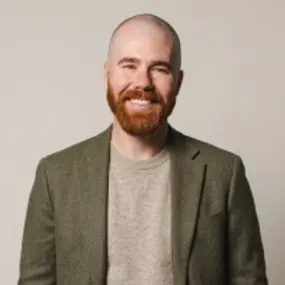
Chief Executive Officer / Co-founder
I work each day to advance the cause of our clients, and our team, by creating uncommon interactive brand experiences that stand as sought-after destinations in a market cluttered with distractions.
I spend my time helping organizations create plans and pathways to their ideal future. Sometimes, this means leading the production of digital platforms or experiences, other times it means redeveloping a brand strategy or campaign plan. My years serving at ThreeSixtyEight have allowed me to develop a wide set of skills that I apply to our clients' daily challenges. We are a team that believes in technical excellence, but we don't depend on it. We understand that technical mastery only matters when it serves to put forward a big idea. And that's why we call ourselves the Challenger Agency - because we believe that the next big idea can change the future, so we challenge ourselves and our clients every day to reach for it.
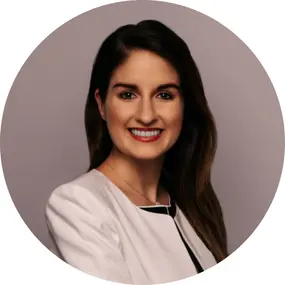
Kelly Hebert is the VP of Design & Media at Robert Hebert Media (RHM), a full-service digital agency headquartered in Lafayette, Louisiana, that delivers web design, development, SEO, branding, and digital advertising to clients across 28 states. At RHM — a Wix Legend Partner recognized among Baton Rouge's top web design, SEO, and digital marketing agencies — Kelly leads the design and media side of the business, shaping the brand identities, creative, and visual experiences that drive online growth for businesses of every size.
Kelly brings a creative background that extends well beyond the agency world. A former lead singer of her own band, she carries an artist's instinct for storytelling and audience connection into her work building brands. She is also an active part of her community as a board member of the Garden Club of Baton Rouge.
🌐 Website: https://www.roberthebertmedia.com/about-us
💼 LinkedIn: https://www.linkedin.com/in/kellyehebert/