Amazon Music
 Apple Podcasts
 iHeartRadio
 Spotify
 YouTube
 RSS Feed
 Podcast Addict
 Podchaser
 Deezer
 Goodpods
 PlayerFM
 Castro
 Castbox
 From Exit to Endowment: Building a Legacy That Outlives You — Monica Zuschlag & Margaret Trahan
What happens to everything you've built after you sell? Two Catholic foundation leaders explain how owners turn a lifetime of work into a legacy that lasts.
What happens to everything you've built after you sell — and after you're gone? Two Catholic foundation leaders share how owners turn a lifetime of work into a legacy that lasts.
In this episode of The Deal Podcast, host Joshua Wilson and co-host Jude David, JD, DCL, MBA, Managing Partner at FA Mergers, sit down with Monica Zuschlag, Board Chairman, and Margaret Trahan, Executive Director, of the Catholic Legacy Foundation of Acadiana. Monica shares the calling that led her to help launch the foundation, and Margaret draws on two decades leading United Way of Acadiana. Together they explain how donor-advised funds, endowments, and family legacy plans work, why stewardship starts long before an exit, and how faith-aligned investing keeps a family's values intact for generations. A practical conversation for owners and the advisors who guide them.
🎯 What We Cover:
- Stewardship vs. ownership: rethinking what you've built
- How legacy giving connects to selling a business
- Donor-advised funds, endowments, and foundations explained
- Two widows, one endowment, and the widow's mite
- Why generosity is a lifestyle, not an event
- Family legacy plans and naming the next generation
- Values-aligned investing under USCCB guidelines
- Building guardrails that outlast you
- Why saying yes to your life's mission matters
🤝 Connect with Monica Zuschlag & Margaret Trahan:
🌐 https://www.catholiclegacyfoundation.org/
💼 https://www.linkedin.com/in/monicazuschlag/
💼 https://www.linkedin.com/in/margaret-trahan-7426a49/
🤝 Connect with Co-Host Jude David:
💼 https://www.linkedin.com/in/jude-david-jd-dcl-mba-172a6a76/
💼 Thinking About a Transaction?
FA Mergers helps founders, investors, and business owners navigate the full M&A process — from valuation to close. If you're exploring a sale, acquisition, or capital raise, let's talk.
🔗 https://www.famergers.com/
🎙️ Follow The Deal Podcast:
🌐 https://www.thedealpodcast.com/
💼 https://www.linkedin.com/company/the-deal-podcast/
▶️ https://www.youtube.com/@dealpodcast
A One Iron Network production: Executive Producer Joshua Wilson
Topics: legacy planning for business owners, donor-advised funds vs. endowments, charitable giving after a business sale, family legacy plans, faith-aligned investing, Joshua Wilson on The Deal Podcast
Disclaimer: Joshua Wilson is a licensed Florida real estate broker and holds FINRA Series 79 and Series 63 licensure. The Deal Podcast is presented by FA Mergers and is produced for informational and educational purposes only.
Nothing discussed constitutes investment advice, legal or tax advice, a solicitation, or a recommendation to buy or sell any security or to pursue or avoid any transaction. All views and opinions expressed by the hosts, co-hosts, and guests are their own and do not necessarily reflect the positions of FA Mergers, One Iron Network LLC, any regulatory agency, or any employer. Listeners should consult their own legal, financial, and tax professionals before making any business, financial, or transaction decision. This podcast does not constitute a solicitation or recommendation for any financial products or services.
Let's Connect on LinkedIn:
https://www.linkedin.com/in/joshuabrucewilson/
To Contact Us, Please Visit:
https://www.thedealpodcast.com/contact/
00:00 - Welcome & Stewarding Your Legacy
01:41 - Meet the Catholic Legacy Foundation of Acadiana
03:23 - Monica and Margaret: Saying Yes to the Calling
13:10 - How Legacy Giving Connects to Deal-Making
18:18 - Stories of Giving: Martha, Mary & the Widow's Mite
21:39 - Donor-Advised Funds, Endowments & Foundations Explained
27:26 - Why People Give
36:28 - What Stewardship Really Means
42:26 - Catholic Values-Aligned Investing
46:25 - Guardrails for the Next Generation
49:47 - Guest Question Exchange: Mission & Leadership
56:19 - Final Thoughts & How to Connect
Joshua Wilson:
Good day, everybody. Welcome to The Deal Podcast. Um, really grateful to have y'all listening in, and y'all is what you say in the South. I'm from Florida, so you say y'all to address everyone here. Uh, we're grateful for you. The mission and purpose of this podcast show is to inspire the future generation of deal makers, right? So we have people come on the show, um, to talk about buying and selling businesses. We talk about mission-driven, uh, projects. We ran a, a whole podcast series focused on, uh, nonprofits and, and mission-driven stuff. Um, this podcast was started by the, the team at FA Mergers. They sell middle market businesses, and what they found is as you're selling businesses, all these conversations come up like, "When I sell, what, what, what do I do with my life then?" Or, "What should I do with my money?" Or,"What the heck, you know, how do I sell a business?" And that's where the, the team at FA Mergers dives in and helps. But I, I think the, the conversation today, um, which will re- really be hopefully inspirational to a lot of you, is the idea of stewarding your legacy, right? So Jude, uh, I'd like you to actually do an introduction here to, uh, to our friends.
Jude David:
So our friends today are Margaret and Monica. Margaret's the executive director of Catholic Legacy Foundation of Acadiana, and Monica is the board president. And these ladies are the movers and shakers who run the foundation that is, um, within our Diocese of Lafayette, Louisiana. So very separate foundation from the diocese, but serves the many, um, you know, critical pieces of our diocese, the churches and the schools and the various organizations, and all the foundations and endowments and whatever the case may be, where you wanna support good works that our diocese is doing, and helping those to last in perpetuity. And so they're here to talk to us about what it means to be a good steward, what it means to shepherd the assets and the gifts that the Lord has given us and, you know, what do we do with those things? How do we, uh, envision our lives and, and, you know, those things entrusted to us being used to preserve the legacy all around us. So Margaret and Monica, welcome.
Margaret:
Thank you. Thank you for having us.
Joshua Wilson:
Yeah. And we, uh, we just did a conversation, uh, an interview with Aaron, uh, Travos? Travasses. I'm learning the language over here. But, uh, that, that was a father and son. We interviewed Marvin, uh, much earlier in the year. And then we have another, like, uh, legacy, uh, alumni coming in. Uh, we interviewed your husband- … uh, back in, gosh, when was that? Almost a year ago. October 9th last year. So why don't you kick us off, um, Monica, why don't you tell us a little bit about who you are and what do you do?
Monica:
So I'm Monica Zuschlag. I'm a stay-at-home mom. Um, but clearly I do a lot of extracurriculars of my own, uh, serving on different non-profit boards, and this is the one that is nearest and dearest to my heart. Um, I, uh, actually had a bout of kidney cancer about five years ago. And, um- There was, it was a total godsend moment for me. Not to trail off too much, but, um, when I got through that, I just felt this strong calling from the Lord to really put a focus and em- emphasis on, um, how I served the community and how I did that through faith ba- faith-based organizations and to help the Catholic Church because it's given so much to me. So I love to give time back to the church in any way possible, and this has just been such a godsend to work with Margaret and, uh, to get this foundation off the ground. It's just been a blast. It really has. Yeah. But I have three kids. Um, Blaise probably told you all before, they're, uh, back to back to back. They're s- um, in the fifth, sixth, and seventh grade, 10, 11, and 13, and they keep us really busy. And, um, they actually served in mass yesterday, and we were laughing 'cause Rex gave one too many bell rings. So- Yeah … they're still learning through that process. But, um, yeah, it's fun. Glad to be here today.
Joshua Wilson:
We're glad to
Jude David:
have you. Yeah. It woke me up. I heard it in mass, and I said,"Okay- We'll see you … I need to pay attention. I need to pay attention." That's what the bells
Joshua Wilson:
are for. Uh, why don't, why don't you tell us a little bit about you, Margaret? Who are you and what do you do?
Margaret:
Well, I'm Margaret Trahan, and, um, I guess I'm been around a long time, a lot longer than anybody in this room. But, uh- Trying to use that experience to help, uh, the bishop launch the Catholic Legacy Foundation of Acadiana. And as Jude said, it, it is separate from the diocese, but I'm actually, you know, of retirement age, and was ready to retire, and had one foot out the door. And Bishop Deshotel said, "Listen, I have this project for you. Would you help me?" And he's really a hard man to say no to. Mm. He's so kind, he's so sweet, and he is so, um, dedicated to our faith. Um, and it's just really been a joy to work with him, as it has been working with Monica and with Jude. So, um, I, I really feel blessed in what I'm doing. But my background is really, um, nonprofits. Um, I started out as a schoolteacher. So you could call education a nonprofit, right? Sure. I started out as a schoolteacher. I did that. And then, um, I started volunteering all my time away when I stopped teaching school. So sort of like Monica, a stay-at-home mom- … but doing a lot out there in the schools and with nonprofit organizations to benefit my community. And from there, I ended up, um, uh, hired at United Way of Acadiana, where I stayed for about 24 years. Um, and then supposedly retired, but again, that same bishop, um, had a way of calling me to go work at the diocese at the time for stewardship and development. And so that was where I was when he called me a second time to come and help with the Catholic Legacy Foundation. And so it's just really been sort of, uh, the highlight of my career, being able to do this. I've found that all the things that I've learned along the way have really come into play in helping to launch this foundation and, um, help to assemble, um, the first board and to get all the pieces in order so that we're ready to serve this diocese and ensure that our Catholic faith, our Catholic culture that we know and love, uh, continues to exist forever in this diocese.
Joshua Wilson:
So Margaret, we're, we're on our third career, right? Yeah. Teaching, then United Way, and this. You said you were one foot out the door, and the bishop said, "Wait, not yet."
Margaret:
Yeah.
Joshua Wilson:
Right? What was going through your head, and why did, why did you say yes? You said he was a hard man to say no to, but there's got to be a, a calling piece to this. What, what do you think God was speaking to you? Or, like, what inspired you to go,"All right, I got another run in me"?
Margaret:
Well, I think it was because of the relationships that I had formed along the way, what I had come to understand by working five years at the diocese in stewardship and development, the pastors that I got to know, the associate priests that I got to know, the people that work at the chancery building. And I realized that I could take all of that, plus the connections I had made in, in the United Way days, and use all of that for the benefit of the church. And when I tried to think of who else could do that instead of me, so I could make an alternative suggestion to the bishop, I couldn't come up with anybody. So I said yes, and it's kind of what I've done my whole life. I told my, my children when they were young, I said, "You know, your life's mission, you don't get to plan what that is. It finds you, and you have to say yes and be open to the possibilities when they come your way, and always say yes." And so that's what I've done. And I know you hear a lot of people saying, "I need to learn how to say no," but I don't say that. I say, "You need to say yes always," because it always leads to something wonderful.
Joshua Wilson:
Interesting. Interesting. Your life's mission. So Monica, you were a stay-at-home mom. You, uh, have a husband who's successful in the business world, and, uh, one day you got a calling, right? You got life's mission knocking on your door, and you said yes. Kind of walk us through, like, why… You, you said that the, the church was so kind to you during that time, but to, to jump back in and put suits on and to get back in the, you know, the workforce, you know, like there's… There was a calling there. Like, what, what did you find was- Going on in your heart, your brain, your life, your family, and you said, "Yeah, I'm in"? Because it's, it's hard to start up a, a business. It's hard to start up a nonprofit. And, uh, the impact that you guys have is pretty incredible. Like, walk us through
Monica:
that. So like Margaret said, Bishop's really difficult to say no to. And it's like when he, when he asked and when Margaret came and sat down with me, um, it just… We had worked with Bishop a lot in the past on capital campaigns within the diocese, with Holy Family Catholic School, I know Blaise touched that on- Mm-hmm … on the podcast before, and through just, you know, even Fatima or St. Pius, you know, we as a family and a family foundation give back Catholic in a big way, and we always have. And, um, Mr. Richard, Blaise's dad that passed away a few years ago, and Miss Elaine have just really instilled a stro- those strong values and virtues within our family to give back in that way. And for me, you know, I, I, I was, I was going back constantly saying, "God, what can I do for you for allowing me to know that, that, that, you know, allowing f- me to live through this process of having cancer and, and keeping me around?" And this came and slapped me in the face, and I was like,"Okay, God, here I am," you know?"I'm gonna step up and, and I'm gonna do this." And, um, it's just been such a blessing, you know, to me and our family in return just to, you know- Let me use my time, talent, and treasure to give back to the church in such a meaningful way. Um, that's, you know- Mm … one day we're gonna look back in the next 50 years and we're gonna say, "Look what we did for the church," you know? The church is, is living on because of the building blocks that we set forth and put in motion through, you know, bishops' ideas and, and we made this happen. We made this happen for the church that has done so much for our family. But, um, and too just letting that legas- legacy that Mr. Richard, um, had set forth in our family and, and really being able to make a big impact myself. Um, I wasn't Catholic growing up. I'm a convert. Went through RCIA in New, New Orleans. Yeah. Not New Orleans, New Orleans.
Joshua Wilson:
Yeah.
Monica:
Um, at Immaculate Conception Church there. And, um, you know, I, I just feel like I've, I've grown in such- into such a strong faith and, and I wanna give back in that way, and I want the legacy that Mr. Richard has set forth in our family and with our family foundation to live on forever as well. And this is my way of contributing to that, so.
Margaret:
And I, I think it really is about the values that are, that are passed on to you. You know, you, you're saying it so beautifully, Monica, about, about Richard and how his generosity wasn't just an event. It was a lifestyle.
Jude David:
Mm-hmm.
Margaret:
And that, those values that he exemplified by living that way were obvious. I mean, you could see it. And now that's living on through his children, his daughter-in-law, and hopefully their children. Mm-hmm. And that's really what legacy is all about. It's about recognizing, number one, that yes, gifts have been entrusted to you, but it's not just what do I own and what do I have, but what am I gonna do with it and how will it make a difference even when I'm not here?
Joshua Wilson:
So do you, you guys buy a bunch of companies and you sell a bunch of companies, right? And how does this tie into the world of deal-making? Connect some dots for us here and, and then we'll, we'll dig into how we're, we're creating legacy and, and stewardship through the assets while we're alive and then maybe beyond.
Jude David:
Well, I could wax philosophical for a good long time right now, but I'll try to be a little more practical. Um, we are all called to be stewards of what the Lord has given us. Mm-hmm. Um, we even have something, uh, in our church doctrine called the universal destination of goods, where, you know, most people like to think about giving in terms of, you know, I've built something, I own these assets- Mm-hmm … and I want to shave off a little piece of those assets for the Lord, and that's the exact opposite of our church doctrine. The way we look at stewardship is everything the Lord has given us belongs to Him, and we are just stewards of what it is that He has given. And the universal destination of goods in particular says, I will take from that stewardship what I need for my family, and then find ways to give back all that remains. Right. And that is a huge burden, and I, like, personally, I struggle with that, that whole concept because it feels like, wow, I built this. I've done such and such, and I've grown these assets. And, you know, as long as those assets are, you know, hard at work and you're reinvesting and you're creating more jobs and growing more prosperity for your community, you know, that's being a good steward- Hmm of those assets. But whenever the music stops, and you start collecting those assets for yourself, um, for, you know, bigger retirement and fancier toys and whatever the case may be, instead of thinking as a steward of the Lord's assets, now you're thinking of me, me, me, my legacy, what I want. Um, and- Legacy can be so different, and that's what these ladies are working on every day. It's how do we build for the greater glory of his kingdom? How do we support his institutions? But also, you know, all of the mission-aligned values. Um, we've got so many endowments, uh, that are a part of this organization where, you know, if you are pro-life, you can go give to a pro-life endowment that supports all the pregnancy centers and helps all the moms in need or, you know, various other, um, you know, endowments to support different missions. But also, if we don't have an endowment, uh, as a person with money, you can establish an endowment and say, "I want to give for whatever," whatever type of education or whatever type of- Mm-hmm … need a, a particular, um, segment of our Catholic population has. Um, and so people are doing that constantly and, and we're watching this grow little bit by little bit, and I think our bishop had such incredible vision in doing it. You know, he was a little bit taken aback coming to become the bishop of Lafayette and realizing we didn't have an endowment or an, a foundation like this to begin with. Um, but you know, he, he didn't let that discourage him and said, you know,"Best time to plant a tree is fifty years ago. Second-best time is today." And so- Mm-hmm … he started this foundation, and I think fifty years from now, we're gonna look backwards and go, "Wow, look at how amazing this has become." Mm-hmm. But tying it particularly into business owners and the deals that we're doing, there are so many ways to look at those assets and those gifts that the Lord has given and figure out how to give back to your community. And whether it's giving to one of those endowments or giving to the foundation in general, um, that can be helpful. If you're thinking about, you know, your legacy and, you know, how you leave behind for generations to come, we have donor-advised funds that'll allow you to put significant amounts of money into the foundation, allow that money to grow tax-free year after year after year. And not only grow tax-free, but you got a full deduction for the value of whatever you donated at the time you donated it, so that for years and years to come, your family is making decisions about how to guide those funds and support the community. And then in particular for business owner clients, whenever they're thinking about a sale, you can actually donate the appreciated stock in your company into that type of vehicle, into a donor-advised fund, and avoid the capital gains on the sale as well. Mm-hmm. And so there's tremendous tax advantages. And I've got a, you know, half dozen other tax advantaged vehicles you can use a foundation for in the sale of a business that I can talk to people about, uh, if they're interested in those, but a little bit too much for the purposes of this podcast. Um, but h- hopefully that drives the point home in particular on stewardship. But you know, I guess Margaret in particular Um, how are you seeing people using the foundation to steward the Lord's gifts?
Margaret:
It, it's been an inc- an incredible journey being part of this foundation because every day People show up at our office or call us or email us, and they're wanting to make a gift. And I'm, and I keep thinking, "How do they know we're here?" Because we, we've been trying to get the word out, but you know how difficult that is, um, to, to, to penetrate all the clutter that is out, you know, in, in the form of advertising. And it's just been wonderful to see people come in and say, "You know, I wanna make a difference now." One of my favorite stories, two ladies, and honestly their names are Martha and Mary. How perfect. How perfect. And they somehow heard about us. Um, they went to a breakfast that we had last year that was a kickoff, a launch, but they knew who we were before that. It was a launch breakfast. And they come up, came up to me afterwards and said, "We're ready to do something right now." And these two ladies came into my office a week later. They, um… both widows, living on fixed income. It takes $10,000 to start an endowment with us, and they said, "You know, can we combine our money and start one together for our church parish?" And we said, "Of course." And so that's what they did. They each put in $5,000 that they're… I thought of the widow's mite the whole time they were doing it.'Cause you could tell that they really, um, had thought very carefully about this. And they, uh, set up that endowment for St. Edmond's Church parish, and the pastor there was thrilled beyond words that he now had an endowment that he could talk about to his parishioners, and in fact, was so excited, he put it in the bulletin the next week- so everybody would know that he had an endowment, um, that people could contribute to. And the nice thing about an endowment is that once it's established, a person can put in any amount into it. They can add to that endowment at any level. So if somebody's looking at making a bequest or planning for that, um, as they plan their estates, and maybe they haven't sold a business and they're living on a fixed income, they can make that smaller donation, and it's perfectly, perfectly wonderful that they do that. So that's, that's just one example. Um, I had somebody the other day who said he Googled us, and he set up a donor-advised fund with us, and he's actually making, um, I'd say about, about $20,000 worth of gifts a year out of that, um, and, um, donor-advised fund that he set up. They're recurring gifts to his favorite charities, and they're set up, and they're all happening through us. And the nice thing about it is that his return on his investment is helping to offset some of the actual grants that are being made through his fund. And so even though he might make, uh, you know, in a, in a given month, a six- Four or $5,000 worth of investments, he's getting interest back on that, um, on that fund that's offsetting some of that cost. So it's, it's nice. It's… And he's very pleased about it as well. So those are just two, one an endowment, one a donor-advised fund, um, that I can think of off the top of my head that have happened recently.
Joshua Wilson:
Yeah, that's special. Um, maybe could one of you give an overview of maybe some of the different vehicles? For people listening in, they might not know what a, a donor-advised fund is, or an endowment, or a foundation. Could you maybe paint a picture so we can all kind of be on the same page on that?
Margaret:
Sure. Yeah. Um, Monica, do you want to take some of that or you want me to- You got it. You got it. Okay.
Joshua Wilson:
Yeah.
Margaret:
All right. You know what's really interesting is those words you just threw out.
Joshua Wilson:
Yeah.
Margaret:
People are very confused about what those words mean. I
Joshua Wilson:
am too, yeah.
Margaret:
Yeah. Um, people will tell me they have a foundation, and I look at them and I go, "You do?" And they really don't have a foundation. They might have a fund set aside that they're using for their charitable giving, and it's kind of like a savings account, but it's not a foundation. A foundation is really an organization. It's a 50- typically a 501(c)(3) or some IRS designation. You can have a private family foundation that has a different set of numbers after it, but it has to be incorporated and, uh, and it has certain rules that it follows as a foundation, just as we do. We're a public foundation. We're a public charity. Um, and so that's a foundation. So we exist to, um, hold many funds for individuals, um, as part of their estate plans and/or, uh, we exist to hold donor-advised funds that don't necessarily have to be part of an estate plan. As Jude described earlier, you know, when you sell a business, you can set up a donor-advised fund. Obviously, you're still here, and that's not a part of your estate. But what is a donor-advised fund? A donor-advised fund is like a charitable checking account. Um, you can put a, a certain amount, as much money as you want into that, into that, uh, fund. And as Jude mentioned, you receive the tax deduction all at once for the money that you put in, and then you have as much time as you need to grant that money out to non-profit charitable organizations of your choice. And so you could do it all in one day, you could do it in 30 years. It doesn't matter because you've already had the deduction. The stipulation is it has to go to a charitable organization, and it can't benefit you personally. You can't use it to pay your child's Catholic school tuition or anything like that. So it can't benefit you personally, but it can benefit organizations that are trying to do God's work in the, um, in the area. So that's a donor-advised fund. So what else did you ask me? Uh- What else?
Joshua Wilson:
Then the
Margaret:
endowment. Endowment. Yeah. Okay, endowment. Um, an endowment is a fund that you set up, um, for perpetuity. You don't spend the initial investment in that endowment. Like Martha and Mary, their $10,000 that they put into their endowment, that will be there in perpetuity. And if others contribute to the endowment, that too will go into what we call the principal of the endowment, and that remains untouched. That is what generates the interest that lasts forever, and that is used to distribute annually to the designated beneficiary. So in Martha and Mary's case, their designated beneficiary was St. Edward's Catholic Church. So in years to come, the interest from Martha and Mary's initial gift will be distributed to the parish. And, you know, it, it grows over time, right? You know, you can start out with a$10,000 endowment, and over time grants are made from it, but it's still growing. We don't grant out the entire amount of, um, earnings on that fund. We, we grant out a percentage of it so that there's always something retained that can help to continue to grow, um, the size of that, um, investment.
Jude David:
Starting an endowment with a $10,000 gift can feel like you're planting an acorn and hoping for a massive oak tree to grow. And so, um, you know, it's very small bits over time that add, but you see, um, you know, big Catholic churches and diocese have these foundations with big endowments. Schools, uh, you know, major colleges, uh, a lot of them have multi-billion dollar endowments. And when they say it's a multi-billion dollar endowment, they're talking about the principal of that endowment. That's, you know, a billion dollars that's been given in over time, but even at a 10% return on a billion dollars, that's $100 million that's getting paid out of this endowment every year to fund the university and, and whatever the case may be. And so the same thing can happen with churches and schools and other various organizations within the diocese. It might feel like a little acorn today, and then, you know, it grows into a small tree, and then eventually there's such a broad umbrella of, of this massive oak that you planted that, uh, it, it turns into unbelievable prosperity for that organization where they never even have to think about fundraising. Yeah, gifts still come in and people are still giving, but they are never focused on fundraising as the way to keep the lights on again.
Margaret:
And unfortunately, in our, in our diocese, almost all of our church parishes and schools are very focused on fundraising because they need money now. Mm-hmm. And had we, you know, had this foundation longer and all those invest- uh, endowments in place, just as Jude said, that, that could be a very different experience, but it's, it's not. Their reality is quite, um, different, and they have to fundraise now. But we're trying to keep everybody focused on the future as well because it's not just about the here and now, it's about what's gonna happen 50 years from now, 100 years from now.
Joshua Wilson:
Yeah, that's, uh, super grateful that you guys broke this down for me. Um, you know, I can, I can look at tax benefits of giving, right? Like, oh, I'm, I'm giving because it's this, or maybe it's to, because my kids are in this special school or this or that, and I give there. But like why, why do you… What are some things that you guys have seen people give? Like the- these widows, fixed income, you know, like they're, they're giving out of like, of scarcity, right? Like, they don't have a lot.
Margaret:
Right.
Joshua Wilson:
But they're giving. Why do you think people will give?
Margaret:
Well, I know those two ladies gi- gave because they love their church parish. You know, they, they love their church parish, and they wanna see that church parish thrive. And so, that's their way of making sure after they're gone, that their church parish has something of theirs.
Joshua Wilson:
Mm-hmm. Yeah.
Margaret:
So it's kinda legacy in a, in a small way. Uh, maybe they don't think of it that way, but that's really what they're doing.
Joshua Wilson:
Yeah, for sure. We give out of love, right? So, so with that, like, when you see people setting up a donor-advised fund, a foundation, an endowment, and they get to direct maybe where some of it goes, what are, what are some of the things that you have seen people love and give towards, like they, you know, that was of interest to them or they had an affinity towards? What, what about you, Monica?
Monica:
Um, it could be as simple as flowers that go on the pew on Sunday. Like, you could designate for that. Um, we did have one couple come in, and they, they were very passionate about giving towards a maintenance fund, and they wanted to donate towards the main- towards the maintenance of the church because the church was building a new building and, you know, you can't think about just the bricks and mortar of today. You've gotta think about, uh, when that air conditioning unit that's, you know, several, several thousand dollars goes out, then you've got, you know, you've got a maintenance fund that's there to take care of that because this family put that in place. They had the, the foresight to make sure that that was there for, for the church parish. And I mean, so many of our, of our faithful Catholics in Lafayette are sitting in church pews every Sunday, sitting in daily mass every day, and they just haven't thought about this yet. You know? I mean, when we did the research when we started, starting the foundation, only 1% of Catholics in this area give back legacy gifts, um, on an a- on an annual basis. So what does that mean? It means that the only way to grow is, is up, right, from there. So, um, I think that whether it's a small donation like the one that, but very meaningful, the one that Mary and Martha gave, or something more substantial like, um, these people that are, that were giving a million dollars towards the maintenance fund for, for one of the church parishes, um, they're all meaningful gifts, and they all have a lasting impact to let the church live on forever, so.
Margaret:
Yeah. A, another example that I was thinking about was, um, Father Harold Trahan, who recently, um, passed away, and he was very intent upon, uh, leaving a scholarship fund in his name- Which he did. Uh, we talked about it. We probably had five or six meetings with him, and that's not atypical. I mean, he wasn't unusual in that regard because when people are making a decision about something that's this significant to them, it takes some time to process and to make sure you're getting it just right. You know, you're not buying a barbecue ticket. You're, you're really planning for something that is gonna last past your lifetime. And so it's, it's fair and fitting that people think about it carefully, and he did. He really thought about it carefully, and his reason for establishing this education scholarship was because he wanted to give back to church parishes that he had served in. And in particular, he had been assigned to a lot of African American church parishes, and he told me that the hospitality and the generosity and the friendships that he had formed in those church parishes meant everything to him. And so he established, um, a scholarship fund. It was for post-secondary education for African American Catholics, and we were able to give out the first two scholarships the week before he passed away, and he was able to meet one of those scholarship recipients. And that was, uh, something that he really, really wanted to happen, and I think God made that possible for him. Yeah. Beautiful.
Joshua Wilson:
One of the things that, you know, as I'm hearing the story, you know, like, we go to church, we go to mass, and we see flowers there. Mm. Or we see, you know, there, thank God the AC's running, especially- Yeah how hot it gets here in Louisiana or where I live in Florida, and sometimes we don't see all of the, the resources needed to serve people and to love people. Um, you know, there's a story of someone handing out money on the street and, you know, s- someone said, you know, "Where does this money come from?" Well, it came from the, the church and all the givers that, you know, poured into that every week so that they could give money to the, the homeless or the poor, whatever. But I, I d- I think, you know, taking that, that aspect of it, it does take a lot of people pitching in, but seeing a need and joining into it, but it also from places of, of pain.
Margaret:
Mm.
Joshua Wilson:
Like, you see someone who maybe had a bout with cancer, you know, like, and coming through that you saw how, how much the church was meaningful to you. Mm. And that pain then turns to a purpose, and now you're helping unlock generosity across the thing. That was a long rant to kind of go into… There's so many different reasons why people give, and you give them a vehicle to do that in perpetuity.
Margaret:
Right. Right? Exactly, and I think that's, that's really why we've been getting the calls and the visits that we have, is because there is a hunger in our diocese for that very thing. Um, we have… We are blessed with so many, uh, with a strong Catholic population, and I said, and as I said earlier, a Catholic culture unlike no other. And people truly value that. And I think there's been a desire to do something, and now that people realize there's an option here that they can give to a Catholic foundation where their, their, uh, donation will be monitored in perpetuity, where it's gonna be invested, um, in the-- following Catholic guidelines. The US Conference of Catholic Bishops has a set of guidelines for Catholic investing, and we haven't even talked about that. Um, that it's gonna be Catholic invested, and that we're going to ensure that the intention of those funds is honored. Um, so there's somebody kind of watching out for them, and that has meant a lot to people. Um, I had one couple that came in, and they, uh, uh, didn't have children, and they had a-apparently accumulated quite a bit of savings. And their, um, all the beneficiaries of their will were going to be Catholic organizations, and they had at least ten of them in their will. But they kept changing their mind. And I said, "You know what? We have something called a family legacy plan, and what you can do is use your family legacy plan. It's a lot easier to change that than to change your will. And so in your will, you name the Catholic Legacy Foundation for the fulfillment of your legacy plan, and then we will make sure that your legacy plan gets carried out." And so that has a lot of benefits. But in particular for them, um, it enabled them to have some peace of mind that, yeah, it was okay if they changed their mind and added to their list or took someone off the list because they had had a different experience and wanted to include someone new. So that would be fine. So we've done that for them, just one of the many things that we offer. But we're really trying to, um, respond in an authentic way to what people need and what they value. And so we're not here to force anybody to do anything. It's what do you care about? What will bring you joy when you think about your legacy, and how can we be a part of that to help you with it? So it's not one size fits all. Everybody's unique, and we always try to customize the solution or the offer for each person that comes in because we really want them to feel like they've made a meaningful difference and that they will continue to make a meaningful difference in the years ahead.
Joshua Wilson:
We talked about stewardship, right? It's very easy, I think, or I'm tempted at least, right? I work hard all day long, so do these guys, so do you ladies, and we accumulate stuff, right? And it's very easy to go, you know, I built this, I created that. The idea of stewardship is a, a whole different way to look at things. I've seen your notes. There's a question like, what is stewardship? Why don't you guys share with me what, in your experience, that mindset shift into, into stewardship, what does that look like?
Monica:
I would say that everything that we have is, like Jude said, is a gift from God, and we have to be good stewards of, of our gifts that He's given us, and, um, utilize those gifts to give back in a meaningful way and with our values and our virtues. And, um, that's another thing, going back to the, like, the investment policies that we have with the foundation and following USCCB guidelines, I think it's so important that, um, we're investing our values. And when we went through the process to choose the company that we utilize, we really put that at the forefront of, of our, of our mission in picking that investment advisor and, um, making sure that our values and our faith and our virtues were at the forefront, and that we were following, following those guidelines. And, um, I think that, you know, they are helping us as well steward appr- these gifts that are given to the foundation appr- appropriately to make sure that, that we're, we're utilizing our virtues and our, our faith values in our investment policies and practices, and I think that that's super important, um, to touch on just-
Margaret:
Absolutely. Mm-hmm. I mean, stewardship isn't something we do after we've accumulated our wealth. Um, it's something that we do now, and it begins the moment that we recognize that everything that we have, including our very life, is a gift. And so when you think about Catholic stewardship, it really raises it to a whole new level, and that is, how are you going to honor God with all that has been given to you?
Joshua Wilson:
Mm-hmm.
Margaret:
And that is a very deep question and one that I think as a foundation we try to help people answer. And it really does go back, I think, to what makes us different, and that is, I think, that we are here to advance the Kingdom of God. So anything that this foundation does, um, is, is focused on that purpose. We're a nonprofit, so we keep our costs very low. But everything that we do is for that purpose, to advance the kingdom, to ensure that Catholic church parishes, Catholic schools, Catholic ministries have the resources they need to live forever, to exist in perpetuity, and to thrive. And so that's what we're all about. And when people hear that, um, who are really deeply, um, in love with their church, that typically resonates with them because they feel the same way. They want that to happen. So we're here to partner with people who share our passion, and we say, "Leave your legacy with us, and we'll take good care of it, and make sure that the stewardship that you've begun in your lifetime can continue on after you're gone." And what's more, we're gonna do it in a way that stays true to the values that Monica just mentioned. And that's, I think, a very significant point, is how do you do that, um, in a way that, um, really no one else in the area is doing? Catholic investing through and through, following those USCCB guidelines to the letter.
Jude David:
Mm-hmm. That's another, uh, Catholic principle. You cannot commit any evil to, you know, bring about a greater good, and there's no There's no willingness or no flexibility, uh, in our morality to do things that are wrong in order to do something that is great. And that was something so important to us in choosing the right investment partner. Like, you don't even realize a lot of these companies are taking very activist stances in things that are really against our values, um, against the values of the church. And, you know, you think whenever you're giving money to invest, it's like, it's going to whatever technology that company's working on, or it's going to whatever, you know, uh, service that company's providing. But whenever they're very actively getting involved in political issues and moral issues that are against your values, um, you're complicit in that evil. Like, you're complicit in this evil to build wealth that maybe you use for something good down the line. And so as an organization, you know, there's a lot of different funds that say they're, they're morally strong funds or, you know, Catholic investing funds or whatever, and by that, they mean they're, like, scraping off the things that are obviously the evil ones, but they aren't digging into the actual, um, underlying reasons why, you know, that might be a morally good fund or a morally bad fund in, in all the things they're investing in. And even a step beyond that, our partner is actually an activist investor in making sure to vote, um, and rally support behind causes that are very important to our faith. And so it's a different level of making sure that we're doing the right good, but also only engaging in good to get there. And, um, and I don't think there's really a lot of opportunities or a lot of organizations that you can really trust that they've done that vetting on the front end. Uh, but this one has.
Joshua Wilson:
Could you give me an example of, um, you know, investing in the virtues, like through the Catholic faith, things that w- the Catholic faith would be for, and maybe some things that the Catholic… And this is just kind of like a, a, a pitch up in the air, whoever wants to take this one. Like, what are some of the things that the Catholic Church, uh, according to the, what is it? US-
Margaret:
CCB.
Joshua Wilson:
CCB, that would be off the table. Like, there's absolutely no way.
Margaret:
Well, one of the absolute nos is, of course, investing in abort- in, in abortifacients, drugs that would support abortion, that sort of thing. So that's, that's definitely a, a red line that you can't cross. Mm-hmm. And that one's pretty easy to figure out.
Jude David:
Except that so many companies support Planned Parenthood.
Margaret:
Yeah. Yeah.
Jude David:
And so, like, that's where it gets a lot
Margaret:
hazier. It gets fuzzy, yeah. And, and the other part of it too is when, when you're thinking about, um- Just avoiding the obvious, which would be avoiding something like abortion or, um, human trafficking-
Jude David:
Mm-hmm
Margaret:
child labor, those sorts of things. Pornography. Yeah, pornography. Mm-hmm. It's, it's pretty easy to draw that line. But when you're looking deeper, sometimes you see things that maybe aren't so good, uh, because the policies of a particular company are exclusionary or push Catholics into the, into the shadows because they don't allow, um, maybe matching gifts to any kind of religious organization. But if you, you know, give them to Planned Parenthood, they're gonna match that. So it, it is about looking beyond what their, what their corporate mission is and really looking into their corporate philosophy, and that's one of the things that we're sure to do as part of the Catholic Legacy Foundation, is we look into all of that. And we're also through, um, Innovest, which is our investment, uh, consultant, they are very active in proxy voting. And for years, you know, proxy voting was really just who did you want on the board of directors, right? But now, a lot of social issues make their way onto these proxy voting sessions. And so if you're not paying attention, there can be some, um, things that would come forward that would be, um, against Ch- Catholic teachings. So you really kind of have to watch that. Um, so those, those are just some of them. I know that, um, Innovest has been able to influence corporate policies that were really discriminatory against Catholics. Um, as part of that company's DEI policies, uh, the unintended consequence came that Catholics were being marginalized, and so they were able to get those kinds of things changed- Mm-hmm which is, I think, a great thing.
Jude David:
Yeah. It's not just negative. You know, Innovest is focused on, uh, one of the things we focus on here at The Deal Podcast a lot, how are business owners running their companies the right way? How are they doing the right things? And so, you know, you look at big national companies, the obvious ones that come to mind are Chick-fil-A and Hobby Lobby. You know, not open on Sundays, uh, proudly religious in the way they run their companies and, you know, proudly moral in their decision-making. And, you know, those are the kinds of companies we really want to invest in. Not just, you know, are they avoiding the most negative things in society, but are they actually operating in the right way, supporting their employees the right way? And, um, and so that's been a really good important focus for our investment partner to make sure that, um, you know, they're ranking companies not just in terms of which ones are avoiding evil, but also which ones are doing the right things and how do we support those organizations. And what's great is that, you know, they're making the same returns or better as the other financial advisors out in the world, but they're doing it in a good way and, you know, a morally upright way, and we're not supporting any evil for the good we're trying to do.
Monica:
Amen.
Joshua Wilson:
One of the, the things that I, I, I need to grow into is this idea of after I'm gone, and then maybe even after my kids are gone, right? So I might have a… My, my faith is, you know, um, that is I'm a follower of Christ and, and as I build things and invest in things, right? Like, that's true to me. But if I'm building something that's lasting 100 years past, you know, me and my kids and maybe even into the third generation, having that vehicle that stays true to a, a virtue, that guideline, that way I know as I'm building this, it's always going to maintain that, that compass. Where if- Mm-hmm … if one of my kids go off the rails and they, they wanna change where they invest, you know, like I get to dictate that this goes on forever.
Margaret:
Mm-hmm.
Joshua Wilson:
Is that kind of like one of the value propositions of the, the thing that you guys do?
Margaret:
It, it is. It is. I- I'm smiling because you made me think of something that somebody once told me. You know, we go back to the donor-advised funds. You can set up your donor-advised fund to also last past your lifetime if you wish- Mm-hmm … by naming your children as the su- as the successor advisors to the fund. And an advisor just means that they're the ones that would be requesting the grants. But when your donor-advised fund is with the Catholic Legacy Foundation, kind of have some guardrails on that fund because the fund doesn't necessarily have to just go to a Catholic organization when you make a grant, but it has to go to organizations whose values are aligned with Catholic teachings, right? So an organization like, like Habitat for Humanity does beautiful work, and they're taking care of people and, and helping them to have a home, and all of those things are, are certainly aligned with Catholic faith and what we believe in taking care of people. So doesn't just have to be a organization officially affiliated with the church. But if your child is your successor advisor, you've got those guardrails now on your donor-advised fund with us, which means it's gonna keep them within a certain framework of who they can benefit from that fund. And, uh- It does kind of speak from beyond, right? That this is how I want to see our legacy continue as a family. Mm-hmm. So, I don't know if that makes sense.
Jude David:
I'm thinking of, like, this invisible hand reaching out of the grave- … and, like, still controlling things from beyond
Monica:
Mr. Richard would love that. Yeah. Yes, yes.
Margaret:
Thou shall do it this way. Yeah. So but that is something in a donor-advised fund, where you, um, can use it as, as sort of a, a launching pad for the legacy of, of future generations of your family. Um, and of course an endowment, once that's set up, the foundation sort of manages it, and your family might not be as engaged in that particular endowment as they would be if they were actually having to make decisions-
Jude David:
Mm-hmm
Margaret:
about where money goes, and that's what you get to do in a donor-advised fund. You get to continually give to different organizations, whereas an endowment is typically you, you're focused on one organization.
Joshua Wilson:
That's right. Yeah. Hmm. All right. One of, uh, one of our great joys is passing questions from one guest to another. So y- Okay … you, you saw me shuffling a little bit. Oh, yeah. We're going to hear Blaise, uh, in October of 2025. So, uh, why don't you read that? And then we have another one from Aaron. So I guess that will be for, uh, Monica, and then we have one from Aaron that we'll do to Margaret. Okay.
Margaret:
Now, who's Aaron? You'll have to tell me.
Joshua Wilson:
Yeah, I will. Sure will.
Jude David:
So this is a recycled question, but we had Blaise on, so it seemed like we needed to bring his question back. How do I use my mission and purpose to change the world? So this question's for you.
Monica:
Well, clearly my mission in life is to get my family to heaven. Um, and I feel like, you know, being a, being a good, uh, Catholic and being a, a good example for, for my family, for my children especially, um, through giving back to the church in such a meaningful way with my time, talent, and treasure is, um, definitely helping that mission, right? Um- That's probably a terrible answer, but-
Joshua Wilson:
I think that's a pretty, like, legacy-driven, you know, answer, is getting your-
Monica:
Yeah… Joshua Wilson: getting That's- Getting my family to heaven is definitely my mission … that's amazing. I think that's Blaise's mission too. If he didn't say that, he should have.
Jude David:
I think
Joshua Wilson:
you did. Just
Monica:
keeping it real here. Yeah.
Jude David:
Yeah. You know, I used to have this great vision about, you know, getting your spouse to heaven, getting your kids to heaven, and it was like, "We're gonna be very holy, and through our holiness, we are gonna draw these people into heaven with us." And then, like, the longer life has gone on, I've realized, oh no, we are all very wounded people- Mm with a lot of, like, sharp edges, and we just grind against those people-… that… And in our family, and like, all their sharp edges grind against us until we eventually wear down smooth-
Monica:
Yeah… Jude David: and then everyone Mm-hmm. And- That's
Jude David:
a great
Monica:
way of putting it… Jude David: you know? It, it's, it's okay. We do it with our spouse. We do it with our kids. Man, they push back against us all the time, and we just grind all those little sharp edges off. But while we're grinding their sharp edges, they're doing it right back to us. Some days, I'm just glad that we have a lot of people in heaven that are praying for us- … you know, to get through the day,'cause it's good to have them on our side every once in a while, right? Yeah,
Margaret:
it is. You know, something that somebody said to me, and I was thinking about it, about the grinding-against-the-edges, uh, analogy, is that God doesn't just call us to be good. He calls us to be holy.
Monica:
Mm.
Margaret:
And I'm going, "That's hard."
Monica:
Mm-hmm. Right?
Margaret:
And so maybe in that grinding is where the holiness comes from, is being able to withstand that and to still love others as it's going on. But yeah, we're called to be holy.
Joshua Wilson:
Mm-hmm.
Margaret:
And, uh, that puts a whole new sh- a whole new, um, set of pressure on you, doesn't it, to, to really step up your game?
Joshua Wilson:
For sure. Yeah.
Jude David:
Yeah, three of those sharp edges are definitely me, myself, and I. Oh, yeah. They just, they get ground right off of there, but then you start thinking about things like legacy and-
Monica:
Blaise's edges are pretty sharp too. I'm just gonna throw him under the bus. He grinds me down plenty. Um-
Jude David:
Well, then y'all get to heaven together. Just grind those sharp edges off until you both get to go to heaven at the end.
Joshua Wilson:
Yeah. And then for you, Ms. Margaret?
Margaret:
Okay.
Joshua Wilson:
How does being a business owner or a leader in your case affect those around you? That's from Aaron
Margaret:
When you think about those around you, I'm still sort of thinking of the, the grinding against and the family answer.
Joshua Wilson:
Mm-hmm.
Margaret:
Um, I think if I think about it from the family perspective, how does it affect my family? Um, I think they, I think there may be, uh- Sort of used to me always doing things, you know? So they've kind of begun to accept the fact that I am a, um, a person that likes to, um, make things happen, and so they kind of know me as, "Mom's always doing something," you know? I didn't say in the beginning, but I have three grown children, um, and I have eight grandchildren, so they keep me pretty busy. And, you know, my grandchildren, I've brought into my office. They see where I work, and I don't know if they really understand what I do, but hopefully one day they will. But as far as others, um, what they might think of me, I ha- I don't know, and I don't really think about it. Um, s- say the question again. Is it what they think of me, or-
Joshua Wilson:
How does it affect those around you? The work that you do- How
Margaret:
does it
Joshua Wilson:
affect- … you know, in, in generosity, in giving, in planned giving? Like how does… How do you think that's impacting maybe the community, your church?
Margaret:
Okay. Yeah. I mean, I would like to think that the work that I'm doing right now with the Catholic Legacy Foundation is going to last, and that it's gonna make a difference in the future for our church. And I, I sincerely mean that, because, um, the, the culture that we have is so unique and so special. You know, growing up, I grew up in Crowley, and almost in every person's front yard was a statue of the Blessed Virgin Mary, and I just thought that's the way the world was, right? But it's not. Mm-hmm. But it is here. And so how do we make sure that that love of the Blessed Mother, our, our devotion to her, our just appreciation for the saints, how much we love our, our families and really want to take them to church, the fact that there's a Catholic church on almost every corner, you know, how do we make sure all of that continues? And so I, I would like to know that I maybe played a really small part in helping all of that to continue to be, um, in whatever form God wants, and that the Holy Spirit continues to, um, be a present and real to people in the diocese as, as it has been for, for centuries. And so that, that would be what I would hope would be the impact.
Joshua Wilson:
Both questions, amazing. As we round up to the end of our conversation, you both will have an opportunity to pass a question on. We're, uh, we're doing some interviews this evening, so you'll have a opportunity to pass on a question. But, you know, from your perspective, um, Monica, where… was there a question I should have asked you, or was there a topic that, that you- you'd like to cover up one more time before we conclude for today?
Monica:
Yeah. I'm thinking about blazing and change the world, and I was going back to that, my question again. Um- I don't need to change the world, right? Mother Teresa always said that, um, it's not about that. Like, it, it's just about that one individual. Just be that one person and so- You
Jude David:
don't have to do great things. You do great things with small love. Right. Great love. Or small things with great love.
Monica:
Yeah. Small things- Yeah … with great love and- Yeah. And I think that if we just, you know, focus on, on that in our, in our family and, and then, then the … It all cumulates, c- cumulates into, um, getting those kids to he- heaven'cause they're loved greatly, right? So anyways, I was just thinking that while Margaret was talking- Uh- … about the Blessed Virgin, 'cause it just- Devotion, yeah … touched my heart.
Joshua Wilson:
Yeah. It's just beautiful. And you're doing that with your time.
Monica:
Yeah.
Joshua Wilson:
You're at this organization.
Monica:
I think
Joshua Wilson:
100%. Your money. Yeah. And, you know, time, talent, and treasures, and your, and your talent.
Monica:
Mm-hmm.
Joshua Wilson:
Um.
Jude David:
Well, stewardship is about a lot more than just money.
Monica:
Yeah.
Jude David:
The time that we've been given, um, belongs to the Lord, and we are supposed to give that back. You know, it's even, um, you take it very broad and philosophical, but even our family and our children are the Lord's- Mm-hmm … and we are called to be stewards-
Joshua Wilson:
Mm
Jude David:
of those gifts. And for anybody who's experienced child loss, you know, it's, it's amazing whenever they reach that moment of peace, when they understand that child was never mine to begin with. Um, you know, it's, it was always the Lord's.
Margaret:
Yeah.
Jude David:
Um, and same thing when you lose a parent or whenever you, uh, lose someone else that you love, you know, we, we have this short time on earth, but that stewardship is stewarding those relationships, stewarding your time, stewarding your funds or your other assets. And, uh, it's such a broad topic, but thank you, ladies, for discussing it with us today.
Margaret:
Thank you for having us.
Joshua Wilson:
Yeah.
Margaret:
It's beautiful.
Joshua Wilson:
Margaret, is there anything that I missed that you'd like to cover?
Margaret:
Um, I, I just want people to know that stewardship's, is where it starts, but what you have today can leave a legacy, but it's how you do it. And, and as Jude said so beautifully, what you have today are your values, your family, and the wealth that you've accumulated. And what you do with all of those things matters, and you have a choice to make, um, some decisions to make, and, um, we're here for people if they need us.
Joshua Wilson:
Yeah. So-
Margaret:
That's great.
Joshua Wilson:
Ah, yeah. Cool. Thank you. So for people listening in, if you'd like to learn more about their organization, their contact information will be in the show notes. Uh, we'll, we'll be reaching out to gather that from you guys. And, um, Jude, why don't you close us out, man?
Jude David:
Well, we're just so thankful to have you ladies on. Um, how can people find you? How can people find the organization if they're looking for it?
Margaret:
Well, we have a phone and an, and a website, so, uh, hopefully one of those will work. Our website is, uh, catholiclegacyfoundation.org, and our phone is 337-261-5642. They can email me, um, anytime, mtrahan@clfainc.org.
Jude David:
Well, we encourage all of our listeners to visit the website, uh, to give a phone call or an email and to hopefully make a gift and start that legacy planning today.
Joshua Wilson:
Cool. Awesome. All right, fellow deal makers, as always, reach out to our guests, say thanks for being on the show. Maybe find a way to give. Maybe find some ways to, uh, think about, you know, the, the third generation down the line and, and building a, a legacy plan for you and your family. Uh, their contact information will be in the show notes. And if you have, uh, if you have any questions for, for Jude on some of those strategies for, for people who are looking to maybe sell a business, but they wanna do it in a way that's gonna leave a leg- a, a lasting legacy, right? Uh, reach out to our team. Happy to have a conversation. We'll get, uh, Jude on the phone with you, and, uh, maybe we can help you guys sell, sell your business or create a lasting legacy. Um, we love you guys, and we're grateful for you joining in, and we'll see you all on the next episode. Cheers, all.
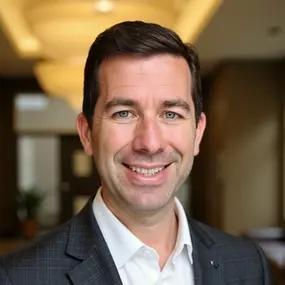
Managing Partner / JD / DCL / MBA
Jude David, JD, DCL, MBA
Jude made investment banking his primary focus after practicing for 12 years as a successful M&A attorney. From lower mid-market family-owned companies to multi-billion dollar corporate behemoths, Jude has advised sellers and buyers on over 200 transactions totaling billions in enterprise value.
Jude has leveraged his M&A experience to start a self-funded company in the building materials sector. Since its inception, the business has grown via acquisitions to over 400 employees across the USA.
Jude and his wife Ashley have six beautiful children and are very active in their community. Jude’s favorite pastime is taking the family to their fishing lodge on the beautiful Gulf Coast.
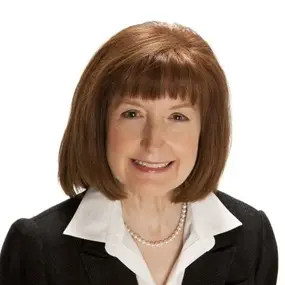
Executive Director, Catholic Legacy Foundation of Acadiana
Margaret H. Trahan is the Executive Director of the Catholic Legacy Foundation of Acadiana (CLFA), the Lafayette-based foundation dedicated to connecting generosity with purpose — ensuring every contribution is ethically stewarded, strategically invested, and aligned with Catholic social teaching.
Margaret joined the Diocese of Lafayette in 2019 as Stewardship and Development Director after more than 20 years as President and CEO of United Way of Acadiana. During her tenure there, she orchestrated the merger with the Volunteer Center of Lafayette, established the Community Foundation of Acadiana, co-founded Acadiana Voluntary Organizations Active in Disaster (A-VOAD), led United Way's transition to a community impact model, and expanded the Leader in Me program to 66 schools.
"My entire career has been focused on serving others," Margaret has said. "With this opportunity, I can advance the common good and serve my Church simultaneously."
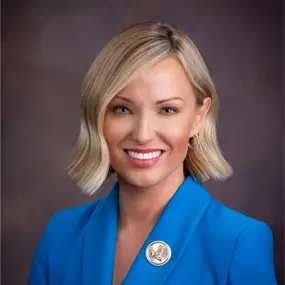
Board Chairman, Catholic Legacy Foundation of Acadiana
Monica Zuschlag is Board Chairman of the Catholic Legacy Foundation of Acadiana (CLFA), the Lafayette-based foundation dedicated to connecting generosity with purpose — ensuring every contribution is ethically stewarded, strategically invested, and aligned with Catholic social teaching. A philanthropist and community leader, Monica leads a board of business owners, attorneys, investment professionals, and clergy from across Acadiana.
Originally from Tennessee, Monica made Lafayette her home and has invested deeply in its community life, including serving as President of the Junior League of Lafayette. She and her husband, Blaise, give back through their family foundation, carrying forward the legacy of generosity instilled by Blaise's father, the late Richard Zuschlag. Her guiding principle for leadership: "If you see change that you want to make happen, go serve in the role that makes that decision."
Monica describes herself in five words: prayerful, mother, dreamer, doer, and cheerleader.