

 Amazon Music

 Apple Podcasts

 iHeartRadio

 Spotify

 YouTube

 RSS Feed

 Podcast Addict

 Podchaser

 Deezer

 Goodpods

 PlayerFM

 Castro

 Castbox
Would You Put Your Son on This Crew? Building a Safety-First Culture — Brennan Castille
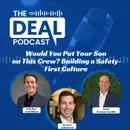
One question, "Would I put my brother or son on this crew?", became the hiring rule that rebuilt a family company's culture.
"Would I put my brother or son on this crew?" When his family's oil field construction company was growing faster than its crews could safely keep up, Brennan Castille made that question the hiring rule, and rebuilt the culture around it.
Host Joshua Wilson and co-host Jude David, JD, DCL, MBA, Managing Partner of FA Mergers, sit down with Brennan Castille, Chief Talent Officer of DMR Technologies, a U.S. drone manufacturer building its first full-scale plant in Lafayette Parish, Louisiana. Brennan traces a career built on the people side of growth: joining his father's company after a family leveraged buyout, recruiting top superintendents to turn around its safety record, scaling a staffing company's branch model, and now building a workforce for jobs that have never existed in Louisiana. Jude breaks down how LBOs work, and Brennan shares how culture, recruiting, and lean growth fit together.
🎯 What We Cover:
- Joining the family business through a leveraged buyout
- The "brother or son" test for every job and every crew
- Recruiting top talent to rebuild a safety culture
- Leadership lessons from Red Lerille
- Scaling a staffing company with a lean branch model
- What an LBO is and why buyers use leverage
- Why he joined DMR Technologies
- Lafayette as a talent hub for advanced manufacturing
- Building a workforce pipeline with community colleges
- Growing lean through a John Deere dealer network
🤝 Connect with Brennan Castille:
🌐 https://dmrdrones.com/
💼 https://www.linkedin.com/in/brennancastille/
🤝 Connect with Co-Host Jude David:
💼 https://www.linkedin.com/in/jude-david-jd-dcl-mba-172a6a76/
🌐 https://famergers.com
💼 Thinking About a Transaction?
FA Mergers advises lower-middle-market business owners on preparing for and navigating a sale. Start the conversation at https://famergers.com
🎙️ Follow The Deal Podcast:
🌐 https://www.thedealpodcast.com/
💼 https://www.linkedin.com/in/joshuabrucewilson/
▶️ https://www.youtube.com/@dealpodcast
A One Iron Network production: Executive Producer Joshua Wilson
Topics: building safety culture, recruiting to scale a company, family business leveraged buyout, company culture and growth, workforce development in Louisiana, Jude David on leveraged buyouts
Disclaimer: Joshua Wilson is a licensed Florida real estate broker and holds FINRA Series 79 and Series 63 licensure. The Deal Podcast is presented by FA Mergers and is produced for informational and educational purposes only.
Nothing discussed constitutes investment advice, legal or tax advice, a solicitation, or a recommendation to buy or sell any security or to pursue or avoid any transaction. All views and opinions expressed by the hosts, co-hosts, and guests are their own and do not necessarily reflect the positions of FA Mergers, One Iron Network LLC, any regulatory agency, or any employer. Listeners should consult their own legal, financial, and tax professionals before making any business, financial, or transaction decision. This podcast does not constitute a solicitation or recommendation for any financial products or services.
Let's Connect on LinkedIn:
https://www.linkedin.com/in/joshuabrucewilson/
To Contact Us, Please Visit:
https://www.thedealpodcast.com/contact/
Disclaimer: Joshua Wilson is a licensed Florida real estate broker and holds FINRA Series 79 and Series 63 licensure. The Deal Podcast is presented by FA Mergers and is produced for informational and educational purposes only. Nothing discussed constitutes investment advice, legal or tax advice, a solicitation, or a recommendation to buy or sell any security or to pursue or avoid any transaction. All views and opinions expressed by the hosts, co-hosts, and guests are their own and do not necessarily reflect the positions of FA Mergers, One Iron Network LLC, any regulatory agency, or any employer. Listeners should consult their own legal, financial, and tax professionals before making any business, financial, or transaction decision. This podcast does not constitute a solicitation or recommendation for any financial products or services.
00:00 - Welcome and Introductions
02:41 - Lafayette Roots and a Greater Calling
03:39 - Accounting, an MBA, and the Family Business
04:38 - Would You Put Your Son on This Crew?
06:35 - Lessons From Red Lerille
10:29 - From Construction to Staffing and Recruiting
12:40 - What Is an LBO? Jude David Explains
17:10 - Why He Joined DMR Technologies
21:28 - Lafayette as a Talent Hub
28:15 - Product Lines and U.S. Manufacturing
40:15 - Scaling Lean Through a Dealer Network
44:25 - A Question From Dr. Damon Cudihy
Promo Ad:
This episode is brought to you by FA Mergers and Acquisitions. If you own a business generating $10 million or more in annual revenue, our team can provide a complimentary opinion of value based on real transaction data in your industry. Whether you're considering a sale now or simply planning for the future, we can help you better understand what your business may be worth and prepare for an exit that aligns with your goals. Request your free valuation today at FAMergers.com.
Joshua Wilson:
Good day, everybody. Welcome back to The Deal Podcast. The mission and purpose of this, and I think that's important for visionaries, founders, and for you know, these kind of programs is to state their mission and vision like often. The mission here is to inspire the future generation of deal makers, right? Jude, Chase, Scott, they work with FA Mergers, they they help sell middle market businesses. And what they found in the marketplace is there's a lot of exit stories. They've helped sell tons of businesses. And a lot of times the the wisdom that they get from around the table and hearing the stories of these founders is so valuable that they want to share it with the community. So that's why we started this podcast show. so that's the the mission of this. The values is that we believe in, you know, authenticity and transparency. And that's why the people come in here and they've shared their life story, not just about the business, but about the hard times. The good times, the times where they hit their knees praying because they didn't know how to make it. And then they sell for a couple hundred million dollars. Right. So like cool stories, but that's that's why we do this. So here's what we need from you guys. As you're listening in, always reach out to the guests and say thank you. Let's be grateful in that. But then also, one, if you have a story to share, head over to thedealpodcast.com, fill out a quick form. We'd love to hear your story. And two, if you have a middle market business doing over $10 million and you want to sell it. Like let's take a look at it. Let's dive into the show today. This is a fun conversation. We're gonna talk about drones, and this was referred by our friends over at Opportunity Machine, Destin and Tyler. shout out to those guys and and to the mission that they're doing here. Destin was a one of the alumni here at The Deal Podcast and and they referred Brennan and and the team over at DMR drones. So, Brennan, welcome to The Deal Podcast.
Brennan Castille:
Thank guys so much. I love love what y'all've done. I feel like y'all have y'all kinda have a a unique group of people that have authentic stories, like you mentioned. not always just the the meteoric rise, but sometimes the struggles along the way. So I'm thrilled to be here for sure.
Joshua Wilson:
Yeah, absolutely. So, Brennan, why don't you tell us a little bit about who you are and what do you do?
Brennan Castille:
Absolutely. So I'll kind of start on the the personal side and then we'll really pivot over to to DMR. So I'm a lifelong resident of Lafayette, happily married to my wife, Melissa. I have a 13-year-old daughter, Madison, and a 10-year-old son, Luke. they both attend Our Lady of Fatima. My wife actually teaches there. and so for me, I've always minus about five months where I was living in Baton Rouge, I've always lived in Lafayette. and so for me. It's always kind of been a a little bit of a greater calling as far as like I want to have an impact of creating an a a a culture and creating opportunity where my kids don't have to leave Lafayette to to to prosper. And and I think a lot of what we've what we've seen lately, and just just over the course of the last several years is that Lafayette's really kind of building an environment of keeping our talent here, keeping our talent close. And so throughout I w I went to to high school at St. Thomas More and then I went over to went over to UL in accounting. during that time I was working for Red Lerille, which I'll I'll come back to Red. Red Red was one of probably my biggest influences overall. but I was I was working for Red Lerille, got outstanding grad of accounting, moved into got my MBA over at UL as well. and so I started working with started working with my dad. And at the time he was kind of a kind of a turnaround consultant. and so one of the companies he was with, they had grown it from like, let's say eight to about twenty four million, doing oil field construction. And he actually bought the company through an LBO. my mom went there. I started working there as well. And he has he has kind of a CPA background. So it kind of like he kind of always handled a lot of the the nitty gritty on the number side. and so what I as I started to come in, it's like it was weird because even as I was finishing up accounting and and starting in my MBA, like I knew that I liked to see the numbers grow, but I didn't necessarily care where every little bin fit in, at like as far as like dotting the I's and crossing the T's of accounting. So I started I I started basically well one of the things that we were faced with was while the company had grown extremely fast during that amount of time, they did it at the expense of at the expense of safety. they had people that were kind of overcommitting to the amount of crews we could put out. and so what we actually had to do was kind of make a conscious decision of, okay, we're gonna tear things down a little bit. We're gonna build we're we're gonna basically say, Would I put my brother or son on this crew? If the answer's yes, we take the job. If the answer's no, we don't. And so we were very conscious about kind of making sure that okay, we we had like a a string of safety accidents. And so we basically said, Okay, we have to really change the the culture of the company. We have to change what we stand for. And so We did it through recruiting. And so that was that was kind of my break into the the people side of things. And so what we started doing is we started targeting the best superintendents, the best operations managers. we started targeting people that were working for significantly larger companies. I had a guy who had just done a a five hundred man repair on the Shell Mars after Hurricane Katrina. It was at the time one of the biggest offshore construction projects ever. we we talked to him, we told him our story. We we allowed him the the chance to, hey, you're working with a multi hundred million dollar company. Here's the impact that you can have with us. having that little bit more of a a smaller family focus, he took a significant pay cut. And so he went from a 500 man crew for Shell to a six man crew for for one of the company for one of the smaller independent companies. and we we did that over and over. And so what that allowed us to do is we started investing in our people. We invested in our safety. We invested in our sales team. And we started to see that, okay, the stuff that we were previously overcommitting to, we're now we're now keeping up with. And and we kind of kept that philosophy of Would you put your brother or your son on this crew? And eventually the answer was yes across the board on everything. and so we we continued to grow it. And so talked a little bit about like mentioned Red Lerille. just one of the most one of the most phenomenal people you could work for because like the my very first day I got there, I remember he was he was cleaning the toilets and I'm like Red, you're you're cleaning toilets, like you're Red Lerille. And he's like, I will never ask anything of you guys that I haven't already done myself many times. and so kind of having that that service mentality of being next to the people in the foxhole with you. I love that about him. also he was really big as far as like small goal setting and big goal setting. And and so like in a lot of my like, whether it's audiobooks or things like that, a lot of the things I that I like is like I'm a daily goal person, but also of like, okay, what are the steps that I need to kind of get the big vision of what we want to do? And so with Red, he always wanted to he every time he went there, he wanted you to see something new. Maybe it's a new towel holder, maybe it's a whole new wing of of what you're going. But every time he's like, even for my people that are coming every day, he's like, something will be a little bit better. Maybe an area is a little bit cleaner, maybe an area is just more organized, but something will be better than the last time. And so it that kind of commitment to always bettering yourself. And and look, the last thing I think is from a customer service standpoint. I I worked I worked in the snack bar and we would joke because like during my time there was nothing close. Like if you could have eaten off the floor over there. Like it was the cleanest, most like efficient place. But like it also came back to customer service and and Red was like, look, I want people to bring their kids and their grandkids here forever. And so it that really had a had a big impact on me, on that side. So I kind of Kind of going back, so we're we're continuing to to grow my dad's company. And around the time of the BP oil spill, so things were already kind of somewhat shut down by the government and and tightening up a lot from where we were, my dad had a brain aneurysm. And so it was one of those situations where he had a phenomenal team down here, and we we kind of come back to like kind of come back to my faith and like my background. Like, one of one of the guys that I was good friends with at St. Thomas More, his dad was on the board of the Heart Hospital. very, very well respected surgeon down here. I called him and I'm like, look, I I I don't think that they have the best plan of attack right now. I was like, 'cause they were talking about maybe flying in a guy, maybe doing a craniotomy on him. Th there was a lot of lot of different stuff. And so spoke with him, he made arrangements. He got us He got us moved and he actually got like his he had just retired, but like his former head nurse, he set up as my dad's head nurse and like just walking through the entire process. and at the end of the day, he had an aneurysm, he had a breed bleed, and he he actually wound up with no deficiencies, no stroke, no nothing. And it was one of those where it was like ninety seven to ninety nine percent chance he should have had some type of major, major deficiency. And so when he was talking with he was talking with his surgeon, he was like, Thank you so much. He's like, you don't realize how much I appreciate my family appreciates. And like literally his doctor was like, You're thanking the wrong person. He's like, I've talked to every person that I know within the medical commun medical community. he said, You're you shouldn't be thanking doctors here. He's like, You're as close to a medical miracle as what we've seen. and he's like, the fact that you're able to have absolutely nothing wrong with you is is phenomenal. And so when that when that happened, he took a little bit of a step back. and so we wound up I wound up s moving into so it's funny because we built that company off of welders and fitters and blasters and painters, offshore construction per personnel. And so I had a had a local staffing company approach me and they're like, look, We got an order for a couple hundred. 'cause like we we grew from we grew from eighty to one fifty. We dropped it down back down to about a hundred. Then we grew it up to about three twenty, three forty people. and so they're like, look, we have an order for like a couple hundred people and they're all like oil field electricians and welders and fitters, and they're like, in fact, they were doing like a lot of like construction general labor stuff for companies like Lemoine and people like that. they're like, we we've never never dealt with this before. And they're like, so we want to we want you to kind of kind of spearhead that piece. And so I started out on the the the staffing side and so we were we were we were growing that very rapidly out out here in Lafayette. And so what we what they were kind of seeing is like the rate that we were filling positions and and bringing them on people in Lafayette was was way, way higher. And they're like, Okay, what are you doing and what can we do to kind of corporatize that? So I for about two years, I moved kind of up to the the corporate level. I was kind of director of of all recruiting and sales for the company. And they so we were able to kind of previously the the company would run like eight people per branch and it was kind of slow rollout. What we were able to do is we were able to kind of pull things in under a a corporate umbrella, have a lower overhead structure to where now we're rolling out new branches with one, two, and three people. and so it allowed the company to t to scale in the revenue a lot. stayed with them for six or seven years and it was right around COVID where I had an opportunity to move into kind of high end headhunting. and so
Joshua Wilson:
before you go there this is this is cool I I like where this is heading because this is kind of setting you up to the the work that you're doing in and helping build this this operation here but there's anytime I hear a term that the audience might know I just want to take a pause here and and kind of allow our team to just kind of dive in. You talked about an LBO. Yes. So we have a M&A attorney, former M&A attorney Jude David now who runs his own private equity group and investment bank Jude, what is an LBO? Kind of explain that for the audience, please.
Jude David:
It's a leveraged buyout. and it can come in multiple forms. It could be an outside buyer buying a firm using leverage to do it. It can be inside buyers doing it as well, you know, known as a management buyout, an MBO. but either one tends to use a good bit of bank debt, sometimes some stacked debt on top of that, like mezzanine debt. in the management version, usually it requires the mezzanine debt. But it it just makes the returns a whole lot better. on an investment. You know, the amount of people that can see a ten million dollar firm and go write a ten million dollar check for it is pretty small, but the amount of people that can come up with, you know, a million and a half and let the bank lend the rest is a lot greater. And so y you've got a lot of transactions that get done that way. for bigger firms like private equity and family offices, they use debt as well. not necessarily because they need the cash to be able to do the deal. You th a lot of times they're funded and they've got hundreds of millions of dollars. But if you buy a company for ten million dollars in cash and you grow it to twelve million dollars, that was only a twenty percent return over whatever your hold period was. if you buy a company for ten million dollars and you only actually put a million and a half into the deal and the company cash flowed itself while you got it to twelve million dollars, well now you've made a pretty tremendous return on your money because you more than doubled the investment that you put into it. And so the returns are outsized. You know, it also amplifies your losses at the same time. So you've got to be careful.
Joshua Wilson:
Yeah. Got it. So in this world, LBO leverage buyout. Thanks, Jude, for for kind of pitching that in. You had a it was really a family buyout because you had dad, mom, and son kind of going into this LBO process. kind of fast forward it, you saw you saw you you had your niche in in the people side of the business. All right. So fast
Jude David:
From STM by the way.
Brennan Castille:
Yeah.
Joshua Wilson:
What the heck is STM?
Jude David:
Saint Saint Thomas More, it's our high school. H here's the thing. Most places you go in life, whenever somebody asks you where you went to school, you think like, you know, I would say I went to LSU and Brennan would say he went to U L. But if you're from Lafayette and somebody says, Where'd you go to school? you instinctively know what, Brennan.
Brennan Castille:
where where their high school was. But also you see that in New Orleans a lot. Like because New Orleans is interesting because it's like in in your your Catholic slash private schools, it's mostly unisex. So it's all boys, all girls. and so you like the the Jesuit people don't talk to the Rummel people, even though they all end up at LSU or Tulane or Loyola like you will those those like high school rivalries down here. Look, Texas high school rivalries are probably one thing, but Louisiana's probably a a close second.
Joshua Wilson:
Yeah.
Jude David:
You ask somebody from Texas where they went, they say UT or Texas A&M. You ask somebody from Louisiana, they're gonna tell you, you know, S T or Jesuit or whatever the case may be.
Joshua Wilson:
Nice. Well, I went to Forest High School in Ocala, Florida. So that I don't think we were rivals with you guys, but
Jude David:
Look at you trying to fit in.
Joshua Wilson:
Trying so hard, guys. Pretty swampy right there. That's good. Yeah, I They're sugarcane. We had alligators in in Ocala. All right. So when it comes to you you found kind of like your niche with with you know, went to school for accounting, got your MBA, but like you you saw, you know, growing from eighty or so or however many to over three hundred. So you saw like the the people grow side of things and and the the people needed. Then you you had an opportunity to to get into more staffing and then executive head hunting. But bring us to DMR drones, right? Bring us to like you know, your involvement there. How did how did you find that opportunity? Why did you partner up with them? You know, give give an idea of what is DMR drones and and how do you fit in there?
Brennan Castille:
Yeah, absolutely. So I was so I w I was working remotely for the last six years. I was working with a company in Austin, basically rolling out new divisions. So I had a a guy who was doing CPA recruiting, had a guy who was doing attorney recruiting, had a lady who was doing construction project managers and we were growing that across the US. but I was detached from Lafayette. I was remote in Lafayette, the Maurice area. but I was outside of the community because it was it was a it was a Texas company. We're all remote. across the US. and so I I felt detached from from from Lafayette. And so I wanted to wanted to come back, wanted to to contribute closer to this area. And it just so happened that so DMR is an LED FastStart company. basically that means that the state of Louisiana has kind of a a non dilutive grant to us to kind of help accelerate our growth, whether it's whether it's direct reimbursements or whether it's programs that help us in training are our dcause we do like a lot of advanced manufacturing, maybe it's best practices of what's worked for billion dollar companies a across the state. so Governor Landry had actually put out a press release of kind of telling the telling the DMR story and its importance to Lafayette. And so before I had even this is probably terrible in my my part for negotiating, but like before I even talked to any of our three founders, I told Melissa, I was like, this is too important for Lafayette, for our national security, for Louisiana as a whole, for me to not be involved. they're they're growing from from zero to over five hundred employees. and I was like, I I have to be involved in this. She's like, what if you hate them? I'm like, I'm not gonna hate them. I'm like, because I'm I'm gonna be over building out this team. I was like, If I hate a couple people, that's fine. But like we're gonna build this in a way that that is is sustainable with with the the quality of people that we have. So I went in, I was already sold before I even talked to And so it was more like, Can I start this afternoon or can I start tomorrow? And they're like, let's let you like finish this fifteen minute interview here. And so I was I I was kind of all in initially. So DMR has been flying. So I our three f our three founders are Michigan State guys. they were studying abroad in Thailand. this is way back when, I don't know, twenty years ago or whatever. and one of them kinda went the engineering route, one of them kinda went the CFO venture capital route, one of them kinda went the engineering and supply chain and operations route. So they kinda took slightly different paths after that. They stayed in touch for a long time. And so They got back together a few years ago. And so they were DMR has been we probably have close to ten years of R and D, multiple years flying in Vietnam and Thailand. and so what's really nice is weather wise, it's it's it's pretty similar to it to what's down here. It's super hot, super humid. it's near the coast. There's a lot of the same factors that that they that we deal with down here, they deal with over there. And so they're like, look, we want to we want to build our we want to build out our our US operations. We want to take it from kind of strictly Asia, we want to enter the US market, we want a a home in l in we wanna we want a home domestically. And so there were I don't know, eight, ten, twelve states that were kind of competing to get DMR where they where they wanted to be. And ultimately What our founders saw is that through and look, I I have to brag on her, Mandi Mitchell at Lafayette Economic Development Authority, of anyone that I've ever dealt with on the econ development side, her and her team are the absolute best. And so between everything that her and her team put together and everything that Gov Governor Landry put together, they chose DMR because it was the most attractive financial package, the best. growth environment, the most supportive environment. But what they didn't realize, so DMR, Drone Manufacturing and Research, what they didn't realize is actually the same thing that that SpaceX saw. we kind of saw a little bit sooner and it's something that I've known my whole life. And that's that Lafayette, while it's considered the hub city of our culture, of our music, of our of our Cajun heritage, Lafayette's really kind of the hub of our talent as well. You have years and years of skilled workers from the oil field. You have brilliant engineers. You have this upcoming tech boom that that has happened in the last ten years. You have kind of that perfect circle of like, okay, if we're going to build, develop and research and test drones in an industry that's never existed, Lafayette's kind of the the perfect place to do so. And so the cool thing is is some of the positions that we're filling have never been filled in the state of Louisiana. And they're some of the first that have ever been filled across the US. Right now I'm filling a drone's a drone radio control hardware engineer, a drone radio control flight engineer. Never in the state of Louisiana has that position been filled. and so what that has done is so from a talent standpoint, it it's kind of that perfect blend. and it's it's kind of part of the same things that that SpaceX saw as when they were coming down here. But also, so our our core product is our so we we have a pretty wide breadth of products, but our if you're looking at like where has most revenue, most growth come this year, it's it's on the farm side. It's with our Field Ranger X50. it is a basically a precision spray drone for farmers for them to apply chemicals more precisely on their schedule with lower costs. And so what we found is, and it's actually really cool, and this is god luck, whatever you want call it, but with tall crops, especially sugarcane, sugarcane it grows so tall, so thick up top that they weren't getting good penetration from airplanes or and it was too thick for ground rigs. And so the way a drone actually works is as it's spraying, the downdraft from the rotors actually kind of cause like a almost my wife says it's like it gives it a like a blowout like at the hair salon. But like it it disrupts the crop enough to where you're able to penetrate down closer to the soil. And so whether it's it's fertilizer or roundup or insecticide or whatever, they're able to get it actually to the root of of where it needs to go. And so as a result, instead of having to spray all over your neighbors and in wide, wide ranges at the top of the the crop canopy, they're they're actually able to get it to get it down low. And so it just so happens that we're seeing some of our highest efficacy with sugarcane farmers. They're getting anywhere from fifteen to twenty two percent more sugar per acre, which for them that could be the difference between an off year that crushes your family farm and just has you get out of it to where, hey, in even in a bad year we can sustain. In a good year we're we're really, really we're really, really blowing up. And so it just so happened that the the state that the state and the city that were most rewarding to us in in Lafayette was also the place where our talent was there. and our our closest customer base was there. also, so I'm I'm on the board of South Louisiana South Louisiana Community Colleges Foundation. And one of the things for me that that I love about that is for my whole life I have hated Lafayette being a farm for Houston, a farm for Dallas, our talent going to UL, going to LSU, going to Tulane, and feeling that they have to leave the state for substantial opportunity. And so with when you look at like what what SoLAcc has been able to do, almost all of their talent stays here in Acadiana. and so they're they're creating people that are that are workforce ready, that are that are staying here closely. And so from a selfish standpoint, it helps me to be able to build out our our our our workforce easier. we're able to to target people that are in high school, that are maybe in a a non four year college path, or that maybe they're maybe they they want to go this specific route. 'Cause look. I had a phenomenal experience at UL. but your first three semesters until I hit until I hit like Dr. Ward's accounting, which she for a long time she had a reputation of like when you make it to Dr. Ward, you're either gonna make it and graduate as an accountant or you're changing your major. And so but up until then it w it was pretty easy. And so like I I always made sure I had a a really good balance of that. But what you see sometimes is like with especially with with SoLAcc they kinda skip some of that that early fluff and it's like if you know you want to be an electronic technician or you know you want to be a welder, it gives you that like eighteen to twenty four month path to get you there. And so yeah, go ahead.
Joshua Wilson:
Yeah. So you you you paint a picture of your your passion, your desire for talent here. You you touched on on the importance of drones and the impact that drones could have on the the market here. So you have a desire for, you know, trying to build talent, keep talent here and Lafayette, because it's important to you. Right. So you you you see the work that DMR drones is doing and with partnership with the economic development in the Governor Landry, you found that this could be the place where DMR drones could be. So DMR drones creates manufactures and does research and development for for drones. Is that cool?
Brennan Castille:
Yes, yeah.
Joshua Wilson:
One of the product lines is for drones that can work on crops and farms. Yes. Right. So g give me give me a lineup of some of the other types of products or some of the other areas of focus have DMR drones. And then what I'd like to do from f after that is is look into how we'll look at the people side in a minute of like the the growth trajectory of that and the opportunity here. But let let's let's let's dig into DMR. Name some of the other types of products or things that you that they're building now and that you might see in the future. Because you even mentioned you know national security. So get paint that picture for us.
Brennan Castille:
Yeah, yeah, absolutely. So look, if you prior to so I I joined DMR in Thanksgiving of twenty twenty five. At that point, ninety-five to ninety seven percent of all drones in the US were made in China. and what was happening is they were using mapping drones of everything from our critical infrastructure to our farmland to military bases, they were mapping it and they were sending it back to back to the government. and so we were getting this tremendous amount of data that we were volunteering to to to give to an adversarial nation. and so I'm not saying they have a hundred percent of it, but they got above eighty percent of all the information that they would ever need. so I I joined DMR because I felt that, okay, ad advanced Amer advanced American manufacturing is critical. what we're doing in Louisiana is critical. The the the drone thing seemed really cool. But what actually happened is less than a month after I started the the US government stepped in and said, not only is the the Chinese drones a problem, but we're actually gonna step in and we're gonna ban any new models of sp specifically DJI. DJI is basically the they own the entire market. Right. For sure. And so they they basically said, All right, DJI, we're not gonna allow any new importing of new models. We're gonna let them keep what they have, but we're gonna start to tighten their supply chain. And over time, twelve, eighteen months down the road, if you crash your DJI, you're probably not gonna be able to get parts. You're probably not gonna be able to get other stuff. And if you start to just like it would be like saying, Hey, the iPhone 17 can be fine, but I don't care if you're at iPhone twenty-five, you're never never releasing another model. and so those controls by by the government at that time, really kind of created a little bit of a a of a surge in demand for us. But with so talk about like different products. So we have everything from like inspection drones. So that could be like thermal, multispectral, 6K type drones that you're using for maybe maybe for oil and gas facilities or roof inspections or or tank cleaning, different things like that. So like when we when we build a drone, we're not building we never want to be We have the coolest bells and whistles. We want to be industrial grade. We want to solve a problem. We want it to be something in the field where they know it's reliable. I don't care if it's a farmer or if it's an offshore worker or if it's a police officer. We want it to be something that's reliable, that's safe, that they're able that they're able to pick up pretty easily. and so our our goal is, okay, what is the the the problem that this drone solves? and so we also do We have a like we have a personal like eVTOL, which is basically like a it's we call it the Monty. It's like a little personal helicopter that you can fly from point A to point B. and so it's it's actually rated under helicopter weight. So it's which can consider kind of a an ultra lightweight vehicle to where it's kind of a go kart with rotors. and so you don't have to have like a true pilot's license. And so that's something that we're starting to see That we're starting to see d develop on that side. one of the cool things that we have is it's called First Flight. So we we talk about like how I want to reach people at like the the high school and the the college level. Well, what First Flight is is it's basically a kind of build your own drone kit out of Legos. it's targeting STEM from like third grade to probably 11th or 12th grade. but with that we don't It's not just the the product that goes with it. There's also kind of a scalable service that goes with it as well to where we're teaching these kids, it's like a three, four hour curriculum, but while they're designing and building their own drones out of Legos that they get to take with them, we're teaching them about like physics principles and principles of flight and aeronautics and things like that to where I'll give you an example. Like through through LITE, we did about a hundred, twenty, hundred forty kids at the Boys and Girls Club. and big brother, big sister, to where it's like a STEM camp. And so w you do it during the summer. And it's one of those things to where if you're looking at like scalable revenue, First Flight's one of those where it's like, okay, this is it 'cause it's it's pretty pretty universally well accep it pretty w universally well accepted. We're working closely with like with LSU and with state 4-H and Boy Scouts and there's such a push right now for inspiring STEM education in in in younger kids that First Flight's kind of a a completely unique aspect of us because like we're also selling the the curriculum with it because we've we've built that piece out as well. So First Flight's super cool. We we also do we do first person it's called an FPV but it's basically a you you wear goggles and you can you can fly do tricks, racing with them. so we have that. But like the fun thing is is that like We w so we deliberately kind of kept a low profile in 2025. we basically said, all right, we want to we're gonna pick a few sugarcane farmers that we're gonna work closely with and we're gonna we're gonna partner closely with LSU Ag. we want the qualitative information from the farmers, but we also want the quantitative from LSU that this is a this is a viable product. This is something that that that's as useful as what we're s as what we're expecting. And so we really didn't truly kind of come out with our product line until it's called XPONENTIAL. So it's the the largest drone and counter drone show in the in the pretty much in the world. We came out with our product line over there. And the cool thing is is that other than the actual entire country of Taiwan, we had one of the highest trafficked booths out of everybody. And what that what we consistently heard is like even if you look at some of these companies, because like if you look at the M&A activity within within the drone world. There's some incredibly high amount of of capital moving right now with ridiculously high valuations. Even some of those that are that we're seeing get high capitalization on, some of them are one trick ponies. Some of them do one thing really, really well. some of them it was even like you could tell it was like, hey, this is pretty and for show and we haven't tested it yet. Whereas like we're coming to market with like years of of R&D on that. on that type stuff. So but the the general opinion of everybody was like y'all's product base is so wide compared to the amount of time that y'all been around. It really is amazing the rate y'all are y'all are developing.
Joshua Wilson:
So interesting. So Jude, when you hear M&A in drone, right, and you and you see kind of like product line, industrial grade, they c the the moat here in terms of you know, protection, IP protection, and you know, like supply and demand is the government saying we're gonna do more manufacturing in the US, not allow China to do manufacturing, which you said eighty or ninety percent of drones, ninety-seven percent of drones were made in China. So that's gonna create this demand here where we have the only supply. When you hear M&A, that kind of like moat around the the distribution and manufacturing and then, you know, inspection, personal transport, emergency services, agricultural. What questions do you have? What pops in your mind about that?
Jude David:
Well, they're hitting a lot of the verticals. but I think, you know, I I typically like for government to stay out of business as much as possible. But this is one of those very important areas where the government needed to step in a little bit. everything we've seen in the M&A world around drones says that capital's not interested because China has flooded the market. And whenever you have something like that, it just stalls creativity, it stalls growth. And then, you know This is actually a technology that can be used to spy and invade privacy very greatly. And, you know, when you have chips and video and whatever else that is made by China, the the concern is always like, is this data going through Chinese servers? Is it being captured by China and used against our people? So definitely was an industry where you know, the government needed to step in a little bit. You know, Brennan, how sustainable is that for the long term? Like do you think that this is a competitive advantage, you know, being manufacturing here in the United States, South Louisiana, is that a sustainable competitive advantage that you're gonna see the government partnering for the long term? Is it a one and done and you know, you guys are gonna have to compete head to head one day with with all these Chinese drones?
Brennan Castille:
So look, I I could I could say this. A and you you touched on something that that I I very strongly agree with. I believe in government stepping in to stimulate to kind of give some of the some of the good, I guess, lanes to to stay in, make sure that that everything's safe, make sure that everything's being done correctly. what the focus needs to shift, I think at least, away from hey, you can't do this to Okay, if we want to have full US manufacturing supply chain here, the data piece of it's easy. Like w we we we use we use US servers. But if you talk about like if you look at like the the tariff policy and things like that, Ford can flip on a light switch and say, Okay, we were choosing not to use these twenty-five suppliers that are right down the road. We were choosing to send stuff overseas. so what needs to happen is kind of sustained sustained investment. whether it's through may maybe it's it's NSF grants or maybe it's through some type of like stimulus to where US is able to to catch up a little bit as far as from a from a supply chain standpoint. because that's you look you you look at you look at the the oil and gas supply chain down here. Like if you if you wanted ASME coded vessels, there's thirty companies that can do it. and so rather than a hey you can't do this more of a hey, we get that you guys are building in Louisiana, y'all are kind of really kind of changing the game on this. You're having an impact on on kind of core foundational industries that are that are important to the US. Let's work with you guys to make sure that like there's kind of a a reasonable on-ramp for that. so what you're actually so what we've actually seen though is there there's been a further crackdown because there were some companies that were built in China that were kind of not fully like American, I guess if you want to say that, that are also further getting cracked down. And so what we've seen is like so our our drones are what you call NDAA compliant. It's basically through the FAA kind of verifying that our our data is secure and that it that it's made here and things like that. and so from a from a sustainability and from a competitive advantage standpoint, we talk about like building to where it's it's sustainable to where you can maintain your reputation and and kind of keep that kind of exponential growth. with so just kind of as an example on the ag side, the farmers down here don't want Chinese drones. They also don't want to have to call a a call center in the Philippines if they have a problem and they also don't want to have to wait twelve, fourteen weeks to for something to come in overseas to maybe get fixed. And so what we did is we said, okay If the problem is farmers don't want Chinese drones, the furthest thing from that and the the brand that we felt that we could really kind of latch on to the most is John Deere. And so what we actually did is we started in South Louisiana. and the way John Deere works is like it's it's territories that don't overlap. and so like down here, they're Sunshine John Deere, they have between twelve and twenty stores, basically covering all of Louisiana. We partnered with them, we said, look, we're right here, we're serviced right here in Lafayette. we're seeing what the impact that's having on sugar cane. We can drive over to your store on a daily basis. So we started kind of with that relationship with them. And then we also then we then we leveraged it of okay most of your your farmers down here are sugar cane. So then we went to your neck of the woods. We went to to Everglades in central Florida and we largest largest sugar cane producers in the United States. We leveraged that same relationship with them. We added on all their stores. Then we were able to start to kind of leverage those relationships to where now we're in almost 100 John Deere dealerships across nine states, I want to say. and so what's really cool about that though is yes, I am I'm here to grow our team, but also throughout my entire career, whenever we've had to have ex extended sustained growth, it's always been on an kind of a shoestring budget. We've had to make sure that overhead stayed look that that every every dollar that we were putting on, even though it was a a mature company, it was still kind of in that that runway cash burn philosophy. and so we were always building it as as lean as we could get. What's really, really cool about this dealer model that we have is I I may have a a couple of jam up salespeople and and some good account managers and and customer success people. But if I can train those John Deere stores to be as good of sellers as we are, now all of a sudden I just picked up thirty six new salesmen. I and without without touching my FTE, without touching my burn, we have people that are selling for us. It's almost like a legit MLM at that point. But like Going that going that dealer network. And so what we wanted to do is we wanted to make sure that we were managing our growth at a rate to where I wanted to make sure that whether they were in Boone, North Carolina or Central Arkansas or South Florida, that they were getting that same level of service that our sugarcane farmers 30 minutes away were getting last year. and so l rolling out and extending that kind of that kind of service model. with with Lafayette as our hub, and then getting it to a a market where we can we can grow it nationally. But talked a little bit about XPONENTIAL. one of there was a there was a a group there that I wasn't familiar with at the time. and they basically said at the end of XPONENTIAL, they're like, we had never heard of y'all before, but we see the way that you put customers first. We see the quality of your product. We see the type of people that y'all are building your team around. We want to be your distributor. and we're like 'cause a lot of times at XPONENTIAL, it's like, There's so many people that like have these big pie in the sky things and it doesn't come through and you have to really kind of vet, make sure the opportunity is real. Well, it turned out this has turned into a partnership where we're in seventeen countries in South America and the Caribbean. we've just started delivering to them and and that that's what's really cool and and really fun of like when we're looking at what our growth is, like our our our our partners in in in the south half of the Western Hemisphere, they took their first ten drones within the last week or two. that is going to be a multiple triple digit partnership. they're they're building kind of their entire philosophy around kind of DMR's capabilities. And so looking at that piece, that all that growth is is pure X50. That's not even talking about like the rollout of the other other product lines and and kind of things going that way.
Joshua Wilson:
Yeah. Brennan, one of the joys we have with the podcast is and we've got about eight minutes left, but I wanna make sure that we connect you with other guests. And one of the ways we do this is you get to leave a question behind for the next in studio guest. So this question came from Dr. Damon. He's gonna share a question and then when you leave today, you get to leave a question behind. But this is gonna wrap up our our podcast. So one more question is from Dr. Damon.
Jude David:
How do you believe that modern technologies such as drones and AI can benefit human beings as to as opposed to the fear that they will ultimately cause more harm than good?
Brennan Castille:
Did he know that it was drones or was it side kick? Yeah. We
Joshua Wilson:
Yeah we
Brennan Castille:
let him we tipped him off a little bit. Okay, cool. I was like, man. Incredibly well incredibly coincidental. so look, one of the things is that everything everything that we're building as far as advanced technology goes, it is to put people first. And what I mean by that is maybe it allows a firefighter to assess a burning building without having to physically put himself in there. Maybe it allows a police officer to to chase a a runaway suspect or an amber alert child without physically putting himself in danger. in the case of the farmer, it it's it's kind of another tool in their tool belt that allows them to to be more precise, to control their crop, to kind of own the the health of of their farm. and so and look a good example is me, there's there's drones that do like offshore pressure washing and things like that. it hadn't come to the United States yet, but like those types of drones exist. I built companies part of the divisions that I had built were offshore paint and blasting where this was the highest workers' comp code because people were getting hurt, people were getting killed, it was expensive. It it and so what we're doing is from a look, having an American supply chain, having local support, we're making sure that that data is controlled. We're making sure that your your family legacy of of whatever's being mapped is is secured that it's staying here with that investment into into this region that that's going to be huge. And so the at least from from our standpoint, it is I think a trade-off of keeping people safe and and making sure that we're putting people where they should be and where they where they where it's safe for them. and then making sure that we're not reliant on potential hostile nations for for anything. in getting that that here right here built on the Bayon Lafayette.
Joshua Wilson:
Yeah, super cool. So Brennan, if people want to learn more about DMR drones, where could they go to find out more?
Brennan Castille:
Yeah, absolutely. best place would be going to our website, which is dmrdrones.com. and look, they can always reach out to me on on LinkedIn or whatever. I'm as you can tell I'm always happy to tell the story.
Joshua Wilson:
Yeah. Super cool. Well, fellow deal makers, we are so grateful that you joined us for today's conversation about drones and and the people side of the business and and maybe some of the places to to pay attention to where drones are going in the future. Inspection, personal transport, that sounds exciting, emergency services, agriculture, oil and gas. So if you if you want to know more about that. Reach out to our guests and say thank you. If you have other ideas about the podcast or about maybe deals yourself, head over to thedealpodcast.com, fill out a quick form, and we'll get that conversation started. Till then, we'll talk to you all on the next episode. Cheers, guys.
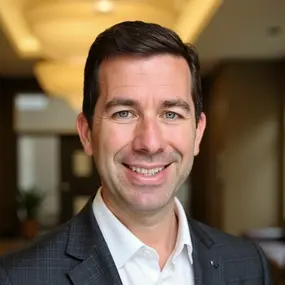
Managing Partner / JD / DCL / MBA
Jude David, JD, DCL, MBA
Jude made investment banking his primary focus after practicing for 12 years as a successful M&A attorney. From lower mid-market family-owned companies to multi-billion dollar corporate behemoths, Jude has advised sellers and buyers on over 200 transactions totaling billions in enterprise value.
Jude has leveraged his M&A experience to start a self-funded company in the building materials sector. Since its inception, the business has grown via acquisitions to over 400 employees across the USA.
Jude and his wife Ashley have six beautiful children and are very active in their community. Jude’s favorite pastime is taking the family to their fishing lodge on the beautiful Gulf Coast.
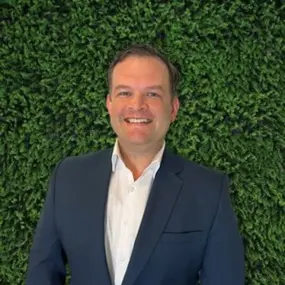
Chief Talent Officer, DMR Technologies
Brennan Castille is a talent and organizational growth executive with more than 15 years of experience helping companies build the teams and infrastructure needed to scale. His background spans recruiting, workforce strategy, business development, organizational design, and executive leadership across manufacturing, technology, engineering, and industrial sectors.
Over his career, Brennan has helped scale organizations from 70 to more than 300 employees, built and led national recruiting operations, launched new business divisions, and supported thousands of technical, professional, and executive hires across the U.S.
Today, Brennan serves as Chief Talent Officer of DMR Technologies, a rapidly growing U.S. drone technology and manufacturing company building its first full-scale U.S. manufacturing plant in Lafayette Parish, LA. His role extends beyond traditional talent acquisition into organizational development, workforce planning, compensation, operations, and growth strategy as DMR expands its domestic manufacturing footprint and commercial reach.
Brennan holds both a BS in Accounting and an MBA from the University of Louisiana at Lafayette, where he was recognized as an Outstanding Graduate. He also serves on the Foundation Board for South Louisiana Community College and serves as a Lector at Our Lady of Fatima Catholic Church.
He is a lifelong resident of Lafayette, LA, and is married to Melissa Castille.