

 Amazon Music
 Apple Podcasts
 iHeartRadio
 Spotify
 YouTube
 RSS Feed
 Podcast Addict
 Podchaser
 Deezer
 Goodpods
 PlayerFM
 Castro
 Castbox
 Relationships Are the Product: How an Engineering Firm Wins Work — Aaron Travasos
An engineer who left a steady paycheck mid-pandemic explains why the real product of an engineering firm is trust, and why every big win starts a countdown.
Landing a two-year contract felt like a win. Aaron Travasos saw a deadline: "We have one to two years to replace this customer."
In this episode of The Deal Podcast, host Joshua Wilson and co-host Jude David, JD, DCL, MBA, Managing Partner of FA Mergers, sit down with Aaron Travasos, P.E., Principal at Gregory Consulting and Controls in Lafayette, Louisiana. Aaron left a steady engineering career during the COVID slowdown to join a partner's firm, and together they grew it into a team with its own managers and business development. He shares why relationships are the real product in a project-based business, how partners divide roles, why an anchor client is a countdown clock, and what leading a team demands. It's a candid look at the employee-to-owner leap, grounded in faith, family, and keeping good jobs at home.
🎯 What We Cover:
- Leaving employment to become an owner during COVID
- Why joining a partner beat going solo
- Managing the feast-or-famine cycle of project work
- Why a big client starts a replacement clock
- Operating agreements and dividing partner roles
- Leadership: take the bullets, give the credit
- Faith, prayer, and handling anxiety as an owner
- A question left behind by his father, Marvin Travasos
🤝 Connect with Aaron Travasos:
🌐 https://www.gregorycc.com/
💼 https://www.linkedin.com/in/aaron-travasos-p-e-098863118/
🤝 Connect with Host Joshua Wilson:
💼 https://www.linkedin.com/in/joshuabrucewilson/
🤝 Connect with Co-Host Jude David:
💼 https://www.linkedin.com/in/jude-david-jd-dcl-mba-172a6a76/
🌐 https://famergers.com
💼 Thinking About a Transaction?
FA Mergers helps founders, investors, and business owners navigate the full M&A process — from valuation to close. If you're exploring a sale, acquisition, or capital raise, let's talk.
🔗 https://famergers.com
🎙️ Follow The Deal Podcast:
🌐 https://www.thedealpodcast.com/
💼 https://www.linkedin.com/company/the-deal-podcast/
▶️ https://www.youtube.com/@dealpodcast
A One Iron Network production: Executive Producer Joshua Wilson | Network Director Trisha Goddard
Disclaimer: Joshua Wilson is a licensed Florida real estate broker and holds FINRA Series 79 and Series 63 licensure. The Deal Podcast is presented by FA Mergers and is produced for informational and educational purposes only.
Nothing discussed constitutes investment advice, legal or tax advice, a solicitation, or a recommendation to buy or sell any security or to pursue or avoid any transaction. All views and opinions expressed by the hosts, co-hosts, and guests are their own and do not necessarily reflect the positions of FA Mergers, One Iron Network LLC, any regulatory agency, or any employer. Listeners should consult their own legal, financial, and tax professionals before making any business, financial, or transaction decision. This podcast does not constitute a solicitation or recommendation for any financial products or services.
Let's Connect on LinkedIn:
https://www.linkedin.com/in/joshuabrucewilson/
To Contact Us, Please Visit:
https://www.thedealpodcast.com/contact/
00:00 - Welcome to The Deal Podcast: Father, Then Son
01:16 - From Oil and Gas Engineer to Owner
05:09 - Why He Chose a Partner Over Going Solo
07:52 - Managing the Project-Based Rollercoaster
10:28 - Faith, Family and the Owner's Paycheck
14:28 - Landing an Anchor Client and Replacing It
16:38 - Joining an Existing Firm as a Partner
21:06 - Partnership Pitfalls and 50/50 Deals
25:17 - Knowing What Drains You and What Drives You
27:07 - Relationships Are the Product: Winning Work
32:33 - Family Support and Leadership Lessons
40:37 - A Question From His Father: What Would You Change?
Joshua Wilson:
Good day, everybody. Welcome back to The Deal podcast. We're so blessed to have you guys listening in and being a part of the conversation. Thank you for the comments. Thank you for the liking and the sharing. Thank you for the questions that you guys have. Um, the mission and purpose of the show is to inspire the future generation of deal makers, right? So we have all sorts of people come on the show, people who have bought, built, sold companies and went back to do it again. And, uh, sometimes we get the pleasure of interviewing husband and wife, and in this instance, a, a father and son. If you've listened in from early stages, we've interviewed the father, and now comes the son. So with that, welcome to The Deal podcast. So why don't you tell us this? Who are you and what do you do?
Aaron Travasos:
All right. So my name's Aaron Travasos. Um, from Youngsville, the little village of Youngsville, at least it was that way when I was a kid. Now I live in the suburb of Youngsville called Lafayette. That place has exploded. But, uh, mechanical engineer, uh, born and raised here, went to UL, and, uh, got into the, the oil and gas industry early on in my career, uh, and on the facilities desig- facilities design, upstream and midstream. Um, worked for a couple different people here in town, and then in 2021 decided to, uh, to go into partnership with another engineer and, uh, haven't looked back.
Joshua Wilson:
Super cool. And if you guys listening in, you'll hear a familiar voice. Uh, Jude's sitting next to me. Jude, say hello to everyone.
Jude David:
Well, hey, everybody.
Joshua Wilson:
Yeah.
Jude David:
I always love stories whenever, you know, people did well as an employee, but then figured out how to go into business for themselves. So I'm excited to listen in on this one.
Joshua Wilson:
Yeah. And we'll, we'll talk about the different mindsets, the employee mindset versus the entrepreneurial or owner mindset. But, um, you've worked for a bunch of people, mechanical engineer mindset. So engineer mindset, you've, you, you've worked your career upstream, downstream. I have no clue what that means, but here we are at-- in 2020, you decided to go out in business for yourself. Walk us through what was going on in your life, in your relationships, in your marriage. Like, what was going on in your world where you would leave employee to go entrepreneur?
Aaron Travasos:
Sure. So at, uh, the-- in 2020, I'd been out of school for 14, 15 years. You know, I had plenty of time under… I built a lot of experience Uh, the, the place of employment I was before just wasn't gonna be able to take that next step into, into ownership, and so I wanted to do that. Uh, 2020, as everybody knows, COVID year. Um, it's, it's one of those things where it's, it's a little bit of a blessing in disguise. Not everything out of, not everything with COVID was, was necessarily bad. Uh, didn't have anything going on with COVID. You know, all the projects and stuff were pretty much shut down, not a lot of people doing things. But in a weird way, it gave me the opportunity to, to make that clean break, um, take, take that s- that step out. I think if I would've been busier with projects and working with, you know, clients who are relying on me, it would, just would've been very difficult to say,"Let's, let's make that step," right? And one of the primary reasons that I wanted to do it is, you know, again, as I mentioned, grew up here, my whole life's been here, and I wanted to, to try and ensure that there would be a job here for me and for anybody who wanted to have a job, who wants to be a Lafayette, you know, wants to live in Lafayette.'Cause I, I've just seen it too, like so many people have left Lafayette to, to move to Houston. There's a big draw there to, to get people there. Um, and I just, whatever we can do to, to offer jobs to people here is very important to me.
Joshua Wilson:
Yeah. So Jude, you, you, you sent out the invite to have Aaron come on the show. You- we've interviewed his father early on. Like, what was some of your thoughts bringing on Aaron and, um, you know, seeing the family?'Cause you've seen the family, you know, from the father's perspective, and now the son. What do you see?
Jude David:
Well, we love seeing stories of people who have stepped into business ownership. That transition in life is something that a lot of our listeners are going through, you know, understanding that they're capped out in whatever they're doing. They've kind of reached the, the ceiling of how far they're gonna go, and they wanna step out into that ownership, but they don't know how, or they don't know whether it's fruitful on the other side. And so that was a big part of the, the story I wanted to see from you, Aaron, is, you know, what was the trepidation there, you know, of stepping out on your own, and really how has it worked out? How, how does it feel being an owner? You know, what are the, what are the negatives, but what are the real positives? Yeah. Right. Tell us
Joshua Wilson:
all the dirt.
Aaron Travasos:
Yeah, all the, all the negatives and positives. Yeah. Um, again, the trepidation was during that time of stepping out, you know, there was-- there wasn't much going on. And so when we, we decided to make that move, and I had talked with my business part- current, you know, now business partner, we were talking for about a year, um, to see how we could make this work. And again, he had started the company in '16. It was his company, and I wanted to, to step in with him. So, and, and again, I-- what, what was attractive to me with, with Blaise about-- was that we're both mechanical engineers. He's automation instrumentation engineer. I'm, I'm more of a process piping engineer. So we work projects that we need both disciplines. Um, and the idea of kinda going on my own and trying to find the right disciplines to help me out, I think it just-- that was a little bit more daunting what I wanted to take on. I like the idea of having a partner. I think it's-- And that's been fruitful to have a partner. Both he and I, we share a lot in common, um, in terms of our faith and, and our values. But then also there's, there's things that he enjoys doing more in the business than I do, you know? And so, um, a little bit of kinda divide and conquer, uh, aspect has been good, where he's probably more Business focused, you know, a- and running the, kind of the details of, you know, whether it's banking or insurance and so on and so forth. And I'm more kind of the technical lead within the company, providing that kind of guidance for at least our guys on my side of things. Um, I mean, obviously you gotta wear m- multiple hats. Right. You know, everybody's gotta wear multiple hats when you're doing this. Um, I think some of the things that have just been, you know, the, like I say, the difficulties is everything goes through cycles, especially in, in, in the engineering world. I mean, it's, it's so… We're so project-based. We start projects, we work them, we finish them. And we're always… In that way, we're always putting ourselves out of a job, right? Mm.
Joshua Wilson:
Yeah.
Aaron Travasos:
We're, we're, we're working to, to a completion of this project, and we gotta go get another project. And sometimes because of that, you end up with, you know, with these cycles, a, a lull, and then you're kinda where looking around going, "Okay, what am I gonna do?" You know? Who… Where's the work gonna come from? And, uh, you know, you're trying to keep these guys on. You got all these, you got employees. Mm-hmm. You're responsible to them. Um, you wanna try to smooth out for them, for our employees as best we can, kind of the, the ride because, again, consulting engineering is kinda more of a rollercoaster. And we don't want it to be a scary rollercoaster. We want it to be a more gentle stream. And, and that could, it, it could be fun- could be difficult at times to, uh, to kind of manage that aspect of, of our business.
Jude David:
People don't realize that if you're in a project-based business, it's really exciting for your employees whenever you have all these really cool projects going on. It's also really hard for your team. You know, it happens to us at FA Mergers, uh, as well. You know, we're selling businesses, and we might be selling three all at the same time, and everybody's hair on fire, and nobody can get all the work done, and we're going crazy And then we get to closing and, and maybe, you know, multiple deals in one month, and then suddenly it's like, "Well, what do we do now?" Like, "What, what's the next project? Who's gonna land the next work?" And whatever. And you might have a lull for a few weeks, and everybody just starts to feel it like- Right … "Well, are we doing the same work we did? Are we, are we still, like, this exciting place to work?" Or, or whatever it is. How have you guys experienced that? You know, what's it like for your team and, and how do you kinda keep that energy up in the office doing project-based work?
Aaron Travasos:
Yeah. So I mean, again, s- we, we feel it. And I mean, last year in January, we, we, uh, we had finished some pretty big, big projects in, in December, and kinda going into January everybody's looking around like, "What's going on?" It was also, uh, I might be mistaken which exact year. I guess I think it was last, not this January, but previous January 'cause there was Trump's coming into office. There's, you know, a lot of, a lot of people kinda just holding back, getting anything started. And we're looking around both places and we're like, "We, we don't wanna start letting people go." But that, the little bit of war chest you build up, you know, it's like every two weeks we're getting payroll hit, you know? And so it's like we're just trying to manage that, that part. And, you know, ho- thankfully, um, by the second quarter we started seeing, uh, some projects again and, and actually ended the year pretty strong, uh, even though that first quarter really kinda, kinda did us a number. And, and, and it is tough getting, keeping the m- the morale up, and I think it's just try to show those guys that you're, that you're, you're actively working to go and get more projects. That, "Look, we've got your back. You know, you know, we're, we're, we're out there looking for it." Um, you know, put 'em on some training, get'em, keep 'em interested, you know, in, in, in the job they're doing. Especially in the automation world, there's a lot of different platforms and different, you know, programming languages that they need to learn. And so, you know, getting those guys to, to do the training and just trying to tell 'em, "Look, look, we're gonna use this time while, while we're, while we're a little slower that you can go, you can get trained up because whenever the project comes, you're not gonna have the time- Right that you're gonna really need." Even though there's always good on-the-job training when you're actually truly doing something, you, you learn a lot that way too. But just trying to keep'em engaged in that way
Joshua Wilson:
I've noticed in project-based work myself, right, working with these guys and, you know, some days you're really busy, and then there's seasons of, of slow. With those ups and downs, busy and slow, what advice do you have for maybe people who haven't yet started a business or, you know, maybe they don't have a wife and six kids, right? You guys have a good sized family, so does Jude. You know, like those thoughts of being a business owner and responsible for people and responsible for your family and those ups and those downs. Like how… What are some ways that you've managed that well?
Aaron Travasos:
Uh, prayer. I mean, a lot of times it's, you know, getting, getting on the knees, prayer, praying a novena. A lot of prayers to St. Joseph over the, the last few years, you know? And, um, just knowing that… You know, and, and, and both Blaise and I have looked at each other and multiple times just said, "You know, look, if this thing is successful, then, then great. If it's not, ends up not being successful, then we just have to resort ourselves to God's will, that that's what he would want for us." So there's a lesson in there. As tough as that might be, there would be a lesson in there, right? That we're not gonna, we're not gonna do anything that's gonna violate our principles and our values to be- to try to drum up work and, and go that route. I mean, we're, we're gonna sh- stay true to the course. We're gonna believe that, that God has our back. You know, I always kinda like the idea that, you know, it's, it's, it's like, like a farmer. You know, you, you have to plant the seeds. You have to, you know, uh, till the ground. But ultimately, God brings the rain. You can't… You can only do so much, and ultimately it's in his hands. It's in, in Providence's hands. So, you know, get… Develop your faith life. And I think one thing that Blaise has, you know, taught me that too, just from his journey, is that He goes,"I would, I don't think I would be closer to God if I didn't have this business, because it's forced me so many times to say, 'What is going on?'" I n- And you, you have to trust. You're not given that, you know, that, that normal paycheck every two weeks, you know? Yeah. And it's like, you know, I, I can trust in myself because I've got everything going for me. No, you know, we… All these problems are stacking up, and,"Lord, where are you?" You know? And so it, it does… I think owning a business is such a good thing in that way, right? Uh, especially we need more small businesses in, in this world, um, and for people to feel closer to, to the production that they do, and I think that will help draw people more to God than, than major corporations and things like that, so.
Jude David:
I, I think people really like the idea of business ownership, and they aspire to be in business ownership, but they don't necessarily think it all the way through in terms of what your paycheck looks like as a business owner. When the business doesn't do well, you're the first one to forfeit your salary. Right. Everyone else there has a guaranteed salary, and as the owner- … if the money falls short, I'm the guy who doesn't, doesn't, doesn't get a paycheck. Now, I get a bigger paycheck if the business does really well. Um, but you know, every business that's been in business long enough, the employees eventually start talking to you about profit sharing. And, uh, as, as an owner, you're like, "Gosh, if you looked at the P&L, you'd realize we share all the profits." Like, it, it goes to you guys. Right. Um, but it's so funny because, like, I've had that conversation with employees before, and we've done different profit sharing things. I don't mean to imply that we haven't. But, um, I said, "Oh, that's great. I would love to do profit sharing, because then, like, if the business doesn't do well, we can all take less, and if the business does well, we can all take more." And it's like, whoa, whoa, whoa, no, no, no. Yeah. We don't want the- We only wanna share in the upside. We don't wanna share in the downside.
Aaron Travasos:
Right, right,
Jude David:
right. Right. And I think, uh, I think that's one of those hidden burd- burdens people don't see for business ownership, that, like, you're the guy who has to suffer with, like, am I putting food on my kids' plate, but also am I putting food on the kids' plates for all of my employees? And sometimes those things don't go together. Sometimes we're cutting back at home so that our employees can do better.
Aaron Travasos:
Yeah, absolutely. Yeah, I mean, for the first couple years, you know, like I mentioned, 2020, not much going on. Um, and then we were very, very fortunate that, uh, a, a old colleague of mine who had moved to Colorado took a job with a, with a, a major oil company and recommended us for some work, and that was kinda like, you know, that was our door, you know, in to really start to grow. Um, of course, both Blaise and I, we, when we left the initial meeting, we both looked at each other, we were all excited. Man, we got this, this project work that's gonna last two years, you know, and it's, and it's a bunch-- We're gonna have to staff up people. I mean, we're, we're high-fiving, but I looked at him and said, "Blaise, just realize we-- that means we have one to two years to replace this customer because we can't…" You know, it's easy to rest on the laurels of like, man, we, you know, we've got that big account. We've got that, that next big thing, but then you gotta staff up. Well, I don't really wanna staff down after that, you know? I wanna, I wanna use this as an opportunity. If you don't take that opportunity at that time, it's a waste. You wasted it. It's like good for two years, but it- you've wasted it. And so we really started hiring some more people that either, A… And in engineering, it's such a, probably like most businesses, but especially I find with engineering, it's such a relationship business. It's really what we sell is a relationship with, with, with our clients'cause they need to trust us, right? I mean, you can be the smartest engineer in the world, but if you have no trust in anyone, they're, they're not gonna use you. And you could be a mediocre engineer, they feel like you, they, that you've got their back, and you'll, you'll probably always have work. And so, you know, we, we hired some guys, some great guys who, many years of experience, and they brought in, they brought clients with them. We, we built a little bit of a, a business development team as well to kinda get our name out there more. So we just really focused on that area to help grow out of that initial client. We still have that client to this day, and that's what's, you know, two years has turned into, you know, five. But, um, you know, you just don't wanna rest on that alone. You, you wanna kinda move to the next thing.
Joshua Wilson:
So I, I love this point that, you know, that you guys are bringing up here. It's, there's a, a mindset shift when you have-- when you go from employee, right? There's security, stability. I mean, there's no such thing as security in th- in this world. We're working for a corporation even, you know, you see companies going out of business, you see stuff happening at cities and counties and anyways. Moving from that steady paycheck, knowing what you're getting into a role of ownership. You've stepped into an existing business, right? Blaise started it in twenty sixteen. You came in twenty twenty. Why do you think he said yes to you to join the, the group and to explore partnership? Like, what did that conversation look like? Because he already had four years of trying to figure it out- Right … before you even showed up. Like, walk us through that conversation or that mindset.
Aaron Travasos:
So I think it was, it made it a little bit more natural for him in that we had done so many projects together-
Joshua Wilson:
Okay… Aaron Travasos: prior to that point. So in twenty sixteen, as I mentioned, when he started it, I'm not, I'm not sure if I was his first client or major client. I, I had to be his first major client 'cause I-- anything else would've been much small. He'd only been in business for a few months, and it was through a mutual, uh, friend of ours, uh, actually worked for, for Darrell Hicks when I was in college, uh, for, uh, about a year, year and a half. And, uh, Blaise ended up officing with, with Darrell. So whenever Darrell knew I needed this, you know, automation engineer, he recommended him. But that, uh, then after that, I mean, we continued to do projects together. We, we actually went on sale-- would go on sales calls together, and so we, we really got to know each other. So it wasn't-- I wasn't coming out of left field with him- Right to begin with. And then with COVID that year, um, he ended up down to just him and two guys. And then when I go- came on board, one of those guys actually left about, about a month after that 'cause he, he needed work, and then, and we just didn't have the work at that time. And, um, that, that guy has actually come back. You know, he's now back with the company, but he left for about two years because of that. So I think he was also looking for, for help on that side of things. Like I can… And I saw that with him too, that we, we complement each other in terms of what we bring to the table in, in engineering. I think it's easier to sell a package of like, "Hey, we can take care of more things." And so I think he saw that as well, that this was beneficial to him, um- To, to present ourselves as a company that had more than just one capability. And if I would've gone out on my own, I would've been the same way of just one capability, you know? Yeah. So you stepped into, you know, "Hey, why don't we start this together," right? Now, the conversations around, and you don't have to give specific details on numbers or equity splits or something, but I think that if you want to, you can share generally. But I think that that conversation comes up in people's mind. It's like, "Okay, if I'm gonna go do business with people, am I going 50/50? Am I gonna-- Is one person gonna be the, the, the main, you know, deal breaker? Do we have an aboard advisory?" Like, how did you guys approach leadership and leadership decisions?
Aaron Travasos:
Yeah, so we probably could have spent more time on that upfront. I mean, we did spend a good bit of time just going through our, uh, operating agreement and making sure we understood, you know, all those type of contractual things. I think that was important too, and I think it did kinda lead to a little bit of more showing what, where we kinda fit in that place. Mm-hmm. But again, because we… When I came on, it really was just him and I, and two guys and then one left, that we didn't really have a lot to manage. Right. Right? And so we kinda… It's almost like a little bit of like a marriage. You know, it's like you, you, you know the person, but until you live with them, you don't… You know, like things might aggravate you differently than, you know, when they were just your girlfriend.
Joshua Wilson:
Yeah.
Aaron Travasos:
You know, now they're your wife. So it's kinda the same thing I think with partnership too. It's you t- you kind of discover each other a little bit-
Joshua Wilson:
Yeah… Aaron Travasos: over time, you know? And I think having patience with one another, another is important. Um, and so there was no big grand meeting, "Okay, we're gonna sit down and start doling out, you know, uh, responsibilities in the company." It just, he, he gravitated towards certain things, I gravitated towards certain things, and again, it just… I hate to put it m- this way, but it just seemed like it kinda worked out. Like, I mean, I think if both of us wanted to do the same thing, I, I think we wouldn't be as successful as we are, uh, in the company. Jude, you've seen, uh, you've sold tons of companies and built a bunch of companies, and when it comes to partnerships, what are some of the things that you've seen, uh, maybe in those early stages of joining, joining forces with a small group? What have you seen go good and go bad?
Jude David:
Well, I'll start with this. I've never been a good employee, and if I'm a minority owner in a company, I'm probably not gonna be a great partner. So you gotta know yourself and know, you know, what mindset am I going in with, uh, whenever I'm doing this. Back in my law practice, I used to tell people the vast majority of business partnerships that end up in lawsuits afterwards are 50/50 deals. You know, if, if you go in and both partners feel like, "I have the ability to make the decisions here," um, that's the most ripe for having a big disagreement down the line. So either, you know, having one person have a majority in the partnership and the other one a minority, or alternatively, having, you know, some way to understand, like this person makes the decisions about these areas and that person about the other, or, you know, w- whatever the case may be, um, you know, some way to resolve those disputes between each other. I've always just found that if I'm in the majority seat, then I'm a lot more apt to agree with the majority partner. So I think it works pretty well. Um, but you gotta, you gotta know yourself going in, uh, know how well you're able to work with other people making the decisions versus you, and that sort of thing.
Joshua Wilson:
Yeah, that's fair. When it comes to knowing thyself, right, um, one of the conversations that we had, uh, prior was, you know, knowing, knowing what you're good at and knowing maybe where you have some gaps or you have some areas of improvement. Walk us through, like, your first assessment of self where you're like, "Hey, I'm walking into this. This is where I'm strong, but then If you were to handle this, Blaise, that'd be super cool 'cause I'm not great at it.
Aaron Travasos:
Right. Right. Um, yeah, w- and I guess what I kinda meant by that too is that, you know, I knew, I know what I'm good at in the engineering world- Mm-hmm … what, what, you know, what, uh, where my area of expertise is, and I, you know, y- I think a lot of people can tend to, you know, try to do too much or go too broad, you know, and I think that can be a detriment. I think understanding which, where you're strong and then moving from that to, you know, grow out from there. But y- I guess my point was, you know, you don't wanna start a business, in my opinion, where you just, you really don't know anything about it, right? And you need to bring in other people that if, what you don't know, you need to bring those other people in, whether it be a partner or consultants or something like that, that help, can help, you know, uh, help you along the way. You know, as far as the things that I, I don't think it's really a matter to where it's, you know, ty- you know, typically where it's like somebody is not good at something. Mm-hmm. It's really what, what, what's a frustration, you know. I think you could find a lot of times where it's like, "This is… I just don't get excited about that. I'll go do it if I have to, but I d- I don't really feel excited about it," whereas other, other people get excited about it and they wanna do that, so why not let them do that? And that's one thing we've found, like we have… 'Cause we have a management team in our company. I mean, obviously me and Blaise are the owners, but we have some other guys who help manage the company, and it's, that's been an interesting process along those lines, is figuring out who, where do you fit? Like, and you kinda m- make those mistakes up front, like you think this person's gonna be this, but really, the more you learn about them, the more you know that you're sitting in the wrong place on the bus. You need to be put on this pa- place of the bus, you know. And, and so there's, there's been a lot of discovery, uh, over the last couple years along that. I think we're in a, we're in a better place. I think that's the thing, is you just have to get to know each other. You gotta get to know your, your, your people. You gotta get to know your partner. You gotta get to know what, what's driving them and get, let them know what drives you and, you know, and try to work together.
Joshua Wilson:
So you men- you mentioned frustrations. Like what part of the business world or the task or the, the role, what, what, what areas typically frustrate you, and where do you find joy? Like what, what parts of the job where you're like, "Man, I could do this all day long. If I could h- if I could elevate and delegate all this other stuff out, and I could just focus here, it'd be a great day"?
Aaron Travasos:
Right. Yeah, anything that has to do with, uh, insurance policies, things of that nature. I would rather not ever see an insurance policy again in my life, but unfortunately, that's not gonna be the case.
Joshua Wilson:
Yeah.
Aaron Travasos:
Um, you know, and working through MSAs, same thing. I mean, I've gotten better at it, and you kinda have to. You start seeing the same language with everybody got a little tweak.
Joshua Wilson:
Mm-hmm.
Aaron Travasos:
But at the same time, like not necessarily my, the thing that I just wanna get up and do every day, right? Um- To me, the things that I like are helping drive some optimization in how we perform our job, right? Like, that's what gets me excited is, you know, we've… And, and again, you, you kind of learn, discover those things along the way. Um, you know, how do we, how do we take this process that we've been doing and it costs this amount of money and this amount of time and, and we shorten that?
Jude David:
Mm-hmm.
Aaron Travasos:
And we've had some, some pretty big successes on that where, um, kind of, uh, forge been fired to, to make it happen, but You, that's what you're looking for, those opportunities for optimization, so.
Jude David:
Yeah. So- And your clients love you for it.
Aaron Travasos:
Right.
Jude David:
And, like, while you're doing it, you're like, "Oh man, we're gonna make half as much money if I figure out how to, you know, do this in more efficient ways."
Aaron Travasos:
Yeah. Right. You have to
Jude David:
fight nature a little bit.
Aaron Travasos:
Yeah, you do have to fight nature. So again, it's, it's one of those things like, like we talked about earlier, that you're always putting yourself out of a job as a consultant, right? I mean, you know, that's kind of the catch 22 of sorts.
Joshua Wilson:
Well, let, let's talk about hunting, right? Because you, you said we have, you know, we, we have this great customer, but we have a year or two to replace this customer 'cause you guys are working on, you know, a few, few big mandates at a time. What, what have you found that has worked well in terms of business development?'Cause you've built a business development team, but those early days when it was you, Blaise, and one other person, how did you grow?
Aaron Travasos:
So again, bringing on the right people, um, even other engineers-
Joshua Wilson:
Mm-hmm… Aaron Travasos: you know, and other were looking for guys, we wanted to see that they had, you know, a lot of, a lot of experience for sure, and that they were technical cap, you know, capable, but we also wanted to know that they had those relationships and that that's probably been the biggest, biggest thing. And then allowing them to be able to go and, and take that step and just saying, "Hey, look," you know, "call on your old contacts. You know, make sure they understand where you are now," you know, and, and you kind of start slow and w- you know, with, with that, and they, and they have, but then they, you know, next thing you know we're… You know, it's like they kind of give you a little crumb, you know? It's like, okay, well, I trust this guy, but I don't know the company yet. Mm-hmm.
Aaron Travasos:
So you get a crumb, and then next thing you know, n- you got a whole piece of pie. So it's, it kind of works that way. Um, I think the business development side is really to get your name out there. You know, we're a small company. You know, I don't think there's a lot of people that knew Gregory Consulting, um, kind of outside of this area. And so just, you know, sponsoring things, getting out there, that's really kind of more like a PR-type thing. And that's probably not been as successful as just hiring the right people with the right relationships.
Joshua Wilson:
Mm-hmm.
Aaron Travasos:
Um, and yourself always going out and making sure, you know… It, it's, it's been the strangest thing sometimes how business ends up coming around. Um, I can give you a long story, but I won't, about one of them that recently happened that the, the cut to the chase was somebody five years ago I had talked to, and then they kind of turned me on to somebody else, and I did a work, work for them. And then five years later, out of the blue, I'm getting work from some other company 'cause they just heard about me from there, you know? So no matter how small of a job you're doing- Um, don't discount like you're doing it for somebody. Yeah. And they, they move and go places, and they, they get promoted into different positions. Like always, always dress to impress in that way, right? Like, make sure you understand that there's no job too small that you need to put your best foot forward because it may come back around years later like, "Man, that guy, he did me a solid," you know, and he's trustworthy.
Jude David:
Yeah. I've always been a little shocked because I've never tried to build a niche. Like, if you listen to business consultants and coaches, they always tell you to like build a niche because that's gonna like, you know, people are gonna come to you for that sort of thing. And I never tried to build a niche, but in my law practice and then selling companies and whatever else we do, like you do a good job on one thing, and then people kinda hear about it. And so people in that same realm call you back, and then all of a sudden you're in a niche of like, well, now I'm the engineer for XYZ, and people know to call me for that. Uh, it sounds like you've done that a few times. I'm a little curious, does anybody in your firm have experience designing rocket launch pads? Because if they do, that would be a great niche right now.
Aaron Travasos:
Right. Right, right. Uh, unfortunately, no. That's something we've been asked to do, you know, launch pads, but I am curious to see where that's all gonna, gonna go with, uh, with SpaceX and Pecan Island and Freshwater City. Um-
Jude David:
You know, rising tide lifts all boats. Right. So I have a, a feeling that that's going to be a massive boon to our economy in so many ways that are unforeseen. Um, but I'm sure, you know, even if you guys don't design launch pads, I'm sure there's gonna be buildings built and infrastructure built- Correct … plants built and whatever else that, you know, it, it'll help everyone in our area.
Aaron Travasos:
Yeah. Well, we had a project a couple weeks ago, small, again, a small project, you know, kind of a, a new client out of the blue, uh, through one of our guys that, you know, he knew, and they, they contacted him. They're doing pipeline work for xAI. Um, I think it's somewhere in Memphis or I forget exactly where But the huge pipelines bringing gas into, to turbines needed to drive, uh, generators for this plant or for this, you know, data, data center. And one of the things that they're doing, and the, the company that called us is the, is the construction firm, and they, they wanted to know how to do air blows on these lines. They gotta, they gotta clean these lines out after construction and make sure that they have all the particles and particulate out of those lines. You really don't want that stuff going into a turbine. So it's like here's, you know, xAI, you know, I… We're not even chasing XAI for work, but to your point, Jude, like, you know, rising tide lifts all ships. I mean, somebody's gonna need some service somewhere, whether it's on pipelines or it's gonna be structural work, uh, plumbing. I think there's gonna be a lot of, a lot of plumbing, a lot of electricians getting work out there. I mean, it's, it's gonna be… I think it'll be pretty good.
Jude David:
Yeah. Gravel, concrete-
Aaron Travasos:
Yeah. You name it … whatever. You, you, it's like the mind- Steel construction. Yeah. Your imagination can take you wherever with that one, so
Joshua Wilson:
Aaron, let's talk, um, personal life, man. You've got a wife, a beautiful family, six kids, right? How do you balance being a business owner and, um, having a large family? What are some of the things that you've learned?
Aaron Travasos:
Yeah. So again, I think, uh, one of the reasons why I wanted to do it, to be a business owner here in Lafayette was because all of our family, right? And then it does take a… There's, you know, that saying, "It takes a village," you know, to, to do it. I mean, her mom helps out, my mom helps out. Like, we have, we have a support group here, right? Um, fortunately for me, like my job does allow me to come home pretty much every night. I mean, I do have some travel, you know, from time to time, whether it's to the, to the field, you know, or, or to, uh, Houston or Denver, whatever. But, you know, having that ability to come home every night is a great thing. And then, but more to it, like we're, we're not doing that in another town where we have no support, right? I mean, that's, I think that's the big thing is having that support.
Joshua Wilson:
Yeah. On leadership, what's a lesson that you've learned in leadership? I've been, I've been really trying to… I feel like that's where God's stretching me right now is I need to learn to lead. Like what are, what's something that you've learned about leadership, about yourself that, um, looking back you're like, "Man, I, I had no clue what I was doing," and now, you know, like you could see yourself growing in that space?
Aaron Travasos:
Right. So I think one of the biggest things for leadership for any leader is being willing to take the arrows or the bullets, right? And I've always-- And I've kind of prided myself over, over the years because of this and kind of looking back at it, just anytime I've dealt with a client where they're upset and just things didn't go well, whatever, it's very easy for, for me to just say in the back of my mind, "Yeah, but it's because that guy, you know, my designer messed up," or my, you know,"The engineer working for me messed up." That's your first inclination, but it, but what comes out of your mouth is, "I'm sorry. This was my fault. I will take care of it." Right. Right? And so always protecting those guys, and I think they see that and they, you know, they, they… And it may take time. I don't think they'll see it necessarily the first time, but over years they'll see that, I mean, this guy's always, he's always stepping in front- Mm-hmm of the train. You know, he's always been willing to put himself in the line of fire that no matter what, he's not throwing us under the bus. Our reputation's solid. You know? And honestly, if you look at it, you know, all failure of leadership is a, is a failure to, to lead, right? And, and to be that person that's, that's giving direction correctly. Like they didn't fail. That employee didn't fail because- You know, I did everything right.
Jude David:
Mm-hmm.
Aaron Travasos:
They failed because somewhere along the way I didn't, either didn't give them the correct instruction, you know, I was late giving them information. It could've been a number of reasons, but ultimately, like, it's my issue, not theirs, right? And so… And the other thing too is I, I think letting go, uh, that's been, that's where I have, and I struggle the hardest, is letting go, um, and letting them have their ideas and say,"Okay, this, this is, you know, this is something they wanna do and how they wanna do it." And I, I could look at it and go, "I, I would never do it that way, and I think I could do it better." But that's easy. If you, if you tell that to people too many times, you know, they- that's, that's not a good place, you know? They- Right … it's like that guy's not being very nice. But, uh, so just letting go and letting them, letting them do. I mean, giving them, you know, I think too, like part of leadership is, you know, I always like the sandbox. Mm-hmm. I, you know, picture that, man, the, you can have this sandbox to play in, right? Mm-hmm. Make whatever you want, and you're really more kind of giving them the guidelines versus that direct, you know, this is how it must be done, you know? And so that's, that's, uh, been a stretch over the last few years is seeing that with myself, you know?
Joshua Wilson:
That's good. Jude, what about you? What, what is a, a leadership thing that you've learned over the past few years about yourself and, and where you're heading?
Jude David:
Leadership isn't about your title, it's about who steps up and leads. And, you know, very often that is a business owner, um, because they've had to lead a lot to get people to follow them and, uh, and be a part of the business. But, but very often, um, people step up and lead all throughout an organization. And I find there's nothing more exciting than whenever you've set the tone at the top, and then you start seeing all the people underneath you stepping up to lead in different ways. You know what? I love it whenever we can, um, you know, wear our faith on our sleeve in the office, and that gives other people comfort to do the same and, you know, to pray together, whatever the case may be. Or, um, you know, things like Aaron's talking about. Whenever, you know, as a leader, I'll step in front of the train, but I love it whenever, you know, guys two or three rungs down the ladder from me step in front of the bullet for the guy who's underneath them, and that's how you know you-- like you've really gotten there, that- Right you know, your, your leadership team has stepped up beneath you. Uh, we see it all the time in selling companies that, um, if the owner is the driver of that and nobody below, you know, has stepped up into leadership, companies are really tough to sell. But once it permeates down a level or two levels down and, like, the owner can just step away and those guys have it, that's, um, that's where companies become really sellable and really desirable. You guys are still, you know, relatively young as a company, but it sounds like you're starting to, you know, give a lot of ownership to those guys underneath you. Right. Tell us a little more about that. What does it look like for your, your team underneath you?
Aaron Travasos:
Yeah. So we have, um, a automation, uh, manager and then a facilities manager directly underneath me and Blaise, and then they have team leads. Uh, these are, you know, guys, gals that have years of experience, you know. And, uh, one, one nice thing is because, again, we're project-based, you know, it, it allows-- it does allow people to, uh, have some management of that project, right? So they-- And we're trying to give them ownership of that. Like, you make decisions for the project, you know, understand, and then, you know, giving them the resources too. I think one thing we, we were struggling with for a little while within the, the project world was The, the project management aspect of it where our project, our team leads and m- managers were really… They're good at the technical stuff, but they were ha- they were struggling with the schedule and the, and the time, w- uh, and money, right? Aspects of the project world.
Joshua Wilson:
Mm-hmm.
Aaron Travasos:
So bringing in the right people to help with that and giving them those, those, that information so they can make better decisions. But ultimately, look, it's your project, you know? And checking in with them, again, kind of give them that sandbox. You, you know, it's not like,"Tell me when it's done." You know? It's not you wanna go like,"Here's the project. Come back six months. Is it done?" I mean, have we built everything for it? No, I mean, you, we wanna have those regular check-ins, you know, check on the health of the project, you know, what obstacles are in the way, you know, can I help you get those obstacles out the way, you know? Um, it's, it's showing them that support, you know, but ultimately, like, this is your project, you know? I'm, I'm here to support. You know, so there's… You know, that's the thing about the leadership. It's kind of a, it, it's kind of a conundrum. It's some- like lead from the front or lead from the back, you know? In some areas you gotta lead from the front, and some area times you just, you really need to be the guy in the back.
Jude David:
Mm-hmm. You
Aaron Travasos:
know? Um, that you're not… You, you let them take the credit, and that's the thing. It's like you, you let them take the credit as a good leader when it's good, and you take the bad, you know, from them, right? Um, and like to your point, Jude, what, to see, seeing them do that more, that's exactly what we wanna see with our guys that, you know, when they're client-facing, that they're the ones either taking the bullets or they're saying, "Yeah, man, our team did a good job." You know? So it's always kind of that direction, you know?
Joshua Wilson:
You may have heard me shuffling papers. Uh, one of our great joys, uh, in the Deal podcast is connecting the guests, and one of the ways we do that is you get to leave a question behind to the next in-studio guest, which will be later today. But I, what I wanted to do is pull up the question your dad wrote.
Aaron Travasos:
Okay.
Joshua Wilson:
So we interviewed him January 20th, so that was, uh… We're in August. No, we're in September almost. I, I don't know. Long time ago. Uh, but here's the question. Actually, you read that. Read that to, for Aaron.
Jude David:
If you could go back five years, would you change anything in your life?
Aaron Travasos:
If I can go back five years.
Jude David:
Man, Marvin is profound.
Aaron Travasos:
Right. If I can go back five years, well, of course I would go back five years. I mean, who, who wouldn't? I mean, would you… If, could I know what I know now and do it again? Yeah. Or would I be just as dumb then, you know? Yeah. I don't know. Uh, what would I change? By and large, really Not much other than, uh, what I would like to take from now back then is, is, and it's still a work in progress, is not worrying as much, not being as anxious about things, you know? That, um, especially when it… you- you're first really stepping out, it's f- you know, at least for me, it was very, very easy to, to have those days where s- you know, "Why the heck did I do this? Why?" You know? And, and really starting to really think that you've made a huge mistake.
Jude David:
Yeah.
Aaron Travasos:
You know? Um, so I'd probably go back, and I could think I, I could have enjoyed some of it a little bit more, you know, if I wasn't worried about tomorrow, right?
Joshua Wilson:
Yeah. So. So let, let's talk about anxiety, fear, uh, because I think that happens to… I mean, if you look throughout the Bible, the n- number one command is, "Do not fear."
Aaron Travasos:
Right.
Joshua Wilson:
Probably said that because he knows how much we were afraid. But, you know, what have you found some, some healthy ways to deal with anxiety and fear, especially if you're, you know, walking through a recession or a pandemic or hiring someone or you just finished up projects and you have nothing on the horizon? You mentioned prayer. Maybe walk us through how to pray or, like, what are some of your thoughts on prayer, or what other ways have you found healthy ways to deal with anxiety?
Aaron Travasos:
Right For me, I really like to, um, to, to walk through novenas. Mm-hmm. You know, um, a little quiet time in the morning before I get, get off to work. Uh, a little easier w- after school starts, you know, 'cause you have a little quiet time. Yeah. And summertime it's like gotta find a cl- a closet somewhere and pray in your truck right before you get into the office for some quiet time. But I, I like novenas. Um, I find too that, you know, going to, to mass, you know, as often as you can, I, I find that I, which I'm, you know, guilty of this, uh, probably more than most, when I'm having problems I'm, I'm, I'm in daily mass. Things are good, I'm k- kind of slacking on daily mass. Yeah. You know, so, um, you know, getting in front of, in front of the crucifix and, and talking to Jesus, asking him to help.
Joshua Wilson:
Yeah.
Aaron Travasos:
You know, I think that's… You know, we believe that we serve a, a mighty God and, you know, uh, it's in his hands. Like I said, I think one of the comforting things that, that both Blaise and I have an understanding about is, you know, whether this business succeeds or fails, whatever that looks like, that, um, we're, we're trusting in God that it's for his benefit, right?
Joshua Wilson:
Mm-hmm.
Aaron Travasos:
And that's what we want. Ultimately too, that's what we want the business to be. We want the business to be for his benefit, right? I mean, it's a blessing to be a blessing to those who work there, to be a blessing to those in this community. Um, you know, one, one thing we really enjoy doing is, uh, and we try to do it at least once a quarter, is get out there and serve the community, you know, as a team. And so, uh, always trying to look out rather than just inward.
Jude David:
Super cool. Yeah, everybody knows, uh, easier for camel to pass through the eye of the needle than the rich man to go to heaven, but most people don't realize that that's not about money.
Aaron Travasos:
Right.
Jude David:
You know, the rich man doesn't need the Lord, and if you don't need the Lord, you're not there at daily mass. You're not talking to him every morning. And, uh, boy, that childlike dependence, if you can find it, it'll change your life. Uh, I'm, I'm the exact same way. First thing in the morning before my kids are awake, prayer time, because as soon as my kids are awake- Chaos … all bets are off.
Aaron Travasos:
Right,
Jude David:
right.
Joshua Wilson:
Yeah. Yeah. I can normally get that in, and then once my… It's, it's how quickly can I lose it from being the holy man reading the Bible, reading the Word, praying, and then trying to get the kids out of, you know, out, out the door in time. You know, I have to go back to,"Hey, man, I'm sorry." I have to, I have to get bathed back then. But man, uh, Aaron, so good to have you on. Um, is there a question during this interview that we should have asked you that we messed up and did not ask you?
Aaron Travasos:
Man, it's putting me on the spot. I, I didn't have a question. Um, no, not necessarily, no.
Joshua Wilson:
Cool. So, uh, Jude, why don't you, uh, close this out, my friend?
Jude David:
Well, thank you to all of our listeners, and, uh, Aaron, thanks so much for coming on. Um, I hope everybody took away some of the same things I did. Um, you know, being able to wear your faith on your sleeve, being able to lead the way, um, you would want to be led. You know, give your team credit whenever there's credit to be had, and, uh, always jump in front of that bullet for your team whenever something goes wrong. Uh, all really great lessons and, uh, you know, until next time. Thanks everybody.
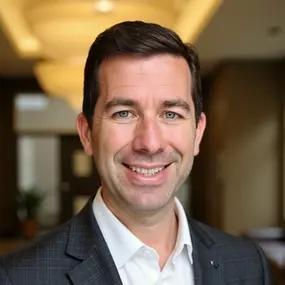
Managing Partner / JD / DCL / MBA
Jude David, JD, DCL, MBA
Jude made investment banking his primary focus after practicing for 12 years as a successful M&A attorney. From lower mid-market family-owned companies to multi-billion dollar corporate behemoths, Jude has advised sellers and buyers on over 200 transactions totaling billions in enterprise value.
Jude has leveraged his M&A experience to start a self-funded company in the building materials sector. Since its inception, the business has grown via acquisitions to over 400 employees across the USA.
Jude and his wife Ashley have six beautiful children and are very active in their community. Jude’s favorite pastime is taking the family to their fishing lodge on the beautiful Gulf Coast.
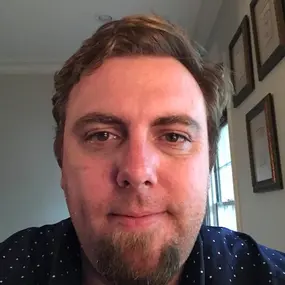
Principal & Lead Mechanical Engineer, Gregory Consulting and Controls
Aaron Travasos, P.E., is a Principal and Lead Mechanical Engineer at Gregory Consulting and Controls, a Lafayette, Louisiana engineering firm providing instrumentation and controls, mechanical, and process engineering, design, project management, and automation for oil and gas, petrochemical, power generation, and other industrial clients.
A Youngsville native, Aaron earned his B.S. in Mechanical Engineering from the University of Louisiana at Lafayette and an M.S. in Engineering Management from the University of Southern California. He built his career in upstream and midstream facilities design, with work spanning Gulf of Mexico shelf and deepwater topsides, compressor installations, separator and pump design, piping systems, midstream oil storage terminals, and greenfield land-based facilities. During the COVID-era slowdown he left employment to join Gregory Consulting and Controls as a partner, and today serves as the firm's technical lead while his partner drives the business side. Together they have grown the company from a handful of engineers into a firm with its own management team and business development function. Aaron is a licensed Professional Engineer in Louisiana, Texas, and Wyoming with more than 17 years in facilities engineering.
Aaron and his family live in Lafayette, close to the family support network that led him to build a business at home. He is the son of past Deal Podcast guest Marvin Travasos.