Amazon Music
 Apple Podcasts
 iHeartRadio
 Spotify
 YouTube
 RSS Feed
 Podcast Addict
 Podchaser
 Deezer
 Goodpods
 PlayerFM
 Castro
 Castbox
 Scaling a Law Firm Without Losing the Mission with Blake David
What does it take to scale a plaintiff's law firm to 17 attorneys across three offices — without losing the mission, the culture, or your sanity? Blake David has done it, and he's still trying cases. In this episode of The Deal Podcast, host Joshua Wilson sits down with Blake R. David, founding partner of Broussard, David & Moroux in Lafayette, Louisiana, alongside co-host Jude David, JD, DCL, MBA, Managing Partner at FA Mergers — and Blake's younger brother. Blake is one of the most deco...
What does it take to scale a plaintiff's law firm to 17 attorneys across three offices — without losing the mission, the culture, or your sanity? Blake David has done it, and he's still trying cases.
In this episode of The Deal Podcast, host Joshua Wilson sits down with Blake R. David, founding partner of Broussard, David & Moroux in Lafayette, Louisiana, alongside co-host Jude David, JD, DCL, MBA, Managing Partner at FA Mergers — and Blake's younger brother. Blake is one of the most decorated trial lawyers in the country: ranked #3 on the 2026 Top 10 Louisiana Super Lawyers list out of more than 22,000 attorneys, four-time recognized lead counsel on Top 100 jury verdicts, board-certified in Civil Trial Advocacy, and a Trial Advocacy professor at the LSU Law Center. He's also an active operator — co-owner of Titus Crane Services and Stately Doors & Windows — and a force in Louisiana economic development as past Chair of the Louisiana Board of Regents.
This conversation pulls back the curtain on the business behind the practice: how Blake grew from two lawyers and a stack of files to a 17-attorney firm, why he implemented EOS, how he selects cases (and why he turns down 19 out of 20), and what it really takes to be a credible operator inside a courtroom and a boardroom.
🎯 What We Cover:
- Why "excellence is a habit" became the firm's operating principle
- How EOS transformed a high-performing firm into a scalable one
- The mentorship model that built every senior partner at the firm
- How Blake evaluates a case the way an investor evaluates a deal
- Building a referral-driven business without billboards or mass advertising
- Lessons from his biggest verdict — and the loss that humbled him right after
- Investing alongside his brother Jude across crane, door, and millwork businesses
- Why the Louisiana Board of Regents matters to anyone investing in the state
- The Litany of Humility and what it teaches founders and dealmakers
- Why honesty wins the long game in trials, deals, and partnerships
🤝 Connect with Blake David:
⚖️ https://justiceobtained.com/
🤝 Connect with Co-Host Jude David:
💼 https://www.linkedin.com/in/jude-david-jd-dcl-mba-172a6a76/
💼 Thinking About a Transaction? FA Mergers helps founders, investors, and business owners navigate the full M&A process — from valuation to close. If you're exploring a sale, acquisition, or capital raise, let's talk. 🔗 https://www.famergers.com/
🎙️ Follow The Deal Podcast:
🌐 https://www.thedealpodcast.com/
💼 https://www.linkedin.com/in/joshuabrucewilson/
▶️ https://www.youtube.com/@dealpodcast
Disclaimer: Joshua Wilson is a licensed Florida real estate broker and holds FINRA Series 79 and Series 63 licensure. The Deal Podcast is presented by FA Mergers and is produced for informational and educational purposes only.
Nothing discussed constitutes investment advice, legal or tax advice, a solicitation, or a recommendation to buy or sell any security or to pursue or avoid any transaction. All views and opinions expressed by the hosts, co-hosts, and guests are their own and do not necessarily reflect the positions of FA Mergers, One Iron Network LLC, any regulatory agency, or any employer. Listeners should consult their own legal, financial, and tax professionals before making any business, financial, or transaction decision. This podcast does not constitute a solicitation or recommendation for any financial products or services.
Let's Connect on LinkedIn:
https://www.linkedin.com/in/joshuabrucewilson/
To Contact Us, Please Visit:
https://www.thedealpodcast.com/contact/
00:00 - Two brothers, one bench, and the only "yes" Blake gave
02:30 - What personal injury law looks like at its best
04:30 - Mentorship: "Here are five files, go win"
06:50 - Growing from two lawyers to seventeen
08:30 - Why EOS changed everything
11:50 - Goals, faith, and getting the family to heaven
15:50 - The OCD operator inside the trial lawyer
19:30 - The business model: no billboards, no mass advertising
21:00 - How to evaluate a case (the deal-maker's framework)
22:50 - Civic life: Board of Regents, LEDA, and downtown
30:00 - Investing with his brother Jude
33:30 - The biggest lesson: "If you ain't getting zero, you ain't trying cases"
36:40 - The Litany of Humility
39:50 - What the legal TV shows get wrong
Joshua Wilson:
Good day everybody. Welcome to the Deal Podcast, man. I'm so grateful that you're tuning in listening into these stories. We've been going through a week worth of, uh, the mission of, uh, missions, right, of charities and nonprofits. We've been kind of peeling back the curtain on the business behind that. We've interviewed people in, in the nonprofit world who've done. F like six mergers in one day. If you haven't listened to that, it's a great episode with Kim and Sarah. We've gone through different topics of, um, the, the kingdom economics and, and all these things. And then, and then we've, we've interviewed tons of people over the past of bought, built, sold companies and, and what we've never. Ever, ever done until this day, and we're super excited about this, is have two brothers sit in the room across from each other who both were lawyers. I don't know what your parents did to inspire that, but man, I'm, I'm so pumped to have you, Blake. I've heard all about you. Welcome to the Deal podcast.
Blake David:
Thank you for having me.
Joshua Wilson:
Yeah. So you're Jude's brother.
Blake David:
Anything Jude asks is yes for me.
Jude David:
Blake is my much older brother.
Blake David:
I am,
Joshua Wilson:
yeah.
Blake David:
Never older than I am now. I just turned 50 and I feel way older than Jude today.
Joshua Wilson:
Oh, man. All right, so Jude, why don't you kick off this, uh, an intro, you and your brother?
Jude David:
Well, you know, yes. We were both lawyers. My brother's the only one who could hack it at that, so he's still doing it. And I'm not, uh, loving what I'm doing though. Uh, Blake is one of the. Um, most successful plaintiff's lawyers in the state, um, but also a tremendously successful guy at helping people, um, you know, with their problems. And I think that's why he is been so good as a lawyer. He, uh, you know, focuses on people and what they need, not dollar signs. And how to get re uh, remuneration. So, uh, you know, so much of the, the law world is about, you know, how we can win over the other guy or how we can, you know, squeeze a little bit out. And, and I've seen Blake over and over again figuring out how to help the people who come to him, uh, you know, people who have been wronged or hurt or whatever the case may be. Uh, so we're, we're so thankful to have you on Blake. Um, couldn't be more proud of you as a brother and. Uh, just so happy to have you.
Blake David:
Well, thank you, Jude. I appreciate that. When he asked me the first time, I said no, because even though I always say yes to Jude, I said, no. I mean, your crew don here from a trial lawyer. I mean, my goodness. And the, the second time I said, okay, as long as you're on with you, so we can talk together.
Jude David:
Yeah.
Blake David:
But thank you for those kind words. Jude. Uh, uh, I, I won will say this. I love what I do and I am a trial lawyer. Represent people, get hurt offshore and on land and nationwide, and certainly in Louisiana. You see these billboards and you see these commercials ad nauseum, and it's kind of disgusting. It's definitely disgusting for me. Um, it devalues what takes place because what personal injury law is, uh, at its best is. Um, good lawyers representing people who are legitimately hurt by no fault of their own. And on the worst day, if it, you can't come to resolution, you go to trial and 12 people off the street. Who are sick of lawyers, who are sick of ads, who are sick of all this stuff. Look at this person and judge them and look, look at the facts and judge them and award where they take is fair. So it's a, it's a beautiful system. It's not perfect, but it's, it's the best of one that works. There's, there's bad eggs in the medical field and in the business world and, and certainly in the legal world too, but. We've been really fortunate with my, my mentors I've had and with, uh, my partners that wet good folks and we love what we do and our cases typically in, in hugs and tears of joy, uh, and helping somebody get from probably one of the worst spots in their life to a better so from what I do personally, that's, that's kind of fun.
Joshua Wilson:
Yeah. Well, we're glad you're here. You're, uh, what did they say? You know, longtime listener, first time guest, and, uh, I
Blake David:
listen to every episode.
Joshua Wilson:
Yeah. I
Blake David:
love it.
Joshua Wilson:
What
Blake David:
y'all do a really great job.
Joshua Wilson:
Thank you. Appreciate that. From listening in, uh, you've, you've created almost like a nickname for, for the show, Jude says. You call it like, almost like the confessional, right? Where, where people coming in and they're, they're sharing not only their businesses, right? That's cool. Hey, bought, built, sold. I built a good practice, built a good big, uh, book of business. That's hard to say quickly, but one of the things that I find great joy in is when people are willing to share their successes and failures with the community. And, uh, you know, in, in that aspect of it, we can learn from each other. Right. You mentioned that you had some great mentors along the way and that helped you grow. Kind of give this idea of, you know, looking for a mentor, finding a mentor, what to look for, what to look out for, maybe give us an idea of mentorship
Blake David:
and will Jude and I, uh, share the same father? An amazing. Lawyer and person and Christian. And so in every way he's been our first mentor. Um, uh, but in my professional world, even back in law school, I started working for the firm I still work for today. Uh, back then, uh, there's another lawyer there named Boyd Anderson, but I worked at Richard Bruce Hard. He was in my office today. Uh, I was in New Orleans this morning, and then the office, which we were talking today, right before I came here, and, um, I worked for these two different lawyers and, and one of them. It was a really neat mentorship for me because one lawyer, Boyd Anderson, um, really wanted me to see every part of the practice and kinda learn each step of the way, and he was so informative and, and had tried so many case, and had so much, so much experience. It was great to have him mentor me through each little step and how to do a demand and how to take a deposition and how to, you know, make an argument in court. And I'd done a lot of that in law school, but you don't learn that practically. And my other law partner, they senior partners, then at the same time was Richard Bruce started still my partner and he basically has always been a great mentor. But on day one said, look. Here's five files, go win.
Joshua Wilson:
You know,
Blake David:
and so I had this amazing, uh, example of one lawyer kind of walking me through stuff and Richard, who has been an ama, my absolute best professional mentor, uh, for the last 25 years plus.'cause it was before I even started being a lawyer. I was working for him, um, gave me the leash to just. Learn and fail. You're talking about failing. Yeah. I mean, my goodness in the, in the practice of law, just like probably every other avenue of business or anything else, there's so many failures that teach you, uh, how, how to be good at what you do.
Joshua Wilson:
Yeah. Well, we're super glad that you're here. Uh, Jude set this up as a, a mastermind'cause he has some questions that you've been, uh, that he wants to know from you digging into your life and, and, and kind of uncover. Um, Jude, why don't you kind of kick off, man. This is your brother sitting across from you. What, what questions do you have of your brother?
Jude David:
Well, I, I'd like to hear a little more about your journey of growing your practice into what it is today. Um, you know, it, it's so funny that you think, you know, nobody wants to hear from a plaintiff's lawyer, but you run a big business. Like you run a business with a lot of lawyers and a lot of paralegals and a lot of secretaries and whatever else, and it, it wasn't always that way. You started out as a small business. So walk us through the journey.
Blake David:
People used to ask, I was working with just Richard and me at one point, just the two of us. And um, and people just ask, do you wanna hire the lawyer? And the answer has always been, no, I don't wanna hire a lawyer. And, and you know, I. I will say this, talk about mentors. Being a mentor has been one of the greatest professional experiences of my life. I started out, we hired Jerome Morrow, who's now our, our, our partner. Uh, and then, you know, Derek Haswell and Bob Brand, and Reed, Reed Ellis, all, all these folks who have worked under me for years and they're now my law partners who are just, it's been amazing to see them grow. Um. But, uh, but, but that's part of that process of of, of how we grew the firm. It wasn't really, uh, a ated effort to grow the firm. It just, I felt like Richard and I did a good job of, you know, working hard. Being responsive to, to our, our client's needs and probably more than anybody else around trying cases. Um, I would think I, I, I try a lot of cases, uh, and, and that's kind of become my business is lawyers from around the state. Defense lawyers, estate lawyers, plaintiff lawyers, you name it. When they have a big case, they'll call me and say, Hey, can you try this case? And sometimes they're calling me right when they get the case, and sometimes they're calling me two weeks before trial. Um, and, and I take all comers when it's with good person with. Hurt by no fault of their own. And they're, they're badly damaged by men. So, um, so that's how it's grown and it got unwieldy. We're probably at 17 lawyers right now, which is more than I ever thought we'd have. We have three offices. Um, it's a lot to manage. And so I guess two and two and a half years ago, we kinda converted to EOS an old client of mine, uh, who you've had on this podcast, I believe Wade Zo. Um. Said, you ought to try this EOS thing. And I, and I was spending time dealing with the roof leak or dealing with this and this, and that's really a bad use of my time. And Wade was able to teach us all how to properly manage. And we have our level 10 meetings and we've really, really been faithful to that. And it's made us way more productive. We were always good at the handling cases and being successful financially as part of this thing. We're always good at that part, but being able to have a a, a team that bought into our core values has been completely different. And Jude will tell me if I talk too much.
Joshua Wilson:
One, one thing I like about, uh, the, the relationship that you guys have is, and I've spent a lot of time with Jude and. He always speaks super highly of you. He'd never ragging on you. That's right. Yeah. That's,
Blake David:
that's, that's Jude right there.
Joshua Wilson:
Yeah. But you know, one of the things that, you know, I see too is in, in the world that you, you both got into law, you chose litigation and, and, uh, personal injury. You chose, I'm pointing to Jude. You guys are listening in. I'm pointing to Jude, and he chose the route of mergers and acquisitions. You exited law. To pursue buying and building your own companies, but doing it within four other people. Is it because your father was in law that you both kind of gravitated towards law or was it something else? And why did you choose the route that you did?
Blake David:
I had to think probably so we both respect our father so much. I really thought it was gonna be an insurance defense lawyer, like my dad was. And then just things happen in life to where I say, wait, I don't wanna do that. I wanna help people.
Joshua Wilson:
Yeah.
Blake David:
Not stick it to folks. Uh, and uh, and it's worked out well, but, um, but just watching Jude come up, Jude always had an entrepreneurial spirit when Jude was in in college. He became like, you know, he worked at AutoZone for a while, but then he became the guy who went house to house, um, doing surround sound systems for like wealthy doctors at like 80 bucks an hour while you're in college. Back a long time ago. And, um. It was so I'll never forget Jude coming home one day and saying, you know, LSU does not have a Microsoft rep. This was when you, when you were in college? Like late two, early mid two thousands. I
Jude David:
started in 2005.
Blake David:
2005? Yeah. Yeah. This was early on in college. He goes, yo, LSU didn't have a Microsoft rep. That's crazy. They should have a Microsoft rep. And that's all he said. And then like a few weeks later I'm like, Hey, where you going? Um. Microsoft's flying me to Seattle. They're gonna train me. I'm gonna be a Microsoft rep. They need one, and they outfit him with all the stuff. And so to this day. Jude will not have an iPhone. He was hook lining, seeker, uh, away from Apple and so on. Our family text threads, Jude, uh, keeps us green.
Joshua Wilson:
Yeah. So do you have Apple? Is
Blake David:
that Oh, yeah. Everyone in our family has Apple, but Jude and Ashley, Jude and Ashley are. Not now. Not, never. Not, never. No.
Joshua Wilson:
So, yeah, this is cool. All right. You're our guest.
Blake David:
Yes.
Joshua Wilson:
And I, I wanna know more about you, right? You're, you're so good about pointing out other people and lifting them up, and you, you mentioned names of people who's mentored you and people that you mentor and, and lifting up Jude. Let's peel back the layer on, on who you are. You know, what, what, what would you say is your goal in life? What are you trying to, is there, is there certain. Um, number of people you wanna help, a certain dollar point, a certain age you wanna work to, like, what are you aiming towards?
Blake David:
I need to keep my wife married to me. She still likes me. So we've been married almost 22 years now.
Joshua Wilson:
Yeah.
Blake David:
Uh, Amber is amazing and she keeps me centered. Um, um. Last night, my, my daughter went through confirmations. We were there together. So that's a beautiful thing to see all three of my kids grow up in faith and, uh, and all still remain faithful. So that's been, that's been important. I talked about goals. That's, that's, that's a pretty big one. Um, and my, our parents did a good job, Jude and I. His parents did a good job.'cause we all live real close by, we're all very close. All of us get along together, all of our kids get along together and, uh, and it's a faithful existence. So those are, those are the big goals. Uh, my son Bryce, who's amazing, um, we, I used to do little family goals for the family. I'd say, okay, what do you want to be? And I had sections, you know, you want athletically, academically, faith wise, what are your goals? And my goal was, Hey, I want to, I wanna get the whole family to heaven. And, and I remember Bryce saying. That's a lousy goal, dad. I said, why? Because that's the, that's the floor. You should be trying to be a saint and when you miss, you sneak into heaven. That's good. I'm just try to get over the bar. I thought that's beautiful. So, so, uh, I don't, yeah, I don't have any financial goal. I don't have any real goal for the office other than keep, I love what I do. I love waking up to do it. I think I, I project that with our firm with a lot of energy at our firm and a lot of fun. But, um, but my goals are typically. Um, hoping, hoping to be as good a parent to my kids as our parents were to us. Yeah.
Jude David:
You know, I've thought about getting the family to heaven over the years 'cause it's, it's the right goal. Um, and more and more I realize that, you know, we get to heaven by losing all attachment to this world, which, you know, happens whenever constant frustrations and sufferings. Hit us in life and we have to endure through those. And then I realized I'm probably a constant struggle and suffering from my kids and for my wife. And so I'm probably doing my job so. Yeah.
Joshua Wilson:
Um, what I heard earlier today is this French term or phrase Schwa. Devy, and it's like the joy of life. I had to look it up and you know, you love your job. You could tell about, you know, how you talk about it, how you show up, like you have found great joy in, in what you do. I think that there's a lot of people who are either on their way to trying to figure that out, or maybe they're stuck in a career or a job, a business that they even built or whatever. What do you say to those people who, who maybe could find some joy?
Blake David:
I don't know. I, I don't have good advice like that. I, I, I would think that it's about, it's a mindset of, of figuring out. I, I heard a quote recently, it might have been online or something that people always say, do what you're passionate about. Um, that's really not the answer. Do what you're good at. That's how you'll be successful. It might have been your podcast, you know where I heard that. Um, and so, I don't know. I think if you, if you do something you're good at, you'll probably be happy about it. And, but I have friends and. Uh, that, that I love, who are always kind of down in the mouth even when things are going amazing. Uh, one of my best friends is successful as anyone you meet, and he's always tough to deal with. He's gonna be a little grouchy. So, I don't know. It's, I think it's a mindset more than anything else.
Joshua Wilson:
Yeah. You're hoot, man. I like you. Um, when it, when it comes to you,
Blake David:
hope he doesn't listen to this, you know exactly who I'm talking about.
Joshua Wilson:
He knows who he's, you know who you are, Mr. Grouchy, Oscar the Grouch. Uh, you know, when, um. When you talk about EOS mission, vision values, and you talk about building out your successful practice, you know, there's, there's finding out, you know. Yeah. What, what the, the heartbeat of the organization is, right? And then attracting people who align to that. And that's how you, you've grown to be, you know, one of the most successful in the area, in the state,
Blake David:
according to my brother. Yeah.
Joshua Wilson:
According to your brother. Yeah. Yeah. You know, when it comes to that, how did you, you know, from just going to grinding and you said dealing with roof leaks and dealing with these things left and right, like how did you go from. You know, just that to mission, vision, values, EOS and and growth. Like what was that turning point where you're like, man, we need help if we're going to build this thing out and maybe even chose to go that route. What was that turning point for you? I.
Blake David:
Um, and it's not like we just, EOS was everything. I mean, I, I, we had people who we, we were, we were doing annual retreats and we were having, um, sessions where we'd do SWOT analyses and things like that. So we were trying to do stuff. It was just as kind of. The managing partner, I would try to, and it's my mindset, I'm OCD. If I open my pantry at my house, I'm gonna organize it. If I open the freezer or the fridge, if I open the dishwasher, I'm gonna reorganize it.'cause I know how it needs to be. I mean, so in some ways I was doing that. I was reorganizing the dishwasher and no one needed me doing that at the office. I didn't need me dealing with whatever was going on, supply issue or anything else. Uh, my skillset. Um, it's probably just from great mentorship and, and some good luck and, and the ball pathway is, is trying cases. I, I, I'm good at that. Some lawyers I've seen them are amazing 'cause they can just weed this tapestry of the amazingness that, that a jury's mesmerized. On the defense side, the plaintiffs I've seen, I don't have that, what I have. Um, and my law partnership told me my superpower is just. I'm kind of a common every everyday person, and I'm never gonna be dishonest, ever in a courtroom. So I'll never say something I can't prove. And so over the course of a week, uh, or two, a jury gets to know me and, and hopefully they find that, that, wait, that guy's not gonna say anything. Is it coming out in the evidence? And so that, that's believable. And so I don't know if that answers any of the question you asked, but uh, it allowed me to try more cases and I've tried a lot more cases in the last two years because I have more time, uh, to take on those cases at the last minute and go try a big old case.
Jude David:
But people assume lawyers are dishonest because most people have dealt with a dishonest lawyer. And whenever you're in the courtroom, they can recognize you.
Blake David:
Mm-hmm.
Jude David:
They see you as honest whenever you're talking to 'em. And, um, you know, maybe the guy gets away with dishonesty one day or two days, but over the course of a whole trial, he's given that opening statement. He says all those dishonest things, and then he doesn't prove it, and then he gets to that closing statement. You know, it's like, you know, Warren Buffet always said, uh, you always know who's naked when the tide goes out. Like you see who was swimming naked there at the end of the trial. And
Blake David:
I've had, I've had jurors tell me over and over again like, oh yeah, well you, you sit up. I thought you were one of these billboard lawyers. You know, you have your, because I kind of dressed a little, my, my wife dressed as me. Nice.
Jude David:
You wear those fancy ties.
Blake David:
Yeah. And, uh, and um, and, uh, and they said, no, but you were, you were real. You told, like, so they'll, they'll kind of. They kind of cut through it too. So maybe, maybe I should dress, uh, more. Aw, shucks. I'd start out a, a better foot, a better footing.
Joshua Wilson:
Yeah. Um, we, we talk a lot about deals, business models and, you know, the business of things. Talk to us about the business of your type of law firm.
Blake David:
Um,
Joshua Wilson:
what's your business model?
Blake David:
That's a great question. Um, my business model is, is. It's basically what I told you. I mean, we have, we, you know, we're, we're passionate advocates for what we do. We we're, excellence is our habit. We're gonna be excellent at everything. You're not gonna outright us, you're not gonna out argue us. We're gonna do all of that, right? We're gonna be service oriented. That means for our clients, that means for, uh, our staff, that means for the community around us. Uh, we, we are. You know, we collectively as a community go and volunteer at the local soup cushion at St. St. Joseph's Diner on a regular basis. And we have other things that we do to make sure we help, help out the communities. We're part of it. Mm-hmm. Not just like writing a check. It's No, no, no, we're gonna do this together. And we love it. It's fun. Um, and that, and so that, that, that camaraderie. But, uh, what else do we do Honest and ethical at every step of the way. And that's part of our core values. And, and you could probably hear it in my core values when I'm saying that. So the business model is that, hey, we want to grow to, even though they make us project what we're gonna be, I don't want another lawyer. I don't want, I didn't want to add any more lawyers now, but our business is such that we needed to add lawyers since that's why we've gotten to where we are. Um, and I'm excited about. Everyone on our team, but um, but. Keep keeping, keeping on, keeping on is basically our model. Um, uh, the phone has to ring. We don't have an institutional client like Exxon that just keeps, sends cases forever. Uh, almost every case we have is a one-off, which is different. So most people's strategy in our field who are successful like we are, is gobs of advertising. Um, getting lots of, lots of volume and then sifting through that to find some, some, some really good cases. And ours is more like, no, we're just gonna handle the big cases.
Joshua Wilson:
All right, cool. So we're in the sales and marketing funnel, right? There's, there's some groups that there. Tons of billboards, tons of advertising. You know, they're, they're constantly on radio, TV and they're, they're trying to get a wide funnel, and then they're sifting through to find the actual good case that they could take, and then they go, right where you guys are, are a lot more selective in terms of like, no, we're only gonna take on good cases. We're gonna be selective about that. Within that, how do you know what's a good case or a bad case? Because it's. You're choosing which client you take on because your success is tied to that client success, right. If I understand the business model correctly on how you get paid,
Blake David:
it's, I mean, look, it's, it's experience, it's doing it and, and it's probably having, uh, um, the, the sure footing to, you know, have to take a case. There's no one case that's going to make the firm or break the firm. And so we can, we can be selective in, in every case, you're looking for three things. What's liability look like? Who's at fault? Um, how bad are the damages and is there enough whatever insurance or funds to cover those damages? And those three things have to line up to make it worthwhile. And we still turn down 19 or 20 cases that come in our, come through the door, finding the right cases,
Jude David:
really. Okay. So let's, uh, let's take a little turn. Um, you know. You were a very civically involved guy around the community. It was actually a running joke for me. Whenever I first moved back to Lafayette from law school, I'd either see you at every organization I went to, or I'd get there and they'd say, oh, you just missed your brother. He was here five minutes ago and. It was, it was almost like, uh, if you, if you blink, Blake's there and out because he had to get to the next thing and the next one. So what got you so involved in, in the community and charity and everything else, and, you know, tell us a little bit about that side of your life.
Blake David:
I'm not sure Jude, to be honest. Um, you know, I was never that way. I was never a guy who was in like student government in high school or college or anything like that. Or a leader, um, uh, of organizations anyway through law school even. Um. But some, I guess when I got here, I, I got involved in the chamber back then it was the Chamber of Commerce and, and, and in the young lawyers. And that just kind of grew. I loved it. I really enjoy it. Um, and it's, uh, it's, you feel like some of these organizations I'm in, if I feel like if just spinning wheels and listening in a meeting, I'm out. But if I feel like we can do some good. Like we have the Lafayette Economic Development Authority leader here, and they're doing amazing things. Mandy Mitchell, who runs that place, is phenomenal. And Lafayette is the only parish that's growing in the state, or at least the fastest growing parish in the state, I think. Um, and we're bringing in businesses from all over because she knows how to arrange a team. She knows how to make it marketable, and just to watch what she does is phenomenal. You hit, you said you had Kim Boudreau on, was that today? Mm-hmm.
Joshua Wilson:
Yeah.
Blake David:
I mean, my goodness, is there someone with more heart than Kim Boudreaux? I mean, the Pope recognized her heart. I think she's gonna see him like this week or next week. Oh, she got some award from the Pope. But, uh, just an amazing heart. Every time I talk to her, she tells a story about. Just wants to make her make on her cry of what she's been through, like in the last couple of days, helping out one individual. So while she's helping out this greater 16 Paris region person by person, she's still doing amazing things. So just being around people like that are fun. Um, there's a couple others that I'm really involved with is, uh. The Louisiana Association for Justice, which is basically the trial lawyers has morphed into that. It sounds a little better. Right. Um, and, uh, Connie Corey, who's from Lafayette, is an amazing person. She wrote. She literally wrote Turling as, uh, whatever fight song, alma mater. Uh, and, and, um, and she's an, an amazing friend, but she used to be executive counsel to the governor. She used to work and, uh, for the, uh, ags office as well. And to work with her and see the great, the way she can navigate the political minefield, it is to be what we are in this state is not fun. Uh, we get killed all the time at session. Um, but um, but watching that, I'm really active in that group. And then another one is, uh, the Board of Regents here, which is the higher education Board on top of all the higher education in the state. They control tops, they control any major, any building built. All the finances, uh, of the formula all go through the Board of Regents. And that's led by Kim Hunter Reed, who is about one of the smartest people I've ever known. She's phenomenal. Uh, she's. Just an absolute joy to be around and a person who can really figure out, you talk about having a game plan. She, she, she wanted to make sure we got our attainment rate rating from I think 45% in this state. 45% of people in the old age had a credential of some sort of, some value, and she said by 2030 we were gonna have 60%. And I laughed. I'm like, no chance in 10 years you're gonna grab, grow that. And we're on pace to exceed it right now. So, and, and you could feel that in the state. Our state's always been kind of last in everything. It's always been poor. We're still poor. We're not gonna be first at anything, but other states come to see how we run our higher education system. That's how well we run it. It's pretty, pretty cool to see that PE for people in New York to California to the Midwest come down and say, wow, you guys know how to do it. That's kind of neat to see us be thought leaders in a space like that. Yeah.
Jude David:
But states stay behind when the people who run the state say, oh, we could never do it. We can never get there. And you just look at Mississippi, they were, I think, ranked 50th in education, and in the last few years, they've turned around their education system and they're in the top 10.
Blake David:
Mm-hmm.
Jude David:
I mean, it's just, it's, it's possible what it takes. You know, really thoughtful leadership and, uh, you know, we're so thankful for, for that. What got you into the Board of Regents? You know, what, why is higher education so important?
Blake David:
Um, I always loved higher education. The Board of Regents is not the fun board. Everyone's be on the LSU Board of Supervisors. You get tickets, set a parking fast for us. It's a conflict to get that kind of stuff. Um, so, uh, no, I, I, I, I don't know. Um, I was asked to join it and. It, uh, it sounded like something I would love to be a part of and I didn't understand exactly what they did from a policy, policy perspective and why it's important to know that if we have cybersecurity here, we probably don't need it. Right. Well, now you probably need it everywhere, but back when it first came out, you probably didn't need it in every, you know, so they, they were able to manage where the curriculum needs to be to. Lift up systems in schools that are failing and, and, uh, you know, we have a formula in place to kind of reward schools that are doing things the right way, completing people, getting 'em in credentials and, you know, punish schools financially that aren't. Getting completers 'cause it, we're not just taking in people and taking into tuition. We want people to graduate, uh, with some significant visual. So that, that was fun. I liked it. Appointed by the governor, uh, confirmed by the Senate served two terms. I've been doing, I guess 12 years now, been chair of finance three or four years in a row, and I was a. Before that I was the chair of the, uh, of the, of board. So that was, that was fun. Just, just to be part of that. It's a commitment. It's a one day a month minimum, uh, which is a lot. Um, but, uh, it's been worth it.
Jude David:
Yeah. The one you didn't mention, well, I guess a couple of 'em. I know you're, uh, involved in downtown development a good bit. Uh oh, yes. It's always passionate for you and also your church. You, uh, you've always been so involved. You know, first at St. Mary's, now at Fatima,
Blake David:
I'm downtown now, mostly is just the bill, just as the owner. Back in the day I was on the board and I was the chair of the DA, might have been 15 or so years ago now. It's been a while. Uh, maybe more than that. And, um. And so I, I love downtown. I feel like in a lot of ways, downtown's where everyone is, you know, it's not just one segment of the population. All the population, especially this week goes there. I'm gonna miss it.'cause I'm going on a retreat this weekend talking about the church. I'm gonna an ax retreat, uh, today at five, I guess in about an hour or so. Um, and, uh, I gotta go home and pack right after this. The, um, but uh, but on the face side, I, I. I try to do the right stuff. I'm not near where my parents are, where Jude is, they they are, they are at a different level, but, um, but we live right next to Ley a Fatima church. That's fun. We get to walk to church, um, to and from. That's kind of neat. Uh, really active at the school. My kids are there. I'm on the board at the school now at St. Thomas Moore, the, the local high school here where my kids go to school. And, um, Catholic Charities has always been big. Huge's really been big in this Catholic foundation. Uh, so big that every, like, they're in the building. I didn't realize that till today. Um, but, uh, but no. So anyway, like we can, we try to be as, as faithful and helpful as we can. Neat, neat. Mission trip last week. That was fun, uh, with my kids' school. So love all that good stuff.
Jude David:
Well, transitioning again. Um. You know, one of my joys the last few years is we've gotten to invest together and, uh, be in business together, which, um, you know, if, if you've witnessed a lot of people in business together, a lot of relatives in business together, it's usually ill-advised. Um, you know, they, they tend to end up hating each other, but. Fortunately for us, that hadn't been the case. Um, you know, maybe, maybe talk a little bit about going into business together. I've, I've had such a joy of being your business partner and working together on things, but
Blake David:
the feeling is mutual and, um, it's rewarding in every way possible. The, uh, to work with Jude is phenomenal. To see Jude in action, and I'll tell you this. The one thing if I have a talent I had, I saw Jude from a mile away. I remember at his rehearsal dinner standing up and saying, some people invest in stocks, some people invest in bonds. I'm invested in Jude. And you were probably, how old were you? Got married.
Jude David:
21.
Blake David:
21, exactly. He was young. A young buck still in school. And um, and. To watch him work and to watch how Jude sees things from a young age. He can just always see the big picture. I'll call Thomas Hooks, who's his in-house counsel, who is about the nicest person in the world. He's
Joshua Wilson:
great,
Blake David:
just a phenomenal person. And or Eric Bellette, a CEO, who works with, with Jude to bunch, and I could see them like putting out fires and dah, dah, duh. There's a lot, there's a lot going on and, and there's stress involved in this workplace. And I'll say, Jude, so how's it going? He goes. It's fine. I just feel like Jew just kind of could see the, the field and kind of realize, okay, that's gonna be a struggle, that's gonna be a fight. It's not, it's not, its nothing. But he's got Thomas on this one and he's got this one now. I, I can handle this one. Fire. And, and Jew just figures out. How the players on the team can, can, uh, carry the ball to the goal line. And so I've seen that in, in practice. But, uh, but I was fortunate enough to invest in, viewed on the ground floor and, uh, uh, as a loud but completely silent partner in all the businesses. I make no decisions whatsoever, um, other than be deferential. And y'all had a podcast once, and I thought it was a great quote where Jude said, uh, what did you say about bankers? They should, they're your, uh.
Joshua Wilson:
Least greedy
Blake David:
partners, greedy partner. I love that. And so my, my goal is to be, uh, even less greedy than the banker. I, I like to make sure that I'm deferential to Jude and, and, and every now and then he calls 'cause he has a, a legal question or just a, a philosophical question or a staff question. And I love the fact that we get along so well. We could talk about just about anything. But, uh, but to watch his wizardry and see, hey. There's a wooden door company here in Atlanta, and there's a steel door company here in Dallas, and they're both for sale. I think we can buy these and we can create this synergy, um, and sell wood doors to one set of customers and metal doors to the other set of customers, and in a few years we'll be able to, and then he does it. It was a great idea,
Jude David:
but it didn't work.
Blake David:
But it did.
Joshua Wilson:
Yeah. One of our, um, one of our great joys is, uh, connecting guest to guest, and they leave a question behind and you, we will get you to do the same, but we just interviewed a business coach and he has a, a question. This is from Jeff Martin.
Jude David:
All right. What is the biggest lesson you have learned that changed your business and life and how did you figure it out?
Blake David:
Hmm. God. The biggest is tough. There's so many lessons. Um, one of the biggest lessons I learned early on as a trial lawyer. I try the biggest case of my life in 2007, it was the biggest verdict in Lafayette history and anywhere around it was a really fun case to try. Tragic case, very sad, awful facts. I ended up, tried two more cases that year, and by the end of the year I felt invincible. I felt like, my goodness, I figured this out and I tried my nurse's case. It was my doctor's nurse, and she was the sweetest, nicest lady. It was a rearing collision where the other side admitted fault, and she really had no problems in the past. It was about the easiest case in the world to try and I lost it. The jury, 12 people came back and said, Nope, we are not buying. And it broke my heart. It broke my heart for her and her husband, who I knew, and I loved them. And, and it was just, I couldn't understand how the system. It worked that way and I was distraught about it and I can't help. I, you could hear, I talk all the time and I talked to a, a colleague of mine here at town named Kenny Deja, after probably the 30th person I told about this, what I felt was a bad beat. And, uh, it was, and it, it ended up getting remedied by the judge.'cause he thought it was a bad beat too. But, um, but for a while it, it hadn't been, uh, even the defense doctor agreed. With everything. Was it impossible to lose that case? But I did. And um, and Kenny Deja said, well Blake, if you ain't getting zero, you ain't trying cases. And it was a beautiful thing for me to say, wait a second. Yeah, you can't win everything. Um, and that's how it is. It's 12 people off the street. And they might not like the way someone looks or the way something happens, they might seize on a piece of evidence that you didn't think was important. And uh, and that happens. It happens for the good, it happens for the bad for everybody. And for my practice and for our profession, it gave me a perspective. And I've passed on Kenny's words to many lawyers, uh, who when you feel the sting of that zero, there's just nothing like it. It's just, it's a failure. It's, it's not only a financial failure.'cause in our business, you don't get paid if you don't win. And usually in a case you might have hundreds of thousands of dollars in a substantial case. So you're not only lost and not gotten paid, but you've lost. Resources and you've just supported these amazing people that you believed in for all this time. And, uh, and sometimes it's liability, sometimes just insurance coverage. And that time it was just a, a, a medical causation issue that they seized upon that no one else saw. And, um, and, and it was, it was a good perspective for me,
Joshua Wilson:
man. Man, you don't get paid if you lose in the world of deal making. You don't get paid if the deal doesn't close, right? So that, um. That business model, there could be some stresses involved. You've invested a lot of money to get to that case. You had some massive wins right before that, so you walked into that confident, prepared,
Blake David:
probably cocky, you know?
Joshua Wilson:
Yeah.
Blake David:
Humbled me.
Joshua Wilson:
Yeah. Hum. Humbling. We were just talking about that in our prayer meeting this morning, Jude. We were talking about, you know, humility and, uh. Yeah, man, it's, it's tough when the lit
Blake David:
of humility is my favorite prayer in the world. And it's, it's under my, my, the glass on, on my, in my desk and, uh,
Joshua Wilson:
okay. Well, forget the question I was gonna ask. Okay. Please go with that. I, I wanna, I,
Blake David:
I wish I could tell you, you could probably recite it. I have to pull it up to recite it, but it's basically a, a series of things and you're asking Jesus to please. You know, please Jesus, grant me the grace to desire to be, uh, not loved by all the, the, the grant me, the, uh, grant me the grace to desire to not be first, but be, you know, it's, it's just, it's a, it's a list of probably 30 things and it's beautiful to not worry about people lying about me, to not worry about what my reputation is to, and all things be last and other people will be first. And to even be the. Not as holy as others around me, as long as I'm holy enough. And it's an amazing way to just ground yourself. And gosh, I keep, I'm here trying to make this reputation, I'm trying to do these things, and that's not what it's about. I should be talking about Josh and Jude and other people and making them great. And, uh, and I fail at that every day. Uh, and so, uh, so that, that thing, when I take the time. To read that little prayer under the glass on my desk. It's, uh, it's a good way to be grounded. So the litany of humility, uh, you can look that one up. It's a fun one.
Jude David:
When you pray for humility. God says, hold my beer. Here it comes. You're gonna get humbled.
Blake David:
Believe me, you could tell you I've been humbled significantly, uh, over my life, but definitely in the last few years.
Jude David:
Well, equally as good as the litany of humility, as the litany of trust. And, uh, you know, any time in your life it's a good one. But, um, certainly whenever people are struggling or, you know, having difficulty trusting the Lord, it's, uh, it's a good one to take to prayer as well. And, uh, you know, encourage all of our listeners to, you know, have a deeper faith life and, and embrace their prayer
Blake David:
and in so many ways. So, I'm 10 and a half years older than Jude, and in so many ways, he's my big brother. Because it's so many ways I look up to Jude. Um, Jude reminds me of my, my father and my grandfather, my, our dad's dad, um, who they just seem to always make the right choices. And I'm not talking about. Picking winners and losers when in business I'm talking about and how to be a father and how to be a friend and how to help people who need help. And uh, it's a great inspiration to watch Jude do what he does. Um, and in a lot of ways I'm the immature older brother who like hit every barrier you could hit. I plowed down all those barriers so my two sisters and my brother could just walk. Yeah. Don't do what he did.
Jude David:
Yeah. You know, it seems like I made the right choices 'cause my brother wore my parents out. And they didn't have the attention anymore to pay attention to what I was doing.
Blake David:
They were done. There's enough. Yeah.
Joshua Wilson:
Um, man, super grateful for your time. I'm always curious when I, when I have a conversation with a, an attorney is, is the, uh, the TV shows that I've seen or the, the arts or the books or the, um, series their suits? My cousin Vinny, a Few Good Men. I, I wrote down Lincoln lawyer devil's advocate. There's a, there's a bunch of things. Which one do you think is the most accurate or
Blake David:
most accurate?
Joshua Wilson:
Or maybe have you seen any of these? Which was your favorite?
Blake David:
I've all of them. I've seen all of them. Huh? The most accurate. They're all pretty farcical. I mean, to be honest, um, the, um. There's an old one that, a, a not so great movie that was just fun to watch, you know, a, a civil action with, um, John Travolta. But Robert Deval in that role as a defense lawyer to me, of course, Robert Deval could, he's awesome. Could well, he's, he's going down, but
Joshua Wilson:
yeah,
Blake David:
could do anything. And I like it. Augustus McCray, uh, and load some dove, but, um, but, but, but no, they're all like, at the end of the day. The law I practiced where you're in civil trial law where you're going in front of juries and judges. It's not about glitz and glamor. It is not about fast talking or quick, it's just about doing things the right way. And if you do it the right way, things work out. At least that's been my experience. Um, uh, sometimes people who do it the wrong way might, might win a little bit, but I don't think they're gonna win in the long run. And, uh, and usually that's what happens in a, in a trial. If someone's trying to say things that aren't true to try to hurt our case, it comes out and that's why. I do everything in my power to not say anything that's untrue. Yeah.
Jude David:
If practicing law was like, it is in the movies, I might still be practicing law. It, it's a grueling, you know, years long process of getting a case ready for trial. You have to have a lot of endurance to go through that. You know, in, in the movies they win the case in a deposition, it's like, yeah, you, you go into a deposition, I'm gonna zing this guy. It's like, well, nobody even hears the deposition. That's not even a thing. Um, but also the, the biggest, you know, lie of, of all is that, you know, they get a case and they resolve a case within an hour long show. And, you know, it, it's taking place over the course of a week or two in, in these shows. And, uh, lawyers have to have an extreme amount of endurance to be able to get through all of that. And it's get to trial.
Blake David:
And I, I'll say that it's a lot of work and, and look, a lot of jobs have a lot of work. So I don't, we have, we don't have the, the market cornered on work, but I've had. Several defense lawyers, including one right now, defense paralegals gonna work for me, and some defense lawyers too can work for us. And there's always this impression on the defense side where they're counting hours and they're working and they, and they're putting in, you know, full days that, oh, some of these plaintiff lawyers just sit around and just wait for it to, to win. And there may be some lawyers who do it that way. There's just not how we do it. Um, that, that paralegal's been over a month right now, and she was at a really big. Defense firm and she's working close to me and she just can't believe how we are here earlier. We're here later. We're here all day. It's just, it's nonstop, nonstop, nonstop. And that's what keeps it exciting for me. I tell people when they, when I hire 'em, I say, listen, it's gonna be a complete, like run. The good news is like, the day is so fast in our office, you can't believe it's five o'clock. And you're like, no, it can't be five o'clock. And so, uh, so I hopefully. You know, you have that mindset you're gonna fit in Well in our firm. If you're counting the counting, the looking the clock, you're not gonna work out well
Jude David:
on the plaintiff's side. You have to be good to be successful,
Blake David:
efficient.
Jude David:
Yeah. And you know, that's not to say there's not a lot of really good defense lawyers. There are, but you know, a lot of the defense side is how well can we delay? And you know, that's what your client wants a lot of the time. How long can we draw this out? How long can we push this case? How many years can we make this take before we have to get to a resolution? That's, that's a very different skill set than being good at the law. That's, that's two very different things. And I,
Blake David:
when someone's ready for a judge, I always say,
Jude David:
keep
Blake David:
your trial date, keep your trial dates. That's important.
Joshua Wilson:
Yeah. Well, Blake, I'm, I'm so glad, um, came on the show. Out of all of the, out of all the, uh, questions that you've heard been asked over the, uh, the series and the, the seasons that we've been in, what's a question that you would like us to ask you?
Blake David:
Um,
Joshua Wilson:
or that I should have asked you and that I screwed up and did not ask you during this interview?
Blake David:
More about my brother maybe. No, I mean, I don't, I don't, I don't have any one question in mind. Um, the, um, it, it's, it's like I said. I'm, this is the first time I've ever done a podcast.
Joshua Wilson:
Really,
Blake David:
man. Do another one. No, you did
Joshua Wilson:
great.
Blake David:
I would only say yes to Jude for this. Yeah. Um, 'cause I don't wanna go to confessional, like I told you.
Joshua Wilson:
When's the last time you went to confessional that
Blake David:
week? I went to, I went to confessional last week, so I'm, I'm, I'm good. But, uh, but like my buddy Colin Simla sent him to, same dude. We talked to my brother Jude. He could help you out with this. Yeah. And the next thing I know he is on the podcast. Yeah. He spilling out. I was like, man, I learned more about college, that podcast than I've learned in 10 years.
Joshua Wilson:
There's still a Nintendo system in LSU Lake that his father threw in 'cause he should have been practicing ball. That's so good. Yeah, man, I'm so glad you're here. Jude, why don't you, uh, wrap this up, man,
Jude David:
Blake, so thankful to have you on, uh, just, you know, spent my life looking up to you and admiring you. Um, and you know, to hear you talk, um. On this podcast, every success you've had has been because somebody else gave it to you, but. You know, boy, you earned it so much yourself, and you've done so many amazing things. So thanks so much for being on. You're far too kind. Thank you for having me. I appreciate it guys.
Joshua Wilson:
Yeah. And fellow deal makers, uh, podcast listeners. Super grateful for you. Uh, this show wouldn't be a show without you guys, and, um, we, we always ask that you reach out to the guests and say thank you. Their contact information will be in the show notes. Now, two things. One is if
Blake David:
you need a good lawyer,
Joshua Wilson:
if you need a good lawyer, here you go. Yeah, call this guy. We know a guy. We know a guy. Yeah. We're just two things man. Reach out to the guests, say thanks. And then two is if you'd like to, you know, maybe come on the show or talk deals, head on over to the deal, podcast.com, fill out a quick form, maybe that we could start up a conversation. Till then, talk to you all on the next episode. Cheers guys.
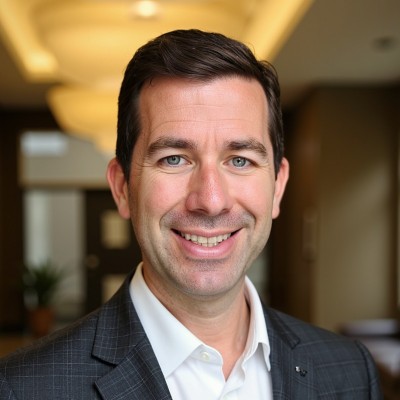
Managing Partner / JD / DCL / MBA
Jude David, JD, DCL, MBA
Jude made investment banking his primary focus after practicing for 12 years as a successful M&A attorney. From lower mid-market family-owned companies to multi-billion dollar corporate behemoths, Jude has advised sellers and buyers on over 200 transactions totaling billions in enterprise value.
Jude has leveraged his M&A experience to start a self-funded company in the building materials sector. Since its inception, the business has grown via acquisitions to over 400 employees across the USA.
Jude and his wife Ashley have six beautiful children and are very active in their community. Jude’s favorite pastime is taking the family to their fishing lodge on the beautiful Gulf Coast.
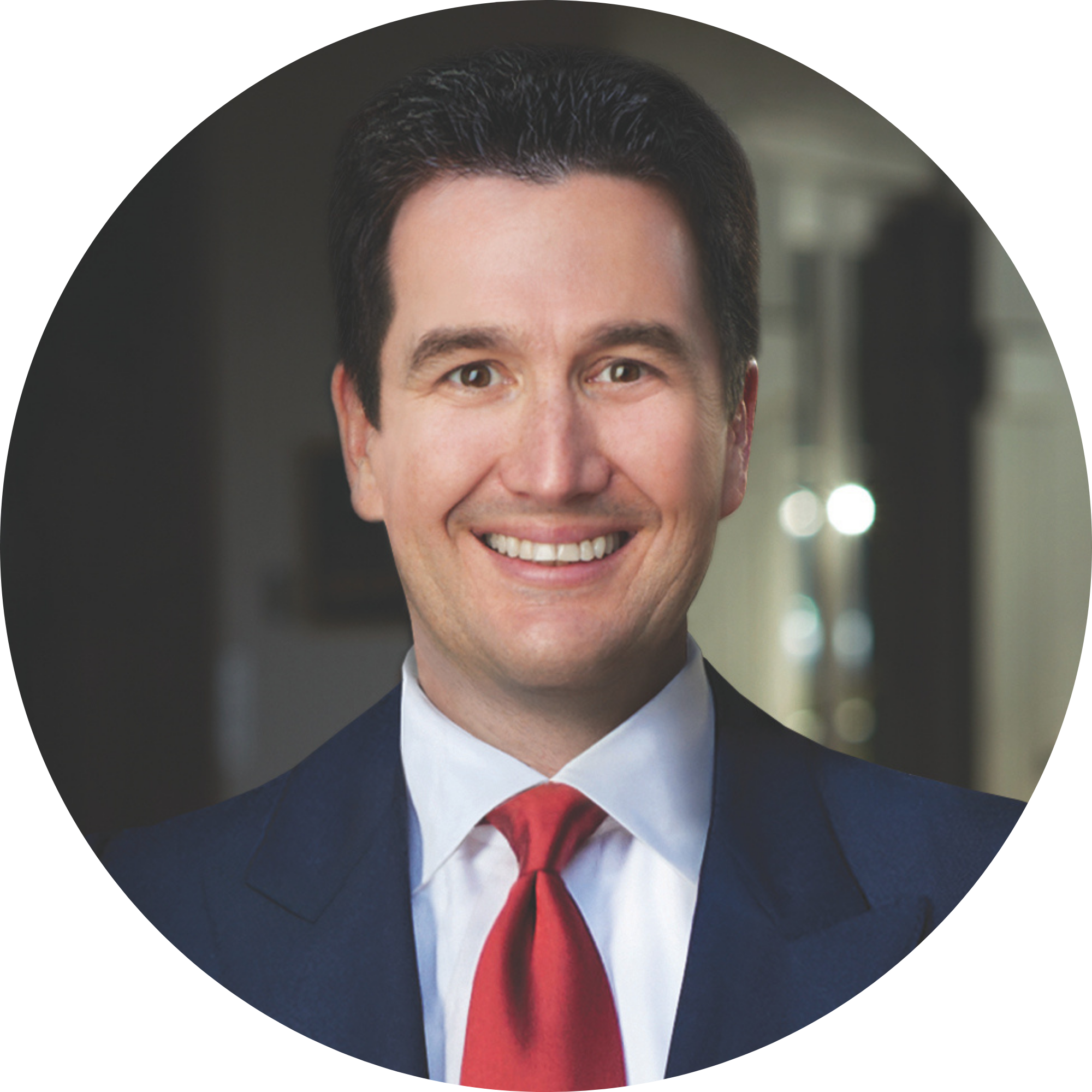
Partner
Blake R. David is a founding partner of Broussard, David & Moroux law firm in Lafayette. David is included in the 2026 list of Louisiana Super Lawyers TOP 10 (Ranked #3) Lawyers in Louisiana. Out of over 22,000 lawyers in Louisiana, David was selected by his peers as the only lawyer in the Top 10 outside of New Orleans and the only Top 10 lawyer listed in the field of personal injury law). Blake is board certified by the National Board of Trial Advocacy in Civil Trial Advocacy, American Board of Trial Advocates (ABOTA), teaches Trial Advocacy at the LSU Law Center, and has Martindale-Hubbell highest rating (AV). Four times David has been recognized as lead trial counsel with one of the top 100 jury verdicts in the country.
David’s professional associations include the Louisiana Association for Justice (Past President, Executive Committee), Louisiana State Bar Association (Board of Governors), Louisiana State Law Institute (Board Member), Lafayette Bar Association (Past President), American Inn of Court of Acadiana (Past President), Lafayette Federal Bar Association (Past President), International Academy of Trial Lawyers, and the International Society of Barristers.
Aside from ownership interests in locally owned oil exploration companies, commercial and residential real estate, oilfield service companies, medical companies, and a restaurant, Mr. David and his brother own Titus Crane Services, an oilfield crane company, and Stately Doors & Windows, a nationwide custom wood and steel door/window/millwork company based in Lafayette with manufactur… Read More