

 Amazon Music
 Apple Podcasts
 iHeartRadio
 Spotify
 YouTube
 RSS Feed
 Podcast Addict
 Podchaser
 Deezer
 Goodpods
 PlayerFM
 Castro
 Castbox
 Eat What You Kill: The Bet-On-Yourself Model — Mark Weber
Mark Weber made $12,000 his first year in business. He never hired an employee. Three decades later, he's built a portfolio across life insurance, real estate, and mortgage lending — all on strategic partnerships and commission-only hustle. Mark Weber is a serial entrepreneur, inventor, and CEO of Mark Weber Enterprises — a multi-layered company spanning real estate, investments, insurance, and mortgage lending. In this episode, Mark sits down with host Joshua Wilson and co-host Jude David, M...
Mark Weber made $12,000 his first year in business. He never hired an employee. Three decades later, he's built a portfolio across life insurance, real estate, and mortgage lending — all on strategic partnerships and commission-only hustle.
Mark Weber is a serial entrepreneur, inventor, and CEO of Mark Weber Enterprises — a multi-layered company spanning real estate, investments, insurance, and mortgage lending. In this episode, Mark sits down with host Joshua Wilson and co-host Jude David, Managing Partner at FA Mergers, to break down the "eat what you kill" operating model that's carried him through 30+ years of entrepreneurship without a single W-2 employee. From his first $28,000 townhouse in 1994 to co-inventing the GreatCatch soft hands trainer (licensed to Cutters Gloves and SKLZ, now sold globally), Mark shares how strategic partnerships, faith-led discernment, and old-fashioned grit built a durable boutique business — and what the next generation of dealmakers needs to hear.
🎯 What We Cover:
- The eat-what-you-kill model and how Mark scaled without fixed payroll
- How AI is reshaping life insurance underwriting (policies issued in minutes)
- Strategic partnerships vs. hiring — how to structure transactional back-office support
- Turning a $200 prototype into a $3.33 global retail product (the GreatCatch story)
- Why grit and work ethic matter more than credentials for the next generation
- How faith and discernment shape Mark's go/no-go decisions on deals
- The rental property playbook that started with a single $28K townhouse
- Teaching kids to hustle: lessons from laying sod and cutting grass
- Inefficient markets, value creation, and why sales skills always win
- Walking away from the wrong deals — and why the walk-aways matter most
🤝 Connect with Mark Weber:
🌐 https://www.leadprofessionalsgroup.com/our-team
🌐 https://donedealnow.com/staff/mark-weber/
💼 https://www.linkedin.com/in/mark-a-weber-a220999/
▶️ https://www.youtube.com/@GreatCatch08
🤝 Connect with Co-Host Jude David, JD, DCL, MBA — Managing Partner, FA Mergers:
💼 https://www.linkedin.com/in/jude-david-jd-dcl-mba-172a6a76/
💼 Thinking About a Transaction? FA Mergers helps founders, investors, and business owners navigate the full M&A process — from valuation to close. If you're exploring a sale, acquisition, or capital raise, let's talk. 🔗 https://www.famergers.com/
🎙️ Follow The Deal Podcast:
🌐 https://www.thedealpodcast.com/
💼 https://www.linkedin.com/in/joshuabrucewilson/
▶️ https://www.youtube.com/@dealpodcast
DISCLAIMER The Deal Podcast is for informational and educational purposes only. Nothing discussed constitutes investment advice, a solicitation, or a recommendation to buy or sell any security. Always consult a licensed professional before making financial or investment decisions.
00:00 - Welcome and Intro
00:43 - Meet Mark Weber: Faith, Family, and Entrepreneurship
02:19 - Why Mark Never Hired an Employee
03:25 - How AI Is Rewriting the Life Insurance Industry
06:25 - Finding Your Value: Delegation and Strategic Partnerships
09:12 - Do What You Love, Pay Someone Else for the Rest
13:04 - Advice for Young Entrepreneurs: Bootstrap and Bet On Yourself
16:06 - Hustle, Inefficient Markets, and the Lost Art of Grit
22:17 - Teaching Kids Grit: Sod, Grass, and Sweat Equity
29:29 - Career Advice for Bankers, Lawyers, and CPAs Thinking of Jumping In
33:04 - Faith-Led Discernment in Business Decisions
39:46 - Building a Culture Where Ideas and People Thrive
48:30 - The One Thing Mark Would Double Down On
51:19 - Closing: How to Connect and What's Next
Welcome and Intro
SPEAKER_01
Good day, everybody. Welcome back to the Deal Podcast. The mission and purpose of this podcast is to inspire the future generation of deal makers. Like we we love, especially what's going on in the world of technology and the uncertainties of the future. We want to enable them, educate them. And the way we do that is we bring in some of our friends, some of the people in the community to share their stories of building and walking through tough times and how to overcome hurdles. And heck, we like doing deals. So if you've got a mid-market company that you'd like to have us take a look at and maybe you want to sell, head on over to thedealpodcast.com, fill out a quick form. Maybe we'll help you there too. But let's dive into today's episode. Mark, welcome to the show, man.
SPEAKER_00
Thank you. It's a pleasure to be
Meet Mark Weber: Faith, Family, and Entrepreneurship
SPEAKER_00
here.
SPEAKER_01
Yeah. And if you're just listening, you're going to hear a few different um voices here. My name's Josh. To my right is co-host Jude. And across from me is Mark. So Mark, why don't you tell us a little bit about who you are and what you do?
SPEAKER_00
Okay. So who I am is a man of God trying to get my family, my wife, and my children to heaven. That's what my sole focus is. And uh it's what my vocation is. What I do is a whole different thing. And so uh I'm an entrepreneur. Um, graduated from college in 1992, and uh my dad said, What are you gonna do? I said, I have no idea. And he was in the life insurance industry, and he said, Go get your license and start selling life and health insurance until you figure out what you want to do. Uh so I started doing that, and um probably in 1994, I started buying my first rental property and uh got my license to be Security 7 uh stockbroker, investment planner. And um just the life, the flexibility of the life and health insurance job gave me the flexibility to be an entrepreneur and do different things. And so over the years, I've had many different um small companies. Um, most of my stuff's boutique. I've never had an employee. I do everything with partners. Um and so it's just been a blessed journey to um kind of let God hold my hand through the ups and downs of of life. And um, anytime I do a business, um, he is the focal point of how I make my decisions and what I do.
Why Mark Never Hired an Employee
SPEAKER_02
And I am already interested because if you ask almost any business owner what their biggest headache or their biggest hurdle is, they say it's finding people. And so um just right out of the gate, I want to dive into that. How did you how did you build your business career having businesses where you didn't need employees?
SPEAKER_00
I think it was probably strategic partnerships. Um, you know, I'm a kind of eat what you kill kind of guy. Um I figured out if I had to um pay a salary for another employee, that was just more work for me to do. Uh I kind of resonate with this new generation of like work-life balance. Like I don't want to be grinding at the office till eight o'clock every night, 10 o'clock every night. And so um, starting, I mean, first year in business uh as a life insurance agent in 1992, I made $12,000. Nice. See what you kill, right? The next year it doubled to 24, and then it just continued growing. Then I started investing in real estate. And so um more recently, uh I partnered with Preferred Lending Solutions, which is a mortgage company in town.
How AI Is Rewriting the Life Insurance Industry
SPEAKER_00
Um I don't have any ownership, but the way I set it up is I'm pretty much the front-end sales part of the deal. And then I have people in the house that do back office stuff for me. Um and so it's a win-win. In life insurance, I have a company, it's a huge uh conglomerate. I probably have 40 different companies I represent. Um, and you want to talk about technology. The life insurance industry has changed in the last 12 months. Um historically, you do a life insurance policy, take an application, you submit the application, they order a medical, uh, the paramed goes to the client's office, does blood work, medical samples, medical questions. Um, then they'll request potentially an attending physician statement from the doctor, and then 30, 45 days later, your policy gets issued. I'm getting policies issued immediately with AI. They pull the medical bureau, they pull your uh DMV, they pull your pharmacy, and they have all the information they need at their fingertips, and boom, up to $2 million, no blood work, no urine, no EKG. It's crazy.
SPEAKER_02
It's amazing, and it's coming for every industry. It doesn't matter what you do, AI is coming for your industry. And uh I think a lot of people are living in denial about it. You know, you hear a lot of things like, oh, it's just the next industrial revolution, and you know, people get more efficient and find more ways to work. It's like, I I don't know. I don't know if that's the truth. I think um, you know, if Henry Ford had the ability to have robots building cars, he would have had robots building cars. He wouldn't have had humans doing it. And so you gotta figure out ways to be productive in this new world that we're getting into. Uh what do you think about that? What do you think about what's coming next?
SPEAKER_00
So I think it's it's a powerful pivot point in our in our industry, in our world. But I think I'm not scared of I AI. I think it's it's my um opportunity to leverage AI. And so I think some jobs will be taken away, like if you go to McDonald's, you're gonna have seven kiosks, there's not gonna be nobody anybody taking your order. Um but I think in in any profession, um people need to be looking at AI, seeing what the opportunities are and what they can do to leverage it. And I give an example that blew my mind. I don't know if y'all are familiar with uh Google Notebook LM. So a buddy of mine told me about it. I dropped my bio in this platform in two uh videos where I was interviewed by the Diocese of Lafayette on the Eucharist, and it in 30 seconds created a 20-minute podcast on my life. I'm like, what? Two bots talking, you know, blows my mind. So I think um everything I do email now, I'm running through AI, having it clean it up, give it a better presentation. I mean, it just gives me a more professional feel by having that cleaning it up. So it's been I think you have to leverage it, but in some aspects, you know, plumbers will still be there, AC guys, HVAC, you know, those in the rental property business. I don't see a robot coming pulling wire in a house. Well, maybe they'll pull wire in the house, but I don't think they'll do any AC work. But yeah, so that it's gonna be interesting to see what
Finding Your Value: Delegation and Strategic Partnerships
SPEAKER_00
happens.
SPEAKER_02
Yeah. I'm I'm noticing that Josh and I are gonna be out of a job here very shortly. Can't podcast anymore if if two AI agents are talking back and forth.
SPEAKER_01
It's crazy.
SPEAKER_02
Yeah.
SPEAKER_01
Well, I wonder if we can get the AI to you know be the audience too, so like we can we could bump that and we could sell to the AI. I don't know. I don't know where that's going. But Jude brought up a very great question, and I want to dig into this this idea of strategic partnerships, finding people. I was struggling with this this morning of the idea of you know delegation, strategic partnerships. How do you approach that? Because in the world of entrepreneurship, especially if you don't want to pay out the salary or with you, you dive into a business and you focus top of funnel and you have people that do the other part. How do you find your own value proposition that you bring to the world? And then how can you find in the the strategic partners that do the other stuff?
SPEAKER_00
Yeah. So I'm a serial entrepreneur. So every three to five years, I'm looking at something new. And I keep what I have, but I'm looking at something new. Um so in the life insurance business, you know, I may crank out five, ten policies in a month, and then maybe six months, I don't write any business. Well, for that six months, I don't want to be paying a salary to an employee to process paperwork or whatever. So I partnered with the with this company that they do all the back-end stuff as a piece of the deal, right? And so for for um I'm a general agent with this company, and part of the what they provide a service is that they'll handle the back-end stuff. And now with the AI, there's no back end. I spend three minutes taking an application, getting your name, social security number, that information. Then that immediately sends you an email, which now the company's taking over that part. So that's where I'm partnering with them. They take it over. The application, the client continues to fill out, and then if they're a good risk, immediately I'll say, Congratulations, you're issued, print your policy, pay your premium. Okay. So I only have to pay when I am actually doing business with that company. Same thing with my mortgage company. Um, you know, 2020, 2012 to 2022 was the refinance boom. I mean, rates were just tanking. And so um, I did a lot of business um in that that period of time. Here I'm doing maybe five, six loans a year, but when I'm not writing business, I don't have to pay anybody to do the back end stuff. It's only transactional. So every transaction, um, they'll either get a piece of the deal or depending on uh who I partner with, it's it's set up structurally where they've already built in the the cost or what their what their fee is. So uh I can take off work six months, I have zero expenses. I can come and crank it for six months and make, you know, be productive, but then I have all that being taken care of on the back end. There's no fixed um liabilities to the support team I have built around me.
Do What You Love, Pay Someone Else for the Rest
SPEAKER_01
I believe that I I love that model. I'm I'm like you, where um I know that I'm pretty decent at certain things, but I I get caught in the weeds when it comes to long forms, systems, processes, following a certain procedure, all of that stuff that's kind of like mid-funnel, you know, like I start to drop out. It sounds like, or this might be an assumption, that you might have had a hard time trying to figure that piece out, maybe trying to wear all hats, or were you always wired where you just wanted to get those pieces of the job off your plate as quickly as possible?
SPEAKER_00
You know, I read a book years ago, and the guy, I can't remember the book, but he said, do what you'd love to do and pay somebody else to do what you don't like to do. And I've just been able to find niches in uh entrepreneurial type businesses where, you know, forever with my real estate property management, I did all the property management, I did everything. And now I'm like, you know what? I'll pay somebody the first month's rent to do the headache of collecting the the applicants, purging through them, and then give me two people to pick, right? I'll give up that piece for that one transaction. Now, if they stay in there five years, I've paid that property manager one time for that first month. But if I hire a property manager full time every month, I'm paying 10% or whatever, whatever it is. And so um I don't know if it's how my brain works or how um it's just more convenient for me to be able to do what I love to do, thrive, be able to bring God into my conversations and my communication, and then the things I don't enjoy doing, having somebody else do it, but it's being paid for on a um per transaction basis. It's not like a salary.
SPEAKER_01
Yeah, Jude, um I I think you're really great at delegation. You've got a a large team, you've got a lot of companies. From your perspective, you know, how did you approach that kind of strategic partnerships, delegation, how to get things off your plate that you don't like doing? Maybe it doesn't bring a lot of value, maybe it's just not the highest and best use of your time.
SPEAKER_02
Yeah. So I I think some people are better at delegating than others. I think some people are more comfortable with it than others. It's all about having the right people to be able to delegate to. Like it you can't do it if you just have warm bodies in your company. But there's a real challenge for a lot of people when they first get into business, where you you kind of think I'm hiring one person for a particular role, and then whenever a new thing needs to happen in the company, they start hiring another person. And then another thing needs to happen and they hire another person, and suddenly you have a hundred employees that have a hundred unique tasks, when really you probably needed twenty employees and people wearing a lot of hats. Uh and so that's the biggest challenge, I think. You know, if if you get good at hiring the right people, having people that can really advance your company, you can't be afraid to like load them up with responsibility and let them feel ownership in the outcome and the decision making. Because whenever you silo people into these little tiny roles, they don't see any benefit in the outcome of what happens. They just know that their particular role. Whenever you have people who are connected to the outcome of the business, you know, they want to see the business succeed, they want to see it reach its goals, and they want to wear as many hats as they can to help you get there. Uh but you know they're gonna drive toward that outcome. They're not gonna drive toward completing their tasks or completing their role. And and so it's a real challenge. Um, and I think a lot of people make that mistake when they first get into business. It's what really interests me about Mark's story of doing it without employees. It's like that's the ultimate you know, having strategic partners, having you know, business partners who, you know, everybody's wearing all the hats until you figure out how to get to a size where you can hire on those people. Um very intriguing.
Advice for Young Entrepreneurs: Bootstrap and Bet On Yourself
SPEAKER_01
So yeah, so back to you, Mark. I thanks, Jude. Um Mark, when it comes to you know, find out what you love to do, find out where you could add value, find out what people are willing to pay for. And then that's the hedgehog principle from you know, uh good to great. And then find someone else who's willing to do that other stuff. Give us some give us some of your things that you've learned about finding those people who will do that other stuff. Because you say give up a piece, you know. I think a lot of times we look through the lens of scarcity and we're like, ah, I could I could do it myself, or maybe it's a starting budding entrepreneur who doesn't have the money to pay someone else. What are your thoughts?
SPEAKER_00
Oh, it's a good question. Um So I was blessed when I came into the life and health insurance industry. My dad, who's a phenomenal role model, and our business partner, Tommy Maggio. And my dad was a uh hardworking, uh his clients were more blue-collar, um, you know, your everyday good, good guy. Uh Tommy was more of an elephant hunter. He liked it the big, the big game, the big clients, the big stuff. And so I was blessed to be able to see how both of those guys worked, right? And so my dad never had an assistant. Tommy had a girl that was working full-time for him, doing all the paperwork, all the stuff he didn't want to do, you know, taking applications and doing that stuff. And so I was blessed to have two guys to bounce things off of my entire life. I said if I ever read a wrote a book, it would be Rich Dad, Rich Dad. Like I literally had two role models who had different views in life. And I'll give you an example, and I'm not answering your question, but I'm this is kind of going off on a tangent. But um, so I bought my first property, uh, which was a townhouse I bought in Scott, Louisiana for $28,000 in 1994. Uh, got married, was gonna buy a house, and um I asked my dad, I said, What do you think I ought to do? You think I ought to sell the house, take the money, put it as a down payment on my new house, or keep it as a rental property? Well, my dad got beat up in the 80s in real estate. Everybody was going in real estate. So I went and asked Tommy, I was like, hey, what do you think I ought to do with this house? And he goes, Well, what's your note? And it was like 256 bucks a month. And he goes, What do you think you can get in rent? I said, Well, 450. He said, Well, so you got a margin there. If you take that and sell the house and you put your equity down as a down payment on your house, how much is that gonna save you? And it's like 30 bucks a month. So it sounds like it's a no-brainer to keep it as a rental property because the cash flow is substantially better. He taught me about due diligence, doing your homework, not making a decision just based on emotion, but doing your due diligence and going through the process of looking at what makes the most sense. So, for um young entrepreneurs just out starting out in the world, starting out in business, I was always a bootstrap guy. Just suck it up, work, do what you got to do until you can afford to pay somebody to do the things you don't want to do. Um, but but bet on yourself. Like the most, the best investment I ever made in my life is betting on myself that I, with allowing Jesus to direct me, was going to be able to make good decisions to provide for my family and and to create success.
Hustle, Inefficient Markets, and the Lost Art of Grit
SPEAKER_02
Sounds like you're a hustler, Mark. You know uh you know how to put in the effort and make the money off of things. You know, I I think we're taught in school that markets are efficient and you know that there's no money to be gained by outsmarting the system or anything else, which you know, in my experience is just nonsense. Um when people ask what I do, I I try to you know simplify it a little bit. Say, you know those guys who'll go on Craigslist and find the free stuff and they they go get the free stuff and they turn around and sell it for 20 bucks, and then they take that 20 bucks and they go buy something else and then they sell that for 50 bucks and whatever it is. That's inefficient markets. And if you can figure out how to put in that kind of effort and connect the right buyers and sellers, you can make a lot of money. Um, I I feel like it's almost a lot lost art because when I was growing up and you saw a lot of people hustling like that, you don't see it as much anymore. What are your what are your thoughts about the next generation? Whether you know they can be taught that kind of thing or whether whether they're doing it a different way that we just haven't done it before and and don't see.
SPEAKER_00
So um the next generation, man, um we're in a different world than I grew up in in a lot of ways. Um but to find a two-bedroom, 1,100 square foot townhouse for $28,000 that just doesn't exist. I mean, that's $150,000 now. So how do you scrap up the down payment? How do you get started? Um that's you know, we we do we're dealing with a lot of inflation. Um you know, you're looking at insurance and taxes on homes, which you know, my dad's first house was $18,000, my first house was $28,000, my son's was $180,000, my daughter's was $250. And so all entry-level houses as they the market is, right? And so it's scary to me that what inflation has done to the value of the dollar. And so um, not to scare people, but to say there's a real, there's an elevated risk. When I put $5,000 down on that townhouse, it was a minimal risk compared to whatever the things look like today. So um the advice I have is bet on yourself, but but lean into networks, people in your community, people you trust that have been successful, that have done it, and ask them to mentor you. I know in in real estate, every person that I've ever dealt with in real estate is an open book. Like there's so much real estate out there, it's not like everybody's fighting over the same stuff. So the nuggets of wisdom that I've gotten from everybody I've ever had a discussion with in real estate has all been powerful. Read books about what you want to do. Um Matthew Kelly's quote: the difference between the piece person you are today and the person you'll be in 20 years is the books you read and the people you meet. That's it. And so I think the more and with AI and with technology, I mean, you can get a college degree in six months watching podcasts and learning on your specific industry. So um it's different. Um it's a little more scary than when when I was younger because um you could afford to make a mistake. I think the the penalties for making a mistake now are a lot heavier.
SPEAKER_02
Very interesting. Yeah, I have people come constantly who want to be mentored and you know, they they just want to sit and talk about you know where they are. You know they might be in school or they might be early career and they're thinking about pivots and whatever else. And I can't encourage that enough. You know, finding people that you can learn from and then reaching out to them and trying to figure out how they did it and you know what their advice is. If you would have asked me five years ago, I would have you know told a young person, go into coding or computer work or whatever. And you know, today that's not the case. Wow, you've been replaced by AI already if you did that five years ago. So maybe my advice wasn't great. But you know, my my updated advice today is you know, figure out whatever you want to do. Find the person who's the very best at it and go learn from them. And even if you gotta wash their car and run their errands, but you can be near them for a year or two and really learn and understand how to do the best thing that you want to do, um you can use that knowledge and and bootstrap from there and figure out how to grow. Whether you grow with them or you go do it on your own afterwards. Um I I don't know a particular industry to tell young people to get into. I I wouldn't even think about what to tell them. Um but you know, figure out whatever it is you want to you want to do and and figure out who's the best at it.
SPEAKER_01
I want to point out two things you gentlemen said. So Jude, I I don't think you're buying mattresses or finding, you know, $20 mattresses and flipping those. You know, guys listening in, Jude gave a context of like he finds, you know, what does he do? He finds things, he increases value and he he sells it. He's doing that with very large companies, and he's you know, he's very successful at what he does. But he's given this like context of it's just like that, but just on a different scale. So as you guys are thinking through where the value is, I used to buy bubble gum and sell it to kids at school, take wood out of dumpster and sell it for as a skateboard ramp. So this there's I think salespeople, to answer your question, Jude, I think salespeople and people who can structure value, I think they'll always have a job.
SPEAKER_02
Yeah, for sure. Um yeah, as a younger man, sure, I was I was finding metal to take to the scrapyard and get money off of that. And I'm figuring out how to get things off of Craigslist and turn around and flip those around. Or, you know, I I see a car that's for sale and I think, oh, I I bet I could, you know, buy that and drive it around for a year and then turn around and sell it for more than I paid for it. You know, all those little things, you know, ways to create value. Yeah, you get older and you make more money, and yeah, you don't need to do it on those small scales anymore. Now you figure out, well, if I buy this company and I buy that company, I combine these two companies together, they create more value together than they do apart. And then I can turn around and I can sell that to somebody else. So it's the same mentality. You start small, you start, you know, with the lemonade stand, figuring out how to make money selling lemonade to people, and then you know you go up from there. But um it it's a mentality, and and that's really what I was asking Mark about. It's
Teaching Kids Grit: Sod, Grass, and Sweat Equity
SPEAKER_02
you know, where's the hustle out there? Because I just don't see it as much in the world anymore, which kind of makes me sad. Even the people that I talk to who you know want some mentorship and whatnot, and I encourage everybody to come in and ask for you know advice. A lot of them will come in and it's like, well, how do I start out my career as the boss? How do I start out my career being you know the head guy in whatever I'm going into? It's like, well, that's that's just unrealistic. I didn't start as the boss. Mark didn't start as the boss. And you know, you you can be the boss of yourself. Like if you want to be an entrepreneur and a hustler coming straight out of school, you can do it and be the boss of yourself, and then hopefully you find some success there and grow it into something. But you can't just step into you know a high leadership role ahead of a lot of people who have been doing it a long time. That's just that's just not the order of how things are done, but also not the value you bring to the table. Um and literally everything in life is about value, and the more people can understand that, the better they'll do and the better they'll play at this game of life. Because if you can't figure out how to give more value than somebody else, nobody will pay you for anything.
SPEAKER_01
Mark, you wrote down something. Yeah. Let's dig into it.
SPEAKER_00
So grit. As a buddy of mine defines it, it's F and grit. And and you know, both my kids are very successful. And people are like, what did you do to raise your kids to be successful? I said do anything. They just have grit. They have work ethic, you know? And I think that's what's lacking in this generation today is that they want it now. They want to be the CEO, they want to be the head guy, they want to be the guy in control. Well, the person with grit says, just this is where I want to be. Tell me where the path is and where do I start? And let me just climb the hill. Like, let me get after it. And so um, my son's a dentist, my daughter's an orthodontist. They've spent a lot of time in school, they invested, they took the time to get good grades and be successful. And I am very proud of them because they floated to the top in a very competitive uh career. You know, 75 kids a year get into Louisiana dental schools, 75, you know, it's not it's not a big pool. And so, but it was their work ethic, their desire, their drive. I think far too many kids and young adults um have a sense of entitlement. Um, you know, I think that I deserve to be whatever. And my philosophy is I deserve to be the janitor first and learn how that happens and then to be the next guy and the next guy. And once I've learned all the roles in the company, now I can be in charge because I know when the trash can needs to be dumped out, if somebody hadn't done that job as a CEO, I know how to do that job and I'm gonna get it done. And so I think how do we teach our kids grit? Man, I don't know. I think um I think what we model to them is huge, but I think the technology today is so harmful to the brain of the individuals, our children. They're so distracted. Um, you know, I was on a retreat this weekend in Grand Nile and we were just talking about how do we hear God? And um number one, you got to want to hear God. Number two, God's always trying to talk to you. Number three, we got to put our place in a place to be able to receive and to be able to hear God. Well, if we're always on our phone, if we're always distracted by TV, if we're always we don't we don't have any ability to let Him come in unless we carve out some time. And what's that look like? You know, it takes 30 to 45 minutes for our brains to slow down before we can push everything out to where we can even hear. So how many how often do we sit in silence for an hour to listen? Um just so many distractions. So the kids today um, you know, they have to develop the discipline and and have some silence in their life to find that direction.
SPEAKER_02
In the silence of our hearts, the Lord speaks. Amen. And uh society isn't so silent these days. But I I feel like you and I might have come from the same school. You know, I'm always trying to figure out how to teach my kids grit. My kids aren't as old as yours, but you know, my older three um you know wanted to go swimming on Friday, um, and I needed some new sod laid in the yard. And uh, you know, I I feel like love is free in my house, and you know, that's probably the one thing that's free because everything else can be earned. And you know, we want to go swimming, and hey, dad needs help laying sod. So sure, the the guys that are delivering the sod will lay it for 400 bucks or whatever. And it's like, oh no, no, I got I got kids who are able-bodied. And now it it takes a lot of work though. I think a lot of people aren't willing to put in that work with their kids because I can't tell my kids go lay the sod. I gotta be out there laying sod with my kids. And uh it would be so much easier to just pay somebody to do it, but what do we learn paying people to do things for us? And so I hope that's the right answer. All these little projects and all these little ways I can get my kids to do things with me that you know they're gonna pick it up and learn it over time.
SPEAKER_00
And you make it fun. I mean, you know, my daughter was three years old when we were painting one of the rental properties, and I got her a little four-inch roller in just pink paint and just let her get after it on the wall just to have fun. She couldn't mess up because I'm gonna come back and paint it a different color anyway, but just wanted to have her in there. She's laid floor with me before. You know, my son's cut cut grass since he was in seventh grade. I mean, for a living. Like he was m hustling in the neighborhood cutting grass. He even cut grass when he was in dental school. He'd come back on the weekends and cut grass in Lafayette. And so um, it's a testament to my kids that they they um embraced um whatever tone we set and thrived in it. And um I think the sod story, like that's life-changing. Like, how many people, honestly, you think would have done that had their children helped them lay sod?
SPEAKER_02
Well, I'll tell you what, I'm sore today, so maybe they're smarter than I am. I don't I don't think it would be many.
SPEAKER_00
But I don't I think I think that the fact that you the soreness is you're you're suffering for your children, right? Not only physically, but you're you're training them, and they probably hemmed and hawed and fussed and whatever. And it didn't have to be perfect, right? It just had to be done. And I think that is one great example of of grit, teaching grit. You know, um we we had a um a table that was my mom's table from when I was a childhood, and I engraved my name in it. It was a wooden table, and my daughter was taking it to dental school, and she was like, it'd be cool if we could refinish this and and re-stain the top and paint the bottom, bottom, or whatever. You know, how do we get that done? Let's go to Home Depot and get some wood stripper. And we just a little family project. And she was so proud of herself that, you know, she she knows. So when we have those tasks that we do with them and we make it fun, we don't make it a chore. Um, I think that builds the callus and the muscles to repeat that. Um, you know, my daughter just bought a new house, she moved home after graduating orthodontic school, and she's like, hey, um, I got two um light fixtures for wedding presents. Can you come help me hang them? And I'm like, heck yeah, we're not paying an electrician, you know, 300 bucks to come hang lights. And so um I'm glad you brought that example because now I'm kind of rewinding back on some of the things that I did that I didn't think I was intentionally helping build grit, but I think it it did. So that's a blessing for me today. So thank you.
Career Advice for Bankers, Lawyers, and CPAs Thinking of Jumping In
unknown
Yeah.
SPEAKER_02
Amen. Well, look, I I think um you know one one of our main goals with this podcast is to inspire the next generation of entrepreneurs. Uh and you know, part of that is parents teaching their kids grit, teaching them how to how to hustle. Hopefully we're inspiring some young folks, you know, teenagers and college-age kids who uh you know want to become entrepreneurs. But I'd say the biggest audience that we speak to is probably, you know, bankers and lawyers and CPAs and uh you know other hustlers who are early in their careers in their 30s and 40s, and they've been sitting on the sidelines thinking, I would love to be an entrepreneur, I'd love to go get out into business, I'd love to take a step beyond what I've been doing and and expand. It sounds like you've helped some folks to do that in the past. One of them was you know, Lance Strother, who was a um you know a guest here on the podcast. And and listeners, if you haven't listened to Lance, go back and listen to Lance Strother's episode. He talks all about Mark and the way that Mark inspired him and helped him to become an entrepreneur. Lance was a a football coach and a teacher. Um and you know, he's still doing that, but but Mark helped him to step into entrepreneurship. And such a great and inspiring story, but it's it's a very repeatable story that you know people are in careers where they're not fulfilled and they're not reaching their potential and want to step out into entrepreneurship. Tell us about you know how that started with Lance or you know, if if you have other examples of folks that you've worked with over time that that you'd want to bring up. And you know, what do you have to say to all those listeners who are in those early careers trying to think about you know what might be next or what they could do next?
SPEAKER_00
Wow, big question. Um so I'm assuming most of these people are an eight to five job.
SPEAKER_02
Yeah, I'd assume so.
SPEAKER_00
Yeah. So I was blessed to be self-employed. Well, not so well, self-employed, but also had flexibility. I could work from seven in the morning to seven at night every day, but then you know, take off in afternoons and go hustle or whatever. So um I think the number one thing, um kind of just focusing on high school kids first is um if you go to college, make sure you pick a a a degree that's gonna pay well, that's gonna actually pay off the student loans you may take out, you know, not to knock philosophy, but to get a degree in philosophy or something like that, you've got to know what the end of the road is. Um I think far too many people are um not looking at trades as an opportunity. I mean, I think um as entrepreneurs with rental property, electricians, plumbings, HBAC, those guys make a lot of money, I can tell you, because I'm cutting checks to them. Um I think a handyman is a is a lost art. Like I nobody wants to do the work. And so um so if you go to college, pick a career, look at what the what the what the fruits of that career is at the end of the day. Don't don't pick a career based on a feeling, right? Go through the process of due diligence, understand that. So once you're in college and you get out and you get a job, find out what what you love, what your passion is, um, what you can help people with, what you're naturally gifted at, um, and discover that. I think for me, a lot of it has been who has been in my life, what mentors have been in my life, and what am I seeing they do and how they're successful at it. Um, the for instance, the reason I got into rental property. Um, but I think that um far too many of us,
Faith-Led Discernment in Business Decisions
SPEAKER_00
and I'm including this, make decisions for the rest of our life with our brain instead of going to God and and listening to what He's telling us to do and giving us some direction. There's been many times, many opportunities have been on the table. And um, you know, I go and process the whole thing, and it's it's it's a it's a good deal. I should do this. And then I sit with my wife and she's like, Well, I'm not really feeling good about this one. I'm like, okay, tell me why. And then I go so spend some time and quiet time and listen to what God tells me to do. And inevitably, when I've not done a deal, it's it's ended up being a bad deal because I took it to God in prayer for him to help me discern that. Um, and so that is, I think, the key to today. Like, lean into your faith and ask God, hey, what do you want me to do? Not only what is my career and my occupation look like, but what does my vocation look like long term?
SPEAKER_02
What what does that look like for you whenever you're going through that discernment? I love ignition discernment. That's a great, great way to walk through things, uh, decision making. A lot of times in business, you might not have all the time for full ignation discernment. It's a little bit, a little bit quicker and a little bit more reactive. So whenever you're taking things to prayer and you're trying to discern, is this the right business or is this the right new thing that we're gonna we're gonna try to do? Are you you know saying, hey Lord, I'm bringing this to you. Um, you know, show me open doors or closed doors, show me um, you know, your will in my life, or or what does that look like for Mark Weber?
SPEAKER_00
Yeah, so um, you know, let's just say it's a real estate deal and and I've put it under contract, and um there's uh some stuff in the inspection, you know, and I'm like, all right, God, like is this some really scary stuff or is this not scary stuff? And then I'll I'll I'll I'll pray about it. And if I'm not getting a good feeling, and then they come back and say, like, hey, we know you want us to to give you $20,000 on inspection, but we're only giving you 10. Okay, God, you just close that door, walk away. You know, like kind of set the parameters on the front end, kind of like if you go into auction and you say, My limit on this property is this. Well, you don't go past that limit. And and so I think that in in in big business, um I think some of the most successful people in the world will say some of the w worst deals they did were deals they walked away from. But then they'll also see some of the worst deals they did, the ones that they actually did that they didn't think they should do. So there's there's the double-edged sword there. So I think that um, and I think it goes back into what's your daily, what my daily practice is like. If I'm if I'm in prayer every day, if I'm disposed to to letting God in my life, I'm at a point now in life, for six years now, I've been going to daily mass because my dad's been ill, so I go to mass and I'll bring him Eucharist every day. Um, this just amount of peace that has come over me in the last six years, like less things bother me. Um, you know, as my buddy Paul George says, you know, first world problems, you know, we got hot water, we got air conditioner, we got a comfortable bed, you know, we have great families. Are they perfect? No. But like we have the things we need to survive in this world. And um, first world problems, yeah.
SPEAKER_01
We definitely need to do a shout out to you mentioned two uh deal podcast alum, Paul George and Lance. How do you pronounce the Strother right? Strother. Yeah. Great, great episodes. Yeah. If you guys are listening into this and you're enjoying that, you want to have some context about who Mark Weber works with and and builds with, um, yeah, those are great episodes. Um early on, man, they those guys came in. Um, Mark, as as we walk through, you know, this process, I think a lot of times I was struggling with this. I was thinking of something and I was I started praying about it. God, what should I do about delegation? What should I do about automation? And I'm asking God these questions. And you the the temptation that I had right then and there is I went straight to Chat GPT, I went straight to Claude and Gemini, and I started having them fight together and ask the question. And then it's like I I I asked God, I like rang his doorbell, and then I just left him completely to go play with AI for a little bit. How do you how do you create that discipline to really dig into the Lord on things that are yeah, what do you bring to the Lord rather than what do you just search Google or search AI?
SPEAKER_00
Yeah, so I'm I do the same thing you do. You know, I leverage AI to get answers to the questions. Um there's actually uh an AI uh for the Catholic Church called Magisterium. So if I have any spiritual issues, I got an AI I can go to for that. Um but what I do is I do the AI, I do the due diligence, right? I do the AI, I look at all the information, and then I'll maybe go spend an hour and adoration and let God work with me in that stuff, right? You still got to do the due diligence, you still got to get all the information. You can't just say, okay, God, this is a magic potion, tell me which way to go. Um and then leaning into friends that that you think may have some expertise in that. And then once you've had all of your information, then take it to prayer. And when I say that, you know, I don't hear God in 20 minutes or 30 minutes. Like it takes me 30, 45 minutes to get to a place where all the thoughts are out of my mind. I'm focused on, okay, God, give me some direction. And sometimes I'll be like, um, okay, God, if this is something you want me to do, I'll give you an example. I'm I'm not a big, I don't like being in public. I don't like public speaking. I don't like in front of a bunch of people. I've made the axe retreat, and they asked me to give a talk on the axe retreat, and it's in front of 80 men, and I'm scared to death. So I'm like, all right, God, I need a sign on this one. Like, this is out of my comfort zone. This is not what I want to do. If you want me to do this, I need you to show me a yellow rose. And I'm like, you know, that was probably on a Wednesday. The next Saturday, I'm watching the LSU game. It's senior night, and Joe Burrow runs out and gives his mom a yellow rose. Okay, there's my sign, you know. And he speaks to me that way on a when I when I propose to my wife, I was like, all right, if she's the one, I need you to send me a pink rose. And I go to her house the next day, and there's a picture of a pink rose on the wall. And I'm like, all right, dude, I got you. I got you. And so um I'm very blessed that um in these big moments, God tends to make it clear to me what um what I need to do. And the fruit that came out of obviously me getting married to my wife, who's an amazing woman, and then the fruit that came out of this talk, you know, I shared some things that almost every man in that room was struggling with, but scared to admit it. And um, it just created a space, a safe, free space for people to be vulnerable, transparent, and authentic and really uh learn about themselves.
Building a Culture Where Ideas and People Thrive
SPEAKER_01
Yeah, I love that. Um one of the one of the questions that I have in my my mind, I I grew up with faith. And I I think sometimes uh a faith entrepreneur sometimes um oversteps wisdom or doesn't put the proper planning or discernment, due diligence. I'm gonna do this because maybe this is what I feel God's calling me to do, build a business, whatever. And they just think that God's gonna strike the check with them and then keep striking the check based on their mistakes. But I'm finding out the very hard way in life through, you know, a few decades of getting my butt whooped in the entrepreneurial space is God is wisdom. Right? We can't overstep that. What do you say about, you know, a guy, a guy or woman of faith who's an entrepreneur, but also proper sequence, proper process?
SPEAKER_00
Absolutely. So there's a very profound book that I read years ago. Um the name of the book is um drawing a blanket at the moment. Let's see. Think and Grow Rich by Napoleon Hill. Yep. And Napoleon Hill says, in his words, you need a wet blanket on their company, on your team. Okay. And so Lance and Paul George are wondering invention. I mean, they are flying at thir 30,000 feet. They're the ideas are bouncing off the walls, and like it's life-changing stuff. And I am um the the wet blanket, like, okay, let's just let's just calm this down. This is not realistic. Um, I gave you an example. So Lance's first invention he ever had was called the catch-write, which was some gloves that had a computer in them with an electronic sensor, cost $200 to make the glove, so the retail is going to be three, four hundred bucks, and you got to turnkey the deal. And so who's can who can afford to buy those gloves? NFL players or whatever. So he was working with some kids one day and he held a ping pong with his pinky and the second finger and had the kids catching the ball with with the six six fingers. So I'm like, how can we change transition this glove into something that's more affordable? Well, I'm walking through Pet Smart and there's some little kiddie tennis balls. So I buy them, put a steak knife through them, put a piece of elastic on it, and strap a half-inch tennis ball to the palm of the hand. And now if you have your palms exposed, you can't catch the ball, so you've got to reach around and control it with your fingertips. So this product, once we got it made, landed in the United States was $3.33 compared to $200. And so um same idea, same concept, same vision, but a value proposition, which is what I bring to the table, is affordability of doing something at the lowest cost for the biggest bang for your buck.
SPEAKER_01
Yeah, I I think it's so valuable. And Jude, I think you have something to add to that. Um we'll come back to this. Don't let me forget this one. Uh I think it's so valuable to have people in your life. Like one of the early things you said is, you know, pray, seek the Lord, but also talk to the community. There's men and women who have put their life savings on ideas and trying to build stuff and failed. And they would be happy to, thrilled to share wisdom. That's why we love doing this podcast, is because we can share a lot about our failures, transparency, authenticity, right? Like those things come from our guests. So we can learn from other mistakes. That's called wisdom. Or we could cause I like to touch the stove, right? Or we could, you know, do it through experience. Right. It's for my my mentor says experience is for uh is school for uh fools who can't learn from others. Um as you're going through this, I think it's so important to have that people in your community. I think people are so afraid to share their ideas because what if someone says it's a bad idea? What if they steal the idea? What if? So there's a lot of great ideas in the in the grave. How do you how do you approach that?
SPEAKER_00
Oh man. So I don't remember if it's a Brene Brown book I read or the five dysfunctions of a company. Um, but to create and hear great ideas, you have to create a space. That there's no judgment, right? And so you have a meeting, whatever you're brainstorming. Look, this meeting is just to throw out stuff. Whatever comes to your brain, throw it out, throw it out, throw it out, write it on a board, whatever, and then kind of perge through it. Um, because I think far too many people don't value their idea because they feel like they're gonna be judged. And like me, who is a child who has carried shame with me all my life, if I throw out an idea and you go, nah, that's not a good one, I'm done. Like I am shut down, I am bad, I am unworthy. And so for somebody to create a space, a place for say, look, there's gonna be no judgment, throw out bad ideas, it's okay, not a big deal. Now you're getting the creative juices from everybody in the room, not just the ones who who have this, this, the beauty. And so um, yeah, I think, and it depends on each individual situation, but you have to create the environment. And that's one of what I'm what I wanted to go back to you, Jude, was how important it is to establish a culture in a company with 100 employees, and how do you teach, how do how do you share what information do you share since you work with the high volume? I can create a culture because my systems are very compact, one or two people in the process. When you have 100 people on a team, how do you create that culture of the transparency, vulnerability, authenticity, and to be able to grow a business with all people, all a team on the field versus saying, okay, we got these three guys on the field and we got a hundred people on the bench?
SPEAKER_02
It starts with the right people. Um helping everybody to understand that value matters so much more than who came up with the idea or what my role is or whatever else. Whenever people tell me that's not my job or something like that, I immediately know they're not the right person because they're not thinking about value. They're thinking about me and what do I get out of the company, not how do I bring value to the company. Um and so that's really important. Having buy-in on the vision might be the biggest thing. Um, you know, whenever you're making decisions as a company, it's really easy as the leader to think, well, I know the right outcome that we need in this situation. So I'm gonna go tell my team the right outcome and then let them get there. Um The only problem is whenever you tell people the right outcome that you want from them, they don't go get there. They question whether that is the right outcome and whether they should even be working towards it. And then there's constant pushback. So, you know, getting them involved in creating the right outcome and understanding the right outcome is a huge part of the process. And when you're making quick decisions and and trying to react to the things that are happening in business and plan ahead, it can be really hard to stop and get your team together and and you know, figure out that right outcome. But I think it's also really important that people understand their roles and what they're bringing to the table. Um, I think if you were going to do a Venn diagram of people who are natural-born leaders or who have been developed into great leaders, um, you know, as one circle in the diagram, and you know, people who want to be the leader as another circle, like the natural-born leaders would be a really small circle, and the people who want to be leaders would be a really big circle, and they don't overlap in that big of an area. Much. Yeah. And so that that doesn't mean those circles are static. People can be grown into leaders, you know, you can get that experience over time. It's like I was saying about the young people who come in and you know they want to graduate from college and immediately be the leader of a company. It's like, well, but you're not in that small circle yet. You're not you're not a natural-born leader who has developed in into this talent so that you can be the leader of this company yet. And people can grow into that. You know, experience matters a lot, work ethic matters a lot, you know, adding value matters a lot. Um you know, being around the right people, like you mentioned earlier, you know, we're the sum of the people that we're closest to in our life. And so, you know, influencing yourself the right way. And that small circle of, you know, are you an actual leader can grow and and you know, we can have a bigger group of leaders in the company over time. But it definitely doesn't happen overnight. Um, I have never had real success going out and hiring leadership. I have had great success whenever we grow people over time into becoming leaders. Um and so it and kudos to all those people who go out and hire a CEO for a business, you know, when that person's never been connected.
The One Thing Mark Would Double Down On
SPEAKER_02
I've never been able to do that successfully before. I I think it's a whole lot better to find the right people and groom them and do what you need them to be.
SPEAKER_01
One of our um really uh value you guys, I I love sitting here with with y'all. This is y'all, that's what we say uh on this southern parts of this the country. Um, one of our great joys at the Deal Podcast for the in-studio guest is they leave behind, this is a way we could connect guest to guest, is they leave behind a question that they would like to ask you. We don't read them beforehand, so sometimes they're a little kooky, and sometimes maybe we have stumped some guest. So this this is from Brian uh McGeehee of Gator Coolers, the CEO and founder of Gator Coolers. Uh this this is for you, Jude's gonna read it.
SPEAKER_02
If you could read I hope it adds up to a question. We're gonna find out. Yeah. If you could change one thing and double down on one thing throughout the business journey, what would that be? Oh, solid question.
SPEAKER_01
That's a good job, right?
SPEAKER_00
One thing I would double down a little bit. I mean, this is super shallow and superficial, but I'd have bought a ton more real estate in this in the 90s. I mean, everything's doubled and tripled in in value since I bought that. Um so from a business standpoint I would say that. Um from an emotional standpoint, uh working on healing my shame earlier. Because I think my shame gets in the way of a lot of business stuff. Um was a financial advisor from 1994 to 2012 and decided to get out of it. I fired my job because it was not my type of um wasn't the type of stress that my body could handle. Um and so it was an easy transition because at that point in time interest rates were going down to nothing, and I started, I was referring to all my clients to refinance their houses. And then I had a company I could partner with and I could do re I could refinance houses. So I just got rid of that financial planning piece and then added the mortgage piece, plus I had the real estate and I still had the life and health insurance and everything. Um but just the work on myself. Um I think that um my um and again, it's all family of origin, like we all have stories. Nobody's walking around perfect, everybody has wounds, everybody has heavy loads they're carrying. Um, but to emotionally work on some of that stuff earlier in life so that I could um have more less anxiousness, um, more trust in in the in in the process, um, I would definitely double down on uh working on that.
Closing: How to Connect and What's Next
SPEAKER_01
Yeah. Super grateful for that answer. Um that's it for today, man. Uh for people who want to reach out to our guests, their contact information will be in the show notes. You can follow them on their socials or or connect in with them on their website, which means that we'll have to get that information from you later on. But uh for for people out in the audience who are listening in, we are super grateful that you um that you stopped by and listened in. What we'd like to do though is I'm gonna ask you a favor, is one that you'd maybe reach out to us and let us know what questions you have about the world of entrepreneurship or or deals or selling companies or buying companies, or you know, maybe you have an idea for us and we want to create that space for you to share those ideas with us. So please reach out and um, you know, and share those kind of things. And then maybe there's someone in your world who needs this episode, who needs, you know, one of these messages. They're getting started, they're going to college, they're, you know, getting ready for college, getting ready to, you know, quit their job, whatever that might be. And this this episode might be something that can help arm them uh to be successful. So just share that with them. Um once again, head over to thedealpodcast.com if if you'd like to maybe dive in on the show or contact us and talk deals. Till then, we'll talk to you all on the next episode. Cheers, everyone.
Entrepreneur
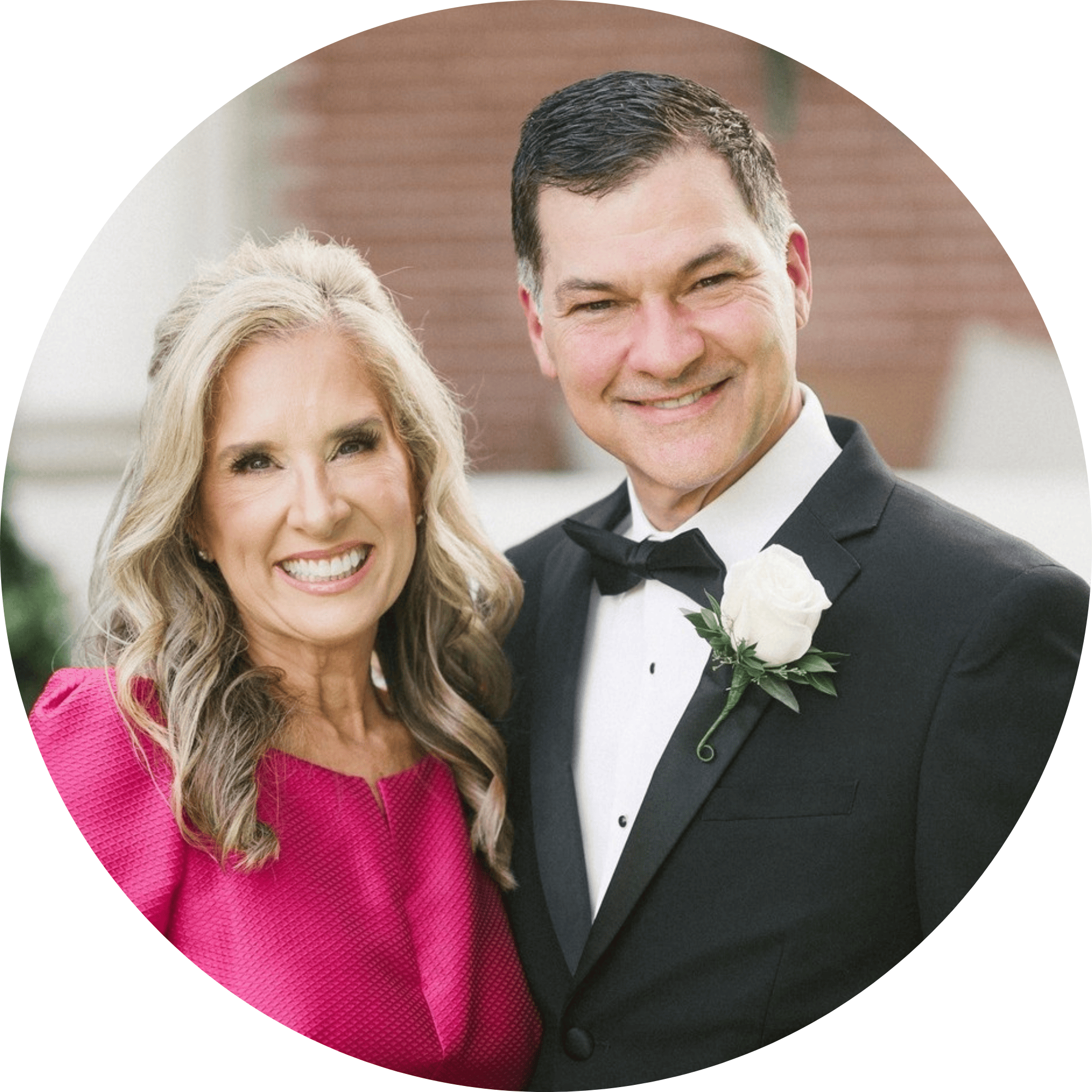
Mark Weber
Entrepreneur | CEO, Mark Weber Enterprises | Co-Founder, LEAD Professionals Group | Inventor of GreatCatch
Mark Weber is a husband, father, and serial entrepreneur who has spent more than three decades building businesses, mentoring people, and turning ideas into market-tested products. Based in Lafayette, Louisiana, Mark is CEO of Mark Weber Enterprises, a multi-layered company spanning real estate, investments, insurance, and mortgage lending. His career has crossed nearly every corner of the financial services landscape — financial adviser, insurance agent, mortgage lender, and real estate investor — giving him a uniquely comprehensive lens on how deals actually get done and how wealth is built and preserved across generations.
A former college football player at the University of Arkansas at Monticello, where he earned his bachelor's degree in business, Mark's love for the game ultimately led him to co-invent the GreatCatch soft hands trainer. He licensed GreatCatch to Cutters Gloves in 2007 and to SKLZ in 2013, landing the product on shelves in sporting goods stores around the world — a rare entrepreneurial arc that took a backyard idea to global retail distribution.
Beyond his enterprises, Mark is Co-Owner and Co-Founder of LEAD Professionals Group, where he works alongside a team of coaches, consultants, and speakers to develop leaders, strengthen teams, and help individuals move forward with purpose. Mark is passionate about mentoring and coaching entrepreneurs and young professionals on life, leadership, and business — believing… Read More