Amazon Music
 Apple Podcasts
 iHeartRadio
 Spotify
 YouTube
 RSS Feed
 Podcast Addict
 Podchaser
 Deezer
 Goodpods
 PlayerFM
 Castro
 Castbox
 From Ministry to Real Estate: Lessons From a Career Pivot with John Ray Perkins
After 20+ years in ministry, John Ray Perkins pivoted into real estate months before COVID, and learned the hard way that a high-paying job is not the same thing as a business.
Key Takeaways
- John Ray Perkins left 20+ years of full-time ministry and launched a real estate side hustle months before COVID.
- 'You have a high-paying job, not a business' was the wake-up call from his coach.
- Building systems, processes, and models lets a business run without the operator.
- In a relationship-driven market, he sells a service without leading with religion.
- He vets seller motivation before taking a listing.
He spent over two decades as a full-time Catholic minister. Then four kids, a tight bank account, and a global pandemic forced a pivot that would reshape everything.
In this episode of The Deal Podcast, host Joshua Wilson and co-host Jude David, JD, DCL, MBA and Managing Partner at FA Mergers, sit down with John Ray Perkins, a top-producing Realtor with Keller Williams Realty of Acadiana in Lafayette, Louisiana. After 20+ years in youth and parish ministry at St. Peter's in Carencro and St. Pius X, John Ray launched a real estate side hustle in late 2019 — just months before COVID redrew the map. Six years in, he's running a growing team and rebuilding his business as a system, not a job.
This is a story about identity, calling, provision, and the shift from operator to owner — told through the lens of a guy who walked it.
🎯 What We Cover:
- Why he left full-time ministry after 20+ years — and the surrender moment that opened the door
- Hustling through financial pressure with four kids and "more month than money"
- How COVID reshuffled both careers in the same six months
- The Costco conversation that became a six-year client relationship
- Selling a service in a relationship-driven market without leading with religion
- The mindset class that rewired how he thinks, talks, and parents
- "You have a high-paying job — not a business" — the wake-up call from his coach
- Building systems, processes, and models so the business runs without the operator
- How he vets seller motivation before taking a listing
- Why he changes coaches when he hits a plateau — and how to find the right one
- Quality Time Remaining: the framework Jude uses with founders weighing an exit
- Why the best businesses to sell are the ones that don't need to sell
🤝 Connect with John Ray Perkins:
🌐 https://johnrayperkins.kw.com/
💼 https://www.linkedin.com/in/heyheyitsjohnray/
▶️ https://www.youtube.com/user/johnrayperkins
🤝 Connect with Co-Host Jude David:
💼 https://www.linkedin.com/in/jude-david-jd-dcl-mba-172a6a76/
💼 Thinking About a Transaction? FA Mergers helps founders, investors, and business owners navigate the full M&A process — from valuation to close. If you're exploring a sale, acquisition, or capital raise, let's talk. 🔗 https://www.famergers.com/
🎙️ Follow The Deal Podcast:
🌐 https://www.thedealpodcast.com/
💼 https://www.linkedin.com/in/joshuabrucewilson/
▶️ https://www.youtube.com/@dealpodcast
Disclaimer: Joshua Wilson is a licensed Florida real estate broker and holds FINRA Series 79 and Series 63 licensure. The Deal Podcast is presented by FA Mergers and is produced for informational and educational purposes only.
Nothing discussed constitutes investment advice, legal or tax advice, a solicitation, or a recommendation to buy or sell any security or to pursue or avoid any transaction. All views and opinions expressed by the hosts, co-hosts, and guests are their own and do not necessarily reflect the positions of FA Mergers, One Iron Network LLC, any regulatory agency, or any employer. Listeners should consult their own legal, financial, and tax professionals before making any business, financial, or transaction decision. This podcast does not constitute a solicitation or recommendation for any financial products or services.
Let's Connect on LinkedIn:
https://www.linkedin.com/in/joshuabrucewilson/
To Contact Us, Please Visit:
https://www.thedealpodcast.com/contact/
Disclaimer: Joshua Wilson is a licensed Florida real estate broker and holds FINRA Series 79 and Series 63 licensure. The Deal Podcast is presented by FA Mergers and is produced for informational and educational purposes only. Nothing discussed constitutes investment advice, legal or tax advice, a solicitation, or a recommendation to buy or sell any security or to pursue or avoid any transaction. All views and opinions expressed by the hosts, co-hosts, and guests are their own and do not necessarily reflect the positions of FA Mergers, One Iron Network LLC, any regulatory agency, or any employer. Listeners should consult their own legal, financial, and tax professionals before making any business, financial, or transaction decision. This podcast does not constitute a solicitation or recommendation for any financial products or services.
Frequently Asked Questions
How did John Ray Perkins pivot from ministry to real estate?
John Ray Perkins spent 20+ years in full-time Catholic ministry, then launched a real estate side hustle in late 2019 under financial pressure with four kids, months before COVID reshuffled both careers.
What is the difference between a high-paying job and a business?
His coach told him he had a high-paying job, not a business. Perkins responded by building systems, processes, and models so the business could run without him as the operator.
Who is John Ray Perkins?
John Ray Perkins is a top-producing Realtor with Keller Williams Realty of Acadiana in Lafayette, Louisiana.
00:00 - Welcome and the Mission of The Deal Podcast
01:12 - Meet John Ray Perkins: From Ministry to Real Estate
03:24 - 20+ Years in Ministry Before the Pivot
06:11 - Surrender on a Log: The Moment That Opened the Door
09:12 - Why More Ministry Happens Outside the Church Walls
11:00 - The Costco Pink Balloons Conversation
18:27 - Trusting God With Provision When Money Is Tight
22:00 - The Bold Class That Rewired His Mindset
25:38 - Jude on Why He Skips the Startup Phase
28:27 - Hiring Coaches and Switching Them at the Plateau
32:22 - Emotion, Motivation, and Pricing Real Estate
42:25 - Why the Best Businesses to Sell Don't Need to
46:00 - Lay People, Priests, and the Future of Parish Life
51:30 - How to Hire the Right Coach for the Stage You're In
57:57 - Quality Time Remaining and the Cost of Waiting Too Long
59:40 - Closing Encouragement: Surround Yourself With the Right Rooms
Joshua Wilson:
Good day everybody. Welcome to The Deal podcast. I'm so glad you guys are tuned in today. Um. I'm super grateful for you. The, the mission and purpose of this podcast show is to inspire future generations of, of deal makers. Maybe you're getting into the world of deal making, about to go to school or college and figure out like what career path I have. Or maybe you're getting out of college and you're, you're trying to find your first job. Maybe you've been an employee for a while and you're thinking about branching out and going on your own. Or maybe you're at the end of your, uh, career path and you built a company and you know, it's time to start thinking succession plan and handing that company off. If that's you, we'd love to help you sell your business. But the, the mission and purpose of this show is to really share wisdom and knowledge in that tribal, you know, conversation around business success, failures, calling path, and, uh, that's why we bring in our friends to have conversations, uh, around the topic of business and, and deals. So, super grateful for you. If you have, uh, a deal that you'd like to talk about here on the show or, or maybe a business that you'd like to talk about selling, head over to the deal podcast.com. Fill out a quick form and we'll start that conversation now. Jude, why don't you kick us off today and, and set up an intro.
Jude David:
We are interviewing my good friend John Ray Perkins. Um, you know, our listeners will notice a, a trend with our most recent, recent batch of podcasts. We are looking at a different kind of business, the minister, the business of ministry, and um, you know, the people that go into it. You know, we always like to focus on stories of life transition, folks who are moving from one career to the next, moving from employee to entrepreneur, moving from entrepreneur to retiree, and whatever the case may be. And, and so we've interviewed a lot of those, um, but a whole different. Line of work is ministry and, um, you know, sometimes it's really big business in, in ministry. Sometimes it's just the ways that you serve. Um, this morning we interviewed Father Jim Brady, um, who had such an inspiring story. If you didn't catch that one, go back and listen. Uh, but Father Brady went from, um, you know, practicing law into ministry, becoming a priest. Uh, our guest today, you know, went a little bit the opposite direction, you know, started his career and did decades of ministry before moving into private business work and, and becoming an entrepreneur and his own boss. So, um, you know, both are such good paths and, and, you know, I'm, I'm so inspired by all the things John Ray did in his ministry life, and then again, you know, as a dad and a husband, and, um, and then a, a business owner, entrepreneur today. So, welcome John Ray.
John Ray Perkins:
Thank you, Jude. I'm glad that you didn't like segue into, you know, a bit the opposite direction that could have gone in so many different directions, you know, from lawyer to priest and then from minister to business owner. Glad you cleared that up. It's not
Jude David:
like you gave up the Lord.
John Ray Perkins:
No, I did not. Not at all. Not even close. Yeah. So, um, yeah, thank y'all. Thank y'all so much for having, for having me here. Um, I, uh, I'm gonna have to go and listen to Father Brady's podcast, uh,'cause I haven't done that, but, um. I can imagine the stories. I, I actually had the pleasure of working for Father Brady, um, and in, in, in many ways still help him out a lot at St. Pius. And so his story is pretty incredible.
Joshua Wilson:
Yeah. So as you come, you know, come here today, kind of walk us through, like, what do you do? John, John Ray Perkins, man, I like the, you use the full name, you know, what, what do you do?
John Ray Perkins:
Um, so today, uh, today I, I, I live in the real estate sector. Um, uh, I've been there since 2019. Uh, as, as Jude mentioned, I spent two decades, a little over two decades in the church as a full-time minister, ministering to the youth of both St. Peter's and Karen Crow and St. Pius, and operated with some ca, international Catholic, um, organizations, you know, regionally and, and, and nationally. And then in 2019, uh, after our fourth kid was born in 2018, um, I, I had to figure out how to pay for all those kids. And, um, although I love the ministry world, um, there were, there was oftentimes more month than money. Um, so, uh, a friend of mine was doing real estate and I thought, Hmm, if he could do real estate, I think anybody can do real estate. Um, and so, and I think that that's a pretty common, um, thought, you know, so, um, so I, I jumped into real estate. The goal was to sell a few houses a year, pay for Catholic school tuition, and, um, and stay employed at the church as a full-time minister. And then COVID happened, and, you know, the world shut down and in many ways, the church got shut down. I think that's how Father Brady would say it anyway. Um, and, and so my role at the church drastically shifted and at the same time, the real estate market shifted. And so my business took off and my role at the church wasn't. Needed in the capacity that it was for a time. And by the time the church was back fully operational and open, um, I was running a pretty large real estate business and Father Brady and I kind of sat down and figured that out. And so today I, um, I'm six years in and um, we're, we're working on growing a team. Um, I got a co I got another agent that I've partnered up with and a couple of people that work for us. And we help people buy and sell and invest in real estate and do a lot of that on our own as well
Joshua Wilson:
as you, you know, man, I love this story being in ministry, right? It's this calling, it's this purpose. You know, I'm, I'm doing this for the Lord, I'm doing this to serve people. And you know, it's a calling that gets us into the world of ministry. And then life changes. Life happens. And then sometimes it's like you have to take a, a pivot and you're like, what was your conversation with the Lord? When, when these kind of things were happening? You're like, God, I, I thought you called me to this world and now I can't, I could hardly, you know, feed my family. Like, like what, what was going on in your head, in your heart when that was going on?
John Ray Perkins:
So, uh, I, I would, in order to answer that question, I'll try to be, I, I don't know, do we have days for this thing? Like how
Joshua Wilson:
Sure. Go for it.
John Ray Perkins:
Yeah. Um, back up to like when I left St. Peter's in Karen Crow, right? So I was 19 years old when I got hired in to full-time ministry at St. Peter's and Karen Crow. I could probably tell you stories of why I shouldn't have been in full-time ministry, but I'm. Eternally grateful that for the priest that hired me, father Bial saw who took a chance on me. Um, in many ways, 'cause I was a teenager myself, ministering to teenagers, um, making teenage decisions at times, still ministering to teenagers. Um, and, and thought that I was gonna be in that world at that church forever. We, we lived there, we were part of the community. I, I saw three generations of people come in, in and out of, you know, like between the parents and the grandparents and the younger siblings who hadn't, you know, all that. Um, fast forward to 2012 when I. Accepted the position at Pius. I accepted the position for financial reasons. Um, I was making much less money at St. Peter's. It was a much smaller church community, you know, financially it wasn't in the same place as St. Pius. But right before that, um, I was at a retreat. Um, and, and, and for a couple of years I'd been talking to my wife'cause I was doing the finances. Um, she does those today. I don't even know what they look like. Um, I probably should pay more attention, but, uh, I was doing the finances and I kept saying like, I gotta go find something else. And she was like, no, no. This is what we do. Like, I think behind everybody that is in the. Um, a lay person in the Catholic Church who's a minister, I think be behind every minister. There's a good spouse, whether it's a husband or, or a wife who echoes what the Lord's saying. Right? And so she was that voice that really kept me in ministry. And I was at a retreat where I, where literally I surrendered it. I was like, Lord, like this is what you want me to do. Like, I, I went and sat, we were at Life Team Camp Covecrest. I went and sat in the middle of the woods on a log, like a, a tree that had fallen. I was like, Lord, this is it. Then, then, then I'm in. Like, I know you're gonna provide you, you always have like, I trust you. And, um, I got off that, I got off the plane from that, that, that retreat. And I had a phone call from the, my, my predecessor, um, who said, Hey, I know you know that I'm leaving. Father Steve wants to talk to you. Um, and so that's what opened the door to me, coming to St. Pius. Now, fast forward 14 years later, I, I believe that that door got opened to soften me to the thought of getting out of ministry full time. Like, but it just took the, the lord a little while to show me that I believe in the business world, we can do more ministry than we can as lay people in the four walls of the church world.
Joshua Wilson:
Say that part again because I, I think that some people might argue the opposite. And, and I I love your perspective on this. You feel that there could be more work done in the, as a lay person than from within the church walls.
John Ray Perkins:
Mm-hmm.
Joshua Wilson:
Explain,
John Ray Perkins:
yeah. So, um, I think that, you know, for, for me personally, I can only speak through my lens and through my experience, but I think that, um, the Lord has taken this step. Into the business world and, and multiplied it. Um, because people in the business world, especially in what I do in real estate, like I hope people handle the largest transactions that some of them will ever have in their lifetime. Um, and we navigate emotions and we navigate, you know, all the experiences from the death of a loved one, um, to the birth of a child, to a college student. I was ins helping parents inspect the place that they're buying for one of their college kids, you know, to a divorce situation. Um, like people have opened up to me in the business world in ways that I don't believe that they would've ever opened up, or, or, or ways that honestly they never opened up to me in the church world. You know, I've walked with people in a real estate transaction whose marriage literally fell apart. Like we didn't, that's not why we were selling the house, but it fell apart while the house was listed. Um, and then continued to walk with them as, as we took the house off the market. Continued to pray with both of them, um, and then watch the reconciliation happen over the years. You know, that doesn't happen in every case, but like the Lord has really allowed me so many different, um, ministerial moments on this side, you know, on this side of ministry.
Jude David:
When you talked about that. I can't help but think, you know, how much context matters. Um, and you know, you go on a retreat, people are expecting to have you talk to them about the Lord. And at church, people are expecting you to talk about the Lord. Um, you know, whenever you're talking to your closest friend and you say something that's kind, you know, they expect you to say a kindness to them. But whenever you talk to a stranger, you know, and you say a kindness to them, it means so much to a stranger. And whenever you talk to someone about the Lord in a secular context, it has such a different impact than it would have at church or that it would have on a retreat or whatever the case may be. You know? Do you find that it's difficult to inject you, your faith into the business world that it it's an awkward thing at times, or does it come freely to you? So,
John Ray Perkins:
going into the business world, i, I, people in the church world kind of tempered me and cautioned me, like, Hey, you better be careful how you wave this like Jesus flag, you know, because you're gonna turn people off and. And what I do, like, I end up working with more people that I know than more people that I don't know. Right. Um, but I guess the best way to answer that story is to tell you a story. Um, I was six months in maybe, um, I met, um, I met a lady at Costco who's, who was buying, um, pink balloons. Um, I often walk out of a store and my kids will ask me like, dad, did you know that person? Because, we'll just, it's, it's who I am. I'll just, I'll strike up a conversation with a stranger. And, and I asked her that day, um, why she was buying pink balloons and, um. You know, sometimes it's open mouth, insert foot, right? Um, she ends up telling me that her daughter had just been diagnosed with breast cancer and her daughter was pregnant, I think six months into the pregnancy. And so, like, I tempered that and we talked and um, as I was walking to my truck in the Costco parking lot, I walked up to her and I handed her my real estate business card. It was the only business card that I had handed it to her. And I said, Hey, um, I also work for a church.'cause I was still full-time at the church at that time. I'd just started real estate. I said, uh, I, I wanna pray for you. What's your daughter's name? You know, um, would you keep me, would you keep me in the loop? Like, would you let me know what's going on? And so. Fast forward, you know, a few months later she gives me a call. She lets me know that her daughter's doing fine. The baby's been the baby's born, they're starting some more aggressive treatments, you know, all of this and that, but that her son's in town and um, and he wants to go look at some houses. Could I show him some houses the next day? So we went and saw four or five houses and we ended up, this is, this is right early 2020. Um, we ended up, um, writing a house on, uh, writing an offer on a house not very far from St. Pius. Um, and they called me up that day and he was like, Hey, we want to go see this house. And he gave me the address and, um, we ended up going into a multiple offer on that house. And so this was. Pre COVID, like, we haven't shut down, we haven't experienced multiple offers, and we're in this multiple offer. And then weeks later, you know, the world shuts down. When he called me, I was sitting in my office at Pius and he said, uh, he said, Hey, can we go see this house? I was like, yeah, I'm five minutes from there. I'm, I'm at St. Pius, you know, I long will it take y'all. And when we got there, he said, and, and there were some key things that happened in this interaction in these showing houses where I realized these weren't really religious people. You know, we were buying a house, it didn't matter. And, um, and when I got there, he asked me the question. He was like, Hey, uh, why were you at St. Pius? And I answered the question by telling him, you know, well this is what I do for the church. Whatever it was that I did at that time, I wasn't in youth ministry anymore. Um, but my role was still kind of unknown. Father Brady and I were figuring it out. And he said, oh, well, I don't believe in God. And I was like, okay, that's fine. Um, we're buying a house. I don't need you to believe in God. Just know that it doesn't change who I am. I don't expect my belief in God to change who you are. Um, and so we wrote an offer. I didn't like that house at all. Like I told the guy, I was like, this is a terrible investment. We wrote the offer, the world shut down. Fast forward, you know, two months later, it's the end of April. I get a phone call from the listing agent who says, Hey, the contract's falling apart. Um, are y'all still interested? I was like, I don't know, like, let me call him. So I call him up and he tells me that, you know, he was moving to Louisiana because his sister had breast cancer and his dad had prostate cancer, and both of them were in remission. And he said, uh, he said, uh, so I think my reasons for moving, I hate Louisiana. I think my reasons have changed. So, and I said, uh, I said, you know, I, I believe that God. Protected you from putting a contract on that house.'cause he knew your reasons were gonna change. And there was just this pause, like you could feel the pause. Um. And then we went about our conversation. I don't think I changed that guy's life in any way, you know, but I was able to witness to him and be who I am, regardless of what his beliefs were, in a way that I don't think threatened him. He and I still talk several times. He lives in California, like we still talk a lot, but, um, we don't talk about God. I still respect that about him, but I had the opportunity to share that with him. So I don't think it changes who I am, you know, and I haven't yet had a moment where it made somebody not wanna work with me because of who I am.
Jude David:
Jude, that's the opposite. I bet a lot of people wanna work with you because of your faith, and I'm always hesitant about that, like letting your faith be the reason you earn business. Sure. But it's because of who you are. That,
John Ray Perkins:
well, when, when I was discerning. Getting into real estate and trying to figure it out. I, I sat with a buddy of mine and I was kinda sharing with him like it is 2019, Alicia and I had nothing in the bank. Like we had, we had managed that year to save up some money. Like we had, we had the most we had ever had. And then we had both vehicles break and kids got sick and, you know, the little bit of money that we had saved went, I mean, and, and that's when I, I told her, I was like, Hey, we gotta figure something out. And so I went and sat down with my buddy Wes. And um, and what he told me was exactly what you just said, Jude. He said, um, you know, real estate is all about, um, working with people who know you and love you and trust you. And he said, and I want you to think about all the people. Over all the years that you've done ministry with. He said, when they have a real estate need and they know that you're in in this world, they're gonna call you. Um, he said, let's just take that and put it on the shelf 'cause it's gonna happen. He said, now I want you to think about the ones that are like, they've fallen away from God. They're not coming to church. They're in a bad relationship and now all of a sudden you were their minister and you're back in their life. You know, like in this new way, but you're back in their life. And like that was the thing in the discernment that God kept bringing me back to was like, there's a voice that I can put back into some of these relationships. And the crazy thing is it happened in six months. Like in six months. There's a guy that I'm working with today, six years later, who six months in, we were reconnected. He didn't have a real estate need, but he's sitting in my office because he is in a bad relationship and it's a toxic relationship and we're praying and talking because I was the guy that. Prayed and talked with him when he was in high school, you know, like, and so the, the Lord has definitely provided all of those opportunities as well.
Joshua Wilson:
There's a, a saying that Jude has when someone's like, Hey man, just want you to know I don't believe in God. What do you say, Jude?
Jude David:
It's okay. He believes in you. Mm, yeah.
Joshua Wilson:
Yeah.
Jude David:
I like that.
Joshua Wilson:
Yeah, I do too. Um, all right, so let's, let's talk about this idea of, um, you're struggling financially. And for me, and I'd love to hear your perspective on this man. When I struggled, you know, I've been bankrupt, been on food stamps, how to move back in with mom and dad. Um, I've, that's, that's been one of my biggest struggles is, uh, you know, I built something big and then it collapse or built this or what? It doesn't matter. It's not about me, but the, what I'm trying to do is set some context, is. Uh, those anxieties, man, when you've got babies to feed diapers to put on their butts and you're working, you know, for the church or you're working just in general and you're working your, you know, to as much as you can, as hard as you can, how do you find faith and trust in God? Because you were sitting on that log and you're like, okay, Lord, I trust you. That sounded easy for you to say, but man, there's probably some struggle in there about really trusting in the Lord with your provision with your family, not just you. You could sleep on a bench, I'm sure, but when you got a little mouse to feed man mm-hmm. There's a whole new level of trust. How do you approach that?
John Ray Perkins:
Man. Um, today, uh, today I still can't log into my bank account. Like that's why I don't take care of the finances. It's stress hard. My wife and I are working through this. I probably need some therapy, but it, it, it is, it's like, I know money's there today, but there were so many times where I would log in and, you know, like, it was like, okay, is there gonna be any money left when you swipe it?
Joshua Wilson:
Like, please, Bork,
John Ray Perkins:
please work that exactly like it was, uh, it was swipe in the credit card after a certain date in the month because you knew that it, you were gonna have 60 days to pay that bill. You know, like a lot of, a lot of newlyweds or engaged couples would ask me a very similar question when I was in ministry. Um, and, and honestly my answer still today hasn't changed. Um, the, the years that Alicia and I spent, you know, ministering to the people that God put in our charge and our care, there was never, there was never a time that I was worried that we were gonna be able to pay a bill.
Jude David:
Hmm.
John Ray Perkins:
Um, and there are so many times where I've looked back and wondered how those bills got paid, you know, and I mean, it was. Eight months into, um, our kids being at school at, at St. Pius. And like when we made that leap to move my wife from the public school system to the Catholic school to system, which came with better insurance, but slightly less pay. I mean, it wasn't an astronomical difference, but it also came with, Hey, if we're gonna do this, then why aren't we moving our kids here? You know, and praying through that. And, and then, you know, there was a month where it was like, okay, things are gonna be really tight. And then somebody stepped in and I paid and paid our tuition. You know, like, like the Lord constantly stepped up and provided when we, and surprised us really, like, you know, over and over again. And look, honestly, there are, there are times in the pipeline of real estate where I'm like, Ooh, things are getting tough, you know? Or I get the text saying, Hey, are you gonna have a closing soon? Like, you know, um. And I'm reminded of all those years where, where the Lord just showed up. And so I know he's gonna continue to show up, you know? And it's not because of something somebody taught me, but it's because of what I've lived through, you know?
Joshua Wilson:
Yeah. The, um, yeah. Thanks for sharing that, man. I love that. As you're, you know, building out your, your team now and you're building out the real estate, you started by yourself.
John Ray Perkins:
Mm-hmm.
Joshua Wilson:
Doing it as a kind of a side hustle to bring in some extra money through world events that was outta your control. One took off, the other one started to fade away, right. You started getting into this, so getting into a new career and now it's thriving and you're building team members, and you have a strategic partner and you're, you know, you're, you've grown. What were some of the, the mindset shifts that you had to go along the way did when you left the ministry? Was there an identity crisis or a new identity set? So like what were some mindset shifts or maybe even identity shifts along the way getting into business?
John Ray Perkins:
It's a great question. I, so I jumped out in September of 2019 and, um, and, and, and the brokerage that I'm with, um, has a bunch of like coaching mindset. Courses and classes and whatnot, right? And I mean, Alicia and I are like, I'm, I'm literally giving talks and doing speaking engagements in order to pay for licenses. And, you know, like we're borrowing from Peter very much to PayPal. And, um, and then this, you know, I'm, I'm 30 days in and one of these classes, it's called Bold, um, business Objectives, life by Design, right? Mm-hmm. And it's a total mindset class. Like they teach you some real estate stuff, but it's more about how you think than anything, right? Which I think is, you know, in hindsight is the business world, like your mindset comes through in this world. Totally. Um, but it's funny how the, the Lord works because the, the coach in that class is a former minister, um, who became a core salesman, who became a real estate agent, who ended up becoming a coach, right? And so, like I remember vividly three weeks into this class sitting with him going, okay, how did you know when you were. When you were, when, when ministry was, like, when the professional side of ministry, that door was closing. Like, so we spent a lot of time talking through that. Right. But I, I just shared, we have, that class starts next week. They run it every year at our, at our brokerage. And, um, and last week I was on a panel where they were asking about, you know, how that class, that class totally, it, it shifted how I think, and I literally tell people like, in my life, it's Jesus, it's my wife and family. And then it's bold, like the, the way that it taught me to think, you know, bigger and to be able to visualize things. And like, I heard a story on a podcast yesterday that, uh, uh, Walt Disney died before Disney World was ever built. Um, and somebody asked his brother like, man, what, what do you think he would like? What do you think he would've thought if he would've seen this? You know, and the brother's answer was, if he couldn't see it, we would've never seen it. You know, like, and I was like, Ooh. And that's the kind of stuff that Bold did, but it didn't just do that for me, right? Like, it bold set me up to where I am, to where I am today. And it launched my business and it launched how I think in the business world. But I took that and I brought it back into my house. And like, my kids hate when Bold comes around because I start changing how they speak. And I'm very just cognizant of like the, the, the negatives and the limits that they put on themselves through language. And so bold is probably the, the biggest shift in mindset that I've experienced in real estate.
Joshua Wilson:
I, Jude, I think you have, um, such a, a larger vision. Than I do. And every time, like we hang out and you start talking about, you know, like I play a lot in the startup space, the idea of delegation and building systems and process. Like I'm growing to that next level. Jude, you're buying and selling, you know, large companies and, and helping with very, very, uh, successful companies and large transactions. Has that always been your, your, your mindset or like, what, what, what is next after you know, from startup to where you're at in terms of mindset growth or next steps?
Jude David:
Well, I didn't always do this, but I always wanted to. I, I, I like the private equity world. It makes a lot of sense to me. Um, most startups fail and, you know, that's, that's the starting point for my mindset. I like things where I can reasonably calculate the outcome. To a near certainty. It doesn't have to be certain. Risk is okay, but I like to eliminate risk a lot, uh, so that we're taking really smart risk that has a big payoff at the end. And because most startups fail, um, I'd rather just skip that part. And, uh, if you do an acquisition of a business, you know, small business that's still struggling, you know, at least you've gotten past the acquisition phase. I mean, for, uh, past start phase start phase start, you do an acquisition of a bigger business that's, you know, really got processes and a good team and, and you know, it's humming along, you're gonna pay a lot more for it. But, um, you have the ability to skip past all those hard parts and kind of get into the fun part of the business and. Yeah, the, the acquisition cost is hard, but what gets really exciting is you, you skip all of that and you can still grow substantially from where it is at the time that you bought it, um, and double it or triple it or quadruple it while you own it. Um, and so I just gravitate to that. Um, you know, I'm, I'm a little bit in awe of people that start things from scratch. I've never been good at that. Um, so I think my percentage of success might be lower than the average if it comes to startups and like getting things off the ground. Uh, and so it's really just a matter of understanding what you're good at and, and gravitate to that. You know, John Ray has been so good at, at, you know, building this real estate network just from scratch. Like, you, you literally went from like ministering to youth to like being a guy who's successful at, at, um. You know, at real estate. So, you know, tell us about
John Ray Perkins:
that journey. Well, I think it's, yeah, I think it's who you, uh, I think it, it is exactly what you're touching on. Like if, um, so it started in bold and then COVID hit, and then, you know, real estate started taking off and it, it was exactly what Wes said. It was, you know, Hey, people are gonna hear you. You're doing this thing and they already have a relationship with you, so they're gonna call you. And so in the COVID world, that's what happened. The phone rang, like, and it rang and it rang and it rang. And we were showing houses at nine o'clock at night that had 10 offers on them and learning how to compete in that world. And, and, um, in the, in December of 20. 20. I hired my first coach. Um, he was a guy in our office who had been in the real estate world forever. He came at a very inexpensive price. Um, and we coached together for about six months. Um, what I benefit that conversation was, um, from, was to actually look at the pipe and know, you know, like, Hey, what's, what's pending right now? You know, what's coming, um, where, what pond are we fishing in? And, you know, who's biting and, and like, where do we continue to fish? Um, and, and, and that conversation led into Alicia stepping out of the class, um, in 21. And so she re retired from teaching in May of 21 and, um, and stayed home to take care of our family. And then life happened and we had a few deaths in the family. So like, it was, it was actually perfect discernment. It didn't. Initially looked like what we thought it was gonna look like, um, but having her outside of the classroom to be able to take care of family members and walk with them and, um, that, that was great. And then in, um, that coach and I kind of parted ways when summertime hit. I like to tell people I like to take the summer off. I don't take the summer off, but I just feel like I don't work as hard during the summer. And I think it's, it's natural. My kids are home, I wanna sleep in, I want to hang out with the family. I want to, you know, do all of that. But in December of 21. For the first time since getting into real estate, the market shifted again. And I felt it shift. And I remember looking at a buddy and said, Hey, you had a coach and you liked your coach. Like, I wanna meet your coach.'cause he and I had a very similar personality. I watched what his coach did for him. Um, and, and I, I literally told him, I said, I don't know if I'm gonna have money in six months 'cause the market's shifting, but I have money right now, so I wanna hire a coach right now. And so, um, I got introduced to Mike, and Mike and I actually coached together from January of 22 until the November of last year of 25. Um, and so Mike. Became a productivity coach, he became a mindset coach. He became a sounding board as a dad who has teenage kids who are dumb and make dumb decisions 'cause they're teenagers and that's what they're supposed to do. Um, he was the first phone call that I made when my wife was diagnosed with cancer. Um, like Mike became a, he was a coach, but he also became a friend and a sounding board. But in January or February of 24, um, Mike. Touched on what you just said, Jude. He said, uh, John, you have a very high paying job, but you don't have a business. And, and that's where things in our coaching relationship began to shift in a good way because we started looking at systems and processes and models and, you know, our, the database and how people are organized and how we automate things and, you know, and, and that's still very much, I'm, I'm with a new coach today. Um, but that's very much where we're at, like looking at the systems and the models, um, and the processes. Because one day I, I don't wanna hustle in real estate sales one day. I want to be able to step out and I want to take what we've built and be able to sell that, you know, in some capacity to another agent and say, Hey, if you run this play, I can guarantee you that you're gonna get this percentage out of, out of what we're doing. You know?
Joshua Wilson:
Yeah.
Jude David:
Well, yeah. What you do is very. Similar to what we do, you know, it's, it's both the world of brokerage. You know, helping people to sell their companies is just a, a series of a thousand decisions they need to make. Whereas, you know, selling a piece of real estate might be a series of 10 or 15 decisions to make
John Ray Perkins:
sure.
Jude David:
Um, and what I find in common about both people get very emotional whenever they are parting with an asset and when they have to make a lot of decisions about it. Um, we've witnessed it a lot in selling businesses. You know, we always start with a, a valuation. It's a free service. You know, go to fa mergers.com, you can get your appointment set up to have a free valuation done to your business. And we do this constantly every week we're, we're doing these valuations and, um, you know, we help people to understand what their business is worth and. Very often, that's an exciting conversation for people because they see, oh my gosh, this asset really is worth something and somebody might wanna buy it. And let's say we, we tell somebody, your company's probably worth about $10 million. Um, and they say, great, I want you to sell it for me. And we go out and we, we market it to the world and we get 'em $12 million and it's like, oh my gosh, what a perfect outcome. We got you 20% more than we thought we could. And they're like, it's just not enough. Uh, you know, it's, it's, it's just not, it's not what I hoped it would be. And it's like, well, we told you 10, so like, what did you reasonably expect? They said, well, I thought 10 at that point, but my, my world's changed, or whatever. And it's, it's all an emotional thing. And I find it all the time with real estate too. You know, I've had pieces of property that we've offered full price and people go, oh wow. Full price. Like I would, I wouldn't expect in that. It's like, well, you, you, you priced it well. Yeah. So I made a full price offer. And then you have other times where. You know, people have been on the market for four years with an astronomical number by comparison to what, you know, the market would say their property's worth. And so like you make a fair offer for it and they go, oh, you're low balling the crap outta me. And it's like, no, I'm just offering a fair price. Like you can, you can take it or you can not take it. But people get so emotional about it. How do you deal with that emotion, uh, in your, like, systems and processes help, but like, it's such a sucker punch whenever you're the night before closing and, and your client just goes, oh, you know what? I rethought it. I just can't do it.
John Ray Perkins:
So it's funny that you asked that question today 'cause um, we had a similar conversation yesterday. Uh, I told a guy that we could get a certain price on his house. You know, it's his mom's house. He inherited it. Um, you know, and it's a bit dated, but it had a bunch of property. And I was like, Hey, look, I think we can go in here. Um, I, I think this is the number. I think this is what we're gonna sell it for. And then for a, a bunch of reasons, he had to wait for a while, you know, and so we waited. He painted, he, like, he did a few little things, but nothing that really moved that needle. And so when he called me back up and he was ready, I, I said, Hey, I think the number's still the same. I said, however, your property doesn't exist in our market right now. Like, if somebody's looking for what you have, it doesn't exist. So why don't we go in here? And I upped that price pretty significantly, you know, and I said, um. Keep in mind, this is the number, right? And so, and I thought for sure we were gonna make a series of reductions, you know, but he, he had time, and because he had time there, there was no urgency in selling. So let's see what the market would bear. And 16 days later, we found our buyer with a full price offer with almost no asks and inspections, right? The only caveat was, it's contingent upon their ability to sell this other house. They find the buyer for their other house. Um, appraiser calls me yesterday and says, uh, Hey, what did you use to set the value of this price? And of course, I can't tell 'em. We literally made up a number like, you know, and, um. And so I, you know, so I was like, look, I'll send you some stuff, you know, send me your email address, you know, gimme the measurement of the house.'cause I had measured it. I sure was a little off. Fortunately it was a little bigger than what I had measured. And I said, Hey, by the way, like, where are you at? I know, I know you have the buyer. You can't tell me a whole lot but where you're at. And he was almost by suggestion where I told the guy we were gonna sell. So I hung up with him. I called, I called my guy, and I'm like, Hey, appraiser just called, here's where we're at, blah, blah, blah. And uh, I said, and look, this is might be where the number comes in. And he said, uh, I don't know if that makes sense for me to sell exactly what you just said. Only the opposite, right? It's significantly lower than what he thought we were gonna be able to get. And I was like, but this is what we talked about, you know? And so, um, so he and I talked for a little bit and then I, I blind copied him in, in the Apprais. Like when I emailed the appraiser back, I made a good argument. I used AI for my argument to kind of polish what I wanted to say. And um, and then he called me and he said, Hey, I read it. It looks good. Um, I think that, I think, you know. Let's see where the chips fall. I'm gonna sell, you know, I, in my world, I think the data helps a lot. You know, like, um, just because I try to have very clear, upfront conversations from the get go. Like, Hey, this is what I think, this is what the market's telling us. Like, we try to drill down specifically, and then along the way I share that data. Sometimes it just doesn't work out, you know, like I have a guy that lists that we, we expired on the market and he, he's listed and he listed$50,000 higher than what we expired at. Um, and today he's backed down to where we expired at, and I'm pretty sure he's gonna sell right around where I told him he's gonna sell. Um, you know, so some, some people, I just don't think that, I'm sure in your world. It just, it's what their thought is. And some people, the data helps, you know? Um, I think communication and staying in front of people and constantly talking through it has worked in my world on more often than not.
Jude David:
Yeah. So I, I think real estate is a lot like company sales, though. You know, there's, there's a formula and a process for how we value what things are worth.
John Ray Perkins:
Mm-hmm.
Jude David:
And everyone involved uses that formula. The buyers have their representatives, the sellers have their representatives. Everyone's using a bank, and that bank is going to want those normal formulas to be used in an in evaluation. So there's no extra money. Because you think it's worth more. And so yeah, you have more available data selling real estate because you have all the comps that you can look at and you can point to. But it's, it's a very tight formula in, in business valuations and just like real estate. Yeah, maybe we can get five or 10% over that number and like maybe we can twist the arm of an appraiser and like get that number just a hair higher. But I don't think people are, you know, tying their emotion to getting 5% more than what it's worth. They're tying their emotion to getting 50% more than what it's worth.
John Ray Perkins:
Yeah.
Jude David:
And that's just not realistic.
John Ray Perkins:
No,
Jude David:
it's, it's not realistic at all. And when you let that emotion creep into what you're doing, like you're really gonna be disappointed at the end. I don't know how to bridge that gap. Uh, it's one of the biggest challenges we have selling businesses because. You know, we work on a success basis, so we don't make a dollar unless the transaction happens at the end, but we work on these deals for six months or a year. And so it, it's obviously a punch in the gut whenever a client gets to the end and they've got a deal that's more than they ever thought it was, but they just can't pull the trigger. Um, you know, what's that psychology like? How do, how do you, how do you bring people along during the process to like, make sure that they've made up their minds before we get to that closing table?
John Ray Perkins:
Man. Um, so there's been a, there's been a few, a handful of deals in the last six years that have, like, we're gonna. We're going to vet out motivation a lot. Now, like I had, I had some friends of mine that we had a house listed and he was a, um, I don't know if the guy was an accountant or an engineer, but that's how his brain worked, right? He was very numbers oriented, very analytical. So I was constantly feeding him data and finally he just told me, he was like, look, I'm not gonna fire sale the house because the market doesn't work. You know? Um, or because the market is where, although the data that I showed him showed that his house market wise, um, was more viable in that particular market than it had ever been historically, right? Um. And I, I just got to the point where it was just like, Hey man, you're a friend. Um, and you're not listening to me. Like, and, and this is what I do and, and I want to be friends, so I think you need to go find another agent. And we, we agreed to part ways that day. Um, and that was a life lesson for me from that moment forward. Like, I want to know why you want to sell, um, what your motivation is to selling.'cause if you don't need to sell, then we might not be a good fit. You know, because if, if your pricing is unrealistic, if you know, like, it, it like. I can't, I can't do what the market's not gonna do. Like no matter what, um, a coach told me once if, uh, if you have two gas stations across the street from each other, each selling a gallon of milk, and one of them is at, you know, five or $6 a gallon, whatever, you pay for a gallon of milk today and the other one's at $15 a gallon, but they're willing to put a hundred million dollars into marketing the $15 a gallon milk, which one's gonna get purchased? Well, the $5 gallon of milk's gonna get bought before the, no matter how much marketing dollars you put into the $15. And so if you're, if you're just unrealistic, I, I don't know that, that we're gonna be a good fit. And I would rather keep the relationship because of who I am than to ruin the relationship. Because like I said, I, I work with a lot of people that I already have relationships with, you know?
Jude David:
Yeah. This may actually be an area where real estate and company sales differ a good bit because, you know, motivation matters a lot in real estate and somebody. Needing to sale, needing to sell or having an urgency to sell mm-hmm. Can be a really good thing in real estate because the asset is still worth what the asset's worth, regardless of their motivation. In company sales, it's actually a little bit different. Um, you know, the best companies to sell are the ones that don't need the owner. The owner doesn't need them, and they haven't been living out of the business because they don't need that cash flow.
John Ray Perkins:
Mm.
Jude David:
And the business is firing on all cylinders. So, you know, they have a business that supports them as much as they want without them ever having to touch it.
John Ray Perkins:
Yeah.
Jude David:
And that makes a perfect client for us. And unfortunately, that client doesn't need to sell at all. Um, you know, and that, that's a particular challenge with selling businesses because, um, they've got a well-oiled machine. It pumps out cash flow more than they need for their living that they wanna, they want to have. And so they don't need a pile of cash all at once. The thing just pumps money out every year.
John Ray Perkins:
Yeah.
Jude David:
And
John Ray Perkins:
whereas a real estate asset, no matter what, it's gonna drain money from you.
Jude David:
Yeah.
John Ray Perkins:
Like, it might drain $36 a year if you're in a rural part of the, the, the, the market and your property taxes are really low and you're, you know, carrying, you know, you're not living in it. Like, it may only be, you know, $1,600 a year total between the utilities and all of that, but it's going to suck some money out of you if you don't have somebody in it paying the bill.
Jude David:
Yeah. Right. You hope, you're hoping on the appreciation, but the only way you get that appreciation is if you sell.
John Ray Perkins:
Yeah.
Jude David:
And so, you know, that, that makes it a little,
John Ray Perkins:
and the analogy that I often use with people, um. I thought it was a, I thought it was just a, I thought it was a script that we were taught when I, when I, when I first got into real estate.'cause we were taught a lot of scripts as in any sales business. But uh, you know, like the market will always pay what the market will pay no matter what. You can't underprice a house. Right. And I always thought that was a script. And then we hit COVID, we learned that's not a script. Like we were, we were appraising houses and listing them for $50,000 more than that. And then catching the buyer and driving that price up and making appraiser because there was just so much demand. Right. And so today, when I sit down with somebody that wants to sell an asset, you know, I, I, I tell 'em that like, we can, we can't underprice your house. Like there's no fear in underpricing your house. If, if we overprice price it, we may sit on the market for 400 days and somebody may come and give us a, a decent offer that you, you're not gonna like, because we've been on the market for 400 days. But if we take that same house and let's just say it's a half a million dollar house and we put it on the market for a hun for a dollar, like, we just get absurd with it, what's gonna happen? We're gonna drive up demand. Everyone that is a buyer in our market is going to come and they have access to the data, the same data that we see. So not only are we gonna sell it for a half a million dollars, but in that scenario we might actually sell it for more than a half a million dollars because we're gonna get so many offers on it and we're just gonna drive up the price. You know? So I, I would imagine that that would be a hard thing to create in the business world and selling a business asset. Yeah,
Jude David:
it's great when it happens.
John Ray Perkins:
Yeah, yeah, for sure.
Joshua Wilson:
One of the, um, I looked at the clock and man time flew.
John Ray Perkins:
Sure.
Joshua Wilson:
Really grateful for your time.
John Ray Perkins:
You've been here for 10 minutes.
Joshua Wilson:
Yeah. Feels like it. Um, one of our great joys is connecting our guests. And the way that we do that is in virtual, I mean, in studio guests, they leave behind a question. So Father Brady knew you were coming on, used to work with him. He left a question behind. Um, so Jude's gonna read it, a mix between written and on his phone. Go for it. Jude,
Jude David:
he went very specific on you, so Oh, I'm sure. Get ready. Yeah. Uh, with the evolving roles and functions of laypeople and clergy since Vatican ii, how do you envision those roles in an ideal parish?
John Ray Perkins:
Hmm, man, that, that, that question could go in so many different directions. Um. I think in many ways, I think in many ways our priests are under formed, um, in, in, in regards to running a business. Right. Father, father Brady's probably the exception to that because he ran a business. So he understands that, you know, and it's one of the things that I enjoy about, you know, my interactions with him today and, uh, my interactions with him when I was a full-time employee at the church is he understands the business world, but many of our priests, like they were formed to be to, to, to minister to the church through the sacraments. Right? And, and that's what they should be doing, right? And so it, I think the evolution of priest and laypeople, I think the church needs more laypeople. That can come, you know, from a business lens, um, also from the heart of a minister, right? Because as lay people, we live in families, we grow teenagers, we interact in society. Um, we have our fingers on the pulse of what's happening in our communities. Um, and I think that we bring a unique perspective as laypeople on how to walk with God's people through whatever they're going through in life, which is probably what I enjoy about real estate the most, is that I get to walk with so many different people in so many different, um, legs in their journey.
Jude David:
You know, I've had so many priests comment over time on marriage, uh, kids and their behavior and church and cry rooms. And, uh, you know, you hear these opinions and, and I say, father, you're not qualified to have an opinion on that.
John Ray Perkins:
Mm,
Jude David:
no. And, and,
John Ray Perkins:
and nor should you be, right? Like,
Jude David:
yeah. Like, that's just, that's not your role and you've never been there. Uh, and, and I think it takes people aback a little bit, like, well, of course I'm qualified to have an opinion. I'm a priest, you know? Yeah. It's like, well, no, like you, you're qualified to have a lot of theological opinion, opinions on a lot of things. Um, you know, like how a married person is interacting with their spouse and like, what good communication looks like there. You really haven't walked that walk. And so like, it's very easy from the outside to say, well, this is how you should communicate. But I mean, really, you've never walked that walk.
John Ray Perkins:
That's right.
Jude David:
Uh, cry rooms, like you've never sat there with a kid in cry rooms trying to figure this out. So like. Don't really tell me about
John Ray Perkins:
walking out of the church with the kids screaming, dad, don't spank me.
Jude David:
Yeah. And so lay, lay people are so vital to the church in a lot of ways. I mean, those are just a few silly examples, but
John Ray Perkins:
so good.
Jude David:
Um, like how are, how are you gonna build a marriage ministry wrapped around priests that's as good as a marriage ministry wrapped around good, faithful married people?
John Ray Perkins:
Yeah.
Jude David:
Um, and, you know, how are you gonna have a priest designing cry rooms whenever, you know, lay people can actually have real good, valid, informed judgements about what those should look like and a thousand other things that lay people can get really involved in. But probably most of all, I mean, if, if people need to be evangelized to in life, um, so that they can learn to know and love the Lord, uh, you know, how effective is it? Whenever they see people that they know or that look like them or in the same roles that they are, or in the same walk of life, that they are living their faith. You know, it's very easy to see a priest and say, oh, well yeah, he's a priest. Of course he loves the Lord. He
John Ray Perkins:
has to do that. Yeah.
Jude David:
Yeah. But you know, when you see John Ray Perkins living his faith, talking to that mom in a parking lot with the pink balloons and whatever it is, I mean, that makes an impact on people's life.
John Ray Perkins:
Yeah. How do we, how do we as ministers in the church, whether we're priests or lay people, how do we get God's people out of the church into the world to live out what we experienced there? I think that's the question. I don't know. That's a whole nother podcast for sure, but that's the question that. We, we, we must answer.
Jude David:
Yeah. People see me walking with my six young children in Costco, and they get a very particular view of, you know, a Catholic family. And, and on some days it might be a good, a good view, and on other days they're like, oh my gosh, they went and lost it. You know?
Joshua Wilson:
It's chaos, right? Oh, yeah. Um, yeah. That's such a great, such a great question. Such a great comment, Jude. And this is how I want to tie it into something that you kind of attributed in the very beginning. We said, what would you really like to talk about? And you said, surround yourself with like-minded people heading in a common direction.
John Ray Perkins:
Mm-hmm.
Joshua Wilson:
But then you said hire a coach. You're like, man, I, I attribute a lot of my success to hiring coaches with what Jude's saying is, people who have experience or who have an opinion, because this is their level of expertise, they're ahead of the game. Like you, you would want to go to a marriage. Group taught by people who have been through tough marriage life and have a successful marriage that you want to mirror, right?
Jude David:
Mm-hmm.
Joshua Wilson:
Parlaying this into the business question here is you wanted to grow a business, you said, I have a high paying job. I want to grow a business that one day I can, maybe not as hustle as hard, or that I can sell it. And you said, I wanna hire a coach. Let's talk about this, um, hiring a, hiring a coach, and then we will, we'll put a bow on this and we'll wrap it up, but when it comes to hiring a coach, what should you look for? How do you get over the point where maybe I don't have money tomorrow. I have money today. And would you consider it a vital aspect of building a business?
John Ray Perkins:
Mm-hmm. Man. Uh, so for, for me, like yes to all of that. Um. Mike was probably one of the biggest investments. I mean, we, we, he and I just actually had a call this week. Um, I love that we're, we're continuing to stay in touch and keeping a pulse, but like IW he, he gave me a perspective in the business world that I could have never gotten on on my own because he was at a place that I'd never been before. Right. Um, and then in the transition between Mike and Megan, who was my next coach, um, Megan, um, I had this aha at, at a conference about events and event. Driven real estate, right? For years in the church world, I created events for people to experience conversion, right? Um, I did that at a really, at a high success rate, and there was this epiphany of like, why am I not creating events for people to just gather so that I can be in relationship with them so that when they have a need. And so Megan's niche was events and how to create events and then drive relationships around these events. But then now I'm with Athea, right? So Megan and I spent 12 weeks, 15 weeks together because she's, she coaches to a very specific need. Um, and, and then she gets bored. She'll tell you that, right? But she asked me the question like, what, what's next for you? I was like, well, I'm. I'm a DHD or as she called me, I'm neuros spicy. So like I'm all over the place. Like I have great ideas, but no follow up. And, and, and I told her, I was like, I need somebody that's gonna help me look at the systems that we have, tweak those, and then tell me what we're missing and then help me build those. And so today I'm coaching with Athea, who is the director of operations for a mega team outta Austin. And so she knows all the systems and models and like we are four weeks into this conversation. And she hasn't even given me suggestions yet because we haven't gone through my business and how it operates yet, you know, and so I think. Um, all that to say, like, when you're hiring a coach, you need somebody obviously, that is at a place and experienced the success, um, that you've never been or had before. But, and then it's also okay to switch coaches. Like you're gonna hit a point where that coach is going to have given you everything that they can give you and you're gonna plateau and when, and you need to be keenly aware of where that plateau is or when it's happening so that you can start looking for the next coach. And I think that if you have a good coach, your coach is gonna help you find the next coach
Joshua Wilson:
if you have a good coach. Um,
Jude David:
there's, there's good coaches everywhere. You know, when you want to figure out how to get a business off the ground, find somebody who's done it, um, you know, your bankers or your coaches, your CPAs, or your coaches mm-hmm. Your lawyers or your coaches, you're gonna learn so much from those guys. Um, you know, obviously consultants and actual business coaches, uh, you know, we're, we're coaches too. You, you get to the end of your business journey, um, and you need to be brought through the exit process. And for almost every business owner we work with, they will do it exactly one time.
John Ray Perkins:
Mm-hmm.
Jude David:
You know, they've never done it before and they'll never do it again. And we have some, you know, some others that are serial entrepreneurs. Sure. And they do it multiple times and, and great for them. But that's not the typical case. Most will do it exactly one time. Um, and so like, I can't think of a better moment to have a coach, um, than that moment in your career when it's like, this is everything because you do it well and you retire really well and you do it poorly and you don't retire. Um, and so, you know, I hope people. Understand that, you know, we try to help them under understand it. So many folks wait too long, they don't get that advice early enough and, you know, they end up selling their business because they get disabled or they get cancer or, you know, whatever the case may be. And those are just the saddest cases.
John Ray Perkins:
Yeah.
Jude David:
Because it's like, man, you missed your opportunity. Um, but one coach, uh, of one business owner I worked with had such good advice. Um, you know, when you're considering do you sell your business, um, you have to think about QTR. It's quality time remaining and you know, you're, you're probably gonna get a certain number of years that you get to have quality years in life to do all the things you wanna do. And, you know, figure that out, you know, based on what you wanna do in life. Maybe that's age 70, maybe that's age 75 of, you know, I need to do these things that I wanna do in life before that age. Subtract your current age from that, and you figure out your QTR, it's your quality time remaining. And most people wait too late to where that QTR number's too small. Um, and, you know, I, I wish they'd do it a little sooner. I wish they'd, you know, figure out how to capitalize on that biggest asset they've ever, they've ever built in their life. Um, we're here to do it every day. We're here to help people do it. So,
John Ray Perkins:
yeah.
Jude David:
Ho hopefully they figure it out.
Joshua Wilson:
John, you know what I just did? I, I went to go swipe down on my page that I'm, I'm hearing right? I was like, I come, this thing's not scrolling. I don't know if you've ever done that, these paper. I'm glad to know
John Ray Perkins:
it's not just me
Joshua Wilson:
that does stuff like that. No, he's totally me. That's so funny, man. I was like, this thing's broken. All right. I need to reset this paper. Uh, John, why don't you, um, as we wrap up towards the end, man, uh, word of encouragement to entrepreneurs out there, um, maybe something's on your heart that you wanna share with them, pray with them, whatever the, whatever it is. The Mike Shears.
John Ray Perkins:
Yeah. So I mean, if you're listening to this and, and you're an entrepreneur, I think you know everything that we talked about here, mindset coaching, um, surrounding yourself with people I know, like for me, that's probably the biggest key is who I surround myself with. Um, and so make sure you're in the right rooms. Um, uh, you know that there's that old adage, if you're the smartest person in the room, you're in the wrong room. Make sure you're in rooms, um, with people who are achieving things that you haven't yet achieved, um, because there's so much opportunity to learn there. Um, you know, when you don't have to hire a coach, there's probably somebody that. Is a little bit ahead of you that if you can't afford the coach right now, would be willing to sit down and mentor you and talk to you. And, but, but it's who you surround yourself with that matters. Um, and so surround yourself with people that are doing great things. Um, I would add to that, surround yourself with people who love the Lord too, because man, most of the people that I have met who are doing great things also love the Lord. So
Joshua Wilson:
cool. You guys heard it. Um, as always, reach out to our guests, say thanks for being on the show. Uh, their contact information will be in the show notes below. And then, uh, really want to encourage you guys as you're contemplating, uh, different business ideas or, you know, maybe selling a company or buying a company to reach out to a coach, reach out to someone who's done it. Um, over here at, at our team. You know, we're happy to have those conversations. Uh, you could connect with us@famergers.com or you could go to the deal po I did this for a Living the Deal podcast.com. And, uh, fill out a quick form, man. Love to chat with you guys and hear your ideas, hear your thoughts, and, uh, maybe get you on the show next till then. See you guys. Cheers.
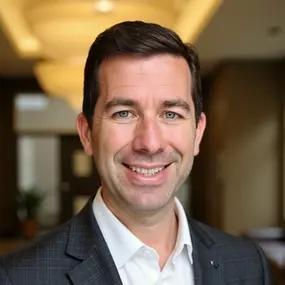
Managing Partner / JD / DCL / MBA
Jude David, JD, DCL, MBA
Jude made investment banking his primary focus after practicing for 12 years as a successful M&A attorney. From lower mid-market family-owned companies to multi-billion dollar corporate behemoths, Jude has advised sellers and buyers on over 200 transactions totaling billions in enterprise value.
Jude has leveraged his M&A experience to start a self-funded company in the building materials sector. Since its inception, the business has grown via acquisitions to over 400 employees across the USA.
Jude and his wife Ashley have six beautiful children and are very active in their community. Jude’s favorite pastime is taking the family to their fishing lodge on the beautiful Gulf Coast.

Husband and Father; Real Estate Owner
John Ray Perkins III is a top-producing real estate agent in Lafayette, Louisiana, and the founder of The John Ray Group. Known for his high-energy personality, market knowledge, and “Hey hey, it’s John Ray” brand, John Ray helps buyers, sellers, and investors make confident real estate decisions across Acadiana.
With a background in ministry, marketing, leadership, and client service, John Ray brings a relational and practical approach to every conversation. Whether he’s breaking down the local market, sharing behind-the-scenes real estate lessons, or highlighting the people and stories that make South Louisiana special, John Ray’s goal is simple: to educate, encourage, and serve his community beyond the transaction.