Amazon Music

 Apple Podcasts

 iHeartRadio

 Spotify

 YouTube

 RSS Feed

 Podcast Addict

 Podchaser

 Deezer

 Goodpods

 PlayerFM

 Castro

 Castbox
Seeing Around the Corner: How a Top M&A Lawyer Guides Business Sellers — Noah Kressler

A Chambers-ranked M&A lawyer explains why so many family business owners sell instead of handing the company to their kids, and how to see around the corner first.
Key Takeaways
- Noah Kressler, managing shareholder of Baker Donelson's New Orleans office, describes transactional law as work that stays out of court: helping companies raise money, banks lend, private equity firms buy companies, and founders sell, plus advising boards on governance.
- He sees more long-established family business owners choosing to sell, often to private equity, rather than hand the company to children who may not want to run it, and he asks owners to picture the Thanksgiving dinner table before splitting equity and roles among siblings.
- He recommends that owners thinking about selling engage a business advisor for a realistic view of the market, because private equity firms and large strategic buyers are looking for the best business that fits their strategy, not a local one.
- After about 10 years at a large Wall Street firm, including time in London, Noah moved to New Orleans about a decade ago and now serves clients across the country, with roughly two-thirds based outside Louisiana.
- He treats sales as an act of service built on genuine relationships, where the lawyer acts as a trusted advisor who helps business owners see the legal steps ahead that they may not anticipate.
Great founders see a few steps ahead on the business side. Noah Kressler helps them see around the legal corners before they sell.
In this episode of The Deal Podcast, host Joshua Wilson and co-hosts Jude David, JD, DCL, MBA, Managing Partner at FA Mergers, and Matt Wolfe, Chief Marketing Officer of Greater New Orleans, Inc., sit down with Noah Kressler, managing shareholder of Baker Donelson's New Orleans office and a Chambers USA-ranked Corporate/M&A lawyer. Noah explains why so many family business owners now sell rather than pass the company to their kids, how a business advisor helps Louisiana companies compete for national buyers, and why he finds sell-side work special. He also shares how a talent agency's "put it in writing" motto led him to law and why he treats sales as an act of service.
🎯 What We Cover:
- What a transactional lawyer actually does
- Why the next generation often doesn't want the business
- The Thanksgiving table test for family succession
- Why buyers want the best business, not the local one
- Louisiana's industrial renaissance
- How the New Orleans capital ecosystem has grown
- From Wall Street to New Orleans: Noah's path to deal law
- Sales as an act of service and being a trusted advisor
- Why sell-side work with first-time sellers is special
🤝 Connect with Noah Kressler:
🌐 https://www.bakerdonelson.com/noah-kressler
💼 https://www.linkedin.com/in/noahkressler/
🤝 Connect with Co-Host Jude David:
💼 https://www.linkedin.com/in/jude-david-jd-dcl-mba-172a6a76/
🤝 Connect with Co-Host Matt Wolfe:
🌐 https://gnoinc.org/
💼 https://www.linkedin.com/in/matthewpwolfe/
💼 Thinking About a Transaction?
FA Mergers helps founders, investors, and business owners navigate the full M&A process — from valuation to close. If you're exploring a sale, acquisition, or capital raise, let's talk.
🔗 https://www.famergers.com/
🎙️ Follow The Deal Podcast:
🌐 https://www.thedealpodcast.com/
💼 https://www.linkedin.com/in/joshuabrucewilson/
▶️ https://www.youtube.com/@dealpodcast
A One Iron Network production: Executive Producer Joshua Wilson
Topics: sell-side M&A attorney, family business succession, selling a family business to private equity, preparing to sell a business, competing for national buyers, Joshua Wilson on M&A in New Orleans
Disclaimer: Joshua Wilson is a licensed Florida real estate broker and holds FINRA Series 79 and Series 63 licensure. The Deal Podcast is presented by FA Mergers and is produced for informational and educational purposes only.
Nothing discussed constitutes investment advice, legal or tax advice, a solicitation, or a recommendation to buy or sell any security or to pursue or avoid any transaction. All views and opinions expressed by the hosts, co-hosts, and guests are their own and do not necessarily reflect the positions of FA Mergers, One Iron Network LLC, any regulatory agency, or any employer. Listeners should consult their own legal, financial, and tax professionals before making any business, financial, or transaction decision. This podcast does not constitute a solicitation or recommendation for any financial products or services.
Let's Connect on LinkedIn:
https://www.linkedin.com/in/joshuabrucewilson/
To Contact Us, Please Visit:
https://www.thedealpodcast.com/contact/
Disclaimer: Joshua Wilson is a licensed Florida real estate broker and holds FINRA Series 79 and Series 63 licensure. The Deal Podcast is presented by FA Mergers and is produced for informational and educational purposes only. Nothing discussed constitutes investment advice, legal or tax advice, a solicitation, or a recommendation to buy or sell any security or to pursue or avoid any transaction. All views and opinions expressed by the hosts, co-hosts, and guests are their own and do not necessarily reflect the positions of FA Mergers, One Iron Network LLC, any regulatory agency, or any employer. Listeners should consult their own legal, financial, and tax professionals before making any business, financial, or transaction decision. This podcast does not constitute a solicitation or recommendation for any financial products or services.
Frequently Asked Questions
What does a transactional lawyer do when a business is sold?
According to Noah Kressler of Baker Donelson, transactional lawyers don't go to court. They help companies raise money, banks lend, and private equity firms buy companies, and they help founders sell, often to private equity firms or larger strategic buyers.
Should I sell my family business or pass it down to my kids?
Noah Kressler of Baker Donelson says many owners today find that their children don't want to run the business, and a sale can make it easier to divide value evenly among siblings. He asks owners to think about the Thanksgiving dinner table and whether they want the tension of one child holding equity while another runs the company.
Why hire a business advisor before selling a company?
Noah Kressler of Baker Donelson always recommends it, because an advisor gives an owner a realistic perspective on the market for the business and a wider view of what national buyers are looking for, which helps regional companies compete at a national level.
Why does Noah Kressler find sell-side work special?
Noah Kressler says that, much like the IPOs he worked on early in his career, sell-side deals mean walking even sophisticated business owners through a process they are doing for the first time, which is the part of the work he enjoys most.
00:00 - Welcome to The Deal Podcast in New Orleans
01:15 - Meet Noah Kressler, Transactional Lawyer
02:19 - Louisiana's Industrial Renaissance
04:45 - What's Driving Deals in Louisiana Today
06:29 - Why the Next Generation May Not Want the Business
09:03 - Helping Louisiana Businesses Compete Nationally
10:56 - How South Louisiana's Economy Has Changed
17:10 - Inside the New Orleans Capital Ecosystem
23:34 - Put It in Writing: Becoming a Deal Lawyer
26:54 - Leadership and Sales as an Act of Service
29:24 - Leave-Behind Questions: Vision and Dream Clients
36:44 - Final Thoughts: Why Louisiana Keeps Coming Back
Promo:
This episode is brought to you by FA Mergers and Acquisitions. If you own a business generating $10 million or more in annual revenue, our team can provide a complimentary opinion of value based on real transaction data in your industry. Whether you're considering a sale now or simply planning for the future, we can help you better understand what your business may be worth and prepare for an exit that aligns with your goals. Request your free valuation today at FAMergers.com.
Joshua Wilson:
Good day, everybody. Welcome to the Deal Podcast. We are on the road for our road show here in New Orleans. We're looking out at the Superdome behind us. And we are guest with Matt Wolf here. He's he welcomed us into this lovely office and he brought in some of his friends from New Orleans to talk to us about business and about the economy here and what's going on. So super grateful to the team here. And we you'll hear a few different voices if you're listening in. If you're watching the YouTube, you'll see a few faces. So to my left, you have Jude David, our co-host. We have in the guest seat, we have Noah. And then you guys know Matt Wolf. So let's do this. Noah, welcome to the deal podcast. why don't you tell us a little bit about who you are and what you do?
Noah Kressler:
Sure, thanks for having me. I'm Noah Krestler. I'm a transactional lawyer, based here in New Orleans. I'm also the managing partner of the New Orleans office of Baker Donaldson. got clients across the country and service them from here in New Orleans, which I'm thrilled to do in this amazing city.
Joshua Wilson:
Yeah, man. Super cool. So let's do this. What is a transactional attorney? For people who are listening and they're like, that sounds cool. What is
Noah Kressler:
Yeah. Well, I mean, it's really anything our clients want us to do. we you know, I think the real differentiator is that we don't we don't go to court. what I do is I help companies raise money. I help banks lend money, I help private equity firms buy companies, I help sellers, people who have entrepreneurs and folks who've grown companies sell often to private equity firms, sometimes to other larger companies that are looking to grow and develop. their business. So that's that's a lot of what I do. I also advise on corporate governance and boards of directors on kind of like how to do the things that they want to do, how to how those organizations can continue to grow and develop. Yeah.
Joshua Wilson:
Super cool. Well glad to have you. Matt, why don't you give us, you know, a kickoff today for what's going on in in as a part of this, you know, conversation with Noah and and how you guys, you know, connect with with Noah through G N O I N C.
Matt Wolfe:
Yeah. Well, you know, ultimately, you know, money is what makes business go round. And what what we're seeing here in the Great New Orleans region is you know, a little bit of a renaissance in production. something that Louisiana is really known for, whether it be shipbuilding or energy, aerospace is obviously taking off no pun intended. but all that takes money. And so I will say some of those are are industries that maybe took a backseat for a little bit. You know, we weren't doing all of those things for for quite a while. But now it it's a renaissance here in America and Louisiana is benefiting from it. I I'd also just like to add, even on the port and infrastructure side, you know, being able to move products, you know, obviously with tariffs that's changed that climate a little bit. The fact that we're building a two billion dollar deep water port puts us in an advantageous position. And all of the companies that get to thrive because of that, they need work from people like you.
Noah Kressler:
Yeah, absolutely.
Jude David:
Yeah. Well that's a far cry from like manufacturing toasters or something simple like that. I mean you're talking about ships, aerospace, ports. These are all modes of transportation. What what makes Louisiana particularly particularly geared to that?
Matt Wolfe:
Yeah. Well, I think, you know, a lot of it has to do with geography. When you sit at the mouth of the Mississippi and the Gulf, by necessity, you're you're kind of the gateway to the Americas. And so you combine that with when you got the proximity of the Gulf, that also means that all the gas activity that happens here, nothing that happens in the Gulf is small. Those aren't like tiny platforms or vessels that go out to them. So we became really good at building those big things. Now on the aerospace side, that was a little bit of a a happenstance. So That NASA facility is built where the Higgins boat was built. That was that was the vessel that stormed the beaches in Normandy for D-Day. You know, we could say that that saved freedom for the world. and when that site was no longer being used in that capacity, NASA obviously recognized that that was a a big site. And so they started building the rockets for the Saturn missions, then eventually the external tanks for the shuttles, and now 90% of that Artemis rocket that just went around the moon recently and we'll be going back to the moon here soon. Gets built there as well.
Joshua Wilson:
Yeah, super cool. Now, Noah, looking through my notes, you've helped advise on more than fifty billion in transactions. Yeah. Right. What have you seen like what what's going on in Louisiana as a whole? Yeah. And raising capital transactions in the and A, like what are you seeing, especially like with space and technology, AI, data centers? Like, give us an inside view of what's going on.
Noah Kressler:
Yeah, so it's really interesting. And and I've been practicing for over 20 years. And I started my career. I spent 10 years at a big firm on Wall Street in New York, worked in London for a period of time, moved here about 10 years ago. And so I've seen kind of the capital markets and also MA from that perspective and then also from coming from being here. you know, I think, you know, 15 years ago, it was a lot of, you know, small transactions among, you know, family-owned businesses. what we're seeing a lot of today is huge organizations, SpaceX, you know, Meta coming in and they need counsel, right? and they're also we're also seeing a lot of family businesses that have been around for a long time grown, become very, very successful, whether they're kind of, you know, supporting some of the industries that are, you know, endemic to this region or or not. you know, they're looking to figure out what's gonna go on for them for the next generation and do they wanna leave the business to their kids? And there's been a lot of, you know, movement in the private equity space. and obviously, you know, with that comes a lot of dollars. And so people are thinking, well, it's a lot easier to give my kids money than sort of this business that, you know, they may not be most interested in in running. And so with that, you know, we've, you know, there's been a fair bit of transition to what lawyers have been doing in New Orleans. Yeah.
Jude David:
feels like, you know, twenty, thirty years ago, it was the natural thing that the kids wanted the parents' business. And it's like they wanted to step in. And that is the opposite of what we see today. Yeah. I'd say nine out of ten business owners that we talk to, they have kids, maybe even have kids that work in the business, and they don't want to own it.
Noah Kressler:
But isn't that parallel to like, you know, someone had a job at IBM and they started there after college and then they just worked there their entire career. Now you're seeing people just shifting jobs every few years. I think there's a parallel in that.
Jude David:
Yeah. Yeah, I guess that makes sense. I I I I've often thought about risk aversion as well, like conservatism and risk aversion. And w we see that a lot, you know, that the idea of like buying mom and dad out of the business, unless mom and dad just give it to you. Like if you gotta go to a bank and borrow money and leverage assets and whatever else, like that's where it really gets sticky for a lot of people.
Noah Kressler:
I think if you have more than one child as well, like so how do you separate that? You're gonna give pick your favorite. Exactly. Well, I mean, that's that's that's the only answer, right? I always talk about it like when I talk to business owners, like think about like the Thanksgiving dinner table, right? Like what are you gonna do if, you know, this deal goes sideways and you know, you've given, you know, your son the the the you know equity and your daughter's running the business and like do you really want that tension? Or do you sell your business to private equity? And then you can split that up pretty, you know, evenly. So
Jude David:
Yeah, I know a lot of people who have handed businesses down to the next generation with multiple kids and multiple kids get equal ownership. Yeah. And I can't think of one where there wasn't some level of resentment or ill will between the siblings. So that's that's what you're saying is very true. I think a lot of parents just don't want that for their kids. They don't want to be saddled to a business and end up hating each other.
Joshua Wilson:
This is this is such a great point. I I do, you know, we invited you know, Noah with with Matt to to be, you know, in on this conversation because as the deal podcast evolves, you know, the it was started by the group at FA Mergers. We sell middle market businesses, right? Like that's what we do. And and we know a lot of people in Louisiana, specifically, you know, Lafayette, but when we when we joined with Matt to look at what's going on in the world of New Orleans. It's it's such a vibrant economy that we're seeing, you know, you know, powered by FA mergers selling middle market businesses. Like what's going on here in the middle market, like in terms of transactions or volumes, you know, influx? Like what are what are you seeing there?
Noah Kressler:
Well, I'm seeing a a a lot of businesses, you know, thinking about either sell thinking about selling. And, you know, I always recommend that they engage a business advisors to do that. I think that a business advisor will give a business that's thinking about selling a realistic perspective of what the market is for their business. I think in Louisiana, you know, Louisiana's a great state and New Orleans is an amazing city. I think It can be a double-edged sword because sometimes we love the city so much that we don't always think beyond its borders. And, you know, when private equity or a large strategic is going to buy a business, they're not looking for a Louisiana business. They're looking for, you know, the best business that operates that would fit in with kind of what they're doing, right? And so I think that having kind of that third party perspective of sort of what's going on on a more macro level. will really help, you know, really does help our Louisiana businesses, you know, be able to compete at a national level as as they very ablely can. It's I think also, you know, you folks on the coast, and I, you know, grew up in DC, but lived in New York for a long time. I think folks kind of see like an East Coast and a West Coast. They don't see a lot about what's going on and what they consider like the middle of the country or what was derisively called like the flyover zones back in the day. and and there really is great innovation here. Some, you know, I think if you look across at our entrepreneurial class here in New Orleans, you know, we've got one of the top angel networks in the country here in in in the Gulf South. You know, we've got folks who've really, you know, you know, grown and developed billion dollar companies here. and it's it's it's really fantastic. And so, you know, I do encourage buyers to really think about Louisiana and consider, you know, the opportunities here. Yeah.
Joshua Wilson:
So Jude, you know, you used to work in this office a long time ago, right? Or in this
Jude David:
In this building, in this sort of thing.
Joshua Wilson:
Yeah. Got it. So, you know, from when you used to work here to, you know, what you see now, what has changed in you know, in your perspective?
Jude David:
Well, I think all of South Louisiana's changed. back whenever I was doing transaction law, at least up until I guess twenty fourteen, like we saw so many oil field service deals or other oil field related deals. and it's not like we didn't have other industries in Louisiana, but that predominated. And whenever oil crashed in twenty fourteen, we saw a resurgence in all kinds of other things. People got innovative. on how do we go deep in healthcare, how do we go deep in other kinds of manufacturing, how do we go deep in service? And then we started trying to attract other industry to the state of Louisiana, which was the right move at the right time. And I think everybody's a little bit excited that the oil field's coming back. we're seeing a lot of activity, you know, higher oil prices obviously, but it was happening even before the stuff in Iran. Like we were seeing oil field deals come back. And, you know, I just I hope we don't lose the momentum on everything else. That's that's the one concern that I have. Like it it's like oil is the ninety thousand pound gorilla. Like I it's not enough to say the nine hundred pound gorilla. It's the big one in the room. And everybody makes so much money whenever oil's doing well that I don't want us to take our eye off the prize. you know, we're we're doing so well to have a diversified economy here and I hope we keep that up. it's really good to see what what you guys have done in New Orleans though. I mean Every kind of industry is coming here. And then in all the in-between area, like talk about flyover states, flyover areas in Louisiana. Like we had New Orleans and a little bit of Baton Rouge and people didn't even know what Lafayette was. Yeah. and we're starting to see all these middle areas like Alexandria and Monroe light up with data centers and with you know, shale plays and whatever else. And it it's exciting to see. you know, talk a little bit about you know, what that looks like for the next five to ten years in Louisiana. You if if you had a crystal ball as oil's coming back, how do we keep these other industries going?
Noah Kressler:
I mean, I think it takes a dedicated attention to it, right? I think you have to be diversified. I think, you know, importing kind of national brands into New Orleans, like, you know, international brands like SpaceX and Meta, into kind of the Louisiana area is gonna be really critical because there's gonna be all of those follow-on businesses that are gonna be supporting, you know, Meta and SpaceX, much like, you know, what Matt you talked about with the shipbuilding. And so if we can continue to kind of like foster and grow that. And that's something that GNO has done an amazing job of. and if we can continue to foster and grow that, I think we're gonna be in a great position, you know, for a generation to come.
Matt Wolfe:
Yeah, and I I really want to tip my hat to Louisiana Economic Development, who's really been at at the had the seat at the table for all of those huge deals so far. They recognized exactly what you just mentioned, which is let's get those foundational companies in here, Hyundai Steel, Amazon, Meta, SpaceX. And by the way, now we can get all of the others that you know, th we've essentially gotten the blessing from those large companies. Now the others can follow suit. But also to to give credit to LED, they've recognized how important it is. To grow new companies to go alongside the existing ones. And so for the first time ever, the state now has a chief innovation officer that lives within LED, and his job is to build those SpaceXs and Hyundai Steels and Metas of the world from Louisiana, you know, today. So yeah, they've unlocked some funds to to invest into those into those companies, but also just built a network where those those companies can plug into the existing infrastructure here. So New Lab would be a great example of that. They're gonna be opening here next year. That's a it's a huge brand. They're gonna be superpowering the ability for companies to actually partner with existing energy giants, with maritime companies to essentially develop the innovations of the future.
Jude David:
Yeah, these are all jobs of tomorrow that you're talking about. These aren't jobs of yesteryear. I think if you poll, you know, the public at large, there there'd be a vast majority who say a lot of jobs are going to go away in the next ten years. but you get a mixed batch on are those gonna be backfilled with new industries and new things we haven't even thought of yet. But you know Being on the the Meta boom and the SpaceX boom and the data center boom and you know some other manufacturing mixed throughout Louisiana, it feels like that positions us that as those new jobs are are taking off, we're in the right spot to to have those jobs. Is that the thinking, you know, behind how we're growing and trying to get into these, you know, next figure kind of jobs?
Matt Wolfe:
Absolutely. And look, everything that we just talked about, those are physical things. You kind of can't replace a boat with a not boat. Now, but what you can do is innovate it little bit. So when I think of a company like Ceronic that's building unmanned autonomous vessels, you know, one of those was just used, by the way, in the Strait Hermes with there was a helicopter that got shot down, two pilots had to eject, rescued by an autonomous vessel. That company builds their boats here in Louisiana. Now they have a office in downtown New Orleans because you've got to have a little bit of both. You've got to have the production work that gets done, which again you can't replace. But then you need office jobs for people who are doing the engineering and the innovating and research and development. So you need both. You can't replace physical things. And so I think that's why Louisiana is on the right end of this bed.
Jude David:
Well, for anybody who wants to know more about autonomous boats, go back and check out the episode with Thomas Chance. He was kind of the pioneer of autonomous and unmanned boats in Louisiana. So great episode if you missed it, go back and check that one out. Yeah.
Joshua Wilson:
Dude built and sold the company. Then built and sold another company. Like he's he's very sharp. cool discovery that they found on the ocean floor. You have to listen in into the episode to find out what that was. But Noah, talk to us about, you know, part of your your mandate is is on the capital side, the capital stack. Talk to us about the, you know, the investor ecosystem here.
Noah Kressler:
Yeah. So I think the investor ecosystem has really grown and developed definitely over the course of the last ten years. I mean, you've got you've got huge folks like Bernhard Capital who are at the top of this building, right? and you've also got, you know, again, one of the top, you know, twenty I think angel networks in the country here. which had access to SpaceX before as IPO and and some of the great companies that are coming out of New Orleans, coming out of the out of the universities. And so, you know, we've got, you know, some strong banks with historic ties. We've got, you know, bulge bracket banks here also in New Orleans. you've got, you know, like emerging, you know, smaller like private equity funds that are based here. and so I really and and folks that have been here and doing this for for a long time. And so it's it's really a collaborative, I think, ecosystem. I think what we all see is, you know, the success of each of us is the success of New Orleans and the success of New Orleans is success of each of us. And so we do try to collaborate and grow together. Cool.
Jude David:
Banking has been such a hindrance in MA activity though. And and you know, a lot of protections were put in place after the great crisis, you know, trying to make banks secure again. Yeah. And it hindered a lot of deals, it hindered a lot of industry. Like how are you guys seeing that open up? Are you are we starting to see better deal activity? I don't think anybody felt like private credit was the solution. Yeah. But somehow it became the solution in the middle. And, you know, now that's collapsing too. So what's the future of all that?
Noah Kressler:
Yeah, that's a great question. And, you know, if I knew the answer to that, I would have invested in it and then, you know, I'd be able to buy my own yacht and autonomous vehicles. But you know, I think that, you know, the dollars are always gonna flow to where they're needed. and interest rates are gonna be, you know, what what they are and how they are. and I think ultimately, you know, there's gonna there's gonna continue to be, you know, innovation in the banking field. I think you see exactly you know, that with those private credit funds, which were so necessary for for so long and now folks can't get their money out. but they're gonna come back because everything is cyclical.
Jude David:
Well, I I did a deal with one of those private credit funds for a platform we were buying a couple of years ago and and it's this was after we'd exhausted hundreds of banks, you know, trying to figure out who could lend and and the standards were so tight that private credit was the one option. Yeah. But man, like even when you're not on the investing side, when you're on the borrowing side on these things, mm-hmm, what you have to put up with to be able to get into those loans was just unsustainable. Yeah. And fortunately we bought a company that just kept growing. And so we were on the good side of it, but Every single month being in that deal is like, gosh, if things went down five percent, we'd be host in this deal. Yep. and that is just unsustainable for business. Like you need to be able to navigate the ups and downs. So I know private credit's not the answer. I hope I hope somebody's got the answer and it's it's on the horizon. Yeah.
Joshua Wilson:
You you said you have a top twenty angel network here. What would you attribute to you know that too? Like where did they come from? Do you think they built and sold here and stayed here? Do you think they influ you know, influxed here? I
Noah Kressler:
think it's a mix. I think you've got folks who have built businesses who you know and and are operating them. You've got folks who've built oper you know, built and operated them and sold them and they've got, you know, money that they want to continue to invest. You know, a lot of it is biotech related. a lot of it recently in the last few years has also been you know, space related. Honestly. They've done a fair bit in in in that space and some of the some of the defense work. You know, there's been a lot of innovation on allowing the kind of third parties to help build I don't want to call them weapons, but but essentially things that the military can help use to, you know, search and recover. and those and and so there's been a lot of access to those kinds of investments and think folks have done well and been happy and continued to, you know, refer it to their friends. And so it's been, you know, very, very strong.
Matt Wolfe:
Yeah, and a little bit to the flyover state thing that you were saying earlier, I think that when you're in a market like this, you're not really fighting a lot of competition. So it does allow you to kind of have a interesting vantage point and and be able to get in on some deals that you might not have if you were fighting against your neighbors.
Noah Kressler:
Time.
Joshua Wilson:
So we talk angel, you know, let let's go upstream a little bit. You talked about private equity. What about, you know, maybe venture capital? What what's a venture capital market?
Noah Kressler:
Here. There's a handful of of venture capital funds here. I mean, I think that, you know, what ends up happening oftentimes is, you know, because we're sort of midway between like Houston and Atlanta. and now, you know, a lot of funds don't really have, you know, they don't have borders, right? So, you know, a lot of what we're seeing is it's not really, you know, Louisiana based private equity of venture capital. buying other Louisiana based businesses. You're seeing a lot of kind of, you know, those from outside coming in'cause those relationships are already kind of mature internally. So Yeah.
Matt Wolfe:
Yeah. And I think it you know, on the venture side, I think something that we're a little bit bullish on right now is what we're here s hearing, especially on the Bay Area side of things, is there's a little bit of fatigue around software investment. Yeah. I wanna say that there's nothing software happening in Louisiana, but we just talked about all the physical things that are being innovated here. As that money kind of shifts from things that are sitting in a computer to actual actual real life innovation, we're gonna see some of that money flow into Louisiana because there's no one really doing it better than here.
Noah Kressler:
Right now. What can you touch? What can you feel? Right? Like that's not going to be replaced by AI. Like the boat isn't going to be replaced by AI. Yeah. That's
Joshua Wilson:
it's time for some shout outs. Jeremy Cooker for helping, you know, make this introduction. You know, super grateful for them and the team over there at Nola. They're doing a great job. And we interviewed some Bernhards, you know, Ken Bernhardt was one of our early interviews and and Jeffrey Kuntz from Bernhard Capital. So grateful for all the past guests coming in and grateful for you, Noah, for for coming in and being a part of this. let's get a little bit off deal topic for a little bit. You know, why did you choose to be a transactional attorney? Now you lead a team, like walk us through that that journey for
Noah Kressler:
Sure, yeah. So when I so I took a year off college, I went to Vassar College in upstate New York, and Vassar is an amazing experience, but a very small school in a very cold part of the country. and at a certain point, like the middle of winter, I was like, I think I need a break. So I took a year off and I worked at a talent agency in New York. And it was called the William Morris Agency, very famous agency. It was acquired by Endeavor, now a big public company. but they had something on the bottom of every like piece of paper like that you would jot notes down with or like we call them deal sheets when you put some terms together for a client. We would do a lot of celebrity endorsement deals. But the thing at the bottom said, put it in writing. Put it in writing, right? And and so I really gave that a lot of thought. And when I graduated college, I decided I was gonna go work as paralegal for a few years. I did that for an entertainment law firm and did a lot of like celebrity endorsement deals, especially, you know, commercials and that kind of thing. and that really interested me in law school. And so when I went to law school I knew I wanted to be a transactional lawyer. I watched LA law as a kid, so I've always known I wanted to be a lawyer. I just didn't know like what kind of law it was gonna be. And as interesting as I'm sure being in court arguing may be, that's just not for me. So
Jude David:
Well, I I'm more of a suits guy. Yeah, yeah. And I wish transactional law was like suits. Yeah. Where it's like you had this little dispute and then you went and like threatened somebody and then it all resolved the same day. That was every episode it was a
Noah Kressler:
It is just how it goes. Yeah.
Jude David:
I mean when you come to me as as the lawyer, it usually goes like that. Yeah.
Joshua Wilson:
That's awesome. So even as a kid, you knew you were gonna be a an attorney. So did you argue with your parents and your or your siblings all the time?
Noah Kressler:
No, because I was always right. And you don't need to argue with your Yeah, we have over a hundred lawyers here in New Orleans. we I've been the managing partner of this office for a little over a year. and the office has been around since you know, about twenty-five years or so. We're moving into n amazing new space on the top two floors of Canal Place, which is a gorgeous office building with great views of the river and and the city. and we've got a we've got an amazing practice in New Orleans. We've got litigators and folks that do oil and gas and you know, some of the top lawyers at our entire firm. We've got seven hundred and fifty lawyers firm wide in twenty five offices throughout the Southeast, but some of our top lawyers in the entire firm are based in our New Orleans office. And, you know, we have that because, you know, New Orleans is in a very unique spot, right? And people always want to come to New Orleans. And I think, you know, New Orleans always has something to say to to the world. You know, we've got folks in New Orleans with national practices. My clients, you know, I would say a third of my clients are based in Louisiana, but two thirds are based all over the country. And they can choose to work with any law firm anywhere, but they choose to work with us here in New Orleans because, you know, we're providing them, you know, great legal services, you know, fair prices, but with national expertise. So
Joshua Wilson:
When it came from being a transactional attorney where you're or paralegal to transactional attorney to now leading a team. What what were some of the the differences that you had to learn and grow in that? You know, like w what do you what do you focus on your own personal growth now?
Noah Kressler:
Yeah. I mean, I think leadership is critical and and you want to embody the traits that you want your team to emulate. and I think, you know, have being a team leader and managing a team in the client service space. I've always worked in hospitality. I've always felt like. And so I always think of it as kind of like a service mindset, you know, sales is an act of service. Like, you know, these people come to us and they say, like, You know, they're not like, I need an ERISA lawyer to tell us about our tax benefit plan, right? What they say is, hey, like, you know, I'm hiring this employee and I want to make sure that like, you know, he's incentivized to do whatever the thing is, and I want to give him some stock to do that. And like, you know, so you're trying to solve business problems. And I think instilling kind of that service-oriented mindset with my team and with the folks in in our office in New Orleans. is is really critical 'cause at the end of the day that's what the clients are are looking for. They're not looking they they don't know the legal answers. They come to that for us. We we're here to solve
Joshua Wilson:
Yeah. In the service industry, sales is so vital. Yeah. And you mentioned sales as a service. Kind of walk us through that because I think sales is a four-letter word to a lot of people. And they're they're like, whatever I could do to get away from sales, you know, I just want them to show up and, you know, like hire us right off the bat. Like give give us some insights as to what you discussed.
Noah Kressler:
Yeah. I mean, I think look, this all starts with a relationship, like a genuine relationship with the person that you are are representing. You know, you want to be their trusted advisor, right? And like you wanna be the person who can help them see around the corner. I've represented some amazing entrepreneurs, some amazing business people, some some folks who've multiple billionaires, folks who've done a lot with their lives. And, you know, but they're not lawyers, right? And so they don't always see kind of what like they may see two, three, four steps in front of them from a business perspective, but not from a legal perspective. And I just want to give them, you know, the advice to allow them to kind of, you know, see the three hundred and sixty degree view. Yeah. Super good.
Joshua Wilson:
Jude, there's some questions in front of you that was left by Matt and Michael. One of our joys is to leave questions behind when we do in studio or podcast tour from one guest to another. So these questions are for you. Right. From Michael and from first one who's sitting across from us.
Jude David:
Is from Michael at GNO. If we are successful, what is your vision of New Orleans in ten years?
Noah Kressler:
I I mean I think New Orleans, it needs to continue to grow, needs to continue to grow its tax base. I think we need to really diversify, need to we need to fill our downtown offices. that is critical. we need a vibrancy i in our downtown. I live in the French Quarter, I love living in the French quarter. and I think, you know, the more, you know, folks that are eating out in restaurants, you know, they need the business. You know, and we're here to to help support. I think it's just gonna be a virtuous cycle.
Jude David:
What does filling downtown offices look like? You know, I mean COVID saw a lot of work from home and that hasn't fully gone away. And then we're seeing AI replace a lot of back office functions. So offices are tending to get a little bit smaller. Like what what do you think that looks like over the next ten years trying to fill those offices?
Matt Wolfe:
Yeah. Well, interestingly enough, what I was doing right before this was having a conversation about this actual topic. it it's it's gonna take a lot of work, but you know, I think there are two main things that we're gonna be trying to do. One is, you know, we just talked about all these rate production wins that we've had as a state. How do we get them to do like Saronic did, bring some back office work along with it? And then secondly, we're embarking on we're gonna be doing a little bit of a branding campaign as a city, you know. People know New Orleans and love New Orleans, but they know the fun part of New Orleans. And they don't understand all the amazing things that we do from a business standpoint. And so the more that we can get that out there and make people really understand what the real soul of New Orleans is, we were founded here for a reason, as I mentioned, mouth in Mississippi, right by the Gulf. We're a working city. But most people don't really know that. So we've got to embrace what we really do well. And then the fun part can be the sprinkles on top.
Jude David:
Yeah. You know, Las Vegas is probably a good model for that. Mm-hmm. You know, we owned a business there, we we ended up selling it last year. But they had to go through a lot of effort to brand that city as a good place to live and a good place to work because everybody knew Las Vegas as the fun loving city where you go for a weekend and then you don't tell anybody about what happened there 'cause my gosh. my old GM in Las Vegas used to say, whatever you do in Vegas will follow you around for the rest of your life. It's not It wasn't it wasn't what happens in Vegas stays in Vegas, you know, which is what most people think. But they've done a tremendous job of bringing in sports teams and growing industry, and it's the fastest growing city in America where people are like dumping out of California and Utah and everywhere else and moving into Las Vegas. and I think that's possible for New Orleans. Like cost of living is incredibly low here. and, you know, the ability to have industry here, we've got all the white collar talent you need. We've got great universities. We've got ports. We've got oil field. We've got everything. So I hope people take that to heart and
Matt Wolfe:
Yeah, we've just gotta let people see it. Yeah, we talked about this a little bit yesterday, all the great events that we have here and how it's a it's an advantage to have the Superdome right here, right by all of our, you know, twenty six thousand hotel rooms. It means that people are very walkable to everything that they need to do, but it also means they don't get to see where all of us actually work, where all of us live. Well, they may see where you live, you're in the French quarter, that's a little different. But, you know, they don't get to see the the bigger part of New Orleans because it's so easy for them to just come and never get in a car ever again. So
Jude David:
Yeah, it's not just dackeries and beignets. Like there's there's a lot more to New Orleans.
Matt Wolfe:
Absolutely. We've got turkey sandwiches, you know. Absolutely.
Jude David:
I just made your new marketing campaign, not just dacries and beignets. All right. Question from Matt. I know where you can find him if you want to yell at him about this question. If you could represent any client on earth, who would you choose and why? That's actually a really good question. I like that one. I want to hear the answer.
Noah Kressler:
I could cheat and just speak conceptually, but I won't. I think any client on earth, I mean, I think so I I when I worked in New York, I represented, you know, these large bulge bracket investment banks. And you know, I worked on fifteen IPOs. I, you know, did multiple high yield bond deals and you know large acquisition finance deals. And and I kind of felt when I was doing that, like I was just like moving, you know, pennies around on my Goldman Sachs balance sheet. Right. And I learned a ton. and the thing that I really loved doing was initial public offerings because those IPOs, like their initial public offerings, it's the first time they've done them, right? So you're kind of like even these sophisticated business folks, like you're walking them through it for the very first time. You know, That's the thing that I love about, you know, working with entrepreneurs and you know having them working with them as they're selling their business for the for the first time. I love representing, I represent a number of private equity firms on the on the buy side. That's phenomenal. I enjoy doing that work and working with sophisticated folks. But there's really something special about sell side work. So, you know, I guess I would need to think about who would be an amazing, you know, sell side client, you know, maybe. You know, mm I don't know. But somebody if you're based in New Orleans, who you know, who's selling an amazing business is is like is always my ideal client. Super cool.
Jude David:
I thought he was gonna say Elon, but okay.
Noah Kressler:
attorney client privilege prevents me from sharing our clients.
Jude David:
There you go.
Joshua Wilson:
Yeah, interesting. Awesome. Nat, final question for Noah or final thought from you?
Matt Wolfe:
I would just say, you know, you work with a lot of different types of clients. You know, what it feels like, especially in the past year, the climate here has changed, you know, from a from a morale standpoint. for people, are you getting the same sense from business owners here?
Noah Kressler:
Yeah, absolutely. And I think the reason is because of the work that you and GNO Inc. have been doing. and you know, the partnership between you and and the mayor. I think these are critical, you know, to to continue to grow and develop a city like New Orleans. You need to have a true partnership from an economic development organization like you and what Michael Hex have been doing here at GNO Inc. and and the mayor and then also with the state government as well. And that continued partnership is gonna, you know, be the greater of than the sum of its parts. Like it's so necessary. And I think people are starting to see and hope for more because of that.
Joshua Wilson:
Jude, final question or final thought?
Jude David:
You know, I I find Louisiana to be an incredibly entrepreneurial state. And you go to a lot of a lot of areas, especially on the coasts. you see a lot of, you know, big employment, big companies, you know, thousands of employees in the roster. Yeah. But here we seem to have so many small startups and you know, people innovating or like, you know, they go work in industry for five years and they say I can do it better, and they go do it on their own. You know, what makes us a state of wildcatters? You know, why is it that New Orleans and Lafayette and, you know, the Louisiana coast seem to just keep roaring back over and over again? Even when our industries get decimated, we come back and we we, you know, innovate again.
Noah Kressler:
You know, we you know, w we're taping this a few days after the anniversary of Hurricane Katrina. And I think about, you know, the resolve of the people of New Orleans after that storm. I think that is such a critical like piece of who we are as New Orleanians, as Louisiana folks. It's hot outside. You gotta do something. You're gonna be self reliant. You know, you're gonna focus on your family and the things that you're good at. And and I think, you know, we're we're confident people. and we're really gonna kind of push and push ourselves to be better. And I think that's that's the reason. Yeah.
Matt Wolfe:
I also just think that cajenuity, which is Cajun it I I think it's very practical. You know, I think that the people of Louisiana aren't trying to just build something for the sake of building something. It's they're they're recognizing it's either something they already work on or they're working adjacent to. I think in companies like Latrim that are you know, they build the conveyor belts for, you know, shipping facilities. That's not sexy, but it's very necessary. And I think that's just what the sweet spot of Louisiana is.
Joshua Wilson:
Noah, is there a question I should have asked you? We're gonna get your contact information, so if people wanna learn more about your firm and all that, they could go into the show notes. But is there a question that I probably should have asked you as a podcast host that I screwed up and did not ask you?
Noah Kressler:
You know, this is a double edged sword because I know if I suggest this question to you it might just be turned right back and and asked to me. But also what I think the question is, what do you do in your free time?
Joshua Wilson:
What do you do in your free time?
Noah Kressler:
I didn't think that question was ever coming.
Joshua Wilson:
That's what attorneys do is they they get you to ask them the question that they want to answer.
Noah Kressler:
I I love I
Jude David:
<unk> Tricks <unk>
Noah Kressler:
love I love travel. I love I'm obsessed with hotels. this kind of aspect of like five star hospitality and how I can like take that in and like mold that and provide that to our clients and help our team in New Orleans do that. there's just the symbiotic relationship between New Orleans, which is a city of culture, a city of hospitality. like I just love Anything related to hospitality, food, you know, hotels, like that's that's what I love to do in my free time.
Joshua Wilson:
Where's a bucket list travel point that you wanna go at some
Noah Kressler:
in your life. I mean, Australia and New Zealand are amazing. Maybe I'll go to space. just to the moon. Gotta go to Vermilion Parish.
Matt Wolfe:
Yeah, just right down the corn right around the corner. Yeah, I mean I can understand why you maybe haven't been there. That's not exactly the fastest
Noah Kressler:
Yeah, exactly, exactly. Yeah.
Joshua Wilson:
Well, fellow deal makers in the audience, as always, reach out to our guests, say thanks for being on the show. Once again, thank you for GNO Inc. for for bringing us in, Matt and Michael, and team here for this this office, this lovely view. we hope you guys are enjoying these road shows from the deal podcast. few things that I'd like to ask your favor for. One is check out our our YouTube, right? We started posting all our live or our videos, not live, but We put started posting all our videos on there. Check it out. And you know, that way you can start seeing and put in a face with the names as you're seeing our guests and and seeing this. And we're always improving on that. So I'd love your feedback on that. And then two, is if if you have a deal that you'd like us to take a look at, you know, NOAA take a look at, or our team at FA Mergers take a look at, you know, hit us up. The contact information will be in the show notes. And then, you know, our hope and desire of this is to inspire future entrepreneurs. to to learn about the game of of deal making and and to take that step, take that boldness and believe in yourself, bet on yourself. And that's why we do this. So listen in and we'll see you all on the next episode.
Noah Kressler:
Cheers guys.
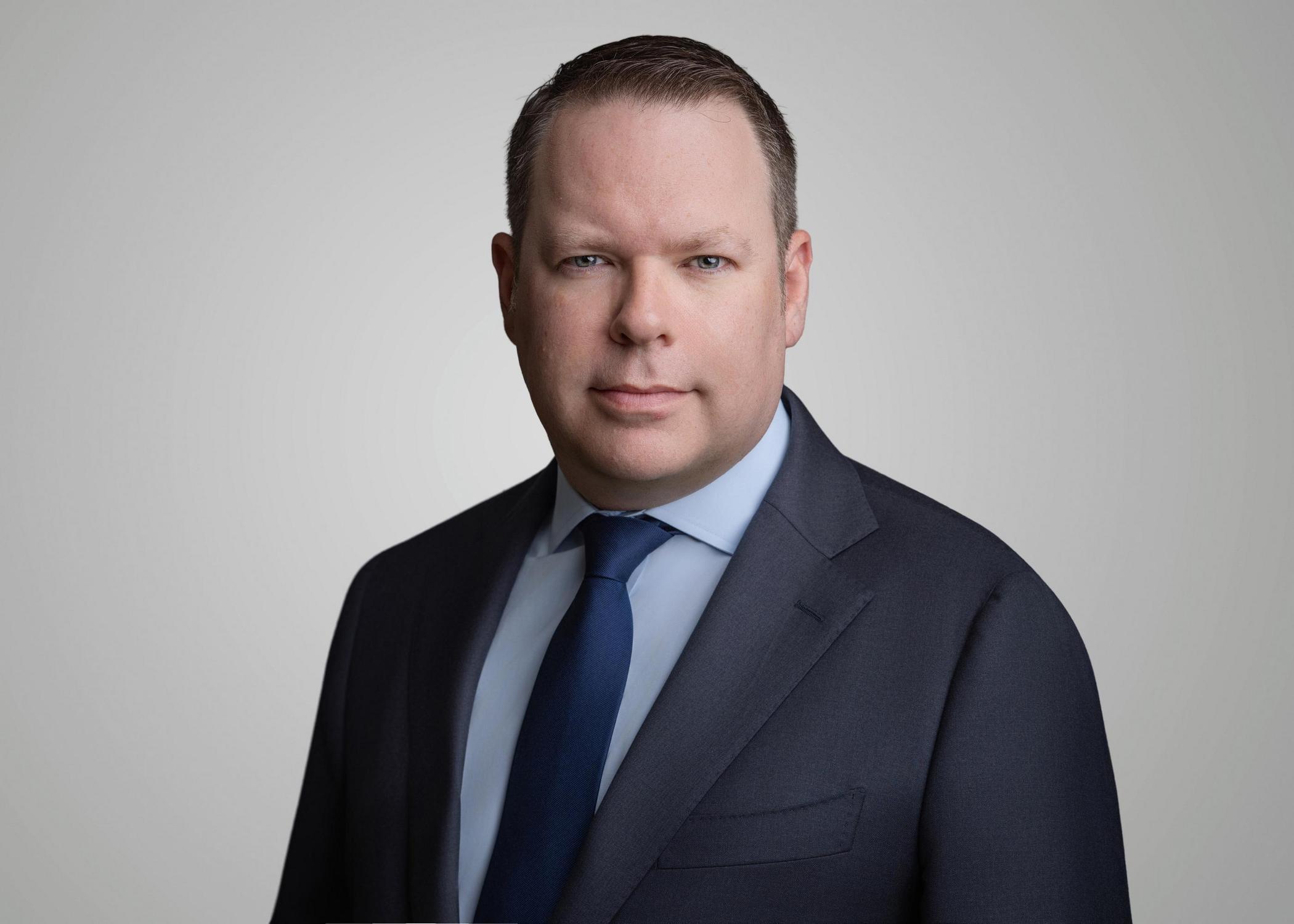
Managing Shareholder of Baker Donelson’s New Orleans Office
Noah Kressler is a deeply experienced corporate attorney who advises companies across the country on mergers and acquisitions, debt and equity financings, securities law, and governance matters. Noah is the managing shareholder of Baker Donelson’s New Orleans office.
He has a national practice advising clients on a wide range of business and financing transactions, including mergers and acquisitions, debt and equity financings, securities law, and corporate governance matters. He has advised clients on over $50 billion in transactions.
He represents clients across the country, including many of Louisiana's most well-known established and emerging companies. He has been listed annually in Chambers USA as a leading Corporate/M&A lawyer in Louisiana since 2020 and is regularly recognized as one of the state's most prominent transactional lawyers.