Amazon Music
 Apple Podcasts
 iHeartRadio
 Spotify
 YouTube
 RSS Feed
 Podcast Addict
 Podchaser
 Deezer
 Goodpods
 PlayerFM
 Castro
 Castbox
 From Law to the Priesthood: Discerning the Call with Father Jim Brady
Father Jim Brady left an 11-year litigation partnership for the priesthood, giving his partners a full year to unwind. His lessons on discernment and responsible exits apply to every founder.
Key Takeaways
- Father Jim Brady gave his partners a full year to unwind his law practice responsibly.
- Build your own succession plan before you exit.
- Ask whether you are running toward something or running from it.
- Bring trusted advisors into a major decision instead of going it alone.
- Small things done with great love outperform grand ambition.
What does it actually take to walk away from a thriving career at the top of your game — and how do you do it without leaving wreckage behind?
In this special episode of The Deal Podcast, host Joshua Wilson and co-host Jude David, JD, DCL, MBA — Managing Partner at FA Mergers — sit down with Father Jim Brady, JCL, Pastor of St. Pius X Catholic Church in Lafayette, Louisiana. Before entering the priesthood, Father Brady spent eleven years building a regional law practice as a litigation partner. He earned a BS in Accounting from Spring Hill College, a JD from the University of Mississippi, and later a Licentiate in Canon Law from The Catholic University of America. His story is a master class in discernment, responsible transition, and the kind of stewardship every founder, partner, and operator eventually faces. Whether you're contemplating a sale, a career change, or the next chapter, this conversation will reframe how you think about calling, exits, and what it means to run toward something rather than away.
🎯 What We Cover:
- How a 29-year-old trial lawyer started hearing a different call
- The Holy Thursday moment that changed everything
- Why he gave his partners a full year to unwind the practice responsibly
- Building your own succession plan before you exit
- The "99% pay cut" — what's actually hard about a major career transition
- How to tell the difference between running toward something vs. running from it
- Discernment frameworks that apply to founders, sellers, and career changers
- Bringing trusted advisors into your decision instead of going it alone
- Running a large parish like a business — service, solutions, and the customer experience
- Why "small things with great love" outperform grand ambition over time
🤝 Connect with Father Jim Brady:
🌐 https://stpiusxchurch.org/staff/fr-jim-brady/
🤝 Connect with Co-Host Jude David, JD, DCL, MBA:
💼 https://www.linkedin.com/in/jude-david-jd-dcl-mba-172a6a76/
💼 Thinking About a Transaction? FA Mergers helps founders, investors, and business owners navigate the full M&A process — from valuation to close. If you're exploring a sale, acquisition, or capital raise, let's talk. 🔗 https://www.famergers.com/
🎙️ Follow The Deal Podcast:
🌐 https://www.thedealpodcast.com/
💼 https://www.linkedin.com/in/joshuabrucewilson/
▶️ https://www.youtube.com/@dealpodcast
DISCLAIMER The Deal Podcast is for informational and educational purposes only. Nothing discussed constitutes investment advice, a solicitation, or a recommendation to buy or sell any security. Always consult a licensed professional before making financial or investment decisions.
Disclaimer: Joshua Wilson is a licensed Florida real estate broker and holds FINRA Series 79 and Series 63 licensure. The Deal Podcast is presented by FA Mergers and is produced for informational and educational purposes only. Nothing discussed constitutes investment advice, legal or tax advice, a solicitation, or a recommendation to buy or sell any security or to pursue or avoid any transaction. All views and opinions expressed by the hosts, co-hosts, and guests are their own and do not necessarily reflect the positions of FA Mergers, One Iron Network LLC, any regulatory agency, or any employer. Listeners should consult their own legal, financial, and tax professionals before making any business, financial, or transaction decision. This podcast does not constitute a solicitation or recommendation for any financial products or services.
Frequently Asked Questions
How do you leave a successful career without leaving wreckage behind?
Father Jim Brady gave his law partners a full year to unwind his practice responsibly before entering the priesthood, building his own succession plan before he exited.
How do you know whether a career change is the right call?
He discusses how to tell whether you are running toward something or running from it, and why bringing trusted advisors into the decision beats going it alone.
Who is Father Jim Brady?
Father Jim Brady, JCL, is Pastor of St. Pius X Catholic Church in Lafayette, Louisiana. He previously spent eleven years building a regional law practice as a litigation partner.
00:00 - Welcome and Mission of the Show
01:19 - Meet Father Jim Brady and Co-Host Jude David
01:54 - From Philadelphia to Pascagoula: Family and Early Years
03:28 - Spring Hill, Ole Miss Law, and 11 Years of Practice
05:22 - The Calling vs. The Career You Love
07:50 - The Holy Thursday Moment That Changed Everything
12:48 - The Easter Monday Conversation With His Law Partner
18:48 - How to Tell If You're Being Called Now or Later
22:51 - Discernment Lessons for Any Major Life Transition
30:43 - Two Competing Goods: Reframing Sacrifice
33:52 - To Work Is to Pray: Finding Vocation in Business
39:09 - Running St. Pius Like a Business — Service and Solutions
46:09 - The Loss Leader Principle in Business and Ministry
47:17 - Advice for Anyone in Discernment
51:21 - The Question From Mike Tarantino
55:38 - Encouragement and Closing Prayer
Joshua Wilson:
Good day everybody. Welcome back to The Deal Podcast. Our mission of doing this, um, we've invested a lot of time, energy, effort, travel. Resources, uh, into this. We want to inspire the next generation of entrepreneurs who are building stuff, who are going to school and trying to figure out what they wanna do in their life. Figure out their life's calling, trying to figure out how their career path, maybe it will be affected by technology and the fears and anxieties that they might have in the workplace. So we bring in our friends from around the, the country, around the globe, really, um, into this conversation to learn from their experiences, learn from their successes, learn from their failures, and they want to share that with you because they too were that once that entrepreneur or that leader who made some life changes, who made some career paths, who made some career transitions, and let's, let's kick into that. So. On today's podcast, we're gonna have a conversation with Father Brady, who's a friend of, uh, this community. And, uh, he's gonna share a little bit about his story going from the business world into the, the business and the world of, um, salvation Father Brady, welcome to the podcast.
Father Jim Brady:
Thank you, and good morning to you.
Joshua Wilson:
Yeah, good morning. Now you'll also hear, uh, co-host Jude David on this. Jude, why don't you say hello to the audience?
Jude David:
Well, hello audience. I'm so happy to welcome Father Brady today. Father Brady is my personal priest, uh, at my parish and, uh, our pastor and, uh, really good mentor and, and friend as well. So we're really happy to have him on.
Joshua Wilson:
Yeah. All right, well let, let's start with this, um, father Brady, who are you?
Father Jim Brady:
It's a good question. It's, um, I guess I've had many, um, hats over my lifetime in, in some ways, but, uh, began, um, in Philadelphia, Pennsylvania. I was born there. Um, brief family background. Uh, we were Catholic and we, uh, had seven kids in the family, uh, and, uh, grew up. And I, I've really enjoyed growing up in a big family. It was a lot of fun, um, thoroughly enjoyable. Uh, and a lot of good memories, um, up in Philadelphia, I guess a lot of snow and, um, and hot chocolate on winter nights and that kind of thing. And so we had, uh, three girls at first and, uh, they were the oldest and then three boys, and then a caboose, uh, little sister. And, uh, so we had kind of a couple of different families and dad spent a lot of time with the boys, kept us, uh, in line, so to speak. And, um, and we did very well. Dad went into business, I guess in 1973. Uh, it didn't do very well, did that for a few years. Uh, but that was not a good time to go into business for those of old enough to remember. 1973, we had a, a big recession. And so dad went back to work, uh, for a company. And, uh, the job that he got, he designed navy ships, he designed parts of ships. So Ingle ship building in Pascagoula, Mississippi was, uh, the place where he went to work. So we moved from Pennsylvania to Mississippi in 1977. Um, and, uh, there I went to, uh, junior high school and uh, and high school Catholic schools all the way through. Uh, when I graduated, uh, went to Spring Hill College in Mobile. Alabama, and that's a small Jesuit school. Uh, there we. Um, I received a, a, a degree in accounting. Uh, and then, uh, after that I took a job with an accounting firm, uh, in mobile, but decided to, uh, go to law school. I was, uh, accepted to, uh, the University of Mississippi Ole Miss, and so I didn't stay, uh. At the accounting firm very long, uh, enough time to, to do in complete one audit, uh, which was enough for me. Uh, and balancing a stock ledger is pretty tedious. Uh, and so I went to Ole Miss to law school and, um, graduated in 1990, um, from law school and then moved to Lafayette, Louisiana, where I went to work as a lawyer at, um, uh, for Anna Bain, uh, Donahoe Bernard Tor Diaz, McNamara Abel, which is known today as the Anna Bain firm. And, uh, worked there for about four and a half years when myself and, uh, several others broke off and, and formed our own firm, uh, that became, uh, born Wilkes and Brady. And I worked there for about seven years before entering the seminary. Um, my law practice was mostly litigation. I laugh and say, you know, as I jokingly say that, uh, I was a, uh, I was a fighter, not a lover. And so, um, everything from commercial litigation to, uh, business litigation to, uh, to personal injury litigation. And so, uh, after that I went in the seminary. So, um, I very much enjoyed practicing law. It was a lot of fun. It, it was a lot of fun. I had two great partners in the end. It was, uh, uh, Keith Bourne of Happy Memory and, and John Wilkes, who's now retired. And, uh, those two guys were, uh, a lot of fun and, and we really enjoyed practicing law a lot together.
Joshua Wilson:
Yeah.
Jude David:
You know, I heard, uh, father Anthony speaking at Latis last week, father Anthony from Gran Kato. And, you know, he talked about how he always wanted to be married with kids. Um, and you know, he said some people find that shocking to hear from a priest that, you know, you'd want to have this other vocation. He said, well, you know, the priesthoods a calling. It's not, you know, what we choose, but also. We should all want to have, you know, a wife and kids and a career and all those things that the Lord blesses us with. That's what the sacrifice is like giving all that up for the priesthood whenever God calls you. Uh, and I've been thinking about that all week. Um, you know, it sounds like you really enjoyed your career. You know, how, how did God call you to that sacrifice to give it up?
Father Jim Brady:
Yeah, absolutely. That, you know, and, and Father Anthony, um, is exactly right. There's a, um, it's an interesting, um, reflection. Uh, growing up in a big family, as I mentioned, I liked it very much. I always thought that I wanted to have a big family, be married and, and, and have a family, and to give the same gift that my parents had given to me. My parents were wonderful. I was very blessed, uh, in them. Um, as I got older, I got to learn that not everybody has that same blessing necessarily. Uh, and so, uh, I had, that was on my mind all through my twenties. Um, and I was 35 when I went into the seminary. Uh, I guess I was 34 when I received a call to the seminary, as you mentioned that, that it's a calling. Uh, and so when I guess I, I turned around 20, uh, around I was around 29. I lived my twenties for me. Uh, some things good about it, some things maybe not so good about it. Uh, and, and at about 29, I began to grow up a little bit, recognize that I was not going to live forever, and that I needed to kind of look at, um, how to, um, how to live life and in a way that was going to, uh, give me eternal life. That those seeds had been planted by my parents. And, uh, began, if you wanna know, the beginning of of the call was really, um, everything was going my way. The law practice was taking off and doing very well, uh, making a lot of money. Uh, at least as far as I was concerned. It was a lot of money. Um, uh, my health was good. Um, I was feeling good. Um. You know, so your physical, emotional, professional, um, everything was good except for my spiritual life, and, and I knew that there was something missing. I mean, I went to Mass every Sunday, but it was more of checking a box, uh, I attended, and so I recognized that I needed something more. And, and I even had, um, at one point I had a camp in Cocodrie, and at the time, Bishop Gerald was, uh, also a resident in the same subdivision, and he had walked by during this kind of transition, and he said, um, how are you doing? Good, good. And, um, I was there actually with a, with a date, um, and she was upstairs and I was downstairs and, and he was asking me, how are you doing? And I said, uh, everything's great, Bishop, you know, physical. Mental, you know, emotional, um, uh, professional. Everything's wonderful. If I said, if I just had a spiritual life, I might go in the seminary. And he looked at me and he said, well, you gotta leave us something to do. In other words, you gotta leave us something to work on if you're gonna go into seminary. And I just kind laughed. Um, and, uh, but it, it did hit me that you didn't have to be perfect to go in the seminary. But going back to when I was 29, um, I realized I didn't really know how to pray, uh, embarrassingly as I just, I didn't know how to pray. And, and I remembered, uh, that my dad, um, would, every night, uh, every morning he got up and prayed for an extended time. But when he would get up in the morning, he would kneel on the side of his bed for, I don't know, three, five minutes. I'm, I'm not sure what he prayed. I would see it when we'd. I traveled and we were at, at hotels together, you know. Um, and then at night before, uh, went to bed, he would kneel, he'd put us into bed, and then he would kneel again three to five minutes and then get into bed and we would then, uh, go to sleep. Um, and. You know, I thought about that memory and I said, you know, if my, my dad, who was a, a pretty big guy in my life, uh, could get on his knees for just a few minutes when he got up in the morning, and, uh, when he went to bed at night, that I could do that. So that's how I started praying. And I would just, uh, pray as I knew I would in the morning. I would ask for a good day and
Joshua Wilson:
mm-hmm.
Father Jim Brady:
And, and ask that. I, uh, I do. With, uh, what God has given me, um, the, my best. And, and then I'd pray a decade of the rosary at night. I'd pray for the people I loved, friends and family, and pray a decade of the rosary as well. And just spend a couple of minutes in prayer. And, and from that point, the, the floodlights, you know, you know, kind of came on. Um, and, uh, moved from one prayer to another. My parents introduced me to the re of the hours. I started praying the rosary on the way to depositions. Uh, dead time in the car, so to speak. And, um, and then going to mass, going to confession regularly. Uh, daily mass was eventually incorporated. Used to be a game with my schedule, litigation schedule. You're very busy and I, I had a regional practice, so I would go anywhere from, you know, Naish North or so, uh, down south to, uh, uh, to Morgan City. So I'd have to be.
Sometimes in, say, Bogalusa, um, for 9:
00 AM So how do you get to mass that day?'cause it's a almost a three hour drive, uh, one way. And, and we figured it out and, uh, used to be kind of a game, like I said, to figure out your mass. Was it early morning? Was it midday at the cathedral in my office? Wasn't far from the cathedral Or was it in evening at, uh, at Fatima, our Lady of Fatima. And so, uh, but that grew over the course of five years. And then, uh, the light bulb moment was, uh, year 2000, um, holy Thursday, um, uh, in adoration after the, the mass of the Lord's Supper. And, and I just got this overwhelming feeling and prayer. I was doing centering prayer. Um, and, um, and it was a, a voice inside, not a location I wouldn't say, but just a voice that that said, uh, um, um, you know, you're not where I want you to be. You know where I want you to be. Go. And, um, I stayed there for a moment and thought about it. And, and so there were a lot of other little signs along the way in the five years, but that was the big moment. And, and it was a, um, the next day that I went and made a, an appointment with, uh, one of my partners for Easter Monday, uh, when we were back in the office's and to just let him know what we were gonna do,
Joshua Wilson:
you made an appointment to let them know what we're gonna do. You decided before you even showed up of what was going on or what was the next step, right? This wasn't a discussion, this was a de uh, decision.
Father Jim Brady:
So at that point it was over.
Joshua Wilson:
How do you know for sure when people say that they hear from God or they, they have a calling in their life? Especially, man, you've built a thriving practice seven years in and you're, you're doing well, you're making money. You're depen, you know, you went to school, you've invested all this money and time, energy and effort to get here. You have clients that depend on you. You have partners that depend on you.
Father Jim Brady:
Mm-hmm.
Joshua Wilson:
And you heard that go, you're not where I want you to be. Well, God, what about what I want? Walk us through that and the, how you made that decision,
Father Jim Brady:
the way I made that decision. Um. It was first at that, you know, it's funny, you, you hit some points that actually came up very specifically. So at that point, I knew that I needed to go into, into see, and, and over time in my prayer, uh, God had, um, you know, planted in me because these things are not of myself, that I needed to give the seminary at least two years because if I didn't give it at least two years, then I wasn't really giving it, um, a decent effort that I was, I would not have truly adjusted from the change in life and in the change in life. It was, it was funny. I, um, while I was in the seminary, uh, there was an advertisement for a documentary. Uh, the documentary would've been about, uh, what made men. Go into the seminary and and choose the priesthood and everybody is, is it seems like obsessed with, uh, celibacy as the as, as the, you know, how could you do that? And we can talk about that in a little bit.'cause I think it's, I, it's important relating to what Jude had mentioned a little while ago when I called the group.'cause my rector, it's not my thing to do something like that, but the rector said, I think you would be good to do this interview. Why don't you give them a call and see if it works. So I called them, it was a California company and so I called them and, and they kept on asking about celibacy. What about celibacy? Well, about celibacy and I, I told them that I had, you know, had had to come to grips with that before I went in. Um, but that, uh, uh, I was okay with it. I was beginning to understand spiritual paternity a little bit and, and the fruitfulness of that. And, but they kept on pushing and pushing and. Finally I stopped them and I said, look, if you wanna know where the rubber hits the road, the rubber hits the road with the 99% pay cut. That was a lot harder to adjust to than the celibacy.'cause I was already living chaly before I went in, you know, and, and I think they were, they were shocked. But they, you know, there are a lot of things that you quote give up, but in the end, you get everything. I feel like I'm the one who's been blessed in this transaction. I'm, I've never looked back and I've, I've never been happier. I've never been happier. But going back to the decision, as you said, remember we're dealing from 29 to 34, so it's five years. So there are a lot of things on the way. And your question had to do with, okay, how do you just, um, pick up and go there? You've got business responsibilities, you've got client responsibilities. And, and I certainly did. Um, my partners were wonderful. Um, they had. I was significantly younger than both of them by like a decade. Uh uh, and so, you know, we had talked about what, what was I gonna do when they retired, because I would have years by myself, so to speak, practicing law. And I had some ideas of what to do. I might have practiced, might not have, uh, but I was a little too young to worry about it. And they, um, they had actually asked me because they were worried I was gonna leave and go practice law with a friend of mine in Mississippi. And our practices were so intertwined that one of the partners said, if you're gonna leave. If you're gonna leave, you need to give us two years so we can untangle our practices and handle it responsibly. And I laughed and, and, and, and the other partner actually accused me of going in the seminary as a, as a diversion to eventually go to Mississippi to practice with my friend who was doing so well. And I, I looked at him and I said, don't fly to yourself. Yeah. If I wanted to leave and go practice with my friend in Mississippi, I'd have already gone just do
Joshua Wilson:
that.
Father Jim Brady:
Yeah. Yeah. But he, um, he, my law partner, uh. Keith Bourne, uh, we sat down and we, he's the one with whom I had lunch on Monday, Easter Monday, and, and we got to talking about it and we came up with a thought that it would, it would need, I'd need to stay a year, so it was April, so I wasn't gonna try to go begin in August, but go in the following August. And in my prayer, I had always felt like God was telling me he did not put me in this position to leave irresponsibly. And so what I did was I spent the next year transferring my practice, my cases, you know, doing summaries, helping the next lawyer who was gonna handle them, going and speaking to clients, making sure that they were taking care of with the lawyer with whom they were comfortable. We hired a couple of lawyers to come in and take these cases and introduce them. Did all the things we needed to do for me to leave in a responsible way. And so that's how we handled that.
Joshua Wilson:
I love that story. And I think that you had partners and you had responsibilities. Um, it was thoughtful in, in how you planned the, your own exit, right? Your own exit, your own replacement. Um, you didn't leave anybody hanging, and I think you did it right, but I let, let's wrestle a little bit, if you don't mind.
Father Jim Brady:
Not at all.
Joshua Wilson:
Okay. Grateful for that. And very respectfully. I, I, I just wanna know, and I think people are listening in, you know, the story of, you know, Peter fishing and, and Jesus came and they dropped their nets and they ran, right? Family, business, their fishermen and all that stuff. Um, sometimes people receive a calling and it's go, go now and then some people are go, but I want you to prepare. I want you to get these orders because this is gonna be this. How do you know the difference? And how do you, how do you find that discernment to know? Is this a go now? Is this a go to school and prepare? Is this, how do you, how do you know and hear from God on that?
Jude David:
It was easy for Peter. I'll just jump in there,
Joshua Wilson:
because Jesus was there.
Jude David:
He was, he was a really bad fisherman. Like they never caught anything in the Bible unless Jesus was there and helped him. So
Joshua Wilson:
that's good.
Jude David:
I'm, I'm pretty sure he just looked at it and said, okay, I'm gonna, I'm gonna follow this guy. That's good. How about you, father?
Father Jim Brady:
Well, that's a great question, and I would say this to anybody who is thinking about the priesthood, that if you have a question about whether or not you are called to a religious vocation, you have to go and see. And that's the way I felt about mine was that, you know, I was not going to. Figure out if I was called to the priesthood, uh, by praying the rosary in, in my house, that I had to actually pick up and, and go, and part of my, you know, hesitancy was exactly what you're talking about. That all of a sudden your safety net of, of what had been built over, you know, actually 11 years, uh, in, in a legal career, uh, was going to be, um, thrown by the wayside. Now, I, I think I had enough self-confidence that if I had come out of the seminary, I would've been able to find a job and been fine. That would not have been a problem. Uh, but there's a, a, a lot of sweat equity and, and autonomy that goes with having your own client base and growing a business. And so you do lose that when I think any young man who has a question should, should go and check it out, uh, for the priesthood. Religious life may be a little bit different. Uh, I don't. Work with discernment. So I'm not sure how that is, but I would imagine it would be very much the same, uh, that, uh, that, that, you know, you go, now what does going mean? Um, I'm a big believer in God doesn't have you start something unless you want you to, to finish it. So you apply that to, um, almost any situation. So for example, when I was in the seminary, some guys would, would leave and. They would leave in the middle of the semester. They'd say, I'd, I'd had enough. I would always tell 'em, just wait till the end of the semester. You've already paid tuition fees, all that stuff. You know, it seems to me like this is more of a discouragement leaving not, not, not a, a liberating. Leaving. Um, if someone's in college and they're working on a degree and they're three quarters of the way there, um, I think it's perfectly legitimate to say, Hey, you know, I started down this road, get your degree and then go in if it's a reasonable amount of time, um, for me go, meant to go. And, and I took affirmative steps to leave immediately. That Monday I met with my law partner and, and, and we resigned. So it wasn't like I waited, uh, a long time. The thing was, okay, how do we do this in a way that, um, is responsible? And so to finish, so to speak, what I started even to finishing meant, you know, giving the case back to the client with another lawyer, uh, who, who would be able to handle it. So I think it goes down to, um, good stewardship and, and discernment. Also the, the, the, uh, the, you know, the nature of the call. What is God saying do in your prayer? That five years was spent putting myself in a position to hear God. And, and, and, you know, I think there's so much noise in the world today, uh, that, that people just don't hear, uh, that, you know, God's call or, um, uh, you know, the voice, the internal gut. We say, well, what does it mean to have that? It can be a gut feeling. You're just drawn to it, you're drawn to the seminary, uh, or you're drawn to religious life. It, it can be like I had a, a voice and I think I'd been drawn to it, but God had had enough that I was on the fence long enough and he needed to kind of say go, but I was in a place of quiet, quiet prayer and was able to hear him and had done that for several years and. I think it's important to recognize that if you believe that, that you are, uh, called or drawn to any major life decision, that putting yourself in a position, uh, to hear God and to receive his grace, uh, both, uh, is so important to the Christian life. And if we don't do that, then we never get to the, the steps of, of being confident in, in moving forward.
Jude David:
That's such a good discussion and path of discernment, I mean, for people considering the priesthood obviously, but any life transition? Um, I, I feel like so many of our listeners are in that category. You know, we, we speak to a lot of them in their twenties, thirties, and forties about entrepreneurship, and it's, it's not because, you know, they flunked out of high school and said, well, I have to get scrappy and figure out how to start a business. You know, most of them. Had a career path and they went, you know, through their twenties, maybe their thirties, maybe they're in their forties and they've built up some knowledge and they've learned some things along the way. And this is a life transition and it's a big discernment. You know, do I leave a stable and safe and comfortable career? You know, the devil calls you to be comfortable. Uh, do I, do I cast that aside and, and follow a different path? I know for me, uh, you know, I was a lawyer as well, and I had two elder lawyers that I worked for who encouraged me. You know, I, I brought this to them about what I was considering. And, um, you know, at first there was a little bit of resistance, like, we don't wanna lose you. But very quickly they got to the point of, if you don't try it, you'll always regret it. And, you know, then I made the move into buying and selling companies and, uh, you know, the rest is history. Um,
Father Jim Brady:
that was one of my great blessings too with my law partner, um, Keith Bourne. Um, um, when, when we met on that Easter Monday morning, and I told him we were going, he said the, he knew it was out of the ordinary for me to do that. He was out on Good Friday. And, and so I just asked his secretary, I said, is Keith gonna be here Monday? Or is, is he in the office? He said, yeah. I said, put me down for lunch. So he knew something was up.
Jude David:
He said, uhoh.
Father Jim Brady:
Well, he looked at me. He, well, he did. And, and, and uh, when we got to lunch and we sat down, we were at Dwyer's, uh, which is a walking distance when Dwyer's made our plates, you know, had our plates made and sat down. And he said, well, it's one of three things. He said, uh, either you want a bigger piece of the partnership. Because I was again, younger, so I didn't have it as big a piece as those guys did, as the two other guys did. Um, or you don't want to work for a particular client that my clients had grown to the point where, um, I was a full-time job and, uh, we, I didn't need to work with the client. Then he and I held jointly, so to speak. Um, and then he said, he looked at me, he said, or you're going in the seminary. And so I tapped my nose. I know the people at home can't hear this, so I the ding, ding, ding, ding, ding with my finger on your nose. And, um. And, and he said, um, and I said, I know that we talked about two years to get out. And, and I know it was kind of tongue in cheek, but you were serious. And he said, no, if you need to go to the seminary, then we need to get you outta here. And, and he said, you know, you can't just leave tomorrow. Um, and I said, well, look, Keith, I'm, I'm, by the time I would do what I needed to do, I wouldn't be admitted before August. I don't think so. Why don't we make it next April? And, and, and let's give it a year and that should be enough time, I think. And, and he agreed. And so we, so I was very blessed like you to have, you know, if you don't try it, you're, you're always gonna regret it. And he was like, well, if this is what you need to do, we need to help you get outta here and, and, and to do what you need to do.
Jude David:
I think so many people go through that discernment and isolation, you know, they feel like they can't talk to the people they work with, their boss or their partner or whoever it is. And you know, I think for most of us, we'll find that if we're honest and you bring people into that discernment. You know, they, they tend to have your best interest at heart, at least the people who care about you. And so, um, definitely would encourage people whenever they're going through that to, to welcome others in to that discussion. Um, and if you're in particular considering priesthood or the seminary, there's an amazing new program. Uh, started last year, the institute launched the high calling program, um, which is for people, uh, considering priesthood or discerning whether to go to seminary. And, you know, we're so blessed here in in Lafayette, Louisiana. We've got such an abundance of priests and people who will encourage you whenever you say you wanna go to the seminary. Uh, that's not everybody's, um, experience, but a lot of people get encouraged whenever they speak up, but all around the country. You know, it, people tend to say things like, why would you wanna throw your life away? Or what, you don't wanna have a family and kids, and those sorts of things. And this program was designed to partner, uh, people considering the seminary with, um, mentors who can help them through that discernment process and also give them encouragement along the way. Uh, and so Dan Burke, uh, with the a institute started this program. Uh, our diocese is plugged into it. So like we even have someone at St. Pius, one of my ex brothers who's a lawyer who is discerning the seminary, and he entered this program to, you know, help with that discernment. And so really a, a beautiful thing, um, you know, for people to be able to get that encouragement and have that communal nature of discernment, uh, to, to get outside of themselves.
Father Jim Brady:
Yeah. And that's, um, a, a lot to be said, uh, for that. And I always. I suggest that if someone is in my office. And they wanna talk about a potential vocation, uh, I'm happy to visit with them. Tell them. I think it, it, it looks, uh, like a good thing. You know, that, that what you're hearing, uh, certainly, um, is something that, uh, you should listen to, um, in your prayer, you're being drawn. Um, but to send them to our vocations office and say, you need to, to go speak to Father Blake Dub Brock, who's our, our vocations director, and, and that way they have the, uh, the support that they need. Um, and, and someone to, to contact, to talk to, uh, who, who knows about vocations and discernment, um, more than I do. I, of course, I know about it from my own anecdotal experience. Uh, but, uh, every God can call people in so many different ways that. Uh, he would be a, um, a good person and then I'm there to support them as their pastor, you know?
Jude David:
Yeah. Well, I was so thankful this, um, you know, ex brother at Pius, um, I talked to him about the program that maybe he'd consider it and he said, well, I went to see Father DeRock and he already sent me to it, so I'm enrolled him getting the mentorship and whatever else. So, uh, apparently the word is out and, uh, you know, such a good thing for people to have that, that encouragement along the way to, you know, consider that that call and, and the sacrifice and everything else.
Father Jim Brady:
For sure. And you, going back to that for just a moment, uh, Jude, you, you had mentioned the sacrifice and the sacrifice of giving, um, things up, uh, giving up a career, marriage, family, and I don't really look at it that way. Uh, now I had to come to this, but when you think of the, the call to the priesthood, I, I, I meant it when I sent out. I got it all that, you know, in the priesthood and in the vocation that God not only called me to, but he built me for that I was gonna ultimately, you know, be the happiest in that realm. And so, uh, you can think of sacrifice in two senses. One is giving yourself over to God. You know, that, that sacrifice is simply, I'm, I'm giving myself to you, uh, for your purposes more kind of a surrender. Or you can think of sacrifice as a, a giving up, like a, a, a feeling that you, um, are being deprived of something. Uh, a good. And when you think of celibacy and marriage and family, I think one of the things that is very important when you go in is to ultimately come to the conclusion that you're dealing with two competing goods, not one that is good and the other that's oppressive. Uh, and sure you renounce marriage, but when someone gets married, do you tell them that now you're renouncing, celibacy, you know, for the kingdom of God? Do you say that you're actually giving up something that, um, that a religious has that, that you're not gonna be able to pursue? Uh, uh, God, directly and marriage. It's the, a beautiful, they're both beautiful vocations. They're both sacraments of, uh, at least insofar as holy orders is concerned. And certainly the consecrated life is, uh, is in, in their vows, uh, most radical way to follow Christ. Uh, but Christ himself was never married and, and he, um, he seemed to be, um, pretty, pretty good in, in, in the way he lived his life. And so far as the father is concerned. And, and so you, you look at it as a, as a good and, you know, you have to live chaly whatever your state of life. And in this day and age, that's not so easy. Um, and if you think of, of giving yourself over and the ultimate happiness that, you know, I've got a lot of kids, uh, you know, and if you, if you think of spiritual paternity and what's going on at, uh, at St. Pius, that, that I've got plenty of, of, we'll put in air quotes, you know, spiritual children to take care of. And, and it's a beautiful, um, it's a beautiful thing. So I don't look at it as. As being deprived or a sacrifice in a sense of deprivation. I try to sacrifice in the sense of giving myself over to God, um, for whatever purpose he has, wherever it may be. Uh, and, and that's not easy. That that's, that's, that's, there's a lot of, all of us have a lot of us in us, you know,
Joshua Wilson:
for sure. My, uh, one of my coaches says I'm not much, but I'm all I think about. Um, I've been studying to prepare for our conversation and, uh, St. Benedict had a, a phrase, it's la bore re s or re. Now Scott makes fun of me because I bring these words and he says, I just make stuff up for the podcast. But it's essentially the Latin to work is to pray. Now, when it comes to the work outside of seminary or you know, like mergers and acquisitions, where's the Holiness in the work of capital markets and investment banking, mergers, acquisition banking, um, mowing lawns. Right. You know, how does, how does God view, you know, our work? He was a, Jesus was a carpenter, right? For his first 33 years. So how do you, you know, like for, for the people out there who go, ah, man, I'm, I'm just a worker, I'm just a landscaper. I'm just this, but they're calling might be in service to the community, in service to the business world. How do you view this?
Father Jim Brady:
Absolutely. And, and that's something that, um, has changed over the last 60, 70 years in the, in the Catholic element, um, really ever since Vatican ii. And I think it's important to recognize that, you know, everyone has a vocation to be an apostle little, a. Um, in the lives that they lead. So God has planted us in a certain place, and I went through that with my discernment of diocese. Where, where should I, where should I serve as a priest at, at, you know, and it, and it came back to, uh, a book that I read because I had probably six dioceses that were legitimate places for me to, uh, uh, to serve. And, you know, whether it's Biloxi where I grew up, or Philadelphia where I grew up partly. And I had a lot of family there, or whether it was Baton Rouge where my parents happened to live, Lafayette where I was living. But I was the only person in my family here. Um, I like North Mississippi. The thought of a mission diocese was great. Um, and it ultimately is okay. You should, as a flower in the field, you should grow where God planted you. And I said, well, God planted me in Lafayette. Well, as a plumber, uh, or, uh, a construction worker, or as a lawyer, or as a business owner or whatever you may be. It's that you grow where God planted you. And that is that you evangelize, um, first and foremost by deeds. Uh, second if you need to, if you need to use words to do it. Um, but the way you live your life and so your, your, your work, your life becomes a prayer, um, in living, uh, you know, with God at your side every moment. And I think that's one of the things that, that is difficult in our. Spirituality is to be cautiously aware of God's presence, uh, every moment of the day. And that every encounter that you have with someone else, uh, can be a holy encounter if it's an encounter that's based in love seeking the good of the other, and we ourselves. I hope are able to, uh, try to incorporate that. That's why we pray regularly, maybe during the day, uh, we, we priests are required to do the liturgy of the hours, which is five times a day. And, and it's a reminder that, that God is with you and I'm working with my assistant, or I'm working with another priest, is that, um, it's all in charity. And, uh, and the charity being, you know, seeking, like I said, seeking the good of the other and, and doing what you need to do, whether it's in duty, it could be mowing the grass, um, but you're doing it because that's your duty and you embrace it and God's with you there, even if you're sweaty and thirsty and all of those other things. Uh, and you know, but you're doing it because that's what you need to do for your family, um, and your business, you know, to treat your employees well. Um, if you own the business as an employee, uh, to, uh, to, to give a fair day's work, uh, for the wages that you're being paid, and that's how you incorporate. Um, that, um, this into your life, that your life becomes a prayer. I will say this though, on the, on the, just to make sure we don't go too far off the edge.'cause some people will not pray formally saying that, well, I pray, but my life is a prayer. And, and so they don't spend time in formal prayer, say, praying a rosary or doing a holy hour or doing their thing. That's a mistake.
Jude David:
Just sounds like an excuse not to pray.
Father Jim Brady:
Exactly. Exactly. And, and eventually you will get off track. Um, so you, you wanna make sure that you have adequate prayer time, uh, and preferably in God's presence, in the presence of the blessed sacrament. In order to feed how you are to live outside the church in the secular community. So I just a little caveat 'cause everybody said, well, I, I made my life a prayer. But if you detach yourself from that, which makes you good,
Joshua Wilson:
yeah.
Father Jim Brady:
Then eventually, you know, you will wither, uh, in, in that regard.
Jude David:
It, it's so easy to think about, you know, and this is just pride, like the great things that we can do. Um, and you know, as a business owner, I'm sure as a lawyer you had that, like, these great things that I'm doing and, um, you know, I love the Mother Theresa quote. Now hopefully I don't butcher it, but you know, we're not all called to do great things. We're called to do great. We're called to do small things with great love.
Father Jim Brady:
Yeah.
Jude David:
And, uh, you know, it's such a transition in life, you know, turning your life into a prayer, doing all these small things. With great love. I'm, I'm sure you feel that every day as a priest, it's a thousand small things, but they, they add up to your service to the Lord.
Father Jim Brady:
That's what we try to do. And, and it's those, those small things that can drive you crazy.'cause there's so many of them. Um, I will readily admit I'm, there are times I get overwhelmed and it perish our size. And, and oh, you guys were asking about, you know, St. Pius and something that we've done and how this might relate to business. Um, and this kind of nice segue, the, um, yes, there are a lot of little things and you have a lot of people that come to the church, uh, not necessarily in a good mood. Y you know, a lot of times we, we seek God more when, when we're hurting, when we're hurting, uh, in the valleys. It's
Jude David:
like when you were a lawyer, people always came to you with problems.
Father Jim Brady:
And by the way, that was a great, um. A, a great transferrable skill being a problem solver, because in many ways, being pastor is the very same thing. It's just a different kind of problem. I, I used to get mad when I was a lawyer and people ignored my advice. That was pride. And I remember one time going to, uh, one of my partners and complaining that a, a client had done something that I told them not to do and that they were gonna get in trouble. Well, they did it. And they got in trouble. And I was, I was furious about it. And I went in to vent with him a little bit, and he just looked at me and said, Hey, Jim, you, you know, you know, we're problem solvers that, that, that's what we do. I said, if we didn't have clients that did that, then we wouldn't have jobs. I remember
Jude David:
when I was a young lawyer, I got upset in a similar situation and, and older, more seasoned lawyer said to me, you know, that's, that's repeat business.
Father Jim Brady:
Exactly. Those
Jude David:
clients
Father Jim Brady:
will come
Jude David:
back over and over and over again.
Father Jim Brady:
But one of the things with the church, as I mentioned, the culture of people, more laypeople, um, you know, being both involved in, in the church and in administration. And, and also all of the little details. St. Pius is a big parish, at least it is for me. It might not be big on a national basis, but within our diocese and, and, and it is a, a objectively large parish. And you know, when I got there, there were so many things that, um, I felt were different. From, uh, what I would think of a, a business owner would do. Now, we had this discussion before we came in about, um, that church isn't a business, but it is, and, and you know, it's kind of a both and, but it's a different kind of business that profit's not our mo our our motive. Um, rather, um, salvation is, and so sometimes there are lost leaders, uh, that you do, uh, just because it's the right thing to do and it's a good thing to do and it would benefit people's souls. And when I got there, though, a lot of times when someone would come to the office and they're, and they're down, like I said, they come in a, in a valley when they're hurting. And, and, uh, I, I, I didn't feel like the church was as responsive as it needed to be. And, and so there was a culture of kind of, it's a job. It's a job. And so the person walking in was. Uh, somewhat of a, a, for lack of a better word, maybe a nuisance or, or something to be handled, or, um, uh, and so immediately what we started to do is, and, and I looked at our, our website and what needed to be done, and there were a lot of hoops that seemed, uh, that needed to be jumped through. Like just to register your child for something, there's a lot of questions that just didn't, we, we really didn't need. And so what I tried to do is streamline it and with the staff, we began to implement, um, the, the, you know, several principles, uh, uh, mainly being, uh, first of all, user-friendly. You know, if, if you need to find a priest when you're sick, that we need to install a phone system that'll get to the priest at two o'clock in the morning. Mm-hmm. So he can go to the hospital or, um, you know, we need to have a phone system that you can reasonably use and get to the person who's in charge of something. So, um, so being user friendly, um, for, uh, registrations and for all the different programs to streamline them to do what they need to do, not the things that we don't need to do. There seemed to be a lot of mission creep and it would take parents a half hour, 45 minutes, an hour sometimes to figure out how to fi do the, do the, uh, um, do a registration. Well, really all you need is their basically name, rank, and serial number, you know, and so we wanted to be user friendly. Service oriented, that, that, uh, that our job was to serve them. They were the customer. And so when they would come into the office that, that we had to recognize that those were the people who paid our salaries. Uh, as meager as a salary may be, you don't work for the church to get rich. Uh, it's not gonna compare to the secular world. But that's not why we're here. Um, we're here serving because, uh, part of the benefit is, is the salvation that God offers us. And, and so we definitely needed to be service oriented. No understanding. That the customer is there and then solutions oriented. Um, that, that when someone came in that we needed to give them a path. It might not be a path that they liked, but that we just couldn't shrug our shoulders and say, we can't help. Um, that, you know, here's what needs to be done and, and try to do it in the way that's the most, um, uh, user friendly. Uh, but at the same time, sometimes people get themselves in a, in a pickle and, and, and there's not an easy way, but that there is a way. And so we try to implement that, and that's worked beautifully. Um, and, and changing over the course of the years, pretty much every, every single preparation program for sacraments and, and every single registration for them as well. And, and how to, how to work. So streamlining those things and making it easy for the people. Um, I think. Evokes a response of, um, of your church loves you and, and, and can, and can help you. And it's not gonna be something that's, uh, like pulling teeth. Uh, you know, it's, it's a pleasant experience. You want a pleasant experience when you come in. And, and that, that has helped a lot and certainly has been reflected in the parish's growth.
Jude David:
What you're describing is helpful for every business. I mean, it's, it's Right. Best business practices, um, you know, give the customer a good experience. It's so easy to get locked into what I want to accomplish as a business owner rather than what my customer needs and how I serve them best. And then, uh, loss leaders, my gosh, like every business owner goes through that for, for generation, how do we, how do we bring people into the business? Mm-hmm. I know at, at fa mergers, we, um, constantly are doing valuations for business owners because. You know, they don't know what their business is worth or what it would take to sell it. And so probably five to 10 hours a week we're working through these valuations, but we don't charge anything for 'em. And I don't know, 19 out of 20 business owners that we talk to, we talk to 'em the one time telling 'em about valuation. We never talk to 'em again. Uh, but those loss leaders are important, you know, both in terms of this is how we generate business, but also it's just the right thing to do. We have knowledge we can help people and we can make their lives better. Um, seems like you're, you're really doing that with the parish, you know, leading that evangelization effort. Um, we're coming up on the hour, so I want to, you know, kind of lead into one other thing. You know, we're, we're trying to help people who are going through a similar discernment process like you were, whether it's, they're discerning the priesthood, they're discerning a transition into new business. They're discerning whether to become a business owner and being an entrepreneur, or maybe they're a business owner and they're getting towards the end of their. Journey and they're discerning whether to hang it up and sell their business and move on to the next thing. What, what advice do you have for those people as they're going through that discernment?
Father Jim Brady:
I think the first thing, uh, that you, that you do is you, is you check your gut. And what I mean by that is, you know, what are you drawn to do? What, what do you want to do? Because God does speak to us in, in our desires, and it's not just about what I can do. It's, it's about what, what do I want to do? And so I think once you think of, let's say someone who's coming, uh, to the, uh, the end of their career and they're debating, do I stay in the business for five years or, or do I, um, or do I look at handing it off one way or another? Uh, I think you look at, okay, what, what does retirement look like? How can I. Um, serve God, my family, and, you know, all of the things that we have, um, at post this. Um, if I do, if I stay in the business, uh, what do I look to accomplish? And, and do I want to accomplish that or do I wanna hand off to, to someone else? It'd be very similar actually to, you know, a decision. Let's say in my case, should I stay at St. P's or should I ask the Bishop to move me? Have I gotten to the point where I've offered everything? That I have to St. Pius and they, you know, it needs a, a fresh pastor, uh, and someone with new ideas and, and maybe a, a different way of thinking. And, but if I do, where would I go and, and serve God? And I have that easy 'cause the bishop's gonna tell me what to do. Right.
Jude David:
So what does your gut say about this particular circumstance?
Father Jim Brady:
Oh, about St. Fires? Yes. Oh, no, I'm staying as long as, as long as the bishop will let me right now. It's all good. I was just using this as an example. I don't want listen to
Jude David:
riot
Father Jim Brady:
and
Jude David:
start riot again.
Father Jim Brady:
Well, that was a very kind thing to say that there would be a riot, but, um, uh, no, but you do look at that and, and I guess my point is, Mike, is that I would hope, let's say in my discernment, that I would have the humility to see. That for the best interest of the people that I'm serving, that a change would come to play. So I think if someone's looking at a business, whether it's selling, starting doing, they would have the humility to see what's the best interest of those, uh, that I'm serving. Uh, whether it's my family, uh, and, and making a living, whether it's society and the product that I would bring, whether it's in the people who would be my clients. And, and you would look at that in either way, and then you would say, okay, well, okay, what do I want to do? And, and, and where are we drawn And. That's where I think you have to go to prayer and, and, and, and have some quiet and put yourself in a position to listen.
Jude David:
Yeah.
Father Jim Brady:
Um, and now there's some hard stops. There's some things where God's gonna give you a, a, a hard stop. There's some signs that are just like, you know, this is clearly the direction that he wants you to move, but sometimes not. And sometimes you really kind of have to make the call on your own. I think the only way you can do that, um, is really, um, in prayer and, and prayer takes practice. Um, it is not a, a, a, a skill that, uh, that you just have or you don't have. It is something that is developed over time and, and with insight and experiences and scripture and the sacraments and the grace that God gives you. So. I, I think that's where you would go is you would begin with what are you drawn to? Then you would look at how does this serve God? And, and, and those that God has entrusted to my care. Uh, and then you would go to prayer and try to ask God, you know, to, to point you in the direction, um, that he wants you to go.
Joshua Wilson:
It's special. We've got a question. Uh, one of our great joys is connecting the guests who come on the show. And when I'm here in Lafayette recording, we're doing three, four per day, uh, for a time because, um. You know, we're grateful for this time that we have with people and we want to capture the moment. But one of our great choices is connecting guests to guests. And the way we do that is by leaving behind a question for our in studio guest. So before you came in this morning, we had Mike Tarantino with the Economic Development come and, uh, chat and he wrote down a question, Jude, take it away.
Jude David:
What passions motivate you to help people be their best?
Father Jim Brady:
What passions motivate me to help people be their best? You know, God, and, and this has developed over time 'cause I think this would've been different, say 20 years ago, um, than it is today. So like everything we, we grow into it, but. You know, the thought of some other people being truly happy, uh, to experience the, the happiness, uh, that God has given to me and albeit is not perfect by any stretch. It's just much different. And, and like I said, I love practicing law. Um, I, I'm, I use that as an example or as an excuse more so, uh, that if God wanted me to be a priest, he would've made me unsuccessful and unhappy. And I was neither of those. When I left practicing law, one of my partners asked me, uh, because of the change, and he said, you know, what are you running away from? And I said, I'm not running away from anything. I'm running to something. And that. It is such an important, I also got the comments, wasting talent, you know, I sure do hate to see a waste of talent, uh, but they didn't see the, the, the, the, the joy, you know, that I was embracing it with. And if it wasn't to be, that would've been fine through the seminary too. So my point, going back to your question is what passions motivate me is I want other people to have the same experience of God that I did and that I'm having. And, and yeah, it's up and it's down and it's all around sometimes. And, and, and it's difficult. That's, that's the cross, you know, uh, that, that's, uh, you know, they're gonna have struggles, but you're gonna have, uh, the beautiful times too. And if you can see God in them, uh, then, then you can live a life of joy and happiness here on earth, uh, before we get to the big joy of heaven. Right. So that motivates me a lot, is I want other people to enjoy the experience I've had. And like I said, that might've been different 20 years ago because I just hadn't experienced a joy more fully. And it seems like as time goes on, the joy is more and more complete.
Jude David:
You know, I, I got the same comments when I left my law practice. Uh, you know, wasting talent or throwing away your legal career or all that you worked for or whatever else. I just remember thinking, but don't we want really great merger and acquisition advisors in the world, like people who have all this knowledge and understand how to do things and, um, you know, really understand the best practices and the best ways to go through what you're, what you're transitioning through as a business owner. Uh, and I think it's the same thing for you, like, don't we want really great smart priests who were capable of doing anything but they chose to do this and they made this their, their path. And boy, if you're gonna run a, a parish the size of St. Pius, you know, one of the biggest in the state. Like, you better understand business and, and how, how that needs to function. I mean, it, it's not some little tiny business that you can slough on.
Father Jim Brady:
Yeah. It, it's, it's, it's a lot. And, and, and it took, takes a little while to, to get used to the, uh, all the, you know, accounting and, and, and I have an accounting degree and it took me a little while to get up to speed.'cause church accounting is a little different than, than A-I-C-P-A standards, you know?
Joshua Wilson:
Yeah.
Father Jim Brady:
Uh, but, uh, but yeah, no, it, it, it is exactly that. And, um, y you know, on the other side, you know, people go in the seminary, and I wanna mention this to people who maybe feel a call to the seminary or to religious life to go try. If, if you have the, if you're drawn, I think you have to question and do it. And one of the reasons why I continued on that path was I did not feel it would be fair to my wife if I did not get that question answered.
Joshua Wilson:
Whew. Yeah.
Father Jim Brady:
You know, and if that question was asked, so get the question answered. But also sometimes the answer is no. Uh, some people say, well, I'm not called to the seminary. I'm called to be a priest. Actually, for the moment I felt like I was called to the seminary and whether or not I was called to a priest, we'll find that out in a few years after I go through the discernment. Uh, but when you go into the seminary, we have, um, at this 0.6 from our parish right now, uh, which is great, uh, which is great. We have three new ones coming in, and we have three that are already, um, in the pipeline, so to speak. But I wanted to, uh, but I tell them I don't pray for them to be ordained. Um, I pray for them. Uh, I pray for, uh, that they will have, uh, clarity. Yeah. And in fortitude, and that is to clearly see what God is calling them to.'cause that's a gift some people have never, some people, you know, stay on the fence and don't really get a clear feeling. That's why I think prayer is so important. I think the deeper your prayer, the more clear it'll become, and then the fortitude do whatever it is. And that also includes leaving.
Joshua Wilson:
Mm-hmm.
Father Jim Brady:
And, and that when you leave, you should feel the same way as you went in. It should be, um, that I found out what God wants for me. And that's a great thing because we need good, holy, married people too, you know? Sure. Um, and some people get into the seminary and say, let's you go in at 18 years old. Father Dubach may get mad at me about this, but you get 18 years old and you're, um, and you're, and you're 24 and you're a couple years from ordination. And they feel like, well, I've already have so much invested, even though I'm getting counter signs that I, I want to complete. I want to complete the goal. And it's like, this isn't a goal. It's a call. Don't do that to yourself. Don't do that to your parishioners. You know, if you feel like it's time to, God is calling you, you know, you've gotten what you need, who gets to learn that much about church and all those things, you're coming out a very educated lay person. And, and what a, what a wonderful gift that would be to any pastor. Uh, and so, uh, fortitude and, and clarity are the two things. And, and that we have that if God is calling us to something to be not afraid. How many times did you just Jesus, say that to us? Huh?
Jude David:
So my closest friends spent a few years in the seminary and discerned out, and, and it's an unbelievably good discernment process. So, um, any, anybody who thinks that might be their calling, you know, just investigate it today.
Father Jim Brady:
Go and try,
Jude David:
talk to Father Duback, uh, go to the high calling program, whatever the case may be. Talk to your, your parish priest. Uh, well, father Brady, thanks so much for coming on.
Father Jim Brady:
I mean, thank you for having me. It's been, uh, been a joy. Um,
Joshua Wilson:
before we close out, man, I'm, I'm, I'm feeling, um, that I should ask you a question. Sure. Do you have a few more minutes?
Father Jim Brady:
I do.
Joshua Wilson:
Are you okay with that? Jude? Thank you for trusting me in this guys. Um, I think that it's really important, especially when we get an opportunity to sit with someone like you, uh, who talks about salvation. There might be a listener in there who's not only just contemplating maybe a business or a, a vocation, but they're also contemplating a, a relationship with God, right? And, uh, just want, you know, as I look through your background accounting, right? Like the, this ledger that you, that you we're, we're so good at balancing this p and ls and these financial statements, and there's a leg, a ledger, kind of with sin and death and that, that Christ came and paid for, right? But then there's the, the legal side that you had your background in, and, and Christ is our, our defendant, right? He steps in and he says, no, I'll, I'll take this. Right. Um, what I'd like for, for you is, you know, just to maybe. Say a word of encouragement or maybe even a prayer to the people listening in to maybe consider a conversation with God. And, um, maybe go to that. Would you be okay with that? Is that, am I way off?
Father Jim Brady:
No, no, not at all. Not at all. And I think that one of the things that I, I mentioned, and we could talk about this for hours, so I know we're not going to, but, um, Vatican two really, um, its intention, uh, was to. Offer the fullness of discipleship to lay people that for many, many generations, uh, the clergy and the religious were the ones that, um, that, that kind of gave their lives. And other people were more worried about. My, my father was a child of the depression, so they were worried about food, clothing, and shelter and let the priest be the priest. And, and as our society became more prosperous, uh, one of the things is there's a decrease in vocations, uh, that's kind of normal in, in the western world and the, what we call the first world, I guess. Um, but then there's a lot of, we don't have nuns to teach in schools. And so now we need teachers in Catholic schools. We need all of those, the people of of God to step up and to, and to, and experience the fullness of discipleship wherever they are. And, and so as a business owner, as a, um, as a professional. Uh, what whatever you may be, uh, to, to make sure that we don't compartmentalize that, you know, we tend to separate our professional lives from our spiritual life, and that's a very dangerous thing. And 'cause we're not compartmentalized in God's eyes. We're, we're one integrated whole and all parts should be informing the other parts. And so we, we bring our faith to wherever we are in whatever we do. And, and I think that's just so important to remember. So, uh, I think that's touching on what you were, uh, talking about, but also not just to, to integrate, but uh, to make sure that, um, we incorporate into, uh, our business practices and, uh, a sense of vocation. Uh, for ourselves, uh, and that dignity as, as well as, uh, a sense of charity, uh, in the way that we run our businesses and, and the way that we handle our coworkers, employees, and all the people that customers and all the folks we come in contact with. Uh, and so did you wanna pray for that? Yeah. To conclude, or?
Joshua Wilson:
That'd be, that'd be beautiful. And then, and then we'll close out.
Father Jim Brady:
Great. And we pray. Heavenly Father, we come before you, thankful for all the gifts you give to us, particularly the dignity of our vocations, the dignity of, of, of, of life, and, and the ability to, um, to live, um, in, in the way. That, that you ordain, particularly in our society where we're given so much, um, freedom and, and the ability to, to make our way, whether it's through being an entrepreneur or, uh, other professional activities, we, we pray that we, uh, will always, uh, know of your presence, uh, know of your love, uh, that we will always incorporate, uh, the teachings of your son, uh, into, uh, our business practices. Uh, that we may always keep our eyes on the prize, particularly in our families, our marriages, uh, knowing that those are the things that, that really matter and must always be, uh, the thought of, uh, of how we live our lives, uh, in true goodness. Um, we pray for all of those who are discerning, uh, and any change in, in profession or, or major professional decisions that there'll be. Be given clarity, uh, as well as fortitude, that they will put themselves in a position, uh, to hear your voice. And in that, that they're willing to, uh, to listen and to follow you along the way, uh, for you are the truth and, and you are life. Uh, we ask all of these things in Jesus' name, who lives and reigns forever, endeavor. Amen.
Joshua Wilson:
Amen. Amen. For, uh, you listening in. As always, reach out to our guests, say thank you and, uh, we're so grateful for this time to have with you all, uh, listening in. Um, if you have any questions, want to connect with our guest or maybe you even have a business that you'd like to, you know, consider selling and you'd like to talk with someone on our team, you can head over to the deal podcast.com, fill out a quick form and someone from our team will will follow up with you very quickly and we're just grateful for this time together. Thank you Father for coming on. Thank you for having me. Thank you for co-hosting. We love you guys and we'll see you on the next episode.
Father Jim Brady:
God bless.
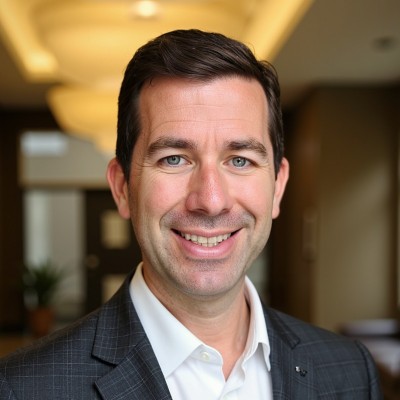
Managing Partner / JD / DCL / MBA
Jude David, JD, DCL, MBA
Jude made investment banking his primary focus after practicing for 12 years as a successful M&A attorney. From lower mid-market family-owned companies to multi-billion dollar corporate behemoths, Jude has advised sellers and buyers on over 200 transactions totaling billions in enterprise value.
Jude has leveraged his M&A experience to start a self-funded company in the building materials sector. Since its inception, the business has grown via acquisitions to over 400 employees across the USA.
Jude and his wife Ashley have six beautiful children and are very active in their community. Jude’s favorite pastime is taking the family to their fishing lodge on the beautiful Gulf Coast.
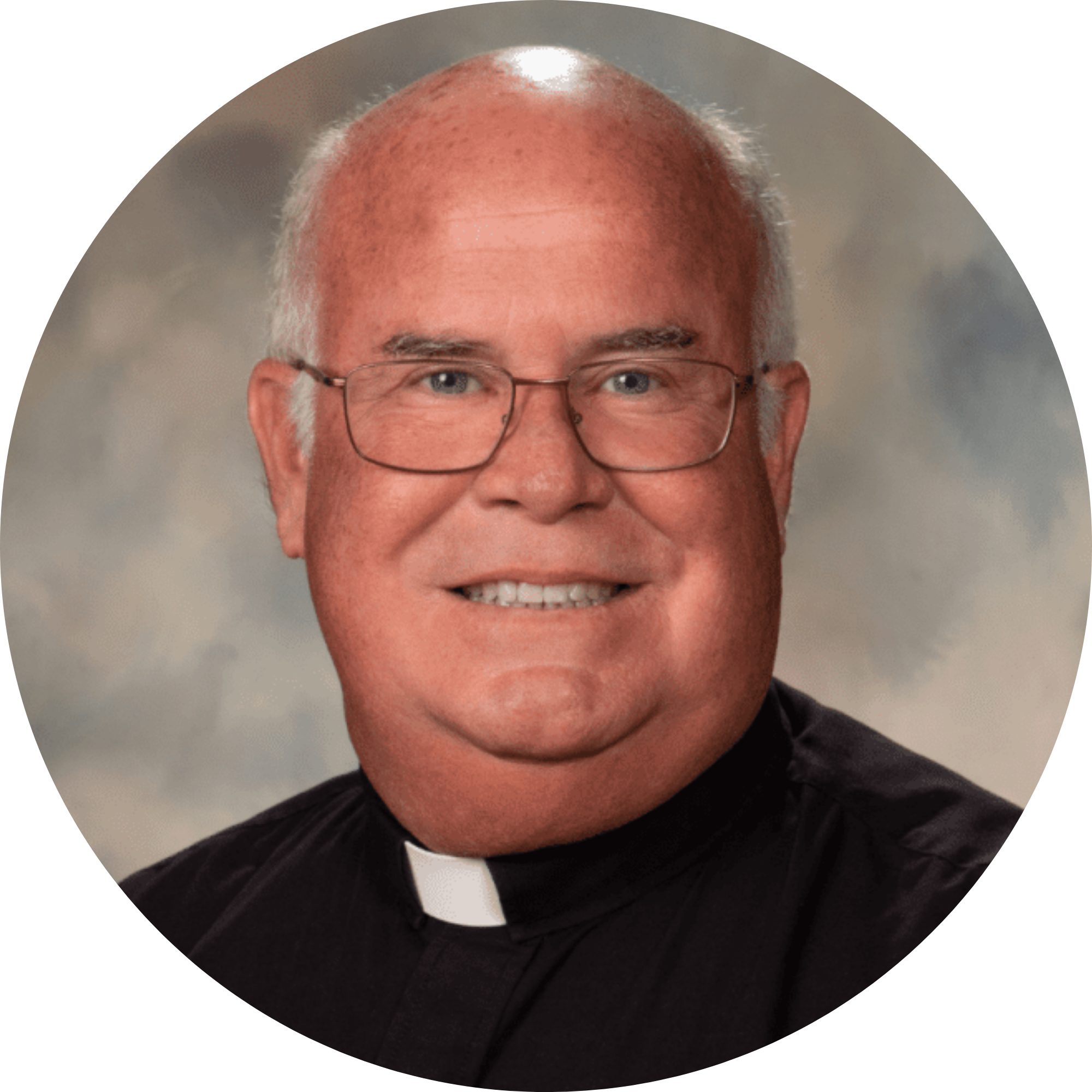
Pastor, St. Pius X Catholic Church
Fr. Brady was born in Philadelphia, PA to Dr. Eugene F. and Joan J. Brady. He is one of seven children, and his older brother is a priest serving the Archdiocese of Philadelphia. His father was a permanent deacon for the Diocese of Baton Rouge. Fr. Brady's family moved to Pascagoula, MS when he was a child.
After completing high school in Pascagoula, Fr. Brady attended Spring Hill College in Mobile, AL and received a BS in Accounting in 1987. He then attended the University of Mississippi School of Law and received a juris doctorate in 1990. He then moved to Lafayette, LA where he practiced law for 11 years.
In 2001 Fr. Brady entered formation for the priesthood and attended Notre Dame Seminary in New Orleans. He was ordained a deacon in January of 2006 and a priest in July of the same year. After ordination, he was assigned to study Canon Law at Catholic University of America in Washington, D.C. and received a licentiate in canon law in May of 2009.
Upon his return from Washington, Fr. Brady served as associate pastor of St. Michael’s Church in Crowley until 2010, pastor of St. Landry Catholic Church in Opelousas from 2010 until 2018, and was named pastor of St. Pius X Church in Lafayette in July of 2018, where he currently serves.