Amazon Music

 Apple Podcasts

 iHeartRadio

 Spotify

 YouTube

 RSS Feed

 Podcast Addict

 Podchaser

 Deezer

 Goodpods

 PlayerFM

 Castro

 Castbox
Keeping Louisiana's Best Companies in Louisiana — Joe Seremet

Too many great Louisiana companies get sold and then leave. Joe Seremet built a fund to keep them, and their legacies, at home.
Key Takeaways
- Joe Seremet, Co-Founder and Managing Partner of Louisiana Impact Fund, spent about 20 years at Johnson Rice & Company before co-founding the fund with partners Jared Quoyeser and Josh Cummings to help keep Louisiana companies, jobs and decision-making in the state.
- He says that when out-of-state private equity firms and strategic buyers acquire Louisiana companies, headquarters and growth often move with them, and many founders now weigh what happens to their legacy and their employees after a sale.
- For an owner comparing offers, Joe says he hopes capital is the least valuable thing the fund brings; the network and expertise inside the state are what should drive value, and in a growth deal the seller keeps some skin in the game.
- His red flags include unrealistic valuation expectations, companies that haven't generated EBITDA or don't have a line of sight to it, weak management and heavy leverage, and he describes a generalist approach that follows where Louisiana is growing, from construction to healthcare-adjacent businesses.
- On AI, Joe sees tangible businesses as better protected than software, which can now be built almost overnight, and argues that New Orleans' people-driven culture, restaurants and tourism can't be replaced.
Too many great Louisiana companies get sold, and then they leave. Joe Seremet built a private equity fund to keep them, their jobs, and their legacies at home.
Recorded live in New Orleans on the GNO, Inc. & The Deal Podcast tour, host Joshua Wilson and co-hosts Jude David, JD, DCL, MBA, Managing Partner at FA Mergers, and Scott Shea, M&A Advisor and Partner at FA Mergers, sit down with Joe Seremet, Co-Founder and Managing Partner of Louisiana Impact Fund and former Senior Partner at Johnson Rice & Company. Joe explains what a family-owned business should weigh when an in-state buyer competes with out-of-state offers, the green and red flags in a lower middle market deal, and how exit timelines work. Plus: healthcare-adjacent businesses, why tangible companies hold up in the age of AI, and leaving a 20-year career to bet on himself.
🎯 What We Cover:
- Why Louisiana businesses keep selling out of state
- What sellers should weigh in a local buyer
- Majority vs. minority deals
- Why a generalist fund follows the state's growth
- Green flags and red flags in a deal
- Exit timelines and what fund life means for sellers
- SpaceX, LNG and turning big projects into durable jobs
- Healthcare-adjacent businesses with room to grow
- Tangible businesses vs. software in the age of AI
- Leaving a 20-year career to build something new
🤝 Connect with Joe Seremet:
🌐 https://louisianaimpactfund.com/
💼 https://www.linkedin.com/in/joseph-seremet-8470b115/
🤝 Connect with Co-Host Jude David:
💼 https://www.linkedin.com/in/jude-david-jd-dcl-mba-172a6a76/
🌐 https://famergers.com
🤝 Connect with Co-Host Scott Shea:
💼 https://www.linkedin.com/in/escottshea/
🌐 https://famergers.com
💼 Thinking About a Transaction?
FA Mergers helps founders, investors, and business owners navigate the full M&A process — from valuation to close. If you're exploring a sale, acquisition, or capital raise, let's talk.
🔗 https://famergers.com
🎙️ Follow The Deal Podcast:
🌐 https://www.thedealpodcast.com/
💼 https://www.linkedin.com/in/joshuabrucewilson/
▶️ https://www.youtube.com/@dealpodcast
A One Iron Network production: Executive Producer Joshua Wilson
Topics: keeping Louisiana businesses in Louisiana, selling to an in-state buyer, evaluating buyer offers as a business owner, exit timelines and fund life, healthcare-adjacent businesses, tangible businesses in the age of AI, Joshua Wilson on Louisiana deal flow
Disclaimer: Joshua Wilson is a licensed Florida real estate broker and holds FINRA Series 79 and Series 63 licensure. The Deal Podcast is presented by FA Mergers and is produced for informational and educational purposes only.
Nothing discussed constitutes investment advice, legal or tax advice, a solicitation, or a recommendation to buy or sell any security or to pursue or avoid any transaction. All views and opinions expressed by the hosts, co-hosts, and guests are their own and do not necessarily reflect the positions of FA Mergers, One Iron Network LLC, any regulatory agency, or any employer. Listeners should consult their own legal, financial, and tax professionals before making any business, financial, or transaction decision. This podcast does not constitute a solicitation or recommendation for any financial products or services.
Let's Connect on LinkedIn:
https://www.linkedin.com/in/joshuabrucewilson/
To Contact Us, Please Visit:
https://www.thedealpodcast.com/contact/
Disclaimer: Joshua Wilson is a licensed Florida real estate broker and holds FINRA Series 79 and Series 63 licensure. The Deal Podcast is presented by FA Mergers and is produced for informational and educational purposes only. Nothing discussed constitutes investment advice, legal or tax advice, a solicitation, or a recommendation to buy or sell any security or to pursue or avoid any transaction. All views and opinions expressed by the hosts, co-hosts, and guests are their own and do not necessarily reflect the positions of FA Mergers, One Iron Network LLC, any regulatory agency, or any employer. Listeners should consult their own legal, financial, and tax professionals before making any business, financial, or transaction decision. This podcast does not constitute a solicitation or recommendation for any financial products or services.
Frequently Asked Questions
Why do so many Louisiana businesses get sold to out-of-state buyers?
According to Joe Seremet of Louisiana Impact Fund, most lower middle market deals in Louisiana are done by out-of-state private equity firms and strategic buyers, and acquired companies often move their headquarters and growth out of the state.
What should a business owner weigh when an in-state buyer competes with out-of-state offers?
Joe Seremet says owners should look at what a buyer brings beyond capital, such as its network and local expertise, and how a growth deal lets the seller keep some skin in the game, along with what the sale means for their legacy and employees.
What are red flags for a private equity buyer?
Joe Seremet names unrealistic valuation expectations, businesses without EBITDA or a clear line of sight to it, weak management and too much leverage. As a private equity fund rather than a venture fund, Louisiana Impact Fund does not invest in startups or pre-revenue businesses.
How long do private equity firms usually hold a business?
Joe Seremet says three to seven years is typically a good exit timeline, with exceptions. Co-host Jude David adds that sellers who roll equity into a deal generally want a defined timeline rather than an indefinite hold.
00:00 - Live From New Orleans on the GNO, Inc. Tour
01:39 - From Johnson Rice to Louisiana Impact Fund
03:58 - Why Louisiana Companies Keep Leaving the State
06:51 - Network, Mission and Partners
10:02 - What Sellers Should Weigh in a Local Buyer
12:14 - Generalist by Design: Following Louisiana's Growth
14:21 - Green Flags, Red Flags and Exit Timelines
19:11 - SpaceX, LNG and the Construction Super Cycle
25:17 - Healthcare-Adjacent Opportunities
29:11 - Tangible Businesses in the Age of AI
38:34 - Place-Based Capital and Betting on Yourself
44:02 - Why Louisiana Gets Overlooked, and How New Orleans Beats AI
Promo:
This episode is brought to you by FA Mergers and Acquisitions. If you own a business generating $10 million or more in annual revenue, our team can provide a complimentary opinion of value based on real transaction data in your industry. Whether you're considering a sale now or simply planning for the future, we can help you better understand what your business may be worth and prepare for an exit that aligns with your goals. Request your free valuation today at FAMergers.com.
Joshua Wilson:
Good day everybody. Welcome to the Deal Podcast. We are in New Orleans, Louisiana, here in the dead center of the city, looking out at the Superdome. we're we're guest of GNO Inc., Matt Wolf and Michael. They've welcomed us in to kind of get a taste of the the business, the economy, what's going on here. And they invited some friends to come on and share their story. And and with that we have Joe. Who's gonna talk to us about the work that he's doing? But we have a few different voices on the the show today. So I'm Josh, to my left is Jude David, and then we have Joe, who's our our welcomed guest, and then Scott Shea. this podcast was started by the team at FA Mergers. we sell middle market businesses, that's our jam. And the mission is to inspire the future generation of deal makers, right? So we share these stories and bring on guests to give you the good, the bad, and the ugly about the world of business. And hopefully to make some connections between you guys. So with that, Joe, welcome to the podcast.
Joe Seremet:
Thank you, appreciate Appreciate you having me on. And also thank you for GNO Inc. to from inviting me here to do this.
Joshua Wilson:
Yeah, absolutely. So Joe, who are you and what do you do?
Joe Seremet:
So my name is The bulk of my career at a firm called Johnson Rice and Company that was started in nineteen eighty seven, and Johnson Rice is a a lower middle. market boutique investment bank here in New Orleans focusing on all kinds of different industries. and I first started, you know, we were were doing all kinds of things here in the state from a generalist perspective, whether it be we did some death care, we did some restaurants, we did some energy, but What we saw is when we were successful raising dollars for companies, you know, they would grow to a certain size and move out. And then and then we actually retransitioned around the energy base right before the shale boom. We're And so what we were really good at it, Johnson Rice, and what we've translate that what that translates into from the fund perspective is raising and growing companies through equity capital. It was And that was public equity capital. And so we would find small energy organizations and grow the From multi-hundred million dollars into multi- multi-billion dollar organizations Through the formation. of public equity capital. and we probably raised at Johnson Rice close to $35 billion of capital, did about $10 billion worth of MA. and then the energy market took a turn, and so we were doing a lot more restructuring, a lot more MA. and then about twenty four months ago. my partners and I, Jared Kwiser and Josh Cummings, started to look at the idea of starting Louisiana Impact Fund. We're that's what we're doing now. my partner Josh Cummings wa spent thirty years leading the investment banking group at Johnson Rice. I've worked for him for twenty years and he came with me over to the fund. and Jared Kwiser spent over twenty Over twenty years at Intel. And he actually is the chairman of the board of Lafayette General Hospital and is on the board of Oshner Health. He's chaired a lot of their venture funds. And so he he brings that sort of background, the scaling background. But I represent the corporate finance discipline and Josh represents the corporate finance discipline of the fund. but is a Louisiana Empire Fund a lower middle market generalist private equity fund that really focused on keeping That is real. jobs and wealth in the state of Louisiana and and businesses in the state of Louisiana. And so we spent a lot of time educating people about and what we found was was really interesting. some of the dynamics in the state. It was really interesting. First of all, you know, obviously its population while every other southern state gains it. And we were like, well what what's going on there? And so, you know, we looked at a lot of different things too. A lot of different things as kind of the dynamics before we started the fund. One of those things One of those things was you know. are we followed by private equity? And we're forty four in private vested per capita nationwide. Which our perspective, because I think Which is really interesting from people face less competition. Then we looked at we looked at the population and its dynamics, and there's an aging population in the state. About thirty seven percent of the state is over the age of and fifty is Sort of a silver tsunami in the sense that there's gonna be about a thousand businesses that come for sale over the next decade, which also sets up really nicely for And the us. so we did we ten years If you think about of data on the MA market. I'll give you the last three and the last one. The last three three years, there's about a hundred and eighty MA deals done in the lower middle market in the state of Louisiana Only eight. of those transactions. were done by counterparties. That's a big that's a really, really small number and it makes a big deal. Last year there was three deals done, only three were done by in-state counterparties. Fifty-three With an aging population, those fifty deals are going to 70, going to 80, go to ninety. And so what that means is we're So what you know. gonna continue to get strip mined because what ultimately happens, half of those deals are done by out of state private equity, half of those deals are done by out of state strategics. And so these businesses is these larger businesses, larger private equity platforms come in by the businesses and ultimately strip them out. It happens time and time again. So that's interesting data because for one, if there's Twenty-five private equity investable businesses every year done, that means that we can deploy a hundred million dollar fund pretty easily by doing one or two deals a year. So that's good news. Bad news is what that means for our economy. And so when we started to unpack why we're losing population, that was at the at the top of the list. And and when we started educating very, very large institutions inside of the state, they got very interested in investing in the fund. So The end of last year in December, we raised a$25 million first close. And What we're doing now is finding our first one or two investments, building some momentum on our way to a hundred million dollar fund. Yeah. if we're successful, I think we can get to about a hundred and fifty million dollar fund through the momentum that we've built over the the course of the last twenty- four months and and like I said, through the momentum that we'll build over our first couple deals. But the the there's really three Three competitive advantages to the fund. One is is So in our first clip the network itself. We had the largest health insurance provider in the state. We had the largest commercial bank in the state. We had We have a very, very large ambulance business in the state, two billionaire family offices. and what we together put pins on the map all over the state. in Louisiana not just in New Orleans, not just in Lafayette, because at the end of the day in the the economic environment here in Louisiana has been sort of a fiefdom oriented economic backdrop. Right? 'Cause we're and I get it, right? all fighting over one economic pickle, but we're sh trying to bring like the jar. We need to bring in everybody. And And and that means and we did that in our first close as far as bringing investors from all over the state into the fund. And we think that's important from an annual meeting perspective and from a deal generation perspective. So the network's super important because for instance if we're using healthcare LP and want to sort of in in source and we'll go are and they have a business line that they want they want to the vertically integrate, right? Find an organization and say, Hey guys, this organization be willing to provide you with levels Multiple. of your revenue. So we buy an existing business, we provide the contract coverage through an LP, and And then we grow that business with our other contacts in the state. So we're sort of setting up a win before we even start, which is what We can do something so ambitious in a state like Louisiana. the second competitive advantage is the mission itself that would be important. Last three months looked So we thought it was important, but we didn't know just how important. So like over the last we've looked at sixty inbound deals, and because basically what these founders are looking at is what out of state private equity does when they come into a place like Louisiana and they see their friends sell their business and then they see that business move out of state. And it's their legacy. Right. And so they really want to work with us. We know people stop they have processes to work with us or delay processes to work with us or at least evaluate what they can do with us because our our Thank dedication to them is to keep the businesses here, keep the growth here, keep the people here. Means a lot to them. And so I think that gives us a tremendous competitive advantage. And then the The third is working with groups like GNO Inc. and I I have nothing but great things to say about Michael Hecht. Eve and and Matt Matt Wolf and their team because they actually really do help us a lot state. But also the and Susan Bourgeois and Louisiana Economic Development has been nothing but helpful from us from an access perspective. They provide some promotional dollars. they just help us in every way that they possibly can. on providing incremental returns to our investors through, you know, finding ways to get the right tax credits where we see growth, right? get the right get the right incentives where we can demonstrate we maybe we brought a a business back to Louisiana. three things So those three things are really, really how we think we're gonna succeed here and we're really, really excited about what we've built and what the future holds.
Jude David:
Let's say I'm I'm a seller. You know, I I have a business in South Louisiana and I'm looking for the right buyer. And I run a competitive process and we get, you know, twenty offers from out of state and I get an offer from Louisiana Impact Fund. What's what is it as a seller that I should be thinking in terms of how to evaluate those offers and why do I choose Louisiana Impact Fund?
Joe Seremet:
Well for one we're To raise the capital and we have it, right? A lot of people will will shop So that's that's one. And then the other is kind of what I mentioned in my intro, which is Louisiana, right? So we don't just bring capital. We that If you're in Louis, we can help you. We hope capital is really the l least valuable thing that we give you. We hope that our network and our expertise in the state is what really is going to drive home value. we're doing Mostly girl. transactions. So in the situ in that situation, you know, we we want to leave some skin in the game for for the seller. and we're gonna be able to And you know double, triple that revenue with our network and our access.
Jude David:
So when you're doing growth transactions, is that majority deals or are you taking minority interests?
Joe Seremet:
Well, as we grow we'll we will Target and the bulk of the fund we hope will be majority deals, like a typical private equity fund. Now, there are instances at a twenty million That's twenty five. dollar fund size, which is subscale at the moment, where we're gonna do potentially minority deals. But if we do minority deals, we're gonna have to have controls over things like change of control, changes in management, changes in budget, So things that we care about where we can exert control. A level of control board without having actual control.
Jude David:
Yeah, hard to make a big impact on a company when you don't control it.
Joe Seremet:
Exactly. We So you don't need to do those things structurally at first and then as we grow into our fund size, we're gonna definitely be, you know, positioned to do majority deals. And I will say say You like subscale, like we have a lot of LPs that have a lot of capital, a lot of interest in investing with us, so we can do much, much larger deals on a majority basis now with them because we're gonna be sort of offering carry free, you know, fee free co invest. we've when we find the right opportunity, we can do something much much larger.
Jude David:
Dealing with out of state buyers and, you know, especially professional buyers, but you know, strategics even more so, we find the buyer pool tends to have a very clear understanding of what it is they want to buy. You know, they're looking at certain industries, they're looking at certain size ranges, they're looking at characteristics of how long the owners own the business and what the management team looks like and all that. Tell us how you guys think of that. You know, how do you line up, you know, versus those buyers? Are you pigeonholing yourself? yourself into a certain industry, are you a little more generalist? What does that look like?
Joe Seremet:
Yeah, like I said, know, our fund is a tip of- We are we are generalist in nature. So we're not picking a specific vertical because, you know, we have decided that we're gonna make Louisiana our focus. And so that means that we need to look at every opportunity that there exists in Louisiana and be Louisiana experts. and so we don't necessarily pick one vertical and pigeonhole ourselves into it. We're gonna look at where is there outsized growth in the state of Louisiana where we can position around, right? And right now it's obvious, but there's construction, right? And I mean We've announced in our state now, I think if you View. w whoever you b whatever number you believe could be a hundred and fifty billion to two hundred billion dollars of construction projects, making it the number one state for construction in the country. And so we're gonna But like you know. I was saying in the beginning, our network is gonna drive a lot of our deal flow. So we can really Use parts of our network that have expertise in certain areas and we go to them and we identify their needs as a large organization. And Yeah. when we identify their needs, then we can go and find other companies that already either already feed them or we can help feed them and bolster their supply chain so that we can We feel really good. about investing in a business that already has pre-wired revenue growth.
Jude David:
So I mean ev every buyer has their green flags and their red flags when they're looking at deals and it's like these are the things that if I see them I definitely want to buy and these are the things that if I see them I definitely don't want to buy. So what what are some of the green flags and red flags for Louisiana Impact Fund?
Joe Seremet:
we well obviously look at valuation. Don't say, you know, we look first first and foremost. and so when people have un you know, sellers have not great expectations or not realistic expectations about valuation, that's typically a red flag. But really when it gets down to it, we're a private equity fund, not a venture fund. And so w they have to have generated EBITDA or at least have line of sight to contracted EBITDA. And and that's sort of a low bar, but that's a a bar that we have to have. So we're not going to invest in startups. we're not going to invest in pre-revenue businesses. so that's really kind of the focus and then we need to have strong management. Like we need to feel really comfortable about the management team, especially if we're in a minority position. We need to feel great about partnering with someone that's gonna carry the torch. But you know, I I say that we're all we're developing a skill But also, you know, set here in Louisiana. So we stood up a CXO leadership program with the Wait to help with the state and a couple of our LPs We have 15 leaders in the state of Louisiana that we've identified. They're going to be part of this program. And what we're trying to do is cultivate the next leg of leadership in the state. So we have a stable to pull from. And we kind of used Alpine Investors as an example. You know, they have a program where they have the top business kids apply to this program because you're basically educating people on how to run a private equity portfolio company. You know, we can sort of augment that. But as far as, you know, other other red flags go, we don't like a lot of leverage. We have to see a we have to see a way. and then you know, places where we probably where we probably avoid I never say never, but I mean things like, you know, straight up upstream oil and gas deals we probably we probably won't do. there's a lot of factors and I'm really well versed in it. So not something we we'll probably do a lot of, but everything else w we're game to look at.
Jude David:
Yeah, gosh. Every time we get an upstream oil and gas deal, I'm like, good luck. We've we've had a lot of trouble. unless you find just the right strategic for it.
Joe Seremet:
Exactly.
Jude David:
so another thing that's really big when looking at typical private equity kind of buyers is exit timeline. You know, those di guys tend to work on a three to seven year cycle. Are you guys focused the same way or are you focused a little long term or
Joe Seremet:
It's a life, so it's 10 on like- And we card so yeah you know, three will we look to exit. Obviously, there And then you'll are situations where if we find a cash cow or something that our LPs are like, no, we should respond Hold to this. We you know, we'll make exception. But we want to be out in, you know, like you said, three to three to seven years is probably a good exit timeline. And so the That always begs. question, which makes a ton of sense, like Well, where are you gonna exit, right? Are you just gonna contribute to the problem? You're gonna exit to an out of state you're gonna exit to an out of state buyer. And the answer is we're gonna exit to whoever pays us the most money. This is a free market solution. This is a for profit organization. So We're gonna take care of our LP's capital excuse me, first. Louise Dallas or Houston or wherever else, all that capital's flowing back into the state. Yeah. Louisiana buyer that's gonna pay us the same amount as an out of state buyer, then of course we would take the Louisiana buyer. But that's how we think about exits.
Jude David:
Yeah. we've seen a lot of sellers that we've worked with who don't like to hear about fun life because they don't want to see their company, you know, go through another sale process down the line. And I try to explain to them if you're gonna roll equity in this deal, like you want an exit timeline. You don't you don't want an indefinite timeline on this thing where you you might hold this equity for fifteen years. And usually that gets them to change their mindset. You know, we want the right partner who's going to grow this thing the right way over a a decent timeline. you know, have you guys ever considered a hundred percent buyouts? Would you consider a hundred percent buyouts, or is it gonna be minority equity all the way?
Joe Seremet:
I said growth a growth element. And if we can identify opportunities where there's a growth element, we absolutely would do a hundred percent buyout. Yeah. we think there are opportunities opportunities to do that. You know, there were fifty three of them done last year. So We think that that is definitely part of the strategy, yeah.
Jude David:
Well, everybody's excited about SpaceX in South Louisiana. And so when you talk about construction, my ears perk up a little bit, you know. what are you thinking about what that's gonna do for our state, all the construction down here in South Louisiana?
Joe Seremet:
Sure. I mean we're we're seeing sort of a renaissance right now, right? I mean it's it's wild and SpaceX is just the tip of the iceberg. You have all the different L and G projects are doing different phases and new ones. You have, you know, thanks to Geno Thank you. Inc., you have the Louisiana International Terminal that's you know just got announced, which is huge. You have a five hundred million dollar renovation of charity hospital that's here in the state here in in town in Louisiana. you've got Meta and you've got a handful of other data centers that are coming up. And so the numbers are staggering. SpaceX is very, very exciting and and we want a position around it. One of the biggest opportunities for the fund is that. The challenge in all of that, it's very, very exciting stuff, but construction is sort of transitory, right? And Louisiana has done a great job of getting all these opportunities. Terrific job. But as Meta as an example, You know. the GC on Meta is not a Louisiana company. It's Turner And we have a very big Turner construction business here in Louisiana, but it's Turner out of New York. And so the challenge in Louisiana is what sets up nicely for the fund is How do we create? Yeah. Durable economic growth. Make How do we make sure that Louisiana businesses, Louisiana people benefit from the construction super cycle that we're in, right? Because that's how you change it from sort of that's how you change it into generational wealth from more transitory wealth, right? And the state of Louisiana has a big history of having a lot of natural resources offshore, a lot of natural resources in the Hainesville shale, a lot of great energy infrastructure, right? lot of those businesses that that own all that infrastructure that have benefited from all that infrastructure are out of state organizations, right? And so this what So this time we want to help do and we know with our fund size and and who we're gonna, you know, nudge a battleship, but we want to put up big wins to say Louisiana people can do this, right? Like Louisiana people can gain access and do be the picks and shovels around these huge projects economic cycle. and that's that's really the challenge and I think what we're very, very well positioned to do. This When we start fund we didn't have two hundred billion and I'd like to say I'm super smart that I was gonna position around that, but now we're really lucky because we have tremendous tailwinds and we're seeing all kinds of opportunity around construction. and the the numbers are just blow your mind. we're hearing staggering numbers about number of concrete pilings, amount of aggregate You know. the construction dollars themselves, the the electrical, the infrastructure, everything around it is just staggering. Super exciting from our perspective. Our goal is to make sure that Louisiana businesses benefit from that. Easy to get, you know, pushed out of the way when these these are huge organizations that have a way of doing things. And so you need to have a little bit of sharp elbows, but I think that, you know, with our contacts with our LP network, we're well positioned to get a a piece of that.
Jude David:
Yeah, you you're right about the transitory piece. you know, you you get something like a Turner out of New York working on the meta project. And most of the subs will be Louisiana subs. Like you'll see a lot of work actually happening and then you have all kinds of add-on pieces to that, like supply that's going through a Louisiana supplier, and then like they need a whole bunch of metal fab and it goes through Louisiana metal fab and whatever else. But then the center gets built And that project's over and it's like, what's the next step after that? How do we build that in a durable way in Louisiana? How do we get to where we're not having these one and done projects where rising tide lifts all boats for a year, but not five years and ten years?
Joe Seremet:
Yeah, and that's a really, really great question. Right, because even if you do have the picks and shovel, the the project goes away and you know the those revenues, those that EBIT potentially could drop, right? Don't get any of that, then we'll be real trouble. But if we don't be in we'll be in real trouble. because it's again, it we have to grab the economic interest for the state. I think the way that you make it durable is more projects that have durable b durable jobs going forward. Data centers have some. and the good news about all the jobs that have been created is that they're I think that the data is about a hundred percent of like the median income. So like on average all these jobs is about a ninety-one thousand dollar average job that is being created by all this stuff. That's about I think that's about a hundred percent markup from where we are from a an unemployment salary perspective here in the state. So like that's gonna go a long way. The multiplier effect of that is huge, right? So that really should start to feed the economic engine and get that sort of flywheel started.
Jude David:
Yeah, SpaceX is a good example because yeah, I'm hearing all the stories now of like the infrastructure s infrastructure that's gonna go in, the new roads, the new this, the new that, and it's like all of those pieces are interesting because those will be add on for several years after even the project's built. but then you know you have multiple lasting businesses that that form because of this. You're gonna have, you know, a tourism business that goes through Vermillion Parish to go see the rockets. You're gonna have hotels and hospitality, you're gonna have restaurants and all kinds of things that are add on businesses in addition to just the jobs at that project. yeah, it's hard to imagine with data centers that you end up with the same thing. I I think you know the average data center has something like four employees whenever the construction's done. but you hope there's some other way that we have add on prosperity there where You know, I'd assume these servers are getting better and better and you're constantly reconstructing and redoing those facilities. you know, it's so great to see it in South Louisiana, see the ports you know, building up, infrastructure building up, you see you know, stadiums getting built and expanded, which is really cool. You know, what are the other big projects that excite you in terms of economic development? How do we get to have Louisiana Impact Fund be a leader in those?
Joe Seremet:
Yeah. You know, in our you state. know, especially I think in New Orleans area healthcare's a healthcare is a growing a growing market. and so I think you'll see continued sort of expansion in healthcare. You've you've seen Osher make a ton of investments. you you've seen obviously the the charity renovation which is huge and so I think Healthcare will be a a really good place to spend some time here in the state. It's it's a big part of our economy. and one that I think continues to grow, especially as we head into sort of the, you know, the baby boomer phase and and also AI, right? I mean, AI is is is a is a h is a huge opportunity for everybody. it has its you know, everyone has their opinion about the detractions of it and the job loss, but in in industry in an industry like healthcare. they're already overwhelmed, right? So if you can make healthcare more efficient, it just drops to the bottom line. but those are the big projects that we're focused on. I mentioned them, you know, I think the the port is a huge one. LNG's a huge opportun a huge opportunity. and those are those are more durable jobs that have longer lasting timelines because there's a lot of things that feed an LNG project, right? You have the natural gas pipeline, you have the power, you have the infrastructure. And the same goes for data centers. You're right about the number of employees, but they're also building what, two natural gas power plants, those require more people, right? And so there's lot of infrastructure, there's pipelines that go in, and there's a lot of things that go into those.
Jude David:
Yeah, healthcare's huge. You know, we've been hearing about this silver tsunami, it feels like for a couple of decades now, and, you know, the tens or even hundreds of trillions of dollars of wealth that moved from generation to generation. And I I'd say like it's been less than the hype, you know, in in terms of what was expected to transfer by this point. But at the same time, nobody was talking about the the healthcare needs that were growing as this population was aging. And and it's that is real. That is very much coming to fruition. How are you guys getting in on that investment? you know, obviously any investments you make directly in hospitals do it, but services, clinics, anything else?
Joe Seremet:
Yeah, absolutely. So you know, s we have multiple LPs who are hospital systems because it's a big business here and we are very much positioning around all of that You know. there are a lot of different examples but if you if you look at a a health sk a healthcare system they typically are generating You know, two to five percent if you're lucky EBITDA margins right but they pay. they're vendors vendors that are generating thirty percent EBITDA margins you know that be a diagnostic lab, whether that be medical waste, whether it be linens, whether it be imaging centers, you n it, you know, medical couriers, you name it, those those those organizations are generating far better EVITA margins than the hospital. Now there are a lot of reasons for that and this call's too short to go into them. and because the so so in healthcare you see But we a tremendous opportunity And really identi and and we identify that very early and I think we see a tremendous opportunity in picking the right spots in healthcare adjacent businesses that we can invest in, help grow and actually provide these health systems with a better service or better product that they have a vested interest in sort of because they're investors in the fund, because they have an interest in the state, they have an i an interest in population growth in the state and economic vitality in the state to really capitalize Really capital. on. And so it's an area where we spend a tremendous amount of time and are certainly coming up the learning curve very quickly. but the healthcare space itself is is very is very challenging because of reimbursements and because of getting paid by insurance companies. So the the vendors is where I think there's a a ton of opportunity. and lower risk opportunity, frankly.
Jude David:
Yeah. Just reading between the lines of a lot of the things you said, it seems like you guys really like tangible businesses, things that you can touch and feel and understand. And, you know, with our family office, I feel like I've spent like an embarrassing amount of time thinking about AI. as I'm as I'm thinking about DealFlow and and companies that we're talking about going into and and evaluating opportunities. You know At first I feel like I did a top down approach where it's let me evaluate the opportunities and see if these fit with the AI narrative that I have in my head. And then I started to realize, no, actually it's it's so many of them that I end up ruling out with this AI narrative that maybe I'm gonna go a bottom up approach. Like what are the good industries? And it's the things you're talking about. It's the things you can touch and feel. the things that you manufacture or you construct or, you know, healthcare or those sorts of things. Is that how you're thinking about it? Is it is it the tangible touch and feel kind of businesses or am I leading the witness too much there?
Joe Seremet:
No you're not Not leaving the witness and everyone has their opinion. I I agree with I totally agree. you. I think getting involved with businesses that you can touch and feel is very, very important. and you know, you could make the longer term argument that robotics is gonna even replace those. But I mean, at the end of the day for for now, I think investing in businesses that have that tangible element to it is a way a way to sort of protect yourself. Not perfect because AI is is is impacting everyone. But with in the instance of a tangible business, you can use AI to drive margin and it's not gonna be like supplanted. Several Yeah. software businesses and you know, it just is and we like them and they you we talk about this system of record with SaaS businesses. SAS business And we like those is their system of record, which basically means that they're embedded in organizations, right? They're fine, they're not gonna get touched by AI. But it's just a little it gives me a little bit more heartburn from that perspective because software can be create created overnight. and even if even if they're not supplanted, I think the value proposition that SaaS businesses bring to the table is and and not gonna go It's tough. away. They're gonna be very successful businesses, but perhaps their margins are squeezed from where they've been, which have been extremely attractive to something that's
Jude David:
Yeah, like take a a very common SaaS business that was very investable five years ago. ERP systems and CRMs. You know. Those are very, very common. But you know, we have our own in-house AI guy that's building our own ERP systems and our own CRMs these days. And it's like, why would I pay somebody else to get their off-the-shelf software when I can have my own custom built software and we can do it in hours? Like it's it's not a long-term thing to try to build it. And so, you know. I I think about the industries that I would have really liked five or ten years ago, like good, stable cash flow businesses, you know, roll ups of accounting firms or law firms, you know, those those seemed pretty obvious. or, you know, anything else where there's a lot of thought work, SaaS businesses really come to mind, like everybody loved those. Coding businesses come to mind. And all of those in my head, you know, the thing that the that the customer is paying for is what's being replaced by AI. And that's the the common thread that I've found. I like businesses where the thing that the customer is paying for isn't replaced by AI, maybe just the back office or other parts of the business become more efficient. tell us your thoughts. Like what what's gonna get wiped out? What industries are the the tough ones? P use your crystal ball and
Joe Seremet:
man, it's the trillion dollar question, right? This conversation comes up anywhere I mean this in every from dinner parties to business meetings. I mean this is it. The question is, you know the job market's a tight market, right? And if you're saying And what you're is true, and I'm not suggesting necessarily it is ten of accounting firms, ten percent But if you're gonna supplant ten percent of percent of law firms And you're gonna move very, very high paying jobs to less pay high paying jobs or not at all, you're gonna have some real you're gonna some real issues. and I think that that's a scary proposition. And Bill Gates just came out with he sort of an essay about this. And he's been on the fence to bias slightly negative, and this was cautious to say the least. He was like, I think that regulator regulatory bodies, the government needs to sort of really wake up and come understand what the risks are of what we're doing and position regulatorily around that. And Yeah. he thinks that we're behind from that perspective because if you Have a big loss of very, very high paying jobs, people who want to work but can't, you're gonna be in some serious trouble, right? And so what are the Yeah, I mean this is a way above our pay grades, right? But like what are the things that we can do? Is it that you can't supplant jobs with AI? Is it, God forbid, a universal basic income? Is it something to like supplant what's going on? Because if that continues, you could find yourself in a different economic situation.
Jude David:
Bill Gates has had like you can call him nostradamas when it comes to some worldwide issues. you know, he for years went around talking about a pandemic being the greatest threat to humanity and this is before COVID. And he was like, you see? And same thing with some environmental issues. So when he talks about AI, I definitely perk my ears up. Yeah. He signed on to the Pope's encyclical in the last couple of weeks, endorsing it you know, based on what it does to humanity in terms of you know, how do we treat human beings and their dignity of work in the context of, you know, AI potentially making companies more efficient? And do we have a responsibility to keep people working and to keep society you know, having a purpose and a reason to get up every day? Yeah. That's deep stuff.
Joe Seremet:
And the c and the The counter argument is that it's gonna allow the existing workforce to be more efficient. It's gonna grow the pie larger and faster than we can keep up with, and so everybody wins and there's this era this era of abundance, right? a lot of people think that that that's forthcoming. Elon Musk among them is like, you know, we won't even need to work. And I don't even know how all that works necessarily. But if You know, robots drive the cost of living down to zero. Is it the a situation in which we, you know, all of us don't have to think about capital, money, food, energy. And I that goes against everything we've all been, you know, raised to think. But that's that's sort of argument to all that, which I sort of fall somewhere I think more your what you're saying is I think, you know, there's gonna be a supplanting of jobs in the near term and it's gonna be more of a challenge.
Jude David:
Yeah, it's w what jobs come on the back side of that? What does humanity do next? And you know, like we've been absolutely terrible in humanity and trying to predict what that is. In every industrial revolution or technology revolution, we've never figured out how to predict what the new jobs are. You know, I think the narrative that you're talking about that we're hearing about abundance, if I was selling AI or I was selling robotics and like I was trying to get people to buy it, I would definitely be selling An abundance narrative. I be yeah. I'd be telling people this is gonna make the greatest abundance in the history of the world.
Joe Seremet:
Real Gaze Point I at least a little bit was you are s you're seeing a different technology in the sense that technology in the past right The internet. that was an expander of technology. technology itself, whatever Bill Gates built, was an expansion. All the things that have been developed from a technology perspective or industrial technology perspective has been expansive. You Haven't seen one that replaces human intelligence. This
Jude David:
And then beyond that super intelligence.
Joe Seremet:
That's you, right? in quantum computing. And so it's really interesting from that perspective. And but but I I use our fund as an example, right? We're obviously as we grow to a hundred Like our and fifty million dollar fund, we're gonna hire people, of course, right? But that hiring decision is pushed out and the number of people we're we need to hire probably is diminished. Because you know, we use AI to do things that, you know, would have taken me a month, I can do in forty five minutes. So but But the flip side of that is I can move a transaction much faster, right? Like I can I can get to the data, I can understand. And so being a generalist private equity fund in this era is is actually really great because you can come up to speed on something extremely fast. and it's very, very helpful. But there's always like the wait, so I was gonna hire a hundred and fifty thousand dollar employee, but now I'm not am I part of the problem? Like, right? So it's a really interesting dynamic right now.
Jude David:
Yeah, we're all part of the problem. And and look, there's no hard evidence of job loss yet. Nope. Except that there's evidence of not filling lower level positions, you know, that that we're not hiring as fast in the entry level positions and the intern positions and those sorts of things. So it's all speculative at this point. But I I do think, you know, we all have a responsibility for it. I I I love what you guys are doing at the Impact Fund. keeping money in Louisiana, keeping investment in Louisiana. I think that's the solution we can all get behind.
Joe Seremet:
Yeah, and PlaySpace Capital Is sort of Is if it's new. Since we've stood it up and there's There's been a couple others who have stood up. I think there's one in Virginia and there's another one, I can't remember, I think it's in Minnesota, but really So it's really interesting 'cause I think over time and I I you I I know a lot of private equity people, I'm not trying to be disparaging to act like big private equity, but things, right? They You know, they do do these the would tell you that they come into they tell you they come into states and they do these things and the capital sort of migrates in a different direction. And so what's interesting about a play Place-based capital situations, you have all the connections. You're boots on the ground. Like you know more about what's going on in in a place than necessarily knowing what's going on in industry. No it's not And with AI, you can know what's going on in industry. So knowledge is more commoditized about an industry, right? But it's You still can't replace the network Of people. that get stuff done in a state. And so I think we're early into something that's gonna be You know. over time gonna be something that we see more of in sort of a place- based capital perspective. And I think we're early movers in that regard.
Jude David:
We could go more and more on this subject, but I really wanna know what have we not asked you that we should be asking you about?
Joe Seremet:
Hmm. That's a that's always a tough one. I think you've pretty much cover I think you've pretty much covered it all. We hit projects, we hit AI, we got all philosophical.
Jude David:
What do you do when you're not working?
Joe Seremet:
What do do when I'm not wi- got an eleven year old little girl and a seven year old little boy. So I'm very involved in his sports and very involved in in her and her school and so I spend a lot of time with my family. my wife works, she's very, very busy, but we do a lot of family time. I do a lot of working out. when my back's not a mess, I play I play I try to play some golf. But when you're trying to build fund one, you know, you quit your job of twenty years, you take a pay cut to do Yeah. You're trying to build a fund one in the state, when you're trying to find deals and Yeah. raise money at the same time or flying a plane while we build it. So I try to I try to focus on family second and and then you know, hobbies third, but you know, it's it's been I shouldn't say that. Family first, job second third. Hobby's third, but you know, that's what that's what I've been up to.
Jude David:
Well, you know, Johnson Rice is a tremendous investment bank, great reputation in South Louisiana. I'm sure you had a very stable and great job there. You know, what was that entrepreneurial streak in you that said, you know, I'm gonna leave that very stable industry, I'm gonna go do something, you know, startupy and and a little risky and take a bet on myself. What what was it in you that that pushed you to do that?
Joe Seremet:
wanted I've always w I've always won. to do it. I think and I when I identified the opportunity, I liked the idea of doing well and good. I I did a lot of a lot of investment banking and I enjoyed investment banking and I love my friends at Johnson Rice. but you know the energy space The energy the traditional energy space was was getting tired. and I I'm younger. I wanted to do something. I looked at myself in the mirror and said, Look, I'm forty. You know, low price I can do this. I'm in a position to do it. Wait. my partners are in a position to do it. Let's go try to make a real impact and make some money while we do it. And it gets me up every morning and I get super excited about what we're doing 'cause I see the changes that it can make and and I get s more and more excited. Every business owner that I meet is is more exciting. Their stories are fascinating. It's just Interesting work. and the fact that we can make impact and we're entering in a phase that has all this tailwind associated with it and state. just gets more and more exciting every day. So yeah, it was one of those moments where you kinda gut check and be like, you know, I'm forty. You know, like let's make a difference, let's make a splash, let's do something fun, let's do something innovative. And so that's what I did.
Jude David:
So for all of our listeners who are on the fence thinking about taking a bet on themselves and, you know, stepping out and doing doing their own thing, what what message do you have for them?
Joe Seremet:
Do it. Like life is sh life is short and it's worth doing and and if you can And do it responsibly and you have thank I have to thank my my wife who's bought in. is one of the biggest reasons why I'm able to do it. you know, if you can do it responsibly with your family, do it. Get out there, put yourself out there, grow your network because people are what matter.
Joshua Wilson:
So Joe, so glad that you're here. Once again, thank you for Geno for for bringing me out here, Matt and Michael team here, grateful for that. Joe, Also on this the table here is a scratch golfer. So you mentioned golfer golfing. Scott is one of our resident pros. He's really good at golfing. But he has he has two questions for you. One is one that he he written down and another one is one that's left behind from another guest. So Scott, to you buddy.
Scott Shea:
Yeah, Jude took all the questions.
Joshua Wilson:
Jude this was a Jude thing, man. Like this is his wheelhouse. This is what he's done every day for the last twenty
Jude David:
I want to go back to the beginning. You said Louisiana is ranked, I think, forty-fourth for private equity investment. is that gonna change with all of the the recent announcements or are there other reasons that Louisiana's been a avoided for so long?
Joe Seremet:
Great question. There are So there a lot of reasons why Louisiana has been has been left in the dust as it relates to private equity per capita. you know, all the Louisiana listeners on this podcast know what those reasons are. They could be public education, it could be hurricanes, it could be infrastructure. There's there's a lot of reasons why people don't invest in the state of Louisiana. The e the the legal code, there's a lot, there's a lot of reasons. But that That's why our thesis made sense from that perspective, right? And that's why we chose Louisiana investors. Because We as Louisianans have already underwritten to all of those risks by virtue of the fact that we raise our families here.
Jude David:
Awesome. All right, this question was from Noah.
Joshua Wilson:
Noah Kressler at Adelson Baker.
Jude David:
So he's a transaction attorney. Yeah, I said backwards. Not the question I expected. We've kinda touched on it. how does New Orleans beat AI?
Joe Seremet:
How does it beat? AI necessarily Is it something that we need to beat or just learn how to adapt to.
Jude David:
Probably the second. Mm-hmm.
Joe Seremet:
Yeah, I I don't think there is frankly, I don't think there is a way to b Beat. AI. there's a way to make sure that we do it responsibly and we make sure that to It's used it away too. its highest and best use and that we can drive economic growth and value from it. I mean I think that stems through every single industry, whether it's making healthcare more efficient, whether it's making construction more efficient Whether it's a Allowing and giving opportunities to people in New Orleans who don't have that opportunities, the access to AI, the education about AI, to give them the opportunity to use it to better themselves, right? you have to take a positive view from that question because if you take the negative it's just it it doesn't lead us anywhere. I don't think there's a way to beat it. There's a way to adapt to it in a way that's beneficial. and it it's it's moving without our control at the end of the day. It's growing faster than we can contain it. And so we need to figure out how to adapt to it and have to identify it. We can't ignore it.
Jude David:
I would think so many of what makes New Orleans unique can't be replaced with AI either. Restaurants, culture.
Joe Seremet:
Restaurants culture tourism You know, it in that those Is those are people things, those are tangible, durable, experiential things. In the age of AI, if we're gonna get philophilosophical again, more of a focus on things like that for New Orleans, right? P pe if if people have more time because they're using AI to make their time more efficient, then they're gonna spend more time in cultural situations, which benefits New Orleans, in my opinion. It's gonna drive people here, make people excited about seeing the French court or eating at a great restaurant or going to Jazz Fest or coming to Mardi Gras, you know, and that's exciting.com or they They can go to our website which is Louisiana. can Email me directly at Saramet at Louisiana Impact dot com, which is S E R E Amazon Mary E T at Louisiana Impact dot com. Happy to field any additional questions or talk about the fund to anyone who who would like to reach out.
Joshua Wilson:
Cool. And he has a great A great avenue of inbound deals that are coming to him, interested in the fund and interested in what he's doing. So keep up the good work, Joe and and team over there. Once again, thank you for GNO. And for you listeners, thank you for listening into the deal podcast. We'll see you all on the next episode. Cheers, guys.
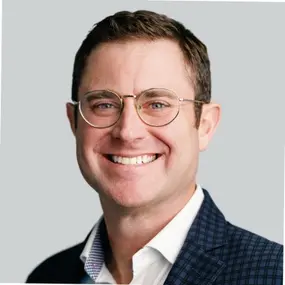
Co-Founder and Managing Partner
Joe Seremet is the Co-Founder and Managing Partner of Louisiana Impact Fund, a private investment firm focused on investing in and growing businesses across Louisiana. The fund was created around a simple idea: Louisiana has great companies, talented entrepreneurs, and significant private capital, but too often those businesses are sold or that capital is invested outside the state.
Prior to launching Louisiana Impact Fund, Joe spent more than two decades in investment banking and private investing, most recently as a Senior Partner at Johnson Rice & Company in New Orleans. Over his career, he advised companies on more than $35 billion of capital raises and approximately $8 billion of mergers and acquisitions.
Today, Joe is focused on building Louisiana Impact Fund into a long-term investment platform that connects Louisiana capital with Louisiana businesses—helping entrepreneurs grow, creating and retaining jobs, and keeping more ownership and wealth in the state.